
Advanced Quarantine for New Tetras in Breeding Programs: An Aquarium Mastery Protocol

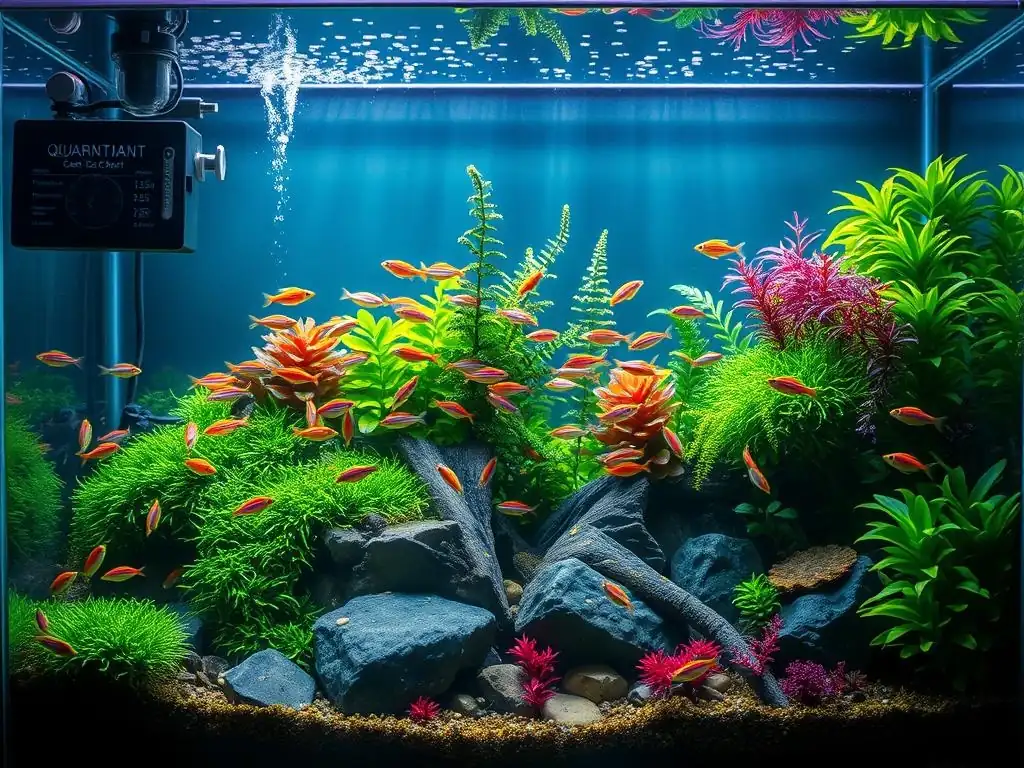
Welcome to Aquarium Mastery!
Ready to introduce new tetras into your breeding program with confidence? Delve into our advanced quarantine protocol and discover how to safeguard your existing population from disease. Learn the secrets to ensuring a healthy and thriving tetra community, and unlock the full potential of your freshwater aquarium. Curious how to give your new tetras the best start? Let's dive in!
- Advanced Quarantine for Cardinal Tetras in Breeding Programs: An Aquarium Mastery Protocol
- Introduction to Cardinal Tetra Quarantine for Breeding Success
- Establishing an Effective New Cardinal Tetra Quarantine Protocol
- Implementing the Quarantine Procedure: A Step-by-Step Guide
- Advanced Quarantine Techniques for Sensitive Cardinal Tetra Species
- Preventing Cross-Contamination: Maintaining Quarantine Hygiene
- Troubleshooting Common Quarantine Issues
- Long-Term Benefits of a Robust Quarantine Protocol
- Conclusion: Mastering Cardinal Tetra Quarantine for a Successful Breeding Program
-
Frequently Asked Questions
- What is the purpose of a quarantine protocol for new tetras?
- How long should I quarantine new tetras using Aquarium Mastery's protocol?
- What are the key components of the "Advanced Quarantine for New Tetras" protocol?
- What should I do if I observe signs of illness in my quarantined tetras?
- Can I shorten the quarantine period if the tetras appear healthy?
- Final Reflection: The Enduring Value of Patience
- Ignite Your Tetra Breeding Program Now!
Advanced Quarantine for Cardinal Tetras in Breeding Programs: An Aquarium Mastery Protocol
Introduction to Cardinal Tetra Quarantine for Breeding Success
Why Quarantine is Crucial for Cardinal Tetra Breeding Programs
Quarantine is not merely a precautionary measure; it is a fundamental pillar of responsible fishkeeping, especially when managing a breeding program for delicate species like Cardinal Tetras. Even seemingly healthy fish can harbor dormant pathogens or parasites that, once introduced into a main breeding tank, can rapidly escalate into a devastating outbreak. For breeders, this proactive step safeguards invaluable genetic lines and the significant investment of time and resources put into cultivating a thriving colony. Without a dedicated quarantine period, the entire breeding stock, representing years of selective breeding and care, remains vulnerable to unseen threats.
The high stress levels experienced by Cardinal Tetras during capture, transport, and initial acclimation make them particularly susceptible to illness. Their immune systems are often compromised, allowing latent infections to flare up or making them prone to new ones. A rigorous quarantine period allows these fish to recover from stress in a controlled environment, regain their strength, and exhibit any underlying health issues without risking the established population. This critical phase minimizes the potential for widespread disease, ensuring the long-term viability and success of your Cardinal Tetra breeding efforts.
Understanding the Risks of Introducing Unquarantined Cardinal Tetras
Introducing unquarantined Cardinal Tetras into a main breeding system carries substantial risks, potentially exposing your entire collection to a myriad of pathogens. These can include common freshwater ailments such as Ichthyophthirius multifiliis (Ich), bacterial infections like Columnaris (often mistaken for fungus), or various internal and external parasites such as gill flukes or intestinal worms.
Even if the new arrivals appear robust, they can be carriers, shedding microscopic pathogens into the water that can then infect existing, less resilient fish. The rapid spread of these diseases within a closed aquarium system can lead to systemic infections, compromised water quality, and a rapid decline in fish health.
The consequences of such an introduction can be catastrophic for a breeding program. A single unquarantined fish can trigger a tank crash, leading to widespread illness and potentially the loss of a significant portion, or even all, of your carefully curated breeding stock. Treating a large, established breeding tank is not only more complex and stressful for all inhabitants but also significantly more expensive due to the volume of medication required.
Moreover, certain diseases can linger in the substrate or filtration system, making eradication challenging and potentially affecting future breeding cycles. Implementing a robust new tetra quarantine protocol is therefore paramount to mitigate these severe risks.
Establishing an Effective New Cardinal Tetra Quarantine Protocol
Setting Up a Dedicated Quarantine Tank for Cardinal Tetras
Establishing a separate, dedicated quarantine tank is non-negotiable for any serious breeding program. This isn't just a temporary holding container; it’s a controlled environment designed to isolate new arrivals, reduce stress, and facilitate observation and treatment without endangering your main breeding colony. The tank should be set up in a quiet area, away from high traffic, to minimize external disturbances. A bare-bottom tank is often preferred for ease of cleaning and observation of waste or parasites, though a thin layer of sand can be used for species that prefer it, provided it's kept meticulously clean.
While a fully cycled quarantine tank is ideal for long-term stability, it's often impractical for immediate use. If the tank is not cycled, be prepared for rigorous daily water testing and frequent partial water changes to manage ammonia and nitrite spikes. Alternatively, a small, established sponge filter from a healthy, disease-free tank can be used to "seed" the biological filtration, provided the risk of cross-contamination from the source tank is negligible. This careful setup ensures that new Cardinal Tetras are introduced to a stable, low-stress environment from day one, which is vital for their recovery and health assessment.
Quarantine Tank Size and Filtration Requirements
For a small group of Cardinal Tetras (typically 6-12 individuals) intended for a breeding program, a 10-20 gallon (approximately 38-76 liters) aquarium is generally sufficient for quarantine. This size provides adequate swimming space without overcrowding, which is crucial for reducing stress and preventing the rapid spread of disease within the quarantine group itself. Overcrowding can lead to increased aggression, elevated waste production, and weakened immune systems, making the fish more susceptible to illness.
Filtration in a quarantine tank should be simple yet effective. Sponge filters, powered by an air pump, are an excellent choice due to their gentle flow, robust biological filtration capabilities, and ease of cleaning. Hang-on-back (HOB) filters can also work, but ensure the intake is covered to protect small tetras and that the outflow isn't too strong.
Avoid using carbon or other chemical filtration media during the quarantine period, especially if you anticipate needing to administer medications, as these can absorb the therapeutic compounds. Regular maintenance of the filter media, such as rinsing in old tank water, is essential to maintain water quality.
Essential Equipment for a Cardinal Tetra Quarantine Setup
A well-equipped quarantine setup is critical for successful isolation and treatment. Key equipment includes:
- Heater with Thermostat: To maintain a stable temperature, ideally between 76-80°F (24-27°C) for Cardinal Tetras, aiding their immune system and metabolism.
- Thermometer: For accurate temperature monitoring.
- Air Pump and Air Stone: To ensure adequate oxygenation, especially important if medications reduce oxygen levels or during elevated temperatures.
- Substrate-Free Tank: A bare-bottom tank simplifies cleaning, observation of waste, and prevents medication absorption into the substrate.
- Hiding Spots: Simple PVC pipes, plastic plants, or ceramic caves provide security and reduce stress for the fish.
- Dedicated Water Testing Kit: A liquid-based test kit for ammonia, nitrite, nitrate, and pH is essential for daily monitoring.
- Dedicated Siphon, Buckets, and Net: Crucial for preventing cross-contamination between the quarantine tank and your main breeding tanks.
- Dechlorinator: To treat tap water during water changes.
Each piece of equipment serves a vital role in creating a stable, observable, and easily manageable environment. For instance, the bare bottom allows for immediate visual detection of parasites like Ich cysts or internal worm segments, while dedicated tools ensure that no pathogens are inadvertently transferred, solidifying the integrity of your new tetra quarantine protocol.
The Importance of Water Parameters in Quarantine
Maintaining Optimal Water Chemistry for Quarantined Cardinal Tetras
Maintaining optimal and stable water chemistry is paramount for the health and stress reduction of quarantined Cardinal Tetras. These fish originate from soft, acidic waters in the Amazon basin, and replicating these conditions during quarantine significantly boosts their immune response and overall resilience. Ideal parameters include a pH range of 5.0-7.0, general hardness (GH) between 1-8 dGH (18-143 ppm), and carbonate hardness (KH) between 1-4 dKH (18-71 ppm). While precise replication of their wild habitat can be challenging, consistency within these ranges is more critical than hitting exact numbers.
Sudden fluctuations in pH, temperature, or hardness can be more detrimental than slightly off but stable parameters. To achieve soft, acidic water, many breeders use reverse osmosis (RO) water remineralized with products designed for soft water species, or incorporate natural acidifiers like peat filtration or driftwood. Ensuring the water is free of chlorine and chloramines through a high-quality dechlorinator is also fundamental. Stable water chemistry minimizes osmotic stress, allowing the fish to focus their energy on recovering from transport and acclimating to their new environment, rather than constantly adjusting to changing conditions.
Regular Water Testing and Adjustments During Quarantine
Regular and diligent water testing is a non-negotiable component of an effective new tetra quarantine protocol. For a newly set up or uncycled quarantine tank, daily testing for ammonia and nitrite is absolutely crucial, as these highly toxic compounds can quickly accumulate and stress or kill fish. Nitrate and pH should be tested every 2-3 days. Liquid reagent test kits are highly recommended over test strips for their superior accuracy and reliability.
Upon detecting any elevated levels of ammonia or nitrite (even trace amounts), immediate corrective action is necessary, typically involving a significant partial water change of 25-50%. Always ensure the new water is dechlorinated and temperature-matched to prevent further stress. Products that temporarily neutralize ammonia can also be used as an emergency measure.
Regular water changes (e.g., 25% every 2-3 days, or more frequently if medication or high bioload demands) help to dilute waste products and maintain pristine conditions, which are essential for fish recovery and effective medication absorption. Documenting these daily readings provides valuable insights into the tank's stability and the fish's progress.
Implementing the Quarantine Procedure: A Step-by-Step Guide
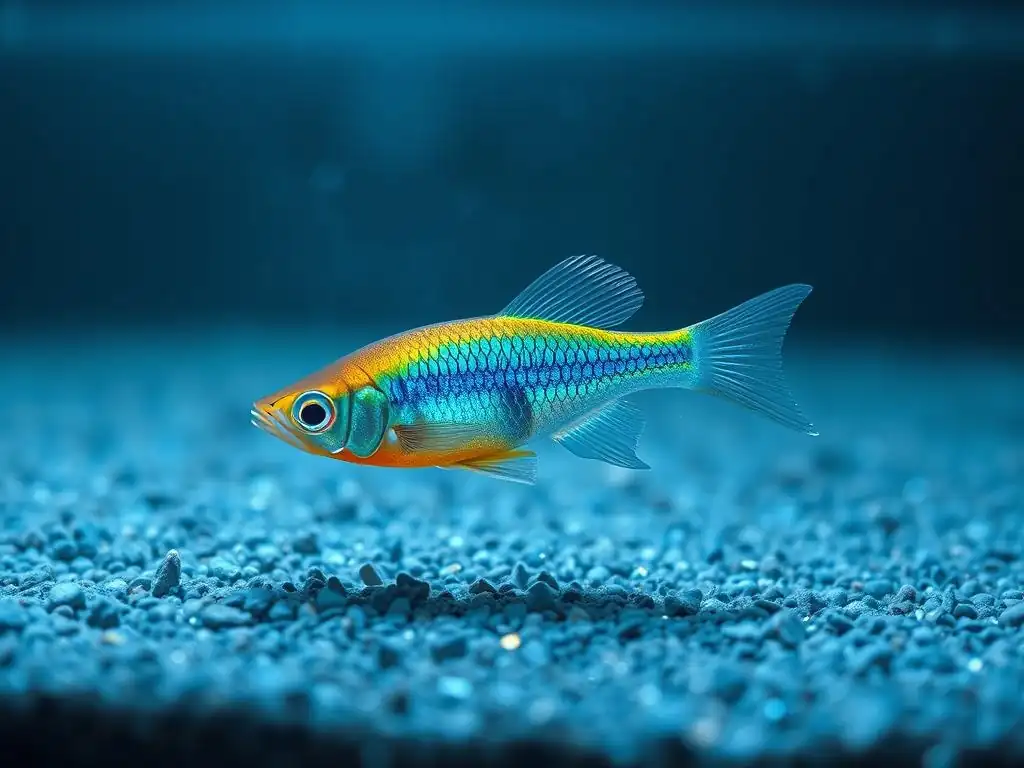
Step 1: Initial Observation and Acclimation of New Cardinal Tetras
Gradual Acclimation Techniques for Minimizing Stress
The initial introduction of new Cardinal Tetras to the quarantine tank is a critical phase that can significantly impact their survival and stress levels. Gradual acclimation is key to minimizing osmotic shock and temperature fluctuations. The preferred method is drip acclimation: first, float the sealed bag in the quarantine tank for 15-20 minutes to equalize temperature.
Then, open the bag, roll down the edges, and secure it to the side of the tank. Using an airline tube and a small knot or valve, siphon water from the quarantine tank into the bag at a slow drip rate (e.g., 1-2 drops per second).
Continue this drip for 1-2 hours until the volume of water in the bag has tripled or quadrupled. This slow process allows the fish to gradually adjust to the new water parameters (pH, hardness, temperature). Once acclimation is complete, carefully net the fish and transfer them to the quarantine tank, discarding the bag water, as it may contain ammonia or pathogens from the shipping process. During this entire process and for the initial hours in the quarantine tank, keep lighting dim and minimize any sudden movements or loud noises to further reduce stress.
Detailed Visual Inspection for Signs of Disease
Upon arrival and during the initial acclimation period, conduct a thorough visual inspection of each Cardinal Tetra. This detailed observation is a cornerstone of any effective new tetra quarantine protocol. Look for specific physical abnormalities:
- Fins: Clamped fins (held close to the body), ragged or frayed fins, white edges.
- Body: White spots (classic Ich), fuzzy white growths (fungus or Columnaris), red streaks or sores, missing scales, bloating or sunken bellies.
- Eyes: Cloudy eyes, popped eyes.
- Gills: Rapid gilling, inflamed or pale gills.
- Mouth: Frayed or fuzzy mouth.
- Color: Fading colors, dark patches.
Beyond physical signs, observe their behavior:
- Swimming: Erratic swimming, darting, rubbing against objects (flashing), listlessness, gasping at the surface.
- Social: Hiding excessively, isolating from the group, failing to school.
- Appetite: Refusal to eat, spitting out food.
Document these observations meticulously in a logbook. Early detection of any of these signs allows for prompt intervention, significantly increasing the chances of successful treatment.
Step 2: Medication and Treatment Strategies (If Needed)
Identifying Common Cardinal Tetra Diseases and Parasites
Accurate identification of common diseases and parasites is crucial for effective treatment during quarantine. Cardinal Tetras, like many small schooling fish, are susceptible to a range of ailments. These include:
- Ich (White Spot Disease): Caused by Ichthyophthirius multifiliis, visible as small, salt-like white spots on the body and fins. Fish may flash or rub against surfaces.
- Velvet Disease: Caused by Oodinium parasites, appears as a fine, dusty, yellowish-gold film on the fish, often difficult to see without proper lighting. Fish may be lethargic and gasp for air.
- Bacterial Infections: Such as Fin Rot (frayed, deteriorating fins), Body Slime (excess mucus), and Columnaris (fuzzy white patches, often around the mouth or gills, resembling fungus).
- Fungal Infections: Cottony growths, typically secondary to injury or other illnesses.
- Internal Parasites: Often cause sunken bellies despite eating, stringy white feces, or lethargy. Examples include intestinal worms or flagellates like Hexamita.
Misdiagnosis can lead to ineffective treatment, unnecessary stress on the fish, and a prolonged quarantine period. Consulting reliable aquarium health resources, comparing symptoms with detailed descriptions, and observing the progression of the illness are vital steps before administering any medication.
Safe and Effective Medication Options for Quarantine
For a comprehensive new tetra quarantine protocol, a prophylactic treatment approach is often recommended, even if no visible symptoms are present, to eradicate subclinical infections. Broad-spectrum medications are generally preferred for this purpose. Commonly used and safe options for Cardinal Tetras include:
- Anti-Parasitic: Products containing praziquantel (e.g., PraziPro) for internal and external worms, and metronidazole (e.g., API General Cure contains both metronidazole and praziquantel) for internal flagellates and some anaerobic bacteria.
- Anti-Bacterial/Fungal: Medications containing furan-2, erythromycin, or kanaplex (kanamycin) for bacterial infections and some fungal issues. Methylene Blue can also be used as a general antiseptic and for fungal issues.
- Ich Treatments: Malachite green and formalin-based medications (e.g., Kordon Rid-Ich Plus, API Super Ick Cure) are effective against Ich.
Always follow the manufacturer's dosage instructions precisely. Remove carbon filtration during treatment, as it will absorb medications. Perform water changes as recommended by the medication's instructions, often between doses, to maintain water quality and prevent chemical buildup. Be mindful of the sensitivity of Cardinal Tetras to certain strong medications; some treatments may require half-dosing or gradual introduction.
Metronidazole Dosage and Administration for Internal Parasites
Metronidazole is a highly effective medication for treating internal flagellates, such as Hexamita and Spironucleus (often associated with "hole-in-the-head" disease), as well as some anaerobic bacterial infections. For Cardinal Tetras, it is often administered at a dosage of approximately 250 mg per 10 gallons (38 liters) of water. This dose can be repeated every 24 hours for 3-5 days, or as per specific product instructions. It is crucial to perform a partial water change (e.g., 25%) before each redosing if the medication is added directly to the water.
For maximum efficacy, particularly with internal parasites, administering metronidazole via medicated food is often superior. You can prepare a medicated food paste by dissolving the prescribed amount of metronidazole powder in a small amount of water or garlic guard, then mixing it thoroughly with a high-quality flake or pellet food. Allow the food to soak for 15-30 minutes before feeding.
Feed this medicated food once or twice daily for 5-7 days. This method ensures the medication is ingested directly, targeting the internal parasites more effectively and minimizing its impact on beneficial bacteria in the filter. Ensure good aeration during treatment, as metronidazole can slightly deplete oxygen.
Step 3: Monitoring Cardinal Tetra Behavior and Physical Condition
Recognizing Subtle Signs of Illness in Cardinal Tetras
Beyond the obvious physical symptoms, recognizing subtle changes in the behavior and physical condition of Cardinal Tetras is paramount for early intervention. These nuanced indicators can be the first warning signs of an impending health crisis. Pay close attention to:
- Coloration: A slight dulling or fading of their vibrant red and blue stripes, or an unusual paling that isn't related to stress from handling.
- Fin Posture: Fins that are slightly clamped or held less erect than usual, even without visible fraying.
- Schooling Behavior: Cardinal Tetras are highly social and school tightly. A fish that consistently isolates itself, hovers alone in a corner, or refuses to join the group is a strong indicator of distress or illness.
- Lethargy: Reduced activity levels, spending more time at the bottom or top of the tank without reason, or slower reaction times to food.
- Appetite Changes: A decrease in enthusiasm for food, spitting out food, or completely refusing to eat.
- Respiration: Slightly increased gilling rate, even if not gasping at the surface, can indicate gill irritation or oxygen deficiency.
Daily, quiet observation for several minutes, multiple times a day, is key to detecting these subtle shifts. A well-executed new tetra quarantine protocol relies heavily on the aquarist's keen eye and consistent vigilance.
Documenting Daily Observations and Progress
Maintaining a detailed logbook is an indispensable practice for any serious aquarist, especially during the quarantine period. This systematic documentation provides a comprehensive historical record that is invaluable for tracking the health of your new Cardinal Tetras and evaluating the effectiveness of any treatments. For each day of quarantine, record the following:
- Date and Time: Of observations and any actions.
- Water Parameters: Ammonia, nitrite, nitrate, pH, and temperature readings.
- Feeding: Amount and type of food offered, and how much was consumed.
- Fish Observations: Note the condition of each individual fish (if identifiable) or the group as a whole. Describe activity levels, color, fin condition, body shape, presence of any spots or lesions, and any unusual behaviors (e.g., flashing, hiding, aggression).
- Medications: Name of medication, dosage, and time of administration.
- Water Changes: Volume and frequency.
This logbook allows you to identify patterns, correlate changes in health with specific actions or environmental shifts, and make informed decisions on when to progress to the next stage of quarantine or adjust a treatment plan. It provides concrete data for continuous improvement of your new tetra quarantine protocol.
Step 4: Gradual Introduction to the Main Breeding Tank
The Importance of a Gradual Transition Period
After a successful quarantine period, the temptation to immediately transfer the healthy Cardinal Tetras to the main breeding tank can be strong. However, a gradual transition period is crucial to prevent stress and potential relapse of illness. Even if the fish are healthy and disease-free, a sudden shift from the stable, isolated quarantine environment to the dynamics of a larger, established main tank can induce significant stress. The main tank will likely have different water parameters (even if subtle), a different bacterial flora, and a new social hierarchy to navigate.
To facilitate a smooth transition, consider slowly introducing water from the main breeding tank into the quarantine tank over a period of 2-3 days before the final transfer. This can be done by replacing a small portion (e.g., 10-20%) of the quarantine tank water with main tank water during daily water changes.
Alternatively, on the day of transfer, float the fish in a net or small container inside the main tank for 30 minutes to equalize temperature, then slowly add main tank water to the container over another 30 minutes before gently releasing the fish. This gradual acclimation minimizes osmotic shock and allows the fish to adjust to the new water chemistry and microbial environment.
Monitoring for Signs of Stress After Introduction
Even after a thorough quarantine and gradual transition, continued vigilance is necessary for the first 1-2 weeks after introducing new Cardinal Tetras to the main breeding tank. The new environment presents a fresh set of stressors, and signs of issues may only manifest once the fish are exposed to these new conditions or to existing, harmless pathogens within the main tank that their newly robust immune system can now handle. Closely observe for:
- Social Dynamics: Are the new fish integrating well with existing Cardinal Tetras? Are they being bullied by established residents, or are they hiding excessively?
- Feeding Behavior: Are they actively competing for food, or are they hesitant to eat in the new competitive environment?
- Appearance: Are their colors still vibrant? Are there any signs of fin nipping, clamped fins, or any new spots or lesions?
- General Activity: Are they schooling normally, or do they appear lethargic or stressed?
If any signs of significant stress or illness appear, be prepared to re-quarantine the affected fish immediately. This proactive approach ensures that any potential issues are addressed before they can impact the entire breeding colony, solidifying the effectiveness of your comprehensive new tetra quarantine protocol.
Advanced Quarantine Techniques for Sensitive Cardinal Tetra Species
Addressing Specific Challenges with Wild-Caught Cardinal Tetras
Wild-caught Cardinal Tetras often present unique challenges compared to their captive-bred counterparts, necessitating a more intensive and prolonged quarantine protocol. These fish have endured significant stress during capture, holding, and transport, severely compromising their immune systems. Furthermore, they are highly likely to carry a broader spectrum of parasites and pathogens unique to their natural environment, which may not be common in aquarium settings. Their quarantine period should typically be extended to 6-8 weeks, sometimes longer, to ensure full recovery and eradication of these more resilient parasites.
Specific advanced treatments often include multiple rounds of broad-spectrum dewormers (e.g., fenbendazole, levamisole) to target various internal and external worms that might not be susceptible to common medications. Anti-protozoan treatments may also be necessary. It's crucial to provide an exceptionally stable, pristine environment with optimal water parameters (soft, acidic, warm) to aid their recovery. Nutritional support with high-quality, vitamin-enriched foods is also vital. Careful observation for subtle signs of stress or illness, coupled with a willingness to adjust the new tetra quarantine protocol based on individual fish responses, is paramount for success with wild-caught specimens.
Tailoring the Quarantine Protocol to Individual Cardinal Tetra Needs
While a standard new tetra quarantine protocol provides a solid framework, an advanced approach recognizes that not all fish are identical, even within the same species. Some Cardinal Tetras may be more sensitive to stress, more susceptible to certain diseases, or simply take longer to recover from the ordeal of transport. Therefore, the protocol must be flexible and adaptable to individual needs. If a fish shows persistent signs of stress, refuses to eat, or develops new symptoms late in the quarantine period, extending the quarantine duration for that specific individual or the entire group is a wise decision.
For severely ill individuals within the quarantine group, a separate "hospital tank" within the quarantine area can be beneficial. This allows for more targeted and intensive treatment (e.g., higher medication dosages, specialized baths) without exposing the entire group to strong medications unnecessarily. It also prevents the spread of highly contagious diseases within the quarantine tank itself. Observing how each fish responds to the environment and any administered treatments allows for a truly tailored approach, optimizing their chances of survival and successful integration into the breeding program.
Preventing Cross-Contamination: Maintaining Quarantine Hygiene
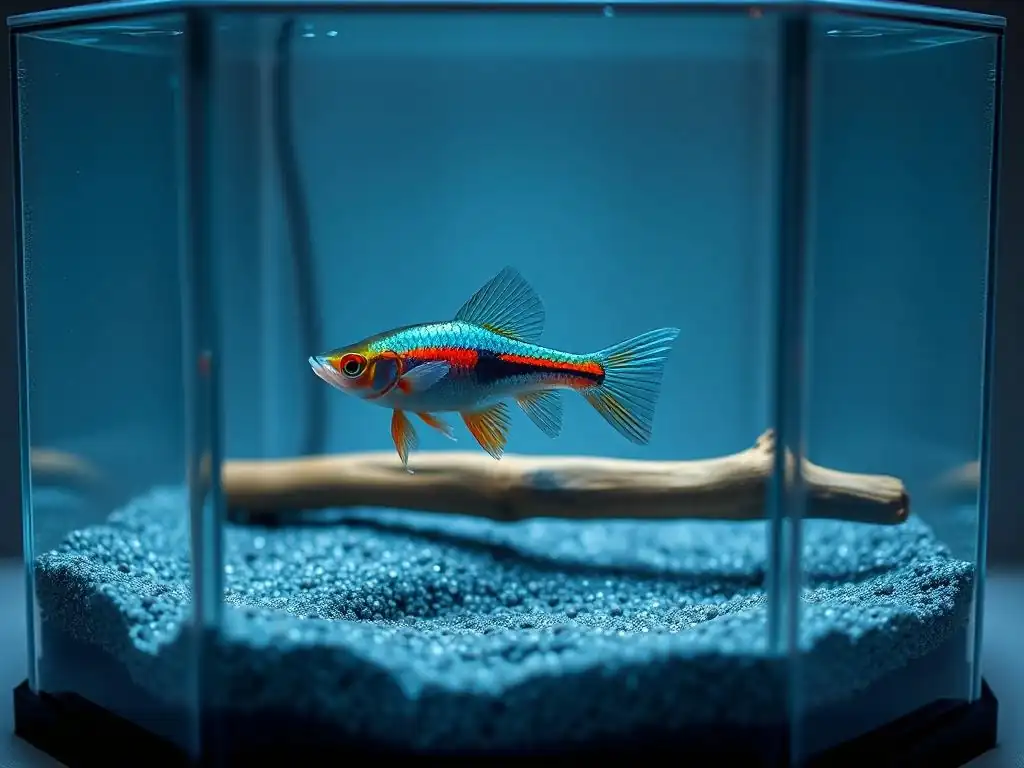
Strict Hygiene Protocols for Quarantine Equipment
Preventing cross-contamination is as critical as the quarantine process itself. Any equipment used in the quarantine tank must be strictly dedicated to it and never used in the main breeding tanks without thorough disinfection. This includes nets, siphons, buckets, thermometers, heaters, and even your hands. Designate a specific set of tools for the quarantine tank and clearly label them. This simple practice eliminates a primary vector for pathogen transfer between tanks.
After each use, all quarantine equipment should be meticulously cleaned and disinfected. A common and effective disinfection method involves soaking equipment in a bleach solution (1 part household bleach to 9 parts water) for at least 30 minutes, followed by thorough rinsing with dechlorinated water and allowing them to air dry completely. Alternatively, a strong hydrogen peroxide solution can be used. Nets can be rinsed and then allowed to air dry for several days, as most pathogens cannot survive desiccation. This disciplined approach to hygiene is a non-negotiable aspect of any effective new tetra quarantine protocol.
Preventing the Spread of Disease Between Tanks
Beyond equipment, human interaction is a significant pathway for cross-contamination. Strict personal hygiene protocols are essential when managing multiple tanks, especially when a quarantine tank is in operation. Always wash your hands thoroughly with soap and water before and after interacting with any aquarium, and particularly after handling fish or equipment from the quarantine tank. Using disposable gloves when working with the quarantine tank can add an extra layer of protection.
Furthermore, establish a routine that minimizes the risk of pathogen transfer. Always work with your healthy, main breeding tanks before attending to the quarantine tank. This ensures that you are not inadvertently carrying potential pathogens from the quarantine tank to the clean main tank. For example, feed the main tank, perform water changes, and conduct observations there first. Only then proceed to the quarantine tank for its maintenance and observations. This disciplined sequence of operations is a simple yet profoundly effective measure in preventing the spread of disease, reinforcing the integrity of your new tetra quarantine protocol.
Troubleshooting Common Quarantine Issues
Dealing with Ammonia Spikes in the Quarantine Tank
Ammonia spikes are a common and dangerous issue in uncycled or newly set up quarantine tanks, especially with a higher bioload or if feeding is not carefully managed. Ammonia is highly toxic to fish, causing gill damage, stress, and even death. Immediate action is required upon detecting any measurable ammonia (even 0.25 ppm). The primary corrective action is a large partial water change, typically 50% or more, to dilute the ammonia concentration. Ensure the new water is temperature-matched and thoroughly dechlorinated.
To further combat ammonia, consider using ammonia-neutralizing products (e.g., Seachem Prime, Amquel Plus) which temporarily detoxify ammonia and nitrite. Reducing feeding to a minimum (e.g., once every other day, very small amounts) will decrease waste production. For longer quarantine periods, seeding the tank with beneficial bacteria from an established filter (if disease-free) or using bottled bacteria starters can help accelerate the nitrogen cycle. Consistent daily testing for ammonia and nitrite is crucial until the tank shows stable readings of zero for both.
Managing Fin Rot and Other Bacterial Infections
Fin rot is a common bacterial infection, often characterized by frayed, ragged, or disintegrating fins, sometimes with a white or red edge. It typically stems from poor water quality, stress, or physical injury, which allows opportunistic bacteria to take hold. Effective management involves a two-pronged approach: improving water quality and administering medication. Begin by performing daily partial water changes (25-50%) to ensure pristine conditions and remove any contributing factors.
For treatment, broad-spectrum antibiotics designed for aquarium use, such as Furan-2 (nitrofurazone), Seachem KanaPlex (kanamycin), or API Erythromycin, are often effective. Follow the product instructions precisely for dosage and duration. It's crucial to identify and address the underlying cause of the fin rot – whether it's persistent ammonia, bullying, or an overly stressful environment – to prevent recurrence. Left untreated, fin rot can progress to systemic bacterial infections, leading to organ damage and death.
Addressing Ichthyophthirius multifiliis (Ich) During Quarantine
Ich, or White Spot Disease, caused by the parasite Ichthyophthirius multifiliis, is one of the most common and highly contagious diseases in freshwater aquariums. It appears as small, white, salt-like spots on the fish's body and fins. During quarantine, prompt and thorough treatment is essential. The typical new tetra quarantine protocol for Ich involves:
- Temperature Increase: Gradually raise the water temperature to 82-84°F (28-29°C) over 24 hours, if Cardinal Tetras can tolerate it without undue stress. This accelerates the Ich life cycle, causing the parasites to drop off the fish and become vulnerable to medication more quickly.
- Medication: Use Ich-specific medications containing malachite green and/or formalin (e.g., Kordon Rid-Ich Plus, API Super Ick Cure). Follow dosage instructions carefully.
- Duration: Treatment typically lasts 10-14 days, even if visible spots disappear earlier. This ensures all life stages of the parasite are eradicated, as only the free-swimming stage is susceptible to medication.
- Water Changes: Perform daily partial water changes (25%) and vacuum the bare bottom to remove free-swimming Ich organisms.
Ensure good aeration, as higher temperatures and some medications can reduce oxygen levels. Remove carbon filtration during treatment. This comprehensive approach is vital for successfully eliminating Ich before fish are introduced to the main breeding tank.
Long-Term Benefits of a Robust Quarantine Protocol
Improved Cardinal Tetra Breeding Success Rates
The most direct and significant long-term benefit of a robust new tetra quarantine protocol is a dramatic improvement in Cardinal Tetra breeding success rates. Healthy fish are inherently more likely to spawn successfully, produce viable eggs, and care for their offspring. By ensuring that new additions are free from parasites, bacterial infections, and other diseases, you eliminate major stressors that can impair fertility, lead to poor egg quality, or cause reabsorption of eggs.
A healthy breeding colony, free from the constant burden of fighting off pathogens, exhibits stronger immune responses, higher fecundity, and better survival rates for fry. This translates directly into more consistent and productive breeding cycles, a higher yield of healthy offspring, and ultimately, a more sustainable and rewarding breeding program. Investing in quarantine means investing in the health and reproductive potential of your valuable fish.
Reduced Risk of Disease Outbreaks in the Main Tank
Perhaps the most crucial long-term benefit of a meticulous new tetra quarantine protocol is the significantly reduced risk of devastating disease outbreaks in your main breeding or display tanks. A single unquarantined fish can introduce a highly contagious pathogen, leading to a cascade of infections that can decimate an entire collection. For a breeding program, such an outbreak can result in the loss of 50-100% of your breeding stock, costing hundreds to thousands of dollars in replacement fish, not to mention the immense emotional toll and the setback of months or even years of breeding efforts.
By isolating and treating new arrivals in a dedicated quarantine setup, you act as a critical barrier, preventing these costly and often heartbreaking scenarios. This proactive measure safeguards not only the immediate health of your existing fish but also the long-term stability and genetic integrity of your entire aquatic ecosystem. It's an insurance policy that pays dividends by protecting your investment and ensuring the vitality of your fish.
Maintaining a Healthy and Thriving Cardinal Tetra Population
Beyond preventing disease and boosting breeding success, a consistent and robust new tetra quarantine protocol contributes to the overall vitality, longevity, and aesthetic appeal of your entire Cardinal Tetra population. Fish that are free from chronic stress and parasitic burdens will thrive, displaying more vibrant colors, greater activity levels, and exhibiting natural schooling behaviors. This creates a more engaging and enjoyable aquarium environment for the aquarist.
Furthermore, a healthy population is more resilient to minor environmental fluctuations and less prone to opportunistic infections. They live longer, reach their full size potential, and maintain their beauty for years. This commitment to preventative health transforms your aquarium from a mere collection of fish into a dynamic, thriving ecosystem where every inhabitant can flourish. It is an investment in the long-term health and beauty of your aquatic world, ensuring a population that is not just surviving, but truly thriving.
Conclusion: Mastering Cardinal Tetra Quarantine for a Successful Breeding Program
Key Takeaways for Implementing an Effective Quarantine Strategy
Mastering Cardinal Tetra quarantine is a cornerstone of any successful breeding program, transforming a potential risk into a strategic advantage. The key takeaways for implementing an effective new tetra quarantine protocol are multi-faceted: establishing a dedicated, bare-bottom quarantine tank with appropriate size and filtration; rigorously maintaining optimal water parameters through consistent testing and adjustments; meticulously observing new arrivals for subtle signs of illness; and proactively implementing appropriate medication strategies when necessary. Equally important are strict hygiene protocols for all equipment and personal handling to prevent cross-contamination between tanks.
Patience is a virtue in this process; rushing the quarantine period or skipping steps can negate all efforts. Consider quarantine an essential investment in the health, productivity, and longevity of your breeding stock, not merely an inconvenience. It is the proactive measure that safeguards your valuable genetic lines and ensures the vitality of your entire aquatic collection.
Continuous Improvement and Adaptation of Your Quarantine Protocol
The journey to becoming a master aquarist involves continuous learning and adaptation. Your new tetra quarantine protocol should not be a static document but rather a living guide that evolves with experience and new knowledge. Each batch of new Cardinal Tetras may present unique challenges, offering valuable lessons. Documenting your observations, treatments, and outcomes in a detailed logbook provides critical data for refining your approach. What worked for one group might need slight modifications for another.
Stay updated on the latest advancements in fish health, new medications, and best practices in aquarium husbandry. Network with other experienced breeders and aquarists to share insights and troubleshoot common issues. By consistently reviewing and adapting your quarantine procedures based on your specific experiences and emerging knowledge, you will not only protect your current breeding program but also cultivate a deeper understanding of fish health, ensuring the sustained success and well-being of your Cardinal Tetra population for years to come.
Frequently Asked Questions
What is the purpose of a quarantine protocol for new tetras?
A quarantine protocol is crucial to prevent the introduction of diseases and parasites into your established aquarium. It allows for close observation and treatment, if necessary, before integrating new fish.
How long should I quarantine new tetras using Aquarium Mastery's protocol?
Aquarium Mastery recommends a quarantine period of at least 4-6 weeks for new tetras. This duration allows for the detection of most common fish diseases and provides ample time for treatment.
What are the key components of the "Advanced Quarantine for New Tetras" protocol?
The protocol emphasizes a separate quarantine tank, proper water parameters, and a carefully monitored feeding schedule. It also includes guidelines for prophylactic treatment and regular observation for signs of illness.
What should I do if I observe signs of illness in my quarantined tetras?
Immediately begin treatment based on the identified disease or parasite. Consult Aquarium Mastery's troubleshooting guides or a veterinarian specializing in fish for accurate diagnosis and treatment options.
Can I shorten the quarantine period if the tetras appear healthy?
While tempting, shortening the quarantine period is not recommended. Some diseases can have long incubation periods, and asymptomatic carriers can still infect your main tank. Adhering to the full 4-6 week period minimizes risks.
Final Reflection: The Enduring Value of Patience
The meticulous protocols outlined in this article, focusing on advanced quarantine for new tetras, are not merely academic exercises. They represent a crucial investment in the long-term health and success of any breeding program, a principle that resonates far beyond the confines of our aquariums and into the broader context of responsible animal husbandry and conservation efforts. The health of our aquatic ecosystems, even in miniature, depends on the diligence and care we bring to their management.
This journey into the intricacies of tetra quarantine has underscored the profound impact of patience and observation in achieving aquarium mastery. It's a reminder that true understanding comes not from rushing the process, but from carefully attending to the subtle cues and needs of these delicate creatures. The best things in life are worth waiting for, and the same holds true for a thriving aquarium.
This sentiment encapsulates the essence of this protocol, highlighting the rewards that come from dedication and a commitment to ethical practices.
Now, as you contemplate the principles of this new tetra quarantine protocol, consider how these lessons of patience, observation, and responsible stewardship can be applied to other areas of your life. Embrace the value of meticulous preparation and thoughtful action, and you will find that the rewards, like a school of healthy, vibrant tetras, are well worth the effort.
Ignite Your Tetra Breeding Program Now!
Thank you for diving deep into advanced quarantine protocols for your new tetras. We hope you found the information valuable for ensuring the health and success of your breeding program. Now it's time to put that knowledge into action!
Here are a few steps you can take right now:
- Immediately implement a dedicated quarantine tank for all newly acquired tetras, following the outlined protocols. Don't delay, the health of your entire aquarium depends on it!
- Explore creating a detailed logbook to track quarantine observations—this will improve your future decision-making and provide valuable insights.
- Share this article with fellow aquarists who are passionate about tetra breeding. Help us build a community of informed and successful breeders!
What specific quarantine challenge are you tackling first in your tetra breeding program?