
Zebra Otocinclus (Otocinclus cocama): A Rarer Gem for Your Planted Tank

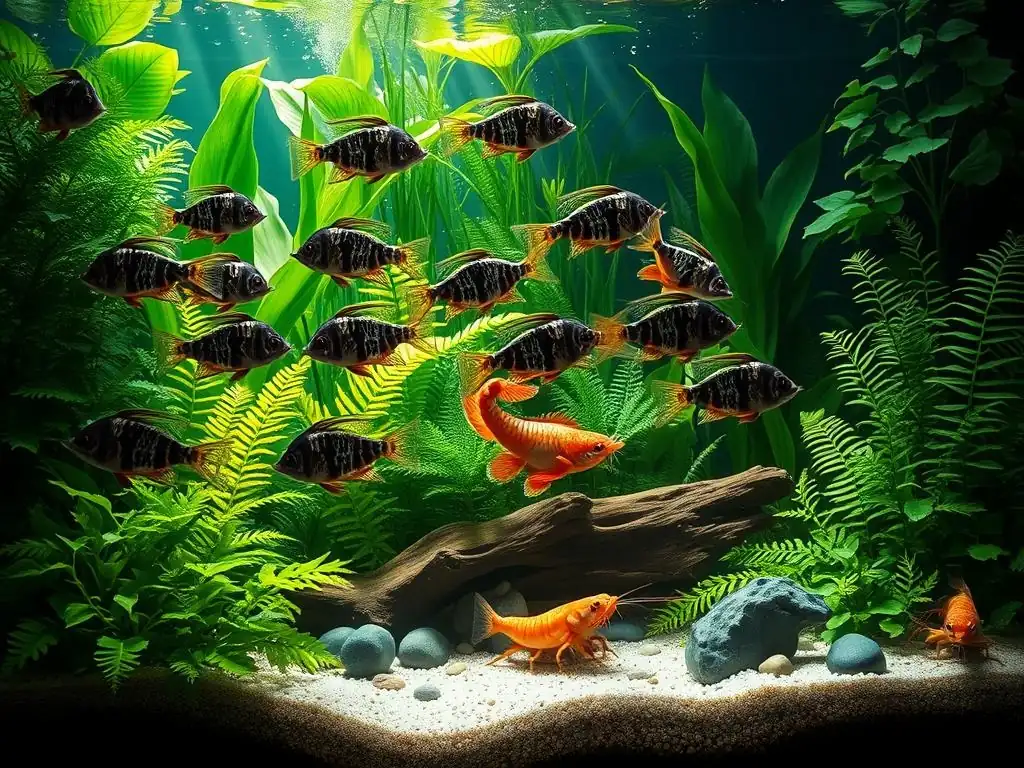
Welcome to Aquarium Mastery, fellow aquarist!
Ever dreamt of a truly unique planted tank? Delve into the captivating world of the Zebra Otocinclus (Otocinclus cocama)! This rarer gem can be a stunning addition to your freshwater setup, but understanding its specific needs is key. Read on to unlock the secrets of successful Rare Otocinclus planted tank care and discover how to create the perfect environment for these fascinating algae eaters. Intrigued? Let's dive in!
- Introduction to the Zebra Otocinclus: A Unique Planted Tank Algae Eater
- Zebra Otocinclus Care Guide: Essential Information for Success
- Identifying the Zebra Otocinclus: Distinguishing Features and Characteristics
- Tank Mates for Zebra Otocinclus: Compatibility and Community Tank Considerations
- Maintaining a Healthy Zebra Otocinclus Population in Your Planted Tank
- Breeding Zebra Otocinclus: Challenges and Potential Success
- The Benefits of Zebra Otocinclus for Algae Control in Planted Tanks
- Where to Find Zebra Otocinclus: Sourcing and Purchasing Tips
- Troubleshooting Common Issues with Zebra Otocinclus
- Conclusion: Appreciating the Beauty and Benefits of the Zebra Otocinclus
-
Frequently Asked Questions
- What makes the Zebra Otocinclus (Otocinclus cocama) a rarer choice for a planted tank?
- Are the care requirements for Zebra Otocinclus significantly different from other Otocinclus species in a planted tank?
- What type of planted tank setup is ideal for Zebra Otocinclus to thrive?
- What should I feed my Zebra Otocinclus if algae growth is insufficient in my planted tank?
- What are some common health issues to watch out for in Zebra Otocinclus, especially in a planted tank environment?
- Final Reflection: Appreciating the Uncommon Beauty
- Unveil the Mysteries of the Zebra Oto!
Introduction to the Zebra Otocinclus: A Unique Planted Tank Algae Eater
Why Choose the Zebra Oto for Your Planted Aquarium?
The Zebra Otocinclus ( Otocinclus cocama) stands out as an exceptional choice for the dedicated planted aquarium enthusiast, offering more than just aesthetic appeal. Unlike larger algae-eating species that can become boisterous or outgrow smaller setups, the Zebra Oto maintains a modest adult size of approximately 1.5 to 2 inches (3.8 to 5 cm), making it perfectly suited for tanks as small as 10 to 20 gallons. Their peaceful disposition ensures they will not disturb delicate plant arrangements or harass other docile tank inhabitants, allowing for a harmonious ecosystem.
Beyond their gentle nature, Otocinclus cocama are highly efficient grazers of various types of soft algae, including diatoms (brown algae) and green spot algae, and they tirelessly consume biofilm from plant leaves, driftwood, and tank surfaces. This continuous grazing activity contributes significantly to maintaining a pristine aquatic environment, reducing the need for manual algae removal. Choosing this rare Otocinclus for your planted tank care routine elevates the beauty and balance of your aquascape, providing both an effective biological cleaner and a captivating focal point.
Understanding the Rarity and Appeal of Otocinclus cocama
The allure of Otocinclus cocama largely stems from its distinctive appearance and relative scarcity within the aquarium trade. Native to the Ucayali River basin in Peru, particularly around the city of Pucallpa, their collection is less frequent and more geographically restricted compared to the more common Otocinclus vittatus or Otocinclus affinis. This limited availability contributes to their higher price point and makes them a sought-after species for collectors and aquarists looking for something truly unique.
What truly sets the Zebra Otocinclus apart visually is its striking black-and-white banding pattern, which extends across its body and fins, resembling the stripes of a zebra. This intricate pattern contrasts sharply with the more subdued coloration or single lateral stripe found on other Otocinclus species. For enthusiasts committed to comprehensive rare Otocinclus planted tank care, the challenge and reward of successfully maintaining these visually stunning and beneficial fish add a profound sense of accomplishment to their aquatic endeavors.
Zebra Otocinclus Care Guide: Essential Information for Success
Replicating the Natural Habitat: Tank Setup for Zebra Otos
To ensure the well-being of Otocinclus cocama, replicating their natural Amazonian habitat is paramount. A minimum tank size of 10 gallons is recommended for a small group of 3-5 individuals, though a 20-gallon long tank is ideal to provide ample grazing surfaces and swimming space. The aquarium should be heavily planted with a variety of live plants such as Java Moss, Anubias, Cryptocorynes, and various stem plants, as these provide both cover and surfaces for biofilm and algae growth.
The substrate should consist of fine sand or smooth gravel to protect their delicate barbels as they forage. Incorporating driftwood and leaf litter (e.g., Indian almond leaves) further enhances the natural environment, providing additional grazing areas and releasing beneficial tannins that can slightly lower pH and mimic blackwater conditions. Filtration should be gentle, such as a sponge filter or a low-flow hang-on-back filter, as strong currents can stress these small catfish. A mature, well-cycled tank is critical, as Zebra Otos are highly sensitive to ammonia and nitrite spikes, making stable rare Otocinclus planted tank care a priority.
Optimal Water Parameters for Otocinclus cocama Health
Maintaining stable and appropriate water parameters is the cornerstone of successful Otocinclus cocama care. These fish thrive in pristine, well-oxygenated water that closely mimics their natural soft, slightly acidic riverine environment. Regular water testing is essential to monitor parameters and prevent fluctuations, which can quickly lead to stress and illness in these sensitive fish.
Temperature, pH, and Water Hardness Considerations
For Otocinclus cocama, the ideal water temperature range is between 72°F and 79°F (22°C to 26°C). Consistency within this range is more important than hitting an exact number, as sudden temperature swings can be detrimental. The preferred pH range is slightly acidic to neutral, typically between 6.0 and 7.5. While they can tolerate a slightly wider range, keeping the pH stable is key.
Water hardness should be soft to moderately hard, with a General Hardness (GH) between 2 and 10 dGH. Carbonate Hardness (KH) should also be kept relatively low, ideally between 1 and 5 dKH, to maintain stability without excessive buffering. High nitrates (above 20 ppm) should be avoided through consistent weekly water changes of 20-30%, as sustained elevated levels can weaken their immune system and lead to health issues. Adhering to these precise parameters is a fundamental aspect of comprehensive rare Otocinclus planted tank care.
Diet and Feeding Habits of the Zebra Otocinclus
The primary diet of the Zebra Otocinclus in their natural habitat consists of algae and biofilm, which they constantly graze from submerged surfaces. In a planted aquarium, they will actively clean plant leaves, driftwood, rocks, and the tank glass. However, relying solely on naturally occurring algae is often insufficient, especially in newer or very clean tanks, or if the tank is overstocked with other algae eaters.
It is crucial to observe their behavior; if their bellies appear sunken, it's a clear sign they are not getting enough food. Their constant grazing activity means they require a continuous food source. While they are highly effective algae eaters, they are not a complete solution for severe algae problems caused by underlying issues like excessive light or nutrients.
Supplementing Algae with Algae Wafers
To ensure a balanced diet and prevent starvation, supplementing their natural grazing with high-quality prepared foods is essential. Specialized algae wafers formulated for bottom-dwelling herbivorous fish are an excellent choice. Look for wafers with a high spirulina or vegetable content. Offer small pieces once or twice daily, ensuring they are consumed within a few hours to prevent water fouling.
Blanched vegetables like zucchini slices, cucumber, spinach, or green beans can also be offered. Attach them to a lead weight or a veggie clip to keep them submerged. Remove any uneaten vegetable matter within 24 hours to prevent decomposition. For optimal rare Otocinclus planted tank care, consistent and varied feeding, tailored to the available natural algae, will ensure these delicate fish remain healthy and active.
Identifying the Zebra Otocinclus: Distinguishing Features and Characteristics
Visual Cues: Zebra Stripes and Body Shape
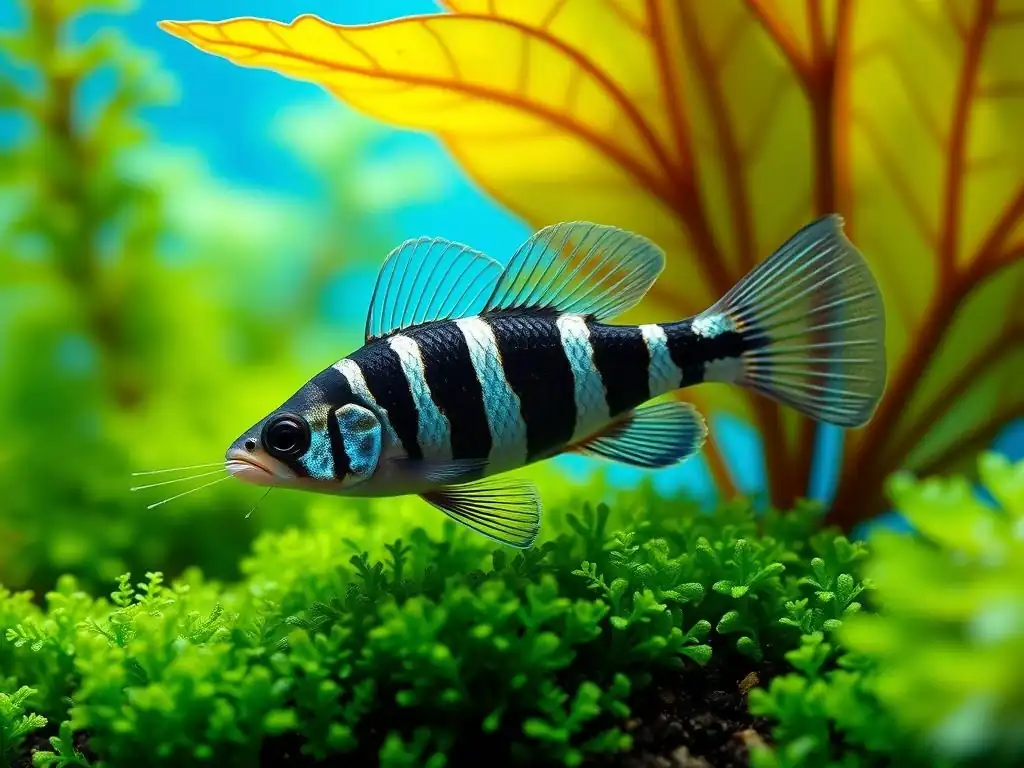
The most defining characteristic of the Zebra Otocinclus, Otocinclus cocama, is its unmistakable "zebra" pattern. Unlike other Otocinclus species that typically display a single, broad lateral stripe or mottled patterns, O. cocama exhibits a series of irregular, vertical black or dark brown bands alternating with white or cream-colored bands. These stripes are particularly prominent on their flanks and extend into their dorsal and caudal fins, giving them a truly unique and captivating appearance.
Their body shape is typical of the genus: a small, streamlined, torpedo-shaped body with a flattened underside, perfectly adapted for clinging to surfaces. They possess a ventrally located suckermouth, which they use for rasping algae and biofilm. Their eyes are relatively large, and they have a small dorsal fin positioned towards the middle of their back. This distinctive banding pattern is the primary visual cue for distinguishing them from more common Otocinclus species in the aquarium trade.
Size and Growth Rate of Otocinclus cocama
The Zebra Otocinclus is a small species, typically reaching an adult size of about 1.5 to 2 inches (3.8 to 5 cm) in total length. This diminutive size makes them ideal inhabitants for smaller planted aquariums where larger catfish might be too disruptive or simply too big. Their growth rate is relatively slow, and under optimal conditions with consistent feeding and stable water parameters, they will usually reach their full adult size within 6 to 12 months.
It is important for aquarists to understand that their small size also means they are easily intimidated by larger or more aggressive tank mates. While they are active grazers, their movements are generally deliberate and calm. Their small stature also makes them vulnerable if not housed with appropriate tank mates, emphasizing the importance of careful selection for successful rare Otocinclus planted tank care.
Tank Mates for Zebra Otocinclus: Compatibility and Community Tank Considerations
Ideal Tank Mates for Peaceful Coexistence
Choosing appropriate tank mates is crucial for the well-being of the peaceful Zebra Otocinclus. Ideal companions are small, non-aggressive, and share similar water parameter requirements. Small schooling fish that primarily occupy the middle and upper levels of the water column are excellent choices, as they will not directly compete for food or space with the bottom-dwelling Otos.
Examples of highly compatible species include:
- Small Tetras: Neon Tetras, Ember Tetras, Green Neon Tetras, Cardinal Tetras, and Chili Rasboras. These species are known for their peaceful nature and vibrant schooling behavior.
- Dwarf Rasboras: Such as Boraras species (e.g., Boraras maculatus, Boraras brigittae).
- Small Peaceful Catfish: Pygmy Corydoras ( Corydoras pygmaeus, Corydoras hastatus, Corydoras habrosus) can coexist well, as they are also small and peaceful bottom dwellers.
- Dwarf Shrimp: Amano Shrimp and various Neocaridina shrimp (e.g., Cherry Shrimp) are excellent tank mates, as they contribute to algae control and are too small to pose a threat to the Otos, and vice versa.
Fish to Avoid: Potential Aggressors and Competitors
Certain fish species are entirely unsuitable as tank mates for the delicate Zebra Otocinclus. Any fish that is large enough to view the Otos as a potential meal should be avoided. This includes many larger species of cichlids, even some dwarf cichlids, which can become territorial or predatory, especially during breeding.
Furthermore, fish known for their aggressive or fin-nipping tendencies should be excluded. Examples include:
- Large or Aggressive Barbs: Such as Tiger Barbs, which can harass and stress the Otos.
- Larger Gouramis: While some dwarf gouramis might be acceptable, larger species can be intimidating.
- Most Cichlids: Even peaceful-looking species can pose a threat due to their territorial nature.
- Large or Boisterous Loaches: Some loach species can be competitive for food or too active for the peaceful Otos.
Also, avoid any fish that require vastly different water parameters, as this will compromise the overall health of the community tank. Careful selection of tank mates is a critical aspect of providing optimal rare Otocinclus planted tank care.
Maintaining a Healthy Zebra Otocinclus Population in Your Planted Tank
Preventing Common Diseases in Otocinclus cocama
Preventing diseases in Otocinclus cocama is far more effective than treating them, as these fish are notoriously sensitive to medications and stress. The primary defense against illness lies in maintaining pristine water quality, providing a consistent and nutritious diet, and ensuring a low-stress environment. Sudden fluctuations in water parameters, especially ammonia and nitrite spikes, are common triggers for stress-related illnesses.
Common issues like Ich (Ichthyophthirius multifiliis) or fungal infections often manifest when fish are weakened by poor conditions or transport stress. Consistent weekly water changes of 20-30%, depending on bio-load, are essential to keep nitrate levels low (ideally below 20 ppm). A varied diet, including both natural algae and supplemental foods, bolsters their immune system. Avoiding overstocking and ensuring peaceful tank mates also significantly reduces stress, contributing to robust health in your rare Otocinclus planted tank care regimen.
Quarantine Procedures for New Zebra Otos
Given their delicate nature and sensitivity to environmental changes, a strict quarantine procedure for all new Otocinclus cocama is absolutely vital. This practice protects your existing fish population from potential diseases carried by new arrivals and allows the new Otos to recover from the stress of transport in a controlled environment. A separate quarantine tank, ideally 5-10 gallons, should be set up with a mature filter and appropriate heating.
New Zebra Otos should be slowly acclimated to the quarantine tank's water parameters, which should match their main tank conditions as closely as possible. A quarantine period of 2 to 4 weeks is generally recommended. During this time, observe them closely for any signs of illness, such as lethargy, clamped fins, white spots, or unusual swimming patterns. Avoid prophylactic medication unless specific symptoms appear, as Otos are sensitive. Only introduce them to the main display tank once they are eating well, active, and show no signs of disease, ensuring the long-term success of your rare Otocinclus planted tank care.
Breeding Zebra Otocinclus: Challenges and Potential Success
Creating the Ideal Breeding Environment
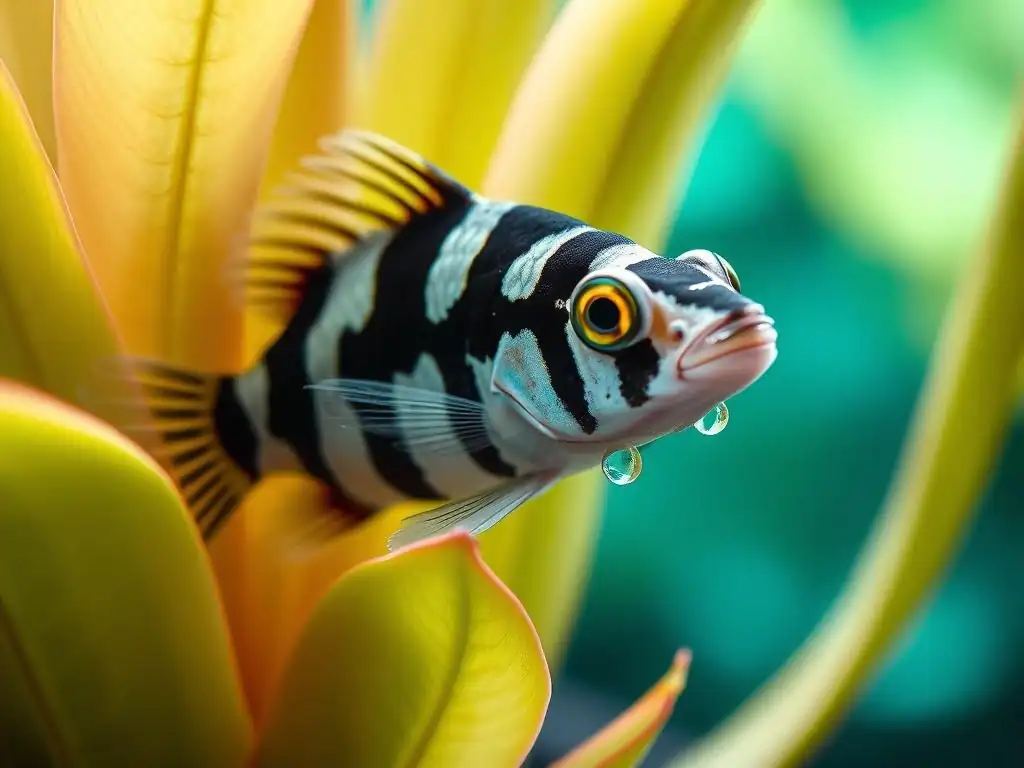
Breeding Otocinclus cocama in a home aquarium is considered challenging and is not commonly achieved, even by experienced aquarists. Success often hinges on replicating their natural spawning triggers, which typically involve specific water conditions and abundant food sources. A dedicated breeding tank, approximately 10-20 gallons, with very soft (GH 0-4 dGH), slightly acidic (pH 6.0-6.5) water is often recommended. The use of reverse osmosis (RO) water remineralized to target parameters can be beneficial.
Heavy planting with fine-leaved plants like Java Moss, Riccia, or Ludwigia is crucial, as these provide ideal surfaces for egg deposition. A consistent supply of biofilm and microalgae, along with supplemental feedings of high-quality algae wafers and blanched vegetables, is necessary to condition the breeding group. Simulating a rainy season, by performing large, cool water changes (e.g., 50% weekly with water a few degrees cooler than the tank) and increasing aeration, can sometimes trigger spawning behavior.
Recognizing Breeding Behavior in Otocinclus cocama
When conditioned for breeding, Otocinclus cocama may exhibit increased activity and chasing behavior. Males typically pursue females, and spawning usually occurs in the early morning. The female will deposit small, adhesive eggs, often in clusters of 10-20, on plant leaves, driftwood, or even the aquarium glass. The eggs are tiny, clear to yellowish, and are usually scattered rather than laid in a single large clutch.
Parental care is non-existent; the adults may even consume the eggs if not removed. The fry are extremely small upon hatching, which occurs within 2-3 days depending on temperature. Raising the fry is the most significant hurdle, as they require microscopic food sources like infusoria or specialized liquid fry food for the first few days, transitioning to finely crushed spirulina powder or powdered algae wafers as they grow. Successfully breeding this rare Otocinclus truly represents an advanced level of rare Otocinclus planted tank care.
The Benefits of Zebra Otocinclus for Algae Control in Planted Tanks
Effective Algae Consumption by Otocinclus cocama
The Zebra Otocinclus is highly valued for its diligent and continuous grazing habits, making it an excellent natural algae control agent in planted aquariums. These small catfish possess a specialized suckermouth equipped with rasping teeth, allowing them to efficiently scrape off various types of soft algae and biofilm from virtually any surface in the tank. They are particularly effective against diatom algae (often referred to as brown algae) that commonly appears in new setups, as well as green spot algae that adheres to glass and plant leaves.
Unlike some larger algae eaters, Otocinclus cocama are nimble and small enough to navigate intricate plant landscapes, reaching into tight crevices and grazing delicate plant leaves without causing damage. A healthy group of 5-7 Zebra Otos can keep a 20-gallon planted tank remarkably clean from superficial algae growth, significantly reducing the need for manual scraping. Their constant, methodical grazing ensures that algae is consumed as it forms, preventing it from becoming an unsightly problem.
Preventing Algae Blooms with Proper Oto Care
While Zebra Otocinclus are excellent algae consumers, they are best viewed as part of a comprehensive algae management strategy rather than a sole solution for severe algae blooms. Their presence helps prevent algae from spiraling out of control by consistently removing nascent growths. However, if the underlying causes of excessive algae—such as overfeeding, too much light, or nutrient imbalances—are not addressed, even a diligent group of Otos will struggle to keep up.
Integrating Zebra Otos into your rare Otocinclus planted tank care routine means maintaining proper tank hygiene, including regular water changes to control nitrates, appropriate lighting schedules (e.g., 8-10 hours daily), and sensible feeding practices for all inhabitants. When combined with these good husbandry practices, Otocinclus cocama become invaluable allies in maintaining a clear, healthy, and aesthetically pleasing planted aquarium, actively contributing to the biological balance of the ecosystem.
Where to Find Zebra Otocinclus: Sourcing and Purchasing Tips
Reputable Breeders and Aquarium Stores
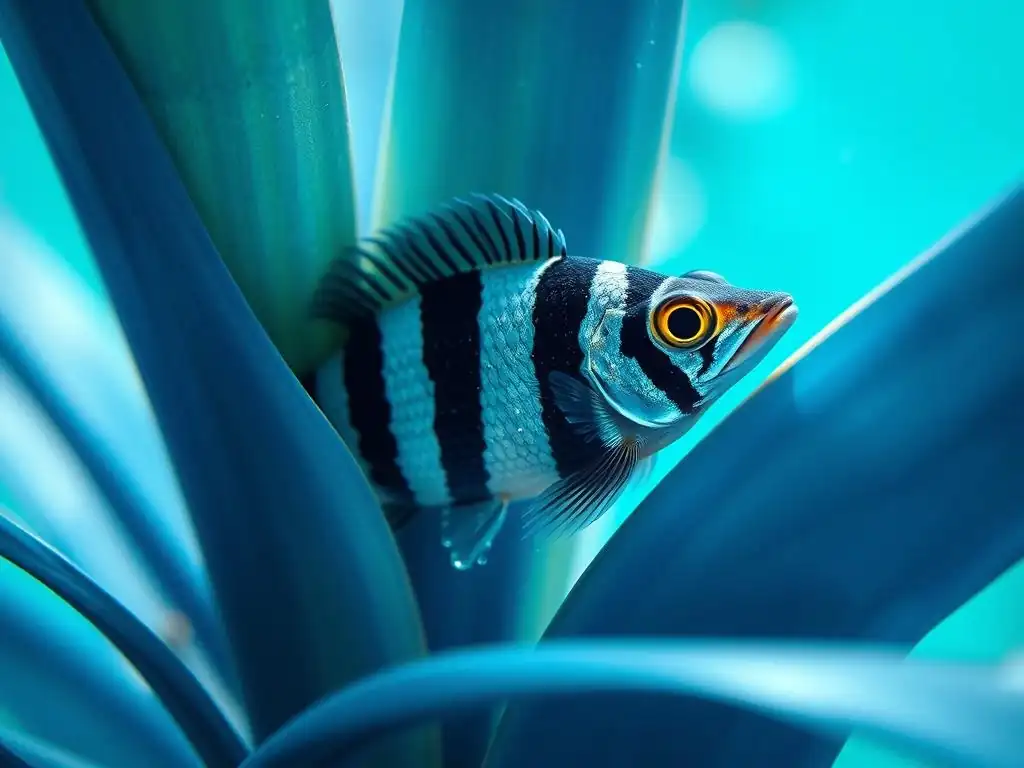
Due to their relative rarity and specific care requirements, finding healthy Otocinclus cocama can be more challenging than locating common Otocinclus species. It is highly recommended to source them from reputable local fish stores that specialize in planted tanks or offer a wide selection of rare freshwater fish. Alternatively, trusted online vendors who prioritize ethical sourcing and proper shipping protocols are a viable option.
When inquiring, ask about the fish's origin. While captive-bred Otocinclus cocama are extremely rare, some distributors may have established reliable wild-caught sources. A reputable dealer will be transparent about their fish's history, their acclimatization process, and their current diet. Avoid purchasing from stores with visibly unhealthy tanks or those that cannot provide specific information about their stock, as this suggests a lack of proper rare Otocinclus planted tank care.
Ensuring Healthy and Vibrant Zebra Otos Before Purchase
Before making a purchase, meticulously inspect the Zebra Otocinclus you intend to buy. Healthy Otos should be active, constantly grazing, and exhibit clear, bright eyes. Their bellies should appear full and rounded, not sunken or concave, which is a strong indicator of starvation. Look for intact fins without any tears or signs of fin rot, and ensure their body coloration is vibrant with well-defined zebra stripes.
Avoid any fish that are:
- Lethargic or inactive, resting motionless on the bottom for extended periods.
- Gasping at the surface or showing signs of rapid, labored breathing.
- Displaying white spots (Ich), fungal growths, or any visible lesions.
- Appearing emaciated with a pinched or sunken abdomen.
It is also wise to inquire about how long the fish have been at the store. Fish that have recently arrived (within a few days) may still be stressed from transport. Ideally, choose Otos that have been settled in the store's tanks for at least a week, as this indicates better resilience and acclimatization, ensuring a healthier start to your rare Otocinclus planted tank care.
Troubleshooting Common Issues with Zebra Otocinclus
Loss of Appetite and Lethargy: Identifying Potential Problems
Loss of appetite and lethargy are among the most common and concerning issues observed in Zebra Otocinclus. These symptoms often indicate underlying stress or illness and require immediate investigation. Several factors can contribute to these behaviors:
- Insufficient Food: The most frequent cause. If the tank is too clean or overstocked with other grazers, Otos may not find enough natural algae or biofilm. Observe their bellies; if sunken, increase supplemental feeding with algae wafers or blanched vegetables.
- Poor Water Quality: Otos are highly sensitive to ammonia, nitrite, and high nitrates. Test your water parameters immediately. Even slight elevations can cause severe stress.
- Stress from Tank Mates or Environment: Aggressive tank mates, excessive current, or lack of hiding spots can cause chronic stress, leading to a refusal to eat and general inactivity.
- Disease: While often secondary to stress, specific diseases like bacterial infections or internal parasites can manifest as appetite loss and lethargy. Look for other symptoms like clamped fins, rapid breathing, or unusual spots.
Addressing Water Quality Issues Affecting Oto Health
Water quality issues are the leading cause of health problems and mortality in Zebra Otocinclus. Prompt and appropriate action is crucial:
- Ammonia and Nitrite Spikes: If ammonia or nitrite are detected (should be 0 ppm), perform an immediate large water change (50-70%) using dechlorinated water. Consider using an ammonia detoxifier and increase aeration. Check your filtration system to ensure it's functioning correctly and not overloaded.
- High Nitrates: While less acutely toxic than ammonia or nitrite, sustained high nitrate levels (above 20 ppm) can weaken Otos over time. Implement a consistent schedule of 20-30% weekly water changes. Ensure you are not overfeeding and that your tank is adequately planted to absorb nitrates.
- pH and Hardness Fluctuations: Sudden changes in pH or hardness can shock Otos. Use a reliable test kit to monitor these parameters. If your source water is inconsistent, consider using reverse osmosis (RO) water remineralized to your desired parameters for stability. Always perform water changes gradually to avoid shocking your fish.
Maintaining a mature and stable nitrogen cycle is the bedrock of successful rare Otocinclus planted tank care, preventing most water quality-related ailments.
Conclusion: Appreciating the Beauty and Benefits of the Zebra Otocinclus
The Zebra Oto: A Valuable Addition to Any Planted Tank Enthusiast's Collection
The Zebra Otocinclus ( Otocinclus cocama) is undeniably a rarer gem in the freshwater aquarium hobby, offering a unique blend of aesthetic appeal and functional benefits. Its striking black-and-white banding sets it apart from more common species, making it a captivating focal point in any planted tank. Beyond its beauty, the Zebra Oto's diligent and continuous grazing on algae and biofilm makes it an invaluable asset for maintaining a clean and healthy aquascape, contributing significantly to the overall biological balance.
Their small size and peaceful temperament ensure they integrate seamlessly into community tanks with other docile fish, without disturbing delicate plant arrangements. While they require specific care, particularly regarding water quality and diet, the rewards of successfully maintaining these sensitive and beneficial catfish are immense. For the dedicated aquarist, providing excellent rare Otocinclus planted tank care is a truly rewarding endeavor that culminates in a vibrant and thriving aquatic environment.
Continued Learning and Resources for Zebra Otocinclus Care
Successfully keeping Otocinclus cocama is an ongoing learning process that benefits greatly from continuous research and engagement with the broader aquarium community. Given their unique needs and sensitivity, staying informed about the latest best practices in rare Otocinclus planted tank care is crucial. Online forums, dedicated aquarium websites, and local fish clubs are excellent resources for sharing experiences, troubleshooting issues, and learning from other experienced aquarists.
Always be prepared to adapt your care routine based on observations of your fish and changes in your aquarium's conditions. Diligence in monitoring water parameters, providing a consistent and varied diet, and ensuring a stable, low-stress environment will lead to a thriving population of these fascinating and beneficial catfish. Embracing the challenge of providing specialized rare Otocinclus planted tank care ultimately deepens your understanding and appreciation for the intricate world of aquatic ecosystems.
Frequently Asked Questions
What makes the Zebra Otocinclus (Otocinclus cocama) a rarer choice for a planted tank?
The Zebra Otocinclus is less commonly available in the aquarium trade compared to the more widespread Otocinclus affinis. This scarcity, combined with its unique striping, makes it a highly sought-after addition.
Are the care requirements for Zebra Otocinclus significantly different from other Otocinclus species in a planted tank?
Generally, their care is similar. They require stable water parameters and a well-established planted tank with plenty of algae and biofilm for grazing. However, they might be more sensitive to water quality fluctuations.
What type of planted tank setup is ideal for Zebra Otocinclus to thrive?
A mature planted tank with ample soft algae growth is best. Include driftwood and rocks to provide hiding places and grazing surfaces. Good water circulation and filtration are also crucial.
What should I feed my Zebra Otocinclus if algae growth is insufficient in my planted tank?
Supplement their diet with algae wafers and blanched vegetables like zucchini or spinach. Ensure the food is easily accessible and doesn't pollute the tank. Consider adding supplemental biofilm.
What are some common health issues to watch out for in Zebra Otocinclus, especially in a planted tank environment?
Be vigilant for signs of stress or disease, such as lethargy, clamped fins, or white spots. Maintaining pristine water quality and a varied diet is essential for preventing health problems. Quarantine new arrivals to prevent spreading disease.
Final Reflection: Appreciating the Uncommon Beauty
The journey into the world of the Zebra Otocinclus, as we've explored, highlights the importance of responsible acquisition and dedicated care for these rarer species. Understanding their specific needs, especially within the delicate ecosystem of a planted tank, is not just about keeping them alive; it's about fostering a thriving environment where they can truly flourish. This commitment to specialized care is crucial, especially as demand for unique aquarium inhabitants continues to rise.
The allure of the Zebra Otocinclus lies not only in its striking appearance but also in the deeper connection we forge with the natural world through responsible aquascaping. It's a reminder that even within the confines of our homes, we can cultivate miniature ecosystems that reflect the beauty and complexity of nature. In the end, we will conserve only what we love; we will love only what we understand; and we will understand only what we are taught.
- Baba Dioum. This quote underscores the responsibility we bear to educate ourselves and others about the delicate balance of these environments.
Now, as you consider adding a Zebra Otocinclus or any other rare species to your planted tank, I urge you to reflect on the commitment it entails. Embrace the challenge of providing optimal care, not just for the sake of the fish, but for the enrichment of your own understanding and appreciation of the natural world. Let your aquarium be a testament to responsible aquascaping and a celebration of the uncommon beauty that exists within our planet.
Unveil the Mysteries of the Zebra Oto!
Thanks for diving into the world of Zebra Otocinclus with us! We hope you've gained a deeper appreciation for this unique and fascinating little algae eater. Now, it's time to put that knowledge into action and bring some Zebra Oto magic into your own aquarium.
Here's how you can take the next step:
- Seek out a reputable breeder or local fish store that specializes in rare or wild-caught fish. Finding healthy, ethically sourced Zebra Otos is key to their well-being and your success. This is your primary action to help contribute to responsible fish-keeping.
- Research compatible tank mates and create a lush, planted environment reminiscent of their natural habitat to ensure your Zebra Otos thrive. Think dense vegetation and plenty of hiding spots.
- Share this article with fellow aquarium enthusiasts who might be looking for a unique and beneficial addition to their planted tanks! Let’s spread the word about the Zebra Oto's charm.
What specific plant species are you planning to incorporate to create the perfect Zebra Oto paradise? Let's discuss in the comments!