
Breeding Diamond Tetras: Cultivating Your Own Shoal of Iridescent Living Jewels

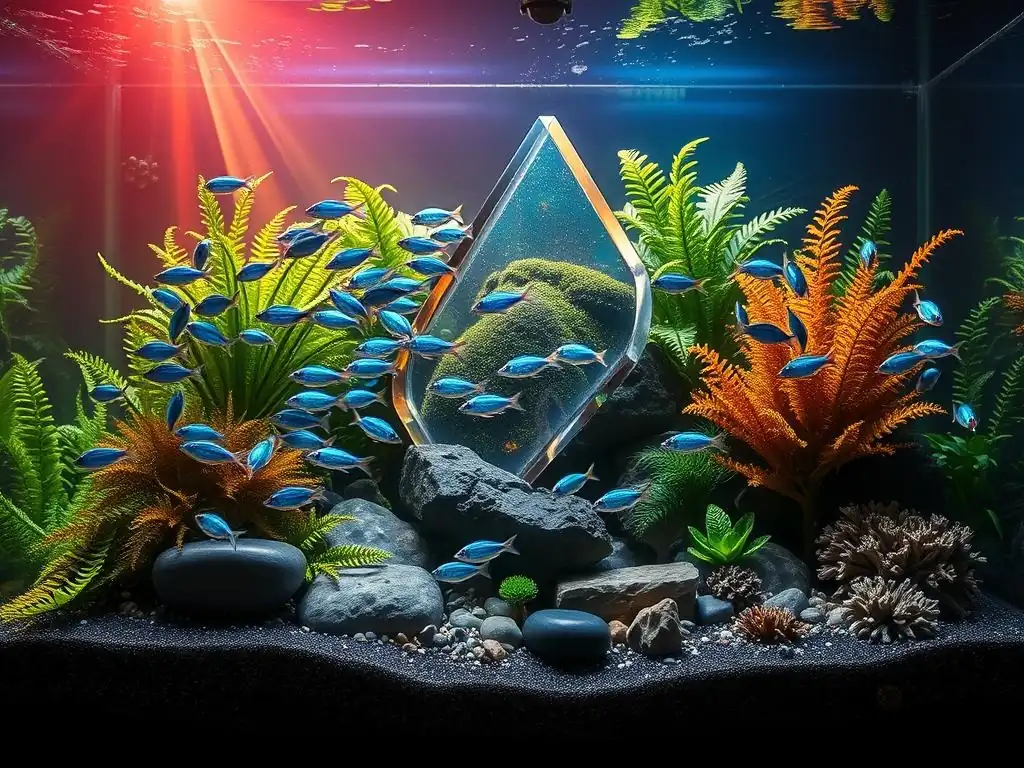
Welcome to Aquarium Mastery!
Ever wondered how to unlock the secrets to breeding those shimmering, iridescent Diamond Tetras? Dive into our comprehensive Diamond Tetra Breeding Guide and discover the surprisingly simple steps to cultivating your very own shoal of these living jewels. From selecting the perfect breeding pair to nurturing their fry, we'll guide you through every stage. Ready to witness the miracle of life in your aquarium? Let's get started!
- Understanding Diamond Tetra Breeding: An Introduction to Successful Reproduction
- Setting Up Your Diamond Tetra Breeding Tank: A Step-by-Step Guide
- Selecting Breeding Pairs: Identifying Healthy and Ready Diamond Tetras
- The Diamond Tetra Spawning Process: What to Expect
- Diamond Tetra Egg Care and Hatching: Ensuring a High Survival Rate
- Raising Diamond Tetra Fry: From Hatchlings to Juveniles
- Common Diamond Tetra Breeding Problems and Solutions
- Diamond Tetra Breeding: A Rewarding Aquarium Experience
-
Frequently Asked Questions
- How difficult is it to breed Diamond Tetras for a beginner?
- What are the key indicators that my Diamond Tetras are ready to breed?
- What type of tank setup is best for Diamond Tetra breeding?
- What should I feed Diamond Tetra fry after they hatch?
- How long does it take for Diamond Tetra eggs to hatch and the fry to become free-swimming?
- Final Reflection: Unveiling the Sparkle Within
- Cultivate Your Own Aquatic Sparkle!
Understanding Diamond Tetra Breeding: An Introduction to Successful Reproduction
Why Breed Diamond Tetras? The Joys and Benefits
Breeding Diamond Tetras (Moenkhausia pittieri) offers a uniquely rewarding experience for the dedicated aquarist. These stunning fish, native to the Orinoco River basin in Venezuela, are celebrated for their distinctive iridescent scales that shimmer like scattered diamonds, especially under proper lighting. Successfully cultivating your own shoal provides immense satisfaction, contributes to the hobby by reducing reliance on wild-caught specimens, and allows for a deeper connection with the natural life cycles of your aquatic inhabitants. Unlike some more challenging tetra species, Diamond Tetras are considered moderately difficult to breed, making them an achievable goal for aquarists with some experience.
Beyond the sheer joy of watching new life emerge, breeding Diamond Tetras presents a valuable educational opportunity. It allows aquarists to delve into the intricate details of fish biology, observe complex spawning behaviors, and understand the delicate balance required to sustain aquatic life.
Furthermore, successful breeding can open doors to selective breeding projects, allowing hobbyists to focus on enhancing desirable traits such as fin length, body shape, or the intensity of their signature sparkle. Sharing offspring with fellow enthusiasts or local fish stores can also foster a vibrant community spirit and help sustain the population of these beautiful fish within the hobby.
Diamond Tetra Breeding Requirements: What You'll Need
Successful Diamond Tetra breeding hinges on providing a highly controlled and specific environment that mimics their natural spawning conditions. The primary requirement is a dedicated breeding tank, separate from your main display aquarium, which allows for precise manipulation of water parameters and protection of delicate eggs and fry. Key elements include soft, acidic water, a slightly elevated temperature, and a suitable medium for egg deposition, such as spawning mops or fine-leaved plants.
Patience and meticulous attention to detail are paramount throughout the entire Diamond tetra breeding guide process. While a single spawning event can yield dozens to hundreds of eggs, not all will be fertile, and the survival rate of the incredibly tiny fry can be challenging. A well-executed conditioning diet for the parent fish, coupled with a calm and stable breeding environment, significantly increases the chances of a successful spawn and the subsequent raising of a healthy new generation of these living jewels.
Setting Up Your Diamond Tetra Breeding Tank: A Step-by-Step Guide
Tank Size and Configuration for Diamond Tetra Breeding
For a single pair or trio of Diamond Tetras, a dedicated breeding tank ranging from 5 to 10 gallons (approximately 19 to 38 liters) is ideal. This smaller volume offers several advantages: it's easier to maintain precise water parameters, simplifies the process of locating and collecting the tiny, translucent eggs, and allows for more efficient feeding of the microscopic fry without excessive waste buildup. Using a larger tank can make these critical steps significantly more challenging.
The configuration of the breeding tank should be kept simple and clean. A bare bottom is highly recommended as it facilitates easy cleaning, prevents the accumulation of detritus that could harbor pathogens, and makes it easier to observe and siphon out any fungused eggs. If a substrate is desired for aesthetic or behavioral reasons, a thin layer of marbles or a mesh screen can be placed over the bottom to allow eggs to fall through, protecting them from parental predation.
Water Parameters for Successful Diamond Tetra Spawning
Achieving the correct water parameters is perhaps the most critical factor in encouraging Diamond Tetra spawning. These fish originate from soft, acidic waters, and replicating these conditions is essential to trigger their reproductive instincts. Aim for a pH range of 5.5 to 6.5, with very soft water, ideally between 1 to 5 dGH (degrees of General Hardness).
Many breeders achieve these conditions by using reverse osmosis (RO) water, often remineralized slightly, or by filtering tap water through peat moss. Peat filtration not only softens the water but also releases humic acids, which contribute to the desired acidity and provide a natural antibacterial effect.
Temperature also plays a vital role. The breeding tank should be maintained at a stable temperature between 78-82°F (25.5-27.8°C). This slightly elevated temperature, compared to their typical community tank range, can act as a trigger, signaling optimal conditions for reproduction and also speeding up the incubation period of the eggs. Consistency in these parameters is key; sudden fluctuations can stress the fish and inhibit spawning.
Essential Equipment for Your Breeding Tank: Filters, Heaters, and Lighting
For filtration in a Diamond Tetra breeding tank, a gentle sponge filter is the optimal choice. Its primary function is to provide biological filtration without creating strong currents that could stress the delicate eggs or tiny fry, or even suck them up. Sponge filters are also easy to clean and maintain. A reliable, submersible heater with an accurate thermostat is indispensable for maintaining the stable, elevated temperature required for spawning and egg development.
Lighting in the breeding tank should be dim and indirect. Diamond Tetras often prefer to spawn in low light conditions, mimicking the shaded areas of their natural habitat. Excessive bright light can stress the parent fish and may even contribute to egg fungus. Some breeders opt for no artificial lighting at all during the spawning period, relying on ambient room light or a very low-wattage LED. After spawning, a very dim light can be used for observation, but darkness during the initial egg development phase can be beneficial.
Choosing the Right Substrate and Decorations for Breeding
As previously mentioned, a bare-bottom tank is often preferred for Diamond Tetra breeding due to ease of cleaning and egg visibility. However, the absence of a substrate means that a suitable medium for egg deposition must be provided. Spawning mops, typically constructed from synthetic yarn or nylon, are an excellent choice. These mops provide a tangled, fine-textured structure where the adhesive eggs can be laid and cling securely. They are also easily removable once spawning is complete, allowing for egg protection.
Alternatively, dense clumps of fine-leaved aquatic plants such as Java Moss (Taxiphyllum barbieri) or Hornwort (Ceratophyllum demersum) can serve as natural spawning sites. These plants offer numerous surfaces for eggs to adhere to and provide some cover for the parent fish, potentially reducing stress. However, plants can make egg collection more challenging and may introduce unwanted pests or algae, so thorough cleaning and quarantining of any plant material is crucial before introduction to the breeding tank.
Selecting Breeding Pairs: Identifying Healthy and Ready Diamond Tetras
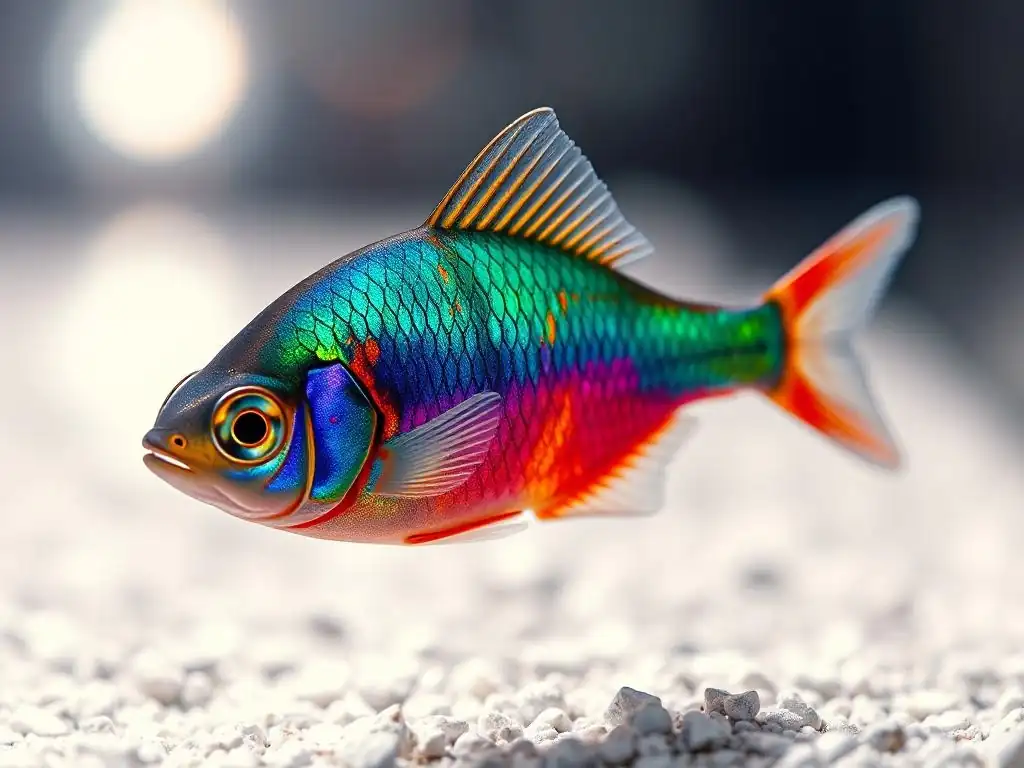
Sexing Diamond Tetras: Differentiating Males and Females (Challenges)
Differentiating male and female Diamond Tetras can present a slight challenge, particularly with younger or unconditioned fish. Generally, mature males are more slender and possess noticeably longer, more pointed dorsal and anal fins, which become even more pronounced when they are in breeding condition. Their overall coloration, especially the iridescent scales, tends to be more vibrant and intense as they display to females.
In contrast, female Diamond Tetras are typically rounder in body shape, particularly when gravid (carrying eggs), and their fins are usually shorter and more rounded. Observing a group of Diamond Tetras over time can help in sexing, as behavioral differences become more apparent. Males will often engage in fin-flaring and chasing, while females, when ready to spawn, will appear noticeably plumper in the abdominal region. For a successful Diamond tetra breeding guide, accurate sexing is important to ensure a productive pair or trio.
Choosing the Best Diamond Tetra Breeding Stock: Age and Health
The selection of healthy and appropriately aged breeding stock is paramount to a successful Diamond tetra breeding program. Diamond Tetras typically reach sexual maturity and are prime for breeding between 8 to 12 months of age. While younger fish may be capable of spawning, their fertility rates and the viability of their eggs may be lower. Conversely, very old fish may have reduced fertility and produce fewer, less robust offspring.
Beyond age, the overall health of the parent fish is critical. Choose individuals that are active, alert, and show no signs of disease such as clamped fins, faded coloration, white spots, or frayed fins. Their bodies should be well-rounded but not bloated, indicating a good diet and absence of internal parasites. Healthy fish are not only more likely to spawn successfully but also pass on strong genetics to their progeny, contributing to the long-term health of your shoal.
Conditioning Your Diamond Tetras for Breeding: Diet and Environment
Proper conditioning is a key step that prepares Diamond Tetras for spawning and significantly increases egg production and fertility. For one to two weeks prior to introducing them to the breeding tank, feed your selected breeding pair or trio a high-quality, varied diet rich in protein. Live foods are particularly effective in stimulating breeding instincts, with options such as live bloodworms, brine shrimp, daphnia, and microworms being excellent choices.
Supplement live foods with high-quality frozen alternatives and premium flake or pellet foods specifically formulated for omnivorous fish. This nutrient-dense diet provides the essential energy reserves and building blocks for egg and milt production. In addition to diet, maintaining stable, pristine water conditions in their main tank during the conditioning phase helps reduce stress, ensuring the fish are in peak physical condition when moved to the breeding setup. A slight increase in temperature in the main tank, mirroring the breeding tank's future conditions, can also help acclimate them.
The Diamond Tetra Spawning Process: What to Expect
Simulating the Natural Breeding Environment: Encouraging Spawning
To encourage Diamond Tetras to spawn, it's crucial to simulate the environmental cues they would experience in their natural habitat, such as the onset of the rainy season. This involves a gradual reduction of light, a slight increase in water temperature within the breeding tank (to the recommended 80-82°F or 26.7-27.8°C), and the precise establishment of soft, acidic water parameters. Introducing the conditioned pair or trio into this prepared breeding tank, typically in the evening, allows them to acclimate overnight.
Spawning most frequently occurs in the early morning hours, often at dawn, as the first light filters into the tank. The male will begin to display to the female, showcasing his vibrant iridescence and flaring his fins. Patience is a virtue during this phase; some pairs may spawn within hours, while others might take a few days to feel comfortable enough to reproduce. Ensuring minimal disturbances around the tank during this critical period is essential for a successful Diamond tetra breeding guide.
Observing the Spawning Behavior of Diamond Tetras
Once comfortable, the male Diamond Tetra will actively pursue the female, often nudging her towards the chosen spawning site, such as a spawning mop or dense plant cluster. The actual spawning act involves the pair swimming together, often side-by-side or in a characteristic "T" formation, where the male wraps around the female. During these brief embraces, the female releases her tiny, adhesive eggs, and the male simultaneously releases his milt to fertilize them.
The eggs, typically around 1 millimeter in diameter, are clear or slightly amber-colored and will stick to the threads of the spawning mop or plant leaves. Spawning can last for several hours, with numerous brief spawning acts occurring throughout the morning. A single healthy female can lay anywhere from 100 to 300 eggs, though not all will be fertile. Observing this intricate dance is one of the most fascinating aspects of Diamond tetra breeding.
Protecting the Eggs: Preventing Predation
A significant challenge in Diamond Tetra breeding is their tendency to eat their own eggs. Like many other tetra species, parent Diamond Tetras will readily consume their newly laid eggs if given the opportunity. Therefore, swift action to protect the eggs is crucial immediately after spawning.
As soon as you observe that spawning is complete, or if you notice the parent fish beginning to consume eggs, they should be carefully and gently removed from the breeding tank. If you've used a spawning grate or marbles, many eggs will fall through, offering some initial protection. However, the most effective method is to net the adults and return them to their main display tank. This ensures the maximum survival rate for the delicate eggs and is a non-negotiable step in successful Diamond tetra breeding.
Diamond Tetra Egg Care and Hatching: Ensuring a High Survival Rate
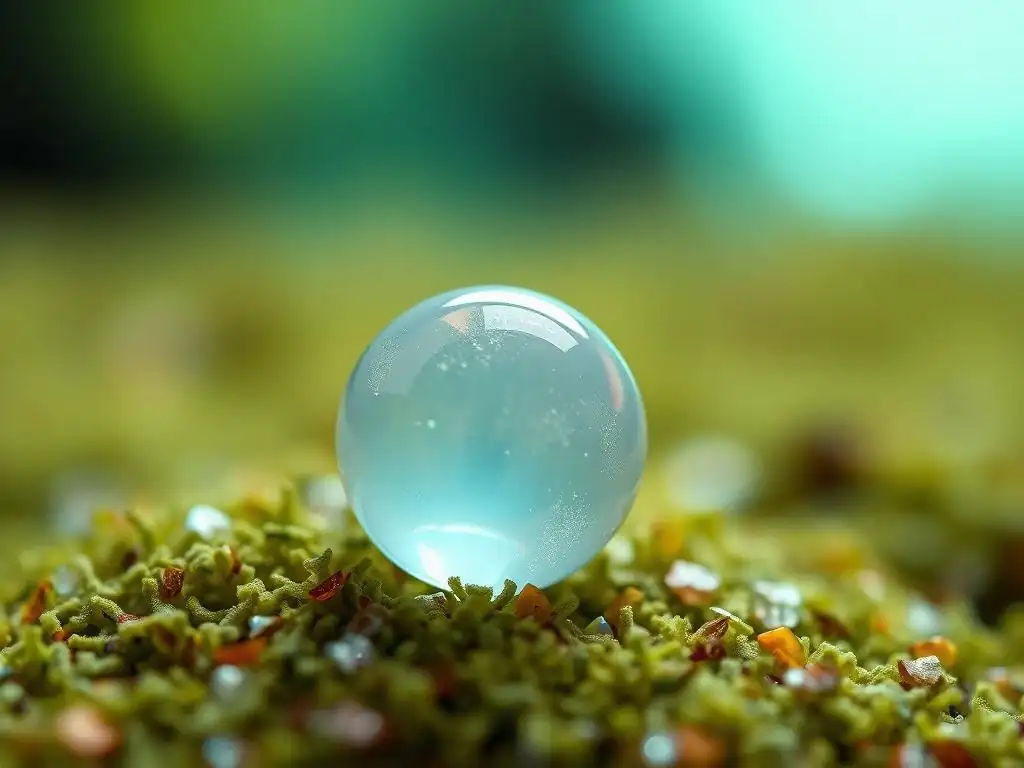
Removing the Parent Fish After Spawning: Preventing Egg Consumption
The critical step of removing the parent Diamond Tetras immediately after spawning cannot be overstressed. These fish are opportunistic egg eaters, and even a few minutes of unsupervised time can result in a significant reduction of your egg yield. Once you have confirmed that spawning has ceased, or if you notice the adults actively picking at the eggs, gently net them out of the breeding tank and return them to their main aquarium.
After the parents are removed, it is vital to minimize any further disturbance to the breeding tank. Sudden movements, vibrations, or drastic changes in light can negatively impact the delicate eggs. The goal is to create a stable, peaceful environment where the eggs can develop undisturbed, free from the threat of predation.
Maintaining Optimal Water Quality for Egg Development
Maintaining pristine and stable water quality is paramount for the successful development and hatching of Diamond Tetra eggs. The water parameters (pH 5.5-6.5, GH 1-5 dGH, temperature 78-82°F) must remain consistent throughout the incubation period. Use a very gentle air stone to provide aeration, ensuring there is sufficient oxygen for the developing embryos, but avoid strong currents that could dislodge or damage the eggs.
Egg fungus is a common problem that can quickly decimate an entire clutch. To combat this, many breeders add a very small amount of methylene blue to the water (a few drops per gallon) immediately after spawning. Methylene blue acts as an antifungal agent. Daily observation is crucial; use a pipette or airline tubing to carefully siphon out any unfertilized eggs (which will turn white and opaque) or eggs that show signs of fungal growth. Removing these promptly prevents the fungus from spreading to healthy eggs.
Incubation Time and Hatching Conditions: What to Look For
Diamond Tetra eggs have a relatively short incubation period. At the optimal temperature of 80°F (26.7°C), hatching typically occurs within 24 to 36 hours. As the embryos develop, the eggs may darken slightly, and you might even be able to discern tiny developing eyes within the clear shell.
Upon hatching, the fry are incredibly tiny and almost invisible to the naked eye, often resembling slivers of glass. They are not free-swimming immediately; instead, they will typically cling to the sides of the tank, the spawning mop, or any available surfaces.
During this initial stage, they subsist on their yolk sac, which provides all the necessary nutrients for their first 2-3 days of life. Once the yolk sac is fully absorbed, usually around 36-72 hours post-hatch, the fry will become free-swimming and begin their search for external food sources, marking the next critical phase in the Diamond tetra breeding guide.
Raising Diamond Tetra Fry: From Hatchlings to Juveniles
First Foods for Diamond Tetra Fry: Infusoria and Liquid Fry Food
Raising Diamond Tetra fry is arguably the most challenging part of the breeding process due to their minuscule size. Once they become free-swimming and their yolk sacs are absorbed (typically 2-3 days post-hatch), they require microscopic food. Infusoria, which are microscopic single-celled organisms, are the ideal first food. They can be cultivated easily at home by placing a few pieces of decaying lettuce or banana peel in a jar of aged aquarium water for a few days, or by using specialized infusoria cultures available commercially.
Alternatively, high-quality liquid fry foods specifically designed for egg-laying fish can be used. These products contain finely powdered nutrients that are small enough for the fry to consume. Whichever method you choose, it's crucial to feed small amounts multiple times a day (4-6 times) to ensure the fry have a constant supply of food. The key is to provide enough food without overfeeding, which can quickly foul the water.
Gradually Introducing Larger Foods: Baby Brine Shrimp and Microworms
As the Diamond Tetra fry grow, usually within 3-5 days of becoming free-swimming, they will be large enough to consume slightly larger food items. Newly hatched baby brine shrimp are an excellent next step. They are highly nutritious, stimulate a strong feeding response, and their jerky movements make them easily detectable by the fry. Microworms are another highly beneficial food source at this stage, offering a good nutritional profile and being easy to culture at home.
Continue to feed these larger live foods multiple times a day, ensuring all fry have access to food. As the fry continue to grow, typically after 2-3 weeks, they can gradually be transitioned to finely crushed high-quality flake food or specialized fry pellets. The transition should be gradual, mixing in the new food with the established live foods, until they are fully accustomed to the new diet. Consistency in feeding and observation of the fry's growth is vital for a successful Diamond tetra breeding guide.
Maintaining Water Quality for Growing Fry: Regular Water Changes
Diamond Tetra fry are exceptionally sensitive to poor water quality. Ammonia and nitrite spikes, even at low levels, can be lethal. Therefore, maintaining pristine water conditions through regular, small water changes is absolutely essential for their survival and healthy development. Perform daily or every-other-day water changes of 10-20% of the tank volume, using temperature-matched, dechlorinated water that matches the breeding tank's original parameters.
When performing water changes, use an air line tubing or a small siphon to carefully remove detritus and uneaten food from the bare bottom of the tank, taking extreme care not to accidentally siphon up any tiny fry. A gentle sponge filter is crucial for providing biological filtration and maintaining water clarity without creating strong currents that could harm the delicate fry. Avoid overfeeding, as excess food quickly breaks down and contributes to poor water quality.
Preventing Diseases in Diamond Tetra Fry: Hygiene and Observation
Preventing diseases in Diamond Tetra fry relies heavily on maintaining impeccable hygiene and diligent observation. Fry are particularly vulnerable to common fish ailments due to their underdeveloped immune systems and small size. Always ensure that any equipment used in the fry tank (siphon, nets, feeding tools) is thoroughly cleaned and ideally dedicated solely to the fry tank to prevent the introduction of pathogens.
Regularly observe the fry for any signs of illness, such as lethargy, unusual swimming patterns, clamped fins, or any visible spots or growths. Early detection is key, as diseases can spread rapidly through a dense population of fry. While treatments exist, prevention through consistent water quality, appropriate feeding, and a stress-free environment is by far the most effective strategy for raising a healthy shoal of Diamond Tetra fry.
Common Diamond Tetra Breeding Problems and Solutions
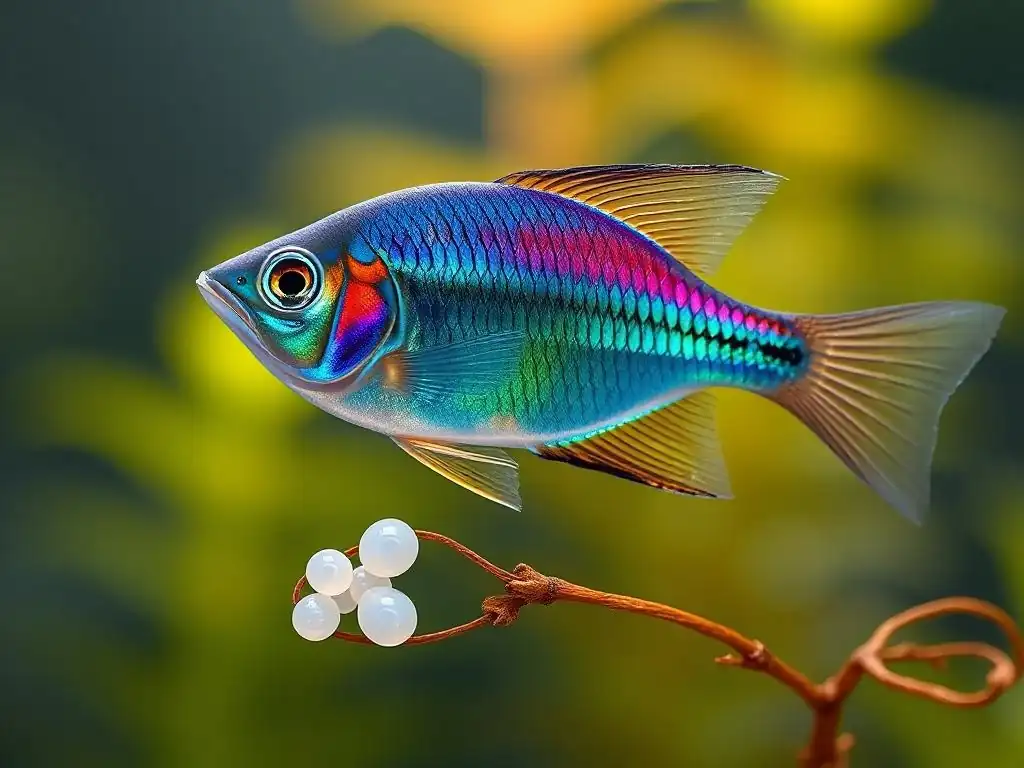
Egg Fungus: Prevention and Treatment
Egg fungus is one of the most common and frustrating problems encountered during Diamond Tetra breeding, capable of wiping out an entire clutch within hours. It typically appears as a white, fuzzy growth on eggs. Prevention is the best approach: ensure the breeding water is soft and acidic (pH 5.5-6.5, GH 1-5 dGH), as hard, alkaline water makes eggs more susceptible. Adding a few drops of methylene blue to the water immediately after spawning acts as a prophylactic antifungal agent.
Prompt removal of infertile or diseased eggs is crucial. Unfertilized eggs will turn opaque white within hours of spawning and are prime targets for fungal growth. Use a pipette or airline tubing to carefully siphon out any affected eggs as soon as they are spotted to prevent the fungus from spreading to healthy, developing embryos. Increasing aeration with a gentle air stone can also help deter fungal growth by ensuring good water circulation around the eggs.
Low Hatch Rate: Identifying and Addressing the Causes
A low hatch rate in Diamond Tetra breeding can be disheartening, but understanding the underlying causes can help improve future attempts. Common culprits include infertile eggs, which may stem from poorly conditioned parent fish (lack of proper diet, too young/old), or incompatible pairs. Incorrect water parameters during spawning and incubation, particularly water that is too hard or too alkaline, can also significantly reduce egg viability. Temperature fluctuations during incubation can also stress embryos and lead to non-hatching eggs.
To address a low hatch rate, re-evaluate your conditioning regimen for the parent fish, ensuring they receive a rich, varied diet for at least two weeks prior to spawning. Double-check and precisely maintain the recommended soft, acidic water parameters and stable temperature in the breeding tank. If using tap water, consider switching to reverse osmosis (RO) water remineralized to the target parameters, as municipal water can have unpredictable fluctuations in hardness and pH.
Fry Mortality: Troubleshooting Common Issues
High fry mortality is another frequent challenge in Diamond Tetra breeding, often occurring in the first few days or weeks post-hatch. The primary causes are typically starvation, poor water quality, or disease. Starvation occurs if the fry are not provided with food that is small enough for them to consume, or if they are not fed frequently enough. Their tiny mouths require microscopic foods like infusoria initially, graduating to newly hatched brine shrimp and microworms.
Poor water quality, specifically spikes in ammonia or nitrite from uneaten food or insufficient filtration, is extremely toxic to fragile fry. Ensure daily, small (10-20%) water changes are performed, carefully siphoning out any detritus. Use only gentle sponge filters, as strong currents can exhaust or injure the fry. Finally, disease can decimate a fry batch rapidly. Prevention through impeccable hygiene, stable water parameters, and avoiding overfeeding is the best defense. If a disease is suspected, prompt identification and appropriate, often delicate, treatment are necessary.
Diamond Tetra Breeding: A Rewarding Aquarium Experience
Once your Diamond Tetra fry have grown into healthy juveniles, typically reaching a size of around 1 inch (2.5 cm), they are ready for rehoming. This is a highly rewarding aspect of the Diamond tetra breeding guide. You can sell your homegrown Diamond Tetras to local fish stores, who are often keen to acquire locally bred fish due to their hardiness and acclimation to local water conditions. This can help offset the costs associated with breeding and tank maintenance.
Alternatively, you can trade them with other hobbyists through local aquarium clubs or online forums, fostering a sense of community and potentially acquiring new species for your own tanks. Giving them to friends or family who are budding aquarists is also a fulfilling way to share your passion. Always ensure that the fish are healthy, well-fed, and robust before rehoming them, providing them with the best chance of thriving in their new environment.
Continued Care for Your Growing Shoal
As your Diamond Tetra juveniles continue to grow, they will eventually outgrow their breeding/fry grow-out tank. At this stage, they should be moved to a larger grow-out tank or integrated into a suitable community aquarium. Continue to provide them with a high-quality, varied diet, including flake food, pellets, and occasional live or frozen treats, to support their ongoing development and vibrant coloration.
Regular maintenance, including consistent water changes, proper filtration, and monitoring of water parameters, remains crucial for their long-term health. Successfully breeding Diamond Tetras allows you to establish a self-sustaining population, and you can even select the healthiest and most vibrant individuals from your new shoal to become your next generation of breeding stock, continuing the rewarding cycle of Diamond tetra breeding.
Resources for Diamond Tetra Breeders
The journey of Diamond Tetra breeding is one of continuous learning and refinement. To further enhance your knowledge and success, numerous resources are available to the dedicated aquarist. Online aquarium forums and communities are invaluable for connecting with experienced breeders, sharing insights, troubleshooting problems, and gaining real-time advice. Websites like AquariumMastery.com offer detailed guides and species profiles that can supplement your understanding.
Joining a local aquarium club can provide hands-on experience, access to expert speakers, and opportunities to network with fellow enthusiasts. Specialized books on freshwater fish breeding can offer in-depth scientific and practical information. Embracing these resources and maintaining a curious, observant approach will not only improve your Diamond tetra breeding success but also deepen your overall appreciation and mastery of the aquarium hobby.
Frequently Asked Questions
How difficult is it to breed Diamond Tetras for a beginner?
Diamond tetra breeding can be moderately challenging. Success relies on maintaining pristine water conditions and providing a suitable breeding environment. Research and preparation are key.
What are the key indicators that my Diamond Tetras are ready to breed?
Look for increased activity and chasing among the fish. The female will appear plumper with eggs, and the male's colors will become more intense during courtship.
What type of tank setup is best for Diamond Tetra breeding?
A separate breeding tank with soft, slightly acidic water is ideal. Use spawning mops or fine-leaved plants to provide a place for the eggs to be laid and protected.
What should I feed Diamond Tetra fry after they hatch?
Initially, feed them infusoria or liquid fry food. As they grow, transition to baby brine shrimp or other commercially available fry foods.
How long does it take for Diamond Tetra eggs to hatch and the fry to become free-swimming?
Diamond Tetra eggs typically hatch within 24-36 hours. The fry will become free-swimming after 3-4 days, once they have absorbed their yolk sacs.
Final Reflection: Unveiling the Sparkle Within
The journey of breeding Diamond Tetras, as we've explored, is more than just a technical exercise; it's a testament to the enduring allure of nature's artistry. The shimmering scales and captivating dance of these fish serve as a miniature reflection of the beauty and complexity that surrounds us, even in the confines of our own homes. This guide, hopefully, has illuminated the path to not only successfully breed these jewels but also to appreciate the delicate balance required to nurture life.
The ability to cultivate such vibrant beauty underscores the profound connection we have with the natural world. Witnessing the transformation from tiny eggs to shimmering adults is a deeply rewarding experience, fostering a sense of responsibility and wonder. As the saying goes, In every walk with nature, one receives far more than he seeks.
This sentiment resonates deeply with the dedication and patience required to successfully breed Diamond Tetras, reminding us of the simple joys found in observing and nurturing life.
Now, as you embark on your own Diamond Tetra breeding adventure, remember that patience and dedication are key. Let the lessons learned from this guide inspire you not only to create a thriving shoal of iridescent jewels but also to cultivate a deeper appreciation for the delicate ecosystems that sustain us all. Embrace the challenge, celebrate the small victories, and allow the sparkle of the Diamond Tetra to illuminate your own life.
Cultivate Your Own Aquatic Sparkle!
Thank you for diving into the world of Diamond Tetra breeding! We hope you've discovered some valuable insights to help you on your journey. Now it's time to put that knowledge into action and witness the magic firsthand.
Here's how you can continue your aquatic adventure:
- Start Preparing Your Breeding Tank: Dedicate a small, pristine aquarium specifically for breeding. Soft water, dim lighting, and a spawning mop are essential. This is the most important next step!
- Delve deeper into optimizing water parameters for successful spawning. Research the ideal temperature and pH levels specifically for Diamond Tetras.
- Share your newfound knowledge! Post a picture of your setup or a question about your experience in the comments below to connect with fellow enthusiasts.
Ready to create your own shimmering spectacle? What specific challenge are you most excited to tackle first in your Diamond Tetra breeding journey?