
Is Your Aquarium Anemic? Unlocking the Secrets to Iron Deficiency in Aquatic Plants & Restoring Vibrancy

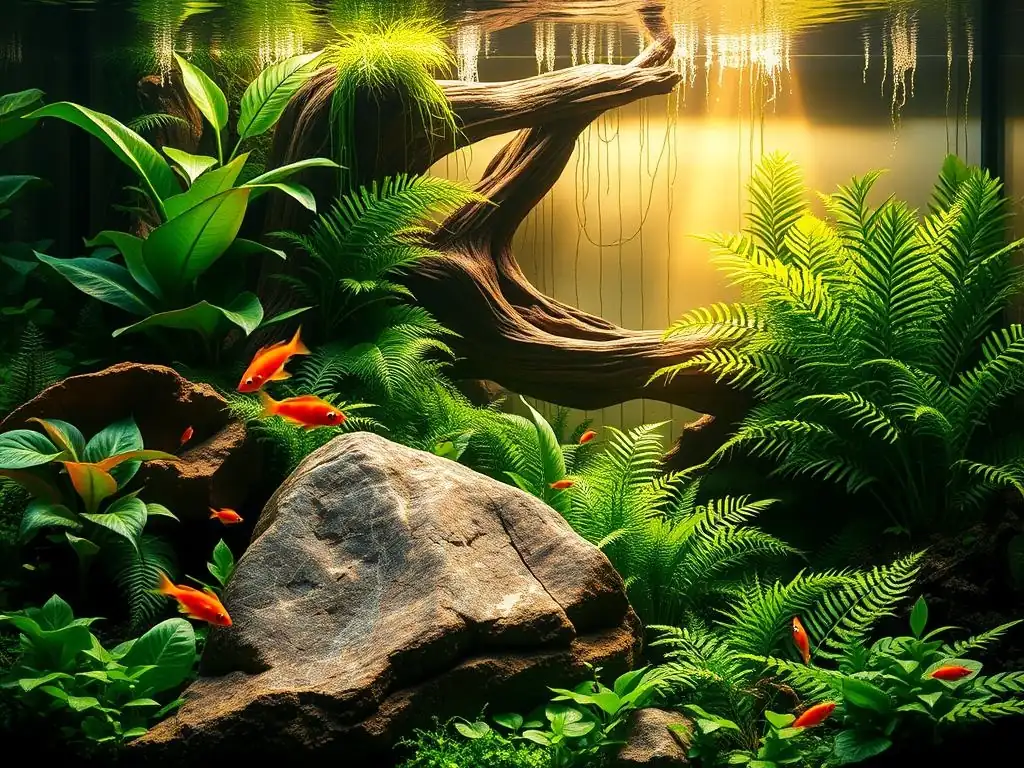
Welcome to Aquarium Mastery!
Ever wondered why your lush aquatic plants are looking a little… anemic? Dive deep with us into the fascinating world of iron deficiency in aquarium plants. We'll unlock the secrets to diagnosing, treating, and preventing this common issue, helping you restore vibrant health and color to your underwater garden. Prepare to transform your aquarium into a thriving ecosystem – let's get started!
- Understanding Iron Deficiency in Aquarium Plants: A Vital Nutrient for Aquatic Life
- Diagnosing Iron Deficiency: Common Causes and Contributing Factors
- The Visible Symptoms: Spotting Iron Deficiency in Aquarium Plants
- Testing Your Aquarium Water for Iron: Accurate Measurement and Interpretation
- Solutions for Correcting Iron Deficiency in Your Planted Aquarium
- Optimizing Your Aquarium Environment for Iron Uptake
- Preventing Iron Deficiency: Proactive Measures for a Healthy Planted Tank
- Case Studies: Real-World Examples of Treating Iron Deficiency in Aquariums
- Beyond Iron: Addressing Other Potential Nutrient Deficiencies
-
Frequently Asked Questions
- What are the primary symptoms of iron deficiency in aquarium plants?
- How does iron deficiency affect the overall health of my aquarium ecosystem?
- What are the main causes of iron deficiency in freshwater aquariums?
- How can I test for iron deficiency in my aquarium?
- What are some methods for treating and preventing iron deficiency in aquarium plants?
- Final Reflection: The Verdant Promise of a Balanced Ecosystem
- Revitalize Your Aquatic Paradise: Unleash the Power of Iron!
Understanding Iron Deficiency in Aquarium Plants: A Vital Nutrient for Aquatic Life
Why Iron Matters for Thriving Aquatic Plants
Iron is a crucial micronutrient for all plant life, including the vibrant flora in your aquarium. Its primary role lies in the synthesis of chlorophyll, the green pigment essential for photosynthesis. Without sufficient iron, plants cannot produce enough chlorophyll, directly impacting their ability to convert light energy into chemical energy for growth and development. This vital element also participates in various enzymatic reactions and is involved in the transfer of electrons during cellular respiration, underpinning the plant's overall metabolic health.
Insufficient iron levels compromise a plant's entire physiological function, leading to a noticeable decline in health and aesthetic appeal. New growth, in particular, is heavily reliant on a consistent supply of iron for rapid cell division and expansion. A healthy aquatic plant, such as an Amazon Sword ( Echinodorus bleheri), can produce 1-2 new leaves per week under optimal conditions, but this growth rate can plummet to almost zero with severe iron deficiency, leaving new foliage pale and stunted.
Recognizing the Signs: Identifying Iron Deficiency in Your Planted Tank
The most prominent and early indicator of iron deficiency in aquarium plants is chlorosis, specifically the yellowing of leaves. Unlike some other nutrient deficiencies that affect older leaves first, iron deficiency typically manifests in the newest or youngest leaves and growth tips. This is because iron is largely immobile within the plant, meaning it cannot be readily redistributed from older, healthier tissues to new growth when supplies are scarce.
Beyond general yellowing, other subtle yet distinct signs can point to a lack of iron. Red-pigmented plants, for instance, often lose their vibrant coloration and may turn dull orange or even green when iron levels are suboptimal. For example, a healthy Ludwigia repens displays rich red hues, but with declining iron, new growth will emerge pale yellow, eventually losing its characteristic redness. Overall, plants may appear weak, brittle, and exhibit a general lack of vigor, indicating that their ability to thrive is severely compromised by the iron deficiency.
Diagnosing Iron Deficiency: Common Causes and Contributing Factors
Inadequate Iron Levels in Your Aquarium Water
One of the most straightforward reasons for iron deficiency in aquarium plants is simply an insufficient supply of iron in the water column or substrate. Iron is quickly utilized by plants, and it can also precipitate out of solution, especially in certain water conditions. Many municipal tap water sources contain less than 0.01 ppm (parts per million) of iron, which is often far below the requirements for a densely planted aquarium. Without regular supplementation, the available iron is rapidly depleted by the plants, leading to deficiency symptoms within days or weeks.
For optimal plant growth, most aquascapers aim to maintain water column iron levels between 0.05 ppm and 0.1 ppm. When levels consistently fall below 0.02 ppm, symptoms of iron deficiency in aquarium plants become increasingly evident. The continuous consumption by thriving plants and the natural chemical processes in the tank mean that iron is a nutrient that needs consistent monitoring and replenishment, rather than a one-time addition.
The pH of your aquarium water plays a critical role in the availability of iron to aquatic plants. Iron exists in two primary forms: ferrous iron (Fe2+), which is highly soluble and readily available for plant uptake, and ferric iron (Fe3+), which is less soluble and tends to precipitate out of solution, becoming unavailable. As pH levels rise, particularly above 7.0, ferrous iron rapidly oxidizes to ferric iron, making it much harder for plants to absorb.
For instance, at a pH of 7.5, the availability of iron can be reduced by as much as 50% compared to a pH of 6.5, even if the total iron concentration remains the same. In a tank with a stable pH of 7.8, even if 0.1 ppm of iron is dosed, a significant portion may rapidly become unavailable, leading to classic symptoms of iron deficiency in aquarium plants within a short period. This chemical transformation underscores why simply adding iron isn't always enough; the water chemistry must also be conducive to its uptake.
Imbalances with Other Nutrients: The Interplay of Plant Nutrition
The intricate world of plant nutrition involves a delicate balance, and an excess of certain nutrients can actually inhibit the uptake of others, even if they are present in sufficient quantities. This phenomenon, known as nutrient antagonism, can lead to symptoms of iron deficiency even when iron is technically available. For example, high levels of phosphates (PO4), often exceeding 0.5-1.0 ppm, can bind with iron, forming insoluble iron phosphate compounds that plants cannot absorb.
Similarly, an overabundance of other micronutrients like manganese (Mn) or molybdenum (Mo) can compete with iron for absorption sites on the plant roots, reducing the plant's ability to take up iron. For instance, a tank consistently dosed with high levels of phosphate (e.g., maintaining 2 ppm PO4) might show signs of iron deficiency in its Cryptocoryne plants, despite regular iron supplementation. This highlights the importance of a holistic nutrient strategy, where all essential elements are supplied in appropriate proportions to prevent such antagonistic interactions and ensure all nutrients, including iron, are bioavailable.
The Visible Symptoms: Spotting Iron Deficiency in Aquarium Plants
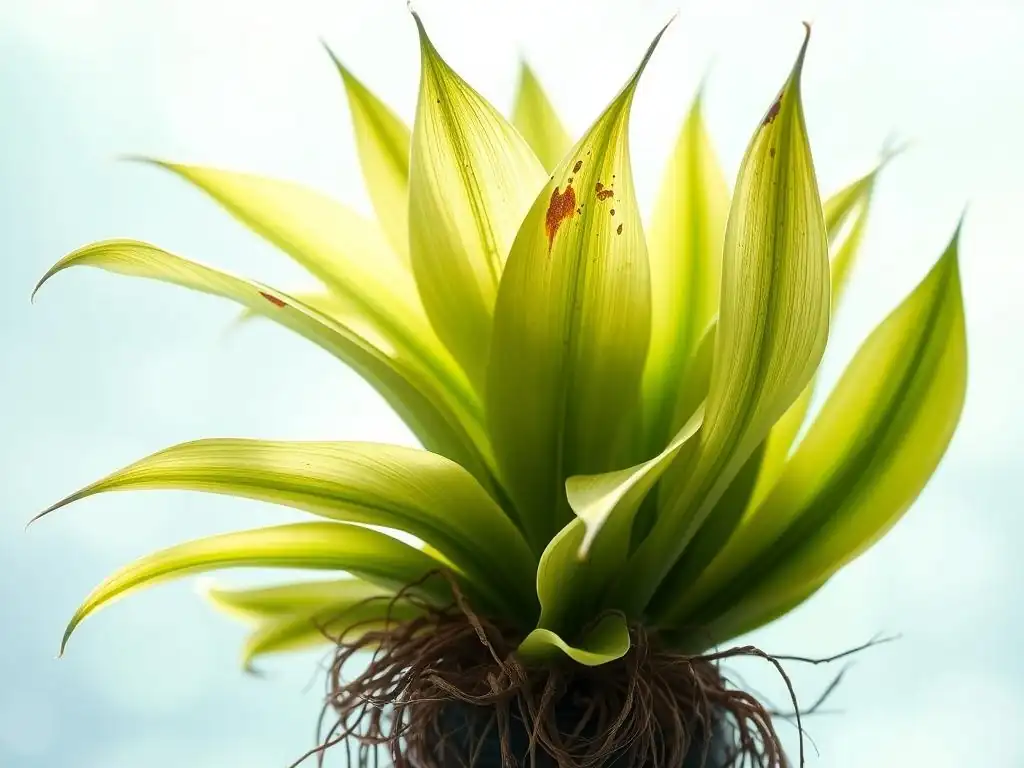
Chlorosis: Yellowing Leaves as a Key Indicator
Chlorosis, characterized by the yellowing of plant tissues, is the hallmark symptom of iron deficiency in aquarium plants. Specifically, it often presents as interveinal chlorosis, where the areas between the leaf veins turn yellow or pale, while the veins themselves initially remain green. This distinct pattern is crucial for differentiating iron deficiency from other nutrient issues. The symptoms typically appear first and most prominently on the newest leaves and growth tips, as iron is not easily mobilized from older tissues to support new development.
As the deficiency progresses, the yellowing can intensify, leading to a near-white or bleached appearance in the affected leaves. In plants like Ludwigia palustris, healthy leaves are a deep red, but with iron deficiency, new growth emerges pale yellow, eventually turning white, while older leaves may retain some green for longer. This progression from subtle paling to severe bleaching on new growth is a strong diagnostic sign for iron deficiency.
Stunted Growth: The Impact on Plant Development
Beyond discoloration, iron deficiency severely impacts a plant's overall growth and development, leading to noticeably stunted growth. Iron is essential for cell division and expansion, fundamental processes for plant elongation and biomass accumulation. When iron is scarce, these processes are inhibited, resulting in smaller leaves, shorter internodal spacing (the distance between leaf nodes on stems), and a general reduction in the plant's size.
The impact on growth rate can be significant. A healthy stem plant like Rotala rotundifolia can grow 1-2 inches per week under optimal conditions, but with significant iron deficiency, its growth might slow to less than 0.2 inches per week, producing tiny, pale leaves that never reach their full size. This restricted development not only affects the aesthetic appeal of the aquascape but also indicates a fundamental problem with the plant's ability to thrive.
Vein Discoloration: A Closer Look at Leaf Patterns
As mentioned, interveinal chlorosis is characteristic of iron deficiency, where the areas between the veins yellow while the veins themselves retain their green color. This occurs because the veins contain the vascular bundles responsible for nutrient transport, and they may initially hold onto what little iron is available or receive a minimal supply. This creates a striking netted pattern, making the diagnosis more precise.
However, if the iron deficiency is severe and prolonged, even the veins will eventually lose their green color and become yellow or white, leading to a complete bleaching of the entire leaf. For example, a large Amazon Sword ( Echinodorus bleheri) might first show fine yellowing between the prominent central and lateral veins of its newest leaves, with the veins remaining distinctly green. As the deficiency worsens, these veins too will begin to fade, indicating a critical lack of iron in the plant's system.
Plant Type Susceptibility: Identifying Plants More Prone to Iron Deficiency
Not all aquatic plants exhibit the same susceptibility to iron deficiency. Fast-growing plant species and those with red pigmentation tend to show symptoms first and most severely, due to their higher metabolic rates and specific iron requirements for chlorophyll and anthocyanin (red pigment) production. These plants act as sensitive indicators of low iron levels in the aquarium.
Specific examples include vibrant red plants like Alternanthera reineckii 'Mini' or Rotala 'Colorata', which are highly susceptible and often lose their characteristic red coloration, turning green or yellow when iron levels drop below 0.05 ppm. Similarly, demanding stem plants like Ludwigia species will quickly show signs of iron deficiency in their new growth. Conversely, slower-growing plants such as Anubias barteri or Java Fern ( Microsorum pteropus) are generally less demanding of iron and may only show subtle signs with prolonged, severe deficiency, making them less reliable as early indicators.
Testing Your Aquarium Water for Iron: Accurate Measurement and Interpretation
Choosing the Right Iron Test Kit for Your Aquarium
Accurate measurement of iron levels in your aquarium water is crucial for diagnosing and correcting iron deficiency in aquarium plants. Several types of iron test kits are available, with colorimetric (liquid reagent) kits being the most common for home use. When selecting a kit, prioritize reputable brands known for their accuracy and ease of use. It's important to note that some kits measure only chelated iron, while others measure total iron, which includes both available and unavailable forms. Understanding what your specific kit measures can help interpret results more effectively.
While home test kits provide a good indication, they do have limitations. A common colorimetric test kit, such as those from API or Seachem, can provide a reading for total iron with an accuracy of approximately ±0.02 ppm. This level of precision is generally acceptable for hobbyist use, allowing you to identify significant drops in iron levels. However, for highly sensitive plants or precise scientific monitoring, more advanced laboratory testing might be required. Always follow the manufacturer's instructions carefully for the most accurate results.
Understanding PPM and Target Iron Levels
PPM, or parts per million, is the standard unit of measurement for nutrient concentrations in aquarium water. For iron, the ideal target range in a thriving planted aquarium is generally between 0.05 ppm and 0.1 ppm. Maintaining levels within this window ensures that plants have a consistent supply of iron for robust growth and vibrant coloration, preventing the onset of iron deficiency in aquarium plants.
If iron levels consistently register below 0.02 ppm, it's a strong indication that plants are likely experiencing or will soon experience iron deficiency. Conversely, excessively high iron levels, typically above 0.2 ppm, should also be avoided. While not directly toxic to fish or invertebrates at these levels, high iron can contribute to the proliferation of nuisance algae, particularly Black Brush Algae (BBA), by making excess nutrients available for their growth. Most professional aquascapers aim to maintain iron levels between 0.05 ppm and 0.1 ppm for optimal plant growth while minimizing algae risk.
Regular Testing: Monitoring Iron Levels Over Time
Consistent and regular testing of your aquarium's iron levels is just as important as the initial diagnosis. Iron is a dynamic nutrient in a planted tank; it's consumed by plants, can precipitate out of solution, and is removed during water changes. Establishing a routine testing schedule, perhaps weekly or bi-weekly initially, allows you to track the rate of iron depletion and understand your tank's specific consumption patterns.
This ongoing monitoring enables you to fine-tune your iron dosing regimen. For instance, in a heavily planted 50-gallon tank with fast-growing stem plants, iron levels might drop from an initial 0.1 ppm to below 0.02 ppm within 3-4 days. This rapid depletion necessitates more frequent dosing or a higher initial dose to maintain stable levels and prevent the recurrence of iron deficiency in aquarium plants. Regular testing transforms your dosing from a guessing game into a precise, responsive strategy.
Solutions for Correcting Iron Deficiency in Your Planted Aquarium
Iron Supplements: Choosing the Right Product for Your Tank
Once iron deficiency is diagnosed, the next step is to introduce iron supplements to your aquarium. These supplements come in various forms, including liquid solutions, granular dry salts, and solid root tabs. The best choice depends on your tank's size, the density and type of plants, and your preferred method of nutrient delivery. Liquid supplements are typically dosed directly into the water column, offering quick availability. Dry salts provide a cost-effective option for larger tanks, allowing for custom dosing.
For a smaller tank (under 30 gallons) or one with a few plants, a liquid all-in-one fertilizer containing chelated iron might suffice. However, for a large, densely planted aquascape, or when dealing with severe iron deficiency in aquarium plants, a dedicated iron supplement is often more effective. These dedicated products typically contain iron in a chelated form, which ensures its stability and bioavailability in the water column over a wider pH range.
Liquid Iron Fertilizers: Dosage and Application Tips
Liquid iron fertilizers are a popular and effective way to quickly address iron deficiency in the water column. These products are typically dosed directly into the tank water. It is paramount to follow the manufacturer's instructions for dosage, as over-dosing can lead to algae outbreaks or imbalances with other nutrients. A common guideline for many liquid iron supplements is an initial dose of 1 ml per 10 gallons of water to raise iron levels by approximately 0.05 ppm.
For sustained health and to prevent fluctuations, it's often more beneficial to dose liquid iron daily or every other day at smaller amounts, rather than a single large weekly dose. This approach helps maintain stable iron levels, as iron is rapidly utilized by plants or can precipitate out of solution. Daily micro-dosing ensures a consistent supply, allowing plants to continuously absorb the necessary iron without experiencing periods of scarcity.
Chelated Iron: Ensuring Uptake by Your Plants
Chelation is a chemical process where iron ions are bound to an organic molecule, known as a chelator. This binding prevents the iron from reacting with other elements in the water (like phosphates or high pH) and precipitating out, thereby keeping it soluble and available for plant uptake over a longer period and wider pH range. Without chelation, iron often becomes unavailable in typical aquarium conditions, especially at neutral to alkaline pH.
Common chelators used in aquarium iron supplements include EDTA (ethylenediaminetetraacetic acid), DTPA (diethylenetriaminepentaacetic acid), and EDDHA (ethylenediamine-N,N′-bis(2-hydroxyphenylacetic acid)). Each chelator has a different pH stability range. For instance, Fe-DTPA is stable and effective up to a pH of about 7.5, making it suitable for most freshwater tanks. Fe-EDDHA, on the other hand, is effective even at pH levels up to 9.0, making it ideal for tanks with naturally higher pH or very hard water, significantly helping to prevent iron deficiency in aquarium plants under challenging conditions.
Root Tabs: Providing Iron Directly to Plant Roots
While liquid iron supplements address the water column, root tabs provide a direct and localized source of iron and other nutrients to root-feeding aquatic plants. These solid tablets are typically inserted into the substrate near the base of heavy root feeders like Amazon Swords ( Echinodorus species), Cryptocorynes ( Cryptocoryne species), and Lagenandra species. Root tabs release nutrients slowly over time, creating a nutrient-rich zone where the roots can readily absorb them.
For plants that primarily absorb nutrients through their root systems, such as the Cryptocoryne wendtii which can draw iron from the substrate, root tabs can be a game-changer. Placing a root tab containing iron and other micronutrients within an inch or two of the plant's base every 3-6 months (depending on the product and plant demand) can provide a consistent, localized supply of iron. This method is particularly effective in preventing and correcting iron deficiency in aquarium plants that rely heavily on substrate nutrition.
Optimizing Your Aquarium Environment for Iron Uptake
Maintaining Optimal pH Levels for Iron Availability
As previously discussed, pH significantly influences iron availability. For optimal iron uptake by aquatic plants, maintaining a slightly acidic to neutral pH range, typically between 6.5 and 7.0, is highly recommended. Within this range, iron remains in its more soluble and bioavailable ferrous (Fe2+) form, allowing plants to absorb it efficiently. At higher pH levels, iron quickly oxidizes and precipitates, rendering it unavailable, even if present in the water.
If your aquarium's pH is consistently above 7.0 and you are experiencing iron deficiency in aquarium plants, consider methods to gently lower and stabilize it. CO2 injection is one effective method, as dissolved CO2 forms carbonic acid, which naturally lowers pH. Other options include using driftwood, peat filtration, or specialized buffering substrates. For instance, lowering the pH from 7.5 to 6.8 through controlled CO2 injection can increase iron bioavailability by up to 30-40% compared to higher pH levels, significantly aiding plant health.
CO2 Injection: Enhancing Nutrient Absorption
Carbon dioxide (CO2) is a fundamental nutrient for photosynthesis, and its adequate supply dramatically enhances plant growth. Beyond its direct role in photosynthesis, CO2 injection indirectly improves iron uptake and overall nutrient absorption in several ways. By increasing the photosynthetic rate, plants become more metabolically active and demand more of all essential nutrients, including iron.
Furthermore, CO2 injection typically results in a slight lowering and stabilization of the aquarium's pH, moving it into the optimal range for iron availability. This synergy means that with higher CO2 levels, plants not only grow faster but also become more efficient at absorbing available iron. A heavily planted tank with consistent CO2 injection maintaining 25-30 ppm CO2 can absorb iron at a rate nearly twice as fast as a non-CO2 injected tank of similar plant density, making them significantly less prone to iron deficiency in aquarium plants.
Proper Lighting: Supporting Photosynthesis and Nutrient Use
Lighting is the energy source for photosynthesis, and its intensity and spectrum directly influence a plant's ability to utilize available nutrients, including iron. Even if iron and other nutrients are present in abundance, insufficient or inappropriate lighting can severely limit a plant's growth and its capacity to process these elements. Plants under low light conditions will have a reduced metabolic rate, leading to less demand for nutrients and potentially mimicking the symptoms of nutrient deficiencies.
For example, in a tank with low light levels (e.g., less than 15 PAR at the substrate), plants may appear pale, grow slowly, and show symptoms similar to nutrient deficiencies, even with sufficient iron. This is because they lack the energy to effectively process the available nutrients and build biomass. Increasing light to an appropriate level (e.g., 30-50 PAR for moderate growth) can significantly improve nutrient uptake, enhance photosynthetic efficiency, and result in more vibrant, healthy plant growth.
Avoiding Over-Fertilization: Maintaining a Balanced Ecosystem
While correcting iron deficiency is crucial, it's equally important to avoid over-fertilization of any single nutrient. Excessive levels of one nutrient can lead to imbalances that inhibit the uptake of others, a phenomenon known as nutrient antagonism. For instance, as previously mentioned, very high phosphate levels (e.g., over 2 ppm) can precipitate iron out of solution, making it unavailable to plants. Similarly, an overabundance of certain micronutrients like manganese can compete with iron for absorption sites on plant roots.
Maintaining a balanced ecosystem requires a holistic approach to fertilization, often following established methods like the Estimated Index (EI) or PPS-Pro dosing regimens. These methods aim to provide all macronutrients (Nitrogen, Phosphorus, Potassium) and micronutrients (including iron, manganese, boron, copper, zinc, molybdenum) in non-limiting and proportional amounts. This balanced supply prevents any single nutrient from becoming excessively high and negatively impacting the uptake of others, ensuring that all nutrients, including iron, contribute effectively to plant health.
Preventing Iron Deficiency: Proactive Measures for a Healthy Planted Tank
Regular Water Changes: Replenishing Trace Elements
Regular water changes are a cornerstone of good aquarium maintenance and play a vital role in preventing nutrient deficiencies, including iron deficiency. While tap water may not contain high levels of iron, water changes help replenish a baseline of essential trace elements that might have been depleted by plant uptake or removed through filtration. They also help remove accumulated waste products that could inhibit nutrient uptake or lead to imbalances.
Performing a 30-50% water change weekly is a common recommendation for planted tanks. While this practice alone is often insufficient to meet the high demands of a densely planted tank for iron, it contributes significantly to overall water quality and helps maintain a healthier environment where supplemental iron can be more effectively utilized. It's a foundational step in a proactive nutrient management strategy.
Nutrient-Rich Substrates: Providing a Foundation for Plant Growth
For many aquatic plants, particularly heavy root feeders, a nutrient-rich substrate provides a crucial, long-term foundation for growth and nutrient uptake. Active substrates, such as aquasoils (e.g., ADA Aqua Soil Amazonia), are specifically designed to slowly release essential nutrients, including iron, into the root zone over many months. These substrates also often have a high cation exchange capacity (CEC), allowing them to absorb nutrients from the water column and release them as needed by the plants.
Even inert substrates like sand or gravel can be enriched through the periodic addition of iron-rich root tabs. These tabs act as slow-release fertilizers, providing a consistent, localized supply of iron and other micronutrients directly to the plant roots. An aquasoil can hold and slowly release iron for up to 12-18 months, significantly reducing the immediate need for water column iron dosing for root-feeding plants and helping to prevent chronic iron deficiency in aquarium plants.
Selecting Appropriate Plant Species: Choosing Plants Suited to Your Water Chemistry
A proactive approach to preventing iron deficiency also involves selecting plant species that are well-suited to your aquarium's inherent water parameters, particularly pH and hardness. While iron supplements can adjust water chemistry, choosing plants that naturally thrive in your existing conditions minimizes the need for drastic interventions and makes long-term maintenance easier.
For instance, Anubias barteri or Java Fern ( Microsorum pteropus) are robust plants that are tolerant of lower iron levels and higher pH, making them excellent choices for tanks where maintaining very low pH or high iron levels might be challenging. Conversely, vibrant red plants like Ludwigia 'Super Red' or Alternanthera reineckii 'Mini' have a higher demand for consistent iron levels (0.05-0.1 ppm) and often benefit from slightly acidic conditions to maintain their coloration. Understanding these preferences helps set your aquascape up for success and prevents recurring issues with iron deficiency in aquarium plants.
Case Studies: Real-World Examples of Treating Iron Deficiency in Aquariums
Successfully Treating Chlorosis in Echinodorus bleheri (Amazon Sword)
A 75-gallon planted aquarium, housing several Echinodorus bleheri (Amazon Sword) plants, began exhibiting classic symptoms of iron deficiency. The newest leaves of the sword plants displayed distinct interveinal chlorosis – pale yellowing between the prominent green veins. An iron test kit revealed water column iron levels below 0.01 ppm, significantly lower than the target 0.05-0.1 ppm. The tank's pH was consistently around 7.5.
To address this, the aquarist initiated daily dosing of a chelated iron supplement (specifically Fe-DTPA, stable up to pH 7.5) at a rate designed to raise iron by approximately 0.05 ppm each day. Additionally, a 25% weekly water change was maintained.
Within 10 days of consistent dosing, new leaves emerging from the Echinodorus plants were noticeably greener, and the existing pale leaves gradually began to regain their color over the next 3-4 weeks. The plant resumed its typical vigorous growth rate of producing one new leaf every 5-7 days, confirming the successful correction of the iron deficiency in these aquarium plants.
Restoring Growth in Iron-Deficient Rotala rotundifolia
In a 20-gallon high-tech planted tank, the Rotala rotundifolia stems, despite receiving ample CO2 injection (25 ppm) and regular macronutrient dosing, exhibited severely stunted growth, tiny pale leaves, and a complete lack of their characteristic reddish coloration. An iron test reading confirmed low levels at 0.02 ppm. The aquarist deduced that while other nutrients were abundant, iron was the limiting factor.
The intervention involved increasing the daily liquid iron dosing from the existing all-in-one fertilizer to specifically target and maintain water column iron levels at 0.08 ppm. Furthermore, iron-rich root tabs were strategically placed near the base of the Rotala stems to provide a direct, localized source of iron to their root systems.
Within one week, the growth tips of the Rotala showed a marked improvement, with new, greener leaves emerging. Over three weeks, the plant's internodal spacing lengthened, and the characteristic reddish hue returned, indicating successful remediation of the iron deficiency in these aquarium plants and a return to healthy growth.
Beyond Iron: Addressing Other Potential Nutrient Deficiencies
The Importance of a Complete Plant Fertilizer
While identifying and correcting iron deficiency is crucial, it's vital to remember that aquatic plants require a full spectrum of macro and micronutrients for optimal health. Macronutrients include Nitrogen (N), Phosphorus (P), and Potassium (K), which are needed in larger quantities. Micronutrients, required in smaller amounts, include iron (Fe), manganese (Mn), boron (B), copper (Cu), zinc (Zn), and molybdenum (Mo), among others. Focusing solely on iron without addressing other potential deficiencies can lead to limited success or simply shift the limiting factor to another nutrient.
A complete plant fertilizer or a comprehensive dosing regimen (such as the Estimated Index method) ensures that all essential nutrients are provided in non-limiting amounts. For example, if a tank lacks potassium (K), even with ample iron, plants like Cryptocoryne species might still develop pinholes or yellowing on older leaves. This demonstrates that a holistic approach to nutrient management, supplying a balanced profile of all necessary elements, is crucial for overall plant health and preventing a cascade of deficiencies.
Recognizing Other Nutrient Deficiency Symptoms [e.g., Potassium, Nitrogen]
Understanding the distinct symptoms of other common nutrient deficiencies helps in accurate diagnosis and avoids misattributing issues solely to iron. For instance, Potassium (K) deficiency often manifests as pinholes, yellowing, or necrosis (tissue death) on older leaves, and can also lead to weak stems. This contrasts with iron deficiency, which typically affects new growth.
Nitrogen (N) deficiency, another common issue, usually presents as a general, uniform yellowing or paling of the entire plant, often more pronounced on older leaves, accompanied by severely stunted growth. Unlike the interveinal chlorosis of new leaves seen with iron deficiency in aquarium plants, nitrogen deficiency tends to cause an overall dullness and lack of vigor across the entire plant body. Accurate identification of these distinct symptoms is key to targeted and effective treatment.
Balancing Nutrients for Optimal Plant Health
The concept of Liebig's Law of the Minimum is highly applicable to planted aquariums: plant growth is limited by the scarcest essential nutrient, regardless of the abundance of others. Therefore, achieving optimal plant health and preventing all forms of nutrient deficiency requires a balanced approach to fertilization. It's not enough to simply add more of a single nutrient; the entire nutrient profile must be considered.
Implementing a comprehensive fertilization strategy, such as the Estimated Index (EI) method, which aims to provide all nutrients in non-limiting amounts, can prevent most deficiencies, including iron deficiency, by ensuring a complete and balanced nutrient profile in the water column. This involves regular dosing of both macro and micronutrients, coupled with consistent water changes. By maintaining this balance, aquarists can foster a thriving aquatic ecosystem where plants exhibit vibrant colors, robust growth, and resistance to common issues.
Frequently Asked Questions
What are the primary symptoms of iron deficiency in aquarium plants?
The most noticeable symptom is chlorosis, or yellowing, in the new growth of plants. You might also observe stunted growth and thin, brittle leaves.
How does iron deficiency affect the overall health of my aquarium ecosystem?
Iron is crucial for photosynthesis, so a deficiency can weaken plants, making them more susceptible to algae growth. This imbalance can disrupt the entire ecosystem.
What are the main causes of iron deficiency in freshwater aquariums?
Common causes include low iron levels in the water source, inadequate substrate nutrients, and high pH levels which can hinder iron absorption.
How can I test for iron deficiency in my aquarium?
You can use a water test kit specifically designed to measure iron levels. Regularly testing your water is key to preventing serious issues.
What are some methods for treating and preventing iron deficiency in aquarium plants?
Adding a liquid iron fertilizer is a quick solution. You can also use substrate additives for long-term iron release. Ensure proper water parameters for optimal absorption.
Final Reflection: The Verdant Promise of a Balanced Ecosystem
The journey into understanding iron deficiency in aquarium plants, as we've explored, isn't merely about diagnosing yellowing leaves; it's about recognizing the delicate balance within a closed aquatic world. The health of our planted tanks reflects our understanding of this intricate system, and the vibrancy of our plants directly correlates with our commitment to providing the essential nutrients they need. Ignoring this balance leads to more than just aesthetic disappointment; it disrupts the entire ecosystem.
This exploration has underscored how seemingly small deficiencies can have cascading effects. My own experiences with struggling aquarium plants have taught me the profound interconnectedness of all living things, even within the confines of a glass box. The care of one's own garden is the most enduring form of hope.
This quote, though often applied to terrestrial gardens, resonates deeply with the aquascaper. It reminds us that nurturing life, whether above or below the water's surface, is an act of faith and a testament to the enduring power of nature.
Now, armed with this knowledge, I invite you to look anew at your own aquatic landscapes. Are your plants truly thriving, or are they merely surviving? Take the time to observe, to test, and to adjust. Embrace the challenge of creating a truly balanced and vibrant ecosystem. By understanding and addressing the needs of your plants, you're not just creating a beautiful aquarium; you're cultivating a miniature world, a testament to the power of attentive care and the enduring beauty of nature. Let your aquarium be a reflection of your commitment to life, in all its verdant glory.
Revitalize Your Aquatic Paradise: Unleash the Power of Iron!
Thanks for diving deep into the world of aquatic plant health! Now that you understand the crucial role iron plays, it's time to take action and restore your aquarium's vibrant beauty. Here's how:
- Take Immediate Action: Perform a comprehensive aquarium water test, paying close attention to your iron levels. Accurate readings are the first step in diagnosing and addressing iron deficiency.
- Explore enriching supplements that offer optimal iron uptake. Consider a comprehensive liquid fertilizer designed for aquatic plants, but always follow dosage guidelines carefully.
- Share your success (or challenges!) with fellow aquascapers! Discuss your experiences in the Aquarium Mastery forums and learn from others' insights.
What steps will you take first to ensure your aquatic plants receive the vital iron they need?