
The Angelfish Challenge: Advanced Strategies for Breeding Marine Angelfish Species

Welcome to Aquarium Mastery!
Ever dreamed of witnessing the miracle of life unfold in your saltwater aquarium? Marine angelfish are among the most captivating fish, but breeding them is a true test of an aquarist's skill. Dive in to our latest article, "The Angelfish Challenge," and discover advanced marine angelfish breeding strategies that can help you unlock this fascinating, and often elusive, process. What secrets will you uncover to successfully raise these stunning creatures? Let's explore!
- Introduction to Breeding Marine Angelfish: A Complex but Rewarding Endeavor
- Understanding Angelfish Biology for Successful Breeding
- Setting Up a Dedicated Angelfish Breeding System
- Advanced Techniques for Inducing Spawning in Marine Angelfish
- Larval Rearing: The Most Critical Stage in Angelfish Breeding
- Genetic Considerations for Angelfish Breeding Programs
- Troubleshooting Common Angelfish Breeding Problems
- Case Studies: Successful Marine Angelfish Breeding Projects
- The Future of Marine Angelfish Breeding: Research and Innovation
- Conclusion: Mastering the Art of Marine Angelfish Breeding
-
Frequently Asked Questions
- What are some of the biggest challenges in breeding marine angelfish?
- What kind of setup is required for attempting to breed marine angelfish?
- What are the key considerations for feeding marine angelfish larvae?
- How important is water chemistry when breeding marine angelfish?
- What are some specific techniques that can increase the chances of successful breeding?
- Final Reflection: Embracing the Angelfish's Legacy
- Unveil Your Angelfish Breeding Potential!
Introduction to Breeding Marine Angelfish: A Complex but Rewarding Endeavor
Why Breeding Marine Angelfish is Considered an Advanced Aquarist Skill
Breeding marine angelfish, particularly the larger species, represents one of the pinnacle achievements in the field of ornamental marine aquaculture. Unlike more commonly bred species such as clownfish, angelfish present a myriad of biological and environmental hurdles that demand a deep understanding of their intricate life cycles and highly specific captive requirements.
The primary difficulties stem from their pelagic eggs, minute and delicate larvae, and the necessity for highly precise live food protocols in their initial developmental stages. For instance, angelfish eggs, typically less than 1 mm in diameter, hatch into larvae that are often only 2-3 mm long, with undeveloped mouths and digestive systems, requiring rotifers and copepods of specific sizes and nutritional profiles immediately upon mouth gape.
Furthermore, successful marine angelfish breeding strategies often require significant dedication to maintaining pristine water quality, precise temperature and salinity, and specific photoperiods to induce spawning. The sheer investment in time, specialized equipment, and the cultivation of diverse live food cultures means that only a small percentage of dedicated aquarists and commercial facilities have achieved consistent success. The challenges associated with larval rearing alone account for over 90% of failures in many attempts, highlighting the need for advanced techniques and meticulous daily care.
Overview of the Challenges in Marine Angelfish Reproduction
The journey to successful marine angelfish reproduction is fraught with several critical challenges, each demanding specific solutions. One of the foremost obstacles is securing a compatible, healthy, and reproductively active pair. Many angelfish species are difficult to sex externally, and pair bonding can be a lengthy process, sometimes taking months or even years, with no guarantee of success. Once a pair is established and begins to spawn, the battle shifts to the microscopic world of larval rearing. Angelfish larvae are notoriously fragile and highly susceptible to even minor fluctuations in water parameters, including temperature, pH, and ammonia spikes.
Another significant hurdle in marine angelfish breeding strategies is the precise nutritional requirements of the larvae. Unlike many freshwater species, angelfish larvae cannot be fed inert foods immediately. They require a sequential diet of live prey, starting with small rotifers ( Brachionus plicatilis) for the first few days, transitioning to progressively larger copepod nauplii and finally Artemia nauplii as they grow. Culturing these live foods in sufficient quantities and with adequate nutritional enrichment is a continuous and labor-intensive process. Without a robust live food culture system, larval survival rates plummet, often to zero, making this a critical area where advanced aquarists must excel.
Understanding Angelfish Biology for Successful Breeding
Angelfish Species Suitable for Aquarium Breeding: A Comparative Look
While hundreds of marine angelfish species exist, only a select few have shown consistent promise for captive breeding, primarily due to their size, reproductive habits, and larval robustness. Dwarf angelfish from the genus Centropyge are generally considered the most accessible group for aspiring breeders. Species like the Flame Angelfish ( Centropyge loriculus), Lemonpeel Angelfish ( Centropyge flavissima), and Coral Beauty Angelfish ( Centropyge bispinosa) have been successfully bred by both hobbyists and commercial operations. Their smaller size (typically 3-5 inches) makes pair formation and tank requirements more manageable. For example, Flame Angelfish often spawn nightly once conditioned, producing hundreds of pelagic eggs.
In contrast, larger genera such as Pomacanthus (e.g., Emperor Angelfish, Pomacanthus imperator) and Holacanthus (e.g., Queen Angelfish, Holacanthus ciliaris) present a significantly higher degree of difficulty. Their larger adult size necessitates massive breeding tanks (often hundreds to thousands of gallons), and their larvae are even more delicate and demanding in terms of initial food size and water quality. While some success has been achieved with species like the Clarion Angelfish ( Holacanthus clarionensis) in highly specialized facilities, commercial-scale production remains exceptionally challenging. For those embarking on advanced marine angelfish breeding strategies, starting with Centropyge species is highly recommended to gain experience before attempting the larger, more formidable angelfish.
Key Biological Factors Affecting Angelfish Reproduction
Successful marine angelfish breeding hinges on a meticulous understanding and manipulation of several key biological factors that influence their reproductive cycle. Nutrition is paramount; a varied diet rich in high-quality frozen foods, live foods (such as mysis shrimp and enriched brine shrimp), and specialized angelfish pellets or flakes is essential to bring broodstock into spawning condition. Dietary deficiencies can lead to poor egg quality, reduced spawning frequency, or complete cessation of reproductive activity. For instance, a diet lacking in essential fatty acids (HUFA) can result in eggs with low viability and larvae that fail to develop properly.
Furthermore, age and sexual maturity play a crucial role. Most angelfish species reach sexual maturity at 1-2 years of age, depending on the species and growth rate. For Centropyge species, individuals typically begin spawning when they reach about 2.5-3 inches in length. Pair formation is another critical biological factor; while some angelfish are protogynous hermaphrodites (females can change to males), establishing a stable, compatible pair is often achieved by introducing a group of juveniles and allowing them to self-select, or by carefully introducing a smaller, subordinate individual to a larger, dominant one. Stress, whether from incompatible tank mates, aggressive behavior, or unstable environmental conditions, can inhibit spawning, emphasizing the need for a dedicated, peaceful breeding environment.
Spawning Triggers and Behaviors in Angelfish
Marine angelfish exhibit distinct spawning triggers and behaviors that advanced aquarists must recognize and facilitate for successful reproduction. Many angelfish are broadcast spawners, releasing eggs and sperm directly into the water column during a characteristic "spawning rush" or "nuptial dance." This behavior typically occurs at dusk, often 1-2 hours after the main lights dim, mimicking natural conditions where predators are less active. The male and female will ascend towards the surface, quivering and rubbing flanks, before releasing their gametes simultaneously. Observing these specific behaviors is crucial for confirming a pair's readiness to spawn.
Environmental cues often serve as potent spawning triggers. A gradual increase in water temperature by a degree or two (e.g., from 78°F to 80°F), coupled with large, regular water changes (20-30% weekly) that simulate a "rainy season" or nutrient flush, can often stimulate spawning activity. The introduction of live foods, particularly enriched mysis shrimp or adult brine shrimp, in the days leading up to the desired spawning period can also act as a strong nutritional trigger. Understanding and replicating these natural cues are fundamental marine angelfish breeding strategies to encourage consistent egg production.
The Role of Photoperiod and Water Quality in Spawning
Photoperiod, the duration of light and darkness, is a critical environmental cue that profoundly influences the reproductive cycles of marine angelfish. Replicating a natural photoperiod, typically a 12-14 hour light cycle followed by 10-12 hours of darkness, is essential for establishing a regular spawning rhythm.
Some breeders even implement a lunar cycle simulation, gradually increasing and decreasing light intensity or duration to mimic natural moon phases, which can particularly stimulate spawning in certain species. A dawn and dusk simulation, using dimmable LED lights or multiple light fixtures that turn on/off in sequence, can further reduce stress and encourage natural behavior, leading to more consistent spawning.
Beyond light, impeccable water quality is non-negotiable for successful marine angelfish breeding. Stable parameters are more important than hitting exact numbers, but general targets include a salinity of 1.024-1.026 specific gravity, a pH of 8.1-8.4, and a temperature range of 78-80°F (25.5-26.7°C). Critically, nitrates should be kept below 5 ppm and phosphates below 0.03 ppm.
High levels of these nutrients can inhibit spawning, reduce egg viability, and stress broodstock. Consistent daily monitoring and small, frequent water changes (e.g., 5-10% daily or every other day) are often more effective than large, infrequent changes in maintaining the stable, pristine conditions necessary for successful marine angelfish breeding strategies.
Setting Up a Dedicated Angelfish Breeding System
Tank Size and Design Considerations for Angelfish Breeding
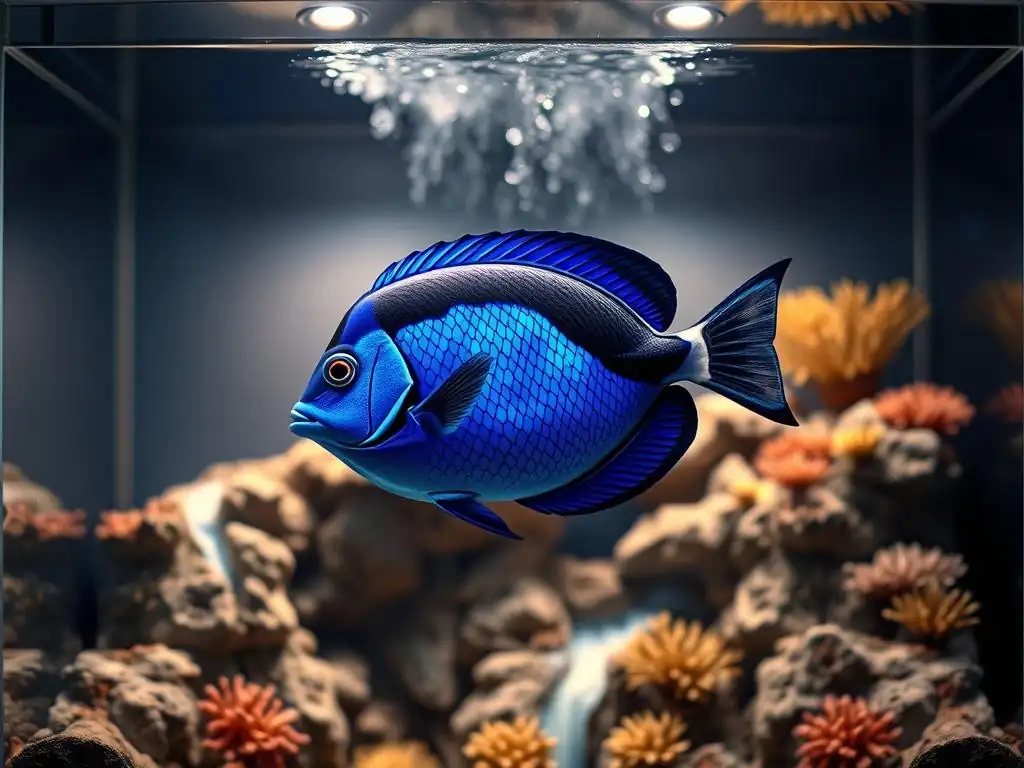
The tank size and design for a marine angelfish breeding system are paramount to success, directly influencing pair compatibility, spawning frequency, and larval collection. For dwarf angelfish ( Centropyge species), a minimum tank size of 40-75 gallons is generally recommended for a single breeding pair. This provides ample swimming space for courtship rituals and reduces aggression. For larger angelfish species, tanks upwards of 150-300 gallons are often necessary to accommodate the adult size and territorial nature of the broodstock. A larger water volume also offers greater stability in water parameters, which is crucial for sensitive breeding pairs.
The design of the breeding tank should prioritize ease of cleaning and egg collection. A bare-bottom tank is highly preferred, as it prevents the accumulation of detritus and makes siphoning out uneaten food and waste much simpler. This also facilitates the collection of pelagic eggs, which float to the surface or drift in the water column.
While live rock can provide hiding spots and reduce stress, it can also harbor unwanted organisms and make egg collection difficult. Therefore, minimal rockwork or artificial structures that can be easily removed for cleaning are ideal. A dedicated sump system is also highly recommended to house filtration equipment, heaters, and protein skimmers, keeping the main breeding tank clear and undisturbed, which is a key element of effective marine angelfish breeding strategies.
Water Parameter Optimization for Spawning and Larval Survival
Optimizing water parameters is a cornerstone of advanced marine angelfish breeding strategies, impacting everything from broodstock health and spawning frequency to egg viability and larval survival. Consistency is key; wild angelfish experience remarkably stable conditions in their natural reef habitats. Therefore, daily monitoring and meticulous adjustments are non-negotiable. Beyond the general parameters, specific attention must be paid to calcium, alkalinity, and magnesium, as these are crucial for egg development and overall fish health, even if not directly consumed by the eggs themselves.
A target alkalinity of 8-10 dKH, calcium levels between 400-450 ppm, and magnesium levels of 1300-1400 ppm should be maintained. These parameters support healthy skeletal development in adult fish and contribute to the overall stability of the system, preventing pH swings that can stress broodstock and compromise egg quality.
Regular testing using accurate test kits (e.g., Hanna checkers for alkalinity and calcium) is vital. Implementing an automated dosing system for two-part solutions or a calcium reactor can help maintain these levels consistently, reducing manual intervention and potential for human error, thereby enhancing the success rate of marine angelfish breeding endeavors.
Maintaining Stable Temperature and Salinity
Maintaining unwavering temperature and salinity is critical for both the spawning success of adult angelfish and the delicate survival of their larvae. For most marine angelfish species, a stable temperature range of 78-80°F (25.5-26.7°C) is ideal. Fluctuations of more than 1-2 degrees Fahrenheit within a 24-hour period can stress broodstock, inhibit spawning, and reduce egg viability. Using multiple reliable heaters, ideally connected to a temperature controller, can provide redundancy and prevent catastrophic temperature swings due to heater failure. Adequate water circulation ensures uniform temperature distribution throughout the tank.
Salinity should be maintained consistently between 1.024 and 1.026 specific gravity (or 33-35 ppt). Daily evaporation will cause salinity to rise, making an automated top-off (ATO) system an essential piece of equipment. An ATO system automatically replaces evaporated freshwater, preventing salinity creep and maintaining a stable environment. Regular calibration of refractometers or hydrometers is also crucial to ensure accurate readings. Even minor salinity shifts, particularly during the critical larval stages, can lead to osmotic stress, developmental abnormalities, and mass mortalities, underscoring the importance of these stable conditions in marine angelfish breeding strategies.
The Importance of Nitrate and Phosphate Control
Strict control over nitrates and phosphates is fundamental in any marine angelfish breeding system, acting as both a preventive measure against disease and a stimulant for reproductive activity. High levels of these nutrients, even at concentrations that might be tolerated by display tanks, can significantly inhibit spawning, reduce egg quality, and contribute to stress in broodstock.
Target levels for nitrates should be kept consistently below 5 ppm, and ideally below 2 ppm, while phosphates should be virtually undetectable, ideally below 0.03 ppm. These low nutrient levels mimic the oligotrophic (nutrient-poor) conditions of natural coral reefs, which angelfish are adapted to.
To achieve these ultra-low nutrient levels, a multi-faceted approach is often required. Frequent, small water changes (e.g., 5-10% daily or every other day) are the most direct method of nutrient export. Additionally, employing a robust protein skimmer sized for at least twice the tank volume is essential for removing organic waste before it breaks down into nitrates and phosphates.
The use of phosphate-removing media (GFO) and biopellets or a refugium with macroalgae (like Chaetomorpha) can further aid in nutrient export. Maintaining pristine water quality through aggressive nutrient control is a non-negotiable aspect of successful marine angelfish breeding strategies, directly impacting the health and reproductive output of the broodstock.
Choosing the Right Filtration System for a Breeding Tank
Selecting an appropriate filtration system for a marine angelfish breeding tank requires a delicate balance between maintaining pristine water quality and avoiding strong currents that can harm delicate eggs and larvae. Traditional power filters or hang-on-back filters are generally unsuitable due to their strong flow and potential to suck in larvae. Instead, a well-designed sump system is almost universally recommended for advanced marine angelfish breeding strategies. A sump allows for the integration of various filtration components in a separate chamber, keeping the main breeding tank clear and providing a stable water volume.
Within the sump, a high-quality protein skimmer is the primary mechanical and chemical filtration device, efficiently removing organic waste before it decomposes. Biological filtration can be provided by live rock in the sump or bio-media, but care must be taken to ensure adequate oxygenation. Return pumps should be chosen for their ability to provide gentle, diffused flow back to the main tank, often through spray bars or multiple outlets to minimize turbulence.
Sponge filters, while simple, are also excellent for breeding tanks as they provide gentle biological filtration and can serve as a food source for some micro-organisms consumed by larvae. The key is to create a stable, clean, and low-flow environment conducive to the sensitive early life stages of angelfish.
Advanced Techniques for Inducing Spawning in Marine Angelfish
Environmental Manipulation Strategies for Angelfish Spawning
Successful marine angelfish breeding often hinges on the aquarist's ability to precisely manipulate environmental conditions to encourage natural spawning behaviors. Beyond maintaining stable, pristine water quality, subtle adjustments can act as powerful triggers. One effective strategy involves slightly reducing the water temperature by 1-2 degrees Fahrenheit for a few days, then slowly raising it back to the optimal range (e.g., 78-80°F). This mimics the slight temperature shifts that can occur during seasonal changes or tidal movements in their natural habitat, often stimulating reproductive readiness.
Another potent environmental manipulation is the simulation of natural spawning conditions through controlled water flow and lunar cycles. Many angelfish species are known to spawn around the full moon. While full lunar cycle replication is complex, dimming the main lights and adding a very dim blue LED light for a few hours after dark during the full moon phase can sometimes trigger spawning.
Increasing water flow temporarily around the spawning period, perhaps through an additional powerhead directed gently, can also mimic turbulent conditions that precede spawning in the wild. These nuanced marine angelfish breeding strategies aim to replicate the subtle cues that initiate reproduction in their natural environment.
Simulating Natural Spawning Conditions
To maximize the chances of successful marine angelfish breeding, advanced aquarists often go to great lengths to simulate the precise natural spawning conditions experienced by angelfish in the wild. This involves more than just ideal water parameters; it encompasses the subtle environmental cues that trigger their reproductive cycle.
One effective technique is the use of automated water change systems that perform small, frequent water changes (e.g., 5-10% daily or every other day) with freshly mixed saltwater. This continuous influx of new water can mimic the "fresh water" influx from rain or currents on natural reefs, signaling a favorable period for spawning and larval survival.
Furthermore, simulating the "dawn and dusk" transition is crucial. Instead of abrupt light changes, using dimmable LED lights or a series of lights that turn on and off sequentially over an hour or more can create a gradual sunrise and sunset effect. This reduces stress on the fish and encourages natural nocturnal behaviors, including pair bonding and spawning.
Some advanced setups even incorporate wavemakers or oscillating powerheads to create gentle, intermittent water movement, further replicating the dynamic flow patterns of a reef environment. These detailed simulations are vital marine angelfish breeding strategies, providing the nuanced triggers necessary for consistent reproduction.
Using Light Cycles to Trigger Breeding
The photoperiod is a profound influencer of reproductive cycles in marine angelfish, and its precise manipulation is a cornerstone of advanced marine angelfish breeding strategies. A standard 12-14 hour light cycle is generally recommended for maintaining healthy broodstock, but subtle adjustments can act as powerful spawning triggers. For species known to have lunar spawning patterns, implementing a lunar cycle simulator, which adjusts light intensity or duration to mimic the moon's phases, can be highly effective. This might involve a brighter, longer "full moon" period and dimmer, shorter "new moon" periods over a 28-day cycle.
Beyond lunar cycles, some breeders experiment with slightly extended photoperiods (e.g., 14-16 hours of light) for a few weeks to simulate longer summer days, followed by a return to a standard photoperiod. This "seasonal" change can sometimes kickstart spawning activity. Conversely, a short period of reduced light (e.g., 8-10 hours) followed by an increase can also stimulate a breeding response.
The key is to observe the specific species' natural patterns and experiment with gradual, controlled changes. Consistent, high-quality lighting that provides the full spectrum necessary for coral health (even in a bare-bottom tank) is also important, as it supports the overall well-being of the broodstock, contributing to their reproductive vigor.
Hormonal Induction Methods: Considerations and Risks
Hormonal induction methods represent the most advanced and often controversial techniques in marine angelfish breeding strategies, typically reserved for research institutions or commercial aquaculture facilities attempting to breed extremely difficult or valuable species. The primary hormone used is Gonadotropin-Releasing Hormone (GnRH) or its synthetic analogs, which stimulate the release of natural gonadotropins in the fish, leading to egg maturation and spawning. These hormones are typically administered via injection, often into the muscle or peritoneal cavity, requiring precise dosing and handling by experienced professionals.
While hormonal induction can successfully trigger spawning in species that are otherwise reluctant to breed in captivity, it carries significant risks and ethical considerations. Incorrect dosing can lead to adverse health effects, including stress, injury, or even death of the broodstock. Repeated hormonal treatments can also exhaust the fish's reproductive system.
Furthermore, there are concerns about the long-term viability and genetic health of offspring produced solely through hormonal manipulation, as it bypasses natural selection processes. For the average hobbyist, hormonal induction is neither practical nor recommended due to its complexity, cost, and potential harm to valuable fish. Focus should remain on optimizing environmental and nutritional marine angelfish breeding strategies first.
Larval Rearing: The Most Critical Stage in Angelfish Breeding
Creating the Ideal Environment for Angelfish Larvae
The successful rearing of marine angelfish larvae is arguably the most challenging and critical phase in the entire breeding process, demanding an exceptionally precise and stable environment. Angelfish larvae are incredibly small, often less than 3 mm upon hatching, and possess minimal energy reserves, making their initial hours and days profoundly vulnerable. A dedicated larval rearing tank, separate from the spawning tank, is essential.
This tank should be relatively small (e.g., 10-20 gallons for a batch of eggs) to concentrate the initial live food. It should also be bare-bottomed with black or dark-colored walls to make the translucent larvae more visible and to reduce light reflection, which can disorient them.
Water flow within the larval tank must be extremely gentle to prevent physical damage to the delicate larvae. Air stones with very fine bubbles or gentle circulation from a small powerhead aimed at the tank wall are preferred over strong filtration. Lighting should be dim and diffused for the first few days, gradually increasing as the larvae develop eyes and begin actively hunting.
Maintaining stable temperature, salinity, and pH within very narrow ranges (e.g., temperature +/- 0.5°F, salinity +/- 0.001 SG) is paramount. Even minor fluctuations can lead to mass mortalities. These exacting environmental controls are fundamental marine angelfish breeding strategies for larval survival.
Maintaining Water Quality and Stability for Larval Survival
Maintaining impeccable water quality and absolute stability is the single most critical factor for the survival of marine angelfish larvae. Unlike adult fish, larvae have undeveloped osmoregulation and detoxification systems, making them extraordinarily sensitive to even minute concentrations of ammonia, nitrite, and nitrate. Ammonia and nitrite levels must remain at 0 ppm at all times. Nitrates should be kept below 5 ppm, and ideally below 1 ppm. This often necessitates daily, small-volume water changes (e.g., 10-20% of the larval tank volume) using freshly mixed, perfectly matched saltwater.
Beyond chemical parameters, physical stability is equally important. Temperature fluctuations of even 1-2 degrees Fahrenheit can be lethal. Salinity must also be held constant, ideally within 0.001 specific gravity.
Regular siphoning of the tank bottom to remove uneaten food and detritus is crucial, as decaying organic matter rapidly degrades water quality. Some advanced setups use specialized larval kreisels or "kriesel" tanks, which create a gentle, circular flow that keeps larvae suspended and prevents them from settling on the bottom, further aiding in water quality maintenance and preventing physical abrasion. These stringent water quality marine angelfish breeding strategies are non-negotiable for successful larval rearing.
The Importance of Copepods and Rotifers as First Foods
The successful initial feeding of marine angelfish larvae is entirely dependent on the provision of appropriately sized and nutritionally rich live foods, with copepods and rotifers being indispensable first foods. Upon hatching, angelfish larvae are incredibly small, typically with a mouth gape of around 50-70 microns (0.05-0.07 mm). Only newly hatched rotifers, specifically the L-type Brachionus plicatilis, which are about 100-200 microns in size, are small enough for them to consume. Rotifers must be continuously cultured and harvested to provide a consistent food source for the first 3-7 days post-hatch.
As the angelfish larvae grow, their mouth gape increases, necessitating a transition to larger prey. This is where copepod nauplii become vital. Copepods like Parvocalanus crassirostris or Tisbe species produce nauplii (larval stages) ranging from 50-150 microns, offering a slightly larger and often more nutritionally complete diet than rotifers. The sequential introduction of these different live food sizes, ensuring a continuous supply of highly enriched prey, is a cornerstone of marine angelfish breeding strategies for larval survival. Without a robust live food culture system providing these specific organisms, larval rearing success is virtually impossible.
Advanced Feeding Strategies for Marine Angelfish Larvae
Advanced feeding strategies for marine angelfish larvae involve more than just providing live food; they encompass meticulous culturing, nutritional enrichment, and precise feeding schedules to ensure optimal growth and survival. The transition from yolk sac absorption to external feeding is a critical window, often occurring within 24-48 hours post-hatch, and requires immediate access to appropriately sized prey. Continuous availability of food is paramount, as angelfish larvae have high metabolic rates and limited energy reserves. This often means maintaining a density of 10-15 rotifers or copepod nauplii per milliliter in the larval rearing tank at all times.
Nutritional enrichment of live foods is equally vital. Rotifers and copepods grown on phytoplankton cultures (e.g., Nannochloropsis, Tetraselmis) are inherently more nutritious. However, further enrichment using commercial lipid emulsions rich in highly unsaturated fatty acids (HUFA), particularly DHA and EPA, is essential. This bioencapsulation process, where the live prey consumes the enrichment product before being fed to the larvae, ensures the larvae receive the necessary lipids, proteins, and vitamins for proper development and pigmentation. These sophisticated feeding marine angelfish breeding strategies directly impact larval health and survivorship.
Culturing Live Food: Rotifers, Copepods, and Artemia
The ability to consistently culture a diverse range of live foods is a defining characteristic of successful marine angelfish breeding strategies. Rotifers ( Brachionus plicatilis L-type or S-type) are typically cultured in large volumes (5-20 gallon buckets) using specialized rotifer diets or concentrated phytoplankton. Maintaining high densities (100-200 rotifers/mL) requires daily harvesting and feeding of fresh phytoplankton.
Copepods, such as Tisbe or Parvocalanus, are cultured in separate systems, often in smaller volumes, with their own specific food requirements (e.g., specific phytoplankton strains or detritus). A robust copepod culture can take weeks to establish but provides a crucial, nutritionally superior food source as larvae grow.
Artemia (brine shrimp) are usually introduced later in the larval development, typically after 10-14 days post-hatch, when the larvae are large enough to consume them. Newly hatched Artemia nauplii are typically 400-500 microns. While easier to hatch than rotifers or copepods, Artemia are nutritionally deficient unless enriched. Enrichment involves feeding the Artemia a high-HUFA enrichment diet for 12-24 hours before feeding them to the larvae. Maintaining multiple, staggered cultures of each live food type ensures a continuous supply and provides a buffer against culture crashes, which can be devastating to a batch of angelfish larvae.
Transitioning Larvae to Prepared Diets
The successful transition of angelfish larvae from live foods to prepared, inert diets is a critical milestone in their development and a key challenge in marine angelfish breeding strategies. This weaning process typically begins when the larvae are approximately 20-30 days old and have metamorphosed into juvenile angelfish, showing adult coloration and finnage. At this stage, their digestive systems are more developed, and their feeding responses are more robust. The transition must be gradual to prevent starvation or nutritional deficiencies.
Initially, very small, high-quality dry foods (e.g., powdered marine pellets, flake foods, or specialized larval diets) are introduced alongside live foods. The particle size of the dry food should be carefully matched to the larvae's mouth gape, often starting with sizes as small as 50-100 microns. Over several days to weeks, the proportion of live food is slowly reduced while the amount of prepared diet is increased.
Automated feeders that dispense small amounts of dry food frequently throughout the day can aid this process. Patience and close observation of feeding behavior are essential to ensure the larvae are accepting the new diet before live food is fully withdrawn.
Preventing and Treating Diseases in Angelfish Larvae
Preventing and treating diseases in marine angelfish larvae is a constant battle, as their undeveloped immune systems make them highly susceptible to pathogens. The primary defense against disease is maintaining impeccable water quality and implementing strict biosecurity protocols. All equipment used in the larval rearing system, including nets, siphons, and brushes, should be sterilized (e.g., with bleach solution or heat) between uses and never shared between different larval batches or tanks. UV sterilizers can be employed on the water returning from the larval tank to the sump to reduce bacterial and parasitic loads.
Despite best efforts, larval diseases can still emerge. Common issues include bacterial infections (often manifested as fin rot, cloudy eyes, or rapid death), fungal infections (appearing as cottony growths), and parasitic infestations (though less common in bare-bottom, isolated systems). Treatment options for larvae are extremely limited due to their sensitivity to most medications.
Formalin dips or very low doses of antibiotics (e.g., Furan-2) are sometimes used as a last resort, but often with high risk of further mortality. The most effective marine angelfish breeding strategies for disease management focus on rigorous prevention through hygiene, water quality control, and optimal nutrition, rather than relying on reactive treatments.
Genetic Considerations for Angelfish Breeding Programs
Understanding Genetic Diversity in Angelfish Populations
Understanding and preserving genetic diversity is a critical, yet often overlooked, aspect of long-term marine angelfish breeding strategies. In the wild, angelfish populations typically exhibit significant genetic diversity, which provides resilience against environmental changes and disease. In captive breeding programs, however, starting with a limited number of broodstock can quickly lead to a narrow gene pool. This reduced diversity can result in inbreeding depression, characterized by reduced fertility, slower growth rates, increased susceptibility to disease, and higher rates of deformities in subsequent generations.
To mitigate this, breeders should aim to acquire broodstock from diverse genetic lines if possible, or at least from unrelated sources. Keeping meticulous records of parentage and lineage is essential to avoid accidental inbreeding. For instance, if a breeder starts with two pairs, F1 offspring from each pair should be kept separate, and if outcrossing is desired later, individuals from different F1 lines should be paired. This proactive approach to managing genetic diversity ensures the long-term health and vigor of the captive angelfish population, making it a sustainable and ethical marine angelfish breeding strategy.
Selective Breeding Techniques for Enhancing Desirable Traits
Selective breeding is a powerful tool in advanced marine angelfish breeding strategies, allowing aquarists to enhance desirable traits over successive generations. This involves carefully choosing individuals with specific characteristics to become broodstock for the next generation. Desirable traits can include vibrant coloration, unique patterns, robust health, rapid growth rates, increased spawning frequency, or even resistance to common diseases. For example, a breeder might select for Flame Angelfish with exceptionally bright red coloration and distinct black markings.
The process of selective breeding requires patience and a large enough population to make meaningful selections. Individuals exhibiting the desired traits are paired, and their offspring are then evaluated. Only the best offspring that express the trait most strongly are chosen as future breeders. This iterative process, over multiple generations, can significantly improve the quality of captive-bred angelfish. However, it's crucial to balance selective breeding for specific traits with maintaining overall genetic diversity to avoid the pitfalls of inbreeding depression. Detailed record-keeping of phenotypic traits and breeding outcomes is indispensable for successful selective breeding programs.
Avoiding Inbreeding Depression in Angelfish
Avoiding inbreeding depression is a paramount concern in any sustainable marine angelfish breeding program. Inbreeding depression occurs when closely related individuals are repeatedly bred, leading to a reduction in genetic diversity and an accumulation of deleterious recessive genes. This often manifests as decreased fertility, smaller clutch sizes, lower larval survival rates, slower growth, increased susceptibility to stress and disease, and higher incidence of physical deformities (e.g., spinal deformities, gill cover issues). A study on inbreeding in aquaculture species showed that an inbreeding coefficient of just 10% can lead to a 5-10% reduction in growth rate.
To effectively avoid inbreeding depression, advanced marine angelfish breeding strategies employ several techniques. The most fundamental is to start with as many unrelated broodstock individuals as practically possible. Maintaining separate breeding lines and regularly introducing new, unrelated genetic material (outcrossing) is crucial.
This means, periodically, acquiring new broodstock from different sources or exchanging fish with other breeders who have distinct genetic lines. Meticulous record-keeping, often using pedigree charts or specialized software, is essential to track the lineage of all individuals and ensure that no closely related fish are bred together for more than one or two generations. This proactive genetic management is vital for the long-term health and viability of captive angelfish populations.
Troubleshooting Common Angelfish Breeding Problems
Identifying and Addressing Spawning Failures
Spawning failures are a common and frustrating issue in marine angelfish breeding, often indicating underlying problems with the broodstock or their environment. The first step in troubleshooting is to meticulously review the health and conditioning of the breeding pair. Are they well-fed with a varied, high-quality diet rich in HUFA and vitamins? Are they showing signs of aggression or stress from incompatible tank mates or poor water quality? Sometimes, simply separating the pair for a few days and reintroducing them to a newly cleaned tank can re-stimulate pairing.
Environmental factors are often the culprit for consistent spawning failures. Review water parameters: are temperature, salinity, pH, alkalinity, calcium, and magnesium within optimal ranges and stable? High nitrates (>10 ppm) or phosphates (>0.05 ppm) are notorious inhibitors of spawning. Consider adjusting the photoperiod or implementing a lunar cycle simulation.
If a pair is showing courtship behavior but not releasing gametes, it could be due to age (too young or too old), or a lack of privacy. Providing more hiding spots or reducing external disturbances can sometimes encourage spawning. Persistent non-spawning despite optimal conditions may indicate an infertile male or female, or an incompatible pair that needs to be replaced.
Overcoming Larval Mortality Issues
High larval mortality is the most devastating and common challenge in marine angelfish breeding, often wiping out entire batches of thousands of larvae within days. Overcoming this requires a systematic approach to identify and rectify the specific causes. The primary culprits are almost always poor water quality, inadequate nutrition, or disease. Immediately upon noticing significant mortality, perform a small water change (e.g., 10-20%) with perfectly matched, aged saltwater. Test all water parameters (ammonia, nitrite, nitrate, pH, temperature, salinity) to identify any deviations.
Nutritional deficiencies are a frequent cause of "sudden" die-offs. Are the rotifers/copepods being cultured and enriched properly? Are they present in sufficient density (10-15 organisms/mL) for the larvae to easily find and consume? Larvae starve quickly if food is too sparse or too large.
Microscopic examination of dead larvae can sometimes reveal starvation (empty guts) or bacterial infections. If bacterial, a very dilute formalin dip or a broad-spectrum antibiotic (with extreme caution) might be considered, but prevention through stringent hygiene and water quality is always preferred. Addressing these key areas in marine angelfish breeding strategies for larval rearing is paramount to improving survival rates.
Managing Water Quality Problems in Breeding Tanks
Managing water quality problems in marine angelfish breeding tanks is a continuous effort that requires vigilance and proactive measures. Unlike display tanks, breeding systems are often more heavily fed to condition broodstock, leading to a higher organic load and increased potential for nutrient accumulation. The first line of defense is consistent, diligent water parameter testing. Daily checks for temperature, salinity, and pH, coupled with weekly or bi-weekly checks for ammonia, nitrite, nitrate, phosphate, calcium, alkalinity, and magnesium, are essential.
If parameters drift, immediate corrective action is necessary. High nitrates or phosphates, for example, typically indicate insufficient nutrient export. This can be addressed by increasing the frequency or volume of water changes, cleaning the protein skimmer more often, or adding/replacing nutrient export media like GFO or biopellets.
Overfeeding is a common contributor to water quality issues; adjust feeding amounts to what the fish can consume within a few minutes. Ensuring robust mechanical filtration (e.g., filter socks or sponges in the sump that are cleaned daily) helps remove particulate matter before it breaks down. Proactive maintenance and a commitment to stability are central marine angelfish breeding strategies for preventing water quality crises.
Case Studies: Successful Marine Angelfish Breeding Projects
Breeding the Flame Angelfish ( Centropyge loriculus) at Home
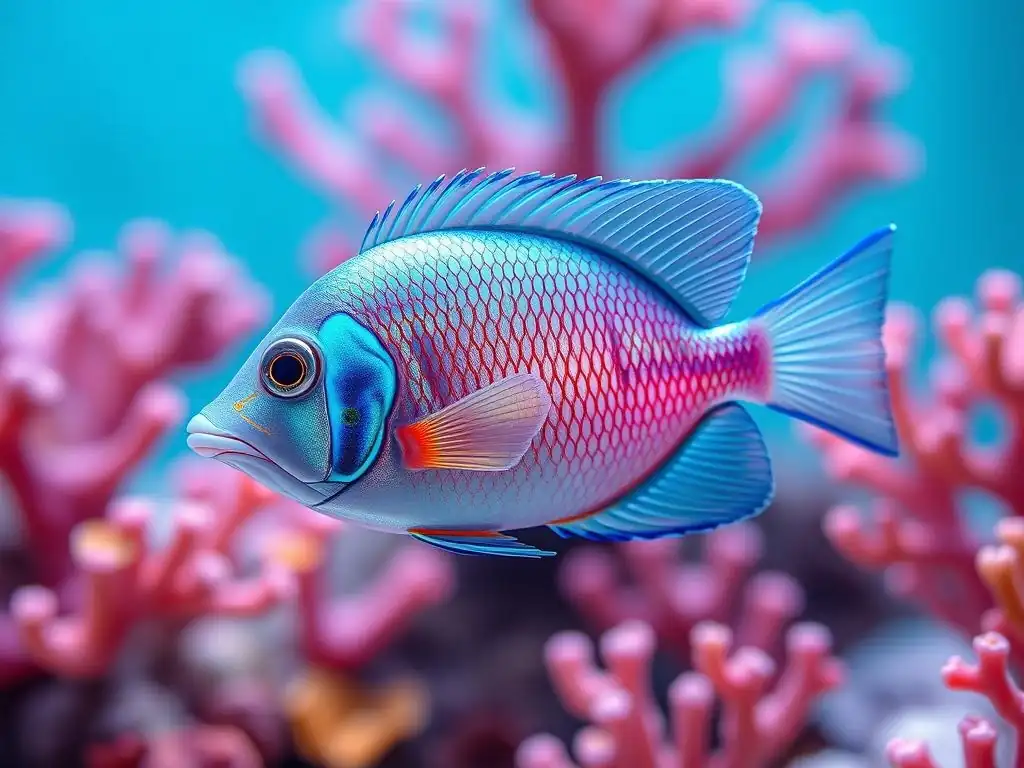
The Flame Angelfish ( Centropyge loriculus) stands as one of the most celebrated successes in home marine angelfish breeding, demonstrating that with dedication, hobbyists can achieve what was once thought impossible. One notable example involves a dedicated aquarist in the United States who successfully bred multiple generations of Flame Angelfish in a home setup. The system typically involved a 75-gallon bare-bottom breeding tank, a robust sump with a high-quality protein skimmer, and gentle water flow. The breeding pair was conditioned on a diet rich in enriched mysis shrimp, spirulina flakes, and high-quality pellets, fed multiple times daily.
Spawning usually occurred nightly, about an hour after the lights dimmed, with the pair engaging in a characteristic spawning rush towards the surface. Eggs, typically numbering 200-500 per spawn, were collected by turning off all flow and siphoning them into a separate 10-gallon larval rearing tank. The critical breakthrough in this home project, mirroring many successful marine angelfish breeding strategies, was the meticulous culturing and enrichment of live foods.
Rotifers ( Brachionus plicatilis) were cultured in 5-gallon buckets, enriched with commercial HUFA products, and fed for the first 5-7 days. This was followed by a transition to enriched Tisbe copepod nauplii and finally Artemia nauplii. Despite initial high larval mortality rates (often over 95%), persistent refinement of feeding protocols and water quality management eventually led to consistent batches of 5-20 metamorphosed juveniles per spawn, showcasing the potential for backyard aquaculture.
Commercial Production of the Clarion Angelfish ( Holacanthus clarionensis)
Commercial production of the Clarion Angelfish ( Holacanthus clarionensis) exemplifies the pinnacle of advanced marine angelfish breeding strategies, requiring significant investment, specialized infrastructure, and expert knowledge. The Oceanic Institute in Hawaii, a leading marine aquaculture research center, has been instrumental in the breakthroughs associated with this species. The Clarion Angelfish, highly prized for its vibrant orange coloration and rarity, is an iconic species that previously relied almost entirely on wild collection.
The breeding program for Holacanthus clarionensis involved large, custom-designed breeding tanks, often exceeding 500 gallons, to accommodate the large broodstock. Environmental controls were meticulously automated, including precise temperature regulation (around 78°F), stable salinity (1.025 SG), and sophisticated photoperiod manipulation. The larval rearing phase was the most challenging. Initial mouth gape for Clarion Angelfish larvae is extremely small, requiring highly specific, small-sized copepod nauplii (e.g., Parvocalanus crassirostris) as the first food source, cultured in massive quantities.
Later, larger copepods and enriched Artemia were introduced. Water quality in the larval rearing tanks was maintained through daily, small-volume exchanges and advanced recirculating aquaculture systems (RAS) with extensive biofiltration and UV sterilization. While the process remains complex and costly, the ability to commercially produce Clarion Angelfish significantly reduces pressure on wild populations and represents a major triumph in sustainable marine angelfish breeding strategies.
The Future of Marine Angelfish Breeding: Research and Innovation
Emerging Technologies in Larval Rearing
The future of marine angelfish breeding is being shaped by exciting advancements in larval rearing technologies, promising to significantly increase survival rates and reduce the labor intensity associated with this critical stage. One major area of innovation is the development of more sophisticated recirculating aquaculture systems (RAS) specifically designed for larval fish.
These systems incorporate advanced filtration (e.g., bead filters, moving bed bioreactors), precise environmental controls (e.g., automated dosing, pH controllers), and robust UV sterilization, creating highly stable and pathogen-reduced environments. Some RAS are even designed to minimize handling and stress on delicate larvae, a crucial aspect of marine angelfish breeding strategies.
Another promising technology is the refinement of automated feeding systems. While live food remains essential, researchers are working on developing more nutritionally complete and palatable micro-particulate diets that can supplement or even partially replace live foods at earlier stages. Automated dispensers can deliver these diets in precise, frequent dosages, ensuring continuous food availability without manual intervention.
Furthermore, the use of advanced imaging and machine learning for monitoring larval health and growth is an emerging field, allowing for non-invasive assessment and early detection of problems. These technological leaps aim to make the larval rearing phase more predictable and scalable, paving the way for broader success in marine angelfish breeding.
The Potential for Sustainable Angelfish Aquaculture
The continued development and refinement of marine angelfish breeding strategies hold immense potential for sustainable aquaculture, offering a viable alternative to wild collection and contributing to the conservation of reef ecosystems. Many popular angelfish species, particularly the larger ones, are still primarily sourced from the wild, often through destructive collection methods. Successful captive breeding reduces the pressure on wild populations, allowing natural reefs to recover and thrive. For instance, the commercial production of species like the Flame Angelfish already provides a sustainable source for the aquarium trade, lessening the demand for wild-caught specimens.
Beyond conservation, sustainable angelfish aquaculture offers economic benefits by creating new industries and jobs. It also provides a more robust and disease-resistant product for hobbyists, as captive-bred fish are often more accustomed to aquarium life and less prone to stress and common diseases compared to their wild counterparts.
While challenges remain, particularly for the more difficult-to-breed large angelfish, ongoing research into genetics, nutrition, and larval rearing technology is continuously improving success rates. The goal is to make all popular angelfish species available through aquaculture, ensuring their availability for future generations of aquarists without depleting natural reef resources, thereby solidifying marine angelfish breeding as a cornerstone of responsible marine ornamental trade.
Conclusion: Mastering the Art of Marine Angelfish Breeding
Frequently Asked Questions
What are some of the biggest challenges in breeding marine angelfish?
Breeding marine angelfish is notoriously difficult due to their complex larval stages, specific water parameter requirements, and the need for specialized food.
What kind of setup is required for attempting to breed marine angelfish?
A dedicated breeding system is crucial, requiring a large tank volume, pristine water quality, and a separate rearing tank for the larvae. It's important to mimic their natural reef environment.
What are the key considerations for feeding marine angelfish larvae?
Marine angelfish larvae require extremely small food particles, often starting with rotifers and copepods, followed by progressively larger food items as they grow. Proper nutrition is critical for survival.
How important is water chemistry when breeding marine angelfish?
Maintaining stable and pristine water chemistry is paramount. This includes precise control of temperature, salinity, pH, and ammonia, nitrite, and nitrate levels. Regular testing is essential.
What are some specific techniques that can increase the chances of successful breeding?
Techniques like environmental manipulation (light and temperature cycles), hormone induction, and using specialized larval rearing systems can improve breeding success rates.
Final Reflection: Embracing the Angelfish's Legacy
The journey into marine angelfish breeding strategies reveals more than just complex techniques; it unveils a profound connection to the delicate balance of our marine ecosystems. The challenges and triumphs detailed throughout this article highlight the dedication required to not only understand these magnificent creatures but also to contribute to their conservation in a world facing increasing environmental pressures.
The pursuit of successful angelfish breeding is not merely a scientific endeavor; it's a testament to our capacity for patience, observation, and respect for the natural world. This journey has underscored the vital role that responsible aquarists and researchers play in safeguarding vulnerable species and promoting sustainable practices within the aquarium hobby. In the end, we will conserve only what we love; we will love only what we understand; and we will understand only what we are taught.
- Baba Dioum. This quote perfectly encapsulates the essence of our efforts: fostering a deeper understanding to cultivate a lasting love and commitment to marine conservation.
Now, as you reflect on the intricacies of marine angelfish breeding, consider how you can apply these principles of dedication, observation, and conservation to other aspects of your life. Whether you're a seasoned aquarist or simply an admirer of the ocean's wonders, let the angelfish's legacy inspire you to embrace challenges, cultivate knowledge, and contribute to a more sustainable and harmonious future for our planet.
Unveil Your Angelfish Breeding Potential!
Thank you for diving into the fascinating world of angelfish breeding! We hope you've gained valuable insights to elevate your aquarium hobby. Now, let's turn that knowledge into action.
Here's how to take your angelfish breeding journey to the next level:
- Start a detailed breeding log: Document every observation, change, and success to refine your future strategies.
- Explore the dietary needs of angelfish larvae: Research and experiment with uncommon food sources like rotifers or copepods for optimal growth.
- Share your angelfish breeding experiences: Join the Aquarium Mastery community forum to connect with fellow enthusiasts and contribute to our collective knowledge.
What specific angelfish species are you most excited to attempt breeding, and what challenges are you anticipating?