
Choosing Wisely: A Beginner's Guide to Selecting Healthy Tangs

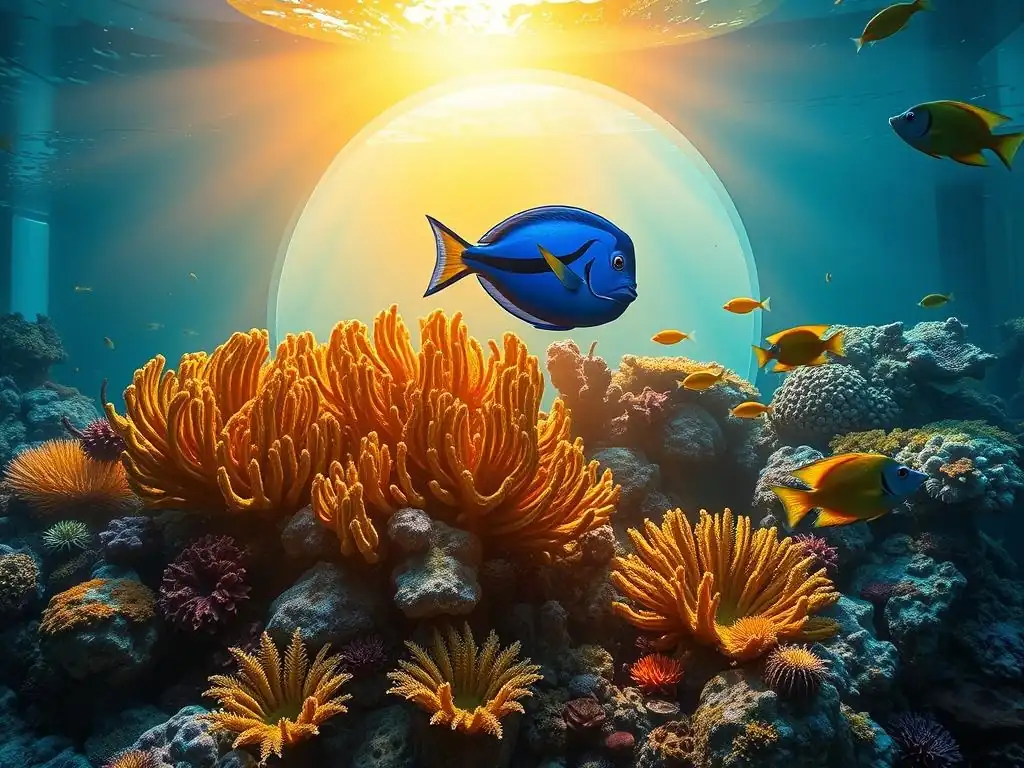
Welcome to Aquarium Mastery, your ultimate guide to creating thriving aquatic ecosystems!
Dive in and discover the secrets to a vibrant saltwater aquarium, starting with our comprehensive guide to Healthy Tangs Aquarium Selection. Ever wondered how to choose the perfect tang to bring color and life to your tank? We'll unravel the mysteries, helping you navigate the selection process and ensure your new finned friend thrives from day one. Get ready to unlock the secrets to a flourishing aquarium – the adventure starts now!
- Understanding Tangs: An Introduction for Aquarium Keepers
- Key Considerations Before Buying Tangs: Setting Up for Success
- Identifying Healthy Tangs at the Fish Store: A Checklist
- Common Diseases Affecting Tangs: Prevention and Early Detection
- Acclimation and Quarantine: Protecting Your Existing Aquarium Ecosystem
- Nutrition and Diet for Healthy Tangs: Promoting Long-Term Health
- Selecting the Right Tang Species for Your Aquarium: A Few Recommendations
- Conclusion: Investing in Healthy Tangs for a Vibrant Aquarium
-
Frequently Asked Questions
- How do I ensure I'm selecting a healthy tang for my aquarium?
- What are the key considerations regarding aquarium selection for Tangs?
- What are some common diseases that affect Tangs, and how can I prevent them within my aquarium?
- Why is understanding water chemistry so crucial when keeping Tangs in an aquarium?
- What type of food should I provide for my Tangs to maintain their health in my aquarium?
- Final Reflection: Navigating the Reef of Responsible Choices
- Unveil the Perfect Tang for Your Thriving Aquarium!
Understanding Tangs: An Introduction for Aquarium Keepers
What are Tangs and Why are They Popular in Saltwater Aquariums?
Tangs, also known as Surgeonfish, belong to the family Acanthuridae and are a highly sought-after group of marine fish for saltwater aquariums. Native to tropical coral reefs across the Indo-Pacific and Atlantic oceans, they are easily identifiable by the distinctive scalpel-like spines located on either side of their caudal peduncle (the narrow part of the body connecting to the tail fin). In their natural habitat, tangs play a vital ecological role as herbivores, constantly grazing on algae and helping to maintain the health of coral reefs.
Their immense popularity in the aquarium hobby stems from several key attributes. Aquarists are drawn to their incredibly vibrant colors, ranging from the brilliant yellow of the Yellow Tang ( Zebrasoma flavescens) to the electric blue of the Blue Tang ( Paracanthurus hepatus), and the striking patterns of species like the Sailfin Tang ( Zebrasoma veliferum). Beyond their aesthetic appeal, tangs are active swimmers, constantly patrolling the tank, and their natural grazing habits are highly beneficial for controlling nuisance algae, making them a functional as well as beautiful addition to a dynamic reef tank.
The Importance of Selecting Healthy Tangs for a Thriving Reef Tank
The initial step of healthy tangs aquarium selection is arguably the most critical for the long-term success and stability of your marine aquarium. A tang that is healthy from the outset is far more likely to acclimate successfully, thrive in its new environment, and display its natural behaviors and coloration. Conversely, acquiring an unhealthy tang can introduce a cascade of problems, ranging from the immediate stress on the fish itself to the potential introduction of devastating diseases that can rapidly decimate an entire established aquarium population, leading to significant financial losses and emotional distress.
Beyond the immediate welfare of the individual fish, the health of a new tang directly impacts your entire ecosystem. Unhealthy fish are often carriers of highly contagious parasites such as marine Ich ( Cryptocaryon irritans) or Marine Velvet ( Amyloodinium ocellatum), which can spread rapidly and indiscriminately to all other susceptible tank inhabitants within days. Investing the time and effort into choosing healthy tangs minimizes these risks, reduces the need for costly and stressful treatments, and ultimately ensures the stability, longevity, and visual appeal of your carefully cultivated reef system.
Key Considerations Before Buying Tangs: Setting Up for Success
Tank Size Requirements for Different Tang Species: Ensuring Adequate Swimming Space
Tangs are highly active, open-water swimmers by nature, and providing adequate space is paramount for their health and well-being. A common beginner mistake is underestimating their spatial needs. For instance, a popular Yellow Tang ( Zebrasoma flavescens), while only a few inches when purchased, can reach an adult size of 6-8 inches and requires a minimum tank size of 75 gallons (approximately 48 inches long) for a single adult to thrive. The Blue Tang ( Paracanthurus hepatus), famous for its "Dory" appeal, can grow up to 10-12 inches and necessitates an even larger habitat, typically starting at 100-125 gallons.
Larger or more active tang species demand even more substantial real estate. Species like the Sailfin Tang ( Zebrasoma veliferum) and Achilles Tang ( Acanthurus achilles) can exceed a foot in length, requiring tanks upwards of 180 gallons or more, often with a length of 72 inches or greater, to accommodate their swimming patterns. Inadequate tank size is a primary cause of stress, stunted growth, aggression towards tank mates, and increased susceptibility to diseases like Ich and Head and Lateral Line Erosion (HLLE). Therefore, meticulously planning for tank size is a foundational step in healthy tangs aquarium selection.
Water Quality Parameters: Maintaining a Stable Environment for Tang Health
Maintaining pristine and stable water quality parameters is non-negotiable for the health and longevity of tangs. These fish are particularly sensitive to fluctuations and poor conditions. Ideal saltwater parameters include a specific gravity (salinity) between 1.023 and 1.026, a stable temperature range of 75-80°F (24-27°C), and a pH level consistently between 8.1 and 8.4. Crucially, ammonia and nitrite levels must be undetectable (0 ppm), and nitrates should be kept as low as possible, ideally below 10 ppm.
Poor water quality, characterized by high nitrates, fluctuating pH, or the presence of ammonia/nitrite, severely compromises a tang's immune system, leaving it highly vulnerable to common marine diseases. For example, sustained nitrate levels above 20 ppm can contribute to stress and HLLE. Regular partial water changes (e.g., 10-20% bi-weekly or monthly, depending on bioload), robust protein skimming, and sufficient live rock are essential components of a filtration system that supports these parameters and fosters healthy tangs.
Compatibility with Other Fish and Invertebrates: Choosing the Right Tank Mates
Tangs can exhibit varying degrees of territoriality and aggression, particularly towards other tangs or fish with similar body shapes and coloration. For instance, attempting to house multiple Yellow Tangs in a tank smaller than 180 gallons often results in constant aggression, with one dominant individual relentlessly harassing the others, leading to stress, injury, and even death. When introducing multiple tangs, it is often recommended to add them simultaneously or ensure significant size differences to minimize conflict.
Most tangs are considered "reef-safe," meaning they generally do not bother corals or most invertebrates, as their primary diet is algae. However, larger or underfed tangs might occasionally nip at sessile invertebrates. When selecting tank mates, avoid housing tangs with overly aggressive species that could constantly stress them, or conversely, very docile species that might be easily bullied. Researching the specific temperament and adult size of your chosen tang species and its potential tank mates is vital to ensure a peaceful and harmonious community, which is a key aspect of successful healthy tangs aquarium selection.
Identifying Healthy Tangs at the Fish Store: A Checklist
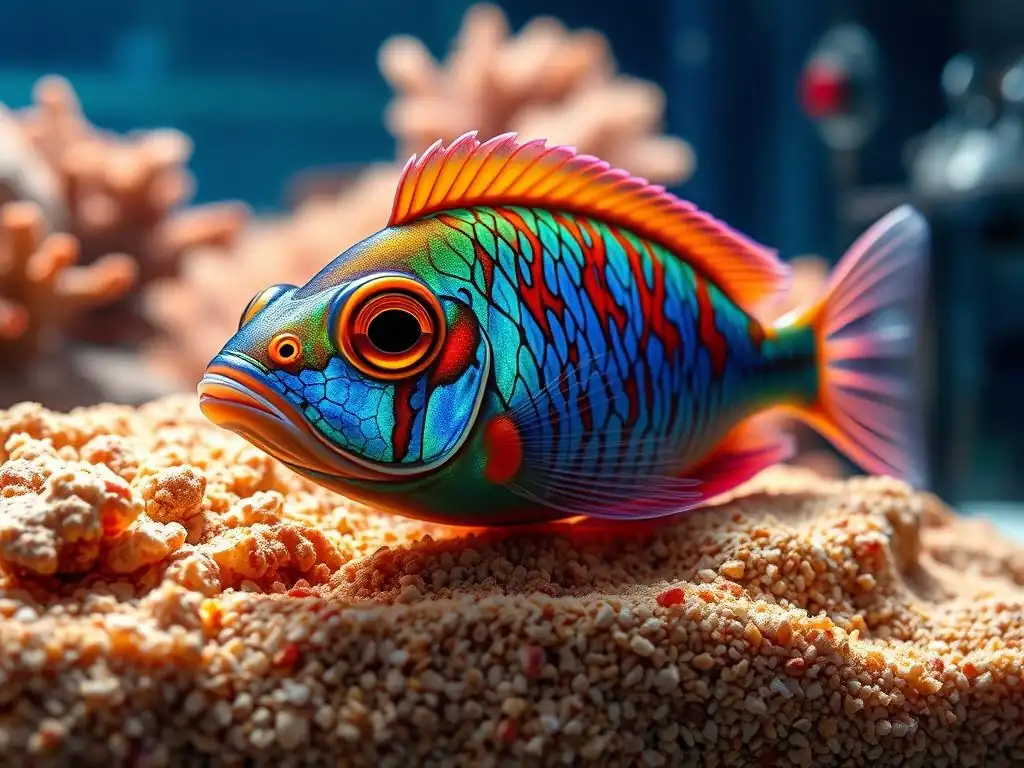
Observing Physical Appearance: Signs of a Healthy Tang
Bright Colors and Clear Fins: Indicators of Good Health
When performing healthy tangs aquarium selection, the first visual cues are often their coloration and fin condition. A healthy tang will exhibit vibrant, rich, and consistent colors that are characteristic of its species. For example, a healthy Yellow Tang should be a brilliant, uniform yellow from head to tail, without any pale, faded, or patchy areas. Its fins — dorsal, anal, caudal, and pectoral — should be fully extended, clear, and free of any fraying, tears, cloudiness, or red streaks. The caudal fin should be intact, and all fins should be held erect and appear strong.
Dull or faded coloration is a strong indicator of stress, poor water quality, or an underlying illness. Clamped fins (held close to the body), ragged edges, or visible cloudiness on the fins are tell-tale signs of bacterial infections, fin rot, or parasitic infestations. For instance, a Powder Blue Tang's vibrant blue should be consistent; any dullness or darkening could signal distress. Always prioritize individuals that display their full, species-specific color potential and possess pristine, undamaged finnage.
Absence of Spots, Lesions, or Parasites: Recognizing Potential Problems
A meticulous inspection of the tang's body is crucial to identify any visible signs of disease or external parasites. Look closely for any white spots resembling grains of salt (classic Ich, Cryptocaryon irritans), a fine, dusty, yellowish-brown coating (Marine Velvet, Amyloodinium ocellatum), or larger, cottony growths (fungal infections). Pay particular attention to the eyes, which should be clear, bright, and free of cloudiness or "pop-eye." Also, examine the mouth and gill areas for any sores, redness, or excessive mucus.
Any open sores, red patches, missing scales, or excessive mucus production on the body are clear indicators of bacterial infections, parasitic infestations, or physical injury. Even small, seemingly insignificant blemishes can quickly escalate into severe problems in the home aquarium. A truly healthy tang will have smooth, unblemished skin and scales, free from any visible external issues. This thorough visual check is an indispensable part of the healthy tangs aquarium selection process.
Body Shape and Size: Ensuring Proper Development
The overall body shape and condition of the tang provide significant clues about its nutritional status and general health. A healthy tang should have a full, well-rounded belly, indicating it is well-fed and has a robust digestive system. Its body should appear proportionate, without any sunken or emaciated areas, particularly behind the head or along the lateral line. Avoid fish that appear thin, "pinched" in the abdomen, or have a concave belly, as these are strong indicators of prolonged starvation, internal parasites, or chronic illness.
While size varies by species and age, choose a tang that appears appropriately robust for its apparent size. For example, a 2-3 inch Yellow Tang is a common healthy juvenile size. Be wary of very small individuals that are excessively thin, as they are often weak, highly stressed from shipping, and less likely to adapt successfully. A tang with a good body weight has reserves to cope with the stress of acclimation and quarantine, making it a better candidate for healthy tangs aquarium selection.
Evaluating Behavior: How to Spot a Healthy and Active Tang
Active Swimming and Grazing: Signs of a Healthy Appetite
Observing the tang's behavior in the fish store tank is just as important as its physical appearance. Healthy tangs are typically active, curious, and constantly on the move, exploring their environment. They should be seen actively grazing on any available algae on rocks, powerheads, or tank walls. For instance, a healthy Kole Tang ( Ctenochaetus strigosus) should be constantly sifting through the substrate or picking at surfaces. Lethargy, hiding persistently, or listless swimming (e.g., hovering motionless in a corner, nose pointed towards the glass) are significant red flags indicating stress or illness.
Pay close attention to their breathing rate, indicated by gill movement; it should be steady and unlabored. Rapid or heavy gill movement can be a sign of stress, poor water quality, or gill parasites. A tang that shows no interest in grazing or ignores food offered by staff is likely unwell or highly stressed, making it a poor candidate for successful healthy tangs aquarium selection.
Social Interaction: Observing Tank Interactions for Aggression
If the tang is housed in a community tank at the fish store, observe its interactions with other fish, especially other tangs or species with similar body shapes. A healthy tang should not be overly aggressive, constantly chasing or nipping at its tank mates. Conversely, it should not be relentlessly bullied or stressed by other fish. Some mild territoriality is normal, but constant harassment or extreme submissiveness can indicate a stressed fish that will struggle to adapt to a new environment.
A tang that is constantly darting away from other fish, hiding excessively, or showing signs of being picked on might be unwell or simply not suited for a community setting. Conversely, an overly aggressive individual could become a problem in your home aquarium, potentially harming other inhabitants. Look for a tang that appears comfortable and integrates reasonably well within its current environment, exhibiting a balanced temperament.
Response to Food: A Key Indicator of Overall Health
One of the most reliable indicators of a tang's overall health and vitality is its response to food. Whenever possible, ask the fish store staff to feed the fish while you observe. A healthy tang should eagerly and quickly respond to food, swimming purposefully to grab it and consume it. This demonstrates a strong appetite, a robust digestive system, and a good energy level. They should actively compete for food, but not to the point of extreme aggression that harms other fish.
A tang that shows little or no interest in food, spits it out, or struggles to eat is very likely unwell or under severe stress. A strong, immediate feeding response suggests the fish is acclimating well, is not suffering from internal parasites, and has the energy reserves needed for the transition to your aquarium. This observation is absolutely critical for healthy tangs aquarium selection, as a fish that won't eat is a fish in serious trouble.
Common Diseases Affecting Tangs: Prevention and Early Detection
Ich (White Spot Disease): Recognizing and Treating Parasitic Infections
Ich, caused by the marine parasite Cryptocaryon irritans, is one of the most common and feared diseases in saltwater aquariums, and tangs are notoriously susceptible, especially when stressed. It manifests as tiny white spots resembling grains of salt covering the fish's body, fins, and gills. Other symptoms include rapid breathing (due to gill irritation), flashing (fish rubbing against tank decor), lethargy, and loss of appetite. This highly contagious parasite can spread rapidly, infecting and potentially killing all susceptible fish in a tank within days if left untreated.
Treatment for Ich typically involves transferring the infected tang to a dedicated quarantine tank for a course of copper-based medications (e.g., copper sulfate, chelated copper) or hyposalinity (gradually lowering the specific gravity to 1.009-1.010 for several weeks). Meanwhile, the main display tank must remain fallow (fish-less) for at least 6-8 weeks to break the parasite's life cycle. Prevention through strict quarantine protocols for all new fish, meticulous healthy tangs aquarium selection, and minimizing stress are the most effective strategies.
Head and Lateral Line Erosion (HLLE): Understanding and Preventing Nutritional Deficiencies
Head and Lateral Line Erosion (HLLE) is a chronic, degenerative condition primarily affecting marine fish, with tangs being particularly prone. It is characterized by pitting, erosions, and lesions that appear along the lateral line (the sensory organ running along the side of the fish) and around the head and face. While the exact cause is complex and often debated, HLLE is strongly linked to nutritional deficiencies (especially inadequate Vitamin C and A), poor water quality (e.g., high nitrates, activated carbon dust, stray electrical voltage), and chronic stress.
Preventing HLLE involves providing a diverse, high-quality, and vitamin-enriched diet heavily focused on marine algae, spirulina, and other greens, supplemented with vitamin-fortified prepared foods. For instance, ensuring a Yellow Tang receives several servings of nori daily, rich in essential vitamins, is crucial. Maintaining excellent and stable water quality with zero ammonia/nitrite, low nitrates, and proper mineral balance is also vital. While difficult to reverse completely, improving diet and environmental conditions can halt its progression and, in some cases, allow for partial tissue regeneration.
Marine Velvet Disease (Amyloodinium): Identifying and Managing Deadly Infections
Marine Velvet, caused by the dinoflagellate parasite Amyloodinium ocellatum, is far more aggressive and rapidly fatal than Ich. It appears as a very fine, dusty, yellowish-brown coating on the fish's body, which can be difficult to see without close inspection or specific lighting, giving the fish a "velvety" appearance. Symptoms often progress quickly and include rapid breathing, clamped fins, lethargy, loss of appetite, and scratching against tank decor. Untreated, Marine Velvet can kill fish within 24-48 hours due to massive gill damage, leading to suffocation.
Immediate and decisive action is crucial upon identification. Infected tangs should be moved to a dedicated quarantine tank for immediate treatment with copper medications or chloroquine phosphate, as these are highly effective against dinoflagellates. Like Ich, the main display tank must be left fallow for at least 6-8 weeks to eliminate the free-swimming stage of the parasite. Due to its rapid progression and high mortality rate, strict quarantine protocols for all new fish, particularly when making healthy tangs aquarium selection, are absolutely paramount for prevention.
Acclimation and Quarantine: Protecting Your Existing Aquarium Ecosystem
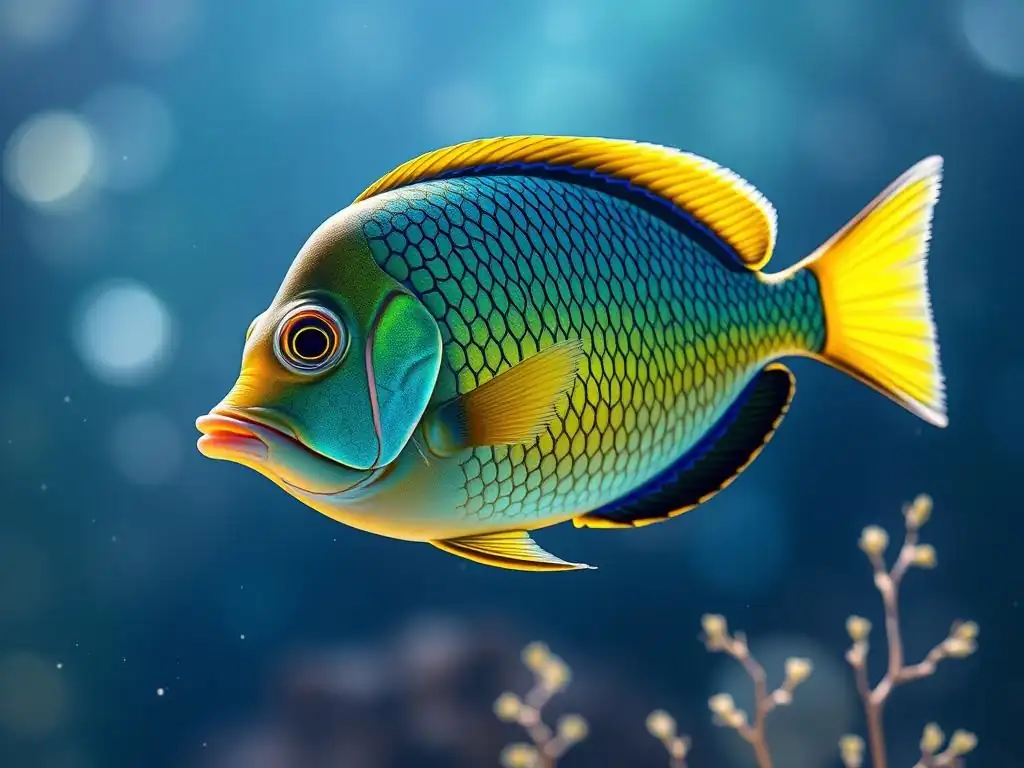
The Importance of a Quarantine Tank: Preventing Disease Introduction
A quarantine tank (QT) is a separate, bare-bottom aquarium specifically used to observe, acclimate, and treat new fish before introducing them to your main display tank. This step is arguably the most critical measure you can take to protect your existing, established aquarium ecosystem from disease outbreaks. It allows for close monitoring of new tangs for any signs of illness, parasites, or stress without risking the health of your current inhabitants. Skipping quarantine is a common, yet often devastating, mistake that can introduce pathogens like Ich, Marine Velvet, or bacterial infections, potentially wiping out an entire tank.
A basic QT setup can be relatively simple: a 10-20 gallon tank for a single tang, a heater, an air stone for oxygenation, and a small filter (such as a sponge filter or a hang-on-back filter with seeded media from your main tank to establish beneficial bacteria). The bare-bottom design simplifies cleaning and allows for easy observation of fecal matter or parasites. Crucially, a QT allows for precise medication dosing without affecting sensitive invertebrates or live rock in your main tank, making it an indispensable tool for successful healthy tangs aquarium selection and long-term tank management.
Acclimation Process: Gradually Introducing Tangs to Your Tank's Water Chemistry
Acclimation is the process of slowly adjusting a new tang to the specific water parameters (temperature, salinity, and pH) of your quarantine or main aquarium. Tangs, like many marine fish, are sensitive to sudden shifts in water chemistry, which can induce severe stress, shock, and weaken their immune system, making them highly susceptible to disease. The drip acclimation method is highly recommended for tangs due to its gentle, gradual approach. This involves slowly dripping water from your destination tank into the bag or container holding the tang over a period of 45-60 minutes.
Before starting the drip, float the tang's transport bag in the QT for 15-20 minutes to equalize the temperature. Then, open the bag, secure it so it doesn't sink, and use airline tubing with a knot or valve to slowly drip water from the QT into the bag, aiming for about 1-2 drips per second.
Once the volume of water in the bag has tripled, carefully net the tang and place it into the QT, discarding all the original transport water. Never directly dump the fish and its transport water into your tank, as this water may contain pollutants, high ammonia, or even parasites.
Quarantine Period: Monitoring for Signs of Illness Before Introducing to the Main Tank
A standard quarantine period for new tangs is typically 4-6 weeks. During this time, it is imperative to observe the tang daily for any signs of illness, such as visible spots (Ich, Velvet), lesions, erratic swimming, labored breathing, clamped fins, or refusal to eat. This extended period allows latent diseases, which may not be immediately apparent, to manifest under observation. It also provides a crucial opportunity for pre-emptive treatment if any issues arise, without risking your established display tank.
Even if the tang appears perfectly healthy throughout the quarantine period, many experienced aquarists opt for a prophylactic treatment for common parasites like Ich during this time, as the stress of shipping and new environments can often trigger outbreaks. Monitor the tang's feeding response and overall demeanor. Only when the tang is robustly healthy, actively eating, and exhibiting normal behavior for several consecutive weeks should it be considered safe to transfer to your main display aquarium. This diligent quarantine process is a cornerstone of responsible healthy tangs aquarium selection.
Nutrition and Diet for Healthy Tangs: Promoting Long-Term Health
Algae-Based Diet: Providing Essential Nutrients for Grazing Tangs
Tangs are predominantly herbivorous fish, and a diet rich in marine algae is absolutely fundamental to their long-term health, vibrant coloration, and natural behavior. In their wild habitats, they spend the majority of their day grazing on various forms of filamentous algae. In the aquarium, this means providing high-quality dried marine algae sheets, such as nori or spirulina, clipped to a rock or an algae clip several times a day.
For instance, a healthy adult Yellow Tang should ideally consume at least a 2x2 inch piece of nori daily. Ensure the nori is unsalted and unseasoned, as human-grade nori often contains additives harmful to fish.
Failure to provide sufficient and consistent access to marine algae can lead to severe nutritional deficiencies, chronic stress, and susceptibility to conditions like Head and Lateral Line Erosion (HLLE). The constant grazing also helps maintain their digestive system and prevents issues like bloat. By mimicking their natural feeding habits, you ensure they receive the essential nutrients, such as Vitamin C and various carotenoids, vital for their immune system and the maintenance of their brilliant colors. This consistent dietary provision is a crucial aspect of successful healthy tangs aquarium selection and ongoing care.
Supplementing with Prepared Foods: Ensuring a Balanced Diet
While algae forms the cornerstone of a tang's diet, a balanced nutritional regimen also includes high-quality prepared foods to provide a broader spectrum of nutrients. Offer spirulina-enriched flakes and pellets specifically designed for marine herbivores. Additionally, frozen foods such as spirulina brine shrimp, mysis shrimp, and finely chopped marine-based foods (e.g., enriched clam, krill) can be offered a few times a week. These supplements provide essential proteins, fats, and a wider array of vitamins and minerals that algae alone might not fully supply.
It is generally recommended to feed small amounts multiple times a day rather than one large feeding to mimic their natural, continuous grazing behavior and reduce the amount of uneaten food that can foul the water. For example, two to three small feedings of prepared foods alongside constant access to algae. This varied and frequent feeding approach ensures comprehensive nutrition, supporting robust immune systems, promoting healthy growth, and maintaining the overall vitality and well-being of your tangs.
Avoiding Overfeeding: Maintaining Water Quality and Preventing Obesity
While it's important to provide a constant supply of food for grazing tangs, overfeeding can quickly lead to significant problems in a closed aquarium system. Excess food that goes uneaten will decompose, rapidly degrading water quality by increasing levels of nitrates, phosphates, and other undesirable compounds. This not only fuels nuisance algae growth in your tank but also stresses fish and makes them more susceptible to disease. High nutrient levels can also negatively impact sensitive corals and other invertebrates in a reef system.
Beyond water quality issues, overfeeding can lead to obesity in fish, which, much like in humans, can result in various health issues and a shortened lifespan. Feed only what your tangs and other tank inhabitants can consume within 2-3 minutes for prepared foods, and remove any uneaten portions promptly using a net or siphon. Regularly monitor your water parameters (nitrates, phosphates) and adjust feeding amounts as needed. A clean, stable environment, achieved partly through judicious feeding practices, is just as critical as a nutritious diet for maintaining healthy tangs.
Selecting the Right Tang Species for Your Aquarium: A Few Recommendations
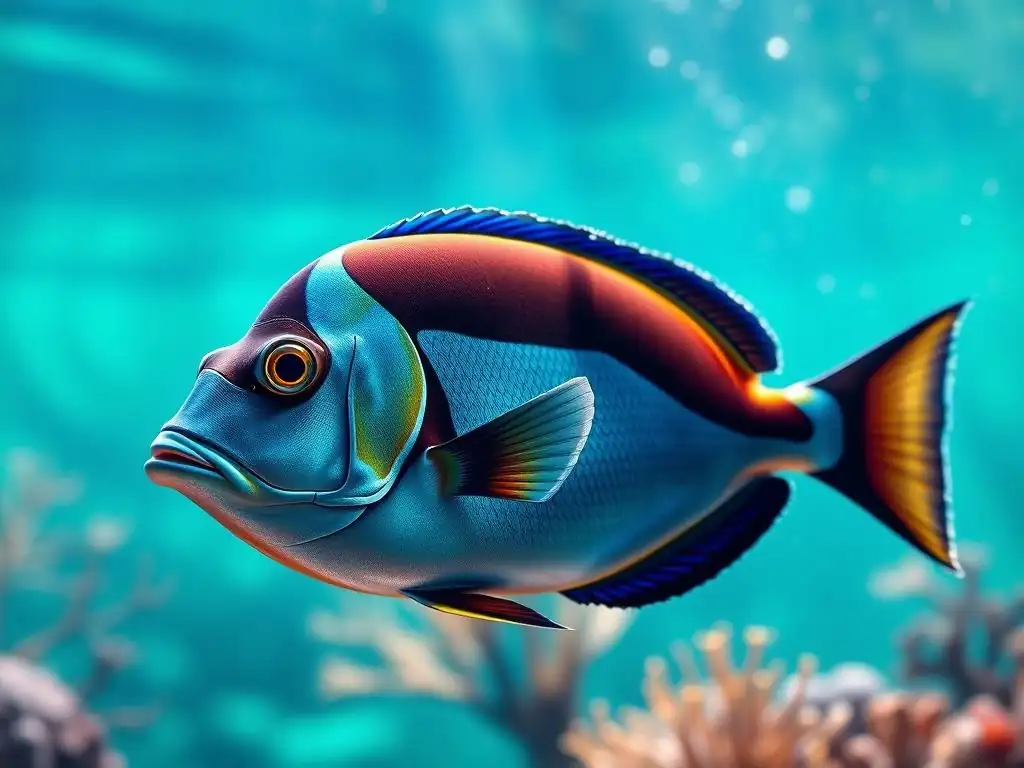
Beginner-Friendly Tang Species: Selecting Hardy and Adaptable Options
For aquarists new to keeping tangs, selecting a hardy and adaptable species significantly increases the chances of success. The Yellow Tang ( Zebrasoma flavescens) remains one of the most popular and relatively beginner-friendly options due to its resilience and widespread availability, including captive-bred specimens, though it still requires a minimum 75-gallon tank. Another excellent choice is the Kole Tang ( Ctenochaetus strigosus), which typically stays smaller (around 5-6 inches), making it suitable for 70-gallon tanks or larger, and is an incredibly diligent algae grazer, often sifting through sand for detritus.
The Naso Tang ( Naso lituratus), while growing considerably larger (up to 18 inches as an adult), is known for its generally peaceful temperament and striking appearance, but demands a tank of 180 gallons or more to thrive. These species, when acquired through careful healthy tangs aquarium selection, offer a greater chance of success for novice aquarists due to their comparative hardiness, predictable behavior, and lower susceptibility to common diseases when provided with proper care.
More Challenging Tang Species: Understanding the Needs of Sensitive Species
Some tang species are notoriously difficult to keep in captivity and are best left to highly experienced aquarists who can provide very specific and demanding conditions. The Achilles Tang ( Acanthurus achilles), while stunning, is highly susceptible to Ich and requires pristine, ultra-stable water quality, powerful flow, and a very large, mature tank (200+ gallons) to mitigate stress. Similarly, the Powder Blue Tang ( Acanthurus leucosternon) is breathtakingly beautiful but is among the most prone to Ich and stress-related illnesses, making it a constant challenge even for seasoned hobbyists.
These sensitive species often come with higher mortality rates in captivity due to their inherent susceptibility to common diseases, specific environmental needs, or dietary requirements that are difficult to replicate. For instance, a Powder Blue Tang's vibrant blue can quickly fade to a dull grey when stressed. Understanding these significant challenges is crucial when considering healthy tangs aquarium selection, as choosing an inappropriate species can lead to disappointment, frustration, and ultimately, harm to the fish.
Considering Temperament and Tank Size: Making Informed Decisions
Beyond hardiness and disease susceptibility, a critical aspect of responsible healthy tangs aquarium selection is considering the adult size and temperament of any tang species in relation to your specific tank setup. Even "beginner-friendly" tangs can become stressed, aggressive, or prone to disease if housed in a tank that is too small or with inappropriate tank mates. For example, a single Yellow Tang confined to a 55-gallon tank will likely become stressed, display muted colors, and may become overly aggressive towards other fish, whereas in a 75-gallon tank, it often thrives peacefully.
Always research the maximum adult size of the tang you are interested in and ensure your tank can comfortably accommodate it for its entire lifespan, which can be 10-20 years for some species. Also, thoroughly investigate its typical temperament – some are more peaceful, continuous grazers (e.g., Kole Tangs), while others can be highly territorial and aggressive, especially towards similar-looking fish (e.g., Sohal Tang, Clown Tang). Making informed decisions based on these critical factors ensures a harmonious, stress-free, and healthy aquarium environment for all its inhabitants.
Conclusion: Investing in Healthy Tangs for a Vibrant Aquarium
Selecting healthy tangs for your saltwater aquarium is not merely a purchase; it is a fundamental investment in the long-term vitality and aesthetic appeal of your entire marine ecosystem. By diligently researching species requirements, meticulously observing fish at the store, implementing a strict quarantine protocol, and committing to providing optimal living conditions—including appropriate tank size, pristine water quality, and a balanced, algae-rich diet—you lay the groundwork for success. This proactive approach minimizes the risks of disease introduction, reduces stress on your new inhabitants, and fosters an environment where these magnificent fish can truly thrive.
Ultimately, the effort expended in healthy tangs aquarium selection pays immense dividends. Choosing a robust, disease-free tang allows these vibrant, active fish to display their natural behaviors, maintain their brilliant coloration, and contribute positively to the health of your tank by grazing on algae. This responsible and informed approach ensures a stable, flourishing aquarium that brings immense satisfaction and enjoyment, allowing you to appreciate the beauty and dynamism of these iconic marine creatures for many years to come.
Frequently Asked Questions
How do I ensure I'm selecting a healthy tang for my aquarium?
Look for bright colors, clear eyes, and active swimming behavior. Avoid fish with signs of disease like white spots or ragged fins. A quarantine period is also crucial.
What are the key considerations regarding aquarium selection for Tangs?
Tangs require large tanks due to their active swimming habits. Research the specific species' needs, as some need hundreds of gallons. Provide ample rockwork for grazing and shelter.
What are some common diseases that affect Tangs, and how can I prevent them within my aquarium?
Tangs are susceptible to Ich and Head and Lateral Line Erosion (HLLE). Maintain pristine water quality through regular water changes and proper filtration. Ensure a varied diet rich in vitamins.
Why is understanding water chemistry so crucial when keeping Tangs in an aquarium?
Stable water parameters are vital for Tangs' health. Fluctuations in ammonia, nitrite, or nitrate can stress them, making them susceptible to disease. Consistent monitoring and adjustment are key.
What type of food should I provide for my Tangs to maintain their health in my aquarium?
Tangs are primarily herbivores and need a diet rich in algae. Provide seaweed sheets, Spirulina, and other plant-based foods. Supplement with high-quality flake food designed for marine herbivores.
The journey of selecting healthy tangs for an aquarium extends far beyond mere aesthetics; it's a commitment to the well-being of these magnificent creatures and the delicate balance of our home ecosystems. Understanding the nuances of their needs, from proper tank size to appropriate diet, is not just a recommendation, but a fundamental responsibility we undertake as aquarists. The choices we make today directly impact the vibrancy and longevity of these animals, and the overall health of the reefing hobby.
The impact of informed decisions in the aquarium trade resonates deeply, shaping both the ethical and ecological landscape. My own journey into reef keeping has been profoundly shaped by the realization that knowledge is power, and that responsible choices are the cornerstone of a sustainable hobby. The greatness of a nation and its moral progress can be judged by the way its animals are treated.
- Mahatma Gandhi. This quote, though not directly about aquariums, underscores the broader principle that our treatment of animals reflects our values and our commitment to a more compassionate world.
As you embark on your own reefing adventure, remember that selecting healthy tangs is not just about acquiring a beautiful fish; it's about embracing a commitment to their well-being. Let the knowledge gained here serve as a compass, guiding you towards responsible choices that ensure the health and happiness of your aquatic companions. By prioritizing ethical sourcing, providing optimal care, and continuously learning, you can contribute to a more sustainable and compassionate future for the reefing hobby.
Unveil the Perfect Tang for Your Thriving Aquarium!
Thanks for diving into the world of Tang selection with us! We hope this guide has given you the knowledge to confidently choose a healthy and happy Tang for your aquarium. Now, it’s time to put that knowledge into action!
Here are some steps you can take to bring your dream aquarium closer to reality:
- Start by meticulously researching the specific Tang species that captivates you. Delve into their adult size, dietary needs, and tank mate compatibility before making any purchase decisions.
- Visit multiple local fish stores and observe the Tangs in person. Pay close attention to their behavior, coloration, and overall health, looking for signs of disease.
- Share your newfound knowledge! Discuss your Tang selection plans with fellow aquarium enthusiasts on forums or social media to gain diverse perspectives and ensure you're making informed choices.
Ready to take the plunge and create the perfect Tang-filled reef?