
Elusive Love: The Challenges and Triumphs of Butterflyfish Breeding

Welcome to Aquarium Mastery!
Ever wondered about the secrets to unlocking the elusive world of Butterflyfish breeding? These vibrant beauties can be a challenge, but with the right knowledge, success is within reach. Dive into our latest article, " Elusive Love: The Challenges and Triumphs of Butterflyfish Breeding," and discover expert tips to transform your saltwater aquarium into a breeding paradise. Ready to uncover the keys to nurturing these captivating creatures? Let's explore!
- Understanding the Butterflyfish Breeding Challenge
- Key Factors for Butterflyfish Breeding Success Tips
- Butterflyfish Diet and Nutrition for Breeding
- Setting Up a Dedicated Butterflyfish Breeding Tank
- Identifying and Selecting Breeding Pairs of Butterflyfish
- Triggering Spawning Behavior in Butterflyfish
- Butterflyfish Egg Care and Hatching
- Raising Butterflyfish Larvae: The Most Critical Stage
- Post-Larval Care and Grow-Out of Juvenile Butterflyfish
- Common Problems and Solutions in Butterflyfish Breeding
- Documented Successes: Inspiring Butterflyfish Breeding Stories
- Advanced Techniques for Butterflyfish Breeding
-
Frequently Asked Questions
- What are the primary challenges in achieving Butterflyfish breeding success?
- Why is water quality so crucial for Butterflyfish breeding?
- What kind of diet promotes successful Butterflyfish spawning?
- How important is tank size and aquascaping for Butterflyfish breeding?
- What are the key differences between breeding freshwater and saltwater fish, particularly Butterflyfish?
- Final Reflection: Cultivating Hope in the Reef
- Unveil Your Inner Butterflyfish Breeder!
Understanding the Butterflyfish Breeding Challenge
Why is Butterflyfish Breeding So Difficult in Captivity?
Breeding butterflyfish in a captive aquarium environment presents a formidable challenge due to a confluence of biological and environmental factors. Unlike many other popular aquarium fish, most butterflyfish species are pelagic spawners, meaning they release their eggs and sperm into the open water column, where fertilization occurs.
This reproductive strategy necessitates very specific environmental cues and vast open spaces for courtship and spawning, which are inherently difficult to replicate within the confines of a home aquarium. Furthermore, their larvae are incredibly small and delicate, possessing highly specialized feeding requirements that often lead to extremely low survival rates in early attempts, sometimes less than 1% for initial batches.
Beyond the physical space and spawning mechanics, butterflyfish are notoriously sensitive to stress and subtle shifts in water parameters. Many species are obligate corallivores or have highly specialized diets in the wild, making dietary replication a significant hurdle. The stress of confinement, the difficulty in forming compatible pairs, and the absence of natural predators or environmental triggers that would normally induce spawning in their native coral reef habitats further compound the complexity, pushing the boundaries of conventional butterflyfish breeding success tips.
The Complexities of Butterflyfish Reproduction: A Deep Dive
The reproductive process of butterflyfish is intricate and highly specialized, contributing significantly to the difficulty of their captive propagation. As broadcast spawners, they release thousands of tiny, buoyant eggs into the water column during a single spawning event. For instance, a healthy pair of species like the Raccoon Butterflyfish ( Chaetodon lunula) might release anywhere from 5,000 to 10,000 eggs per spawn, typically occurring at dusk or dawn. These pelagic eggs drift with currents, making their collection and subsequent care challenging.
Upon hatching, the larvae are minuscule, often less than 2 millimeters in length, and possess a very short yolk-sac stage, typically lasting only 24 to 48 hours. This demands an immediate and precise supply of appropriately sized, highly nutritious live food.
Many butterflyfish species also go through a unique 'tholiichthys' larval stage, characterized by bony plates covering the head, which adds another layer of complexity to their development and specific environmental needs during this critical phase. The transition from this larval stage to a more recognizable juvenile form is fraught with high mortality, underscoring the delicate nature of their early life cycle and the need for advanced butterflyfish breeding success tips.
Replicating the Natural Habitat for Butterflyfish Spawning
To achieve any measure of butterflyfish breeding success, aquarists must strive to replicate key aspects of their natural oceanic habitat. This involves providing not just stable water parameters but also vast amounts of space. For many larger butterflyfish species, a breeding tank might need to be several hundred gallons, with some successful attempts utilizing systems of 500 gallons or more, to allow for the extensive swimming and chasing behaviors observed during courtship and spawning runs. The sheer volume of water helps dilute waste products and maintain stable conditions, mimicking the infinite expanse of the ocean.
Beyond volume, specific environmental triggers are crucial. These often include mimicking subtle seasonal changes, such as slight temperature fluctuations or shifts in photoperiod (daylight hours), which can signal the onset of breeding season. The presence of specific currents or water flow patterns, which might carry eggs away in the wild, also needs to be considered. While providing actual coral structures is often avoided in breeding tanks for ease of egg collection, the psychological comfort derived from a suitable, low-stress environment with appropriate hiding spots (without impeding open swimming) is paramount.
Key Factors for Butterflyfish Breeding Success Tips
Water Quality: The Cornerstone of Successful Butterflyfish Reproduction
Pristine and stable water quality is not merely important but absolutely foundational for achieving butterflyfish breeding success. Any deviation from optimal parameters can significantly stress the fish, inhibit gonad development, or prevent spawning altogether. Ideal conditions include a stable salinity of 1.025-1.026 specific gravity, undetectable levels of ammonia and nitrite (0 ppm), and very low nitrates (ideally below 5 ppm). The pH should be maintained consistently within the range of 8.1-8.3. Regular and substantial water changes, such as 10-20% weekly, using high-quality reverse osmosis/deionized (RO/DI) water mixed with a reputable marine salt, are indispensable.
Furthermore, attention to alkalinity (dKH 8-12) and calcium levels (400-450 ppm) is crucial, as these contribute to overall water stability and fish health. A robust filtration system, including a generously sized protein skimmer, live rock for biological filtration, and potentially a refugium, is essential to process the bioload effectively and maintain these critical parameters. Consistent monitoring with reliable test kits is non-negotiable to proactively address any fluctuations and ensure the environment remains conducive to reproduction.
Temperature and Lighting: Mimicking Natural Conditions for Spawning
Temperature and lighting play pivotal roles in signaling breeding readiness to butterflyfish, making their precise control a vital component of butterflyfish breeding success tips. The optimal temperature range for most butterflyfish species is typically between 76-80°F (24-27°C). Maintaining a consistent temperature within this range, with minimal daily fluctuations (ideally less than 1°F), is crucial. Some breeders experiment with very gradual, slight increases in temperature (e.g., 1-2°F over a week) to mimic seasonal warming trends that might trigger spawning.
Lighting also serves as a critical environmental cue. A consistent photoperiod of 12-14 hours of light per day, simulating natural daylight cycles, is generally recommended. More advanced setups may incorporate gradual sunrise and sunset simulations, using programmable LED lighting, to reduce stress and more closely mimic natural transitions. Some anecdotal evidence suggests that incorporating a dim 'moonlight' phase, following a lunar cycle, might further encourage natural spawning rhythms, though this is often considered an advanced technique.
The Importance of a Pristine Aquarium Environment for Breeding
Beyond the chemical parameters of water quality, the physical cleanliness and overall environmental integrity of the breeding aquarium are paramount for butterflyfish breeding success. A pristine environment means the absence of excess detritus, uneaten food, and any significant algae blooms, all of which can contribute to poor water quality and increased bacterial loads. Regular siphoning of the tank bottom, even in bare-bottom setups, is necessary to remove any accumulating waste.
Furthermore, minimizing external stressors is key. The breeding tank should ideally be located in a quiet area, away from high-traffic zones or sudden disturbances. A calm and stable environment reduces the stress on potential breeding pairs, making them more likely to engage in courtship and spawning. Any sign of disease or parasites in the breeding system must be addressed immediately, as fish under stress or compromised health will rarely, if ever, spawn successfully. Proactive maintenance and a meticulously clean setup are fundamental butterflyfish breeding success tips.
Butterflyfish Diet and Nutrition for Breeding
Live Food: The Key to Triggering Spawning Behavior
The provision of a varied and high-quality live food diet is arguably one of the most critical butterflyfish breeding success tips, often serving as the primary trigger for spawning behavior. Live foods mimic the natural foraging experiences of butterflyfish in the wild and provide essential nutrients in their most bioavailable form. Key live food items include enriched adult brine shrimp, copepods (such as Tisbe or Apocyclops), and live mysis shrimp. These foods should be gut-loaded with nutrient-rich phytoplankton or commercial enrichment products prior to feeding to maximize their nutritional value.
The act of hunting and consuming live prey stimulates the fish's natural instincts, promoting physical activity and providing the high protein and fat content necessary for gonad development and egg production. Feeding live foods frequently, multiple times a day, helps ensure that the breeding pair is in peak condition, signaling to them that environmental conditions are favorable for reproduction.
Nutritional Requirements for Butterflyfish Egg Production
For successful egg production and the viability of the resulting larvae, the nutritional requirements of breeding butterflyfish are stringent. Their diet must be rich in high-quality marine proteins and essential fatty acids, particularly Omega-3s like DHA (docosahexaenoic acid) and EPA (eicosapentaenoic acid). Foods such as krill, high-quality frozen mysis shrimp, silversides, and specialized marine pellets designed for carnivores should form the bulk of their diet.
A varied diet is crucial to ensure a full spectrum of amino acids, vitamins, and minerals. Poor nutrition will result in fewer eggs, lower fertilization rates, and, most critically, non-viable larvae that fail to develop properly or starve shortly after hatching. Therefore, focusing on a robust, high-energy diet is a cornerstone of butterflyfish breeding success tips.
Supplementation and Vitamins: Boosting Butterflyfish Fertility
Even with a diverse diet of live and frozen foods, targeted supplementation can further boost the fertility and overall health of breeding butterflyfish. Key vitamins for reproductive health include Vitamin C, which supports immune function and tissue repair; Vitamin E, a powerful antioxidant crucial for egg and sperm quality; and various B vitamins, essential for metabolic processes. Carotenoids like Astaxanthin are also beneficial for vibrant coloration, which can be an indicator of good health and breeding readiness, and may play a role in egg quality.
These supplements can be delivered by soaking frozen foods in liquid vitamin preparations for a short period before feeding. It is important to follow manufacturer guidelines for dosage, as excessive supplementation can be detrimental. The goal is to provide a comprehensive nutritional profile that supports not only the general health of the fish but also specifically enhances their reproductive capabilities, thereby improving the chances of butterflyfish breeding success.
Setting Up a Dedicated Butterflyfish Breeding Tank
Tank Size and Dimensions: Optimizing Space for Mating
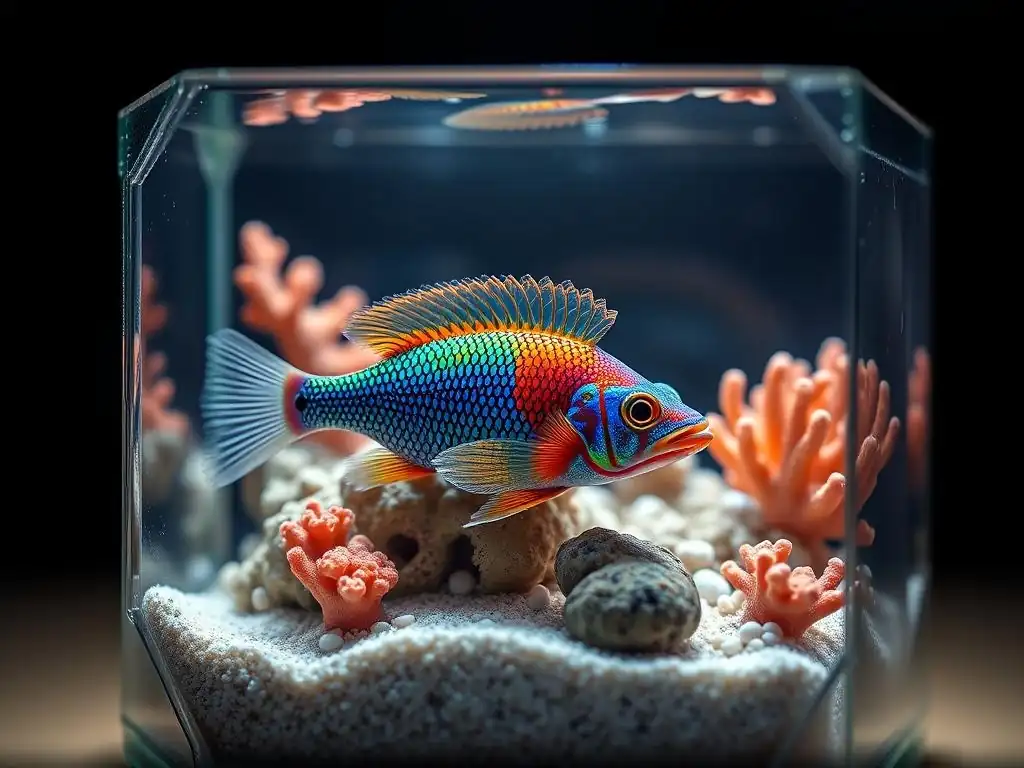
The size and dimensions of a dedicated butterflyfish breeding tank are critical for providing the necessary space for courtship and spawning. For most smaller to medium-sized butterflyfish species (e.g., Chaetodon collare or Chaetodon auriga), a tank of at least 100-200 gallons (approximately 380-760 liters) is often considered a minimum. Larger species, or those known for extensive pre-spawning chases, may require systems of 300 gallons or more, with some commercial operations using tanks exceeding 500 gallons. The emphasis should be on length and width rather than height, providing ample horizontal swimming space.
A long, rectangular tank shape is generally preferred over tall or cube designs, as it allows the pair to perform their characteristic open-water spawning runs and displays without feeling confined. Adequate swimming space reduces stress and encourages natural behaviors, significantly contributing to butterflyfish breeding success. Overcrowding, even with just a pair, can inhibit spawning and lead to aggression.
Filtration and Water Flow: Creating a Suitable Breeding Environment
A robust and redundant filtration system is paramount for maintaining the pristine water quality essential for butterflyfish breeding. A large sump system, incorporating a high-capacity protein skimmer, ample biological filtration media (e.g., bio-balls, ceramic rings, or a deep sand bed in a remote refugium), and activated carbon, is highly recommended. The filtration should be capable of handling the bioload from frequent, heavy feedings without compromising water parameters.
Water flow within the breeding tank should be gentle yet consistent, mimicking the subtle currents of their natural reef environment without creating excessive turbulence that could harm delicate eggs or larvae. Strategically placed powerheads or return pumps from the sump can create a laminar flow that encourages swimming and prevents dead spots where detritus might accumulate. The flow should be sufficient to keep the water well-oxygenated but not so strong as to stress the fish or interfere with spawning.
Substrate and Decorations: Minimizing Stress and Encouraging Spawning
For a dedicated butterflyfish breeding tank, a bare-bottom setup is often preferred. This simplifies cleaning, allows for easy observation of eggs (which are pelagic and float), and prevents detritus accumulation that could degrade water quality. If a substrate is used, it should be very fine sand and meticulously cleaned to prevent the buildup of organic waste.
Decorations should be minimal and strategically placed. A few pieces of inert live rock or artificial coral structures can provide a sense of security and offer visual barriers or temporary hiding spots, reducing stress. However, these should not impede the open swimming space required for courtship and spawning. Avoid any sharp or abrasive decorations that could injure the fish. The goal is to create a clean, safe, and low-stress environment that encourages the pair to feel secure enough to reproduce, optimizing the conditions for butterflyfish breeding success.
Identifying and Selecting Breeding Pairs of Butterflyfish
Recognizing Mature and Healthy Butterflyfish for Breeding
Identifying mature and healthy butterflyfish is a foundational step towards butterflyfish breeding success. Physically, prospective breeders should exhibit vibrant, full coloration, clear eyes, and intact fins. Their bodies should be well-rounded, indicating good nutritional status, not emaciated or bloated. Behaviorally, they should be active, inquisitive, and display a strong appetite. Any signs of stress, such as clamped fins, faded colors, or erratic swimming, should exclude them from breeding consideration.
Age is also a significant factor; most butterflyfish species reach sexual maturity around 1.5 to 2 years of age, though this can vary by species and individual development. Sourcing fish from reputable suppliers, ideally captive-bred individuals if available, can also be beneficial as they are often less stressed and more accustomed to aquarium life than wild-caught specimens. Observing their overall demeanor and health over several weeks or months is crucial before attempting to pair them for breeding.
Sexing Butterflyfish: Visual Clues and Behavioral Indicators
Sexing butterflyfish is notoriously challenging for most species, as they are largely monomorphic, meaning there are no obvious external differences between males and females. Unlike many other fish, differences in size, coloration, or finnage are usually subtle, if present at all. For example, in some species, the male might be slightly larger or exhibit a minor difference in fin shape, but these are rarely definitive.
Therefore, behavioral indicators become the most reliable method for identifying a male and female pair. Observing courtship rituals such as parallel swimming, gentle fin nipping, synchronized movements, and the formation of a distinct pair bond are strong indicators. The most effective approach for hobbyists is often to acquire a small group of juvenile butterflyfish (e.g., 4-6 individuals) and allow them to grow out together, naturally forming compatible pairs. This method, while requiring more tank space initially, significantly increases the likelihood of finding a true breeding pair for butterflyfish breeding success.
Quarantine and Acclimation: Preparing Butterflyfish for Breeding
A rigorous quarantine and acclimation process is absolutely essential before introducing any butterflyfish into a dedicated breeding setup. All new fish, whether intended for breeding or not, should undergo a minimum 4-6 week quarantine period in a separate, observation tank. During this time, they should be closely monitored for any signs of disease, parasites, or stress. Appropriate treatments should be administered if necessary. This step prevents the introduction of pathogens that could devastate a breeding program or compromise the health of established fish.
Once the quarantine period is complete and the fish are deemed healthy, a gradual acclimation to the breeding tank's specific water parameters is crucial. This involves slowly adjusting the temperature, salinity, and pH to match the breeding tank over several hours or even days, using drip acclimation or similar methods. Minimizing stress during transfer and ensuring a calm, stable environment upon introduction will help the fish settle in and become comfortable enough to consider reproduction, laying the groundwork for butterflyfish breeding success.
Triggering Spawning Behavior in Butterflyfish
Simulating Seasonal Changes: Temperature and Photoperiod Manipulation
Simulating subtle seasonal changes through temperature and photoperiod manipulation can be a powerful trigger for inducing spawning behavior in butterflyfish. In their natural habitats, breeding often coincides with specific environmental shifts. Gradually increasing the water temperature by 1-2°F (0.5-1°C) over a week, while staying within their optimal range (e.g., 76-80°F or 24-27°C), can mimic the warming trends that signal the onset of a breeding season.
Similarly, adjusting the photoperiod to simulate longer summer days, such as extending the light cycle from 12 hours to 14 hours over several days, can also act as a physiological cue. Some advanced breeders even experiment with dim 'moonlight' phases or lunar cycle simulations, using programmable lighting systems to mimic the natural ebb and flow of moonlight intensity over a 28-day cycle. These subtle environmental nudges can significantly enhance the chances of butterflyfish breeding success.
Water Changes and Current: Inducing Spawning Cues
Large, frequent water changes are another effective method for inducing spawning cues in butterflyfish. Regular water changes, particularly significant ones such as 25-30% twice a week with freshly mixed, perfectly matched saltwater, can mimic natural events like heavy rainfall or nutrient influxes in their wild environment. This influx of fresh, clean water can stimulate a physiological response in the fish, signaling favorable conditions for reproduction.
Additionally, manipulating water current can play a role. While a consistent, gentle flow is generally maintained, temporarily increasing the water flow or introducing a stronger current for short periods can simulate tidal movements or strong currents associated with specific spawning sites in the wild. This increased flow can encourage active swimming, chasing, and courtship behaviors, which are precursors to spawning. Observing how the pair reacts to these changes is key to understanding their readiness for butterflyfish breeding success.
Introducing Potential Mates: Observing Compatibility and Courtship
Once environmental conditions are optimized, the introduction of potential mates and subsequent observation of their compatibility and courtship behaviors is crucial. If starting with a group, allow them to naturally pair off. If introducing a known male and female, do so carefully and observe their interactions closely. Look for positive signs of compatibility, such as parallel swimming, synchronized movements, gentle fin nipping (not aggressive), and mutual displays.
It is vital to be prepared to separate individuals if aggression becomes excessive or if a pair fails to form after a reasonable period. An incompatible pair will not spawn and can cause significant stress, leading to health issues for both fish. Patience is key; it may take several weeks or even months for a compatible pair to form and begin exhibiting pre-spawning behaviors. Consistent observation and a willingness to adjust tank dynamics are important butterflyfish breeding success tips.
Butterflyfish Egg Care and Hatching
Identifying and Collecting Butterflyfish Eggs
Butterflyfish eggs are pelagic, meaning they are buoyant and float in the water column, typically near the surface. Spawning usually occurs during dusk or dawn, and the eggs are tiny, often appearing as clear, spherical particles, approximately 0.8-1.2 mm in diameter, drifting with the current. Immediately after spawning, the eggs may be visible as a cloud or individual specks in the water.
Collecting these delicate eggs requires gentle methods to avoid damage. A fine-mesh net can be used to gently skim the surface, or, for more advanced setups, an overflow system can be designed to direct the surface water containing the eggs into a separate collection container or larval snagger. This ensures minimal disturbance to the breeding pair and maximizes the number of viable eggs collected. Prompt collection is crucial to prevent egg predation by the parents or other tank inhabitants and to transfer them to a dedicated larval rearing setup.
Maintaining Optimal Conditions for Egg Development
Once collected, butterflyfish eggs must be transferred to a dedicated larval rearing tank with meticulously maintained optimal conditions for their development. The water parameters in the larval tank must precisely match those of the breeding tank, including temperature (e.g., 78°F or 25.5°C) and salinity. Gentle aeration is essential to keep the eggs suspended in the water column, ensuring adequate oxygenation and preventing them from settling and suffocating.
Darkness or very dim light is often preferred during the incubation period to prevent the growth of algae, which can foul the water and harm the delicate eggs. The incubation period is relatively short, typically 24-48 hours, depending on the species and water temperature. Maintaining stable, pristine conditions throughout this critical phase is paramount for ensuring high hatch rates and laying the groundwork for butterflyfish breeding success.
Preventing Fungal Infections and Ensuring High Hatch Rates
Fungal infections are a common threat to butterflyfish eggs, particularly in environments with poor water quality or if there are unfertilized or damaged eggs present. The primary defense against fungal infections is maintaining impeccable water quality in the larval rearing tank. This includes regular, small water changes and gentle removal of any decaying organic matter.
Any infertile or fungused eggs, which often appear opaque or white, should be promptly and carefully removed using a pipette to prevent the spread of infection to healthy eggs. While some breeders may consider using a very mild antifungal agent, such as a highly dilute solution of Methylene Blue (e.g., 1-2 ppm), this should be approached with extreme caution due to the sensitivity of developing embryos. With proper care and attention to water quality, hatch rates for viable butterflyfish eggs can be remarkably high, often exceeding 80-90%, marking a significant step towards butterflyfish breeding success.
Raising Butterflyfish Larvae: The Most Critical Stage
The Challenges of First Feeding Butterflyfish Larvae
The first feeding stage of butterflyfish larvae is widely considered the most critical and challenging hurdle in achieving butterflyfish breeding success. Larvae are incredibly small at hatching, often less than 2mm, and possess extremely tiny mouths. Their yolk sacs are absorbed very quickly, typically within 24-48 hours, meaning they require an immediate and continuous supply of appropriately sized live food. Failure to provide this precise food source within this narrow window inevitably leads to mass starvation.
The standard first food for most marine fish larvae, including butterflyfish, is rotifers, specifically Brachionus plicatilis or the smaller Brachionus rotundiformis. These rotifers must be enriched with high DHA/EPA (docosahexaenoic acid/eicosapentaenoic acid) phytoplankton or commercial enrichment products to provide the necessary nutritional profile for the developing larvae. The density of rotifers in the larval tank needs to be consistently high (e.g., 10-15 rotifers/mL) to ensure the larvae encounter enough food, requiring multiple feedings throughout the day, sometimes even continuous drip feeding.
Culturing and Providing Appropriate Live Food
A continuous and reliable supply of high-quality, enriched live food is non-negotiable for raising butterflyfish larvae. This necessitates dedicated and meticulously maintained live food cultures, primarily rotifers and potentially copepods. Rotifer cultures require a consistent supply of phytoplankton (e.g., Nannochloropsis oculata or Tetraselmis chui) for their own nutrition, which in turn transfers to the larvae. Establishing and maintaining robust rotifer cultures takes significant effort and attention to detail.
As butterflyfish larvae grow, typically after 5-7 days, they will require larger prey items. This transition often involves introducing copepod nauplii or newly hatched artemia nauplii. Like rotifers, these larger live foods must also be gut-loaded with appropriate enrichment products to ensure they deliver adequate nutrition. The gradual introduction of larger food items, carefully matched to the larvae's mouth size, is a crucial aspect of successful larval rearing and a key butterflyfish breeding success tip.
Maintaining Water Quality and Preventing Disease Outbreaks
Maintaining pristine water quality in larval rearing tanks is exceptionally challenging due to the high feeding rates and the delicate nature of the larvae. Larval tanks are highly susceptible to rapid water quality degradation from uneaten food and larval waste, which can quickly lead to toxic ammonia and nitrite spikes. Daily, small water changes (e.g., 10-20% of tank volume) are often necessary, carefully siphoning out any detritus from the bottom without disturbing the fragile larvae.
Disease prevention in the larval stage relies almost entirely on maintaining optimal water quality and providing proper nutrition. Larvae are incredibly vulnerable to bacterial infections, protozoan parasites, and fungal outbreaks. The rearing environment must be kept as sterile as possible, and all live food cultures must be clean and disease-free. Treatment options for fry are extremely limited due to their sensitivity to medications, making prevention the only truly effective strategy for ensuring high larval survival rates and overall butterflyfish breeding success.
Post-Larval Care and Grow-Out of Juvenile Butterflyfish
Gradual Weaning onto Prepared Foods
Once butterflyfish larvae have metamorphosed into post-larvae or early juveniles (typically around 2-3 weeks post-hatch, depending on species), they can begin the gradual process of weaning onto prepared foods. This transition must be slow and deliberate, initially offering finely crushed, high-quality marine flakes or pellets alongside their live food diet. The goal is to gradually reduce the reliance on live foods while ensuring the juveniles readily accept and consume the prepared alternatives.
Offer small amounts of prepared food multiple times a day, observing their acceptance. As they grow and adapt, the proportion of live food can be slowly decreased over several days to weeks. Target specific marine-based foods rich in protein and essential fatty acids, such as finely chopped mysis shrimp, spirulina-enriched brine shrimp, or specialized juvenile fish pellets. This gradual weaning is a crucial step towards sustainable butterflyfish breeding success, preparing them for a typical aquarium diet.
Preventing Aggression and Competition Among Juveniles
As juvenile butterflyfish grow, particularly if kept in a group, aggression and competition can become significant issues. Butterflyfish can be territorial, and as they mature, hierarchies may form, leading to bullying or stunted growth in smaller individuals. Providing adequate space is key; the grow-out tank should be sufficiently large to accommodate the growing number of juveniles without overcrowding.
Strategic placement of minimal rockwork or artificial decorations can provide visual barriers and hiding spots, helping to break up lines of sight and reduce direct confrontations. Monitor feeding closely to ensure all individuals are getting enough food, as competitive feeding can lead to some fish being underfed. In cases of persistent aggression, it may be necessary to separate overly aggressive or significantly smaller individuals into their own grow-out tanks to optimize their health and growth.
Optimizing Growth Rates and Maintaining Healthy Coloration
Optimizing growth rates and maintaining vibrant, healthy coloration in juvenile butterflyfish requires a continuation of the excellent care established during the larval and post-larval stages. This includes consistent, high-quality nutrition and meticulously stable water parameters. Frequent, small feedings throughout the day, rather than one or two large meals, are more beneficial for young, rapidly growing fish, ensuring a constant supply of nutrients.
The diet should remain varied and rich in marine proteins and essential fatty acids. Including foods high in natural carotenoids, such as spirulina-enriched flakes or pellets, will help maintain and enhance their vibrant colors, which are key indicators of overall health and well-being. Proper lighting (e.g., full-spectrum LED lights) in the grow-out tank also contributes to natural coloration. Regular water changes and a clean environment prevent stress and disease, allowing the juveniles to thrive and reach their full potential, a testament to effective butterflyfish breeding success tips.
Common Problems and Solutions in Butterflyfish Breeding
Egg Predation and Cannibalism: Prevention Strategies
A common problem in butterflyfish breeding is the potential for egg predation or cannibalism by the adult fish themselves, or by other tank inhabitants if not in a dedicated breeding setup. Adult butterflyfish, even the breeding pair, may consume their own eggs if not promptly removed. This can be due to hunger, stress, or simply their natural instinct to consume small, floating particles.
The primary solution is immediate egg collection after spawning. As soon as eggs are observed, they should be gently siphoned or skimmed into a separate larval rearing tank. Ensuring the breeding pair is well-fed with high-quality, nutritious food before and after spawning can also reduce the likelihood of them consuming their own eggs out of hunger. For setups where immediate collection isn't feasible, a dedicated spawning mop or egg collector that allows eggs to drift into a protected area might be considered, though less common for pelagic spawners.
Larval Mortality: Identifying and Addressing the Causes
High larval mortality is the most frequently encountered and frustrating problem in butterflyfish breeding. The causes are typically multifaceted but often boil down to three main factors: starvation, poor water quality, or disease. Starvation is usually due to an insufficient density of appropriately sized live food, or the larvae simply not accepting the provided food. Close observation of larval guts (they should appear full) and daily checks of rotifer density are crucial.
Poor water quality, characterized by elevated ammonia, nitrite, or nitrate, or unstable pH/salinity, will quickly lead to larval death. Meticulous water changes and robust filtration are the only solutions. Finally, bacterial infections or protozoan parasites can decimate a larval batch. Microscopic examination of dead or dying larvae can help identify pathogens. Proactive measures, such as maintaining a sterile rearing environment and culturing clean live foods, are the best defense against high larval mortality, which is a major barrier to butterflyfish breeding success.
Disease Prevention and Treatment in Butterflyfish Fry
Butterflyfish fry are incredibly delicate and highly susceptible to diseases, making prevention the cornerstone of their care. Their undeveloped immune systems and small size mean that common aquarium medications are often toxic or ineffective at therapeutic doses. Therefore, the focus must be entirely on creating and maintaining an environment where disease cannot take hold.
This involves scrupulous attention to water quality, providing optimal nutrition, and maintaining a sterile rearing environment. All equipment entering the larval tank should be thoroughly cleaned and disinfected. Live food cultures must be kept free of contaminants and pathogens.
Any signs of illness in the fry, such as erratic swimming, loss of appetite, or visible lesions, are usually grave indicators. Treatment options are extremely limited; sometimes, a very dilute formalin dip or specific antibiotics might be considered in commercial settings, but these often cause more harm than good to the fragile fry. Prevention through meticulous husbandry is the ultimate butterflyfish breeding success tip for this stage.
Documented Successes: Inspiring Butterflyfish Breeding Stories
Case Studies of Successful Butterflyfish Reproduction in Captivity
While challenging, there have been inspiring case studies of successful butterflyfish reproduction in captivity, particularly by dedicated public aquariums and pioneering private breeders. One notable breakthrough came with the Spotfin Butterflyfish ( Chaetodon ocellatus), which has been successfully bred by institutions such as the Florida Aquarium. This species, though still difficult, proved amenable to captive breeding protocols, paving the way for understanding other pelagic spawners.
More recently, limited successes have been reported with species like the Threadfin Butterflyfish ( Chaetodon auriga) and the Raccoon Butterflyfish ( Chaetodon lunula). These successes often involve years of trial and error, significant investment in specialized equipment, and meticulous record-keeping. These documented cases demonstrate that with persistence, scientific understanding, and advanced techniques, butterflyfish breeding success is achievable for certain species, offering valuable insights for the broader aquarium community.
Lessons Learned from Experienced Breeders
Experienced butterflyfish breeders consistently emphasize several key lessons that are vital for achieving success. Foremost among these is patience and persistence; breeding these delicate fish is rarely a quick endeavor and often involves numerous setbacks. Meticulous record-keeping is also paramount, documenting every detail from water parameters and feeding regimes to spawning behaviors and larval survival rates. This data allows for continuous refinement of protocols and identification of critical factors.
Another crucial lesson is the importance of a holistic, "systems approach." Every component of the breeding system—water quality, nutrition, environmental cues, and larval care—must be optimized and integrated seamlessly. Experienced breeders also stress the value of community and knowledge sharing, as breakthroughs often come from collective efforts and the willingness to share detailed methodologies. These hard-earned butterflyfish breeding success tips underscore the dedication required.
The Future of Butterflyfish Aquaculture and Conservation
The documented successes in butterflyfish breeding, though limited, hold immense promise for both aquaculture and marine conservation. As more species are successfully propagated in captivity, it reduces the demand for wild-caught specimens, thereby alleviating pressure on natural coral reef populations which are already facing numerous threats. Commercial aquaculture of popular species like the Threadfin or Raccoon Butterflyfish could provide a sustainable and ethically sourced supply for the aquarium trade.
Furthermore, captive breeding efforts contribute invaluable scientific data on the reproductive biology, larval development, and specific environmental needs of these species. This knowledge is crucial for conservation efforts, particularly for more vulnerable or difficult-to-collect butterflyfish. The ability to breed and raise these fish ex situ also offers a potential safeguard against species loss in the face of ongoing habitat degradation, securing a future for these delicate beauties in both aquariums and the wild.
Advanced Techniques for Butterflyfish Breeding
Hormonal Induction of Spawning: Ethical Considerations and Best Practices
For species that are particularly reluctant to spawn naturally in captivity, or in controlled research and commercial aquaculture settings, hormonal induction of spawning can be an advanced technique. This typically involves the use of Gonadotropin-Releasing Hormone (GnRH) analogues, which stimulate the fish's own reproductive hormones, triggering ovulation in females and sperm release in males. This method is usually employed when all other environmental and dietary manipulations have failed.
However, hormonal induction carries significant ethical considerations. It can be stressful for the fish if not performed correctly, and improper dosing can lead to negative health outcomes. Therefore, it should only be undertaken by experienced professionals with a thorough understanding of fish physiology and proper handling techniques. Best practices emphasize minimizing stress during injection, precise dosage calculation based on fish weight, and ensuring the fish are otherwise in peak health before induction. While not a common butterflyfish breeding success tip for hobbyists, it is a powerful tool in scientific and large-scale breeding programs.
Genetic Diversity and Selective Breeding: Improving Breeding Success
Maintaining genetic diversity within a captive breeding population is a crucial advanced technique for long-term butterflyfish breeding success and the health of subsequent generations. Starting with a genetically diverse broodstock helps prevent inbreeding depression, which can manifest as reduced fertility, slower growth rates, increased susceptibility to disease, and deformities in offspring. Aquarists and institutions should aim to acquire unrelated individuals or exchange broodstock with other breeders to broaden the gene pool.
Selective breeding can also be employed, though it requires careful planning and extensive record-keeping. This involves choosing individuals that exhibit desirable traits, such as robust health, vigorous growth, good coloration, or proven spawning ability, to be the parents of the next generation. Over multiple generations, selective breeding can lead to more resilient and productive lines of captive-bred butterflyfish, making subsequent breeding efforts more consistent and successful.
Cryopreservation of Sperm and Eggs: Long-Term Conservation Strategies
Cryopreservation, the process of preserving sperm and eggs at extremely low temperatures (typically in liquid nitrogen), represents a cutting-edge advanced technique with significant implications for long-term butterflyfish breeding and conservation. While not directly a breeding success tip for immediate spawning, it offers a method to store genetic material indefinitely, safeguarding against the loss of valuable genetic lines or even entire species.
This technique is primarily utilized in large research institutions and conservation programs. It allows for the creation of "gene banks," which can be used to reintroduce genetic diversity into captive populations, facilitate breeding programs between geographically distant institutions without the need for live animal transport, and act as an "insurance policy" against catastrophic events that might wipe out live populations. As cryopreservation technologies advance, they offer a powerful tool for ensuring the long-term viability and genetic health of butterflyfish populations, contributing to their enduring presence in both natural habitats and aquariums.
Frequently Asked Questions
What are the primary challenges in achieving Butterflyfish breeding success?
The main hurdles revolve around replicating their complex natural environment and providing the specific dietary needs of both adults and larvae. Many species are also highly selective in their mating partners.
Why is water quality so crucial for Butterflyfish breeding?
Butterflyfish are incredibly sensitive to water parameters. Stable and pristine conditions are essential to trigger spawning and ensure the survival of delicate eggs and fry. Even slight fluctuations can prevent breeding or lead to significant losses.
What kind of diet promotes successful Butterflyfish spawning?
A varied diet rich in live and frozen foods is critical. This includes copepods, rotifers, and other small invertebrates to mimic their natural food sources. Nutritional deficiencies can negatively impact egg production and viability.
How important is tank size and aquascaping for Butterflyfish breeding?
Providing a sufficiently large tank with ample hiding places and open swimming areas is vital. Replicating their natural reef environment with live rock and coral can also encourage spawning behavior.
What are the key differences between breeding freshwater and saltwater fish, particularly Butterflyfish?
Breeding saltwater fish like Butterflyfish is generally more challenging than freshwater species. The water chemistry requirements are far more complex, and larval feeding often requires specialized techniques and live food cultures.
Final Reflection: Cultivating Hope in the Reef
The intricate dance of butterflyfish breeding, as we've explored, is far more than just a scientific endeavor; it's a testament to our ability to understand and nurture the delicate ecosystems that sustain life on our planet. The challenges are undeniable, the successes hard-won, but the potential for enriching our understanding of marine life and ensuring the survival of these vibrant species makes the pursuit undeniably worthwhile.
This journey into the world of butterflyfish breeding highlights the profound interconnectedness of all living things. It reminds us that even seemingly small actions, like meticulously adjusting water parameters or patiently observing courtship rituals, can have a ripple effect, contributing to the preservation of biodiversity. As Sylvia Earle so eloquently stated: Even if you never have the chance to see or touch the ocean, the ocean touches you with every breath you take, every drop of water you drink, every bite you consume. Everyone, everywhere is inextricably connected to and utterly dependent upon the existence of the sea.
Now, consider the lessons learned from these "Butterflyfish breeding success tips" and how they might apply to other areas of your life. Can you cultivate the same patience, dedication, and attention to detail in your own endeavors? Can you foster an environment that allows for growth and flourishing, even in the face of adversity? Let the resilience and beauty of the butterflyfish inspire you to nurture your own dreams and contribute to a world where even the most elusive goals can be achieved with perseverance and care.
Unveil Your Inner Butterflyfish Breeder!
Thanks for diving into the captivating world of butterflyfish breeding! Now that you've learned about the challenges and triumphs, it's time to take the next step and explore the possibilities yourself. Let's turn that knowledge into action!
Here's how you can get started:
- Research potential breeding pairs: Identify compatible butterflyfish species known for their hardiness in captivity and delve into their specific breeding requirements.
- Share your newfound knowledge! Post your favorite butterflyfish fact from this article on social media and tag us @AquariumMastery!
- Consider supporting conservation efforts by donating to organizations dedicated to coral reef preservation.
What unique challenge of butterflyfish breeding intrigues you the most, and what creative solutions are you considering to overcome it?