
Essential Quarantine for New Larval Batches: Preventing Devastating CrossContamination

Welcome to Aquarium Mastery!
Ever wondered how to truly protect your prized saltwater aquarium from unseen threats? Our latest deep dive unveils the essential practices for bat quarantine new larval batches, preventing potentially devastating cross-contamination. Discover the secrets to safeguarding your aquatic ecosystem and ensuring a thriving future for your delicate saltwater inhabitants. Ready to unlock the key to responsible aquarist success? Let's dive in!
- Essential Quarantine for New Larval Fish: Preventing Devastating Cross-Contamination
- Understanding the Critical Need for Larval Quarantine in Saltwater Fish Breeding
- Setting Up a Dedicated Quarantine System for Fish Larvae
- Implementing a Robust Quarantine Protocol for New Larval Arrivals
- Preventing Cross-Contamination: Best Practices for Larval Quarantine
- Identifying and Treating Common Diseases in Larval Quarantine
- Post-Quarantine Integration: Safely Introducing Larvae to the Main System
- Optimizing Larval Quarantine for Specific Fish Species: Clownfish, Seahorses
- Troubleshooting Common Issues in Larval Quarantine
- Advanced Techniques for Enhancing Larval Quarantine Success
-
Frequently Asked Questions
- How long should new larval batches be quarantined before introducing them to an established bat colony?
- What are the most important aspects to monitor during larval bat quarantine?
- What type of enclosure is best suited for quarantining new larval bat batches?
- Why is quarantine so important for larval bats, especially compared to adult bats?
- What steps should be taken if a larval bat shows signs of illness during quarantine?
- Final Reflection: Safeguarding the Future of Bat Populations
- Dive Deeper: Transform Your Batches Today!
Essential Quarantine for New Larval Fish: Preventing Devastating Cross-Contamination
Understanding the Critical Need for Larval Quarantine in Saltwater Fish Breeding
Why Quarantine is Paramount for New Larval Batches
The initial stages of larval fish development are incredibly delicate, making them highly susceptible to disease. Their immune systems are underdeveloped, and their small size means even a minor parasitic or bacterial load can quickly overwhelm them, leading to catastrophic mortality.
When a new batch of larvae is introduced into a breeding system without proper isolation, any pathogens they carry can rapidly spread, jeopardizing not just the new arrivals but potentially contaminating an entire facility. Considering the significant investment in time, resources, and effort required to produce larval fish, preventive measures like new larval batch quarantine are not just beneficial but absolutely critical for success.
Furthermore, pathogens can originate from various sources, including wild-caught broodstock, contaminated live feeds like rotifers or Artemia, or even existing subclinical diseases within a facility that manifest under the stress of larval development. These external and internal threats make it imperative to isolate and observe all new larval cohorts. A rigorous larval fish quarantine protocol acts as the primary line of defense, preventing the introduction and proliferation of diseases that could otherwise decimate months or years of breeding efforts, ensuring the long-term health and productivity of your aquaculture operation.
The Risks of Ignoring Quarantine Protocols in Fish Larval Rearing
Ignoring proper quarantine protocols for fish larvae carries severe and often irreversible risks. The most immediate consequence is the potential for mass mortality events. For instance, a single infected batch introduced without quarantine can lead to the loss of 80-100% of larvae within 24-72 hours if exposed to highly virulent pathogens like Amyloodinium ocellatum (Marine Velvet) or Cryptocaryon irritans (Marine Ich). Larvae, due to their high density in rearing tanks and compromised immune responses, provide an ideal environment for rapid pathogen multiplication and transmission, turning a minor infection into a devastating epidemic.
Beyond direct mortality, the long-term risks include the contamination of an entire breeding facility. Pathogens introduced by an unquarantined new larval batch can establish themselves in filtration systems, plumbing, and even on the surfaces of tanks, creating persistent disease cycles that are incredibly difficult and costly to eradicate. This can lead to chronic low-level infections, stunted growth, reduced reproductive success in broodstock, and significant financial losses due to ongoing treatment costs, loss of valuable genetic lines, and prolonged downtime for system disinfection.
Setting Up a Dedicated Quarantine System for Fish Larvae
Key Components of an Effective Larval Quarantine Tank
An effective larval quarantine tank is designed for ease of cleaning, observation, and isolation. Typically, these are small-volume tanks, ranging from 5 to 20 gallons, often constructed from glass or food-grade plastic. The bottom should be bare to facilitate easy siphoning of uneaten food and waste, which is crucial for maintaining pristine water quality and observing larval behavior. Crucially, the tank must be completely isolated from the main breeding or grow-out systems, meaning it should have its own dedicated water source, drainage, and air supply, ensuring no cross-contamination can occur.
The setup should also include a secure lid to prevent escape and minimize evaporation, maintaining stable salinity. It is paramount that all equipment used within the quarantine system – including nets, siphons, pipettes, buckets, and even towels – are exclusively designated for that tank and never used in any other part of the facility. This strict segregation of tools is a fundamental aspect of preventing the transfer of pathogens, reinforcing the principle that a dedicated larval batch quarantine system is a self-contained unit aimed at safeguarding the entire breeding operation.
Water Quality Parameters for Larval Quarantine Tanks: Maintaining a Healthy Environment
Maintaining precise and stable water quality parameters is non-negotiable for the survival and health of larval fish in quarantine. Salinity should be kept stable and species-specific, typically within the range of 1.023 to 1.025 specific gravity for most marine larvae, though some species like seahorses may prefer slightly lower levels. Temperature must also be meticulously controlled and stable, generally between 78-80°F (25.5-26.7°C) for tropical species, as even minor fluctuations can induce significant stress. pH should be maintained between 8.0 and 8.4, consistent with natural seawater.
The most critical water quality parameters to monitor in a fish larval quarantine tank are ammonia and nitrite. Due to high feeding rates and the delicate nature of larvae, even trace amounts of these nitrogenous compounds can be acutely toxic.
Nitrate levels should also be kept as low as possible. Given that robust biological filtration is often not feasible or desirable in initial larval rearing tanks (due to the need for frequent cleaning and the risk of filtering out live food), daily small water changes (e.g., 10-20%) are often the primary method for managing these parameters and ensuring a healthy, stable environment.
Essential Equipment for Larval Quarantine: Heaters, Filters, Lighting
Beyond the tank itself, several pieces of essential equipment are required for a functional larval quarantine system. A reliable, submersible heater with an accurate thermostat is vital for maintaining the stable, species-specific temperature required by delicate larvae. Redundant heating is often recommended for critical batches. Gentle aeration, provided by an air pump connected to a fine air stone, is necessary to ensure adequate oxygen levels without creating strong currents that can exhaust or injure larvae.
Filtration in larval quarantine tanks is often minimal or entirely absent in the initial stages. If used, a small, gentle sponge filter or an internal power filter with a very fine media is preferred. However, due to the need for frequent cleaning and the presence of live foods, many breeders opt for daily manual cleaning and water changes instead of traditional filtration.
Lighting should be dim and consistent, mimicking a natural photoperiod (e.g., 14 hours light, 10 hours dark), avoiding abrupt changes that can stress larvae. Additionally, a dedicated set of pipettes for feeding, small nets, and siphons for waste removal, all exclusive to the new larval batch quarantine system, are indispensable.
Implementing a Robust Quarantine Protocol for New Larval Arrivals
Step-by-Step Guide to Acclimating New Larval Batches to Quarantine
Acclimating new larval batches to a quarantine tank must be done with extreme care to minimize stress and prevent shock. The first step involves temperature acclimation: float the container holding the larvae in the quarantine tank for 15-20 minutes to equalize temperatures. Following this, a slow drip acclimation method is highly recommended for salinity and pH adjustment. This involves slowly dripping water from the quarantine tank into the larvae's container over a period of 30-60 minutes, or even longer if the water parameters differ significantly.
Once acclimation is complete, gently transfer the larvae into the quarantine tank using a clean, dedicated net or by carefully pouring them, ensuring that as little as possible of the original transport water enters the quarantine system. This minimizes the introduction of external pathogens. Throughout this process, avoid sudden movements, bright lights, or excessive handling, as these can induce stress and compromise the delicate larvae. A successful larval batch quarantine begins with a stress-free transition into their isolated environment.
Monitoring Larval Health During Quarantine: Identifying Early Warning Signs
Vigilant monitoring of larval health is paramount throughout the quarantine period. Daily, and ideally multiple times a day, observe the larvae for any behavioral changes. Signs such as lethargy, erratic swimming (e.g., spiraling, darting, or swimming upside down), flashing against tank surfaces, or gasping at the surface can indicate distress or the presence of parasites. Pay close attention to changes in appetite; a sudden refusal to feed or a significant reduction in feeding response is a critical early warning sign of disease or environmental stress.
Visual inspection is equally important. Look for physical abnormalities like cloudy eyes, fin erosion, white spots (indicative of Cryptocaryon or Amyloodinium), lesions, discoloration, or general emaciation. Track daily mortality rates; a sudden spike in deaths or a consistent increase, even if small, warrants immediate investigation. Documenting these observations in a detailed log helps identify trends and allows for prompt intervention, which is essential for the success of saltwater fish larval quarantine.
Quarantine Duration: How Long to Keep Larval Fish in Isolation
The duration of a new larval fish quarantine period is a critical decision, balancing the need for thorough observation against the desire to integrate healthy larvae into grow-out systems. Generally, a minimum of 2-4 weeks is recommended, but this can extend to 6-8 weeks for certain species or if there's a higher risk of specific slow-incubating diseases. The primary goal is to exceed the incubation periods of common pathogens, ensuring that any latent infections have time to manifest.
The quarantine period should only conclude when the larvae have consistently shown robust health, are actively feeding, exhibiting normal behavior, and have been entirely free of any visible signs of disease or unexplained mortality for at least one full week. For species with slower developmental rates or those known to be highly susceptible to specific diseases, a longer larval quarantine is always the safer approach, providing ample time for observation and, if necessary, treatment.
Preventing Cross-Contamination: Best Practices for Larval Quarantine
Disinfection Protocols for Quarantine Tanks and Equipment
Rigorous disinfection protocols are fundamental to preventing cross-contamination in larval quarantine setups. After each batch of larvae has been transferred or if a batch has succumbed to disease, the quarantine tank and all associated equipment must be thoroughly cleaned and disinfected. A common and effective method involves soaking the tank and equipment in a bleach solution (e.g., 1 part household bleach to 9 parts water) for 1-2 hours. This effectively kills most bacteria, viruses, and parasites.
Following bleach treatment, it is crucial to rinse all items thoroughly with fresh water and then neutralize any residual chlorine using a strong dechlorinator like sodium thiosulfate. For sensitive equipment or situations where bleach is unsuitable, alternatives like hydrogen peroxide (e.g., 3% solution) or commercially available aquarium disinfectants can be used, always following manufacturer instructions. Strict adherence to these disinfection practices ensures that the batch quarantine new larval system remains a sterile barrier against pathogens.
Proper Hygiene Practices to Minimize Contamination Risks
Beyond equipment disinfection, maintaining stringent personal hygiene and operational practices is paramount to minimizing contamination risks in larval quarantine. Always use dedicated tools—nets, siphons, buckets, and pipettes—for each quarantine tank, never sharing them between different systems. Hand washing with soap and water before and after handling larvae or their equipment is a non-negotiable step. Wearing disposable gloves when working with potentially diseased batches or when performing tank maintenance further reduces the risk of pathogen transfer.
Furthermore, ensure that live food cultures used for quarantined larvae are entirely separate from those used for your main breeding or grow-out systems. Never return water, even seemingly clean water, or any tools that have come into contact with a quarantine tank to the main system. Establishing a one-way flow for all materials—from clean to quarantine to disposal—is a critical component of effective larval quarantine protocols and safeguards the entire facility from devastating outbreaks.
Managing Water Changes and Waste Removal in Quarantine Systems
Effective water changes and meticulous waste removal are crucial for maintaining pristine water quality in larval quarantine systems, especially since robust biological filtration is often absent. Daily small water changes, typically ranging from 10-20% of the tank volume, are often necessary to dilute waste products like ammonia and nitrite and replenish essential trace elements. During these changes, carefully siphon out any uneaten food, detritus, and dead larvae from the bare bottom of the tank. This physical removal of organic waste is vital as it prevents the breakdown of these materials into toxic compounds.
The disposal of waste water from new larval batch quarantine tanks requires careful consideration. It should ideally not be poured down drains that connect to other aquatic systems. Instead, dispose of it in a separate designated bucket or directly into a household drain that is not shared with other fish-keeping activities. This prevents the accidental introduction of pathogens into other parts of your facility or even into public water systems, reinforcing the isolated nature of the quarantine process.
Identifying and Treating Common Diseases in Larval Quarantine
Recognizing Signs of Disease in Larval Fish: Abnormal Swimming, Loss of Appetite
Early detection of disease in larval fish during quarantine is critical for successful intervention. Beyond general lethargy, specific abnormal swimming patterns are strong indicators of underlying issues. These can include spiraling, darting erratically, swimming upside down, continuous bottom-sitting, or rubbing against surfaces (flashing). Such behaviors often point towards parasitic infections affecting the gills or skin, or even neurological damage.
A significant loss of appetite is another key warning sign. Healthy larvae are typically voracious feeders. If they refuse their live food (rotifers, Artemia), appear emaciated despite being offered food, or show a reduced feeding response, it warrants immediate investigation. Other physical signs to look for include clamped fins, rapid or labored breathing (gasping at the surface or very fast gill movements), visible white spots on the body or fins, cloudy eyes, or a dull, discolored appearance. Prompt identification of these signs allows for timely initiation of larval fish quarantine treatments.
Common Larval Fish Diseases and Their Treatments: Amyloodinium, Bacterial Infections
Among the most devastating diseases affecting marine fish larvae is Amyloodinium ocellatum, commonly known as Marine Velvet. This dinoflagellate parasite rapidly proliferates, causing a "dusting" appearance on the fish, rapid breathing, and high mortality. Treatment often involves carefully dosed copper sulfate (e.g., maintaining 0.15-0.2 ppm for 14-21 days) or chloroquine phosphate. Another prevalent issue is bacterial infections, often caused by Vibrio species, which can manifest as fin rot, body lesions, cloudy eyes, or general lethargy, often secondary to stress or poor water quality.
Bacterial infections in larvae are typically treated with broad-spectrum antibiotics, such as Furan-2 or Maracyn 2, administered to the water. In some cases, if larvae are large enough to consume them, medicated feeds can be used. However, treatment of larvae can be challenging due to their small size and sensitivity to medications. Accurate diagnosis, often requiring microscopic examination of affected larvae, is crucial before initiating any treatment in a larval batch quarantine system to ensure the correct medication is used and to avoid unnecessary stress or toxicity.
The Role of Probiotics and Prebiotics in Larval Quarantine
Probiotics and prebiotics play an increasingly important role in enhancing larval health and resilience during quarantine. Probiotics are beneficial live microorganisms, often Bacillus species, that can be added directly to the water or incorporated into live feeds (e.g., enriched rotifers or Artemia). They work by competitively excluding harmful pathogens, improving water quality by breaking down organic waste, and enhancing the gut health of the larvae, leading to better digestion and nutrient absorption. This improved gut flora can significantly boost the larval immune response, making them more robust against potential infections during new larval fish quarantine.
Prebiotics, on the other hand, are non-digestible food components that selectively stimulate the growth and activity of beneficial bacteria already present in the larval gut. These are typically incorporated into specialized larval feeds. By fostering a healthy microbial balance in the digestive tract, prebiotics further strengthen the larvae's natural defenses and improve overall health and growth rates. Integrating both probiotics and prebiotics into the quarantine protocol can create a more resilient larval population, reducing susceptibility to disease and improving survival rates.
Post-Quarantine Integration: Safely Introducing Larvae to the Main System
Gradual Acclimation Strategies for Post-Quarantine Introduction
After a successful larval batch quarantine, the process of introducing larvae to the main grow-out system must be handled with the same meticulous care as their initial acclimation. The first step is to ensure that the water parameters (temperature, salinity, pH) of the target grow-out system closely match those of the quarantine tank. Any significant differences can cause osmotic shock, leading to stress and mortality. A slow drip acclimation method, extending over several hours (e.g., 1-2 hours), is highly recommended to allow the larvae to gradually adjust to the new water chemistry.
To further reduce stress and help larvae adapt to the new microbial environment, consider a "bridging" strategy. This involves slowly adding a small amount of water from the target grow-out system into the quarantine tank daily for a few days before the final transfer. This allows the larvae to gradually become accustomed to the new water parameters and the resident microbial flora, minimizing the shock of a complete environmental change. This careful transition is vital for the continued health and growth of the larvae post- larval quarantine.
Monitoring for Disease After Integration: Vigilance is Key
Even after a successful saltwater fish larval quarantine and careful integration, vigilance remains crucial. The period immediately following transfer to a new system can be stressful, potentially weakening the larvae's immune response and making them more susceptible to any ambient pathogens. Continue to closely monitor the newly integrated larvae for at least 1-2 weeks for any signs of stress, abnormal behavior, or the re-emergence of disease symptoms that might have been subclinical or just beginning to manifest.
Pay particular attention to their feeding behavior, swimming patterns, and physical appearance. Any sudden changes, such as reduced appetite, lethargy, or the appearance of spots or lesions, should prompt immediate investigation. If disease is suspected, be prepared to isolate affected individuals or the entire batch back into a quarantine setup if feasible, to prevent further spread within the main grow-out system. Proactive observation is the best defense against post-integration disease outbreaks.
Documenting Quarantine Procedures and Results: A Critical Breeding Log
Maintaining a comprehensive breeding log is not just good practice; it is a critical component of optimizing new larval batch quarantine procedures and ensuring long-term success. For each larval batch, meticulously record details such as the source of the larvae, their arrival date, the start and end dates of quarantine, and all daily water parameters (temperature, salinity, pH, ammonia, nitrite). Document feeding schedules, types of food offered, and any changes in diet.
Crucially, the log should detail any observed health issues, their onset, the specific treatments administered (including dosage and duration), and the resulting outcomes. Daily mortality counts are essential for tracking trends and identifying problems early. This detailed data provides invaluable insights for identifying patterns, troubleshooting future issues, and continuously refining your larval quarantine protocols, turning every batch into a learning opportunity that contributes to the overall health and productivity of your aquaculture program.
Optimizing Larval Quarantine for Specific Fish Species: Clownfish, Seahorses
Species-Specific Considerations for Quarantine: Temperature, Salinity, Diet
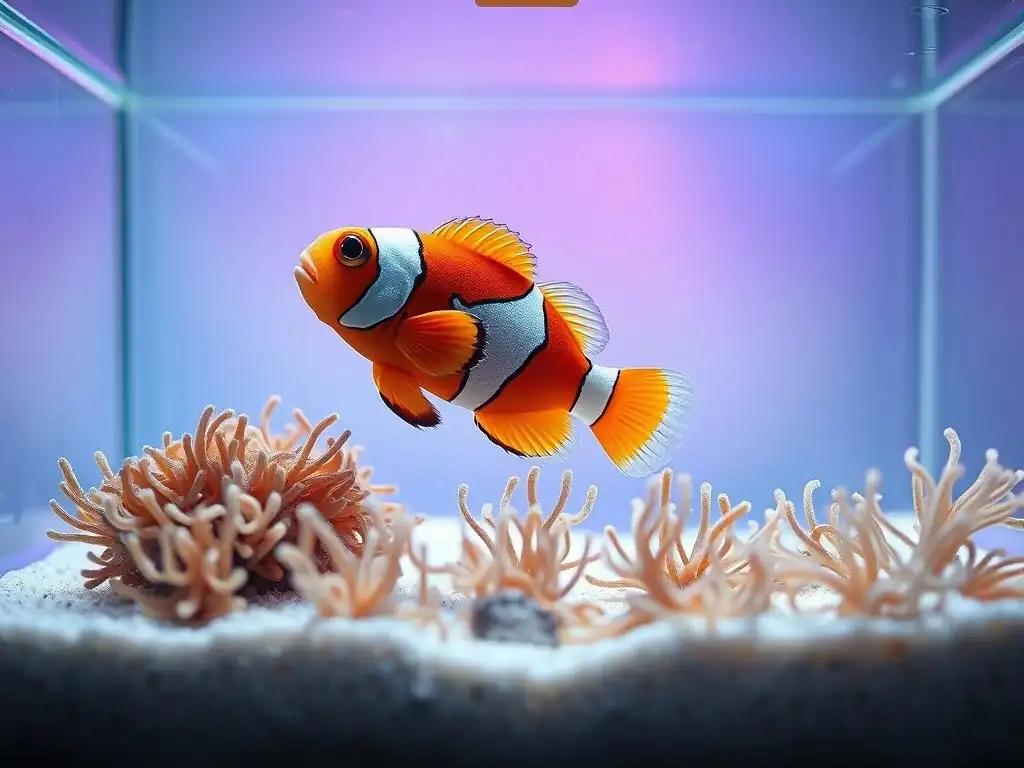
Optimizing fish larval quarantine requires adapting protocols to the specific needs of each species. For instance, Clownfish larvae are relatively robust and typically thrive in quarantine at temperatures between 78-80°F (25.5-26.7°C) and a salinity of 1.025 SG. Their rapid development necessitates early feeding with rotifers ( Brachionus plicatilis) followed by Artemia nauplii, and a shorter quarantine period might be feasible if consistently disease-free.
Seahorse larvae, such as those of Hippocampus reidi, are far more delicate and demand more precise conditions. They often prefer slightly lower temperatures (e.g., 74-76°F or 23.3-24.4°C) and for some species, a lower salinity (e.g., 1.018-1.020 SG for H. reidi). Their diet is typically restricted to enriched Artemia nauplii from day one, and their slower developmental rate means they often require a longer larval batch quarantine period, sometimes extending to several months, to ensure they are fully conditioned and healthy before integration.
Adapting Quarantine Protocols to Different Larval Stages
The specific needs of larval fish change significantly as they develop, necessitating adaptations in quarantine protocols. Early larval stages, typically the first few days to weeks post-hatch, are the most vulnerable. During this period, pristine water quality, minimal handling, and often prophylactic treatments (if there's a known risk from broodstock) are paramount. Filtration is usually absent or very gentle, relying on frequent water changes and manual waste removal. High mortality rates are common during these critical stages, making rigorous new larval batch quarantine essential.
As larvae transition into post-larval and juvenile stages, they become more resilient. At this point, they can often tolerate slightly less frequent water changes and may be able to handle lower doses of treatments. The focus during these later stages shifts towards ensuring proper nutrition for rapid growth, while continuously monitoring for disease. The larval quarantine protocols must evolve with the developmental stage, providing increasingly stable and less intervention-heavy environments as the fish mature and their immune systems strengthen.
Troubleshooting Common Issues in Larval Quarantine
Addressing Water Quality Problems in Quarantine Tanks
Water quality issues are a frequent challenge in larval quarantine tanks due to high stocking densities, intense feeding, and often limited biological filtration. High ammonia and nitrite levels are particularly common and acutely toxic to larvae. If detected, immediate and significant water changes (e.g., 30-50%) are necessary. Simultaneously, reduce feeding to minimize waste production and ensure thorough siphoning of uneaten food and detritus. While ammonia-binding products can offer temporary relief, physical removal through water changes remains the most effective solution for new larval fish quarantine.
pH instability, often manifesting as a drop in pH, is usually indicative of low alkalinity. Regular testing of alkalinity (aiming for 8-12 dKH for marine larvae) is crucial. While buffering agents can be used, consistent water changes with properly mixed saltwater that has adequate alkalinity are generally sufficient to maintain stable pH. Addressing the root cause of water quality issues—whether it's overfeeding, insufficient water changes, or inadequate waste removal—is key to preventing their recurrence.
Managing Larval Mortality During Quarantine: Identifying and Correcting Issues
Managing larval mortality is a constant concern during larval quarantine. A sudden spike in deaths demands immediate investigation. Begin by meticulously checking all environmental parameters: temperature, salinity, pH, ammonia, and nitrite. Even slight deviations from optimal ranges can trigger mass die-offs. Next, scrutinize the feeding regimen: are larvae receiving enough food? Is the food of high quality and appropriate size? Uneaten food can rapidly foul the water, while insufficient food leads to starvation.
If environmental and feeding issues are ruled out, suspect disease. Isolate any remaining larvae if possible, and perform a microscopic examination of deceased or ailing individuals to identify potential pathogens. While awaiting a definitive diagnosis, a broad-spectrum treatment might be considered, though this should be approached with caution given the sensitivity of larvae. Thoroughly documenting all observations and interventions is crucial for understanding the cause of mortality and refining future batch quarantine new larval efforts.
Maintaining a Stress-Free Environment for Larval Development
Maintaining a stress-free environment is paramount for the successful development and survival of larvae during quarantine, as stress significantly compromises their delicate immune systems. Minimize sudden changes in light intensity; use dim, consistent lighting and avoid abrupt on/off cycles. Ensure temperature and salinity remain highly stable, as even minor fluctuations can be detrimental. Avoid excessive noise, vibrations, or sudden movements around the tanks, which can startle and exhaust the larvae.
Furthermore, provide gentle aeration that does not create strong currents, which can physically stress and injure the larvae. Ensure that feeding is consistent and adequate, but avoid overfeeding, which can rapidly degrade water quality. For species that prefer it, providing some form of dim light or a slightly shaded area can reduce stress. A calm, stable environment directly contributes to higher survival rates and stronger, healthier larvae throughout the saltwater fish larval quarantine period.
Advanced Techniques for Enhancing Larval Quarantine Success
The Use of UV Sterilization in Larval Quarantine
Ultraviolet (UV) sterilization is an advanced technique that can significantly enhance water quality and reduce pathogen load in larval quarantine systems. A UV sterilizer works by passing water through a chamber containing a UV-C lamp, which emits germicidal radiation.
This radiation disrupts the DNA of free-floating bacteria, viruses, and parasites, rendering them unable to reproduce and effectively killing them. For optimal effectiveness, the UV unit should be appropriately sized for the tank volume, and the flow rate through the sterilizer must be carefully controlled to ensure adequate contact time (e.g., a flow rate of 20-30 gallons per hour for a small unit in a 20-gallon tank).
While UV sterilization does not directly treat pathogens on the fish themselves, it drastically reduces the number of circulating infectious agents in the water column. This prevents rapid disease spread and reinfection, creating a cleaner, safer environment for the delicate larvae. Integrating a UV sterilizer on a bypass loop from the quarantine tank can be a valuable addition, contributing to a more robust and proactive disease prevention strategy during new larval batch quarantine.
Ozone Treatment for Water Purification in Quarantine Systems
Ozone (O3) treatment is another powerful advanced technique for water purification in fish larval quarantine systems. Ozone is a highly reactive gas that acts as a strong oxidizer, breaking down dissolved organic pollutants and effectively killing bacteria, viruses, and parasites. It is typically generated by an ozone generator and then injected into the quarantine system, often via an air stone or a protein skimmer. The use of ozone results in crystal-clear water and a significant reduction in pathogen load.
However, ozone must be used with extreme caution as overdosing can be highly toxic to fish larvae. An Oxidation Reduction Potential (ORP) controller is essential for safe ozone application, allowing precise monitoring and control of the ozone level in the water (e.g., targeting an ORP range of 350-400 mV). When properly managed, ozone can drastically improve water quality, reduce the need for certain chemical treatments, and create a healthier environment for larvae, making it a valuable, albeit complex, tool in larval quarantine protocols.
Utilizing Beneficial Bacteria to Improve Water Quality in Quarantine.
While traditional biological filtration is often challenging in larval quarantine tanks due to high organic loads and the need for frequent cleaning, the strategic use of beneficial bacteria can still significantly improve water quality. Specific strains of nitrifying bacteria (e.g., Nitrosomonas and Nitrobacter species) can be dosed into the water to help break down ammonia and nitrite, even in systems with minimal conventional filter media. These bacteria establish themselves rapidly and help process the high waste output from feeding.
Beyond nitrogen cycling, some commercially available bacterial supplements also include heterotrophic bacteria that contribute to the breakdown of organic waste, reducing the overall biological load. Furthermore, certain probiotic bacterial cultures, when added to the water or incorporated into live feeds, can enhance the gut health of larvae, improving digestion and nutrient absorption. This multi-faceted approach to utilizing beneficial bacteria supports a more stable and resilient aquatic environment, contributing to the overall success of saltwater fish larval quarantine.
Frequently Asked Questions
How long should new larval batches be quarantined before introducing them to an established bat colony?
New larval batches should undergo a strict quarantine period of at least 30 to 60 days to prevent the spread of disease and ensure they are healthy. This allows for observation and treatment if necessary.
What are the most important aspects to monitor during larval bat quarantine?
During quarantine, closely monitor the larvae for signs of illness, such as changes in behavior, feeding habits, and visible physical symptoms. Proper hygiene is also crucial to prevent cross-contamination.
What type of enclosure is best suited for quarantining new larval bat batches?
A separate, easily sanitized enclosure with controlled temperature and humidity is ideal. It should be physically isolated from the main bat colony to prevent any potential disease transmission.
Why is quarantine so important for larval bats, especially compared to adult bats?
Larval bats have weaker immune systems than adults, making them more susceptible to diseases. Quarantine provides essential protection during this vulnerable stage of development.
What steps should be taken if a larval bat shows signs of illness during quarantine?
Immediately isolate the affected larva from the others and consult with a veterinarian experienced in bat care. Implement strict biosecurity measures to prevent further spread of the illness.
Final Reflection: Safeguarding the Future of Bat Populations
The insights shared throughout this article underscore the critical importance of meticulous biosecurity protocols in bat conservation, particularly the implementation of essential quarantine measures for new larval batches. In a world increasingly threatened by habitat loss and emerging infectious diseases, the health and genetic integrity of bat populations are more vulnerable than ever. Ignoring these crucial steps risks devastating cross-contamination, potentially leading to irreversible damage to these vital ecosystems.
This topic resonates deeply because it highlights the interconnectedness of our actions and their impact on the natural world. The meticulous care and preventative measures we advocate for are not merely scientific protocols; they are acts of stewardship, reflecting our responsibility to protect these often-misunderstood creatures. In the end, we will conserve only what we love; we will love only what we understand; and we will understand only what we are taught.
- Baba Dioum. This quote perfectly encapsulates the need for education and proactive measures to ensure the survival of these keystone species.
As you reflect on the information presented, consider the broader implications of our choices. How can you, in your own sphere of influence, champion responsible practices that prioritize the health and well-being of wildlife? Let this article serve as a catalyst for action, inspiring you to advocate for robust biosecurity measures and contribute to a future where bat populations thrive, free from the threat of devastating cross-contamination.
Dive Deeper: Transform Your Batches Today!
Thanks for exploring the critical world of larval quarantine! We hope this article has empowered you with valuable insights to protect your aquatic ecosystems. Now, let's put that knowledge into action.
Here's how you can further safeguard your larval batches:
- Immediately implement a rigorous quarantine protocol for all new larval introductions, regardless of their source.
- Share this essential guide with fellow aquarists to collectively raise awareness and prevent future cross-contamination incidents.
- Document your quarantine procedures and outcomes to contribute to a growing body of best practices in larval rearing.
What specific quarantine measures will you implement first, and how will you track their effectiveness in preventing contamination?