
Feeding Juvenile Tangs: Special Dietary Needs for Healthy Growth & Development

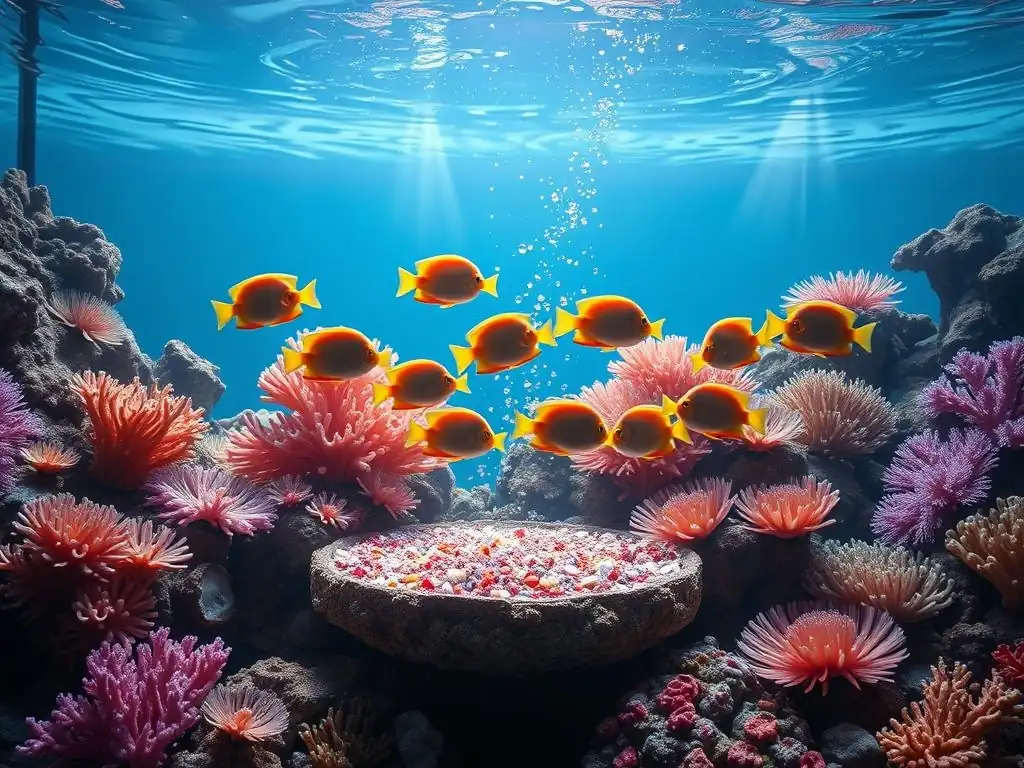
Welcome to Aquarium Mastery!
Curious about the secrets to raising healthy and vibrant juvenile tangs? Unlock their full potential with our comprehensive Juvenile Tang Feeding Guide. Discover the specialized dietary needs that fuel their growth and development, and avoid common pitfalls that can impact their well-being. Ready to ensure your young tangs thrive? Dive in and learn more!
- Feeding Juvenile Tangs: Specialized Diets for Optimal Growth
- Understanding the Dietary Needs of Juvenile Tangs
- The Comprehensive Juvenile Tang Feeding Guide: Fostering Healthy Growth
- Selecting Appropriate Foods for Your Juvenile Tang
- Establishing an Effective Feeding Schedule for Juvenile Tangs
- Preventing Nutritional Deficiencies in Juvenile Tangs
- Maintaining Ideal Water Quality for Juvenile Tang Feeding
- Advanced Feeding Strategies for Finicky Juvenile Tangs
- Long-Term Dietary Considerations for Growing Tangs
- Conclusion: Promoting Healthy Growth and Development Through Proper Juvenile Tang Feeding
- Frequently Asked Questions
- Final Reflection: Nurturing the Future of the Reef
- Nurture Your Tangs: Spark Joy in Their Growth!
Feeding Juvenile Tangs: Specialized Diets for Optimal Growth
Understanding the Dietary Needs of Juvenile Tangs
Why Juvenile Tangs Require Specific Nutritional Approaches
Juvenile tangs, unlike their adult counterparts, are in a critical phase of rapid growth and development. This accelerated physiological process demands a significantly higher intake of specific nutrients to support the formation of strong skeletal structures, vibrant coloration, and a robust immune system. Their metabolic rates are also considerably elevated, meaning they burn through calories much faster than mature tangs.
For instance, a young Yellow Tang ( Zebrasoma flavescens) can grow from less than an inch to several inches within its first year, a growth spurt that necessitates readily available, high-quality nutrition. Without a dedicated juvenile tang feeding guide, these young fish are susceptible to stunted growth and developmental issues.
Furthermore, the digestive systems of juvenile tangs are still maturing. They may not efficiently process certain types of food or absorb nutrients as effectively as adults. This calls for a diet that is not only rich in essential vitamins and minerals but also highly digestible. Providing a diet tailored to their needs during this vulnerable stage helps prevent common ailments and ensures they develop into healthy, resilient adult fish. Neglecting these specific nutritional requirements can lead to long-term health problems, impacting their lifespan and overall well-being in the aquarium.
The Crucial Role of Dietary Diversity in Young Tang Development
Dietary diversity is paramount for the holistic development of young tangs, ensuring they receive a full spectrum of macro and micronutrients. In their natural reef habitats, juvenile tangs graze continuously on a wide variety of algae, detritus, and small invertebrates, providing a naturally balanced diet. Replicating this diversity in a home aquarium is essential to prevent nutritional deficiencies that can manifest as weakened immune responses, poor coloration, and even skeletal deformities. For example, a diet lacking sufficient marine-based lipids can hinder proper fin and skin development, while inadequate vitamin C intake is strongly linked to Lateral Line Erosion (HLLE).
A varied diet not only supplies necessary vitamins and minerals but also stimulates natural foraging behaviors, reducing stress and promoting a more active, engaging fish. Incorporating different types of algae, supplemented with small amounts of high-quality proteins and vitamin-enriched foods, ensures that all developmental needs are met. This comprehensive approach to a juvenile tang feeding guide provides the building blocks for optimal health, allowing these young fish to reach their full genetic potential in terms of size, vitality, and longevity within the captive environment.
The Comprehensive Juvenile Tang Feeding Guide: Fostering Healthy Growth
Key Components of a Juvenile Tang Diet
Algae: The Foundation of a Young Tang's Diet
Algae forms the cornerstone of a juvenile tang's diet, reflecting their natural herbivorous grazing habits on coral reefs. These fish, belonging to the family Acanthuridae, are adapted to consume large quantities of plant matter, which provides them with essential fiber, carbohydrates, and a significant portion of their daily vitamin and mineral intake.
In the wild, tangs can spend up to 70-80% of their active day grazing on various forms of macro and microalgae, demonstrating the critical importance of this food source. Providing ample access to diverse algal types helps maintain a healthy digestive tract and prevents issues like bloat or constipation, which can arise from a diet too rich in animal protein.
For young tangs, the consistent availability of algae is vital for their continuous growth and energy demands. This foundational element of their diet supports not only their physical development but also their natural behaviors, reducing stress and promoting a more vibrant, active fish. A diet predominantly based on marine-derived algae ensures they receive the specific nutrients, such as certain fatty acids and carotenoids, that are crucial for their unique physiological needs and vibrant coloration.
Protein Sources: Supplementing Algae with High-Quality Options
While algae is the primary food source, juvenile tangs also require a small, yet crucial, amount of high-quality protein to support their rapid growth and tissue development. Unlike adult tangs, which have lower protein requirements, young tangs are actively building muscle mass and internal organs. Supplying approximately 5-10% of their diet from protein sources, such as marine-derived animal proteins, can significantly contribute to their overall development. However, it's vital to choose protein sources that are easily digestible and do not overwhelm their primarily herbivorous digestive system.
Appropriate protein supplements include finely chopped frozen mysis shrimp, brine shrimp (preferably gut-loaded), or high-quality marine-based flake foods. These sources provide essential amino acids necessary for cellular repair and growth. Overfeeding protein can lead to digestive issues and negatively impact water quality, so moderation is key. The goal is to provide just enough supplemental protein to fuel their growth without shifting their diet too far from their natural herbivorous tendencies, maintaining balance as a core principle of any effective juvenile tang feeding guide.
Vitamins and Minerals: Achieving Complete Nutritional Balance
Achieving complete nutritional balance for juvenile tangs extends beyond just algae and protein; it critically involves a full spectrum of vitamins and minerals. These micronutrients are indispensable catalysts for countless biological processes, from immune system function to bone development and pigment synthesis. For instance, Vitamin C is crucial for collagen formation and immune support, with deficiencies often linked to severe health issues like Lateral Line Erosion (HLLE). Similarly, Vitamin A is vital for vision and skin health, while Vitamin D is essential for calcium absorption, supporting strong skeletal development in rapidly growing fish.
Trace minerals such as iodine, selenium, and iron also play pivotal roles in metabolism, thyroid function, and oxygen transport. While some vitamins and minerals are naturally present in algae and quality protein sources, supplementation through vitamin-enriched foods or specialized additives can ensure all requirements are met. This comprehensive approach to a juvenile tang feeding guide ensures that every aspect of their physiological development is supported, safeguarding against deficiencies that could compromise their long-term health and vitality.
Selecting Appropriate Foods for Your Juvenile Tang
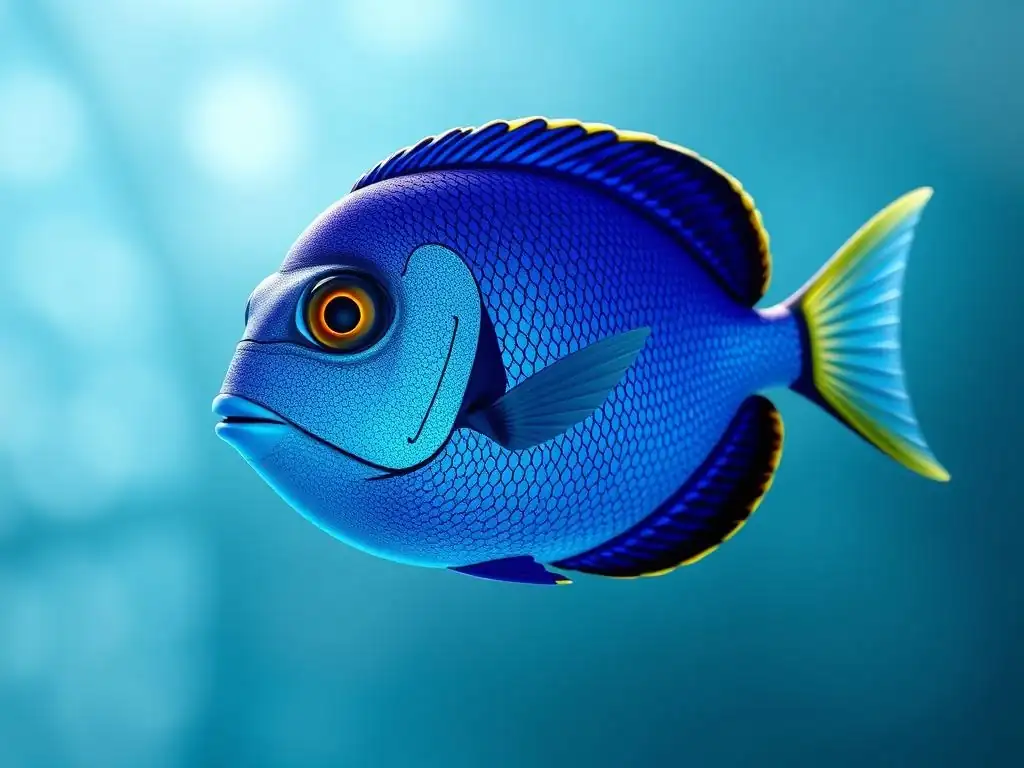
Optimal Algae Types for Juvenile Tangs
Live Rock Grazing: Promoting Natural Algae Consumption
Live rock serves as an invaluable, continuous food source for juvenile tangs, promoting their natural grazing behaviors. The surfaces of established live rock are typically covered in a diverse array of microalgae, diatoms, and beneficial biofilm, which tangs instinctively graze upon throughout the day.
This constant access to natural, marine-derived plant matter not only provides essential nutrients but also mimics their wild feeding patterns, reducing stress and encouraging a more active and robust fish. Unlike prepared foods, the algae on live rock offers a dynamic and varied nutritional profile, adapting to the tank's conditions and offering different species of algae as they grow.
Furthermore, live rock grazing contributes to a healthier digestive system by providing a steady intake of fiber and aiding in the natural processing of food. For a comprehensive juvenile tang feeding guide, ensuring a well-established tank with ample live rock significantly reduces reliance on solely prepared foods, offering a more complete and natural dietary foundation. It allows young tangs to consume small, frequent meals, which aligns perfectly with their high metabolic rate and continuous grazing needs.
Prepared Algae Sheets and Pellets: A Practical Choice
For supplementing the natural grazing on live rock, prepared algae sheets and pellets are practical and highly beneficial options for juvenile tangs. Untreated, human-grade dried seaweed, commonly known as Nori, is an excellent choice. It is rich in marine-derived vitamins, minerals, and fiber, and tangs typically devour it with enthusiasm. Nori should be offered in small pieces, secured with a veggie clip, allowing the tangs to graze on it throughout the day. This method mimics their natural feeding behavior and ensures a steady intake of plant matter.
High-quality, spirulina-fortified pellets and flakes designed for marine herbivores are also essential components of a juvenile tang feeding guide. Look for products where spirulina or other marine algae are listed as primary ingredients, often comprising 20-40% or more of the food's composition. These prepared foods are nutritionally dense and provide a convenient way to deliver consistent dietary requirements. They should be offered in appropriate sizes for juvenile mouths, ensuring easy consumption and digestion.
Frozen Foods: Variety and Nutritional Benefits
Frozen foods offer an excellent way to provide high-quality protein and a variety of essential nutrients to juvenile tangs. Finely chopped mysis shrimp, brine shrimp (preferably enriched with spirulina or other vital nutrients), and small bits of krill are highly palatable and nutritious options. Mysis shrimp, for example, are known for their high protein content (approximately 60% dry weight) and beneficial fatty acids, which are crucial for the rapid growth of young tangs. Brine shrimp, while less nutritious on their own, can be an effective vehicle for delivering gut-loaded nutrients.
When preparing frozen foods, it is crucial to thaw them completely in a small amount of aquarium water before feeding. This prevents the introduction of unwanted contaminants and ensures the food is at an appropriate temperature for consumption. Offering a rotation of different frozen foods several times a week, in small portions, ensures a diverse nutritional profile and stimulates the tangs' appetites, making them a key component of a comprehensive juvenile tang feeding guide.
Flake Foods: Choosing the Right Formula for Tangs
When selecting flake foods for juvenile tangs, quality and formulation are paramount. Opt for high-quality marine-specific flakes that are rich in spirulina, kelp, or other marine algae. These ingredients provide the essential plant-based nutrients that form the bulk of a tang's diet, even as juveniles. Look for flakes where spirulina is listed as one of the first few ingredients, indicating a significant concentration, often above 15-20%. Avoid generic tropical flakes, as they often lack the specific nutritional profile required by marine herbivores.
The particle size of the flakes is also important for juvenile tangs; smaller, easily consumable flakes are ideal. These premium flake foods often come fortified with essential vitamins like C and A, and beneficial Omega-3 fatty acids, which further support growth and immune function. While flakes should not be the sole food source, they serve as a convenient and nutritionally reliable supplement within a balanced juvenile tang feeding guide, especially when offered in conjunction with fresh algae and frozen foods.
Live Foods: Enhancing Natural Feeding and Nutritional Intake
Live foods can play a significant role in enhancing the natural feeding behaviors and nutritional intake of juvenile tangs, particularly for those that might be finicky eaters or recently introduced to the aquarium. Small live copepods, such as Tisbe or Copepods, are an excellent choice. They are rich in highly digestible proteins and essential fatty acids, and their continuous presence in the tank encourages constant grazing, mimicking the natural microfauna consumption on a reef. This also helps to establish a healthy micro-ecosystem within the aquarium.
Another beneficial live food is enriched brine shrimp nauplii or adult brine shrimp, which can be gut-loaded with spirulina or other nutrient solutions prior to feeding. This method ensures that the tangs receive a concentrated dose of vitamins and minerals. While live foods should not be the exclusive diet, their inclusion several times a week can significantly boost a juvenile tang's vitality, stimulate hunting instincts, and provide a fresh, highly palatable source of nutrients, making them a valuable addition to any juvenile tang feeding guide.
Establishing an Effective Feeding Schedule for Juvenile Tangs
Feeding Frequency: How Often to Feed Young Tangs
Establishing an appropriate feeding frequency is crucial for the healthy development of juvenile tangs, given their high metabolic rates and continuous growth. Unlike adult tangs that might thrive on one or two feedings per day, young tangs benefit significantly from more frequent, smaller meals. For very young or newly introduced juveniles, feeding 3-5 times a day is often recommended. This approach ensures a constant supply of nutrients to fuel their rapid growth and maintain stable blood sugar levels, preventing energy crashes that can lead to stress.
As juvenile tangs grow and mature, typically reaching a size of 2-3 inches, the feeding frequency can gradually be reduced to 2-3 times per day. The key is to provide small portions that can be consumed within a few minutes, preventing uneaten food from decaying and impacting water quality. Consistent, frequent feeding is a cornerstone of any effective juvenile tang feeding guide, ensuring these active fish receive the sustained energy they need to thrive.
Portion Control: Preventing Overfeeding and Preserving Water Quality
Portion control is an essential aspect of a successful juvenile tang feeding guide, directly impacting both the fish's health and the aquarium's water quality. Overfeeding is one of the most common mistakes in aquarium husbandry, leading to a cascade of problems. For juvenile tangs, the rule of thumb is to offer only what they can consume completely within 1-2 minutes. Any food left uneaten after this short period is likely to decompose, contributing to elevated nitrate and phosphate levels, which can fuel nuisance algae growth and stress the fish.
Excess nutrients from overfeeding also create an environment conducive to bacterial blooms and can deplete oxygen levels, posing a direct threat to the tangs' health. Furthermore, overfed fish can suffer from digestive issues, fatty liver disease, and reduced lifespan. By adhering to strict portion control, aquarists can ensure their juvenile tangs receive adequate nutrition without compromising the pristine water conditions vital for their well-being.
Observation: Monitoring Feeding Habits and Adjusting Accordingly
Continuous observation of juvenile tangs' feeding habits is a critical, often overlooked, component of an effective feeding strategy. It allows aquarists to fine-tune their juvenile tang feeding guide to individual needs and detect potential issues early. Pay close attention to how quickly the food is consumed, whether all tangs are getting enough, and if any food is left uneaten. A healthy juvenile tang should exhibit a strong feeding response, eagerly approaching food and consuming it entirely, typically resulting in a slightly rounded belly after a meal.
If a tang is hesitant to eat, refuses certain foods, or shows signs of aggression during feeding, it could indicate stress, illness, or an unsuitable diet. Adjustments might include varying food types, altering feeding times, or examining water parameters. Conversely, if tangs appear overly thin or constantly seem hungry despite regular feedings, portion sizes or frequency may need to be increased. Regular, attentive observation ensures that the feeding regimen remains optimal for the tangs' growth and overall health.
Preventing Nutritional Deficiencies in Juvenile Tangs
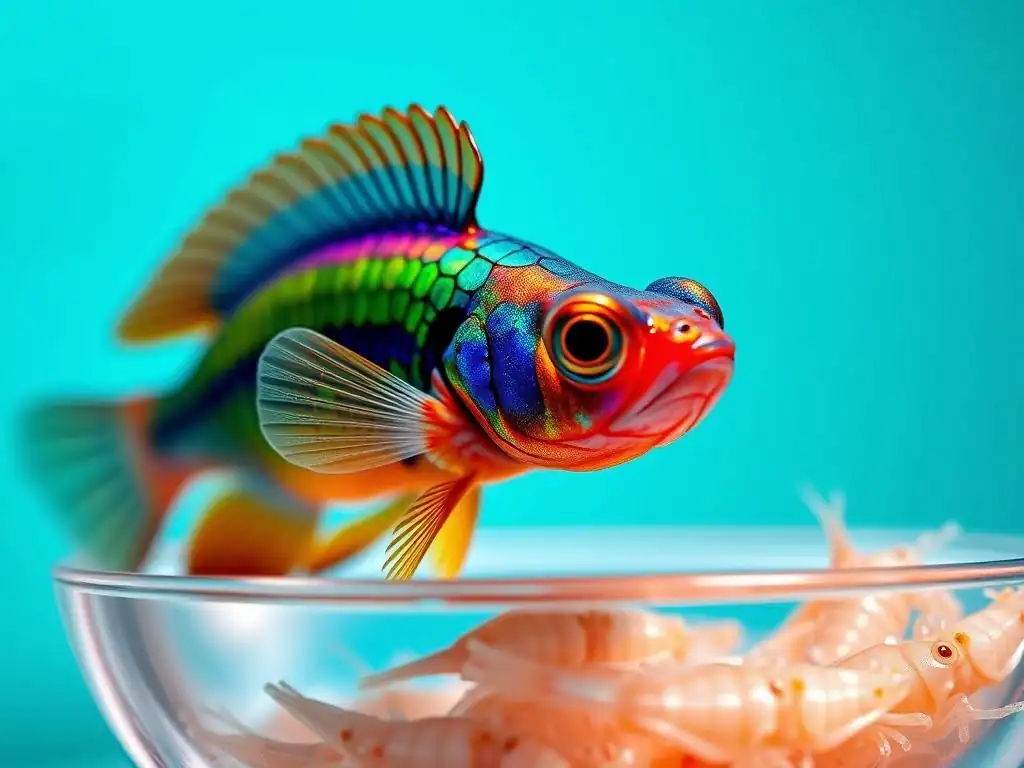
Identifying Signs of Malnutrition in Young Tangs
Identifying signs of malnutrition in young tangs early is crucial for their long-term health and survival. One of the most common indicators is stunted growth; a juvenile tang that appears significantly smaller than its peers or shows minimal growth over several weeks, despite adequate tank size and water parameters, is likely suffering from nutritional deficiencies. Other visual cues include faded or dull coloration, which should be vibrant and intense in healthy tangs. A healthy tang should also have a slightly rounded, full belly after feeding; a perpetually gaunt or pinched appearance suggests insufficient food intake or poor nutrient absorption.
Beyond physical appearance, behavioral changes can also signal malnutrition. Lethargy, reduced activity levels, and a lack of interest in food are red flags. In severe cases, fin erosion, skeletal deformities (such as a bent spine), or susceptibility to opportunistic infections can manifest. For instance, a tang suffering from a severe vitamin A deficiency might exhibit eye cloudiness or impaired vision. Recognizing these symptoms promptly allows for immediate dietary adjustments, preventing irreversible damage and underscoring the importance of a comprehensive juvenile tang feeding guide.
Addressing Common Dietary Problems
Lateral Line Erosion (HLLE) and Nutritional Links
Lateral Line Erosion (HLLE) is a common and often distressing condition in marine fish, particularly tangs, and it has strong links to nutritional deficiencies. This condition manifests as pitting, lesions, and erosion along the lateral line system of the fish, which aids in sensing vibrations. While various factors contribute to HLLE, including poor water quality and stray voltage, an inadequate diet, specifically deficiencies in Vitamins C, A, and D, and certain essential fatty acids, is a primary nutritional cause. For example, a diet lacking fresh, marine-derived greens and appropriate vitamin supplementation can significantly increase a tang's susceptibility to HLLE.
Addressing HLLE nutritionally involves a multi-pronged approach within the juvenile tang feeding guide. This includes ensuring a diverse diet rich in high-quality marine algae, such as Nori and spirulina-based foods. Supplementing prepared foods with vitamin additives like Selcon or Vita-Chem, which are rich in Omega-3 fatty acids and fat-soluble vitamins, can also be highly beneficial. Providing a varied diet that mimics their natural grazing habits, combined with pristine water conditions, is key to preventing and potentially reversing early stages of HLLE.
Vitamin Deficiencies and Their Health Consequences
Vitamin deficiencies in juvenile tangs can lead to a wide array of health consequences, significantly impacting their growth, immune system, and overall vitality. For instance, a lack of Vitamin C (ascorbic acid) can result in weakened immune responses, poor wound healing, and, as mentioned, contribute to Lateral Line Erosion (HLLE). Without sufficient Vitamin A, tangs may experience vision problems, poor skin quality, and stunted growth. Vitamin D, crucial for calcium and phosphorus absorption, can lead to skeletal deformities or weakened bones if deficient.
Beyond these, B-complex vitamin deficiencies can manifest as neurological issues, poor appetite, or general lethargy. The consequences of these deficiencies are particularly severe in rapidly growing juvenile tangs, as their bodies are under immense physiological stress during development. A well-rounded juvenile tang feeding guide must therefore emphasize the importance of a varied diet that includes fresh, high-quality marine-based foods and, when necessary, vitamin-fortified supplements to prevent these debilitating health issues and promote robust growth.
Maintaining Ideal Water Quality for Juvenile Tang Feeding
The Relationship Between Water Quality and Feeding Success
The relationship between water quality and feeding success in juvenile tangs is intrinsically linked; optimal water parameters are not just beneficial but absolutely critical for a tang to feed well and thrive. Poor water quality, characterized by elevated levels of ammonia, nitrite, or nitrate (e.g., nitrates consistently above 20 ppm), creates a stressful environment that can suppress a fish's appetite and compromise its immune system. Stressed fish are less likely to feed vigorously, leading to malnutrition even if food is readily available.
Furthermore, clean water facilitates proper digestion and nutrient absorption. If the water is fouled by decaying food or fish waste, it can directly impact the tangs' ability to process their meals efficiently. Maintaining stable parameters—appropriate salinity (typically 1.023-1.025 specific gravity), temperature (76-80°F), and a pH of 8.1-8.4—ensures that the tangs are comfortable, less stressed, and more inclined to feed robustly. Therefore, a comprehensive juvenile tang feeding guide must always emphasize the foundational importance of pristine water conditions.
Regular Water Changes: Eliminating Excess Nutrients
Regular water changes are an indispensable practice for maintaining the pristine water quality necessary for healthy juvenile tang feeding. Despite careful portion control, some uneaten food particles and fish waste will inevitably accumulate, leading to a gradual increase in nitrates, phosphates, and other dissolved organic compounds. These excess nutrients can quickly degrade water quality, stressing fish and promoting nuisance algae growth. For juvenile tangs, which are often fed more frequently, the accumulation of these compounds can be accelerated.
Performing weekly water changes, typically 10-20% of the tank volume, is highly recommended. This practice effectively dilutes and removes these harmful substances, providing a cleaner, healthier environment. Fresh saltwater also replenishes essential trace elements that are consumed by the inhabitants, further supporting the tangs' physiological functions and robust appetite. Consistent water changes are a fundamental component of any effective juvenile tang feeding guide, directly contributing to the fish's well-being and feeding success.
Effective Filtration: Sustaining a Pristine Environment
Effective filtration is paramount for sustaining a pristine aquatic environment, which is directly linked to the feeding success and overall health of juvenile tangs. A robust filtration system, encompassing mechanical, biological, and chemical filtration, works synergistically to process waste and maintain water quality. Mechanical filtration, such as filter socks or sponges, physically removes uneaten food and particulate matter, preventing their decomposition into harmful compounds. A high-quality protein skimmer, for instance, can remove up to 50% of organic waste before it even breaks down, significantly reducing the bioload.
Biological filtration, provided by live rock and specialized media, converts toxic ammonia and nitrite into less harmful nitrate, a process crucial for any marine aquarium. Chemical filtration, often utilizing activated carbon or phosphate removers, helps to eliminate dissolved organic pollutants and maintains water clarity. Together, these filtration methods ensure that the water remains clear, stable, and free of stressors, allowing juvenile tangs to maintain a healthy appetite and efficiently absorb the nutrients from their carefully selected diet, reinforcing the importance of filtration in a comprehensive juvenile tang feeding guide.
Advanced Feeding Strategies for Finicky Juvenile Tangs
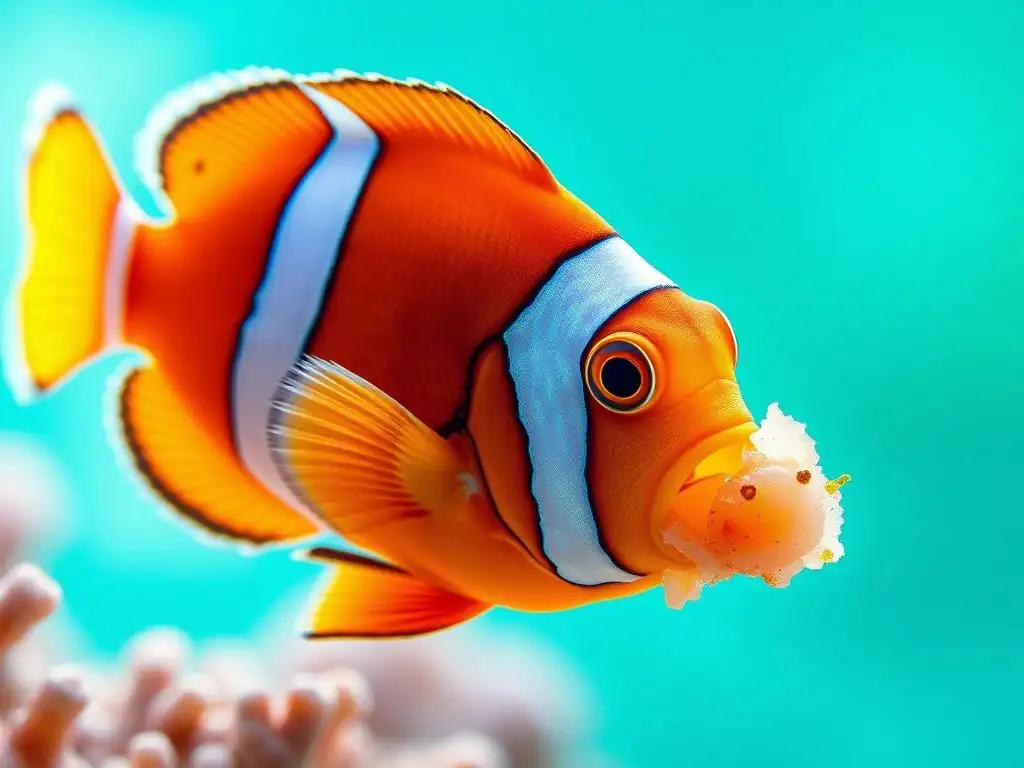
Soaking Foods in Vitamin Supplements
For finicky juvenile tangs or those showing signs of nutritional deficiencies, soaking foods in liquid vitamin supplements can be an advanced and highly effective feeding strategy. Products like Selcon, Vita-Chem, or other marine fish vitamin complexes are rich in essential fatty acids (especially Omega-3s) and fat-soluble vitamins (A, D, E) that might be lacking in a standard diet. Soaking dried foods like Nori, pellets, or even frozen foods for 10-15 minutes prior to feeding allows these vital nutrients to be absorbed directly into the food.
This method not only boosts the nutritional value of the meal but can also make the food more palatable, as some supplements contain appetite stimulants. For example, soaking food in a product like Selcon can increase its fatty acid content by 20-30%, directly benefiting a tang's skin, fin, and immune health. This targeted approach ensures that even small portions deliver a powerful nutritional punch, making it a valuable technique within a juvenile tang feeding guide for overcoming dietary challenges.
Garlic as an Appetite Enhancer
Garlic has long been recognized in the aquarium hobby as an effective appetite enhancer for finicky or stressed marine fish, including juvenile tangs. The compounds found in garlic, particularly allicin, are believed to stimulate the olfactory senses of fish, making otherwise unappealing foods more attractive. This can be particularly useful for new arrivals that are reluctant to eat or for tangs undergoing treatment that may have suppressed their appetite.
Garlic can be used in various forms: commercially available garlic extracts specifically formulated for aquariums, or by finely mincing a fresh garlic clove and soaking the food in its juice for 10-15 minutes before feeding. While it's not a nutritional supplement in itself, its role as a palatability booster is undeniable. Incorporating garlic into the juvenile tang feeding guide for a short period can help transition reluctant eaters onto a balanced diet, encouraging them to accept new and necessary food items.
Gradual Introduction of New Food Items
The gradual introduction of new food items is a patient yet highly effective advanced feeding strategy for finicky juvenile tangs. Marine fish, especially those newly acquired, can be hesitant to accept unfamiliar foods. Abruptly changing their diet or offering only novel items can lead to starvation if they refuse to eat. The key is to mix a small amount of the new food with a familiar, accepted food, slowly increasing the proportion of the new item over several days or even weeks.
For example, if a tang only eats Nori, try mixing a few flakes of spirulina pellet with the Nori. As the tang becomes accustomed to the new texture and taste, gradually increase the amount of the pellet while decreasing the Nori. This slow, consistent exposure allows the tang to adapt without feeling stressed or deprived. It can take several weeks for some finicky tangs to fully accept a new food type, but patience and persistence are crucial for broadening their diet and ensuring they receive comprehensive nutrition, a vital tip for any juvenile tang feeding guide.
Long-Term Dietary Considerations for Growing Tangs
Transitioning from Juvenile to Adult Diets
As juvenile tangs grow and mature, their dietary needs subtly shift, necessitating a gradual transition from a juvenile to an adult diet. While their herbivorous nature remains constant, the intensity of their growth rate diminishes, leading to a slight reduction in their protein requirements. Adult tangs still primarily graze on algae, but their overall caloric and nutrient demands stabilize compared to the rapid developmental phase of their youth. This transition typically involves reducing the frequency of feedings and slightly increasing the portion size of their staple algal foods.
For instance, where a juvenile tang might be fed 3-5 times a day with small, protein-supplemented meals, a maturing tang may only require 1-2 substantial feedings daily, predominantly consisting of marine algae. The emphasis remains on high-quality, varied plant matter, but the need for frequent, protein-rich supplements lessens. This careful adjustment ensures they continue to receive optimal nutrition without the risk of overfeeding or nutrient imbalances as they age, forming a natural progression within a comprehensive juvenile tang feeding guide.
Adapting Feeding Strategies as Tangs Mature
Adapting feeding strategies as tangs mature involves more than just reducing frequency; it requires observing their changing behaviors and physical needs. Larger, adult tangs will consume greater volumes of food in a single sitting, and their foraging patterns might become more consistent, often grazing heavily on available algae during the day. Monitoring their body condition is key: a healthy adult tang should maintain a full, rounded appearance without becoming overly plump or developing a pinched belly.
The variety of food offered should remain high, but the focus can shift slightly towards larger pieces of Nori or more substantial algae pellets, rather than the finely chopped or small flakes favored by juveniles. While occasional protein supplements are still beneficial for overall health, their role becomes less critical for rapid growth and more about maintaining condition.
Adapting the feeding strategy ensures that as tangs reach their full size, they continue to receive the precise nutrition required for long-term health, vibrant coloration, and a robust immune system, completing the full lifecycle aspect of a comprehensive juvenile tang feeding guide.
Conclusion: Promoting Healthy Growth and Development Through Proper Juvenile Tang Feeding
Frequently Asked Questions
What are the primary dietary needs of juvenile tangs?
Juvenile tangs require a diet rich in algae and plant matter, supplemented with some protein. This ensures healthy growth and prevents nutritional deficiencies.
How often should I feed my juvenile tangs?
Feed juvenile tangs multiple small meals throughout the day, typically 3-5 times. This mirrors their natural grazing behavior and supports constant energy levels for development.
What types of algae are best for juvenile tangs?
Good algae options include nori seaweed, spirulina flakes, and live algae grown in the aquarium. These provide essential vitamins and minerals for optimal health.
Are there any foods I should avoid feeding juvenile tangs?
Avoid foods that are primarily protein-based, as they can lead to digestive issues. Also, avoid overfeeding, as this can pollute the tank water.
How can I ensure my juvenile tangs are getting enough nutrition?
Observe your tangs for signs of healthy growth, such as vibrant color and active behavior. Regularly test your water parameters to ensure they are within optimal ranges for tang health.
Final Reflection: Nurturing the Future of the Reef
The journey of raising juvenile tangs, as explored in this guide, underscores the critical importance of informed and dedicated care in ensuring their healthy growth and development. The delicate balance of their dietary needs, so crucial in their early stages, directly impacts not only their survival but also their future contribution to the vibrant ecosystems they inhabit. Understanding and implementing the principles outlined here is more than just a hobby; it's a responsibility we undertake when choosing to bring these magnificent creatures into our care.
The impact of responsible aquarists extends far beyond the confines of a home aquarium. The commitment to providing optimal nutrition and care for juvenile tangs reflects a broader dedication to the health of our oceans and the preservation of biodiversity. As we learn more about their specific needs, we contribute to a growing body of knowledge that can inform conservation efforts and promote sustainable practices within the aquarium trade. We are tied to the ocean. And when we go back to the sea, whether it is to sail or to watch - we are going back from whence we came.
- John F. Kennedy. This quote reminds us of our intrinsic connection to the ocean and the importance of protecting its inhabitants.
As you embark on, or continue, your journey of caring for juvenile tangs, remember that your dedication makes a difference. Consider the knowledge you've gained here not just as a set of instructions, but as an invitation to become a steward of these incredible creatures. Let us all strive to be informed, responsible, and compassionate aquarists, ensuring that the future generations of tangs thrive, both in our care and in the wild.
Nurture Your Tangs: Spark Joy in Their Growth!
Thank you for diving into the world of juvenile tangs! We hope you've gained valuable insights into their unique dietary needs and how to support their healthy development. Now, let's put that knowledge into action!
- Commit to Variety: Introduce at least three new food sources this week to broaden your tang's nutritional intake. Consider nori seaweed, spirulina flakes, and finely chopped vegetables.
- Share Your Success: Post a picture or video of your thriving juvenile tang on social media using #AquariumMasteryTangs and inspire other aquarists.
- Explore Advanced Care: Dive deeper into reef tank ecosystems and species-specific care guides on Aquarium Mastery to continue expanding your expertise.
What specific new food source are you most excited to introduce to your juvenile tang?