
Klein's Butterflyfish (Chaetodon kleinii): A Hardier Beauty – But How Reef Safe Is It Really?

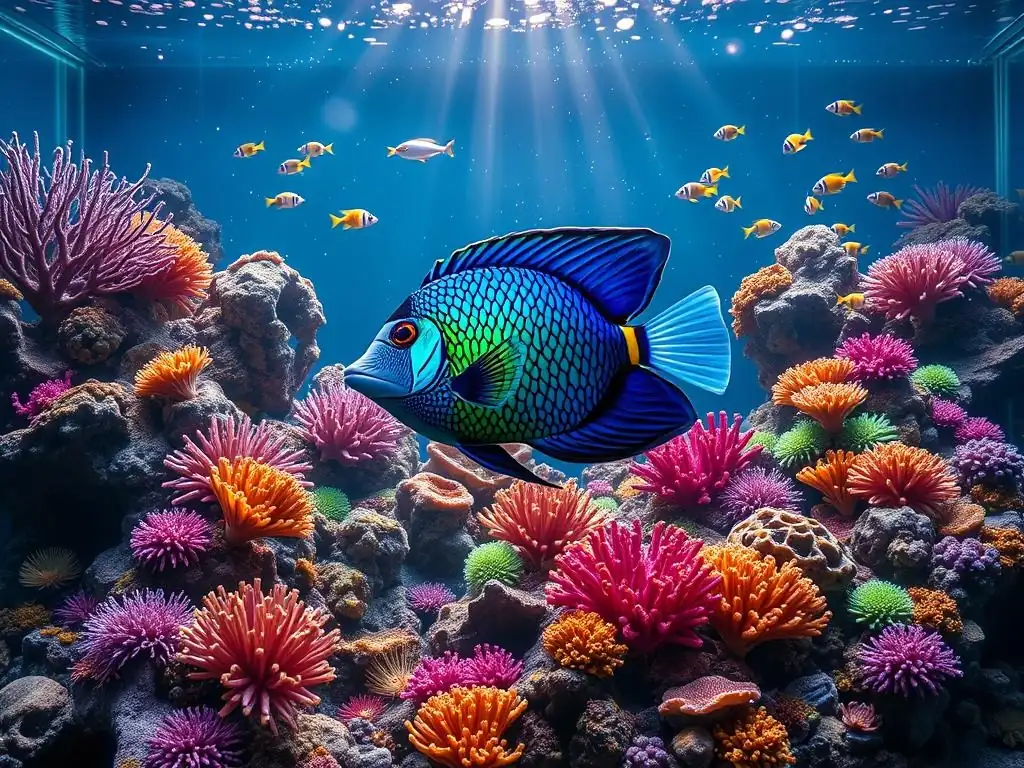
Welcome to Aquarium Mastery, where your underwater dreams take shape! Ever wondered if that stunning butterflyfish can truly coexist peacefully in your reef tank? Dive into our deep dive on Klein's Butterflyfish (Chaetodon kleinii) and discover the truth about reef safe butterflyfish care. Are they the hardy and beautiful addition you've been searching for, or a potential reef wrecker? Let's unravel the mysteries together!
- Klein's Butterflyfish (Chaetodon kleinii): A Hardy Beauty – But How Reef Safe Is It Really?
- Introduction to Klein's Butterflyfish: The Sunburst Butterflyfish
-
Frequently Asked Questions
- How reef safe are Klein's Butterflyfish (Chaetodon kleinii) really?
- What are the ideal water parameters for keeping Klein's Butterflyfish?
- What is the best diet for a Klein's Butterflyfish in a reef aquarium?
- What size aquarium is recommended for keeping a Klein's Butterflyfish?
- What are some common health issues that can affect Klein's Butterflyfish?
- Final Reflection: Navigating the Reef-Safe Spectrum
- Unleash the Beauty of Your Reef Tank!
Klein's Butterflyfish (Chaetodon kleinii): A Hardy Beauty – But How Reef Safe Is It Really?
Introduction to Klein's Butterflyfish: The Sunburst Butterflyfish
Overview of Chaetodon kleinii and its Appeal to Aquarists
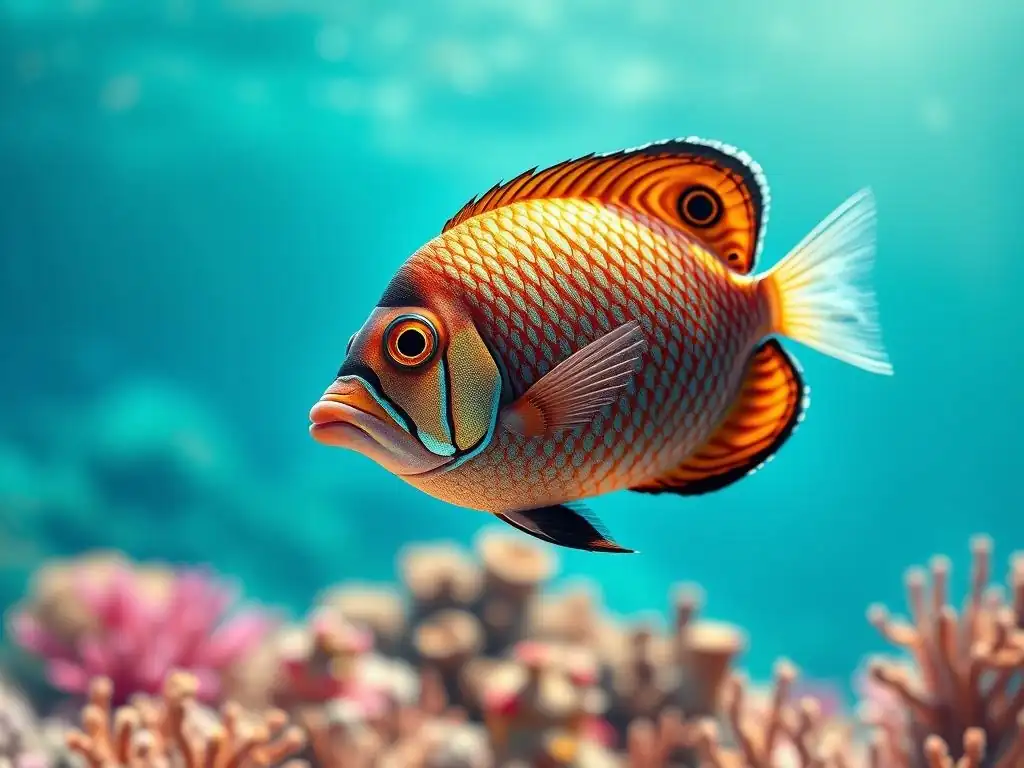
The Klein's Butterflyfish, scientifically known as Chaetodon kleinii, is a captivating marine fish that has gained considerable popularity among saltwater aquarists. Often referred to as the Sunburst Butterflyfish due to its vibrant coloration, this species is native to the Indo-Pacific region, inhabiting coral-rich areas from the Red Sea to the Hawaiian Islands. Its appeal lies not only in its striking appearance but also in its reputation for being one of the hardier butterflyfish species, making it a more accessible option for enthusiasts exploring reef safe butterflyfish care, a topic often fraught with challenges.
Unlike some of its more delicate cousins, Chaetodon kleinii tends to adapt more readily to aquarium life, showcasing a robust nature that can be reassuring for both novice and experienced hobbyists. While many butterflyfish are notoriously difficult to keep or are outright incompatible with coral reef environments, the Klein's Butterflyfish offers a glimmer of hope for those desiring a butterflyfish in their reef system.
Its general hardiness and willingness to accept prepared foods contribute significantly to its success rate in captivity, distinguishing it from many other Chaetodon species that often struggle to thrive outside their natural diet of live corals.
Distinguishing Features: Identifying the Klein's Butterflyfish
The Klein's Butterflyfish is readily identifiable by its distinctive body coloration and pattern. Its primary body color ranges from a vibrant yellow to a more subdued orange-yellow, often brighter towards the anterior and fading slightly towards the caudal fin. A prominent dark vertical band, typically brownish-black, runs through the eye, a common camouflage feature among many butterflyfish species. This band helps to obscure the eye, making it harder for predators to discern the fish's orientation.
Adding to its visual appeal, Chaetodon kleinii often displays a second, less defined, dark vertical band that extends from the dorsal fin, just behind the pectoral fin, down towards the belly. Some specimens may also exhibit a subtle white or light blue stripe along the base of the dorsal fin. Adults typically reach a size of about 5 inches (13 cm) in length, making them a moderately sized addition to a home aquarium. Their disc-shaped, laterally compressed bodies, characteristic of the Chaetodon genus, allow them to navigate tight spaces within rocky and coral structures.
Natural Habitat and Behavior of the Sunburst Butterflyfish
In its natural environment, Chaetodon kleinii is widely distributed across the Indo-Pacific, including regions like the Great Barrier Reef, the Philippines, and the waters around Japan. They are typically found in outer reef slopes and lagoons, preferring areas with abundant coral growth, often at depths ranging from 3 to 60 meters (approximately 10 to 200 feet). While they are frequently observed picking at various substrates, including algae and small invertebrates, their diet in the wild is known to include a significant portion of coral polyps, particularly those of soft corals and some stony corals.
Their behavior in the wild often involves solitary foraging, though they can also be found in pairs or small aggregations. They are active during the day, constantly exploring their environment for food.
This continuous grazing behavior is a key aspect of their natural life cycle and is what raises questions regarding their suitability for reef aquariums. While their resilience makes them a strong candidate for general saltwater aquariums, understanding their natural dietary preferences is paramount when considering reef safe butterflyfish care, as their instinctual feeding habits can pose a direct threat to the delicate coral inhabitants of a captive reef system.
Frequently Asked Questions
How reef safe are Klein's Butterflyfish (Chaetodon kleinii) really?
While often considered more reef safe than other butterflyfish, Klein's Butterflyfish can nip at some corals, especially soft corals and large polyp stony (LPS) corals. Individual behavior can vary greatly.
What are the ideal water parameters for keeping Klein's Butterflyfish?
Maintaining stable water parameters is crucial. Aim for a temperature of 72-78°F, a specific gravity of 1.023-1.025, and a pH of 8.1-8.4. Regular water changes are also essential.
What is the best diet for a Klein's Butterflyfish in a reef aquarium?
A varied diet is key to their health. Offer a mix of high-quality flake food, frozen mysis shrimp, and algae-based foods. Supplementing with live rock grazing opportunities is beneficial.
What size aquarium is recommended for keeping a Klein's Butterflyfish?
A minimum tank size of 75 gallons is recommended for a single Klein's Butterflyfish. This provides enough space for them to swim and forage, contributing to their overall well-being.
What are some common health issues that can affect Klein's Butterflyfish?
They can be susceptible to ich (white spot disease) and other parasitic infections. Proper quarantine procedures and maintaining excellent water quality are essential for prevention.
The exploration of Chaetodon kleinii, the Klein's Butterflyfish, reveals a nuanced reality: hardiness doesn't automatically equate to reef compatibility. While often touted as a "beginner" butterflyfish, its potential impact on a reef ecosystem demands careful consideration and responsible decision-making from aquarists. Understanding these complexities is crucial in preserving the delicate balance of our captive reefs.
This journey into the world of C. kleinii underscores the ongoing evolution of reefkeeping practices. It reminds us that responsible aquarists must continually re-evaluate assumptions and prioritize the well-being of the entire reef community. The allure of a beautiful fish should never overshadow the commitment to ethical and sustainable practices. The question is not, 'Can they reason?' nor, 'Can they talk?' but rather, 'Can they suffer?'
- Jeremy Bentham. This quote resonates deeply when considering the potential impact of our choices on the intricate web of life within a reef aquarium.
Ultimately, the decision of whether or not to introduce a Klein's Butterflyfish into a reef tank rests on your shoulders. Armed with knowledge, thoughtful observation, and a commitment to responsible care, you have the power to create a thriving ecosystem. Consider the information presented, reflect on your own capabilities and resources, and choose the path that best serves the health and longevity of your reef. Let's strive to be custodians of these miniature oceans, ensuring their beauty and biodiversity for generations to come.
Unleash the Beauty of Your Reef Tank!
Thanks for exploring the fascinating world of the Klein's Butterflyfish! You now have the knowledge to decide if this hardy beauty is right for your reef aquarium. Ready to take the next step?
Here are a few things you can do right now:
- Carefully assess your current reef tank inhabitants and their compatibility with a Klein's Butterflyfish. Remember, observation is key to a thriving ecosystem!
- Share this article with fellow reef enthusiasts and start a conversation about their experiences with butterflyfish.
- Dive deeper! Research responsible breeders or suppliers of Klein's Butterflyfish to ensure ethical sourcing.
What are your biggest concerns about introducing a Klein's Butterflyfish into your reef tank? Share your thoughts and questions in the comments below!