
Meyer's Butterflyfish (Chaetodon meyeri): The ExpertOnly Challenge of an Obligate Coral Eater

Welcome to Aquarium Mastery!
Intrigued by the vibrant beauty of the Meyer's Butterflyfish? Prepare for a deep dive! This stunning coral reef inhabitant presents a unique challenge for even the most experienced aquarists. Before you're captivated by its colors, discover the realities of Meyer's Butterflyfish care difficulty and whether you're truly ready to provide the specialized environment it demands. Ready to learn more and unlock the secrets to success (or perhaps, reconsider your options)? Let's explore!
- Understanding the Meyer's Butterflyfish: A Delicate Challenge for Advanced Aquarists
-
Frequently Asked Questions
- What makes the Meyer's Butterflyfish a difficult fish to keep in an aquarium?
- What specific types of coral do Meyer's Butterflyfish typically consume?
- Can Meyer's Butterflyfish be kept in a reef tank with other types of corals besides Acropora?
- What are some alternative food options that aquarists have tried to feed Meyer's Butterflyfish?
- Is it ethical to keep Meyer's Butterflyfish given their high care difficulty and low survival rates in aquariums?
- Final Reflection: The Delicate Dance of Expertise
- Unleash Your Reef Expertise!
Understanding the Meyer's Butterflyfish: A Delicate Challenge for Advanced Aquarists
Meyer's Butterflyfish: An Introduction to its Unique Needs
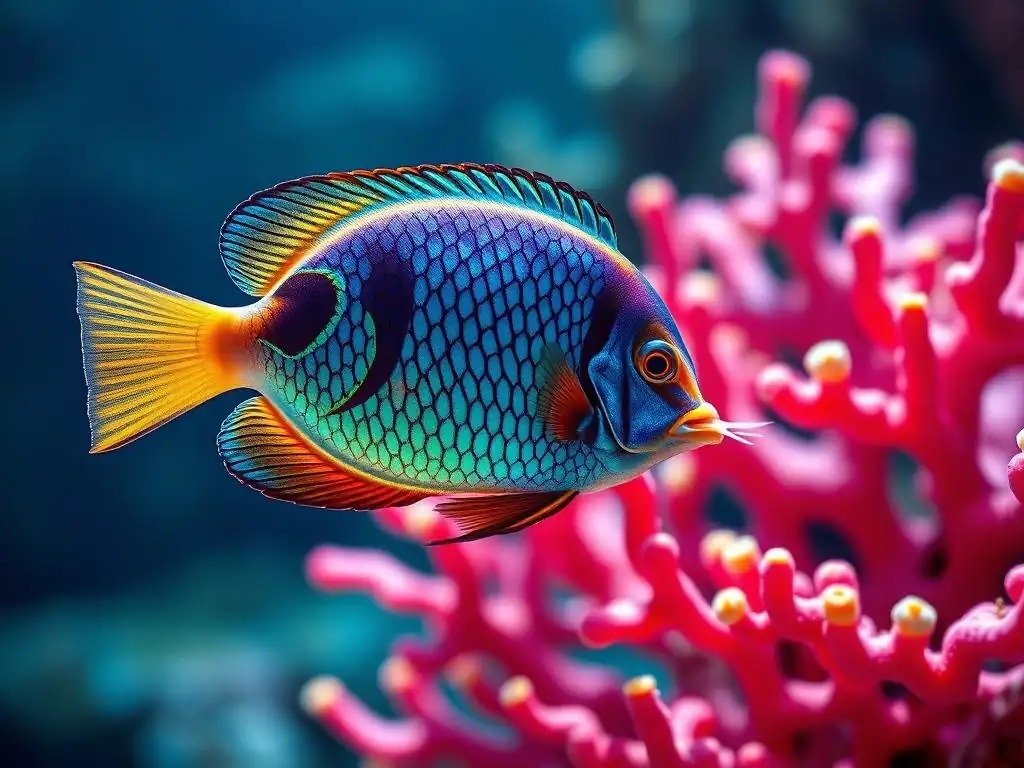
The Meyer's Butterflyfish, scientifically known as Chaetodon meyeri, is a visually stunning marine fish renowned for its intricate patterns of dark bands on a white or light yellow body, often accented with vibrant blue or yellow finnage. Hailing from the Indo-Pacific region, particularly thriving in coral-rich environments across the Great Barrier Reef and the Red Sea, this species captures the attention of aquarists with its elegant swimming and striking appearance. However, beneath its captivating beauty lies a complex set of requirements that elevate its care to an advanced level, making it a fish exclusively for experienced saltwater enthusiasts.
Its unique needs stem primarily from its natural diet and habitat. Unlike many omnivorous or planktivorous aquarium fish, the Meyer's Butterflyfish is an obligate corallivore, meaning its diet in the wild consists almost entirely of live coral polyps. This specialized feeding habit presents the most significant hurdle for successful long-term husbandry in captivity, demanding a constant and varied supply of appropriate coral matter. Furthermore, their inherent sensitivity to environmental fluctuations and stress necessitates pristine water conditions and a meticulously planned aquarium setup, distinguishing them from more robust marine species.
Why Meyer's Butterflyfish Care Difficulty is Classified as Expert
The classification of Meyer's Butterflyfish care difficulty as "expert" is not merely a recommendation but a critical assessment based on several demanding factors. Foremost among these is their highly specialized diet; they are one of the few butterflyfish species that truly subsist on live coral polyps. Replicating this in a home aquarium is extraordinarily challenging, often leading to rapid decline and starvation if not managed perfectly. Anecdotal evidence suggests that fewer than 10% of attempts to keep this species long-term in non-specialized home aquariums are successful, with many specimens succumbing within weeks or months due to dietary deficiencies.
Beyond their dietary inflexibility, Chaetodon meyeri exhibits extreme sensitivity to water quality and environmental stability. Fluctuations in parameters such as salinity, temperature, or pH can quickly induce stress, leading to compromised immune systems and susceptibility to common marine diseases like marine ich ( Cryptocaryon irritans).
They require a mature, stable system, ideally with a minimum of 180 gallons to accommodate their swimming needs and provide ample space for a complex coral environment, which further underscores the Meyer's Butterflyfish care difficulty. Their shy and often timid nature also means they can be easily outcompeted for food or stressed by aggressive tank mates, demanding careful consideration of their social environment.
Frequently Asked Questions
What makes the Meyer's Butterflyfish a difficult fish to keep in an aquarium?
The Meyer's Butterflyfish is considered difficult due to its obligate coral-eating nature. It has very specific dietary requirements, making it challenging to provide a suitable food source in a closed aquarium environment, often leading to starvation and disease.
What specific types of coral do Meyer's Butterflyfish typically consume?
Meyer's Butterflyfish primarily feed on Acropora corals in the wild. Replicating this diet in an aquarium is extremely difficult as they may not accept substitute foods, leading to nutritional deficiencies.
Can Meyer's Butterflyfish be kept in a reef tank with other types of corals besides Acropora?
While they may tolerate other corals initially, Meyer's Butterflyfish are highly likely to eventually nip at and consume other coral species. Therefore, keeping them in a mixed reef tank is generally not recommended.
What are some alternative food options that aquarists have tried to feed Meyer's Butterflyfish?
Some aquarists have attempted to feed them frozen coral substitutes, clam meat, and specialized butterflyfish foods. However, acceptance rates are low, and these alternatives may not provide the necessary nutrients for long-term survival.
Is it ethical to keep Meyer's Butterflyfish given their high care difficulty and low survival rates in aquariums?
The ethics of keeping Meyer's Butterflyfish are debated due to their high mortality rates in captivity. AquariumMastery.com suggests only experienced aquarists with proven success in keeping similar difficult species should attempt to keep them, prioritizing the fish's welfare.
Final Reflection: The Delicate Dance of Expertise
The intricate demands of keeping Meyer's Butterflyfish highlight the critical responsibility aquarists bear when choosing to introduce such specialized creatures into their care. Understanding the nuances of their obligate coral-eating habits isn't merely academic; it's a fundamental prerequisite for ensuring their survival and well-being in a captive environment. The challenges presented underscore the importance of informed decision-making and a commitment to providing species-appropriate care.
The ongoing struggle to successfully maintain Meyer's Butterflyfish in aquariums serves as a poignant reminder of the delicate balance within coral reef ecosystems and the potential consequences of disrupting that balance, even on a small scale. The allure of their beauty must be tempered with a deep understanding of their needs. In the end, we will conserve only what we love; we will love only what we understand; and we will understand only what we are taught.
- Baba Dioum. This quote encapsulates the journey of responsible aquarists, urging us to learn, understand, and ultimately, protect.
Now, consider the lessons learned from the Meyer's Butterflyfish. Are you prepared to delve into the specific needs of the creatures you choose to keep? Let this article serve as a catalyst for deeper research, more responsible choices, and a renewed commitment to the ethical care of all aquatic life. The future of these magnificent creatures, and indeed, the health of our oceans, depends on our collective dedication to informed and compassionate stewardship.
Unleash Your Reef Expertise!
Thank you for diving deep into the fascinating world of the Meyer's Butterflyfish! We hope this article has provided valuable insights into the unique challenges and rewards of caring for this expert-only species. Now, let's turn knowledge into action:
- Commit to further research: Thoroughly investigate sustainable sourcing and specialized care requirements before considering this fish. This is your primary and most important action.
- Explore alternative butterflyfish: Discover and appreciate the beauty of butterflyfish species better suited for beginner or intermediate reef keepers.
- Share your passion: Educate fellow aquarists about the specific needs of obligate coralivores and promote responsible reef keeping practices.
What specific steps will you take to ensure the well-being of coral reef ecosystems, regardless of the fish you choose to keep?