
Why Is My Moray Eel Not Eating? Troubleshooting Common Feeding Issues

Welcome to Aquarium Mastery!
Is your moray eel stubbornly refusing to eat? Don't panic! Understanding why these fascinating creatures sometimes go off their food is key to their well-being. We're diving deep into the reasons behind feeding refusals in moray eels, offering practical troubleshooting tips to help you get your finned friend back on track. Curious to uncover the secrets to a healthy and hungry eel? Let's explore!
- Understanding Moray Eel Feeding Habits: An Aquarium Mastery Guide
- Identifying a Healthy Appetite in Moray Eels
- Why Your Moray Eel Won't Eat: Common Causes and Solutions
- Troubleshooting a Moray Eel's Refusal to Eat: A Step-by-Step Approach
- Stimulating Appetite in a Picky Moray Eel
- When to Seek Professional Help: Consulting a Veterinarian
- Preventing Feeding Problems in Moray Eels: Proactive Measures
- Conclusion: Ensuring a Healthy and Well-Fed Moray Eel in Your Aquarium
-
Frequently Asked Questions
- Why is my moray eel suddenly refusing to eat?
- What are the most common food preferences for moray eels in aquariums?
- How often should I be feeding my moray eel?
- What signs should I look for that indicate my moray eel is sick and not eating because of it?
- What should I do if my moray eel is a newly acquired specimen and refuses to eat?
- Final Reflection: Unlocking the Secrets of Moray Eel Appetites
- Unleash Your Eel Expertise!
Understanding Moray Eel Feeding Habits: An Aquarium Mastery Guide
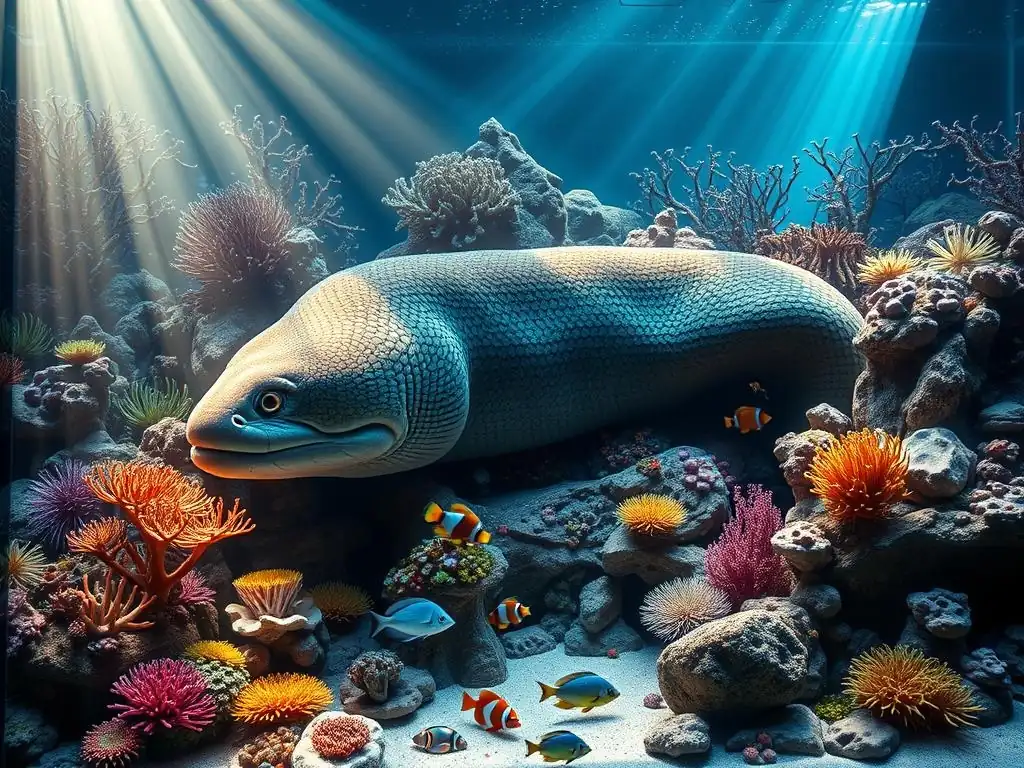
Moray eels are fascinating and often reclusive predators that can make captivating additions to a well-maintained saltwater aquarium. Their feeding habits are intrinsically linked to their predatory nature, as they are primarily nocturnal or crepuscular hunters in the wild, using their keen sense of smell to locate prey hidden in crevices. In an aquarium setting, understanding these inherent behaviors is crucial for ensuring their well-being and identifying potential issues, particularly when a moray eel won't eat.
For aquarists, observing a moray eel's feeding behavior provides significant insight into its overall health. A healthy moray eel typically exhibits a strong feeding response, emerging from its lair with purpose when food is offered. Conversely, a moray eel not eating, or showing a lack of interest in food, is often the first and most prominent sign that something is amiss, signaling the need for immediate investigation to prevent further health decline.
Identifying a Healthy Appetite in Moray Eels
Recognizing Signs of a Healthy, Feeding Moray Eel
A healthy moray eel exhibits distinct behaviors that indicate a robust appetite and overall well-being. When food is introduced into the aquarium, a well-adjusted eel will often emerge quickly from its rockwork or hiding spot, displaying an alert and eager demeanor. For instance, a Snowflake Moray ( Echidna nebulosa) might actively search the water column for scents, while a Green Moray ( Gymnothorax funebris) may rapidly strike at offered food with precision. These eels typically consume their meals fully, without hesitation or spitting out food.
Beyond just consuming food, other indicators of a healthy, feeding moray include clear, bright eyes, vibrant coloration consistent with its species, and active exploration of its environment when not resting. A moray eel that is regularly fed and thriving will also maintain good body mass, appearing plump but not bloated, without any visible signs of emaciation or sunken areas behind the eyes. Consistent and enthusiastic feeding is a cornerstone of moray eel health.
Typical Moray Eel Diet in the Aquarium
In their natural habitats, moray eels are opportunistic carnivores, preying on a diverse range of marine life including small fish, crustaceans like crabs and shrimp, and cephalopods such as squid and octopus. Replicating this varied diet in the aquarium is paramount to their long-term health and to prevent issues like a moray eel won't eat due to nutritional deficiencies. Frozen, high-quality seafood is the staple for aquarium morays.
Recommended food items include silversides, lancefish, marine shrimp, squid, and pieces of clam or scallop. It is vital to offer a variety of these items to ensure a complete nutritional profile. While some aquarists might occasionally offer small, gut-loaded live feeder fish as a treat or to stimulate a feeding response in a moray eel that is not eating, this should be done sparingly due to the risk of introducing disease and the potential for nutritional imbalance if not gut-loaded properly.
Why Your Moray Eel Won't Eat: Common Causes and Solutions
Stress and Acclimation: The Initial Refusal to Feed
Newly Acquired Moray Eels: Adjusting to a New Environment
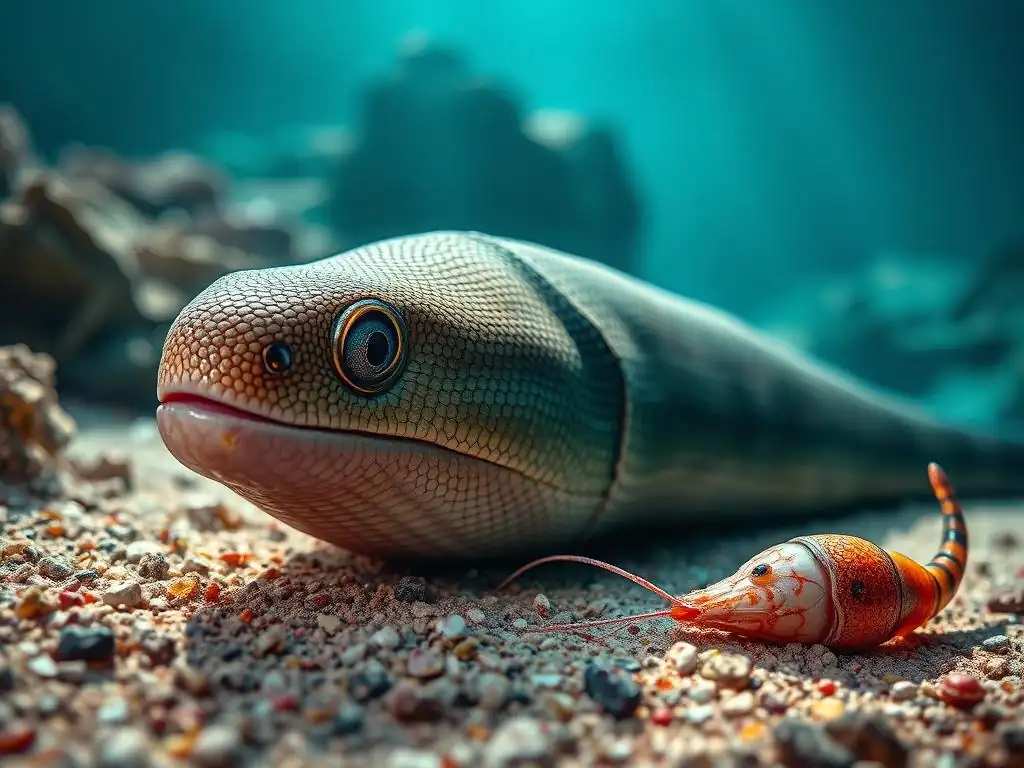
One of the most frequent reasons a newly acquired moray eel won't eat is stress related to acclimation. The process of capture, shipping, and introduction to a new aquarium environment can be incredibly traumatic for these sensitive creatures. Changes in water parameters, lighting, tank mates, and even the absence of familiar hiding spots can overwhelm an eel, leading to a temporary shutdown of its feeding instinct. This initial refusal to feed can last anywhere from a few days to several weeks, depending on the individual eel and the severity of the stress.
During this period, the moray eel might hide constantly, appear lethargic, or exhibit muted colors, signaling its discomfort. It's not uncommon for a new moray eel to completely ignore food offerings for the first week or two as it attempts to adjust to its surroundings. Patience and minimizing disturbances are key during this critical phase, as pushing the eel too hard can exacerbate its stress and prolong its recovery.
Mitigating Stress During Acclimation for Optimal Feeding
To minimize stress and encourage a moray eel to eat, proper acclimation techniques are essential. Drip acclimation over an hour or more helps gradually equalize water parameters between the transport bag and the aquarium. Once introduced, keep the aquarium lights off for the first 24-48 hours to provide a sense of security. Ensure there are ample, secure hiding places, such as PVC pipes or stable rock caves, available immediately upon introduction.
Avoid adding new tank mates or making significant changes to the tank setup during the initial acclimation period. Maintain stable and optimal water parameters from day one, performing regular checks to ensure consistency. A calm, undisturbed environment will significantly reduce stress levels, prompting the moray eel to feel secure enough to emerge and eventually accept food.
Water Quality Issues Affecting Moray Eel Appetite
Ammonia, Nitrite, and Nitrate Levels: A Silent Threat
Poor water quality is a leading cause of stress and illness in marine fish, and it is a very common reason why a moray eel won't eat. Elevated levels of ammonia and nitrite, even in small concentrations (anything above 0 ppm), are highly toxic and can cause gill damage, internal organ failure, and severe stress, leading to a complete loss of appetite. These compounds are byproducts of the nitrogen cycle and indicate an immature or struggling biological filtration system.
While nitrates are less acutely toxic than ammonia and nitrite, chronically high levels (e.g., above 40-50 ppm for sensitive species) can still contribute to overall stress, weaken the immune system, and make a moray eel not eating. Eels, like many predatory fish, produce a significant bio-load, making robust filtration and diligent water quality management critical to their health and feeding behavior.
Maintaining Optimal Water Parameters for Moray Eel Health and Feeding
To ensure your moray eel thrives and maintains a healthy appetite, consistent monitoring and maintenance of water parameters are paramount. Ideal parameters for most moray eels include: ammonia 0 ppm, nitrite 0 ppm, nitrate below 20 ppm (preferably closer to 0-10 ppm), specific gravity 1.023-1.026, pH 8.0-8.4, and temperature between 75-82°F (24-28°C). Regular testing using reliable test kits (e.g., weekly or bi-weekly) is non-negotiable.
Consistent partial water changes, typically 10-20% bi-weekly, help dilute nitrates and replenish essential trace elements. A robust filtration system, including a high-quality protein skimmer, ample live rock, and potentially a refugium, is crucial for processing waste and maintaining stable conditions. A stable, pristine environment significantly reduces the likelihood of a moray eel not eating due to environmental stress.
Incorrect Diet and Feeding Practices
Offering Inappropriate Food Sizes or Types
Even if water quality is perfect, a moray eel won't eat if the food offered is unsuitable. Moray eels have specific mouth structures and feeding mechanisms tailored to their natural prey. Food items that are too large might be ignored or attempted and then spit out, while pieces that are too small might not trigger their predatory response or provide sufficient caloric intake. For instance, a small snowflake moray might struggle with a whole large silverside, whereas a larger tessellate moray would devour it easily.
Furthermore, the type of food matters immensely. Moray eels are carnivores; they require a diet rich in protein and fats derived from marine sources. Offering freshwater foods, processed foods not intended for marine carnivores, or stale/freezer-burned items can lead to a moray eel not eating, or nutritional deficiencies even if some food is consumed. Variety is key to providing a balanced diet and maintaining interest.
Moray Eel Food Preferences: What They Like to Eat
Understanding the specific food preferences of your moray eel species can significantly help when a moray eel won't eat. While many morays are generalist predators, some lean towards specific diets. For example, species like the Snowflake Moray ( Echidna nebulosa) and Chain Moray ( Echidna catenata) often show a strong preference for crustaceans, eagerly accepting shrimp and crab meat. In contrast, larger species like the Green Moray ( Gymnothorax funebris) or Tessellate Moray ( Gymnothorax favagineus) are primarily piscivorous, preferring whole fish like silversides or lancefish.
Always offer high-quality, fresh or properly frozen and thawed marine-based foods. Good choices include:
- Fish: Silversides, lancefish, occasional pieces of thawed salmon or cod (ensure no additives).
- Crustaceans: Mysis shrimp, krill, raw cocktail shrimp, small pieces of crab.
- Cephalopods: Squid, octopus.
- Other: Clam, scallop.
Rotate these items to provide a comprehensive nutritional profile and keep the moray eel interested in its meals.
Inconsistent Feeding Schedules Leading to Appetite Loss
Moray eels, like many aquarium inhabitants, can benefit from a consistent feeding schedule. Irregular feeding times or frequencies can create uncertainty and stress, potentially leading to a moray eel not eating when food is finally offered. They learn to associate certain times or cues (like the aquarist approaching the tank) with feeding, and disrupting this routine can disrupt their natural feeding rhythm.
Adult moray eels typically do not need to be fed daily; 2-3 times a week is often sufficient, depending on the species and size. Juveniles may require more frequent feedings. Overfeeding can also lead to appetite loss, as the eel may simply be satiated, or it can degrade water quality, which then indirectly causes the moray eel won't eat. Establishing and sticking to a routine helps maintain a healthy appetite and ensures the eel receives adequate nutrition without fouling the tank.
Illness and Parasites: Underlying Health Problems
Recognizing Symptoms of Illness in Moray Eels
When a moray eel won't eat, especially after a period of normal feeding, illness or parasitic infection should be high on the list of suspects. Beyond appetite loss, sick moray eels may exhibit a range of other symptoms. These can include:
- Lethargy or unusual hiding: Spending excessive time hidden or remaining motionless, even when usually active.
- Abnormal breathing: Rapid gill movements or labored breathing.
- Skin issues: Visible lesions, sores, white spots (ich), velvet-like coating, excessive mucus production, or frayed fins.
- Eye problems: Cloudy eyes, bulging eyes, or general dullness.
- Weight loss: Visible thinning of the body, especially behind the head, despite previous adequate feeding.
Any combination of these symptoms with a moray eel not eating warrants immediate attention and potential quarantine.
Common Parasites Affecting Moray Eel Feeding
Parasitic infections are a significant concern for marine fish and can directly impact a moray eel's willingness to eat. External parasites, such as marine ich ( Cryptocaryon irritans) or marine velvet ( Amyloodinium ocellatum), irritate the eel's skin and gills, causing discomfort and stress that can lead to appetite suppression. The eel might flash against decor or exhibit rapid breathing.
Internal parasites, though less visible, can also cause a moray eel won't eat, or lead to weight loss even if the eel is still consuming some food. Worms like nematodes can interfere with nutrient absorption and cause internal damage. Always quarantine new fish to prevent introducing parasites into your main display tank. If a parasitic infection is suspected, appropriate treatment in a hospital tank is often necessary to restore the eel's health and appetite.
Competition and Bullying from Tank Mates
Assessing Tank Mate Compatibility for Moray Eels
Moray eels, despite their formidable appearance, can be surprisingly shy, especially when newly introduced or when they feel threatened. Aggressive or overly boisterous tank mates can cause significant stress, leading to a moray eel won't eat. Fish that are excessively dominant, nip at the eel, or constantly harass it can make the eel retreat into hiding and refuse to emerge for food. This is particularly true during feeding times when more agile or aggressive fish can quickly snatch food before the eel gets a chance.
Even peaceful, fast-swimming fish can unintentionally outcompete a moray eel for food, especially if the eel is slow to emerge from its lair. When selecting tank mates, consider species that are too large to be considered prey by the moray eel but are also not aggressive towards it. Larger tangs, puffers, or certain angelfish can sometimes coexist peacefully, but individual temperaments vary greatly.
Reducing Competition for Food in the Aquarium
If competition for food is suspected as the reason a moray eel won't eat, several strategies can be employed. Target feeding is often the most effective method: use long tongs or a feeding stick to offer food directly to the moray eel's hiding spot or when it emerges. This ensures the eel gets its share without being outcompeted by faster tank mates.
Consider feeding the moray eel after the main tank lights have been off for a while, as they are more crepuscular/nocturnal and may feel more secure feeding in lower light conditions. You can also feed other tank mates on one side of the tank to distract them while you offer food to the eel on the other side. Ensuring the moray has multiple, secure hiding spots where it feels completely safe is also crucial.
Tank Size and Environment Issues
Insufficient Tank Space for a Moray Eel
The size of the aquarium is a critical factor for the long-term health and feeding behavior of a moray eel. Many moray species grow significantly larger than commonly perceived, and an undersized tank can lead to chronic stress, stunted growth, and a moray eel won't eat. For example, a Snowflake Moray ( Echidna nebulosa), which reaches 24-30 inches, requires a minimum of a 50-75 gallon tank, while a Tessellate Moray ( Gymnothorax favagineus), capable of exceeding 6 feet in length, demands hundreds of gallons (e.g., 200-300+ gallons) to thrive.
Inadequate tank space restricts movement, prevents the eel from establishing a comfortable territory, and can lead to constant stress, which directly impacts its appetite and immune system. A moray eel that is cramped may also attempt to escape the tank, injure itself, or become lethargic and refuse food. Planning for the adult size of the chosen species is essential from the outset.
Providing Adequate Hiding Places and Enrichment
Moray eels are inherently secretive and require ample hiding places to feel secure in an aquarium. Without sufficient rockwork, caves, or PVC pipes that mimic natural crevices, a moray eel will be under constant stress, leading to a moray eel won't eat. They need dark, confined spaces where they can retreat and feel protected from perceived threats, including bright lighting or active tank mates.
Enrichment also plays a role in a moray eel's well-being and appetite. While not complex, enrichment can involve varying the location food is offered slightly, or providing a varied tank landscape that allows for exploration. A well-structured environment with plenty of secure retreats encourages the eel to feel safe enough to emerge and feed, promoting natural behaviors and a healthy appetite.
Troubleshooting a Moray Eel's Refusal to Eat: A Step-by-Step Approach
Step 1: Check Water Parameters and Correct Any Imbalances
When your moray eel won't eat, the very first step is to thoroughly test your aquarium water parameters. Use reliable test kits to check for ammonia, nitrite, nitrate, pH, salinity, and temperature. Any deviation from optimal levels can cause significant stress and suppress appetite. For instance, even 0.25 ppm of ammonia can be highly irritating and toxic to marine fish.
If any parameters are off, perform a partial water change (e.g., 10-20%) immediately using properly mixed and temperature-matched saltwater. Re-test after a few hours to confirm the improvement. Consistent water quality is fundamental to a moray eel's health and willingness to feed.
Step 2: Evaluate Diet and Offer a Variety of Food
Next, assess the food you're offering. Is it fresh? Properly thawed? Is the size appropriate for your eel? If your moray eel won't eat, try offering different types of food. For example, if you typically feed silversides, try squid or marine shrimp. Some eels are simply picky eaters or have specific preferences.
Consider soaking the food in a garlic supplement (like Seachem GarlicGuard) to enhance its palatability, which can often entice a reluctant eater. Offer food at different times of the day, perhaps later in the evening when the eel might feel more secure. Be patient and don't force-feed, as this can cause more stress.
Step 3: Observe for Signs of Illness or Parasites
Carefully observe your moray eel for any physical symptoms of illness or parasitic infection. Look for white spots, cloudy eyes, skin lesions, frayed fins, or unusual swimming patterns. Pay close attention to its breathing – rapid or labored respiration can indicate gill issues or internal problems.
If you identify any symptoms, research potential diseases and their treatments. It may be necessary to move the moray eel to a hospital tank for observation and treatment, especially if you suspect contagious parasites like marine ich. Early detection and intervention are crucial for recovery.
Step 4: Review Tank Mate Interactions and Reduce Competition
Observe how your moray eel interacts with its tank mates, especially during feeding times. Are other fish being aggressive or consistently snatching food before the eel has a chance? Even subtle bullying can cause significant stress, leading to a moray eel won't eat.
If competition is an issue, implement target feeding using tongs to ensure the moray receives its food directly. Consider feeding other tank mates on one side of the tank while you feed the eel on the opposite side. In severe cases, rehoming overly aggressive tank mates might be necessary to reduce stress.
Step 5: Assess Tank Size and Environmental Appropriateness
Finally, re-evaluate your aquarium setup. Is the tank large enough for your moray eel's adult size? Does it provide sufficient hiding places and secure retreats? A cramped or exposed environment can lead to chronic stress, making a moray eel not eating.
If the tank is too small, begin planning for an upgrade. Add more rockwork, caves, or appropriately sized PVC pipes to provide additional secure hiding spots. A feeling of security is paramount for a moray eel to feel comfortable enough to emerge and feed regularly.
Stimulating Appetite in a Picky Moray Eel
Offering Live Food Options to Trigger Feeding
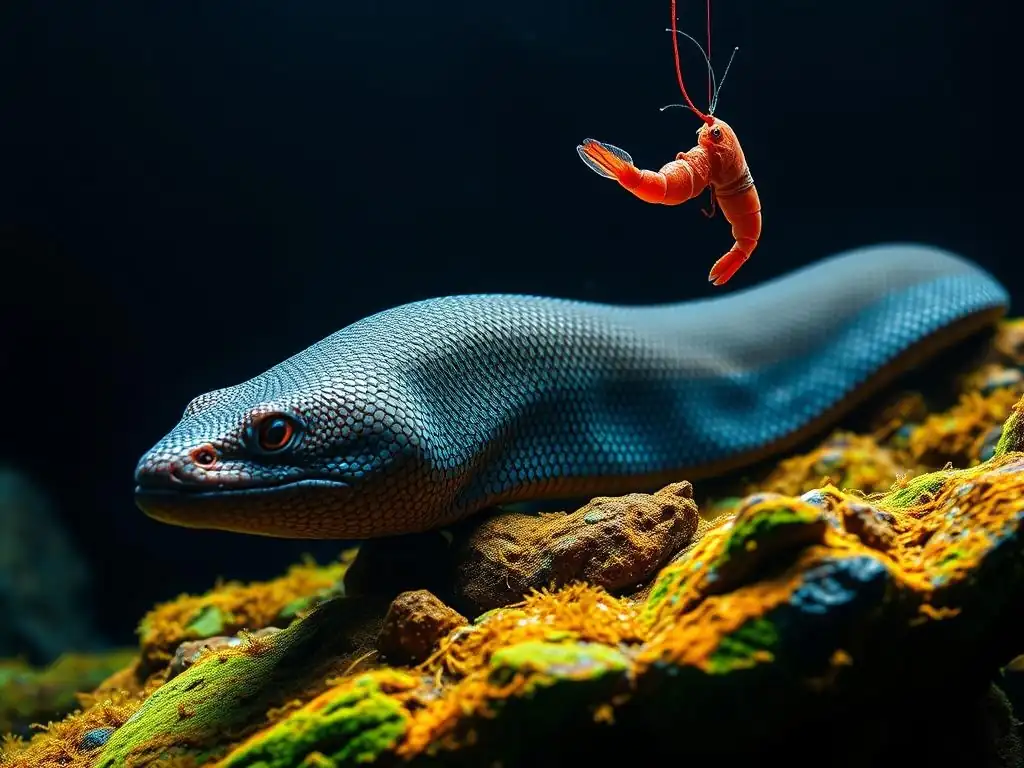
For a moray eel that stubbornly won't eat its usual frozen fare, offering live food can sometimes trigger its natural predatory instincts. Live ghost shrimp or small, gut-loaded marine feeder fish (such as mollies or guppies that have been acclimated to saltwater and fed a nutritious diet for several days) can be highly enticing. The movement of live prey often stimulates a feeding response that frozen foods cannot replicate.
However, offering live food should be a temporary measure and used with caution. Live feeder fish can carry diseases and are often nutritionally deficient if not properly gut-loaded, potentially leading to long-term health issues if relied upon. The goal should always be to transition the moray eel back to a varied diet of high-quality frozen foods once its appetite has been re-established.
Using Garlic Supplements to Enhance Food Palatability
Many aquarists have found success in stimulating appetite by soaking frozen foods in garlic supplements specifically designed for aquarium use, such as Seachem GarlicGuard or similar products. Garlic is believed to enhance the palatability and aroma of food, making it more appealing to finicky eaters. Some believe it may also have immune-boosting properties.
To use, simply thaw the chosen food item and then soak it in a small amount of the garlic supplement for 10-15 minutes before offering it to your moray eel. This method can be particularly effective for a moray eel won't eat due to pickiness or a temporary loss of interest in its regular diet. It's a safe and easy way to encourage a reluctant feeder without resorting to live food.
Target Feeding Techniques for Shy Moray Eels
Shy or reclusive moray eels may struggle to get enough food, especially in a community tank with faster, more aggressive tank mates. Target feeding is a highly effective technique to ensure your moray eel receives its share. This involves using long feeding tongs or a feeding stick to deliver food directly to the eel's hiding spot or when it cautiously emerges.
Approach the tank slowly and offer the food gently, without sudden movements that might startle the eel. Be patient; it might take several attempts for the eel to accept the food directly from the tongs. Consistent target feeding not only ensures the eel gets fed but can also help build trust, making the moray eel more comfortable feeding in your presence over time.
When to Seek Professional Help: Consulting a Veterinarian
Recognizing When Veterinary Intervention Is Necessary
While many feeding issues can be resolved with diligent home care and troubleshooting, there are instances when a moray eel won't eat that necessitate professional veterinary intervention. If your moray eel has refused food for an extended period (e.g., more than 2-3 weeks for an adult, or several days for a juvenile), or if appetite loss is accompanied by severe symptoms such as rapid weight loss, severe lesions, extreme lethargy, or labored breathing, it's time to consult an aquatic veterinarian.
Veterinary help is also crucial if you've exhausted all common troubleshooting steps (water quality, diet, environment, tank mates) without success, or if you suspect a specific disease that requires prescription medication or advanced diagnostic tests not available to the average aquarist. Prompt professional care can be the difference between recovery and significant health decline for your moray eel.
Preparing for a Veterinary Consultation Regarding Moray Eel Feeding Problems
To make a veterinary consultation as effective as possible when your moray eel won't eat, come prepared with detailed information. Document everything you've observed:
- Duration of appetite loss: When did the eel stop eating, and how long has it been?
- Foods offered: What types of food have you tried, and in what quantity?
- Water parameters: Provide exact readings for ammonia, nitrite, nitrate, pH, salinity, and temperature, along with the dates they were taken.
- Tank setup: Describe your tank size, filtration, and decoration (e.g., hiding spots).
- Tank mates: List all other inhabitants and describe their interactions with the eel.
- Other symptoms: Any other changes in behavior, physical appearance, or activity levels.
This comprehensive history will significantly aid the veterinarian in diagnosing the problem and recommending the most appropriate course of action for your moray eel's feeding issues.
Preventing Feeding Problems in Moray Eels: Proactive Measures
Establishing a Consistent Feeding Routine
One of the most effective proactive measures to prevent a moray eel won't eat is establishing and adhering to a consistent feeding routine. Moray eels thrive on predictability. Feeding them at the same time and frequency (e.g., every other day in the evening) helps them anticipate meals, reduces stress, and promotes a healthy appetite. This routine also allows you to closely monitor their intake and quickly notice any deviations.
Avoid overfeeding, which can not only lead to refusal to eat due to satiation but also rapidly degrade water quality, creating a host of other health problems. A regular schedule, coupled with appropriate portion sizes, ensures your moray eel receives adequate nutrition without unnecessary stress or environmental impact.
Maintaining Optimal Water Quality Long-Term
Long-term maintenance of pristine water quality is absolutely critical for preventing any health issues, including a moray eel not eating. This goes beyond just regular testing; it involves a robust filtration system, consistent water changes, and careful management of bio-load. A high-quality protein skimmer, ample live rock, and potentially a refugium are invaluable for maintaining stability.
Perform routine partial water changes (e.g., 10-20% bi-weekly) to replenish trace elements and export nitrates. Regularly check and calibrate your salinity and temperature probes. A stable, clean environment minimizes stress on your moray eel, strengthens its immune system, and ensures it remains healthy and eager to feed for years to come.
Regularly Observing Your Moray Eel's Behavior and Appetite
Proactive observation is your best tool for preventing major health crises. Make it a habit to spend a few minutes each day observing your moray eel's general behavior, activity levels, and physical appearance. Look for subtle changes in its routine, how quickly it emerges, or its interest in food.
Pay close attention during feeding times to how eagerly your moray eel consumes its food. A slight decrease in enthusiasm or a tendency to spit out food might be the earliest indicator that something is amiss, allowing you to address potential issues like a moray eel won't eat before they escalate into serious health problems. Early detection is key to successful intervention.
Conclusion: Ensuring a Healthy and Well-Fed Moray Eel in Your Aquarium
Ensuring your moray eel maintains a healthy appetite is central to its well-being and longevity in your aquarium. While a moray eel won't eat can be a concerning sign, understanding the common underlying causes—from stress and poor water quality to incorrect diet and illness—empowers aquarists to take effective action. Proactive measures, such as establishing consistent feeding routines, diligently maintaining optimal water parameters, and providing an appropriate, secure environment, are the best defense against feeding problems.
By recognizing the signs of a healthy appetite, carefully troubleshooting when a moray eel is not eating, and knowing when to seek professional veterinary assistance, you can provide the best possible care for these unique and predatory marine inhabitants. A well-fed moray eel is a healthy moray eel, contributing to the vibrant and captivating ecosystem of your saltwater aquarium.
Frequently Asked Questions
Why is my moray eel suddenly refusing to eat?
A sudden refusal to eat in moray eels can be due to several factors, including poor water quality, stress from tank mates, or underlying illnesses. Check your water parameters immediately and observe for any signs of disease.
What are the most common food preferences for moray eels in aquariums?
Moray eels are typically carnivorous and enjoy a diet of frozen or live seafood, such as shrimp, squid, and small fish. It's important to offer a varied diet to ensure they receive all the necessary nutrients.
How often should I be feeding my moray eel?
Adult moray eels generally only need to be fed two to three times per week. Overfeeding can lead to health problems and water quality issues.
What signs should I look for that indicate my moray eel is sick and not eating because of it?
Look for signs like lethargy, skin lesions, cloudy eyes, or rapid breathing. These symptoms, coupled with a refusal to eat, warrant immediate attention and potentially quarantine.
What should I do if my moray eel is a newly acquired specimen and refuses to eat?
Newly acquired moray eels can be stressed from the move. Try offering a variety of foods, ensuring a dark and quiet environment, and giving them time to acclimate to their new tank before becoming concerned.
Final Reflection: Unlocking the Secrets of Moray Eel Appetites
The challenges of keeping a moray eel, especially when faced with a refusal to eat, highlight the delicate balance we strive to achieve in recreating a natural environment within our aquariums. Understanding the nuances of their behavior, as discussed throughout this article, is not just about solving a feeding problem; it's about fostering a deeper respect for these fascinating creatures and their complex needs.
The persistent mystery surrounding a moray eel's appetite serves as a constant reminder of the responsibility we undertake when bringing wild animals into our care. This journey of understanding, filled with observation and adaptation, is ultimately what makes the hobby so rewarding. The greatness of a nation and its moral progress can be judged by the way its animals are treated.
- Mahatma Gandhi. This quote, though broad, resonates deeply when we consider the individual care we provide to each creature under our stewardship.
As you navigate the challenges of keeping your moray eel healthy and thriving, remember that patience and diligent observation are your greatest allies. Let the knowledge gained here empower you to create an environment where your eel feels secure and stimulated, ultimately encouraging a healthy appetite and a long, fulfilling life. Consider this not just a troubleshooting guide, but an invitation to deepen your connection with the natural world and become a more responsible and informed aquarist.
Unleash Your Eel Expertise!
Thanks for diving into the world of moray eel care! We hope you found valuable insights into troubleshooting feeding issues. Now it's time to put that knowledge into action and ensure your eel thrives.
Here are some steps you can take immediately:
- Immediately re-evaluate your eel's diet based on the insights shared in the article. Are you offering the right size and type of food?
- Share your specific eel feeding challenges on our Aquarium Mastery forum to get personalized advice from experienced keepers.
- Consider recording a short video of your eel's feeding behavior and posting it in our forum for visual diagnostics.
What small change will you implement this week to improve your moray eel's feeding habits?