
Red Lined Wrasse (Halichoeres biocellatus): A Hardy and Colorful PestEating Machine

Welcome to Aquarium Mastery!
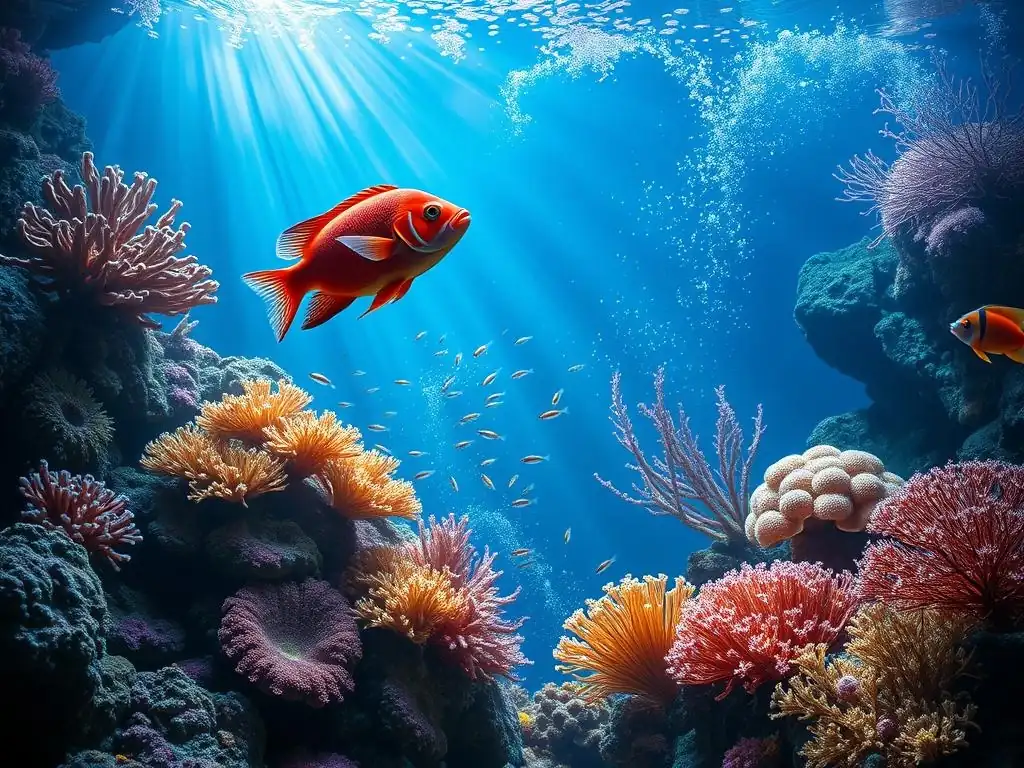
Ever wondered how to add a splash of vibrant color and a natural pest control solution to your saltwater aquarium? Dive in and discover the secrets to successful Red Lined Wrasse care. These hardy and beautiful fish are more than just a pretty face – they're fascinating creatures with unique needs. Ready to unlock the secrets to keeping them thriving? Let's explore!
- Understanding the Red Lined Wrasse: Halichoeres biocellatus Profile
- Red Lined Wrasse Care: Essential Guidelines for a Healthy Aquarium
- Red Lined Wrasse Tank Mates: Compatibility and Social Behavior
- Red Lined Wrasse Benefits: The Pest-Control Advantage
- Red Lined Wrasse Health and Disease: Prevention and Treatment
- Breeding Red Lined Wrasses: Challenges and Possibilities
- Purchasing Red Lined Wrasses: Selecting a Healthy Specimen
- Red Lined Wrasse: Is this Wrasse Right for Your Reef Tank?
- Frequently Asked Questions
- Final Reflection: Embracing the Vibrant Potential of the Red Lined Wrasse
- Ignite Your Reef Tank's Potential!
Understanding the Red Lined Wrasse: Halichoeres biocellatus Profile
Quick Facts About the Red Lined Wrasse
The Red Lined Wrasse, scientifically known as Halichoeres biocellatus, is a captivating and highly beneficial addition to many marine aquariums. Renowned for its vibrant coloration and diligent pest-eating habits, this species offers both aesthetic appeal and practical utility for reef aquarists. It is widely recognized as a hardy fish, making it a suitable choice for aquarists who can meet its specific environmental needs.
When considering Red Lined Wrasse care, it's important to know their basic statistics. Adult specimens typically reach a size of 4 to 5 inches (approximately 10 to 12.5 cm) in captivity, though they can occasionally grow slightly larger in very mature systems. With proper care and stable conditions, their lifespan often extends beyond 5 years, with some individuals living up to 7-8 years. Their diet is omnivorous, with a strong preference for small invertebrates, which contributes to their reputation as excellent pest controllers.
Red Lined Wrasse Appearance: Identifying Features and Color Variations
The Red Lined Wrasse is easily identifiable by its distinctive markings. Its body is typically adorned with striking horizontal lines that range in color from deep red to a reddish-brown, set against a base color that can vary from yellowish to a greenish-blue. These lines usually run along the length of the body, creating a beautiful contrast that makes the fish stand out in a reef environment.
A key identifying feature, and the origin of its species name "biocellatus," are the two prominent ocelli, or eye-spots, located on its dorsal fin. These dark spots, often ringed with a lighter color, are thought to deter predators by mimicking larger eyes. While the overall pattern remains consistent, the intensity of colors can vary based on the fish's geographical origin, its mood, and its overall health. Juveniles may display more pronounced or vibrant markings compared to mature adults, and stress or poor water conditions can cause colors to dull.
Natural Habitat and Behavior of Halichoeres biocellatus
Halichoeres biocellatus is native to the vast Indo-Pacific region, with its natural distribution spanning from the Maldives and Sri Lanka eastward through Southeast Asia, across the Pacific to the Marshall Islands, and south to the Great Barrier Reef. In these regions, they primarily inhabit shallow coral reefs, rubble zones, and sandy areas adjacent to reefs. They are commonly found at depths ranging from 3 to 40 meters (10 to 130 feet), where they can forage for food and quickly retreat into the substrate for safety.
In their natural environment, Red Lined Wrasses exhibit a diurnal behavior, meaning they are active during the day. They spend their waking hours constantly scavenging and sifting through sand and rubble, tirelessly searching for small crustaceans, worms, and other benthic invertebrates. A defining behavior is their habit of burying themselves rapidly into the sand substrate at night or when startled. This instinctual action provides them with a secure hiding spot from predators and a safe place to rest, a crucial aspect of their survival that must be replicated in a home aquarium to ensure proper Red Lined Wrasse care.
Red Lined Wrasse Care: Essential Guidelines for a Healthy Aquarium
Tank Size Requirements for Red Lined Wrasses
Providing an appropriately sized aquarium is fundamental to successful Red Lined Wrasse care. For a single Red Lined Wrasse, a minimum tank size of 30 gallons (approximately 115 liters) is generally recommended. This volume provides sufficient swimming space for this active species and helps maintain stable water parameters, which are crucial for their long-term health. While they are not among the largest wrasse species, their constant foraging and need for a dedicated sand bed necessitate a decent footprint.
If you plan to house multiple Red Lined Wrasses or include them in a bustling community tank, a larger volume, such as 50 gallons (190 liters) or more, becomes advisable. This increased space helps to mitigate any potential territorial disputes and ensures that each fish has enough room to establish its own area and forage without constant competition. Furthermore, the overall dimensions of the tank, particularly its length and width, are often more important than just the gallonage, as they dictate the available swimming and burrowing area.
Water Parameters: Maintaining Optimal Conditions for H. biocellatus
Temperature, Salinity, and pH Levels for Red Lined Wrasses
Maintaining stable and appropriate water parameters is paramount for the health and longevity of Halichoeres biocellatus. The ideal temperature range for Red Lined Wrasses is typically between 74-82°F (23-28°C), reflecting their tropical origins. Salinity should be maintained within a specific gravity range of 1.020-1.025, which corresponds to 30-35 parts per thousand (ppt). The pH level should be kept stable between 8.1 and 8.4, mirroring the slightly alkaline conditions found in natural reef environments.
Consistency within these parameters is more crucial than hitting a precise number within the range. Sudden or drastic fluctuations in temperature, salinity, or pH can induce significant stress in the wrasse, weakening its immune system and making it highly susceptible to diseases. Regular testing of these parameters, ideally on a weekly basis using reliable aquarium test kits, is essential to monitor conditions and allow for gradual, controlled adjustments if needed, ensuring optimal Red Lined Wrasse care.
Diet and Feeding: What to Feed Your Red Lined Wrasse
Recommended Foods for a Balanced Diet
A varied and nutritious diet is vital for the health and vibrancy of the Red Lined Wrasse. As an omnivore with a strong predatory instinct for small invertebrates, their diet should primarily consist of high-quality meaty foods. Excellent options include frozen mysis shrimp, enriched brine shrimp, finely chopped marine-based foods such as krill, clam, or squid, and small pieces of other seafood. These provide the essential proteins and fats necessary for their active metabolism.
To ensure a complete nutritional profile, it is beneficial to supplement their diet with high-quality marine flakes or pellets specifically formulated for carnivores or omnivores. Live foods, such as cultured copepods or small amphipods, can also be offered periodically. These not only provide excellent nutrition but also stimulate their natural foraging behavior, which is an important aspect of their Red Lined Wrasse care regimen. A diverse diet helps to enhance their coloration, boost their immune system, and promote overall well-being.
Feeding Frequency and Quantities
Red Lined Wrasses are active and constant foragers in their natural habitat, and their feeding schedule in captivity should reflect this. It is generally recommended to feed them multiple small meals throughout the day, typically 2 to 3 times. This approach mimics their continuous grazing behavior in the wild and helps prevent large amounts of uneaten food from accumulating and decaying in the aquarium, which can negatively impact water quality.
When feeding, offer only what the Red Lined Wrasse and other tank inhabitants can consume within 2 to 3 minutes. Overfeeding is a common mistake that can lead to elevated nitrate levels, phosphate buildup, and a general decline in water quality, all of which are detrimental to the health of the wrasse and the entire aquarium ecosystem. Observing their feeding response will help you gauge the appropriate portion sizes, ensuring efficient consumption and minimizing waste, which is key to effective Red Lined Wrasse care.
Substrate and Aquascaping for Red Lined Wrasses
The Importance of Sand Beds for Burrowing Behavior
The presence of a suitable sand bed is an absolutely critical component of Red Lined Wrasse care. These wrasses are obligate burrowers, meaning they must have a fine, soft sand substrate to bury themselves in for sleep, protection from perceived threats, and to escape aggression from tank mates. A sand bed of at least 3 to 4 inches (7.5 to 10 cm) in depth is essential to allow them to fully submerge themselves comfortably.
The type of sand is also important: fine-grained aragonite sand, with a particle size typically ranging from 0.5 to 2 mm, is ideal. This type of sand is soft enough not to abrade their delicate skin and fins as they burrow, preventing injuries and infections. Without an adequate sand bed, a Red Lined Wrasse will experience severe stress, which can lead to a compromised immune system, physical injury from attempting to burrow into unsuitable substrate, and ultimately, premature death. Prioritizing this aspect is fundamental for their well-being.
Creating a Suitable Environment for Halichoeres biocellatus
Beyond the essential sand bed, the overall aquascaping for Halichoeres biocellatus should incorporate ample live rock structures. These formations provide numerous crevices, caves, and overhangs for the wrasse to explore, forage around, and use as temporary hiding spots during the day. Live rock also offers a natural source of microfauna for the wrasse to graze on, supplementing its diet. When arranging rocks, ensure they are stable and do not have sharp edges that could injure the fish.
While hiding spots are appreciated, it is equally important to leave open swimming areas within the tank. The Red Lined Wrasse is an active and curious fish that enjoys darting through the water column, especially when hunting for small pests among the rockwork and substrate. A well-designed aquascape balances both open space for swimming and complex rock formations for exploration and shelter, contributing significantly to the natural behavior and overall health of the wrasse, thereby enhancing Red Lined Wrasse care.
Best Tank Mates for Red Lined Wrasses in a Reef Environment
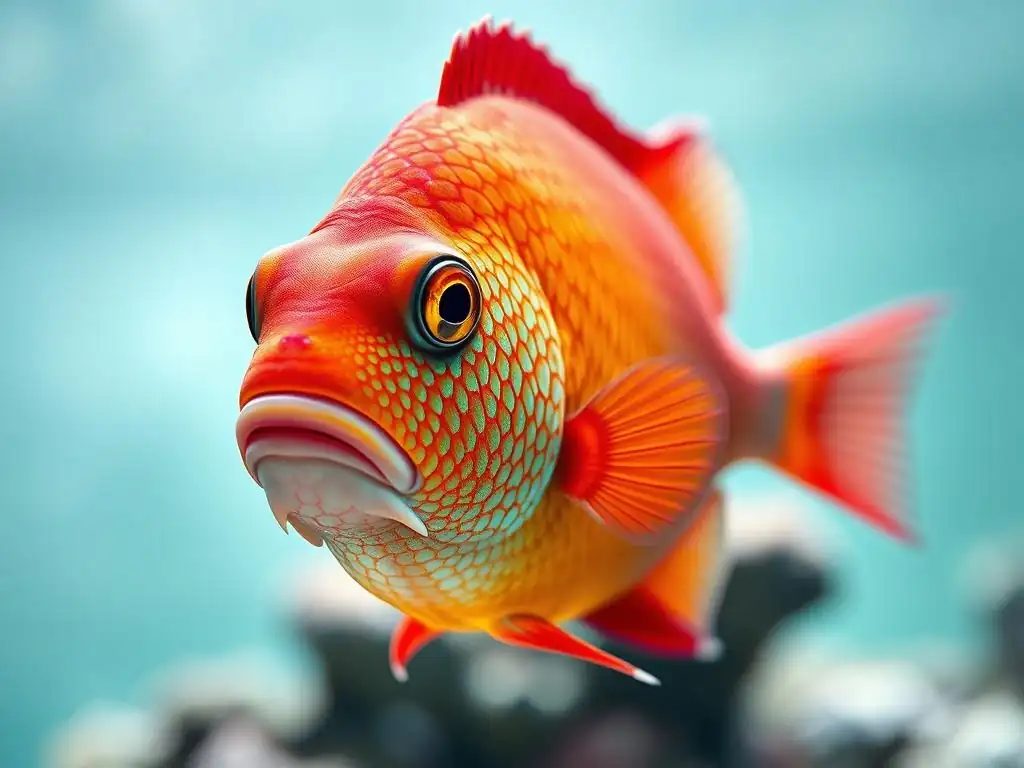
When selecting tank mates for Red Lined Wrasses, their generally peaceful temperament should be considered. They thrive in a community setting with other non-aggressive fish of similar size and disposition. Good companions include smaller tangs, such as the Yellow Tang or Kole Tang, various gobies (e.g., watchman gobies, pistol shrimp gobies), cardinalfish, and other peaceful wrasse species (provided the tank is sufficiently large to prevent territorial disputes among wrasses).
One of the most appealing aspects of Red Lined Wrasses for reef aquarists is their high degree of reef compatibility. They are considered safe with most corals, including soft corals, LPS (Large Polyp Stony) corals, and SPS (Small Polyp Stony) corals. While they will actively hunt and consume small, pestiferous invertebrates, they typically ignore desirable large snails, ornamental shrimp (such as cleaner shrimp or peppermint shrimp), and anemones. This makes them an excellent choice for a vibrant, mixed reef aquarium.
Fish to Avoid Keeping with Red Lined Wrasses
Careful consideration of tank mate compatibility is crucial to prevent stress and aggression. It is advisable to avoid housing Red Lined Wrasses with highly aggressive or territorial fish species. This includes certain triggers (e.g., Picasso Triggerfish), large angelfish, or very boisterous damselfish, which can harass, nip at, or even injure the more docile wrasse. Similarly, very large predatory fish, such as certain groupers or lionfish, might view the relatively small Red Lined Wrasse as a potential food source.
Furthermore, while Red Lined Wrasses are generally reef-safe, their natural foraging instincts mean they will prey on small invertebrates. Therefore, if you aim to cultivate specific populations of very tiny or delicate ornamental invertebrates, such as certain species of decorative copepods or very small ornamental shrimp, it's best to avoid housing them with a Red Lined Wrasse. Their beneficial pest-eating habits can sometimes extend to desired microfauna.
Red Lined Wrasse Temperament and Community Tank Dynamics
The Red Lined Wrasse typically exhibits a peaceful and inquisitive temperament, making it a valuable addition to a well-planned marine community aquarium. They can be kept individually or, in very large aquariums (e.g., 100 gallons or more), a male with multiple females, though careful introduction and observation are necessary to manage any initial squabbles. They are not schooling fish but will coexist harmoniously with appropriate tank mates, focusing primarily on their constant foraging activities.
In a community tank, their active search for food provides an engaging spectacle. They spend a significant portion of their day sifting through the sand, picking at live rock, and exploring crevices. This natural behavior not only keeps them engaged but also contributes to the tank's cleanliness by disturbing detritus and aerating the substrate. However, when introducing a Red Lined Wrasse, monitor initial interactions closely, especially with shy or slow-feeding tank mates, to ensure the wrasse isn't inadvertently outcompeting them for food.
Red Lined Wrasse Benefits: The Pest-Control Advantage
Red Lined Wrasses as Natural Pest Control in Reef Tanks
Controlling Flatworms, Pyramidellid Snails, and Other Pests
One of the most significant and highly valued benefits of the Red Lined Wrasse in a reef aquarium is its exceptional ability as a natural pest controller. They are particularly renowned for their voracious appetite for common nuisance invertebrates that can plague reef tanks. This includes species like Convolutriloba retrogemma, commonly known as red planaria or red flatworms, which can quickly proliferate and smother corals, hindering their health and growth. The wrasse's constant foraging helps to keep these flatworm populations in check, often to the point of eradication.
Beyond flatworms, Halichoeres biocellatus is also known to effectively prey on other problematic invertebrates. This includes parasitic snails such as Pyramidellid snails, which are notorious for feeding on clams and sometimes other sessile invertebrates. They can also target small parasitic copepods and other minute nuisance organisms. Their natural hunting instincts make them a diligent, ongoing solution for maintaining a cleaner, healthier, and pest-free reef environment, significantly reducing the need for chemical treatments and highlighting their value in Red Lined Wrasse care.
Maintaining a Healthy Reef with the Help of Halichoeres biocellatus
The presence of Halichoeres biocellatus contributes significantly to the overall health and stability of a reef aquarium. By actively consuming various pests, they help to prevent outbreaks that could otherwise stress, injure, or even kill corals and other desirable invertebrates. This natural pest management reduces the reliance on chemical pest treatments, which can be harsh on the entire aquarium ecosystem, potentially harming beneficial bacteria, sensitive corals, or other desired inhabitants.
Furthermore, their continuous foraging behavior, particularly their habit of sifting through the sand, aids in detritus removal and substrate aeration. As they constantly disturb the sand bed in search of food, they help prevent the buildup of anaerobic pockets, which can release harmful gases into the water. This natural agitation and cleaning of the substrate improve overall water quality and contribute to a more stable and thriving reef environment, making them an invaluable asset for long-term Red Lined Wrasse care in a reef setting.
Red Lined Wrasse Health and Disease: Prevention and Treatment
Common Diseases Affecting Red Lined Wrasses
Like many marine fish, Red Lined Wrasses can be susceptible to common parasitic and bacterial diseases if not kept in optimal conditions. The most frequently encountered parasitic ailments include marine Ich ( Cryptocaryon irritans) and Marine Velvet ( Amyloodinium ocellatum). Symptoms of Ich typically manifest as small white spots resembling salt grains on the fish's body and fins, while Marine Velvet often appears as a dusty, yellowish-brown film. Both can cause rapid breathing, lethargy, and scratching against tank decorations.
Bacterial infections can also occur, often presenting as fin rot (eroded or frayed fins), cloudy eyes, or red streaks on the body. The primary factors contributing to disease susceptibility in Red Lined Wrasses are stress induced by poor water quality, an inadequate or unvaried diet, and aggression from incompatible tank mates. Maintaining stable and pristine water parameters, providing a diverse and nutritious diet, and ensuring a peaceful environment are the best preventative measures for robust Red Lined Wrasse care.
Quarantine Procedures for New Red Lined Wrasses
Implementing a strict quarantine procedure for all new Red Lined Wrasses is an absolutely critical step in preventing the introduction of diseases into your main display tank. A dedicated quarantine tank (QT) of at least 10-20 gallons (38-75 liters) should be set up with established filtration, a heater, and crucially, a fine sand bed of at least 3 inches (7.5 cm) for the wrasse to burrow into. New fish should spend a minimum of 4-6 weeks in quarantine, allowing ample time to observe for any signs of illness.
During the quarantine period, closely observe the wrasse for any symptoms of disease, feed a high-quality, varied diet, and perform regular small water changes to maintain pristine conditions. Prophylactic treatments for common parasites can also be considered during this time, though careful research and understanding of the medications are essential. This isolation period ensures that any potential pathogens are dealt with before the fish enters your main aquarium, protecting your existing livestock and providing a healthy start for your new wrasse, which is paramount for responsible Red Lined Wrasse care.
Recognizing Symptoms of Illness and Treatment Options
Early detection of illness is key to successful treatment and recovery for Red Lined Wrasses. Beyond visible external signs like spots or films, aquarists should be vigilant for behavioral changes. These include loss of appetite, abnormal swimming patterns (e.g., listlessness, erratic darting), clamped fins held close to the body, rapid gilling indicative of respiratory distress, hiding excessively, or unusual changes in coloration (e.g., fading, darkening, or blotches).
Treatment options vary depending on the specific disease diagnosed. For parasitic infections like Ich, copper-based medications or hyposalinity (reduced salinity) can be effective, but these must only be administered in a quarantine tank, as copper is highly toxic to invertebrates and corals in the main display. Bacterial infections typically require specific antibiotics, often administered in food or as a bath.
Always thoroughly research the chosen medication, follow dosage instructions precisely, and consult with experienced aquarists or a veterinary professional if you are unsure of the diagnosis or treatment plan. Prompt and correct intervention can significantly improve the chances of recovery.
Breeding Red Lined Wrasses: Challenges and Possibilities
Understanding the Reproductive Behavior of Halichoeres biocellatus
Understanding the reproductive behavior of Halichoeres biocellatus sheds light on the complexities of their captive breeding. Red Lined Wrasses are known as protogynous hermaphrodites, a common characteristic among many wrasse species. This means that all individuals are born as females, and some will later change sex to male. This sex change is typically triggered by social cues within a group, such as the absence of a dominant male, allowing a female to transition and assume the male role.
In their natural habitat, spawning events usually occur in the open water column, often at dusk. Pairs or small groups of wrasses will engage in a "spawning rush," darting towards the surface where they release their eggs and sperm simultaneously. The eggs are pelagic, meaning they are buoyant and drift with the ocean currents, developing as part of the plankton for a period before the larvae settle out onto the reef. This complex life cycle, particularly the pelagic larval stage, presents significant hurdles for successful captive breeding efforts.
The Difficulty of Breeding Red Lined Wrasses in Captivity
Despite the Red Lined Wrasse's popularity and hardiness in the home aquarium, breeding Halichoeres biocellatus in captivity remains exceptionally challenging and is not commonly achieved by hobbyists or even most commercial aquaculture facilities. While some wrasse species have seen breakthroughs in captive breeding, the Red Lined Wrasse is not one of them. The primary difficulties lie not only in consistently inducing spawning behavior in a captive environment but, more critically, in the successful rearing of their extremely small and delicate larvae.
The larval stage of Halichoeres biocellatus requires highly specific and microscopic live feeds, such as specific strains of rotifers and copepod nauplii, at precise densities and nutritional profiles. Furthermore, maintaining the exact water parameters, flow, and cleanliness necessary for larval survival is incredibly difficult to replicate outside of highly specialized research facilities. These demanding requirements mean that the vast majority of Red Lined Wrasses available in the aquarium trade are wild-caught specimens, making responsible collection practices and robust Red Lined Wrasse care even more important.
Purchasing Red Lined Wrasses: Selecting a Healthy Specimen
What to Look for When Buying a Red Lined Wrasse
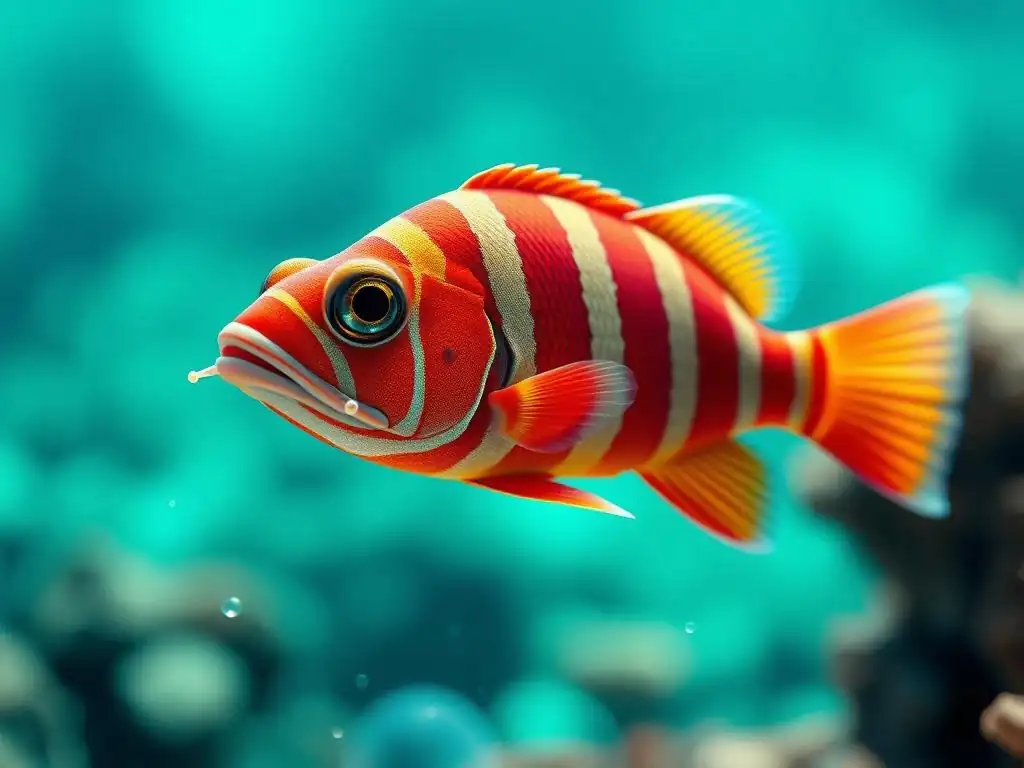
When purchasing a Red Lined Wrasse, selecting a healthy specimen is the first crucial step in ensuring its long-term success in your aquarium. Begin by observing the fish's behavior: a healthy wrasse will be active, alert, and constantly foraging or exploring its surroundings. It should swim freely and confidently, without any signs of clamped fins, labored breathing, or erratic swimming patterns. Avoid fish that are listless, hiding excessively, or appear lethargic.
Next, carefully inspect the fish's physical appearance. Its coloration should be vibrant and true to its species, without any dullness, faded patches, or abnormal blotches. Look closely for any visible signs of disease, such as white spots (indicative of Ich), a dusty film (Marine Velvet), fuzzy growths, open sores, or fin erosion. The fish should have a full, rounded belly, suggesting it has been eating well, and its eyes should be clear, bright, and free of cloudiness. Prioritizing these visual cues is fundamental for proper Red Lined Wrasse care from the outset.
Acclimation Process: Introducing Your New Wrasse to the Aquarium
Proper acclimation is vital for the successful introduction of a new Red Lined Wrasse to your aquarium, minimizing stress and preventing shock from sudden changes in water parameters. The drip acclimation method is highly recommended due to the wrasse's sensitivity to shifts in salinity, temperature, and pH. Slowly add water from your display tank to the bag or bucket containing the wrasse, allowing it to gradually mix over a period of 45-60 minutes until the parameters in the container closely match those of your main tank.
Once the acclimation process is complete, gently net the wrasse and carefully transfer it into your display tank, taking care not to introduce any of the shipping water into your system. It is highly advisable to turn off your aquarium lights for a few hours after introducing the new wrasse.
This reduction in light helps to minimize stress on the newly introduced fish and allows it to quietly explore its new surroundings and find a suitable burrowing spot in the sand bed without being disturbed by other tank inhabitants. This careful introduction sets the stage for successful Red Lined Wrasse care.
Red Lined Wrasse: Is this Wrasse Right for Your Reef Tank?
The Red Lined Wrasse ( Halichoeres biocellatus) stands out as an excellent and highly beneficial choice for many reef aquarists. Its vibrant coloration, active foraging behavior, and most notably, its exceptional ability as a natural pest controller against nuisance flatworms and pyramidellid snails, make it a valuable addition to a well-established marine community. Beyond pest control, their constant sifting through the sand also contributes to a cleaner and healthier substrate.
However, potential owners must be prepared to meet their specific Red Lined Wrasse care requirements. This includes providing a mature aquarium of at least 30 gallons with a deep, fine sand bed (3-4 inches minimum) for burrowing, maintaining stable and pristine water parameters (temperature 74-82°F, salinity 1.020-1.025, pH 8.1-8.4), and offering a varied diet primarily composed of meaty foods. While generally peaceful, careful consideration of tank mates is also essential to ensure a harmonious environment. For aquarists committed to providing these conditions, the Red Lined Wrasse offers a rewarding and highly beneficial presence in the reef aquarium.
Frequently Asked Questions
What are the basic care requirements for a Red Lined Wrasse?
Red Lined Wrasses require a well-established aquarium with plenty of live rock for hiding and foraging. They need stable water parameters and a varied diet.
Is the Red Lined Wrasse suitable for a beginner aquarist?
While relatively hardy, Red Lined Wrasses are best suited for intermediate to advanced aquarists. They require a mature tank and careful monitoring of water quality.
What type of food does a Red Lined Wrasse eat?
Red Lined Wrasses are primarily carnivorous and will consume small invertebrates. They readily accept frozen foods and will also help control pests like flatworms and pyramidellid snails.
How large of an aquarium is needed for a Red Lined Wrasse?
A minimum tank size of 75 gallons is recommended for a single Red Lined Wrasse. They are active swimmers and need ample space to roam.
Are Red Lined Wrasses reef safe?
Red Lined Wrasses are generally considered reef safe with caution. They may prey on small ornamental shrimp or other small invertebrates if other food sources are scarce.
Final Reflection: Embracing the Vibrant Potential of the Red Lined Wrasse
The preceding exploration of Halichoeres biocellatus, the Red Lined Wrasse, underscores its surprising relevance in today's reef aquarium hobby. Understanding the specific care requirements of this hardy and colorful fish is not just about keeping it alive; it's about fostering a balanced and thriving ecosystem within our glass boxes. The Red Lined Wrasse, often overlooked, represents a powerful tool for natural pest control and a vibrant addition to any reef tank, provided its needs are met.
This seemingly small fish has profoundly influenced, and continues to influence, the way we approach reef keeping. The Red Lined Wrasse reminds us that even the smallest creatures can play a significant role in maintaining a healthy and balanced reef ecosystem. Its natural pest-eating behavior offers a sustainable alternative to chemical treatments, promoting a more holistic approach to aquarium management. As the renowned marine biologist Jacques Cousteau once said: The sea, once it casts its spell, holds one in its net of wonder forever.
This wonder extends to the smallest inhabitants of our reefs, like the Red Lined Wrasse, and understanding their needs is crucial for responsible reef keeping.
Now, consider the lessons learned about the Red Lined Wrasse and apply them to your own aquarium practices. Are you prioritizing natural solutions for pest control? Are you providing the appropriate environment for your fish to thrive? Let the Red Lined Wrasse inspire you to delve deeper into the needs of your aquatic inhabitants and cultivate a reef aquarium that is not only beautiful but also sustainable and ethically managed. Embrace the vibrant potential within your tank, and you'll be rewarded with a thriving ecosystem that reflects your dedication and care.
Ignite Your Reef Tank's Potential!
Thanks for diving into the world of the Red Lined Wrasse! We hope you've discovered just how valuable and visually stunning this little fish can be for your reef aquarium. Now, let's turn that knowledge into action!
- Introduce a Red Lined Wrasse to your reef tank and witness its natural pest-control abilities firsthand!
- Share this article with fellow reefing enthusiasts to help them discover this often-overlooked gem and contribute to a healthier aquarium hobby.
- Research compatible tank mates to ensure a thriving and balanced reef environment for your new wrasse.
What specific pest problem are you hoping a Red Lined Wrasse can help you solve in your reef tank?