
Shoaling Butterflyfish Species: Which Ones Thrive in Groups?

Welcome to Aquarium Mastery!
Ever wondered if those dazzling Butterflyfish can truly thrive in a group, creating a breathtaking spectacle in your saltwater aquarium? Dive into our detailed guide on Butterflyfish schooling tips and advice, and unlock the secrets to successfully keeping these magnificent creatures together. Prepare to discover which species are best suited for shoaling, and how to create the perfect environment for them to flourish. Are you ready to transform your tank into a vibrant underwater paradise? Let's begin!
- Understanding Butterflyfish Shoaling Behavior
-
Identifying Butterflyfish Species Known for Shoaling
- Schooling Bannerfish (Heniochus diphreutes): A Reliable Group Swimmer
- Pyramid Butterflyfish (Hemitaurichthys polylepis): Known for Large Schools
- Threadfin Butterflyfish (Chaetodon auriga): Sometimes Found in Pairs or Small Groups
- Yellow Longnose Butterflyfish (Forcipiger flavissimus): Schooling Tendencies
- Aquarium Setup and Considerations for Schooling Butterflyfish
- Butterflyfish Schooling Tips Advice for Aquarium Keepers
- Choosing the Right Tank Mates for Shoaling Butterflyfish
- Health and Disease Management in Schooling Butterflyfish
- Troubleshooting Common Issues with Butterflyfish Schools
- The Benefits of Keeping Shoaling Butterflyfish
- Conclusion: Creating a Thriving Butterflyfish School
-
Frequently Asked Questions
- What are the benefits of keeping butterflyfish in schools?
- Which butterflyfish species are known to shoal successfully in aquariums?
- What size aquarium is recommended for a group of shoaling butterflyfish?
- What are some key considerations for maintaining water quality when keeping shoaling butterflyfish?
- What type of diet is best suited for a group of shoaling butterflyfish in an aquarium?
- Final Reflection: Unveiling the Secrets of Butterflyfish Harmony
- Unleash the Shoal: Dive Deeper into Butterflyfish Group Dynamics!
Understanding Butterflyfish Shoaling Behavior
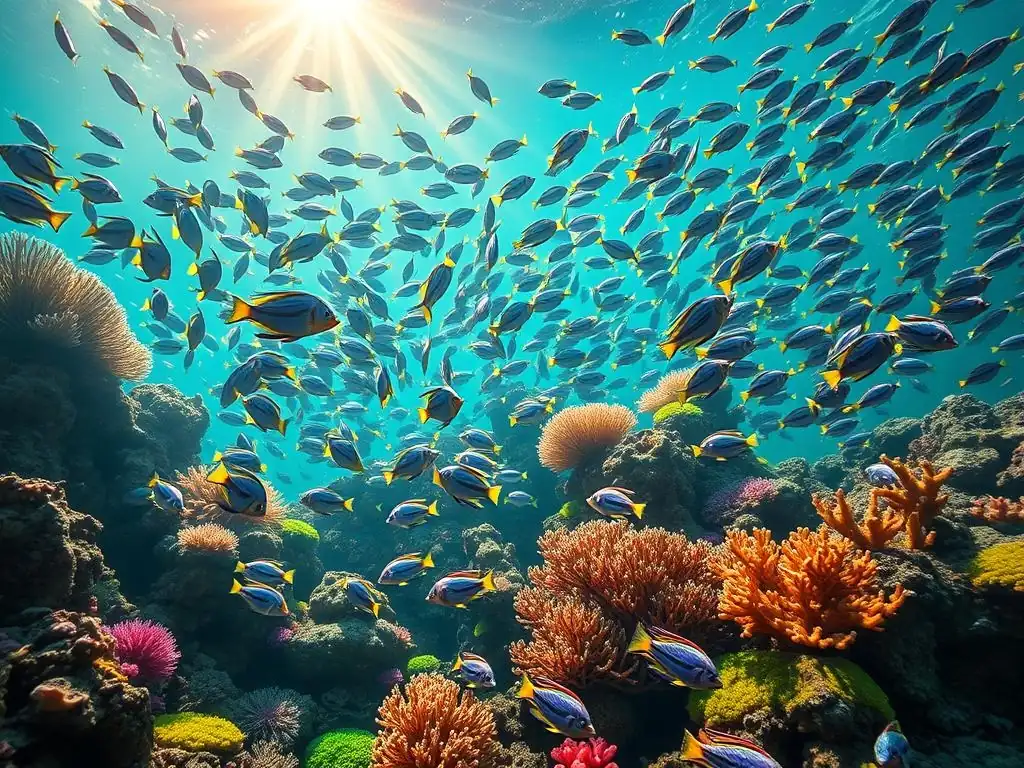
In their natural coral reef habitats, many butterflyfish species exhibit complex social dynamics, ranging from solitary existence to forming large, synchronized schools. Shoaling behavior, where fish swim together in a coordinated group, is primarily a survival mechanism. For instance, species like the Schooling Bannerfish ( Heniochus diphreutes) are frequently observed in massive aggregations, sometimes numbering in the hundreds, particularly in open water or along reef slopes. This collective movement provides a significant advantage against predators, as a large group can confuse a predator and make it difficult to single out an individual.
Beyond predator evasion, shoaling also aids in foraging efficiency and reproductive success. A larger group can more effectively locate food sources, and the sheer number of individuals increases the likelihood of finding mates. While not all butterflyfish are true schoolers, those that do engage in this behavior often demonstrate a remarkable level of coordination, moving as a single, fluid unit. Understanding these natural tendencies is crucial for aquarists seeking to provide the best Butterflyfish schooling tips advice and replicate a thriving environment in their home aquariums.
Why Some Butterflyfish Species School and Others Don't
The propensity for schooling among butterflyfish species is influenced by a combination of ecological factors, dietary needs, and inherent behavioral traits. Generally, species that primarily feed on zooplankton or other readily available food sources in the water column are more likely to form schools, as this allows for more efficient group foraging without intense competition over limited resources. Conversely, highly specialized feeders, such as those that graze on coral polyps or pick at specific invertebrates, often exhibit solitary or paired behaviors, as their food source is typically dispersed and territorial.
Furthermore, the size of the species and their typical habitat depth can play a role. Smaller species or those inhabiting open water environments may benefit more from safety in numbers. For example, the Raccoon Butterflyfish ( Chaetodon lunula) is typically observed singly or in pairs, reflecting its more territorial nature and diverse diet that includes benthic invertebrates. In contrast, the Pyramid Butterflyfish ( Hemitaurichthys polylepis), which primarily feeds on zooplankton in deeper waters, is a classic example of a true schooling species. Recognizing these distinctions is fundamental for applying effective Butterflyfish schooling tips advice in an aquarium setting.
Identifying Butterflyfish Species Known for Shoaling
The Schooling Bannerfish, Heniochus diphreutes, is perhaps the most well-known and reliable shoaling butterflyfish species suitable for home aquariums. Easily recognizable by its distinctive black and white bands and elongated dorsal fin ray, this species is naturally found in large aggregations across the Indo-Pacific. In the wild, schools can range from a dozen individuals to several hundred, navigating open reef areas and feeding on zooplankton. Their peaceful temperament and relatively hardy nature make them an excellent choice for aquarists aiming to establish a schooling display.
For aquarium keeping, a minimum group of three to five Heniochus diphreutes is recommended to allow them to exhibit their natural shoaling behavior and reduce individual stress. They can reach a size of approximately 7-8 inches (18-20 cm) in captivity, necessitating a spacious tank, ideally 120 gallons or larger for a small group. Providing ample open swimming space combined with rocky overhangs for shelter will help them thrive. Observing these fish move in unison is one of the most rewarding aspects of applying Butterflyfish schooling tips advice.
Pyramid Butterflyfish (Hemitaurichthys polylepis): Known for Large Schools
The Pyramid Butterflyfish, Hemitaurichthys polylepis, is another excellent candidate for a shoaling display, distinguished by its unique triangular body shape and striking yellow and white coloration. These fish are typically found in large, dense schools on the outer reef slopes and drop-offs, often at depths greater than 30 feet (9 meters), where they feed primarily on zooplankton. Their strong schooling instinct is evident even in captivity, making them a captivating addition to a large reef aquarium.
Due to their natural schooling behavior and potential adult size of up to 7 inches (18 cm), Pyramid Butterflyfish require significant space. A group of three to five individuals would ideally need a tank of 180 gallons or more to allow for adequate swimming room and to maintain water quality. They are generally peaceful towards other tank mates, though they can be somewhat timid initially. Providing a well-established tank with stable water parameters and plenty of current to simulate their natural environment contributes significantly to successful Butterflyfish schooling tips advice for this species.
Threadfin Butterflyfish (Chaetodon auriga): Sometimes Found in Pairs or Small Groups
The Threadfin Butterflyfish, Chaetodon auriga, is characterized by its yellow body, black eye band, and a distinctive black spot on its flank, often with an elongated "thread" from its dorsal fin. Unlike the true schoolers like Bannerfish, Chaetodon auriga is more commonly observed in pairs or small, loose aggregations in the wild, particularly around rocky outcrops and coral heads. While they don't form the massive, tightly knit schools of Heniochus or Hemitaurichthys, they can sometimes be kept in small groups in very large aquarium systems.
Their diet in the wild is more varied, including algae, small invertebrates, and occasionally coral polyps, which makes them less reef-safe than the zooplankton-feeding schoolers. In an aquarium, a group of three Threadfin Butterflyfish would require a tank size upwards of 200 gallons to minimize potential territorial disputes and provide ample foraging space. While their schooling behavior is less pronounced, the presence of conspecifics can still contribute to their overall well-being and confidence, making them an interesting subject for nuanced Butterflyfish schooling tips advice.
Yellow Longnose Butterflyfish (Forcipiger flavissimus): Schooling Tendencies
The Yellow Longnose Butterflyfish, Forcipiger flavissimus, is instantly recognizable by its vibrant yellow body and exceptionally long, forceps-like snout. While often seen singly or in pairs, especially as adults, juveniles and sub-adults can sometimes be observed in small, loose aggregations or even small schools in their natural habitat. These aggregations are typically less structured than those of true schoolers, often forming when food is abundant or for increased vigilance.
In the home aquarium, keeping a group of Yellow Longnose Butterflyfish is challenging and generally not recommended unless in very large, species-specific displays of 300 gallons or more. While individual fish can grow up to 8.5 inches (22 cm), their territorial nature, particularly towards conspecifics, often overrides any schooling tendencies in confined spaces. However, in an exceptionally large system, a small group might coexist. For aquarists considering this, careful observation and adherence to specific Butterflyfish schooling tips advice regarding space and introduction are paramount.
Aquarium Setup and Considerations for Schooling Butterflyfish
Tank Size Requirements for a Butterflyfish School
Establishing a thriving environment for a school of butterflyfish begins with providing an adequately sized aquarium. For a small group of 3-5 Schooling Bannerfish ( Heniochus diphreutes), a minimum tank size of 120-150 gallons (approximately 450-570 liters) is generally recommended. This allows sufficient linear swimming space for them to exhibit their natural shoaling patterns and reduces potential aggression. For larger species, or if aiming for a more substantial school of 5-7 individuals, a tank of 180 gallons (approximately 680 liters) or more becomes necessary.
The larger volume of water also contributes to greater stability in water parameters, which is critical for sensitive butterflyfish. An undersized tank can lead to increased stress, stunted growth, and heightened aggression among group members, ultimately compromising their health and natural behaviors. Planning for future growth, as many butterflyfish can reach 7-9 inches (18-23 cm) in length, is also an important aspect of effective Butterflyfish schooling tips advice.
Water Parameters and Compatibility for Shoaling Species
Maintaining pristine and stable water parameters is non-negotiable for the health of any saltwater fish, especially delicate butterflyfish. For shoaling species, specific gravity should be kept between 1.023 and 1.026, with a temperature range of 74-78°F (23-26°C). The pH should consistently be between 8.1 and 8.4, and alkalinity (dKH) maintained between 8-12. Ammonia and nitrite levels must always be undetectable (0 ppm), and nitrates kept as low as possible, ideally below 10-20 ppm.
Consistent water quality is paramount, as butterflyfish are particularly susceptible to stress and disease in fluctuating or poor conditions. A robust filtration system, including a high-quality protein skimmer, live rock, and potentially a refugium, is essential to manage organic waste produced by a group of fish. Regular water changes, typically 10-20% weekly or bi-weekly depending on bioload, are also crucial for replenishing trace elements and exporting nitrates. Adhering to these parameters forms a core part of Butterflyfish schooling tips advice.
Providing Adequate Hiding Places and Open Swimming Space
A well-designed aquascape is vital for the success of a butterflyfish school, striking a balance between providing ample open swimming areas and sufficient hiding places. Shoaling butterflyfish, while preferring open water for group movement, also need rockwork structures with caves, overhangs, and crevices where they can retreat when feeling threatened or to rest. This dual requirement caters to their natural instincts for both safety in numbers and individual refuge.
For instance, creating a central open area in the tank with live rock structures positioned along the back and sides can effectively achieve this balance. The live rock not only provides shelter but also contributes to biological filtration and can offer grazing opportunities for certain species. Ensuring that hiding spots are numerous and varied prevents any single fish from monopolizing a territory, thereby minimizing potential aggression within the school. This strategic aquascaping is a practical piece of Butterflyfish schooling tips advice that directly impacts their well-being.
Butterflyfish Schooling Tips Advice for Aquarium Keepers
Introducing Butterflyfish to a New Aquarium Environment
Successfully introducing a school of butterflyfish to a new aquarium environment requires careful planning to minimize stress and maximize their chances of thriving. It is highly recommended to introduce all members of the school simultaneously or within a very short timeframe (e.g., within a few hours). This allows the group dynamic to establish immediately, preventing a single fish from becoming dominant or stressed by being alone. Drip acclimation over a period of 60-90 minutes is the preferred method to slowly equalize water parameters between the transport bag and the aquarium.
Upon introduction, dimming the aquarium lights for the first 24-48 hours can significantly reduce initial stress and help the fish settle into their new surroundings. Providing a varied diet from day one, even if they only pick at it initially, encourages them to start feeding. Observing their behavior closely during the first few days is crucial; look for signs of stress such as clamped fins, rapid breathing, or hiding excessively. This proactive approach to introduction is essential Butterflyfish schooling tips advice for a healthy school.
Minimizing Aggression in a Schooling Butterflyfish Tank
While shoaling species are generally peaceful among their own kind, minor squabbles can occur, especially during initial introduction or if the tank is undersized. To minimize aggression, ensure the aquarium is large enough to accommodate the full adult size of the school, providing ample swimming space and multiple hiding spots. Introducing all fish at once, as previously mentioned, helps to diffuse aggression by establishing the group hierarchy from the outset.
Another effective strategy is to rearrange the rockwork just before introducing new fish, or if aggression becomes an issue. This disrupts existing territories and forces all fish, new and old, to establish new boundaries, often leading to a more harmonious environment. Providing consistent, multiple small feedings throughout the day can also reduce competition and stress, as hungry fish are often more prone to aggressive behavior. These are critical Butterflyfish schooling tips advice points for maintaining peace within the school.
Feeding Strategies for Multiple Butterflyfish
Effective feeding strategies are vital for a thriving school of butterflyfish, ensuring all individuals receive adequate nutrition and reducing competition. Butterflyfish, particularly the Heniochus and Hemitaurichthys species, are primarily planktivores and require a varied diet. Offer a mix of high-quality frozen foods such as mysis shrimp, enriched brine shrimp, and finely chopped marine preparations. Supplementing with high-quality marine pellets or flakes designed for omnivores can also provide essential nutrients.
Feed small amounts multiple times a day, perhaps 2-3 times, rather than one large feeding. This not only mimics their natural grazing behavior but also ensures that less dominant fish have opportunities to feed. Scattering the food across the tank's surface or introducing it in multiple locations simultaneously can help distribute it evenly and prevent a few dominant individuals from hogging all the food. Regular offerings of nori or other marine algae can also be beneficial, depending on the species. This comprehensive approach to feeding is fundamental Butterflyfish schooling tips advice for group success.
Choosing the Right Tank Mates for Shoaling Butterflyfish
Compatible Fish Species for a Community Reef Tank
Selecting appropriate tank mates is crucial for the long-term success of a butterflyfish school in a community reef tank. Compatible species should be peaceful, non-aggressive, and share similar water parameter requirements. Good choices often include various species of tangs (e.g., Yellow Tang, Kole Tang, Sailfin Tang), which are active swimmers and generally peaceful, provided the tank is large enough. Peaceful wrasses, such as species from the Halichoeres or Macropharyngodon genera, can also coexist well, as can many gobies and blennies.
Smaller, peaceful angelfish species like the Flame Angelfish ( Centropyge loriculus) or Coral Beauty Angelfish ( Centropyge bispinosa) can also be suitable. The key is to avoid species that are overly boisterous, highly territorial, or prone to bullying, as stress from aggressive tank mates can severely impact the health and shoaling behavior of butterflyfish. Always research the specific needs and temperament of any potential tank mate. This careful selection forms a significant part of Butterflyfish schooling tips advice for a harmonious aquarium.
Avoiding Aggressive or Bullying Tank Mates
To ensure the well-being of your shoaling butterflyfish, it's imperative to avoid introducing aggressive or bullying tank mates that can cause undue stress, injury, or even death. Species like large triggers ( Balistidae family), particularly those known for their territoriality and nipping behavior, are generally unsuitable. Similarly, large predatory groupers or lionfish, while beautiful, pose an obvious threat to smaller, peaceful butterflyfish.
Certain larger angelfish species, especially those known for their territorial nature as adults (e.g., Emperor Angelfish Pomacanthus imperator or Queen Angelfish Holacanthus ciliaris), may also become problematic, harassing or outcompeting butterflyfish for food and space. Even highly active or boisterous fish that are not inherently aggressive can sometimes stress out more timid butterflyfish simply by their constant movement and competition for food. Prioritizing the peaceful nature of tank mates is a critical piece of Butterflyfish schooling tips advice to maintain a calm and thriving environment for your school.
Health and Disease Management in Schooling Butterflyfish
Quarantine Procedures for New Butterflyfish
Implementing a strict quarantine procedure for all new butterflyfish, especially when adding to an existing school or community tank, is paramount for disease prevention. A dedicated quarantine tank (QT) of at least 20-30 gallons (75-115 liters) is recommended, equipped with a heater, basic filtration (sponge filter), and PVC pipes for hiding. Fish should remain in QT for a minimum of 4-6 weeks, allowing time for any latent diseases to manifest. During this period, observe them closely for signs of illness such as white spots (Ich), rapid breathing (Marine Velvet), cloudy eyes, or fin rot.
During quarantine, proactive treatments for common parasites like Ich and Marine Velvet are often administered, using medications such as copper-based treatments or chloroquine phosphate, if deemed necessary and safe for the species. This isolation period also allows the fish to acclimate to aquarium life and begin feeding without competition, reducing stress before their introduction to the main display. This rigorous quarantine protocol is perhaps the most crucial Butterflyfish schooling tips advice for preventing catastrophic disease outbreaks in your entire system.
Recognizing and Treating Common Butterflyfish Diseases
Despite best efforts, butterflyfish can still fall victim to common marine aquarium diseases. Early recognition of symptoms is key to successful treatment. Marine Ich ( Cryptocaryon irritans) presents as small white spots resembling salt grains on the body and fins, often accompanied by flashing or scratching against decor. Marine Velvet ( Amyloodinium ocellatum) is more dangerous, appearing as a fine, dusty coating, often with rapid respiration and lethargy. Bacterial infections can manifest as fin rot, cloudy eyes, or open sores.
Upon recognizing symptoms, prompt action is required. For Ich and Marine Velvet, moving affected fish to a hospital tank for treatment with copper sulfate or Chloroquine Phosphate is often effective, though these medications can be harsh. Freshwater dips can offer temporary relief for external parasites. Bacterial infections may require broad-spectrum antibiotics, often administered via medicated foods. Always consult reliable sources or a marine fish veterinarian for precise diagnosis and treatment, as misdiagnosis can lead to further complications. This knowledge is vital Butterflyfish schooling tips advice for maintaining a healthy school.
Troubleshooting Common Issues with Butterflyfish Schools
Addressing Aggression and Territoriality
Even in species known for shoaling, occasional aggression or territoriality can emerge within a group, particularly if conditions are not optimal. If you observe excessive fin nipping, chasing, or a single fish dominating food resources, first assess the tank size; insufficient space is a common culprit. Increasing the overall tank volume or, if not possible, rearranging the rockwork to break up established territories can often alleviate disputes. Adding more hiding spots provides less dominant fish with safe havens.
Another strategy is to increase feeding frequency, providing multiple small meals throughout the day, which can reduce competition. If a specific individual consistently bullies others, it may be necessary to temporarily remove the aggressor to a separate tank for a few days. This can disrupt its dominance, and upon reintroduction, it may re-integrate more peacefully. Persistent, severe aggression might indicate that the group size is too small or too large for the specific species or tank, necessitating a re-evaluation of your Butterflyfish schooling tips advice implementation.
Identifying and Resolving Feeding Problems
Feeding issues in a butterflyfish school can stem from various factors, including stress, disease, inappropriate food, or intense competition. If fish are not eating, first check water parameters for any fluctuations or imbalances, as poor water quality can suppress appetite. Observe individual fish for signs of illness (e.g., lethargy, clamped fins, spots) that might indicate a underlying health problem.
If the issue isn't disease or water quality, consider the food offered. Butterflyfish can be finicky eaters initially. Offer a wide variety of high-quality frozen foods such as mysis shrimp, enriched brine shrimp, and finely chopped seafood. Target feeding with a pipette can ensure shyer individuals receive food. Ensure that food is distributed widely to reduce competition among the school members. Sometimes, simply varying the feeding time or adding a new type of food can stimulate their appetite. These practical Butterflyfish schooling tips advice can help resolve dietary challenges.
Maintaining Optimal Water Quality for School Health
Maintaining pristine and stable water quality is the cornerstone of a healthy butterflyfish school and often the solution to many common issues. Fluctuations in salinity, temperature, pH, or elevated levels of ammonia, nitrite, and nitrate can quickly stress butterflyfish, leading to susceptibility to disease and behavioral problems like aggression or loss of appetite. Regular water testing, ideally several times a week, is essential to monitor these parameters.
Perform consistent, scheduled water changes, typically 10-20% of the tank volume weekly or bi-weekly, depending on your bioload. This replenishes essential trace elements and removes accumulated nitrates. Ensure your filtration system, including a robust protein skimmer and sufficient live rock, is adequately sized for the bioload of your school. Regular cleaning of mechanical filtration media (filter socks, sponges) prevents the buildup of detritus. Proactive water quality management is perhaps the most fundamental Butterflyfish schooling tips advice for long-term success.
The Benefits of Keeping Shoaling Butterflyfish
Enhanced Viewing Pleasure and Natural Behavior
One of the most significant benefits of keeping shoaling butterflyfish is the unparalleled viewing pleasure they offer. Observing a synchronized school of fish moving gracefully and cohesively through the aquarium is a truly captivating experience. The coordinated movements, shimmering scales, and dynamic patterns created by a group of fish like Heniochus diphreutes or Hemitaurichthys polylepis can transform a static display into a living, breathing piece of art. This natural behavior, rarely seen with solitary fish, brings a piece of the vibrant coral reef directly into your home.
Beyond aesthetics, witnessing their natural shoaling instinct in action provides a deeper connection to the marine environment. It allows aquarists to observe the complex social interactions and natural hierarchy within the group, offering insights into their wild counterparts. This enhanced visual appeal and the opportunity to observe authentic behaviors are primary motivators for aquarists to seek out Butterflyfish schooling tips advice and dedicate the resources necessary for a successful school.
Potential for Reduced Stress in a Schooling Environment
While counterintuitive to some, keeping butterflyfish in appropriate schools can actually lead to reduced stress levels for the individual fish compared to solitary confinement. In their natural environment, safety in numbers is a primary defense mechanism against predators. When kept in a group, individual fish feel more secure and less exposed, which can manifest as bolder behavior, more vibrant coloration, and a willingness to explore the entire tank. This collective security minimizes the constant vigilance that a solitary fish might experience.
Reduced stress directly translates to improved health and longevity. Stressed fish are more susceptible to disease, have compromised immune systems, and may refuse to eat. A well-established school, where fish exhibit their natural social behaviors, is often a sign of a healthy and thriving environment. This benefit underscores the value of following comprehensive Butterflyfish schooling tips advice to create a harmonious and less stressful habitat for these delicate beauties.
Conclusion: Creating a Thriving Butterflyfish School
Frequently Asked Questions
What are the benefits of keeping butterflyfish in schools?
Keeping butterflyfish in schools can reduce aggression among them and provide a more natural and stimulating environment, mimicking their behavior in the wild. This can lead to healthier and happier fish.
Which butterflyfish species are known to shoal successfully in aquariums?
Certain species, such as the Yellow Longnose Butterflyfish and the Klein's Butterflyfish, are generally considered more likely to shoal peacefully in a well-established aquarium setting. Careful research is always recommended.
What size aquarium is recommended for a group of shoaling butterflyfish?
A larger tank, typically at least 125 gallons or more, is crucial to provide ample swimming space and territories for a group of butterflyfish to shoal comfortably. The specific tank size depends on the species and number of fish.
What are some key considerations for maintaining water quality when keeping shoaling butterflyfish?
Maintaining pristine water quality is essential. Regular water changes, efficient filtration, and proper monitoring of water parameters like ammonia, nitrite, and nitrate are crucial to prevent disease and stress in the sensitive butterflyfish.
What type of diet is best suited for a group of shoaling butterflyfish in an aquarium?
A varied diet consisting of high-quality flake food, frozen foods (like mysis shrimp and brine shrimp), and potentially live food can help ensure that all butterflyfish in the shoal receive adequate nutrition and remain healthy. Supplementing with algae is also generally recommended.
Final Reflection: Unveiling the Secrets of Butterflyfish Harmony
The exploration of shoaling behavior in butterflyfish, as detailed in this article, isn't just an academic exercise; it's a window into the intricate social dynamics of coral reef ecosystems. Understanding which butterflyfish species thrive in groups and the factors that contribute to their success is increasingly vital as these delicate environments face unprecedented threats. The insights gained from observing these vibrant creatures can inform conservation efforts and promote responsible aquarium keeping, ensuring the survival of these magnificent fish for generations to come.
The enduring fascination with butterflyfish stems from their beauty and the complex relationships they form, both within their own species and with their environment. This research underscores the importance of considering social needs when caring for these fish, moving beyond simply providing food and shelter. As we learn more about their shoaling preferences, we can create more enriching and sustainable environments for them, both in the wild and in captivity. In the end, we will conserve only what we love; we will love only what we understand; and we will understand only what we are taught.
- Baba Dioum. This quote perfectly encapsulates the need for continued research and education on these captivating creatures.
Now, consider the lessons learned about butterflyfish schooling and apply them to your own understanding of community and connection. How can you foster more harmonious relationships in your own life, whether it's in your workplace, your family, or your community? Let the vibrant shoals of butterflyfish inspire you to seek out and nurture the bonds that create a stronger, more resilient, and more beautiful world.
Unleash the Shoal: Dive Deeper into Butterflyfish Group Dynamics!
Thank you for exploring the fascinating world of shoaling butterflyfish with us! We hope you've gained valuable insights into which species thrive in groups and how to create a harmonious aquarium environment for them. Now, let's translate that knowledge into action!
- Start Planning Your Dream Shoal: Determine which species best suit your aquarium setup and create a list of compatible butterflyfish to consider.
- Delve into expert forums! Share your newfound knowledge about shoaling butterflyfish and learn from other aquarists' experiences by actively participating in relevant aquarium communities.
- Go beyond the common knowledge. Challenge assumptions! Research lesser-known shoaling behaviors in butterflyfish and present your findings to peers.
Ready to transform your aquarium into a vibrant, shoaling butterflyfish haven?