
Sizing Up: Seamlessly Transitioning Larvae Through Different Rearing Systems

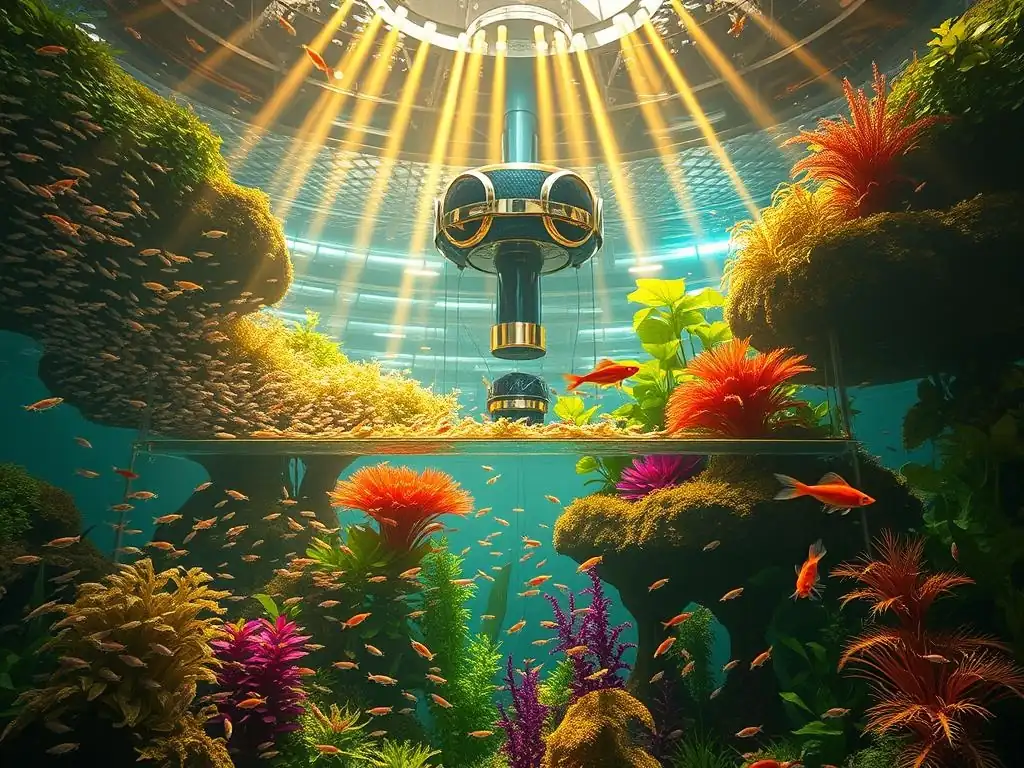
Welcome to Aquarium Mastery!
Ever wondered how to successfully nurture delicate freshwater larvae through their crucial early stages? Unlock the secrets to creating thriving ecosystems for your aquatic babies. Dive into our comprehensive guide, "Sizing Up: Seamlessly Transitioning Larvae Through Different Rearing Systems," and discover the techniques that separate thriving aquariums from struggling ones. Ready to master the art of freshwater larvae rearing? Let's begin!
- Introduction: Mastering Larval Rearing Transitions in Saltwater Aquariums
- Understanding the Needs of Larvae in Different Rearing Environments
- Designing Effective Larvae Rearing Systems
- Pre-Transition Preparation: Optimizing Larval Health and Condition
- The Step-by-Step Transition Process
- Feeding Strategies for Newly Transferred Larvae
- Maintaining Optimal Water Quality in Larval Rearing Tanks
- Troubleshooting Common Issues During Larval Transition
- Advanced Techniques for Enhancing Larval Survival Rates
- Case Studies: Successful Examples of Larval Rearing Transitions
- Conclusion: Achieving Success in Larval Rearing
-
Frequently Asked Questions
- How does transitioning freshwater larvae through different rearing systems improve their survival rates?
- What are the key considerations when selecting different rearing systems for freshwater larvae?
- What are some common challenges encountered when transitioning freshwater larvae between rearing systems?
- How important is water quality management in a freshwater larvae rearing system?
- What are some effective strategies for feeding freshwater larvae in different rearing systems?
- Final Reflection: Nurturing Aquatic Futures
- Unleash Your Larval Rearing Potential!
Introduction: Mastering Larval Rearing Transitions in Saltwater Aquariums
Successfully raising marine fish from eggs to juvenile stages is a pinnacle achievement for any aquarist, and a critical component of sustainable aquaculture. The journey of marine larvae is fraught with challenges, primarily due to their delicate nature and precise environmental requirements. One of the most significant hurdles in this process is the seamless transition of larvae between different rearing systems, whether it's from an initial hatching vessel to a first-feeding tank, or from a primary culture system to a larger grow-out environment. Each transition introduces potential stressors that can lead to high mortality rates if not managed meticulously.
This article delves into the intricate art and science of guiding marine larvae through these crucial developmental stages. We will explore the fundamental needs of larvae, the design principles behind effective larvae rearing systems, and the strategic preparations necessary to optimize larval health before any transfer. Furthermore, we will detail step-by-step transition protocols, discuss advanced feeding strategies, and provide insights into maintaining pristine water quality. By understanding and implementing these techniques, aquarists can significantly improve survival rates and contribute to the successful propagation of diverse saltwater species.
Understanding the Needs of Larvae in Different Rearing Environments
The Critical Importance of Gradual Acclimation for Larval Survival
The physiological makeup of marine fish larvae makes them exceptionally vulnerable to sudden environmental shifts, highlighting the critical importance of gradual acclimation. When larvae are abruptly moved from one rearing system to another with different water parameters—such as salinity, temperature, or pH—they experience what is known as osmotic shock. This shock occurs because their delicate osmoregulatory systems, which regulate the balance of water and salts in their bodies, cannot cope with rapid changes.
For instance, a sudden drop in salinity from 32 ppt to 28 ppt can cause excessive water uptake, leading to cell swelling and rupture, while a sudden increase can cause dehydration. Studies on Lates calcarifer (Barramundi) larvae have shown that a rapid 5 ppt salinity change can reduce survival rates by as much as 30-40% within 24 hours compared to a gradual transition.
Beyond osmotic stress, abrupt changes in temperature can disrupt metabolic rates and immune function, making larvae more susceptible to disease. A temperature swing of just 2-3°F (approximately 1-1.5°C) can induce significant stress, manifested as erratic swimming, loss of equilibrium, or cessation of feeding. Similarly, fluctuations in pH can affect enzyme activity and oxygen uptake.
For example, a drop in pH from 8.2 to 7.8 in a larvae rearing system can reduce the oxygen-carrying capacity of larval blood, leading to hypoxia and increased mortality. Therefore, meticulous, slow acclimation over several hours or even days is not merely a best practice; it is a fundamental requirement for maximizing larval survival rates and ensuring the health of young marine fish.
Common Challenges in Transitioning Larvae Between Rearing Systems
Transitioning marine larvae between larvae rearing systems presents a myriad of challenges that can easily decimate an entire batch if not carefully managed. One primary challenge is the unavoidable physical stress associated with handling. Larvae, especially in their early stages, have extremely fragile bodies, and even gentle netting or siphoning can cause fin damage, scale loss, or internal injuries.
For example, the delicate fins of clownfish larvae, which are crucial for their early swimming and feeding, can be easily damaged, leading to reduced mobility and starvation. This physical trauma often manifests as lethargy, abnormal swimming patterns, or increased susceptibility to secondary bacterial infections within hours of transfer.
Another significant hurdle is the potential for drastic shifts in water quality parameters. While gradual acclimation addresses the immediate shock, maintaining stability in the new environment is equally critical. The new system might have different microbial populations, varying levels of dissolved organic compounds, or residual medications that can be toxic to sensitive larvae.
Furthermore, the change in environment can disrupt feeding behavior; larvae might refuse to eat in an unfamiliar setting, leading to starvation. For instance, some species, like mandarin dragonets, are highly sensitive to changes in water flow or lighting, and a new environment might lead them to cease feeding on their preferred copepod prey, resulting in rapid decline. Even a slight increase in ammonia (e.g., from 0 ppm to 0.05 ppm) in the new system can be lethal to many marine larvae, which are far more sensitive than adult fish.
Designing Effective Larvae Rearing Systems
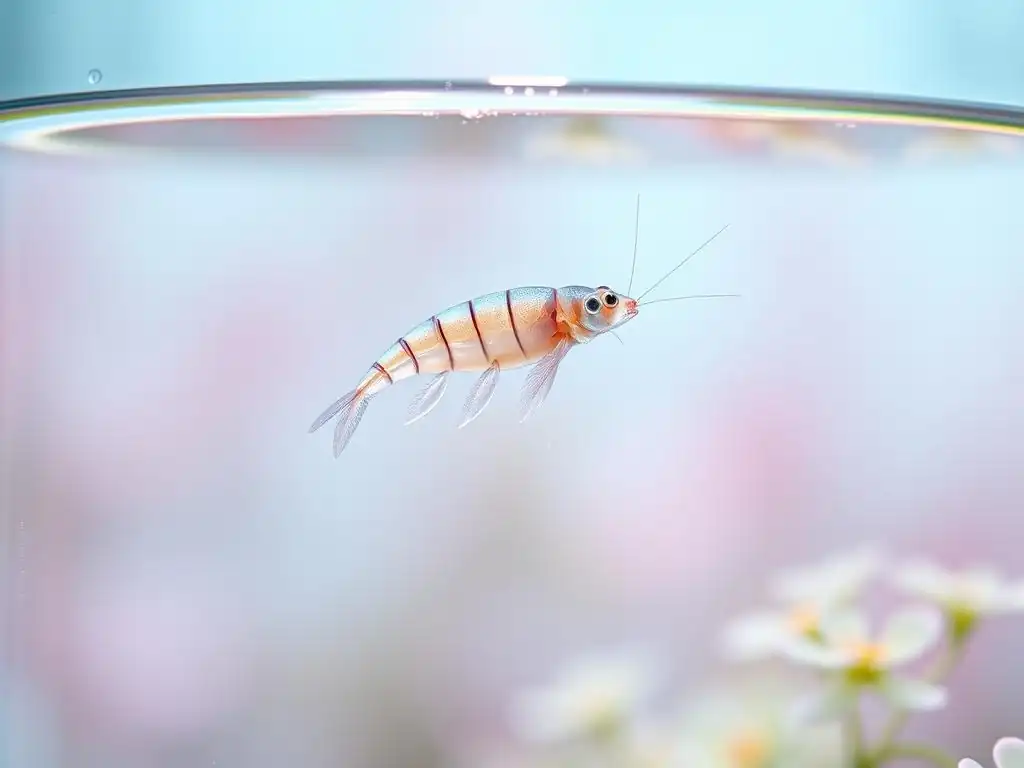
Choosing the Right Tank Size and Configuration
The selection of appropriate tank size and configuration is paramount for the successful operation of larvae rearing systems. For initial larval stages, particularly for species with pelagic larvae like clownfish ( Amphiprion ocellaris) or damselfish, small, round, or pseudo-kreisel tanks ranging from 5 to 20 gallons (approx. 19-76 liters) are often preferred.
These smaller volumes allow for precise control over water quality, easier monitoring of feed density, and reduced dilution of live feeds, ensuring larvae encounter sufficient food particles. For example, a 10-gallon black-out tank is commonly used for the first 7-10 days of clownfish larval rearing, providing a uniform, low-light environment that encourages feeding and reduces visual stress. The round or kreisel design promotes gentle, uniform water circulation, preventing larvae from settling on the bottom or becoming trapped in corners, which can lead to starvation or suffocation.
As larvae grow and transition to later stages, larger grow-out tanks become necessary to accommodate their increasing biomass and activity levels. These tanks might range from 30 to 100 gallons (approx. 113-378 liters) or more, depending on the species and the number of larvae.
For species like Banggai Cardinalfish ( Pterapogon kauderni), which are mouthbrooders and release larger, more developed fry, a 20-gallon long tank with minimal flow may be suitable for their initial rearing. The configuration should still prioritize gentle flow and ease of cleaning, often incorporating standpipes or external overflows with fine screens to prevent larval escape. Some advanced larvae rearing systems utilize specialized "plankton kreisels" or "larval raceways" that are designed to maintain optimal water column culture for planktonic larvae, ensuring continuous access to feed and minimizing physical stress from turbulent flow.
Optimizing Water Quality Parameters: Salinity, Temperature, and pH
Optimizing water quality parameters is a non-negotiable cornerstone of successful larvae rearing systems. Salinity, temperature, and pH are the triumvirate of critical parameters that directly influence larval development, metabolism, and survival. For most marine fish larvae, a stable salinity between 32-35 parts per thousand (ppt) is ideal, mimicking natural ocean conditions.
Deviations, especially rapid ones, can cause severe osmotic stress. For example, clownfish larvae thrive at 34 ppt, and maintaining this consistency from hatching through grow-out is crucial. Monitoring salinity daily with a refractometer or conductivity meter and making adjustments slowly, no more than 1 ppt per hour, is essential.
Temperature plays a vital role in metabolic rate and growth. Most tropical marine larvae prefer temperatures between 78-82°F (25.5-27.8°C). Maintaining a stable temperature, ideally with minimal diurnal fluctuations (less than 1°F or 0.5°C), is critical. For instance, a consistent 80°F can accelerate the development of certain species, reducing the larval period and thus exposure to environmental risks.
pH stability, typically between 8.0 and 8.3, is equally important. Fluctuations outside this range can inhibit enzyme function, affect calcification in species that develop skeletal structures early, and increase the toxicity of ammonia. Regular testing with a reliable pH probe or test kit, coupled with buffering agents if necessary, helps maintain this critical balance in any larvae rearing system.
Creating a Stable and Controlled Environment for Early Larval Development
Creating a stable and controlled environment is paramount for the delicate early stages of larval development within larvae rearing systems. Beyond just water parameters, factors such as lighting, water flow, and the absence of predators or excessive disturbances significantly impact survival rates. For many species, especially during their first few days post-hatch, a consistent light cycle is beneficial.
A common photoperiod is 14 hours of light and 10 hours of dark, which helps regulate their circadian rhythms, feeding behavior, and overall development. The light intensity should be relatively low and diffused, often achieved with simple LED strips or fluorescent lights, to prevent photostress or disorienting shadows. For instance, too intense lighting can cause some larvae to "helicopter" or swim erratically, expending vital energy.
Water flow is another critical aspect. Larvae are typically weak swimmers initially and require very gentle, laminar flow to prevent physical damage and ensure uniform distribution of live feeds. Air-driven sponge filters or small, adjustable powerheads with fine mesh pre-filters are commonly employed to create this gentle circulation while also providing biological filtration. For example, a single air stone bubbling gently in a small larval tank can provide sufficient oxygenation and circulation without harming the larvae.
Furthermore, minimizing external disturbances such as loud noises, sudden movements, or vibrations is crucial. These stressors can cause larvae to cease feeding, dart erratically, or even suffer physical trauma. Maintaining a dedicated, quiet space for the larvae rearing systems contributes significantly to their successful development.
Pre-Transition Preparation: Optimizing Larval Health and Condition
Nutritional Strategies for Strengthening Larvae Before Transfer
Optimizing larval health through targeted nutritional strategies is a critical pre-transition preparation in larvae rearing systems. Before larvae are moved to a new environment, ensuring they are robust and well-nourished significantly increases their resilience to stress and their chances of survival. The primary method for achieving this is through the meticulous enrichment of live feeds.
Rotifers ( Brachionus plicatilis) and copepods, which are the initial food sources for most marine larvae, naturally have a low nutritional profile, particularly in essential fatty acids like DHA (Docosahexaenoic Acid). Therefore, these live feeds must be "gut-loaded" with highly nutritious enrichment products for 12 to 24 hours prior to being fed to the larvae.
Common enrichment products include commercial emulsions rich in DHA, such as Selco S.parkle or Apex, which are fed to the rotifers or copepods. This process allows the live prey to absorb and store these crucial nutrients, which are then transferred to the larvae upon consumption. For example, studies have shown that clownfish larvae fed DHA-enriched rotifers exhibit significantly higher growth rates and survival (often 10-20% higher) compared to those fed unenriched rotifers.
This improved nutritional status translates to stronger larvae with better lipid reserves, more developed organ systems, and enhanced immune responses, making them better equipped to handle the stresses of transfer and adapt to a new larvae rearing system. Ensuring a consistent and high-quality feed supply, delivered at appropriate densities (e.g., 5-10 rotifers/mL for first-feeding larvae), is also vital for continuous larval development and strength.
Minimizing Stress During Handling and Acclimation
Minimizing stress during handling and acclimation is a paramount concern when preparing larvae for transition between larvae rearing systems. Larvae are incredibly delicate, and any physical or environmental shock can lead to immediate mortalities or delayed stress-related issues. The first rule is to handle larvae as little as possible. When transfers are necessary, use methods that are gentle and minimize contact.
Large-bore siphons (e.g., 0.5-1 inch diameter tubing) are preferred over nets, as they allow larvae to flow smoothly with water, reducing the risk of physical trauma. Siphoning should be done slowly, perhaps into a small, temporary holding container, ensuring the larvae are always submerged in water. Dimming the lights in both the source and target tanks during the transfer process can also reduce visual stress and prevent larvae from darting erratically.
Once larvae are in the temporary container, gradual acclimation to the parameters of the new rearing system is crucial. The drip acclimation method is highly effective: slowly drip water from the target tank into the temporary container holding the larvae, allowing the water parameters (salinity, temperature, pH) to equalize gradually over a period of 30 minutes to an hour, or even longer for significant differences. For instance, if the target tank's salinity is 2 ppt higher, a drip rate of 1-2 drops per second over an hour can ensure a smooth transition.
Monitoring the larvae's behavior throughout this process—looking for signs of stress like rapid gill movement, erratic swimming, or lethargy—is vital. If stress is observed, slow down the acclimation process further. By prioritizing gentle handling and methodical acclimation, aquarists can dramatically reduce post-transfer mortality rates in their larvae rearing systems.
Quarantine Protocols for Preventing Disease Transmission
Implementing strict quarantine protocols is an often-overlooked yet critical step in preventing disease transmission within larvae rearing systems, especially during transitions. Larvae are highly susceptible to pathogens, and introducing a new batch of live feeds, equipment, or even source water can inadvertently introduce harmful bacteria, viruses, or parasites. A robust quarantine strategy involves isolating and treating anything that comes into contact with the larval tanks before it is introduced.
For instance, all newly acquired live feed cultures (e.g., rotifers, copepods) should be maintained in separate, dedicated containers for at least 24-48 hours and ideally disinfected. Some protocols suggest a brief freshwater dip for rotifers (2-3 seconds) to eliminate marine parasites before adding them to larval tanks, though this must be done with extreme caution.
Furthermore, all equipment, including siphons, nets, airstones, and heaters, should be meticulously disinfected between uses and between different larval batches. A common practice is to use a mild bleach solution (e.g., 1 part bleach to 10 parts water) followed by thorough rinsing and dechlorination (e.g., with sodium thiosulfate) to sterilize equipment. Dedicated equipment for each larvae rearing system is ideal to prevent cross-contamination.
While it's impractical to quarantine the larvae themselves before a system transition, maintaining impeccable hygiene throughout the entire process, from egg collection to grow-out, significantly reduces the risk of outbreaks. Preventing diseases like Vibrio infections, which can rapidly decimate larval batches, is far more effective than attempting to treat them in fragile larvae.
The Step-by-Step Transition Process
Gradual Salinity Adjustment: A Controlled Acclimation Protocol
Gradual salinity adjustment is a cornerstone of a controlled acclimation protocol when transitioning larvae between larvae rearing systems. Rapid changes in salinity are a major cause of osmotic shock, leading to high mortality. The goal is to slowly equalize the salinity of the larvae's current water with that of the target system, allowing their delicate osmoregulatory systems to adapt. A highly effective method is drip acclimation.
First, isolate the larvae in a small, clean container with their original water. Then, using airline tubing, set up a slow drip from the target rearing system into the larvae's container. The drip rate should be very slow, typically 1-2 drops per second, to ensure a gradual change.
The duration of this process depends on the magnitude of the salinity difference. For example, if transitioning larvae from a hatching system at 30 ppt to a grow-out tank at 34 ppt, the acclimation might take 1 to 2 hours, allowing the salinity in the temporary container to rise slowly. A general rule of thumb is to aim for a change of no more than 1-2 ppt per hour.
Regularly monitor the salinity in the temporary container using a refractometer. Once the salinity in the temporary container matches or is very close to that of the target system, the larvae can be gently transferred using a large-bore siphon. This methodical approach minimizes stress, prevents cell damage, and dramatically improves survival rates during the transition within larvae rearing systems.
Monitoring Larval Behavior and Response to Environmental Changes
Constant monitoring of larval behavior and their response to environmental changes is a non-negotiable aspect of successful transitions in larvae rearing systems. Larvae are highly sensitive indicators of their environment, and subtle shifts in their behavior can signal stress or impending issues long before visible mortalities occur. Immediately after a transition, observe the larvae closely for signs of distress. Healthy larvae should exhibit active, purposeful swimming, often maintaining a relatively uniform distribution in the water column and actively pursuing live feed. For instance, clownfish larvae typically swim head-up, tail-down, making short darting movements.
Signs of stress or poor acclimation include erratic swimming (e.g., spiraling, swimming into tank walls), lethargy, congregating at the surface or bottom, rapid gill movements (indicating respiratory distress), or a complete cessation of feeding. If larvae are seen with clamped fins, or show signs of abnormal coloration, it's a strong indicator that something is amiss.
For example, if a batch of Banggai Cardinalfish larvae, typically slow and deliberate swimmers, suddenly exhibit frantic, uncontrolled movements after transfer, it suggests an immediate issue with water quality or temperature shock. Promptly re-testing water parameters (salinity, temperature, pH, ammonia, nitrite) and making small, corrective adjustments based on these observations can often avert a mass die-off, underscoring the importance of diligent, daily observation in any larvae rearing system.
Transitioning Amphiprion ocellaris Larvae
Transitioning Amphiprion ocellaris (Ocellaris Clownfish) larvae provides a practical example of a well-documented protocol within larvae rearing systems. Clownfish larvae typically hatch 8-9 days post-spawn, usually at night. They are then gently siphoned from the breeding tank into a dedicated larval rearing tank, often a 10 to 20-gallon black-out kreisel or round tank.
The initial water in this tank should match the breeding tank's parameters (e.g., 34 ppt salinity, 80°F). For the first 5-7 days post-hatch, these larvae are typically fed S-type rotifers ( Brachionus plicatilis) enriched with DHA-rich products, maintained at a density of 5-10 rotifers/mL. During this period, the larvae are largely pelagic.
The first significant transition occurs around day 7-10 post-hatch, when the larvae begin to metamorphose and settle. At this stage, they are ready for a diet change and potentially a move to a larger grow-out tank. The transition involves gradually introducing newly hatched Artemia nauplii alongside the rotifers. Over 2-3 days, the Artemia concentration increases while rotifer density decreases.
Simultaneously, if moving to a larger grow-out system, a gradual drip acclimation is performed, matching the new tank's parameters. This transition period is critical; the larvae need to adapt to a new food source and potentially a different physical environment. Successful transfer often sees survival rates of 60-80% from hatch to juvenile, provided water quality remains pristine (ammonia and nitrite near 0 ppm) and feeding is consistent in the new larvae rearing system.
Feeding Strategies for Newly Transferred Larvae
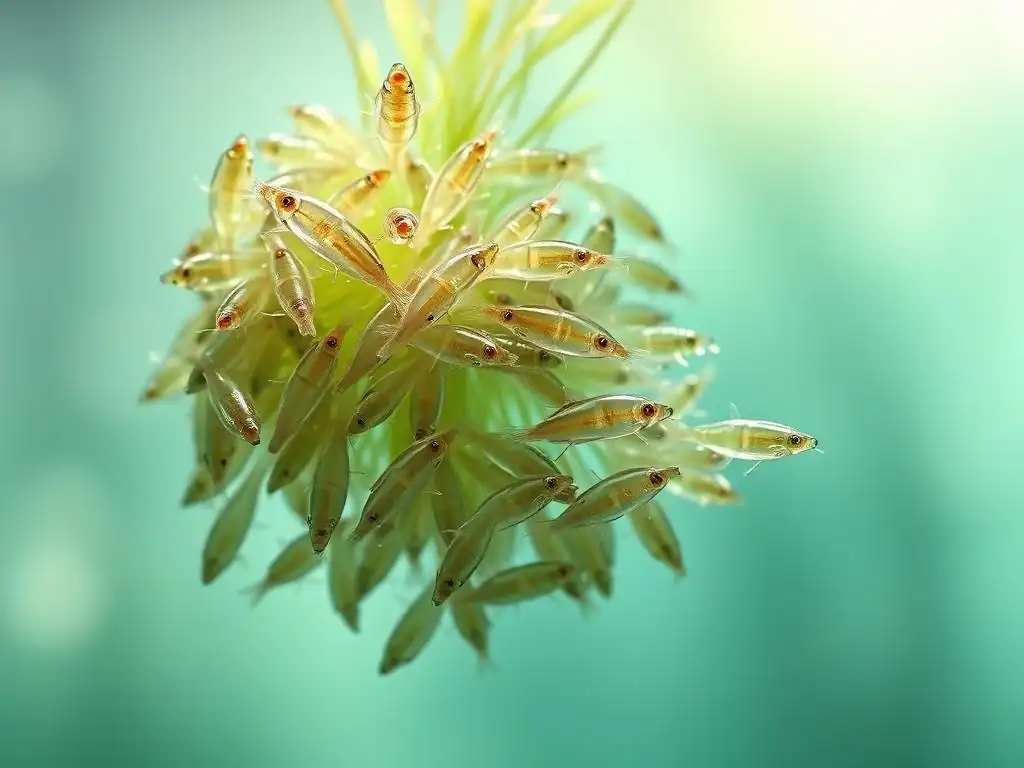
Selecting Appropriate Live Feeds: Rotifers, Copepods, and Artemia
Selecting appropriate live feeds is paramount for the survival and growth of newly transferred larvae in larvae rearing systems, as their nutritional requirements and mouth gape sizes evolve rapidly. For many species, especially those with small mouth gapes like clownfish or dottybacks, S-type rotifers ( Brachionus plicatilis) are the indispensable first food. These rotifers are typically 100-250 microns in size, making them perfectly digestible for newly hatched larvae. They must be consistently cultured and enriched with DHA-rich products to provide essential fatty acids.
As larvae grow, typically after 5-10 days, their mouth gapes enlarge, allowing them to consume larger prey. This is when copepods, particularly nauplii and copepodites of species like Tisbe or Apocyclops, become invaluable. Copepods offer a superior nutritional profile compared to rotifers, being richer in highly unsaturated fatty acids (HUFA) and often having a more erratic swimming pattern that stimulates a feeding response.
Some species, like mandarin dragonets, require copepods as their primary food source due to their specific feeding behaviors. Finally, newly hatched Artemia nauplii are introduced, typically around day 7-14 post-hatch for many species, as they are larger (400-500 microns) and more energetic. While Artemia are easy to hatch in large quantities, they are nutritionally deficient without enrichment, making the subsequent steps crucial for ensuring the success of larvae rearing systems.
Implementing a Feeding Schedule to Meet Larval Nutritional Needs
Implementing a precise feeding schedule is fundamental to meeting the voracious nutritional demands of newly transferred larvae in larvae rearing systems. Marine larvae have incredibly high metabolic rates and limited energy reserves, making continuous access to food critical for their survival and growth. For first-feeding larvae, a common strategy is to maintain a constant density of live feed in the water column throughout the day.
This can be achieved by adding small amounts of enriched rotifers or copepods multiple times a day (e.g., every 2-4 hours) or, more effectively, by using a continuous drip system that slowly adds live feed cultures to the larval tank. The target density often ranges from 5-10 rotifers per milliliter (rotifers/mL) for initial feeders, ensuring larvae encounter food frequently.
As larvae grow and transition to larger feeds like Artemia, the feeding frequency may shift slightly, but the principle of continuous availability remains. For instance, Artemia nauplii are typically added 2-3 times per day, ensuring a density of 0.5-1 Artemia/mL. Many aquarists also employ the "green water" technique, where phytoplankton (e.g., Nannochloropsis or Isochrysis) is added to the larval tank.
This serves multiple purposes: it helps maintain water quality by consuming nutrients, provides a direct food source for the live feeds, and potentially offers direct nutrition to the larvae. For example, maintaining a light green tint in the water suggests sufficient phytoplankton density. Consistent feeding, monitored by observing larval gut fullness, is key to preventing starvation and promoting robust development in any larvae rearing system.
Discussing Enriched Artemia as a Feed Option
Enriched Artemia nauplii represent a crucial feed option for marine larvae, particularly as they grow and transition from smaller prey in larvae rearing systems. While newly hatched Artemia nauplii are readily available and easy to hatch in large quantities, their natural nutritional profile is relatively poor, especially in essential highly unsaturated fatty acids (HUFA) like DHA and EPA, which are critical for larval development, vision, and immune function. Therefore, Artemia must be "enriched" or "gut-loaded" before being fed to larvae.
The enrichment process typically involves feeding newly hatched Artemia nauplii a concentrated enrichment diet for 12 to 24 hours. These diets are commercially available and are usually lipid-based emulsions or microalgae concentrates rich in DHA (e.g., Selco S.parkle, Apex, or Algamac). During this period, the Artemia ingest these nutrients, significantly boosting their fatty acid content.
For example, unenriched Artemia may contain less than 1% DHA, while enriched Artemia can contain 5-10% DHA of total fatty acids. This higher nutritional value translates directly to improved larval growth, reduced deformities, and significantly higher survival rates. For species like marine angelfish or tangs, which have a longer larval duration and consume Artemia for extended periods, the consistent provision of highly enriched Artemia is paramount for achieving successful metamorphosis and high juvenile yields in modern larvae rearing systems.
Maintaining Optimal Water Quality in Larval Rearing Tanks
Regular Water Changes and Monitoring of Water Parameters
Regular water changes and vigilant monitoring of water parameters are absolutely critical for maintaining optimal conditions in larvae rearing systems. Larvae are highly sensitive to accumulating waste products and fluctuations in their environment. Daily partial water changes, typically 10-20% of the tank volume for early stages, are essential to dilute ammonia, nitrite, and nitrate, replenish trace elements, and remove uneaten food and larval waste.
As larvae grow and their biomass increases, the frequency and volume of water changes may need to increase to 30-50% daily. For example, in a 20-gallon larval tank with 1,000 clownfish larvae, a 20% daily water change (4 gallons) helps keep ammonia below detectable levels, crucial for their survival.
Concurrent with water changes, daily monitoring of key water parameters is non-negotiable. This includes salinity (e.g., 32-35 ppt), temperature (e.g., 78-82°F), pH (e.g., 8.0-8.3), ammonia, nitrite, and nitrate. Regular use of reliable test kits or digital meters is vital. Even slight deviations can stress larvae.
For instance, ammonia levels above 0.05 ppm can be toxic to many marine larvae, while nitrite above 0.1 ppm can cause brown blood disease. Maintaining stable alkalinity (e.g., 7-9 dKH) is also important for pH buffering. By diligently performing water changes and monitoring parameters, aquarists can proactively address issues, preventing the rapid decline of their larval batches in larvae rearing systems.
Utilizing Filtration Systems for Waste Removal
Utilizing appropriate filtration systems is crucial for waste removal and maintaining water clarity in larvae rearing systems, albeit with specific considerations for the delicate nature of larvae. Traditional high-flow mechanical filters or protein skimmers, common in adult aquarium setups, are generally unsuitable for larval tanks as they can physically harm or entrain the tiny larvae. Instead, gentle, low-impact filtration methods are preferred.
Air-driven sponge filters are a staple in larval rearing due to their simplicity, gentle flow, and effectiveness. They provide both mechanical filtration by trapping particulate matter and biological filtration by providing a surface area for nitrifying bacteria. For example, a well-cycled sponge filter in a 10-gallon larval tank can significantly contribute to ammonia and nitrite reduction.
For larger grow-out systems, external hang-on-back (HOB) filters or small canister filters can be used, but they must be modified to prevent larval intake. This typically involves placing a fine mesh or sponge over the intake tube. Some advanced larvae rearing systems utilize specialized kreisel tanks with external biological filters or sumps that receive water via a gentle overflow, returning filtered water with minimal turbulence.
The goal is to remove uneaten food, detritus, and dissolved organic compounds without creating strong currents or physical hazards. Regular cleaning of sponge filters and filter media (e.g., rinsing in old tank water) is necessary to prevent clogs and maintain efficiency, ensuring optimal water quality for the developing larvae.
Controlling Ammonia, Nitrite, and Nitrate Levels
Controlling ammonia, nitrite, and nitrate levels is paramount for the survival of marine larvae in larvae rearing systems, as these nitrogenous compounds are highly toxic even at low concentrations. Ammonia (NH3/NH4+) is the most lethal, often becoming toxic at concentrations as low as 0.05-0.1 parts per million (ppm) for sensitive larvae, leading to gill damage and organ failure.
Nitrite (NO2-) is also highly toxic, interfering with oxygen transport in the blood, causing "brown blood disease" at concentrations above 0.1-0.2 ppm. While nitrate (NO3-) is less toxic, elevated levels (above 20-30 ppm) can still stress larvae and inhibit growth over time.
The primary strategy for controlling these compounds in larval tanks is frequent, diligent water changes, as discussed previously. Daily water changes of 10-50% dilute accumulating waste. Biological filtration, provided by sponge filters or established bio-media, plays a crucial role in converting ammonia to nitrite and then to nitrate.
However, in small, heavily fed larval tanks, the bio-filter often cannot keep up with the rapid waste production, especially during the initial cycling phase. Therefore, it is common practice to manually remove uneaten food and detritus via siphoning multiple times a day.
Some aquarists also utilize beneficial bacteria additives or small amounts of live rock (in grow-out systems) to aid in nitrogen cycle establishment. The ultimate goal is to maintain ammonia and nitrite levels at undetectable (0 ppm) concentrations, and nitrates as low as possible, ideally below 10 ppm, to ensure the health and high survival rates within the delicate environment of larvae rearing systems.
Troubleshooting Common Issues During Larval Transition
Identifying and Addressing Signs of Stress or Disease
Identifying and promptly addressing signs of stress or disease is crucial for mitigating potential disasters during larval transition in larvae rearing systems. Larvae are highly susceptible to environmental stressors and pathogens, and their small size means issues can escalate rapidly. Common signs of stress include erratic swimming (e.g., spiraling, darting, or swimming into tank walls), lethargy (larvae sinking to the bottom or floating listlessly), rapid gill movement, or a sudden cessation of feeding. For instance, if a batch of newly transferred dottyback larvae suddenly stops consuming rotifers and begins to clump together, it's a strong indicator of environmental distress.
Signs of disease often overlap with stress but can include physical manifestations such as clamped fins, white spots (Ich), fuzzy growths (fungus), reddening of the body or fins (bacterial infection), or visible deformities. If these signs are observed, immediate action is necessary. First, re-test all water parameters (ammonia, nitrite, nitrate, pH, salinity, temperature) to rule out environmental causes and make prompt, gradual corrections if needed.
Increase aeration, perform a small water change (e.g., 10-20%), and reduce light intensity. If a bacterial infection is suspected (e.g., rapid mortalities without clear water parameter issues), a broad-spectrum antibiotic may be considered as a last resort, but always with extreme caution due to larval sensitivity. Prompt identification and intervention are key to salvaging a larval batch in any larvae rearing system.
Preventing and Treating Bacterial Infections
Bacterial infections are a leading cause of mortality in larvae rearing systems, and prevention is always more effective than treatment for these delicate creatures. The most common culprits are opportunistic bacteria, particularly Vibrio species, which thrive in environments with poor water quality, high organic loads, and stressed larvae. Prevention hinges on impeccable hygiene and optimal water parameters.
This includes rigorous disinfection of all equipment (siphons, nets, culture vessels) between uses and between batches, daily removal of uneaten food and detritus, and maintaining ammonia and nitrite at undetectable levels. Utilizing probiotics (beneficial bacteria) in the water column or through enriched feeds can also help establish a healthy microbial balance, outcompeting pathogenic bacteria.
Despite best efforts, bacterial infections can still occur. Signs often include rapid, unexplained mortalities, reddening of the body or fins, cloudy eyes, or a "hazy" appearance to the larvae. Treating bacterial infections in larvae is challenging due to their small size and sensitivity to medications. Broad-spectrum antibiotics like Furan-2 or Maracyn 2 can be considered, but they must be dosed very carefully, often at reduced concentrations, and water changes should be increased to prevent drug accumulation.
For example, a 50% dose of Maracyn 2 might be used for 3-5 days. However, antibiotics can also harm beneficial bacteria in the system, potentially leading to ammonia spikes. In many cases, increasing water changes, improving aeration, and addressing underlying stressors (e.g., overfeeding, poor water quality) are the first and most crucial steps, often proving more effective and less risky than medication in larvae rearing systems.
Managing Water Quality Fluctuations
Managing water quality fluctuations is a persistent challenge in larvae rearing systems, as even minor inconsistencies can severely stress or kill delicate larvae. Fluctuations can arise from various sources: inconsistent top-offs leading to salinity swings, unreliable heaters causing temperature changes, or irregular feeding/water changes resulting in unstable nitrogenous waste levels.
For instance, a daily evaporation of 1-2% in a small 10-gallon larval tank can lead to a significant salinity increase over just a few days if not topped off with freshwater. Similarly, an unreliable heater causing a 3-4°F temperature swing throughout the day will constantly stress larvae, leading to reduced feeding and increased disease susceptibility.
To mitigate these fluctuations, precision and consistency are key. Automated top-off systems can maintain stable salinity by replacing evaporated water with RODI (Reverse Osmosis Deionized) water. Using high-quality, reliable heaters with thermostats and perhaps even redundant heaters or temperature controllers can ensure stable temperatures. Regular, scheduled water changes are crucial for managing ammonia, nitrite, and nitrate, preventing their accumulation and subsequent spikes.
Employing accurate test kits or calibrated digital probes for daily monitoring allows for immediate detection of any parameter drift. For example, if pH starts to drop, it might indicate insufficient alkalinity, which can be corrected by adding a small amount of buffer. Proactive management of these parameters creates a more stable and forgiving environment for larval development, significantly improving survival rates in any larvae rearing system.
Advanced Techniques for Enhancing Larval Survival Rates
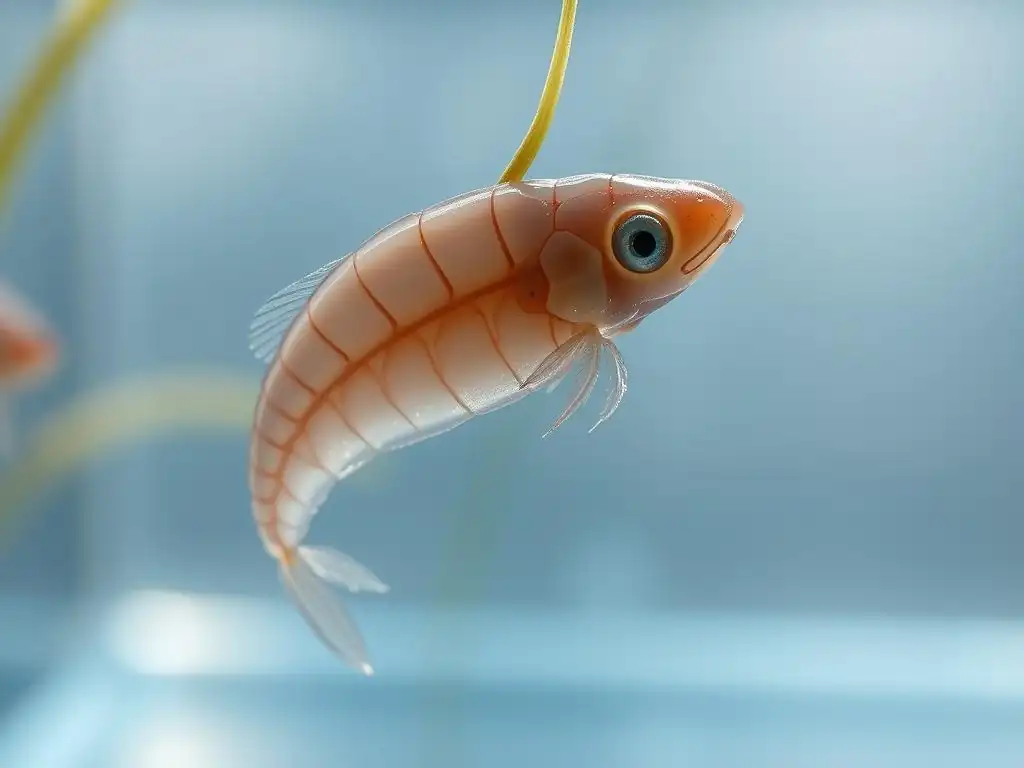
Utilizing Probiotics to Support Larval Gut Health
Utilizing probiotics to support larval gut health is an advanced technique gaining significant traction in larvae rearing systems, offering a proactive approach to enhancing survival rates. Probiotics are live microorganisms, typically beneficial bacteria (e.g., Bacillus strains), that, when administered in adequate amounts, confer a health benefit on the host. For marine larvae, whose immune systems are still developing, a healthy gut microbiome is crucial for digestion, nutrient absorption, and disease resistance. Pathogenic bacteria, often Vibrio species, can quickly colonize the larval gut and water column, leading to devastating mortalities.
Probiotics can be introduced in several ways: by adding them directly to the larval rearing water, by enriching live feeds (rotifers, Artemia) with probiotic cultures, or by incorporating them into larval dry diets as they transition. When added to the water, probiotics compete with pathogenic bacteria for resources and space, effectively reducing the overall bacterial load and inhibiting the growth of harmful strains.
For example, studies have shown that the addition of Bacillus probiotics to a larvae rearing system for Lates calcarifer (Barramundi) can reduce mortality by 15-20% due to improved gut health and disease resistance. By promoting a balanced and beneficial microbial community, probiotics help strengthen the larvae from within, making them more resilient to environmental stressors and preventing common bacterial diseases, leading to higher overall survival rates.
Implementing Light Cycles to Promote Larval Growth
Implementing specific light cycles is an advanced technique that significantly promotes larval growth and development in larvae rearing systems. Photoperiod, or the duration of light and dark cycles, influences larval feeding behavior, metabolic rates, and the timing of metamorphosis. For many marine species, a consistent photoperiod, often mimicking natural daylight cycles, is crucial.
A common cycle employed is 14 hours of light followed by 10 hours of darkness (14L:10D). This extended light period ensures that larvae have ample time to feed on live prey, which are often visually detected. Increased feeding time directly translates to better growth rates and stronger larvae.
The intensity and spectrum of light also play a role. Low-intensity, diffused lighting is generally preferred for early larval stages to prevent photostress, which can manifest as erratic swimming or avoidance behaviors. For instance, using a simple LED strip light positioned above the tank, perhaps with a diffuser, provides adequate illumination without creating harsh shadows.
Some research suggests that specific light spectrums, such as blue light, can influence certain aspects of larval development and pigmentation. By carefully controlling the light cycle, aquarists can optimize the environment to encourage continuous feeding and healthy development, reducing the overall larval period and enhancing the robustness of the juveniles in their larvae rearing systems.
Discussing the Use of Vitamin Supplements
The judicious use of vitamin supplements is an advanced strategy to enhance larval survival rates and overall health in larvae rearing systems. While live feeds like rotifers and Artemia are enriched with essential fatty acids, they may still be deficient in certain vitamins, particularly water-soluble ones, that are crucial for larval development, immune function, and stress resistance. Marine fish larvae have high metabolic demands and rapid growth, requiring a complete nutritional profile to thrive.
Vitamin supplements, often in liquid form, can be added directly to the larval rearing water or used to further enrich live feeds. For example, Vitamin C (ascorbic acid) is a powerful antioxidant and plays a vital role in immune function and collagen synthesis, crucial for skeletal development. A deficiency can lead to deformities or increased susceptibility to disease. B-complex vitamins are essential for metabolic processes and energy utilization.
Some commercial supplements are specifically formulated for marine larvae, containing a balanced blend of water-soluble and lipid-soluble vitamins. Dosing these supplements, usually in very small quantities (e.g., a few drops per 10 gallons), can bridge any nutritional gaps in the diet of larvae, particularly during critical transition periods. This ensures larvae receive all necessary micronutrients, leading to stronger, healthier individuals with improved resilience and higher survival rates within the demanding environment of larvae rearing systems.
Case Studies: Successful Examples of Larval Rearing Transitions
Case Study 1: Achieving High Survival Rates with Banggai Cardinalfish Larvae
Achieving high survival rates with Banggai Cardinalfish ( Pterapogon kauderni) larvae exemplifies a successful transition protocol in larvae rearing systems. Unlike many marine species, Banggai Cardinalfish are paternal mouthbrooders, releasing relatively large, well-developed fry (around 5-7 mm total length) that are already past the most delicate first-feeding stage. This unique characteristic simplifies the initial rearing, but transitions still require meticulous care.
Upon release from the male's mouth, typically 20-25 days post-spawn, the fry are gently siphoned into a dedicated 10-20 gallon grow-out tank. This tank is usually equipped with a gentle air-driven sponge filter and minimal water flow to prevent physical stress. The water parameters (salinity 32-35 ppt, temperature 78-80°F, pH 8.0-8.2) are matched to the breeding tank.
The primary challenge lies in their specific feeding requirements and their sensitivity to water quality. Initially, these fry feed exclusively on live copepods (e.g., Tisbe or Apocyclops species), which are maintained at high densities (5-10 copepods/mL).
After approximately 7-10 days in the initial grow-out tank, when the fry have grown to about 10-12 mm, they are transitioned to a larger 30-50 gallon grow-out system. This transition involves a slow drip acclimation over 1-2 hours to the larger system's parameters, which are kept identical.
At this stage, enriched Artemia nauplii are gradually introduced alongside the copepods, slowly becoming the dominant food source over the next week. By maintaining pristine water quality (ammonia and nitrite at 0 ppm, nitrates below 10 ppm) and a consistent supply of appropriate live feeds, hobbyists and commercial breeders have consistently achieved survival rates of 60-70% from release to juvenile, demonstrating the importance of precise environmental control in larvae rearing systems.
Case Study 2: Rearing Mandarin Dragonet Larvae
Rearing Mandarin Dragonet ( Synchiropus splendidus) larvae stands as a testament to the extreme challenges and meticulous strategies required for some of the most difficult species in larvae rearing systems. Mandarin Dragonets have exceptionally small mouths (around 50 microns at first feeding) and a highly specialized diet, making their larval stage notoriously difficult. Spawning typically occurs in the evening, and the tiny, pelagic eggs hatch within 18-24 hours. The newly hatched larvae (approx. 1.2 mm) are immediately transferred to small (5-10 gallon) black-out kreisel tanks with minimal flow, often using the "green water" technique.
The critical transition for Mandarin larvae is not so much a system move, but a dietary transition. For the first 5-7 days, they exclusively require highly specific, small, and slow-moving copepod nauplii, such as Parvocalanus crassirostris or early stages of Tisbe species, maintained at extremely high densities (20-30 copepods/mL). The green water (dense phytoplankton like Nannochloropsis) helps maintain copepod health and potentially provides direct nutrition. Around day 7-10, as their mouth gape slightly increases, larger stages of Tisbe copepods are introduced.
The challenge is maintaining continuous, dense cultures of these specific copepods. A successful transition to enriched Artemia nauplii typically doesn't occur until day 20-30, and even then, Artemia may only serve as a supplemental food. Survival rates for Mandarin Dragonets are often extremely low, with 5-15% considered excellent, showcasing the intricate balance of specific live feeds and stable, high-quality water required for these highly specialized larvae rearing systems.
Conclusion: Achieving Success in Larval Rearing
Emphasizing the Importance of Patience, Observation, and Adaptability
Achieving success in larval rearing, particularly when navigating the intricate transitions between different larvae rearing systems, fundamentally hinges on the virtues of patience, diligent observation, and unwavering adaptability. The delicate nature of marine larvae means that their journey from egg to juvenile is rarely linear or without setbacks. Rushing any step—whether it's acclimation, increasing feed size, or moving to a new tank—can lead to catastrophic losses.
Patience allows the aquarist to implement gradual changes, giving the larvae sufficient time to adjust physiologically and behaviorally to new conditions. This measured approach minimizes stress, which is a leading cause of larval mortality.
Equally important is the art of observation. Larvae cannot vocalize their distress; instead, they communicate through subtle changes in their swimming patterns, feeding behavior, distribution in the water column, and physical appearance. A keen eye, coupled with daily scrutiny of water parameters, can detect problems early, allowing for timely intervention before a minor issue escalates into a mass die-off.
Finally, adaptability is paramount. No two batches of larvae are identical, and even within the same species, varying environmental conditions or genetic predispositions can necessitate adjustments to established protocols. Successful aquarists are those who can interpret the larvae's cues, learn from both successes and failures, and readily modify their strategies to meet the unique demands of each larval batch and the specific challenges of their larvae rearing systems.
Key Takeaways for Seamless Larval Transitions and Improved Breeding Outcomes
Achieving seamless larval transitions and significantly improving breeding outcomes in larvae rearing systems relies on a holistic approach encompassing meticulous planning, execution, and continuous monitoring. The following key takeaways summarize the essential principles for success:
- Gradual Acclimation is Non-Negotiable: Always prioritize slow, controlled acclimation for any change in water parameters (salinity, temperature, pH) during transfers. Drip acclimation over several hours is highly effective in preventing osmotic shock and physiological stress, which can lead to high mortality rates.
- Optimal Water Quality is Paramount: Maintain pristine water quality in all rearing systems. This means daily monitoring of ammonia, nitrite, nitrate, pH, salinity, and temperature, and performing regular, often daily, partial water changes. Ammonia and nitrite must remain at 0 ppm for larval survival.
- Nutritional Excellence is Key: Ensure larvae receive the correct size and type of highly nutritious live feeds at all stages. This requires meticulous culture and consistent enrichment of rotifers, copepods, and Artemia with essential fatty acids (e.g., DHA) before feeding to larvae.
- Gentle Handling Minimizes Stress: Employ large-bore siphons for transfers and avoid nets where possible. Handle larvae minimally and in dim lighting to prevent physical trauma and reduce behavioral stress.
- Proactive Disease Prevention: Implement strict hygiene and quarantine protocols for all incoming live feeds and equipment. A clean environment and healthy larvae are the best defense against bacterial infections, which can devastate a batch rapidly.
- Monitor and Adapt: Continuously observe larval behavior for signs of stress or disease. Be prepared to adjust feeding schedules, water change regimens, or environmental parameters based on these observations. Success in larvae rearing systems is an iterative process of learning and refinement.
By consistently applying these principles, aquarists can transform the challenging endeavor of marine larval rearing into a rewarding experience, contributing significantly to the sustainable propagation of saltwater fish.
Frequently Asked Questions
How does transitioning freshwater larvae through different rearing systems improve their survival rates?
Transitioning allows for optimized conditions at each developmental stage. This includes providing appropriate food sources and water parameters, leading to improved growth and survival. It also minimizes the risk of competition and predation.
What are the key considerations when selecting different rearing systems for freshwater larvae?
Consider the larvae's size and developmental stage, the water quality requirements (temperature, pH, ammonia levels), and the availability of suitable food. Also important is the filtration capacity of each system.
What are some common challenges encountered when transitioning freshwater larvae between rearing systems?
Stress from handling and changes in environment is a major challenge. Introducing contaminants or pathogens is another risk, so strict hygiene is critical. Maintaining stable water parameters during the transition is also essential.
How important is water quality management in a freshwater larvae rearing system?
Water quality is absolutely crucial for larvae survival. Ammonia and nitrite levels must be kept at zero, and consistent temperature and pH are vital. Regular water changes are often necessary to maintain optimal conditions.
What are some effective strategies for feeding freshwater larvae in different rearing systems?
Start with small, easily digestible food sources, like infusoria or rotifers. Gradually introduce larger food items as the larvae grow. Ensure adequate food availability without overfeeding, which can degrade water quality.
Okay, here's a final reflection designed to close your article "Sizing Up: Seamlessly Transitioning Larvae Through Different Rearing Systems," optimized for the keyword "Freshwater larvae rearing systems" and following the structure you provided:
Final Reflection: Nurturing Aquatic Futures
The journey of freshwater larvae, often unseen and unappreciated, is fundamentally linked to the health of our aquatic ecosystems. Optimizing freshwater larvae rearing systems is not merely a technical exercise; it's a crucial investment in biodiversity, sustainable aquaculture, and the future of our planet's water resources. The insights shared in this article highlight the potential for innovation and refinement in this vital field, moving us closer to more efficient and ecologically sound practices.
This exploration into the nuances of transitioning larvae through different rearing systems has underscored the delicate balance required for success. Witnessing the resilience and adaptability of these tiny creatures firsthand has reinforced the importance of continuous learning and adaptation within the field. The future of aquaculture lies in our ability to understand and mimic the natural processes that govern the early life stages of aquatic organisms.
This quote encapsulates the spirit of innovation and respect for nature that must guide our future endeavors in freshwater larvae rearing.
Now, consider the implications of these insights for your own work, whether you're a researcher, aquaculturist, or simply a concerned citizen. How can you contribute to the advancement of sustainable and effective freshwater larvae rearing systems? Let us all strive to be stewards of these fragile ecosystems, ensuring a thriving future for the aquatic life that sustains us all.
Unleash Your Larval Rearing Potential!
Thank you for diving deep into the art of larval rearing! We hope you've gained valuable insights into smoothly transitioning larvae between different systems. Now, let's put that knowledge into action.
Here are a few ways to take your larval rearing skills to the next level:
- Begin documenting: start a detailed log of your next larval transfer, noting survival rates, growth patterns, and any unexpected challenges. This will be your personal masterclass in optimizing the transition process.
- Share your insights! Join the Aquarium Mastery community forum and discuss your experiences, tips, and tricks for successful larval transitions with fellow aquarists. Your knowledge could be the key to someone else's success.
- Experiment with an unconventional food source during the acclimation period: try offering a tiny amount of freshly hatched baby brine shrimp alongside your usual food. Observe if it improves survival rates or larval vigor.
What unique challenges have you encountered when transitioning larvae, and what creative solutions did you discover? Share your stories in the comments below!