
Tessalata Eel (Gymnothorax favagineus): Striking Patterns, Big Aquarium Needs

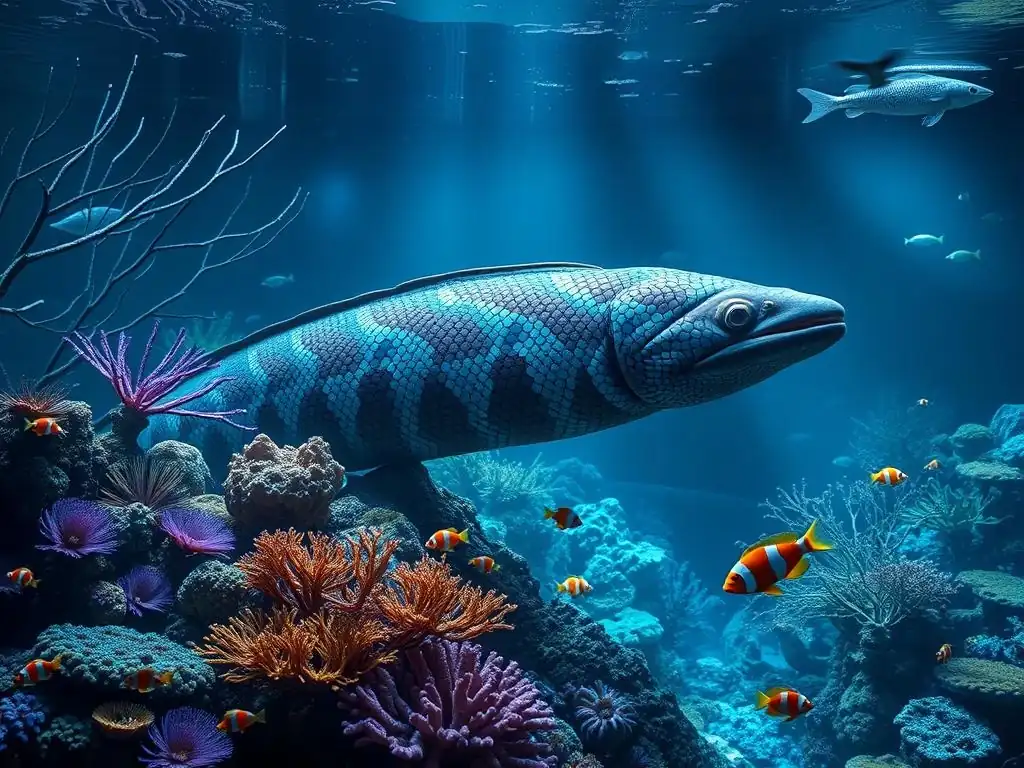
Welcome to Aquarium Mastery! Ever been mesmerized by the striking patterns of a fish that seems to defy gravity? Then you've come to the right place! Dive into our comprehensive guide on Tesselated Eel Aquarium Care and unlock the secrets to successfully keeping this captivating creature. Prepare to be amazed, but be warned: meeting their needs is a commitment! Ready to learn what it takes? Let's get started!
- Tessellata Eel (Gymnothorax favagineus): Striking Patterns, Big Aquarium Needs
- Understanding the Tessellata Eel: An Introduction to the Gymnothorax favagineus
- Tesselated Eel Aquarium Care: Essential Guidelines for Success
- Feeding Your Tessellata Eel: Diet and Nutritional Needs
- Tesselated Eel Tank Mates: Compatibility Considerations
- Maintaining a Healthy Tesselated Eel: Common Health Issues and Prevention
- Setting Up Your Tesselated Eel Aquarium: A Step-by-Step Guide
- The Beauty and Challenge of Keeping a Tesselated Moray Eel
- Advanced Tesselated Eel Aquarium Care: Tips and Tricks
-
Frequently Asked Questions
- What size aquarium is required for a Tessellata Eel?
- What type of water parameters are crucial for a Tessellata Eel's health?
- What do Tessellata Eels eat, and how often should they be fed?
- Are Tessellata Eels compatible with other fish in a community aquarium?
- What are some common health issues to watch out for with Tessellata Eels?
- Final Reflection: The Enduring Allure of the Tesselated Eel
- Unleash the Moray Magic!
Tessellata Eel (Gymnothorax favagineus): Striking Patterns, Big Aquarium Needs
Understanding the Tessellata Eel: An Introduction to the Gymnothorax favagineus
Tessellata Eel Appearance: The Distinctive Honeycomb Moray
The Tessellata Eel, scientifically known as Gymnothorax favagineus, is instantly recognizable by its striking, intricate patterns. Its body is adorned with a dense network of dark brown to black spots, often resembling a honeycomb or mosaic, set against a yellowish-white to tan base color. This distinctive patterning extends across its elongated, serpentine body, which can reach impressive lengths, often exceeding 5 feet (1.5 meters) in the wild and potentially up to 6 feet (1.8 meters) under optimal conditions. This visual appeal is a primary draw for aquarists considering Tesselated Eel Aquarium Care.
Beyond its captivating pattern, the Tessellata Eel possesses the classic moray eel physique: a powerful, muscular body tapering towards the tail, a large mouth equipped with numerous sharp, conical teeth designed for gripping prey, and prominent nostrils. Unlike many fish, it lacks pectoral and pelvic fins, relying on its undulating body motion for propulsion. Its eyes are relatively small, indicating its reliance on its highly developed sense of smell for hunting, particularly in low-light conditions or within the intricate structures of its coral reef habitat.
Natural Habitat and Behavior of the Tessellata Moray Eel
The Tessellata Moray Eel is native to the Indo-Pacific region, with its range extending from the Red Sea and East Africa across to the Western Pacific, including areas like Indonesia, the Philippines, and Australia's Great Barrier Reef. In its natural environment, Gymnothorax favagineus thrives in clear, tropical waters, typically inhabiting coral reefs, rocky crevices, and lagoons at depths ranging from just a few feet down to approximately 160 feet (50 meters). They are masters of concealment, spending most of their day hidden within rocky caves or under ledges, with only their heads protruding.
As nocturnal ambush predators, Tessellata Eels emerge from their hiding spots after dusk to hunt. Their diet primarily consists of fish and crustaceans, which they locate using their acute sense of smell rather than sight. Despite their formidable appearance and predatory nature, they are generally reclusive and solitary, preferring to occupy their own territories. This behavior is a crucial consideration for anyone planning Tesselated Eel Aquarium Care, as it dictates the need for ample hiding spots and careful tank mate selection.
Tesselated Eel Aquarium Care: Essential Guidelines for Success
Tank Size Requirements for a Happy and Healthy Tesselated Eel
Providing adequate space is paramount for successful Tesselated Eel Aquarium Care. Due to their potential adult size, these eels require exceptionally large aquariums. A juvenile Tessellata Eel may initially appear small, but it grows rapidly. For a single adult specimen, a minimum tank size of 300 gallons (approximately 1,135 liters) is generally recommended, with larger tanks, such as 400-500 gallons or more, being ideal to accommodate their considerable length and provide sufficient swimming and hiding space.
The footprint of the aquarium is more critical than its height. A longer and wider tank allows the eel more room to stretch out, turn, and navigate its environment comfortably. Furthermore, a secure, heavy-duty lid is an absolute necessity. Tessellata Eels are notorious escape artists, capable of squeezing through incredibly small openings. Any gap, no matter how minor, presents a potential escape route, emphasizing the need for meticulous planning in Tesselated Eel Aquarium Care to prevent tragic incidents.
Water Parameters: Maintaining Optimal Conditions for Your Honeycomb Moray
Ideal Temperature, Salinity, and pH Levels for Tessellata Eels
Maintaining stable and appropriate water parameters is fundamental to the health and longevity of your Tessellata Eel. For Gymnothorax favagineus, the ideal water temperature range is between 75-82°F (24-28°C). Salinity should be kept stable within a specific gravity range of 1.020 to 1.025, mimicking their natural marine environment. The pH level should consistently be between 8.0 and 8.4, which is typical for healthy saltwater aquariums.
Consistency is key; sudden fluctuations in any of these parameters can cause significant stress to the eel, weakening its immune system and making it susceptible to disease. Regular testing using reliable aquarium test kits is essential to monitor these levels. Aim for daily or bi-daily checks, especially when establishing a new system or after major maintenance, to ensure conditions remain within the optimal range for comprehensive Tesselated Eel Aquarium Care.
The Importance of Water Changes for Gymnothorax favagineus
Water changes are a cornerstone of effective Tesselated Eel Aquarium Care, crucial for maintaining pristine water quality and overall health. As large, predatory fish, Tessellata Eels produce a substantial bioload, leading to the accumulation of nitrates, phosphates, and other dissolved organic compounds. Regular water changes help export these undesirable substances and replenish essential trace elements that are naturally depleted over time.
For a well-established Tessellata Eel aquarium, a bi-weekly water change of 20-25% or a weekly change of 10-15% is often recommended, depending on the tank's bioload and filtration efficiency. Always use dechlorinated, temperature-matched, and properly mixed saltwater for these changes. Consistent water changes prevent the buildup of toxins, reduce stress, and significantly contribute to a healthy environment, thereby preventing common health issues associated with poor water quality.
Filtration and Water Quality for Tesselated Moray Eels
Choosing the Right Filter for a Large Moray Eel Aquarium
Given the significant bioload of a Tessellata Eel, robust and oversized filtration is non-negotiable for effective Tesselated Eel Aquarium Care. A multi-stage filtration system incorporating mechanical, biological, and chemical filtration is highly recommended. A large sump system is often ideal, providing ample space for filter socks or sponges (mechanical), live rock and bio-balls (biological), and activated carbon or GFO (chemical).
Mechanical filtration removes particulate matter, preventing it from breaking down and polluting the water. Biological filtration, primarily live rock, converts harmful ammonia and nitrites into less toxic nitrates. Chemical media like activated carbon remove dissolved organic compounds and odors, ensuring crystal-clear water. Over-specifying your filtration system, perhaps by choosing equipment rated for a tank size 1.5 to 2 times larger than your actual volume, provides a buffer and enhances water quality stability.
The Role of Protein Skimmers in a Saltwater Eel Tank
A high-performance protein skimmer is an indispensable piece of equipment in any Tesselated Eel Aquarium Care setup. Protein skimmers work by removing organic waste compounds from the water before they have a chance to break down into nitrates and phosphates. This process significantly reduces the bioload and maintains lower nutrient levels, which is vital for the long-term health of a large, messy eater like the Tessellata Eel.
When selecting a protein skimmer, always choose one that is rated for a tank volume considerably larger than your actual aquarium size. For instance, for a 300-gallon eel tank, consider a skimmer rated for 400-500 gallons or more. Regular maintenance of the skimmer, including emptying and cleaning the collection cup, ensures optimal performance. A well-functioning protein skimmer is a frontline defense against poor water quality, making it a critical component of successful Tesselated Eel Aquarium Care.
Feeding Your Tessellata Eel: Diet and Nutritional Needs
What Do Tesselated Eels Eat? A Guide to Their Natural Diet
In their natural habitat, Tessellata Eels are opportunistic and formidable predators. Their diet primarily consists of various fish species, crustaceans such as crabs and shrimp, and occasionally cephalopods like squid and octopus. They are ambush hunters, patiently waiting in crevices or caves before striking swiftly at unsuspecting prey that ventures too close. Their powerful jaws and sharp, backward-pointing teeth are perfectly adapted for grasping and holding slippery prey.
Understanding their natural diet is crucial for providing appropriate nutrition in captivity. A varied diet that mimics their wild food sources is essential to ensure they receive all necessary vitamins and minerals. Relying on a single food type can lead to nutritional deficiencies over time, impacting their health and vibrancy. Therefore, effective Tesselated Eel Aquarium Care includes a diverse feeding regimen.
Recommended Foods for Tesselated Eels in Captivity
Frozen Foods, Live Foods, and Prepared Diets
For Tesselated Eel Aquarium Care, the primary diet should consist of high-quality, meaty frozen foods. Excellent choices include silversides, krill, squid, shrimp, and pieces of defrosted fish such as mackerel, snapper, or cod. Always thaw frozen foods thoroughly before feeding and cut them into appropriate, bite-sized pieces to prevent choking and ensure easy digestion. It's advisable to offer a variety of these items to provide a balanced nutritional profile.
While live foods like feeder fish can be offered occasionally, they carry a higher risk of introducing diseases or parasites into the aquarium and should be used sparingly, if at all. Prepared diets, such as high-quality marine pellets or sticks, can supplement the diet but should not be the sole food source for a predatory eel. Some aquarists choose to gut-load feeder fish with nutrient-rich foods before offering them, to enhance their nutritional value.
Feeding Frequency and Portion Sizes for Gymnothorax favagineus
The feeding frequency for Tessellata Eels varies with age and size. Juveniles typically require feeding 2-3 times per week, while adult eels can thrive on a schedule of 1-2 times per week. It is important not to overfeed, as this can lead to obesity in the eel and significantly degrade water quality due to uneaten food decaying in the tank. A consistent feeding schedule helps the eel establish a routine and reduces stress.
Portion sizes should be sufficient for the eel to consume within a few minutes, without leaving significant uneaten food behind. A good rule of thumb is to offer an amount roughly equivalent to the size of the eel's head, or slightly less. Always use long feeding tongs to offer food, both to prevent accidental bites and to ensure the eel receives its share, especially in a community tank. This method also allows for interaction without direct hand contact, promoting safer Tesselated Eel Aquarium Care.
Tesselated Eel Tank Mates: Compatibility Considerations
Choosing Safe Tank Mates for a Predatory Moray Eel
Due to their highly predatory nature and substantial size, choosing appropriate tank mates for a Tessellata Eel is one of the most challenging aspects of Tesselated Eel Aquarium Care. The general rule is: if it fits in the eel's mouth, it will eventually become a meal. Therefore, only very large, robust, and fast-moving fish should be considered. Examples of potentially compatible tank mates include large triggers (e.g., Clown Triggerfish, Undulated Triggerfish), substantial tangs (e.g., Naso Tang, Vlamingi Tang), and certain large angelfish (e.g., Emperor Angelfish).
Even with these larger species, there is always an inherent risk. Tank mates should ideally be at least 10-12 inches long, or significantly larger than the eel's mouth, to stand a chance of coexisting. It's crucial to introduce the eel last into a well-established tank with existing, larger fish, as this can sometimes reduce its predatory focus on the established inhabitants. Providing ample hiding spots for all tank inhabitants is also essential to minimize stress and potential conflicts.
Fish to Avoid Keeping with Tesselated Eels
A long list of fish and invertebrates should be strictly avoided when planning Tesselated Eel Aquarium Care. Any small fish, regardless of species (e.g., damselfish, clownfish, gobies, blennies), will be seen as prey. Slow-moving fish, bottom-dwellers, and any fish that rest on the substrate or in crevices during the night are particularly vulnerable. This includes many smaller groupers, lionfish, and even some smaller pufferfish.
Furthermore, nearly all invertebrates, including ornamental shrimp (e.g., cleaner shrimp, peppermint shrimp), crabs, snails, and smaller lobsters, will be quickly consumed by a Tessellata Eel. Even "reef-safe" invertebrates are not safe from this opportunistic predator. Other eels, especially those of a similar size or smaller, should also be avoided unless the tank is exceptionally large and specifically designed for multiple large eels, which is rarely practical for the home aquarist.
Creating a Balanced Aquarium Ecosystem
Achieving a truly balanced aquarium ecosystem with a Tessellata Eel requires careful planning and a realistic understanding of its predatory instincts. While it's possible to house them with very large, robust fish, the safest and often most successful approach for Tesselated Eel Aquarium Care is to keep them in a species-specific tank. This eliminates the risk to other fish and invertebrates, allowing the eel to thrive without competition or the temptation of potential prey.
If a community tank is attempted, ensure the aquascaping provides numerous secure caves and hiding spots for the eel, as well as plenty of open swimming space for any larger tank mates. Good water flow and excellent filtration are also critical to manage the bioload of multiple large fish. Ultimately, the priority should always be the safety and well-being of all inhabitants, making a dedicated eel tank the most straightforward path to success.
Maintaining a Healthy Tesselated Eel: Common Health Issues and Prevention
Recognizing Signs of Illness in Your Honeycomb Moray
Vigilant observation is a cornerstone of effective Tesselated Eel Aquarium Care, as early detection of illness can significantly improve prognosis. Common signs of distress or disease in a Tessellata Eel include lethargy, unusual refusal to eat for extended periods (beyond normal fasting), cloudy eyes, skin lesions, frayed fins, or excessive mucus production. Other indicators might be abnormal breathing (rapid gill movement or gasping), or unusual swimming patterns, such as listlessness or erratic movements.
Eels are often masters at hiding illness until it is quite advanced, making consistent observation during feeding times and routine tank maintenance crucial. Any deviation from their typical behavior—such as prolonged hiding, a change in their usual posture, or a noticeable alteration in their skin or fin appearance—should prompt immediate investigation of water parameters and a closer inspection of the eel for physical symptoms.
Common Diseases Affecting Tesselated Eels and Their Treatment
Tessellata Eels, like other marine fish, can be susceptible to common saltwater diseases, particularly if stressed by poor water quality or inadequate nutrition. External parasites such as Marine Ich (Cryptocaryon irritans) and Marine Velvet (Amyloodinium ocellatum) are common culprits, manifesting as white spots or a dusty film on the body. Bacterial infections, often secondary to stress or injury, can lead to fin rot, skin ulcers, or systemic issues. Nutritional deficiencies can also cause a range of problems, from lethargy to compromised immune function.
Treating diseases in eels can be challenging, as many medications are not safe for invertebrates (if present) or for the beneficial bacteria in the biological filter. Furthermore, the eel's scaleless skin can make them more sensitive to certain treatments. Quarantining new fish, maintaining pristine water quality, and providing a diverse, nutritious diet are the best preventative measures. For specific treatments, consulting a marine veterinarian or an experienced aquatic professional is highly recommended to ensure the correct and safest approach for your Tesselated Eel Aquarium Care.
Preventative Measures for a Healthy Tesselated Eel Aquarium
Prevention is by far the most effective strategy for maintaining a healthy Tessellata Eel. A rigorous quarantine protocol for all new arrivals, whether fish or invertebrates, is essential to prevent the introduction of pathogens into your main display tank. A minimum quarantine period of 4-6 weeks is advisable, allowing time for potential diseases to manifest and be treated in isolation.
Beyond quarantine, consistently maintaining stable and optimal water parameters (temperature, salinity, pH, ammonia, nitrite, nitrate) is paramount. Providing a varied and high-quality diet ensures the eel receives all necessary nutrients, bolstering its immune system. Ensuring the aquarium environment is secure and stress-free, with ample hiding spots and appropriate tank mates (or none), also contributes significantly to the eel's well-being. Regular tank maintenance, including siphoning detritus and cleaning filtration components, completes the preventative puzzle, making Tesselated Eel Aquarium Care much more manageable and rewarding.
Setting Up Your Tesselated Eel Aquarium: A Step-by-Step Guide
Choosing the Right Aquarium: Size, Shape, and Materials
The first critical step in setting up for Tesselated Eel Aquarium Care is selecting an appropriately sized aquarium. As previously noted, a tank of 300 gallons or more is essential for an adult Tessellata Eel. When considering materials, both glass and acrylic tanks have their pros and cons. Acrylic tanks are lighter and less prone to shattering but scratch more easily, while glass tanks are heavier but more scratch-resistant. Regardless of material, the tank must be extremely robust and placed on a sturdy, level stand capable of supporting its immense weight when filled.
The shape of the aquarium also plays a role. Longer tanks with a larger footprint are generally preferred over tall, narrow tanks. A greater length and width provide more horizontal swimming space, which is crucial for an eel that undulates its body for movement. This also allows for more extensive aquascaping with secure hiding spots, which are vital for the eel's comfort and sense of security, directly impacting the success of your Tesselated Eel Aquarium Care.
Substrate and Aquascaping for a Tessellata Eel Habitat
When it comes to substrate, a fine, soft sand bed is an option if desired, as it poses less risk of injury to the eel's delicate skin compared to coarser gravel. However, many aquarists opt for a bare-bottom tank, as it simplifies cleaning and detritus removal, which can be advantageous given the eel's messy eating habits. The most crucial aspect of aquascaping for a Tessellata Eel is providing an abundance of secure hiding spots and crevices.
Live rock is an excellent choice for creating a naturalistic habitat. It should be arranged to form numerous caves, tunnels, and overhangs where the eel can retreat and feel secure. It is absolutely imperative that all rock structures are extremely stable and securely stacked, perhaps even epoxied or zip-tied together. Tessellata Eels are powerful animals and can easily dislodge unsecured rocks, leading to collapses that can injure the eel or damage the tank, posing a significant safety risk within Tesselated Eel Aquarium Care.
Essential Equipment for Tesselated Eel Keeping
Beyond the aquarium itself, several key pieces of equipment are essential for successful Tesselated Eel Aquarium Care. A robust and oversized filtration system, typically involving a large sump, a high-quality protein skimmer, and various mechanical, biological, and chemical media, is a must to handle the substantial bioload. Multiple powerful heaters (redundancy is wise) are needed to maintain stable temperatures in such a large volume of water.
Adequate water circulation is also important, provided by powerheads or return pumps, to ensure oxygenation and prevent dead spots. A heavy-duty, tightly fitting lid with no gaps is critical to prevent escapes; even small openings can be exploited by an eel. Finally, reliable water testing kits for parameters like ammonia, nitrite, nitrate, pH, and salinity are indispensable for ongoing monitoring, along with long feeding tongs for safe feeding and a sturdy stand to support the tank's considerable weight.
The Beauty and Challenge of Keeping a Tesselated Moray Eel
Is a Tesselated Eel Right for Your Aquarium?
The Tessellata Eel is undeniably a visually stunning and fascinating creature, but it is not a suitable inhabitant for every aquarium or every aquarist. Keeping a Tessellata Eel represents a significant long-term commitment in terms of space, finances, and time. The initial investment for a tank of 300+ gallons, along with all the necessary high-capacity equipment, is substantial. Furthermore, the ongoing costs of feeding a large predator and maintaining such a large volume of pristine saltwater should not be underestimated.
Beyond the financial aspect, the sheer size and predatory nature of the Tessellata Eel demand advanced husbandry skills and a dedicated approach to Tesselated Eel Aquarium Care. Potential owners must be prepared for the challenges of managing a large bioload, ensuring rockwork stability, and carefully considering tank mate compatibility. However, for those prepared to meet these demands, the reward is a unique, intelligent, and long-lived aquatic companion that becomes the undeniable centerpiece of their home.
Responsible Tesselated Eel Ownership: Considerations Before Buying
Responsible Tesselated Eel ownership begins long before the purchase. Prospective owners must conduct thorough research, understanding not only the eel's impressive adult size but also its specific dietary needs, predatory instincts, and environmental requirements. It is crucial to honestly assess whether you can provide a permanent, suitable home for an animal that can live for 10-20 years or more in captivity with proper Tesselated Eel Aquarium Care.
Furthermore, acquiring your eel from a reputable dealer is vital. A good dealer can provide information on the eel's origin, health history, and feeding habits, ensuring you start with a healthy specimen. Never consider releasing an unwanted Tessellata Eel into the wild, as this can have devastating impacts on local ecosystems. Ethical ownership means committing to providing a lifelong, appropriate environment, or finding a suitable, responsible home if circumstances change.
Advanced Tesselated Eel Aquarium Care: Tips and Tricks
Training and Interaction with Your Tesselated Eel
While Tessellata Eels are not "trainable" in the conventional sense of performing tricks, they are intelligent and can learn to associate certain stimuli with feeding time. Many aquarists find that their eels quickly learn to recognize their owner's presence or the sight of feeding tongs, emerging from their hiding spots in anticipation of food. This allows for a fascinating level of interaction during feedings.
Always use long feeding tongs to offer food, never your bare hand. Tessellata Eels have incredibly powerful bites and sharp teeth, and an accidental bite can result in a serious injury. Consistency in feeding times and methods can help establish a routine and build a degree of trust, making feeding a smoother and more enjoyable experience for both the eel and the aquarist. This type of interaction is a rewarding aspect of advanced Tesselated Eel Aquarium Care.
Local Regulations Concerning Tessellata Eel Ownership
Before acquiring a Tessellata Eel, it is imperative to research and understand any local, state, or national regulations regarding the ownership of large, potentially dangerous marine species. Some jurisdictions may have restrictions on keeping certain types of eels or require permits due to their size, predatory nature, or the specific species' classification. Failure to comply with these regulations can result in legal penalties.
Checking with your local animal control, fish and wildlife department, or relevant municipal authorities will provide clarity on any specific requirements or prohibitions in your area. Understanding and adhering to these regulations is a crucial part of responsible Tesselated Eel Aquarium Care and contributes to ethical pet ownership within the broader aquatic community.
Frequently Asked Questions
What size aquarium is required for a Tessellata Eel?
Tessellata Eels require a very large aquarium. A minimum of 180 gallons is recommended, but larger is always better due to their potential adult size of up to 30 inches.
What type of water parameters are crucial for a Tessellata Eel's health?
Maintaining stable water parameters is essential. This includes a specific gravity of 1.020-1.025, a pH of 8.1-8.4, and a temperature of 72-78°F (22-26°C).
What do Tessellata Eels eat, and how often should they be fed?
They are carnivorous and require a diet of meaty foods, such as frozen fish, shrimp, and squid. Feed them 2-3 times per week, adjusting based on their size and activity level.
Are Tessellata Eels compatible with other fish in a community aquarium?
Generally, Tessellata Eels are not suitable for community aquariums. They are predatory and may eat smaller fish and invertebrates. Consider them predatory and aggressive, especially towards smaller tank mates.
What are some common health issues to watch out for with Tessellata Eels?
Common health concerns include ich and bacterial infections. Quarantine new eels and maintain excellent water quality to prevent these issues.
Final Reflection: The Enduring Allure of the Tesselated Eel
The striking beauty and unique challenges of keeping a Tesselated Eel, as we've explored, highlight a crucial point about responsible aquarium keeping: knowledge and preparation are paramount before bringing any creature into our care. The allure of these magnificent animals is undeniable, but without a deep understanding of their needs, we risk compromising their well-being and contributing to unsustainable practices.
The impact of our choices as aquarists extends far beyond the confines of our tanks. The popularity of species like the Tesselated Eel underscores the importance of ethical sourcing and responsible husbandry, ensuring that our passion for the aquatic world doesn't come at the expense of its inhabitants. In the end, we will conserve only what we love; we will love only what we understand; and we will understand only what we are taught.
- Baba Dioum's words resonate deeply, reminding us that education and empathy are the cornerstones of conservation.
As you consider the information presented in this article, I invite you to reflect on your own role in the aquarium hobby. Are you equipped to provide the necessary care for a demanding species like the Tesselated Eel? More importantly, are you committed to continuous learning and responsible practices? Let us all strive to be informed and conscientious stewards of the aquatic world, ensuring a future where these magnificent creatures thrive, both in the wild and in our care.
Unleash the Moray Magic!
Thanks for diving deep into the world of the Tessalata Eel! We hope you found the striking patterns and unique needs of this fish as fascinating as we do. Now, let's turn that fascination into action.
- Consider whether your current setup is truly ready to handle such a demanding and large fish.
- Share this article with fellow aquarium enthusiasts who might be considering adding a Tessalata Eel to their collection. Help spread awareness about responsible fishkeeping!
- Research sustainable sources for purchasing Tessalata Eels to ensure ethical practices and minimize impact on wild populations.
What unique aspect of the Tessalata Eel's care surprised you the most, and how might you apply that knowledge to your own aquarium practices?