
From Wild to Tank: The Journey and Acclimation of an Aquarium Lionfish

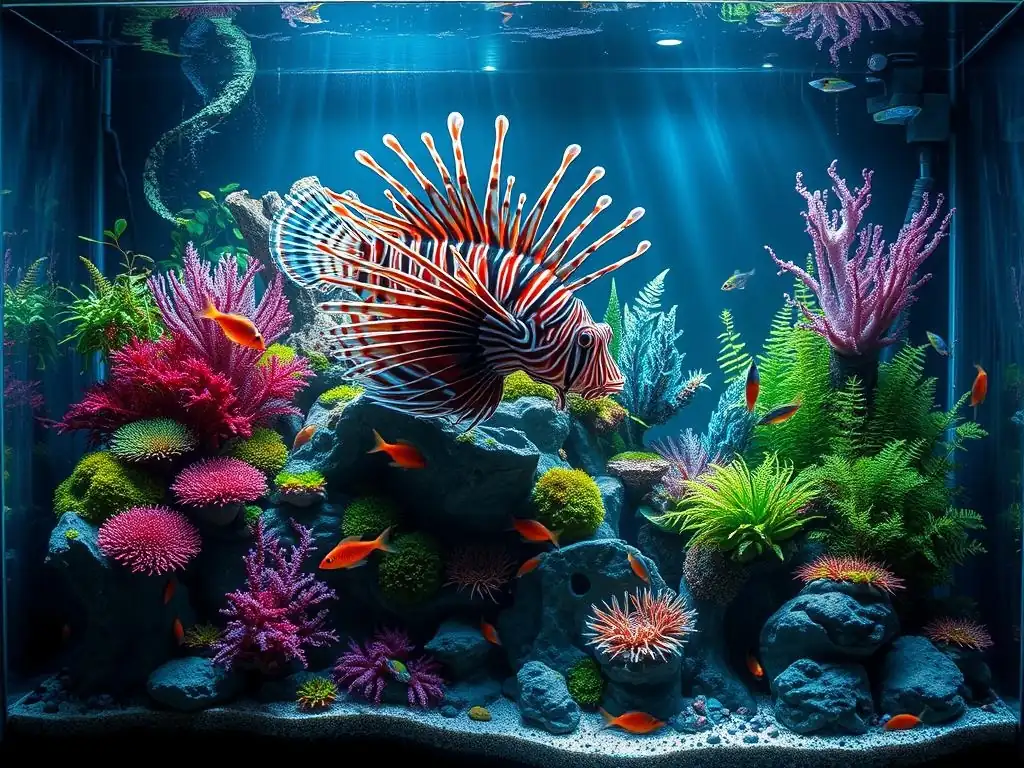
Welcome to Aquarium Mastery!
Ever wondered how to successfully introduce a majestic Lionfish to your carefully curated saltwater aquarium? Unlocking the secrets to a smooth acclimation process is key to their well-being, and yours. Dive into our comprehensive " Lionfish acclimation tank setup guide" and discover the crucial steps to ensure a thriving transition. Are you ready to embark on this fascinating journey? Let's begin!
- Understanding the Lionfish: A Predatory Marvel for Saltwater Aquariums
- Planning Your Lionfish Acclimation Tank Setup: A Comprehensive Guide
- Lionfish Acclimation Process: A Gradual Transition
- Feeding Your Lionfish: Diet and Nutritional Needs
- Maintaining a Healthy Lionfish Aquarium: Ongoing Care
- Lionfish Tank Mates: Compatibility Considerations
- Troubleshooting Common Lionfish Acclimation Problems
- Conclusion: Mastering Lionfish Care for a Thriving Aquarium
-
Frequently Asked Questions
- What is the primary purpose of a Lionfish acclimation tank?
- What are the key differences between a standard aquarium and a Lionfish acclimation tank?
- What essential equipment is needed for a successful Lionfish acclimation tank setup?
- How long should a Lionfish typically stay in an acclimation tank before being moved to the main aquarium?
- What are some common challenges faced during Lionfish acclimation, and how can they be addressed?
- Final Reflection: Embracing the Responsibility of Exotic Stewardship
- Dive Deeper: Begin Your Lionfish Adventure!
Understanding the Lionfish: A Predatory Marvel for Saltwater Aquariums
Lionfish Species Overview: Identifying Common Aquarium Varieties
Among the most captivating inhabitants of saltwater aquariums, lionfish are recognized for their striking dorsal fins and predatory prowess. The most commonly encountered species in the aquarium trade are the Volitans Lionfish ( Pterois volitans) and the Miles Lionfish ( Pterois miles), often referred to interchangeably due to their similar appearance and care requirements. These species can grow quite large, typically reaching lengths of 15 to 18 inches in captivity, making their presence a dominant feature in any appropriately sized display.
Beyond these larger varieties, aquarists may also encounter smaller species such as the Dwarf Fuzzy Lionfish ( Dendrochirus brachypterus) or the Zebra Lionfish ( Dendrochirus zebra). These dwarf species usually mature at a more manageable 4 to 7 inches, making them suitable for smaller aquarium setups, though they still demand the same meticulous attention to water quality and diet. Regardless of the species, understanding their adult size is paramount when planning the initial "Lionfish acclimation tank setup guide" to ensure long-term well-being.
Natural Habitat and Behavior: Replicating the Wild in Your Tank
In their native Indo-Pacific waters, lionfish predominantly inhabit coral reefs, rocky crevices, and lagoons, often found at depths ranging from shallow coastal areas to over 300 feet. They are ambush predators, typically observed hovering motionless or slowly drifting, waiting for unsuspecting prey to come within striking distance. Their behavior is largely crepuscular, meaning they are most active during dawn and dusk, using their elaborate fins to herd smaller fish before a swift, engulfing strike.
To successfully replicate this natural environment within an aquarium, providing ample hiding spots and caves is crucial. Live rock structures arranged with overhangs and secluded retreats will offer security and reduce stress, especially during the "Lionfish acclimation tank setup guide" phase. While they appreciate open swimming areas, a tank that mimics their natural reef topography will encourage their natural hunting behaviors and provide a visually engaging display.
Ethical Considerations: Sourcing Lionfish Responsibly
The Volitans and Miles lionfish have become an invasive species in the Atlantic Ocean, particularly in the Caribbean and along the southeastern U.S. coast, where they pose a significant threat to native reef ecosystems. Consequently, sourcing these specific species from areas where they are invasive can be seen as an environmentally responsible choice, as it contributes to efforts to control their population in non-native habitats. Some suppliers specialize in acquiring lionfish from these invasive populations.
When acquiring any lionfish, it is essential to inquire about their origin. Prioritize suppliers who can verify their collection methods are sustainable and legal, or ideally, those who offer captive-bred specimens, though captive breeding for larger lionfish species is still relatively uncommon. Making an informed decision about sourcing aligns with responsible aquarism and contributes to the ethical considerations detailed within a comprehensive "Lionfish acclimation tank setup guide."
Planning Your Lionfish Acclimation Tank Setup: A Comprehensive Guide
Tank Size Requirements for Lionfish: Ensuring Adequate Space
The cornerstone of a successful lionfish aquarium begins with selecting an appropriately sized tank. For a single adult Volitans or Miles lionfish, a minimum tank volume of 75 to 90 gallons is strongly recommended. This provides sufficient swimming space, allows for proper water volume to dilute waste, and accommodates their maximum adult size, which can exceed 15 inches. Insufficient tank size can lead to stunted growth, increased aggression, and chronic stress, undermining the "Lionfish acclimation tank setup guide" from the outset.
If planning to keep multiple lionfish or incorporate compatible tank mates, the tank size must be significantly larger, often 120 gallons or more, to mitigate territorial disputes and ensure adequate bioload management. Dwarf lionfish species, while smaller, still benefit from tanks no less than 30 gallons, as they too require stable parameters and ample hiding spots. Always prioritize horizontal swimming space over vertical depth, as lionfish are not pelagic swimmers but rather bottom and mid-level dwellers.
Essential Equipment for a Lionfish Tank: Filtration, Lighting, and Heating
Establishing a thriving lionfish environment hinges on the careful selection and integration of essential equipment. A robust filtration system is paramount, capable of handling the substantial bioload these predatory fish produce. Coupled with appropriate lighting that mimics their preferred subdued conditions and a reliable heating system to maintain stable temperatures, these components form the bedrock of a healthy "Lionfish acclimation tank setup guide."
Beyond these primary systems, proper water circulation through powerheads or wavemakers, albeit gentle, is necessary to prevent stagnant areas without creating strong currents that can stress the fish. Aquarists should invest in quality equipment from reputable brands to minimize the risk of failure, which can be catastrophic for sensitive marine inhabitants. Ensuring all equipment is properly installed and functioning correctly before introducing your lionfish is a critical step in the acclimation process.
Choosing the Right Filter for a Lionfish Aquarium
Lionfish are hearty eaters and produce a significant amount of waste, necessitating a powerful and efficient filtration system. A combination of mechanical, biological, and chemical filtration is ideal. A large protein skimmer is highly recommended for saltwater lionfish tanks, effectively removing organic waste before it breaks down into harmful nitrates. Canister filters with multiple media compartments or a sump system with a refugium are excellent choices, providing ample space for biological media like ceramic rings or bio-balls.
Adequate biological filtration is particularly crucial as it houses the beneficial bacteria responsible for converting toxic ammonia and nitrite into less harmful nitrate. This robust filtration capacity is vital for maintaining pristine water quality, which is especially important during the "Lionfish acclimation tank setup guide" phase when fish are most susceptible to stress from elevated toxins. Regular maintenance of filter media, such as rinsing mechanical sponges, is also essential to prevent nitrate buildup.
Optimal Lighting Conditions for Lionfish Health
Unlike many coral reef inhabitants that require intense lighting, lionfish generally prefer subdued illumination. In their natural habitat, they often lurk in shaded areas or deep crevices during the brightest parts of the day. Excessive or overly bright lighting can cause stress, leading to reclusive behavior and potential health issues for your lionfish.
When setting up your "Lionfish acclimation tank setup guide," consider using lower intensity LED fixtures or T5 fluorescent lights with a shorter photoperiod (e.g., 8-10 hours). Providing plenty of live rock structures with overhangs and caves will offer additional shaded retreats. If you have a mixed reef tank with corals that require brighter light, ensure there are still ample shaded areas specifically for your lionfish to seek refuge, promoting their comfort and natural behavior.
Maintaining Stable Water Temperature: Heater Selection and Placement
Maintaining a stable water temperature is critical for the health and well-being of lionfish. The ideal temperature range for most species is typically between 75°F and 80°F (24°C to 27°C). Fluctuations outside this range, especially sudden drops or spikes, can severely stress the fish, weaken their immune system, and make them more susceptible to disease.
To achieve this stability, invest in a reliable heater appropriately sized for your tank volume. As a general rule, approximately 3-5 watts per gallon is recommended for saltwater aquariums. For added security and even heat distribution, consider using two smaller heaters positioned at opposite ends of the tank, rather than a single large one. Always pair your heater with an accurate thermometer to monitor the water temperature regularly, ensuring consistency throughout the "Lionfish acclimation tank setup guide" and beyond.
Water Chemistry Parameters: Achieving Ideal Saltwater Conditions
Beyond temperature, maintaining specific water chemistry parameters is non-negotiable for a healthy saltwater lionfish aquarium. Key parameters include salinity, pH, ammonia, nitrite, and nitrate. Consistent monitoring and adjustment of these levels are fundamental to preventing stress and disease in your lionfish. Any deviation from optimal conditions can compromise the fish's immune system, making it vulnerable during the crucial "Lionfish acclimation tank setup guide" period.
The delicate balance of these parameters directly impacts the physiological processes of marine fish, including respiration and osmoregulation. While lionfish are relatively hardy compared to some other marine species, they are still susceptible to poor water quality. Establishing and maintaining these ideal conditions from the outset is not just a recommendation but a strict requirement for the long-term success and vitality of your lionfish.
Understanding Salinity, pH, and Ammonia Levels
For lionfish, the optimal salinity should be maintained within a specific gravity range of 1.020 to 1.025, or 30 to 35 parts per thousand (ppt). A refractometer is the most accurate tool for measuring salinity, far superior to hydrometers. The pH level should ideally remain between 8.1 and 8.4, which is typical for natural seawater. Fluctuations in pH can be detrimental, affecting the fish's ability to regulate its internal chemistry.
Critically, ammonia and nitrite levels must always be at 0 parts per million (ppm). Even trace amounts of these compounds are highly toxic to marine fish, causing gill damage and internal organ failure. Nitrate levels should be kept as low as possible, ideally below 20 ppm. Regular testing with reliable test kits is indispensable for monitoring these parameters, forming a vital part of any diligent "Lionfish acclimation tank setup guide."
Cycling Your New Lionfish Tank: A Step-by-Step Guide
Before any lionfish, or indeed any fish, can be introduced, your new saltwater aquarium must undergo the nitrogen cycle, commonly known as "cycling." This biological process establishes colonies of beneficial bacteria that convert toxic ammonia (from fish waste and decaying food) into less toxic nitrite, and then into even less harmful nitrate. A fully cycled tank ensures a stable and safe environment, preventing deadly ammonia and nitrite spikes during the delicate "Lionfish acclimation tank setup guide" phase.
To cycle your tank, you can use a pure ammonia source (e.g., household ammonia without surfactants), a small amount of fish food to decompose, or a piece of cured live rock. Begin by adding an ammonia source and monitor ammonia, nitrite, and nitrate levels daily using test kits. You will observe ammonia spiking, then dropping as nitrites rise, and finally nitrites dropping as nitrates begin to accumulate. The cycle is complete when both ammonia and nitrite consistently read 0 ppm. This process typically takes 4-8 weeks and is a non-negotiable prerequisite for a successful lionfish introduction.
Lionfish Acclimation Process: A Gradual Transition
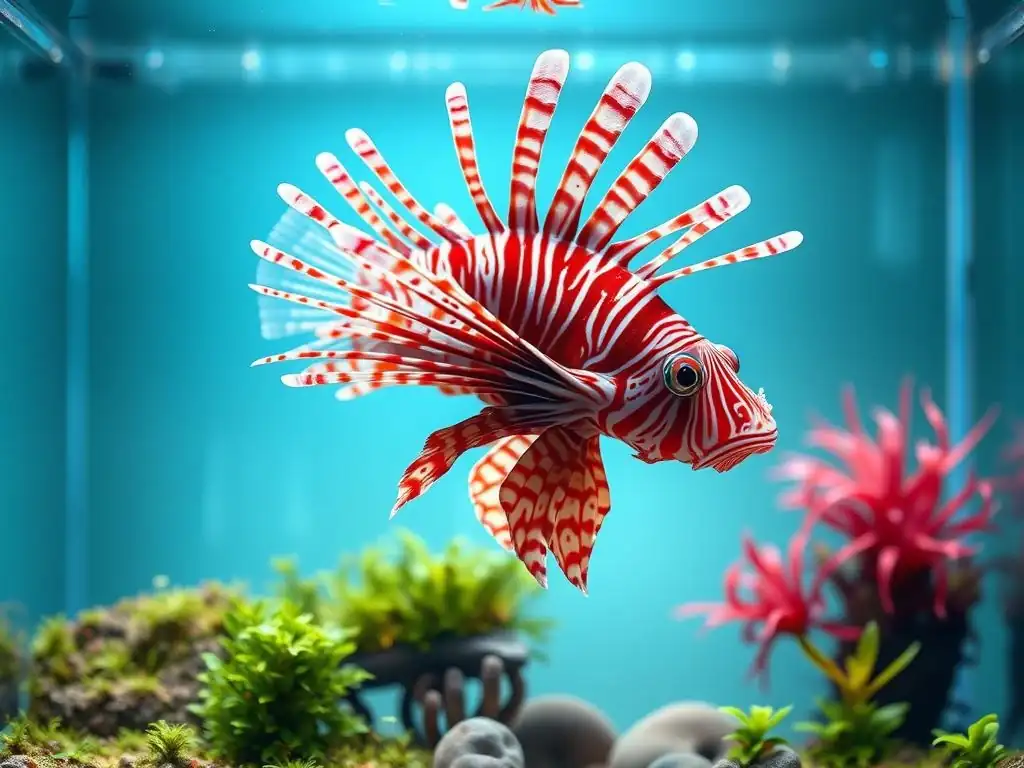
Quarantine Tank Setup: Isolating New Lionfish Arrivals
A dedicated quarantine tank (QT) is an indispensable tool for any responsible aquarist, particularly when introducing new lionfish. This separate, smaller tank (e.g., 20-30 gallons for a single lionfish) serves as an isolation unit where new arrivals can be observed for signs of stress, disease, or parasites without risking the health of your established main display tank. It is a critical step in preventing the introduction of pathogens that could decimate an entire aquarium.
The quarantine tank should be set up with minimal decor, such as PVC pipes for hiding, a small sponge filter or hang-on-back filter, and a heater to maintain stable temperature. Avoid substrate, as it can trap waste and make cleaning difficult. The QT allows for targeted treatment of illnesses without medicating the main display, which can harm beneficial bacteria or invertebrates. Integrating a quarantine period into your "Lionfish acclimation tank setup guide" significantly increases the chances of long-term success and health.
Initial Observation: Monitoring for Signs of Stress or Disease
Upon arrival at your home, a new lionfish will inevitably experience some level of stress from shipping and the new environment. In the quarantine tank, meticulous initial observation is crucial. Look for common signs of stress such as clamped fins, rapid or labored breathing, dull coloration, or excessive hiding. More serious indicators of disease include white spots (Ich), velvet-like coating, torn fins, unusual growths, or open sores.
Observe the fish for at least 2-4 weeks in the quarantine tank before considering transfer to the main display. During this period, ensure it is eating well and exhibiting normal behavior. If any signs of illness appear, this controlled environment allows for immediate and effective treatment without exposing your main tank inhabitants. This phase of the "Lionfish acclimation tank setup guide" is paramount for ensuring a healthy transition and safeguarding your existing aquatic ecosystem.
Gradual Acclimation to Tank Water: Drip Acclimation Method
The transition from the shipping bag water to your quarantine tank (and subsequently to the main display) must be gradual to prevent osmotic shock, which can be fatal. The drip acclimation method is highly recommended for lionfish due to its gentle nature. Begin by placing the lionfish, still in its sealed bag, into the quarantine tank for 15-20 minutes to allow the water temperatures to equalize.
After temperature equalization, carefully open the bag and transfer the fish and its water into a clean, non-toxic container (e.g., a five-gallon bucket). Using an airline tube and an air stone valve or a knot to regulate flow, siphon water from your quarantine tank into the container, allowing it to drip slowly at a rate of approximately 1-2 drops per second.
Aim to double the original volume of water in the container over 45-90 minutes, gradually adjusting the fish to the new salinity, pH, and other parameters. This meticulous approach is a cornerstone of any effective "Lionfish acclimation tank setup guide."
Introducing Your Lionfish to the Main Aquarium: Minimizing Stress
Once your lionfish has successfully completed its quarantine period and drip acclimation, the final step is its introduction to the main display tank. To minimize stress during this crucial transition, it is advisable to dim the aquarium lights or even turn them off completely for the first few hours. This creates a less intimidating environment, allowing the lionfish to explore and find hiding spots without feeling exposed.
Gently net the lionfish from its acclimation container, taking extreme care to avoid contact with its venomous spines. A large, fine-mesh net is ideal. Carefully release the fish into the main aquarium, ideally near a pre-arranged hiding spot. Continue to observe its behavior over the next few days, ensuring it settles in, begins exploring, and shows interest in food. A calm and unhurried introduction is the final, vital component of a successful "Lionfish acclimation tank setup guide."
Feeding Your Lionfish: Diet and Nutritional Needs
Live vs. Frozen Food: Pros and Cons for Lionfish Diets
Lionfish are natural predators, and in the wild, they consume a diet primarily of small fish and crustaceans. When first introduced to an aquarium, especially after the "Lionfish acclimation tank setup guide" is complete, they may be reluctant to eat anything but live food. Feeder guppies, mollies, or ghost shrimp can be used initially to entice them to feed. However, relying solely on live feeders carries significant risks, including the potential introduction of diseases and parasites into your tank, as well as providing an incomplete nutritional profile.
The goal should always be to transition your lionfish to a diet of high-quality frozen, defrosted foods. Excellent choices include silversides, krill, mysis shrimp, and chopped pieces of marine-grade fish or squid. These foods are generally more nutritious, safer, and easier to store. Using a long feeding stick or tongs can help train them to eat frozen foods and also keeps your hands safely away from their venomous spines. This transition is crucial for long-term health and is a key aspect of lionfish care beyond the initial setup.
Supplementing Your Lionfish's Diet: Vitamins and Minerals
While a varied diet of high-quality frozen foods provides many essential nutrients, it may not always be complete. In the wild, lionfish consume a diverse array of prey, ensuring a broad spectrum of vitamins and minerals. In captivity, some essential nutrients, particularly certain vitamins (like A, D, and E) and fatty acids (like Omega-3s), can degrade over time in frozen foods or may not be present in sufficient quantities.
To bridge any potential nutritional gaps, it is highly recommended to supplement your lionfish's diet. This can be achieved by soaking their frozen food in a marine-specific vitamin supplement (e.g., Selcon, Vita-Chem) for 10-15 minutes before feeding. Regular supplementation helps bolster their immune system, enhance coloration, and prevent nutritional deficiencies that can lead to long-term health problems. This proactive approach to nutrition complements the careful planning of the "Lionfish acclimation tank setup guide."
Feeding Frequency and Portion Control: Preventing Overfeeding
Establishing an appropriate feeding schedule and portion control is vital for the health of your lionfish and the overall water quality of your aquarium. For adult lionfish, feeding 2-3 times per week is generally sufficient. Juveniles, still growing rapidly, may benefit from daily feedings. The key is to offer only what they can consume within a few minutes; any uneaten food will decompose and pollute the water.
Overfeeding is a common mistake that can lead to several problems. Excess food not only contributes to elevated nitrate levels and poor water quality but can also lead to obesity in lionfish, which can shorten their lifespan and make them more susceptible to disease. Observing your lionfish's body condition and adjusting feeding amounts accordingly is essential. A healthy lionfish should appear well-fed but not bloated, reflecting the careful attention to detail established during the "Lionfish acclimation tank setup guide."
Maintaining a Healthy Lionfish Aquarium: Ongoing Care
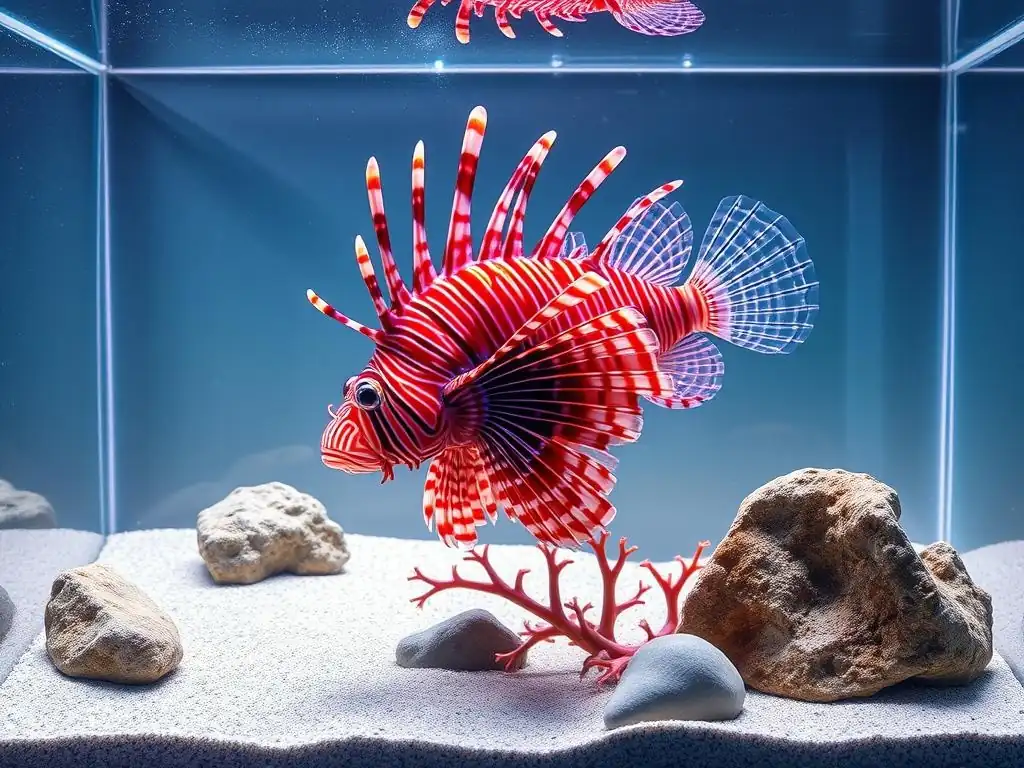
Regular Water Changes: Maintaining Water Quality
Regular partial water changes are the most effective method for maintaining pristine water quality in a lionfish aquarium. Even with robust filtration, nitrates will accumulate over time, and essential trace elements will be depleted. Performing a 10-20% water change weekly or bi-weekly helps to dilute nitrates, replenish minerals, and remove other dissolved organic compounds that filtration alone cannot eliminate.
When performing water changes, always use high-quality reverse osmosis/deionized (RO/DI) water mixed with a reputable marine salt mix. Ensure the new saltwater is mixed to the correct salinity and temperature-matched to your aquarium water to prevent shocking your lionfish. Consistency is key; adhering to a regular water change schedule is paramount for the long-term health and stability of your lionfish environment, extending the principles of the "Lionfish acclimation tank setup guide" into ongoing care.
Monitoring Water Parameters: Testing and Adjustments
Even after the initial "Lionfish acclimation tank setup guide" and cycling process, continuous monitoring of water parameters is crucial. Regular testing for salinity, pH, ammonia, nitrite, and nitrate should be conducted at least once a week. Ammonia and nitrite should always remain at zero. If either of these toxic compounds is detected, immediate action, such as a large water change, is necessary to protect your fish.
Beyond these basic parameters, periodically testing for alkalinity, calcium, and magnesium can also be beneficial, especially in tanks with live rock or corals, as these parameters contribute to overall water stability. If any parameters are consistently out of range, investigate the cause (e.g., overfeeding, insufficient filtration, inadequate water changes) and make necessary adjustments. Proactive monitoring helps prevent minor issues from escalating into major health crises for your lionfish.
Recognizing and Treating Common Lionfish Diseases: Prevention is Key
While lionfish are generally hardy, they are not immune to common saltwater diseases, especially if stressed by poor water quality or improper acclimation. Marine Ich ( Cryptocaryon irritans) and Marine Velvet ( Amyloodinium ocellatum) are two of the most prevalent parasitic infections. Symptoms include white spots on the body and fins (Ich) or a dusty, velvet-like coating (Velvet), rapid breathing, and lethargy. Bacterial infections can manifest as fin rot or cloudy eyes.
Prevention is the best defense, achieved through meticulous quarantine procedures for all new arrivals, maintaining stable water parameters, providing a nutritious diet, and minimizing stressors. If disease strikes, prompt diagnosis and treatment in a separate hospital tank are essential. Common treatments include copper-based medications for parasites or antibiotics for bacterial infections, always administered according to product instructions and never directly in the main display tank.
Safe Handling Practices: Avoiding Stings and Injuries
Lionfish possess venomous spines along their dorsal, pelvic, and anal fins, which can deliver a painful sting if mishandled. While not typically life-threatening to humans, a sting can cause intense pain, swelling, redness, and in some cases, nausea, vomiting, or breathing difficulties. The venom is protein-based and heat-labile.
Therefore, extreme caution must be exercised during any tank maintenance or when attempting to move a lionfish. Never use your bare hands. Always use long-handled nets or tongs for any interaction. If a sting does occur, immediately immerse the affected area in hot water (as hot as tolerable, around 100-115°F or 38-46°C) for 30-90 minutes to denature the venom. Seek medical attention promptly, especially if symptoms are severe or persistent. This safety aspect is a crucial, though often overlooked, part of any comprehensive "Lionfish acclimation tank setup guide."
Lionfish Tank Mates: Compatibility Considerations
Selecting Suitable Tank Mates: Avoiding Predation or Aggression
Choosing appropriate tank mates for a lionfish aquarium requires careful consideration due to their predatory nature and venomous spines. The golden rule is simple: if a fish can fit into a lionfish's mouth, it will eventually become a meal. Therefore, any potential tank mates must be significantly larger than the lionfish's mouth size, typically at least 1.5 to 2 times the lionfish's length, and robust enough to handle its presence.
Suitable companions often include large, semi-aggressive fish like certain tangs (e.g., Yellow Tangs, Blue Tangs), larger angelfish, puffers (with caution, as some may nip at fins), and some species of eels (e.g., Snowflake Eel). Ensure the chosen tank mates are not overly aggressive themselves, as constant harassment can stress the lionfish, leading to health issues. A harmonious community is an extension of the careful planning that goes into a "Lionfish acclimation tank setup guide."
Incompatible Species: Fish to Avoid Keeping with Lionfish
There is a long list of fish and invertebrates that are incompatible with lionfish and should never be housed together. Any small fish, such as gobies, blennies, chromis, damselfish, or cardinalfish, are almost guaranteed to be seen as food. Similarly, most ornamental shrimp (e.g., cleaner shrimp, peppermint shrimp) and small crabs will quickly become expensive snacks.
Furthermore, avoid highly aggressive or fin-nipping species, such as some triggerfish (unless carefully selected and introduced), certain large dottybacks, or aggressive damselfish, as they can stress or injure the lionfish's delicate fins. The lionfish's slow, deliberate movements and long fins make it vulnerable to harassment from more active or nippy species. Prioritizing compatibility ensures the peace and safety of all inhabitants, reinforcing the principles of a well-executed "Lionfish acclimation tank setup guide."
Creating a Balanced Ecosystem: Promoting Harmony in Your Aquarium
Beyond simply avoiding incompatible species, striving to create a balanced ecosystem is key to a thriving lionfish aquarium. This involves not only selecting appropriate tank mates but also providing adequate space and sufficient hiding spots for all inhabitants. A well-structured aquascape with caves, overhangs, and open swimming areas allows each fish to establish its territory and retreat when needed, reducing stress and potential aggression.
Introduce new fish slowly and observe interactions closely. If aggression arises, be prepared to separate individuals or re-evaluate tank mate choices. A balanced environment where all inhabitants feel secure contributes significantly to their overall health and longevity. The goal is to cultivate a peaceful, visually appealing display that showcases the majestic beauty of your lionfish within a thriving community, building upon the foundation laid by a meticulous "Lionfish acclimation tank setup guide."
Troubleshooting Common Lionfish Acclimation Problems
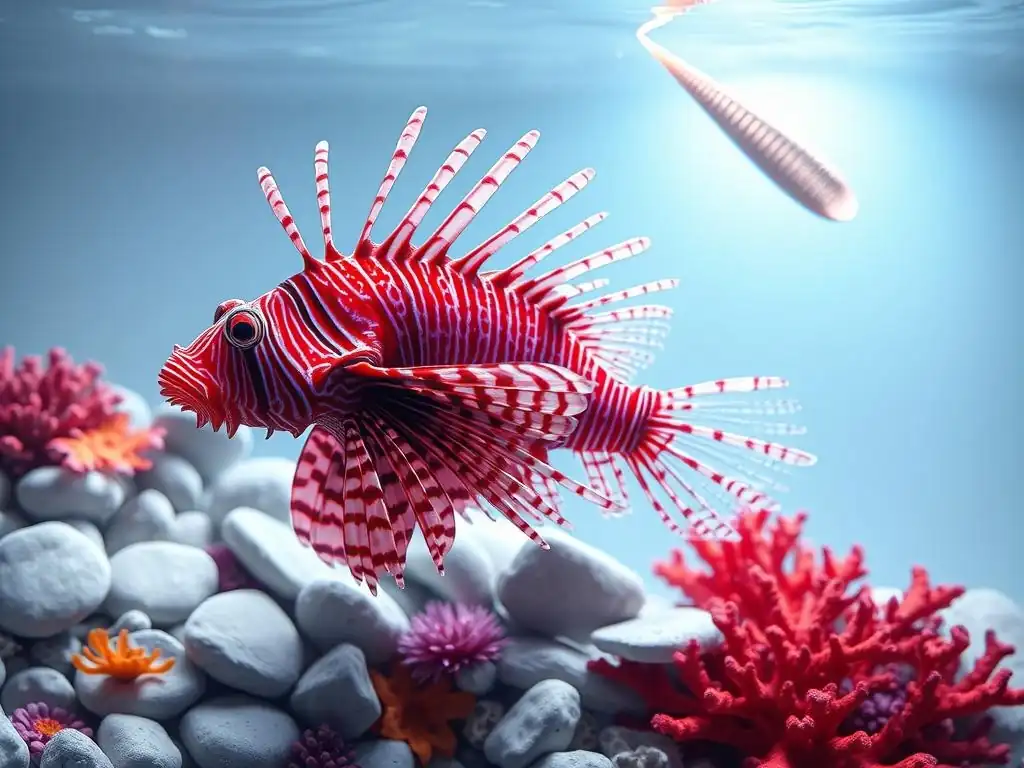
Lionfish Refusing to Eat: Identifying and Addressing the Issue
One of the most common challenges encountered after the initial "Lionfish acclimation tank setup guide" is a new lionfish refusing to eat. This can be attributed to several factors: stress from the move, an unfamiliar environment, unappetizing food, or underlying illness. A lionfish that doesn't eat for more than a few days will quickly decline in health.
To address this, first, verify all water parameters are optimal. Offer a variety of foods, starting with live ghost shrimp or feeder fish, as these often stimulate a feeding response. Once they accept live food, gradually transition them to frozen options by wiggling the frozen food on a feeding stick to mimic live prey. Feeding at dusk or with dimmed lights can also encourage shy eaters. If refusal persists, consider isolating the fish in a hospital tank to minimize stress and administer appetite stimulants if necessary, after consulting a marine veterinarian.
Signs of Stress in Lionfish: Recognizing and Mitigating Stressors
Recognizing signs of stress early is crucial for the well-being of your lionfish. Common indicators include excessive hiding, rapid or labored breathing, clamped fins, dull or patchy coloration, and erratic swimming. Chronic stress weakens the immune system, making the fish susceptible to diseases. These signs often appear during or immediately after the "Lionfish acclimation tank setup guide" period.
Common stressors include poor water quality (elevated ammonia/nitrite, unstable pH), incompatible or aggressive tank mates, insufficient hiding spots, overly bright lighting, or high water flow. To mitigate stress, address the underlying cause promptly: perform a water change if parameters are off, add more hiding spots, dim the lights, or re-evaluate tank mate compatibility. A calm, stable environment is paramount for a lionfish to thrive.
Dealing with Aggression: Managing Territorial Behavior
While generally peaceful towards tank mates too large to be eaten, lionfish can exhibit territorial aggression, particularly towards other lionfish or fish with similar body shapes. This behavior is more pronounced in smaller tanks or when sufficient hiding spots are lacking. Aggression can manifest as chasing, fin nipping, or outright attacking.
If aggression becomes an issue, first ensure the tank size is adequate and that there are enough distinct hiding places for all inhabitants. Rearranging the rockwork can sometimes break established territories. If the aggression is severe or persistent, particularly between lionfish of similar size, it may necessitate separating the aggressor or the victim into another tank. Careful observation and proactive management of territorial behavior are essential for maintaining a peaceful and healthy community aquarium.
Conclusion: Mastering Lionfish Care for a Thriving Aquarium
The Rewards of Keeping Lionfish: A Unique and Rewarding Experience
The journey of bringing a lionfish from its wild origins to a thriving aquarium environment is a testament to the dedication and knowledge of the aquarist. These predatory marvels, with their intricate patterns and flowing fins, offer a unique and captivating presence unlike any other marine fish. Their deliberate movements and distinct hunting behaviors provide endless fascination, turning your aquarium into a living, dynamic display.
While the "Lionfish acclimation tank setup guide" and ongoing care require meticulous attention to detail, including precise water parameters, robust filtration, and careful feeding, the rewards are immeasurable. A well-cared-for lionfish can live for many years, becoming a truly rewarding centerpiece for any saltwater aquarium enthusiast. Mastering their care not only ensures their well-being but also grants you the privilege of observing one of nature's most exquisite predators up close.
Frequently Asked Questions
What is the primary purpose of a Lionfish acclimation tank?
The primary purpose is to provide a safe and controlled environment for the Lionfish to adjust to aquarium conditions before being introduced to the main display tank. This minimizes stress and increases their chances of survival.
What are the key differences between a standard aquarium and a Lionfish acclimation tank?
Acclimation tanks are typically smaller and more easily managed. They often prioritize water quality stability and limited distractions to help the Lionfish adjust. Decorations are usually minimal.
What essential equipment is needed for a successful Lionfish acclimation tank setup?
You'll need a reliable filtration system, a heater to maintain stable temperature, and a protein skimmer is highly recommended. A quarantine tank is also useful to diagnose and treat any diseases.
How long should a Lionfish typically stay in an acclimation tank before being moved to the main aquarium?
Generally, a Lionfish should remain in the acclimation tank for 2-4 weeks. This allows you to observe their feeding habits and monitor for any signs of illness before introduction to the main tank.
What are some common challenges faced during Lionfish acclimation, and how can they be addressed?
Common challenges include refusal to eat and susceptibility to parasites. Offer a variety of food and consider proactive parasite treatment, always following proper protocols.
Final Reflection: Embracing the Responsibility of Exotic Stewardship
The journey of a lionfish from the wild to a home aquarium, as we've explored, is a complex undertaking, demanding meticulous planning and unwavering commitment. Understanding the nuances of lionfish acclimation is not just about creating a visually stunning tank; it's about accepting the profound responsibility that comes with caring for a creature adapted to an entirely different world. The success of this transition hinges on our ability to replicate, as closely as possible, the conditions they need to thrive, ensuring their well-being takes precedence over aesthetic desires.
The impact of our choices, both positive and negative, resonates far beyond the confines of our aquariums. The growing popularity of exotic pets underscores the urgent need for responsible ownership and a deeper understanding of the delicate ecosystems from which these animals originate. In the end, we will conserve only what we love; we will love only what we understand; and we will understand only what we are taught.
- Baba Dioum. This quote serves as a constant reminder that education and empathy are the cornerstones of ethical stewardship, guiding us to make informed decisions that prioritize the health and conservation of these magnificent creatures.
As you embark on, or continue, your journey with lionfish, remember that the information presented here is merely a starting point. Dive deeper into research, connect with experienced aquarists, and never cease to learn. Let your passion for these captivating fish be matched by an unwavering commitment to their well-being. By embracing this responsibility, you not only provide a thriving home for your lionfish but also contribute to a greater understanding and appreciation for the delicate balance of our planet's marine ecosystems.
Dive Deeper: Begin Your Lionfish Adventure!
Thank you for exploring the fascinating world of lionfish and their transition into aquarium life. We hope this journey has ignited your passion for these captivating creatures. Now, let's turn that knowledge into action.
Here are some ways to continue your exploration:
- Plan Your Lionfish's Perfect Habitat: Start designing your ideal lionfish aquarium, considering tank size, hiding places, and compatible tankmates.
- Share Your Awe: Post a stunning photo of a lionfish (whether it's one in your tank or an image you admire) on your favorite social media platform with the hashtag #AquariumMasteryLionfish.
- Uncover Hidden Depths: Research one unique lionfish species not commonly kept in aquariums and share your findings with a fellow enthusiast.
What specific aspect of lionfish care will you tackle first to ensure a thriving aquatic environment?