
Wolf Eel (Congrogadus subducens): Not a True Eel, But Still a Unique Predator!

Welcome to Aquarium Mastery!
Curious about keeping a truly unique predator in your saltwater aquarium? Dive into our comprehensive Wolf Eel (Congrogadus subducens) Care Guide and discover the secrets to successfully caring for this fascinating fish. Prepare to be surprised – it's not a true eel, but its captivating behavior and specific needs make it a rewarding challenge for the experienced aquarist. Ready to learn more about creating the perfect environment for your Wolf Eel? Let's get started!
- Wolf Eel (Congrogadus subducens): Not a True Eel, But Still a Unique Predator! - Aquarium Mastery
- Introduction to the Wolf Eel: A Misunderstood Marine Predator
- Wolf Eel Care Guide: Essential Information for Aquarists
- Understanding Wolf Eel Behavior and Temperament
- Setting Up the Perfect Wolf Eel Aquarium
- Wolf Eel Diet: Feeding Your Congrogadus subducens for Optimal Health
- Maintaining a Healthy Wolf Eel Environment
- Choosing Tank Mates for Your Wolf Eel
- Common Wolf Eel Health Issues and Treatments
- Breeding Wolf Eels: Challenges and Possibilities
- Where to Find Wolf Eels for Sale
- Conclusion: The Allure of the Wolf Eel in the Home Aquarium
-
Frequently Asked Questions
- What is a Wolf Eel and why is it called that?
- What are the key considerations for setting up a Wolf Eel aquarium?
- What do Wolf Eels eat, and how often should they be fed?
- What are some common health problems that Wolf Eels can face in captivity?
- Are Wolf Eels compatible with other fish in a community aquarium?
- Final Reflection: Embracing the Unconventional
- Dive Deeper: Unleash Your Inner Wolf Eel Explorer!
Wolf Eel (Congrogadus subducens): Not a True Eel, But Still a Unique Predator! - Aquarium Mastery
Introduction to the Wolf Eel: A Misunderstood Marine Predator
Unveiling the Mystery: What Exactly is a Wolf Eel?
The creature commonly referred to as the "Wolf Eel" in the aquarium trade, Congrogadus subducens, is a fascinating marine fish that often leads to confusion due to its common name. Despite its serpentine body and formidable appearance, it is not a true eel (order Anguilliformes) but rather a member of the blenny family Congrogadidae, which belongs to the order Perciformes. This unique fish is characterized by its elongated, robust body, large head, and distinctive mouth, giving it a somewhat prehistoric look.
Native to the Indo-Pacific region, Congrogadus subducens inhabits rocky crevices and reef environments, typically found at depths ranging from shallow intertidal zones down to approximately 20 meters (about 65 feet). These solitary predators are masters of camouflage, often blending seamlessly with their surroundings as they lie in wait for prey. An adult Wolf Eel can reach an impressive size of up to 45-50 centimeters (approximately 18-20 inches) in length, making it a substantial inhabitant for a large marine aquarium.
Beyond the Name: Distinguishing Congrogadus subducens from True Eels
The taxonomic distinction between Congrogadus subducens and true eels is fundamental for anyone interested in its Wolf eel care guide. True eels, such as moray eels or garden eels, are part of the order Anguilliformes, characterized by their lack of pelvic fins, fused dorsal, caudal, and anal fins, and often a more tubular, scale-less body. Their gill openings are typically small and rounded.
In contrast, Congrogadus subducens possesses small but discernible pectoral fins, which true eels largely lack. It also has distinct gill covers (operculum) and a less elongated head structure compared to many true eel species. While its dorsal, caudal, and anal fins are continuous, this is a feature shared by some blennies. Understanding these anatomical differences is crucial for providing accurate Wolf eel care guide information, as their physiological needs and behaviors, while superficially similar, diverge significantly from those of true eels.
Wolf Eel Care Guide: Essential Information for Aquarists
Creating the Ideal Habitat: Wolf Eel Tank Setup
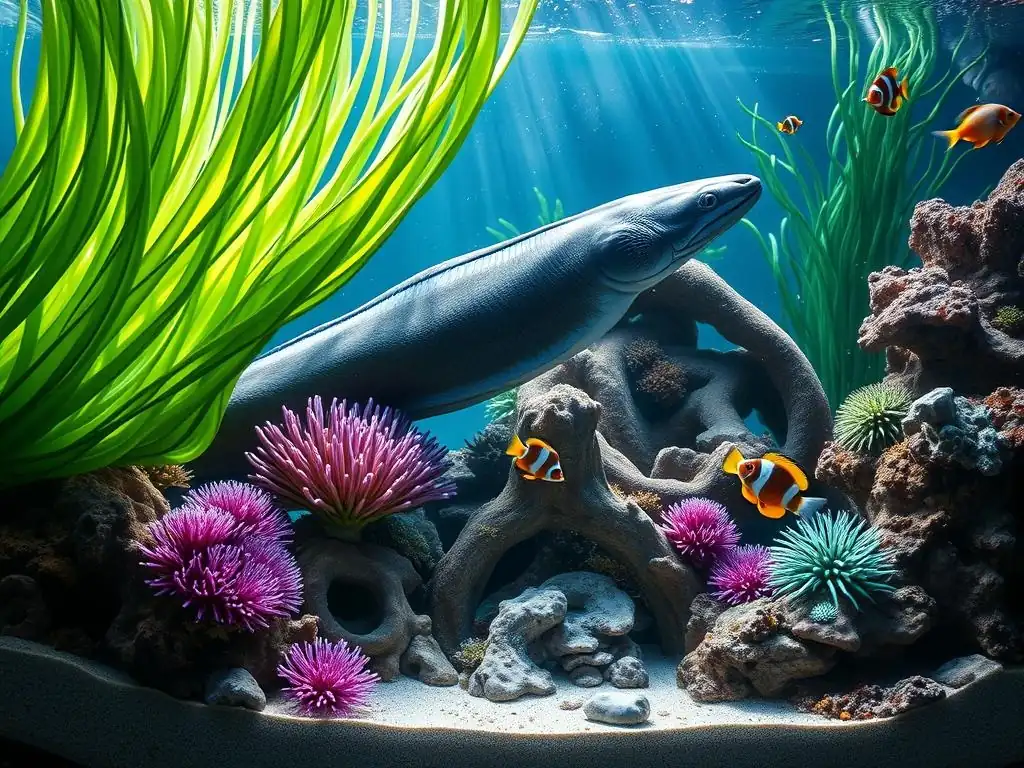
Establishing the correct habitat is paramount for the well-being of a Wolf Eel. These fish are naturally reclusive and require ample hiding spots to feel secure. Aquascaping should prioritize the creation of numerous caves, tunnels, and crevices using stable rock formations. Alternatively, PVC pipes or ceramic tubes can be integrated into the rockwork to provide easy-to-clean, secure retreats that mimic their natural burrows. Due to their curious and occasionally escape-prone nature, a secure, tight-fitting lid is an absolute necessity to prevent them from jumping out of the tank.
The substrate choice is also critical for a comprehensive Wolf eel care guide. A fine sand bed, approximately 5-7.5 centimeters (2-3 inches) deep, is highly recommended. This allows the Wolf Eel to comfortably burrow and rest without risking injury to its delicate skin or fins. Sharp gravel or rough rock edges should be avoided in areas where the fish is likely to hide or move. Ensuring a mature and stable tank environment, with fully cycled filtration, is a non-negotiable first step before introducing this sensitive species.
Water Parameters for Optimal Wolf Eel Health: Temperature, Salinity, and pH
Maintaining precise and stable water parameters is a cornerstone of successful Wolf eel care guide practices. The ideal temperature range for Congrogadus subducens is between 24-27°C (75-80°F). Consistent temperature prevents metabolic stress. Salinity levels should be kept within a specific gravity range of 1.020-1.025, mirroring natural ocean conditions. The pH should be stable between 8.1 and 8.4, which is typical for a healthy marine aquarium. These parameters directly influence the fish's metabolic functions, osmoregulation, and overall immune response.
Fluctuations in water parameters can quickly lead to stress and susceptibility to disease. Therefore, regular monitoring with reliable test kits for temperature, salinity, and pH is essential. Any adjustments to these parameters should be made gradually over several hours or days to avoid shocking the fish. A stable environment significantly reduces the likelihood of health issues, making diligent parameter management a key component of effective Wolf eel care guide strategies.
Wolf Eel Diet and Feeding Habits: What to Feed Your Predatory Fish
As opportunistic predators in their natural habitat, Wolf Eels primarily feed on small crustaceans, worms, and tiny fish that wander too close to their hiding spots. In a home aquarium, replicating this carnivorous diet is vital for their long-term health. They require a varied diet of high-quality, meaty frozen foods.
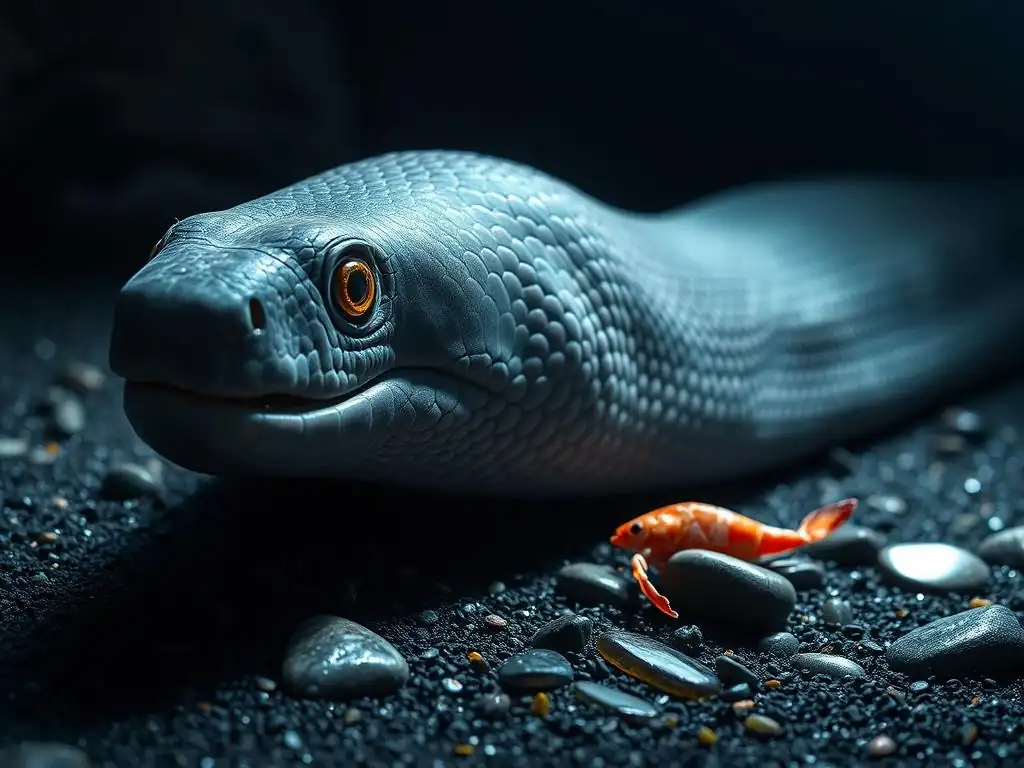
Recommended food items include chopped silversides, shrimp (peeled to reduce waste), squid, clam, and krill. These can be offered using feeding tongs to ensure the food reaches the Wolf Eel directly, especially if housed with faster-eating tank mates. Avoid offering live feeder fish due to the risk of disease transmission and their often poor nutritional value. A diverse diet ensures the Wolf Eel receives all necessary vitamins and nutrients, forming a crucial part of any Wolf eel care guide.
Understanding Wolf Eel Behavior and Temperament
Natural Behavior of Wolf Eels in the Wild
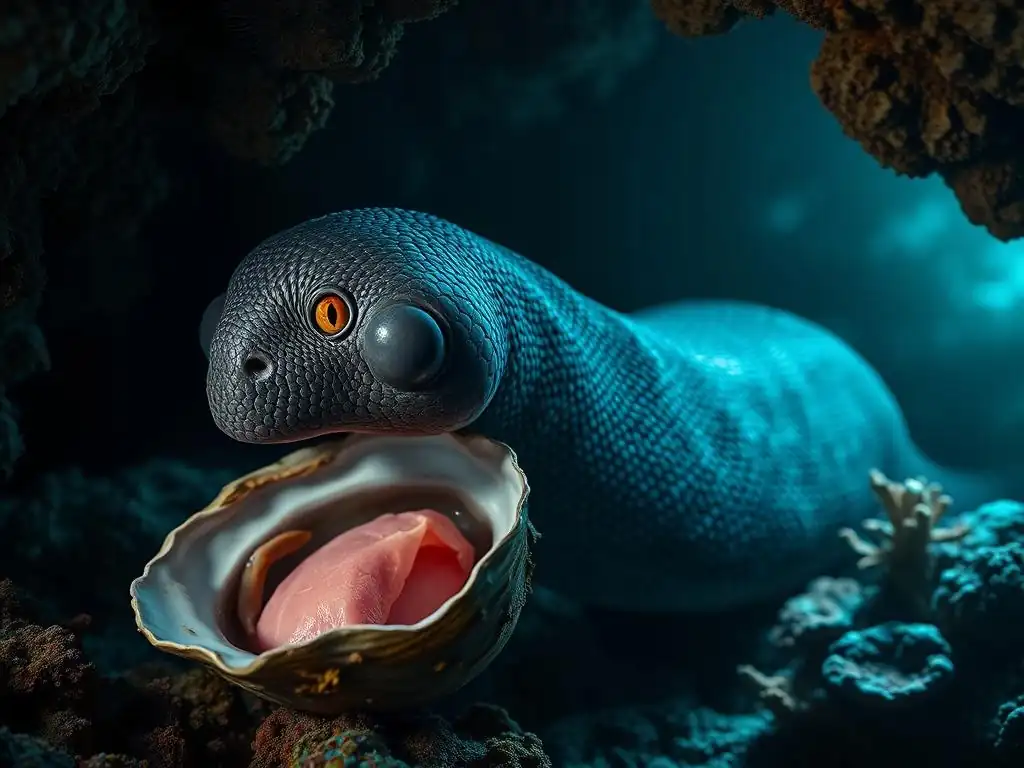
In their natural Indo-Pacific habitats, Wolf Eels are primarily reclusive and crepuscular or nocturnal. They spend the majority of their time concealed within rocky crevices, under ledges, or in self-excavated burrows within sandy or gravelly substrates. From these hidden vantage points, they patiently wait for unsuspecting prey to pass by, employing an ambush predatory strategy. Their slow, deliberate movements belie their ability to strike rapidly when a feeding opportunity arises.
While generally docile when undisturbed, Congrogadus subducens can exhibit territorial behavior, especially towards other bottom-dwelling fish or conspecifics that infringe upon their chosen hiding spots. They are not highly active swimmers in the open water column, preferring to remain close to their protective shelters. Understanding these natural tendencies is key to providing an appropriate environment in captivity and forms a basis for any comprehensive Wolf eel care guide.
Wolf Eel Compatibility: Choosing the Right Tank Mates
Selecting appropriate tank mates for a Wolf Eel requires careful consideration due to their predatory nature. They will readily consume any fish, crustacean, or invertebrate that can fit into their mouth. Therefore, tank mates must be significantly larger than the Wolf Eel's mouth and peaceful enough not to harass this reclusive species. Fish that occupy the middle to upper water columns are generally the best choices, minimizing direct competition for territory.
Suitable companions might include larger tangs (e.g., Yellow Tangs, Sailfin Tangs), certain robust angelfish (e.g., Emperor Angelfish, Queen Angelfish), or even some larger, less aggressive triggerfish (e.g., Bursa Triggerfish, Blue Throat Triggerfish), provided their temperaments are carefully monitored. It is crucial to avoid small, timid, or slow-moving fish, as well as any ornamental shrimp, crabs, or snails, as these will invariably become a meal. This careful selection is a vital aspect of a successful Wolf eel care guide.
Recognizing Signs of Stress or Illness in Your Wolf Eel
Early detection of stress or illness is critical for successful intervention in Wolf Eels. Common signs of distress include a sudden loss of appetite, lethargy, rapid or labored breathing, clamped fins held close to the body, cloudy eyes, or visible external parasites like white spots (Ich) or fuzzy patches (fungus). A healthy Wolf Eel should be alert to its surroundings, exhibit clear eyes, and readily emerge for food when offered.
Environmental stressors such as poor water quality, insufficient hiding spots, or aggressive tank mates can quickly compromise a Wolf Eel's immune system, making it susceptible to disease. Any changes in behavior, such as prolonged hiding, unusual swimming patterns, or refusal to eat, warrant immediate investigation of water parameters and a thorough visual inspection of the fish. Prompt action based on these observations is a cornerstone of effective Wolf eel care guide practices.
Setting Up the Perfect Wolf Eel Aquarium
Tank Size Considerations for Wolf Eels
Given their potential adult size of up to 50 centimeters (20 inches) and their need for ample hiding places and stable water conditions, a substantial aquarium is essential for a Wolf Eel. For a single adult specimen, a minimum tank size of 680-750 liters (approximately 180-200 gallons) is highly recommended. This volume provides sufficient space for swimming, establishing territory, and diluting waste products effectively.
Larger tanks are always preferable as they offer greater stability in water parameters, which is crucial for sensitive species like the Wolf Eel. A longer tank footprint, such as a 6-foot (1.8-meter) length, is often more beneficial than a taller one, as it provides more horizontal swimming and exploration space, accommodating their serpentine movements and bottom-dwelling nature. This consideration is vital for long-term Wolf eel care guide success.
Substrate and Aquascaping Ideas for Wolf Eel Tanks
The choice of substrate is paramount for a Wolf Eel's comfort and health. A fine, soft sand substrate, with a grain size of approximately 0.5-1 millimeter, should be used. This type of substrate allows the Wolf Eel to burrow and rest without causing abrasions to its delicate skin. A depth of at least 5-7.5 centimeters (2-3 inches) is ideal to facilitate this natural behavior. Coarse or sharp gravel should be strictly avoided.
Aquascaping should focus on creating numerous secure and stable hiding spots. Large, well-stacked live rock or inert rock can be used to form caves, tunnels, and overhangs. Ensure that all rockwork is securely placed directly on the tank bottom, not on the sand, to prevent collapses if the Wolf Eel decides to burrow underneath. Incorporating PVC pipes or ceramic caves into the rockwork can also provide easily accessible and cleanable retreats, contributing to a stress-free environment, a key aspect of any effective Wolf eel care guide.
Essential Equipment: Filtration, Lighting, and Heating for Wolf Eels
Robust and efficient filtration is non-negotiable for a Wolf Eel aquarium, particularly given their carnivorous diet and the resulting bioload. A large sump with a powerful protein skimmer is highly recommended for removing organic waste. Additional biological filtration, such as ample live rock and potentially a refugium, will help maintain pristine water quality. Aim for a total tank turnover rate of 5-10 times the tank volume per hour to ensure adequate water circulation and oxygenation.
For heating, reliable heaters are necessary to maintain the stable temperature range of 24-27°C (75-80°F). Using two smaller heaters rather than one large one provides redundancy in case of equipment failure. Lighting for a Wolf Eel tank can be moderate to dim, as they are not highly light-dependent and prefer lower light conditions, consistent with their reclusive, crepuscular nature. Standard LED or fluorescent lighting sufficient for general viewing and potentially hardy corals (if desired and compatible with the fish's needs) will suffice.
Wolf Eel Diet: Feeding Your Congrogadus subducens for Optimal Health
Recommended Food Items for Wolf Eels: A Varied Diet
A diverse and high-quality diet is crucial for the optimal health and vibrancy of your Wolf Eel. Their carnivorous nature dictates a diet rich in meaty, marine-based foods. Top recommended food items include frozen lancefish, silversides, shrimp (peeled and chopped to appropriate size), squid, clam, and krill. Offering a rotation of these foods ensures a broad spectrum of nutrients and prevents dietary deficiencies.
It is strongly advised to avoid feeding live feeder fish, such as guppies or mollies, as they often carry diseases and lack the necessary nutritional profile for marine predators. While Wolf Eels primarily accept frozen foods, some may occasionally learn to accept high-quality marine pellets or sticks after a period of acclimation. Always ensure food items are appropriately sized to prevent choking or impaction. This comprehensive approach to feeding is a core element of any effective Wolf eel care guide.
Feeding Frequency and Portion Sizes: Avoiding Overfeeding
For adult Wolf Eels, a feeding frequency of 2-3 times per week is generally sufficient. Younger or smaller specimens may benefit from slightly more frequent, smaller feedings, perhaps every other day, to support their growth. Observe your Wolf Eel's body condition; it should appear well-fed but not bloated or overly round.
Portion sizes should be enough for the Wolf Eel to consume within a few minutes. Overfeeding is a common mistake that can lead to several problems, including poor water quality due to uneaten food decaying, and health issues for the fish, such as fatty liver disease. Any uneaten food should be promptly removed from the aquarium to maintain water quality. Consistent, measured feeding is a key component of responsible Wolf eel care guide practices.
Supplementation for Wolf Eels: Vitamins and Minerals
While a varied diet of high-quality frozen foods is the primary source of nutrition, supplementing your Wolf Eel's diet can further enhance its health and immune system. Food items can be soaked in a reputable marine vitamin supplement, such as Selcon or Vita-Chem, 1-2 times per week. These supplements provide essential fatty acids, amino acids, and a broad range of vitamins that might be diminished in frozen foods over time.
Ensuring adequate levels of certain minerals within the aquarium water, such as calcium and iodine, is also important, especially in tanks with live rock. However, direct mineral supplementation for the fish itself is primarily achieved through a well-balanced and supplemented diet. A holistic approach to nutrition, including both varied foods and occasional supplementation, is vital for a thorough Wolf eel care guide.
Maintaining a Healthy Wolf Eel Environment
Regular Water Changes: Keeping Your Tank Clean
Regular water changes are foundational to maintaining a healthy environment for your Wolf Eel. Performing weekly or bi-weekly water changes of 15-20% of the total tank volume is highly recommended. This practice effectively removes accumulated nitrates, phosphates, and other dissolved organic compounds that robust filtration alone cannot eliminate. Water changes also replenish essential trace elements that are consumed by tank inhabitants and filtration processes.
When performing water changes, always use properly mixed saltwater that matches the temperature and salinity of the existing tank water as closely as possible. Utilizing a gravel vacuum to siphon out detritus from the sand bed, especially in areas where food might settle, further contributes to superior water quality. Consistent water changes are a non-negotiable aspect of any successful Wolf eel care guide.
Monitoring Water Quality: Testing for Ammonia, Nitrite, and Nitrate
Diligent and frequent water quality testing is paramount for preventing health issues in your Wolf Eel. Ammonia (NH3/NH4+) and nitrite (NO2-) levels should always be undetectable (0 ppm) in a cycled marine aquarium. Even small amounts of these compounds are highly toxic to marine fish. Nitrate (NO3-) levels should be kept below 20 ppm, with ideal levels being closer to 0-10 ppm for optimal long-term health.
Using reliable liquid test kits, test your water parameters at least weekly, or more frequently if you notice any signs of stress or illness in your Wolf Eel. Understanding these parameters allows for proactive management, enabling you to address potential issues before they escalate into serious health problems. Consistent monitoring is a cornerstone of responsible Wolf eel care guide practices.
Preventing and Treating Common Wolf Eel Diseases
Prevention is the most effective strategy against diseases in Wolf Eels. This involves consistently maintaining pristine water quality, providing a highly nutritious and varied diet, and minimizing stress factors in their environment. A critical preventive measure is to quarantine all new fish for a minimum of 4-6 weeks in a separate tank before introducing them to the main display. This allows for observation and treatment of any potential pathogens before they can spread.
Common ailments that can affect Wolf Eels include marine ich ( Cryptocaryon irritans), fin rot, and various bacterial infections. Signs such as white spots, frayed fins, or lethargy should prompt immediate action. Many treatments, especially copper-based medications for Ich, can be harsh on the fish and detrimental to beneficial bacteria and invertebrates, necessitating treatment in a dedicated hospital tank. Consulting with an experienced aquarist or aquatic veterinarian is always recommended for specific treatment protocols, reinforcing the importance of a well-rounded Wolf eel care guide.
Choosing Tank Mates for Your Wolf Eel
Compatible Fish Species: Peaceful and Similarly Sized Tank Mates
When selecting tank mates for your Wolf Eel, the primary considerations are size and temperament. Choose fish species that are significantly larger than the Wolf Eel's mouth to prevent predation, and are peaceful enough not to harass or outcompete the reclusive Wolf Eel for food or territory. Ideal tank mates often occupy different water columns, minimizing direct interaction.
Good candidates include larger, robust tangs such as the Yellow Tang ( Zebrasoma flavescens), Sailfin Tang ( Zebrasoma veliferum), or Powder Blue Tang ( Acanthurus leucosternon). Certain larger angelfish species like the Emperor Angelfish ( Pomacanthus imperator) or Queen Angelfish ( Holacanthus ciliaris) can also be compatible. Some aquarists successfully house them with larger, semi-aggressive triggerfish (e.g., Bursa Triggerfish, Blue Throat Triggerfish), but this requires careful observation as triggerfish personalities can vary widely.
Incompatible Species: Avoiding Aggression and Predation
It is crucial to avoid any small fish, crustaceans (shrimp, crabs), or snails, as they will almost certainly be viewed as food by the predatory Wolf Eel. This includes popular cleanup crew invertebrates. Similarly, highly aggressive or territorial species, especially those that are fast swimmers or fin-nippers, should be avoided as they can stress or injure the more placid Wolf Eel. Examples include many smaller damselfish species or some types of wrasses.
Housing multiple Wolf Eels in a typical home aquarium is generally not recommended unless the tank is exceptionally large (e.g., 500+ gallons) and provides extensive, distinct territories for each individual. They can be highly territorial towards conspecifics. Furthermore, very delicate or slow-moving fish that could be easily stressed or preyed upon should also be excluded from the tank mate list.
Considerations for Invertebrates: Reef Safe or Not?
Regarding invertebrates, Wolf Eels are definitively not considered reef-safe. Their natural diet includes crustaceans, and they will readily consume ornamental shrimp, crabs, snails, and even small brittle stars that are often part of a cleanup crew in reef tanks. Therefore, a dedicated fish-only (FO) or fish-only-with-live-rock (FOWLR) system is the most appropriate setup for a Wolf Eel.
While the Wolf Eel itself is not known to directly harm corals, their feeding habits and the resulting bioload can contribute to higher nutrient levels in the water, which can be challenging for sensitive corals. Therefore, if corals are desired, they should be extremely hardy species, and diligent nutrient export methods (e.g., robust protein skimming, refugium, regular water changes) must be employed. For a dedicated Wolf eel care guide, it's safest to assume a fish-only environment.
Common Wolf Eel Health Issues and Treatments
Identifying Common Diseases: Ich, Fin Rot, and Parasites
Like many marine fish, Wolf Eels can be susceptible to common aquarium diseases if water quality is poor or stress levels are high. Marine Ich ( Cryptocaryon irritans) is one of the most prevalent, manifesting as small white spots resembling salt grains on the fish's body and fins, often accompanied by scratching against decor or rapid breathing. Fin rot, a bacterial infection, appears as frayed, tattered, or discolored fins, sometimes with red streaks at the edges.
External parasites, such as flukes, can cause irritation, leading to lethargy, darting movements, or rubbing against surfaces. Internal parasites may result in weight loss despite eating, or stringy white feces. Daily observation of your Wolf Eel's behavior, appetite, and physical appearance is crucial for identifying these issues early. Prompt recognition is a vital step in any successful Wolf eel care guide.
Treatment Options for Wolf Eel Ailments
Once a disease is identified, appropriate treatment should be initiated promptly. For Marine Ich, common strategies include hyposalinity (gradually lowering salinity to 1.008-1.010 for 4-6 weeks) or the use of copper-based medications. However, copper should only be administered in a separate hospital tank, as it is toxic to invertebrates and can harm the beneficial bacteria in the main display.
Bacterial infections like fin rot often respond to broad-spectrum antibiotics, which can be administered via medicated food or as a bath treatment in a hospital tank. Always follow dosage instructions carefully and monitor water quality closely during treatment. It is advisable to consult with an experienced aquarist or an aquatic veterinarian for specific diagnoses and treatment plans, ensuring the safest and most effective approach within the Wolf eel care guide.
Quarantine Procedures: Preventing the Spread of Disease
Implementing a strict quarantine procedure for all new arrivals is the single most effective way to prevent the introduction and spread of diseases in your main display tank. A dedicated quarantine tank (QT) of at least 75-115 liters (20-30 gallons) is essential for a new Wolf Eel. New fish should be housed in the QT for a minimum of 4-6 weeks.
During the quarantine period, observe the fish closely for any signs of illness. Prophylactic treatments, such as freshwater dips for external parasites or mild medicated baths, can be considered if deemed necessary. Ensure the QT has established filtration and stable water parameters. This practice significantly reduces the risk of introducing pathogens to your established system, protecting your existing inhabitants and ensuring the long-term health outlined in this Wolf eel care guide.
Breeding Wolf Eels: Challenges and Possibilities
Understanding Wolf Eel Reproduction in the Wild
Information regarding the natural reproductive behaviors of Congrogadus subducens in the wild is relatively limited compared to more commonly studied marine species. They are believed to be egg-layers, likely depositing their eggs within the safety of sheltered crevices or burrows, where they might receive some form of parental care from one or both parents.
Their reclusive nature and the challenging environments they inhabit make direct observation of their spawning behaviors difficult for researchers. It is presumed that environmental cues, such as seasonal changes in water temperature, photoperiod, or food availability, may trigger their reproductive cycles. The specific details of their courtship, egg deposition, and larval development remain largely undocumented in comprehensive studies.
Creating Breeding Conditions in Captivity [If Applicable]
Successfully breeding Congrogadus subducens in private or public aquariums is exceptionally rare, with very few, if any, documented instances. To even attempt breeding, an extremely large, species-specific aquarium would be required, providing multiple established hiding spots and ample territory to reduce aggression between potential breeding pairs. Pristine water quality and a consistently varied, nutrient-rich diet would also be critical.
Mimicking natural environmental cues, such as subtle seasonal temperature fluctuations or an increase in the frequency and quantity of high-quality food, might theoretically encourage spawning. However, the precise triggers and specific requirements for successful egg deposition and subsequent larval rearing are largely unknown to the general aquarist community, making captive breeding a significant challenge.
Raising Wolf Eel Fry [If Applicable]
Given the lack of documented captive breeding, specific protocols and details on raising Wolf Eel fry are unavailable. The larval stages of many marine fish are notoriously difficult to rear in captivity, often requiring microscopic live foods such as rotifers and copepods, along with extremely stable and clean water conditions in dedicated larval rearing tanks.
If eggs were to hatch, the fry would likely undergo a pelagic (free-swimming) larval phase before settling. The survival rate of marine fish larvae is typically very low without specialized equipment, advanced knowledge of larval nutrition, and significant expertise in aquaculture. Raising Wolf Eel fry represents a considerable challenge that is beyond the scope of most hobbyist Wolf eel care guide efforts.
Where to Find Wolf Eels for Sale
Reputable Sources for Purchasing Wolf Eels
Wolf Eels ( Congrogadus subducens) are not commonly stocked in typical local fish stores due to their specialized care requirements, large adult size, and relatively niche appeal. The most reliable sources for purchasing a Wolf Eel are reputable online marine livestock retailers or specialized aquarium importers. These suppliers often have access to a wider range of less common species.
When considering a purchase, look for suppliers with excellent customer reviews, transparent policies regarding fish health and guarantees, and knowledgeable staff who can answer specific questions about the fish's origin (wild-caught vs. the highly unlikely captive-bred), current feeding habits, and health history. A good supplier will also provide clear instructions for shipping and acclimation.
Considerations Before Buying: Health and Acclimation
Before committing to a purchase, thoroughly research the specific Wolf Eel available. Ensure the fish appears active, has clear eyes, no visible lesions, torn fins, or white spots, and is accepting food. Inquire about how long the fish has been at the facility and if it has successfully transitioned to eating frozen foods, as this is a good indicator of health and adaptability. A healthy specimen will have a good body weight, not appearing emaciated.
Upon arrival, slow and careful acclimation is crucial to minimize stress. Drip acclimation over several hours is generally recommended to gradually equalize water parameters (temperature, pH, salinity) between the shipping bag and your aquarium water. Always have a well-established quarantine tank prepared beforehand for the new arrival, allowing for proper observation and a smooth transition, which is a critical step in any Wolf eel care guide.
Cost of Wolf Eels and Associated Expenses
The initial purchase cost of a Wolf Eel ( Congrogadus subducens) can vary significantly depending on its size, rarity, and the supplier. Typically, a single specimen might range from $150 to $400 USD or more. However, this initial price is merely a fraction of the overall investment required for responsible Wolf eel care guide implementation.
Associated expenses include the substantial cost of a large aquarium system, which for a 180-gallon tank can easily exceed $1000-$2000 for the tank itself, stand, and robust filtration components like a high-quality protein skimmer, sump, and pumps (potentially another $500+). Ongoing costs include high-quality frozen foods, which can be $30-50 per month or more, as well as electricity for heating, lighting, and pumps, and supplies for water testing and maintenance. These financial considerations are important for any prospective owner.
Conclusion: The Allure of the Wolf Eel in the Home Aquarium
Is a Wolf Eel Right for Your Aquarium?
Keeping a Wolf Eel is a significant undertaking that demands dedication, specific knowledge, and a substantial investment in equipment and time. It is unequivocally not a suitable fish for beginner aquarists or those with small aquariums. It requires a large, specialized tank setup, meticulous attention to water quality, and a consistent supply of appropriate meaty foods.
Prospective owners must carefully assess if they have the necessary space, financial resources, and commitment to provide the optimal environment for this unique predator. If you are prepared for the specific challenges and genuinely enjoy observing fascinating, reclusive marine life with distinct personalities, a Wolf Eel can be an incredibly rewarding addition to your advanced marine aquarium.
The Rewards of Keeping This Unique Predator
Despite the demanding requirements, the rewards of successfully keeping a Wolf Eel are considerable. Their distinctive appearance, characterized by their serpentine body and large, expressive head, makes them a captivating focal point in a large marine display. Their curious and often intelligent behavior, combined with their ambush predatory instincts, provides endless opportunities for observation.
Successfully maintaining a healthy Congrogadus subducens in a home aquarium is a testament to an aquarist's skill and dedication. These fish often develop individual personalities and can become quite responsive to their keepers over time, recognizing their presence and even coming out for feeding. For the advanced hobbyist, the Wolf Eel offers a unique and enriching experience, allowing for a deeper appreciation of the diverse and intriguing species found within the marine world.
Frequently Asked Questions
What is a Wolf Eel and why is it called that?
The Wolf Eel, or Congrogadus subducens, isn't a true eel. It's called a "Wolf Eel" due to its predatory nature and wolf-like appearance, especially its mouth and teeth.
What are the key considerations for setting up a Wolf Eel aquarium?
You need a large tank (at least 75 gallons) with plenty of hiding places like caves and rockwork. Maintaining stable water parameters is also crucial for their health.
What do Wolf Eels eat, and how often should they be fed?
Wolf Eels are carnivorous and require a diet of meaty foods such as frozen shrimp, krill, and small pieces of fish. Feed them 2-3 times per week, depending on their size and appetite.
What are some common health problems that Wolf Eels can face in captivity?
Wolf Eels are susceptible to parasitic infections and bacterial diseases if water quality is poor. Quarantine new additions and maintain pristine water to prevent issues.
Are Wolf Eels compatible with other fish in a community aquarium?
Generally, no. Wolf Eels are opportunistic predators and may eat smaller fish. They are best kept in a species-specific tank or with similarly sized, non-aggressive tank mates.
Final Reflection: Embracing the Unconventional
The journey into the world of the Wolf Eel, as we've explored, reveals a creature that defies easy categorization. Its unique blend of characteristics, from its predatory prowess to its surprisingly gentle nature in captivity, challenges our preconceived notions about what defines an "eel" and, indeed, what defines a compelling aquarium inhabitant. This exploration is particularly relevant today, as the aquarium hobby increasingly seeks out sustainable and enriching experiences, demanding a deeper understanding of the animals we choose to keep.
The Wolf Eel, despite its name, teaches us to appreciate the beauty in the unexpected and the value of looking beyond surface appearances. My own fascination with this species stems from its ability to constantly surprise and challenge assumptions about marine life. The only true wisdom is in knowing you know nothing.
- Socrates. This quote resonates deeply when considering the Wolf Eel; the more we learn, the more we realize the vastness of the underwater world and the endless possibilities for discovery.
Now, as you consider the possibility of welcoming a Wolf Eel into your life, or simply reflect on the lessons learned from its unique existence, I encourage you to embrace the unconventional in your own world. Just as the Wolf Eel thrives by defying expectations, so too can you find strength and fulfillment in challenging the status quo and seeking out the extraordinary in the everyday. Let the Wolf Eel's story inspire you to look deeper, to question assumptions, and to appreciate the unique beauty that lies hidden beneath the surface.
Dive Deeper: Unleash Your Inner Wolf Eel Explorer!
Thanks for exploring the fascinating world of the Wolf Eel! We hope you’ve discovered new appreciation for this unique and often misunderstood creature. Now, let's put that knowledge into action.
- Share this article to help dispel common myths and introduce others to the wonders of the Wolf Eel.
- Research local aquarium societies or marine conservation groups that focus on native fish species. Consider attending a meeting or volunteer event to learn more.
- If responsible and legal in your area, explore ethically sourced native fish suitable for advanced aquariums and think about how you could recreate a bio-appropriate habitat that promotes natural behaviors.
What's the most surprising thing you learned about Wolf Eels, and how will it change the way you view native marine life?