
Zebra Moray Eel (Gymnomuraena zebra): A Gentle Giant for Your Saltwater Tank

Welcome to Aquarium Mastery!
Ever dreamed of owning a truly unique saltwater fish? The Zebra Moray Eel is a fascinating and surprisingly docile creature that can become a captivating centerpiece of your aquarium. But is it the right fit for your tank? Dive in to discover everything you need to know about Zebra Moray Eel care, from setting up the perfect habitat to understanding their specific dietary needs. Uncover the secrets to keeping this gentle giant happy and healthy, and learn if you're ready to take on the rewarding challenge of caring for a Zebra Moray Eel!
- Zebra Moray Eel (Gymnomuraena zebra): A Unique Addition to Your Saltwater Tank
- Understanding the Zebra Moray Eel: An Introduction to Gymnomuraena zebra
- Zebra Moray Eel Care: Essential Guidelines for a Healthy Eel
- Zebra Moray Eel Tank Mates: Compatibility Considerations
- Zebra Moray Eel Health: Common Diseases and Prevention
- Acquiring a Zebra Moray Eel: Selecting a Healthy Specimen
- Breeding Zebra Moray Eels: Challenges and Possibilities
- Pros and Cons of Keeping Zebra Moray Eels
- Alternatives to Zebra Moray Eels: Other Moray Eel Species for Aquariums
- Conclusion: Is a Zebra Moray Eel Right for Your Saltwater Aquarium?
- Frequently Asked Questions
- Final Reflection: Appreciating the Delicate Balance
- Dive Deeper: Start Your Zebra Moray Journey!
Zebra Moray Eel (Gymnomuraena zebra): A Unique Addition to Your Saltwater Tank
Understanding the Zebra Moray Eel: An Introduction to Gymnomuraena zebra
What is a Zebra Moray Eel? Identification and Natural Habitat
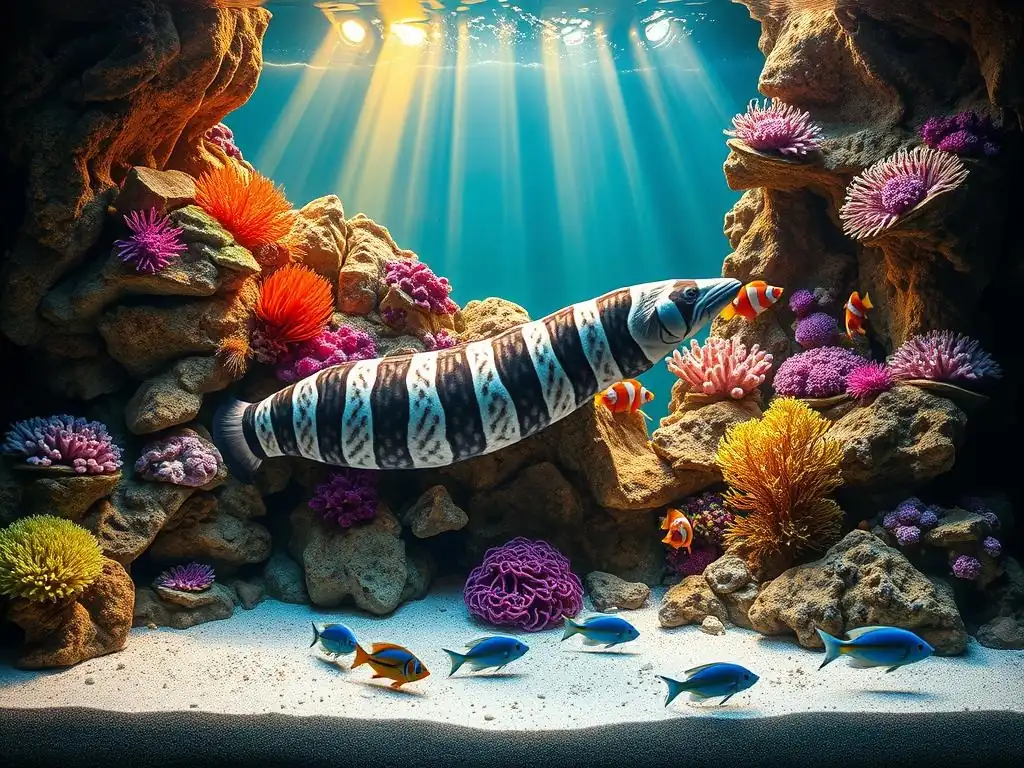
The Zebra Moray Eel, scientifically known as Gymnomuraena zebra, is a fascinating and distinctive member of the Muraenidae family, renowned for its striking appearance and generally docile temperament. Unlike many of its more aggressive cousins, this species is characterized by a blunt snout, small, peg-like teeth (adapted for crushing shells), and a body adorned with numerous dark bands over a light background, giving it its characteristic "zebra" pattern.
Adults typically reach lengths of 2 to 3 feet in the wild, though captive specimens often remain slightly smaller, making them a more manageable option for dedicated aquarists compared to giant morays.
In its natural habitat, the Zebra Moray Eel is widely distributed across the Indo-Pacific region, from the Red Sea and East Africa to the Hawaiian Islands and the Marquesas. It thrives in shallow coral reefs, rocky crevices, and rubble zones, usually at depths ranging from 6 to 100 feet. These eels are primarily nocturnal predators, spending their days hidden within the intricate network of rocks and emerging at night to hunt for their preferred prey—crustaceans and mollusks. Their secretive nature and unique hunting methods contribute to their allure for saltwater aquarium enthusiasts.
The Appeal of Zebra Moray Eels for Saltwater Aquarium Enthusiasts
The primary appeal of the Zebra Moray Eel lies in its stunning visual appearance combined with a remarkably peaceful disposition, distinguishing it from many other moray species. Its bold black and white banding creates a captivating display, making it a focal point in any appropriately sized saltwater aquarium. Unlike morays with sharp, needle-like teeth, the Gymnomuraena zebra's blunt teeth are designed for crushing shells, significantly reducing the risk of a severe bite to a human handler, although caution should always be exercised during feeding. This species can live for an impressive 15 to 20 years in captivity with proper Zebra moray eel care, offering a long-term commitment for dedicated hobbyists.
Furthermore, their diet of crustaceans and mollusks makes them relatively "reef safe" with larger, robust corals and fish, as they typically do not target finned tank mates. Observing their unique movements as they navigate rockwork, or simply seeing them peer from a crevice, adds a dynamic and exotic element to the home aquarium. The challenge and reward of providing optimal Zebra moray eel care appeal to experienced aquarists looking for a unique and engaging inhabitant that stands apart from more common saltwater fish.
Zebra Moray Eel Care: Essential Guidelines for a Healthy Eel
Tank Size Requirements for Zebra Moray Eels: Creating a Suitable Environment
Providing an adequately sized aquarium is paramount for the long-term health and well-being of a Zebra Moray Eel. For a single adult Gymnomuraena zebra, a minimum tank size of 75 gallons is often recommended, but a tank of 100 to 125 gallons is ideal to ensure ample swimming space, stability in water parameters, and sufficient room for intricate rockwork. This larger volume helps dilute waste products, making it easier to maintain pristine water quality, which is crucial for effective Zebra moray eel care.
Beyond mere volume, the physical dimensions of the tank are equally important. A longer tank, such as one measuring 48 to 60 inches in length, is significantly more beneficial than a taller, narrower tank. This extended footprint allows the eel more horizontal movement, provides greater surface area for gas exchange, and facilitates the creation of a diverse landscape of caves and crevices that mimic its natural habitat. Such an environment reduces stress and encourages natural behaviors, contributing significantly to the overall Zebra moray eel health.
Water Parameters: Maintaining Optimal Conditions for Zebra Moray Eel Health
Ideal Temperature, Salinity, and pH Levels for Zebra Moray Eels
Maintaining stable and appropriate water parameters is fundamental to successful Zebra moray eel care. The ideal temperature range for Gymnomuraena zebra is between 72°F and 78°F (22°C to 26°C), mimicking the warm, consistent temperatures of their tropical reef origins. Salinity should be maintained within a specific gravity range of 1.020 to 1.025, closely matching natural ocean conditions. The pH level should consistently be between 8.0 and 8.4, which is typical for healthy saltwater systems. Fluctuations outside these narrow ranges can cause significant stress to the eel, weakening its immune system and making it susceptible to various diseases.
Consistent monitoring of these parameters is not just recommended but essential. Daily checks for temperature and weekly checks for salinity and pH are crucial steps in preventative Zebra moray eel care. Using reliable equipment, such as a high-quality refractometer for salinity and an accurate digital pH meter, ensures precision. Furthermore, maintaining stable alkalinity (dKH 8-12) and calcium levels (350-450 ppm) indirectly supports the overall system stability, which benefits all inhabitants, including your Zebra Moray Eel, by preventing rapid pH swings.
Diet and Feeding: What Do Zebra Moray Eels Eat?
Providing a Balanced Diet: Crustaceans, Mollusks, and Small Fish
In their natural environment, Zebra Moray Eels primarily subsist on a diet of crustaceans, such as crabs and shrimp, and various mollusks like clams and mussels, using their unique blunt teeth to crush shells. To replicate this in captivity and ensure optimal Zebra moray eel health, a varied diet of meaty, marine-based foods is essential. Recommended food items include frozen silversides, krill, pieces of shrimp, squid, clam, scallop, and mussel. It is crucial to avoid relying solely on one type of food; a diverse diet prevents nutritional deficiencies.
To further enhance their nutritional intake, it is highly beneficial to gut-load the prey items or soak frozen foods in vitamin supplements like Selcon or Vita-Chem before feeding. While they may accept small fish, feeder fish are generally discouraged due to the risk of introducing diseases and parasites into the aquarium. A well-rounded diet, rich in essential fatty acids and vitamins, directly contributes to the eel's vibrant coloration, strong immune system, and overall longevity in captivity.
Feeding Frequency and Techniques for Zebra Moray Eels
The feeding frequency for Zebra Moray Eels depends largely on their size and age. Younger, growing eels can be fed every 2 to 3 days, while mature adults typically thrive on a feeding schedule of 2 to 3 times per week. Overfeeding should be avoided as it can lead to obesity in the eel and, more critically, contribute to poor water quality due to uneaten food decaying in the tank. Observing the eel's girth and activity levels can help fine-tune the feeding schedule; a slightly concave belly might indicate underfeeding, while a distended one suggests overfeeding.
When feeding, it is highly recommended to use long feeding tongs to present the food directly to the eel. This technique not only prevents accidental bites (though rare with this species, it's always wise to be cautious) but also ensures that the food is consumed by the intended recipient and not snatched by faster tank mates. Eels possess an excellent sense of smell, so introducing the food near their favored hiding spot will often entice them out. Always ensure the eel is actively responding to the food, indicating good health and appetite.
Tank Setup: Recreating the Zebra Moray Eel's Natural Habitat
Substrate, Rockwork, and Hiding Places for Zebra Moray Eels
Creating a suitable environment is a cornerstone of effective Zebra moray eel care. While the substrate can be sand or crushed coral, the most critical element of the tank setup is the rockwork. Zebra Moray Eels are inherently cryptic creatures that require numerous secure hiding places and caves where they can retreat and feel safe. Live rock is excellent for this purpose, providing not only structural complexity but also biological filtration. When arranging the rockwork, ensure that all structures are extremely stable and cannot be dislodged or collapsed by the eel's powerful movements, as this could cause serious injury or even death.
Provide multiple, interconnected caves and crevices that the eel can fully retreat into, allowing it to choose its preferred resting spot. For example, some aquarists incorporate appropriately sized PVC pipes, camouflaged within the rockwork, to offer additional secure tunnels. It is imperative to have a tightly fitting, heavy lid on the aquarium, as Zebra moray eels are legendary escape artists, capable of squeezing through incredibly small openings. Any gap, no matter how tiny, poses a significant escape risk for this species.
Ensuring Adequate Filtration and Water Circulation
Given their carnivorous diet and relatively large size, Zebra Moray Eels produce a significant bioload, making robust filtration an indispensable component of their Zebra moray eel care. A high-quality protein skimmer is absolutely essential for removing organic waste before it breaks down into harmful nitrates and phosphates. In addition to skimming, a sump or large canister filter equipped with mechanical filtration (like filter socks or sponges) and ample biological media (e.g., ceramic rings, bio-balls) is highly recommended to maintain pristine water quality. Aim for a total water turnover rate of at least 5 to 10 times the tank volume per hour to ensure efficient waste processing.
While powerful filtration is necessary, the water circulation within the display tank should be moderate, mimicking the gentle currents found in their natural reef environments. Avoid strong, direct flow that could stress the eel or prevent it from comfortably navigating its habitat. Strategically placed powerheads can create beneficial flow patterns without being overly turbulent. Regular maintenance of all filtration components, such as cleaning protein skimmer cups daily and replacing filter socks weekly, is vital for preventing the buildup of toxins and ensuring the long-term Zebra moray eel health.
Zebra Moray Eel Tank Mates: Compatibility Considerations
Suitable Tank Mates for Zebra Moray Eels: Larger, Peaceful Fish
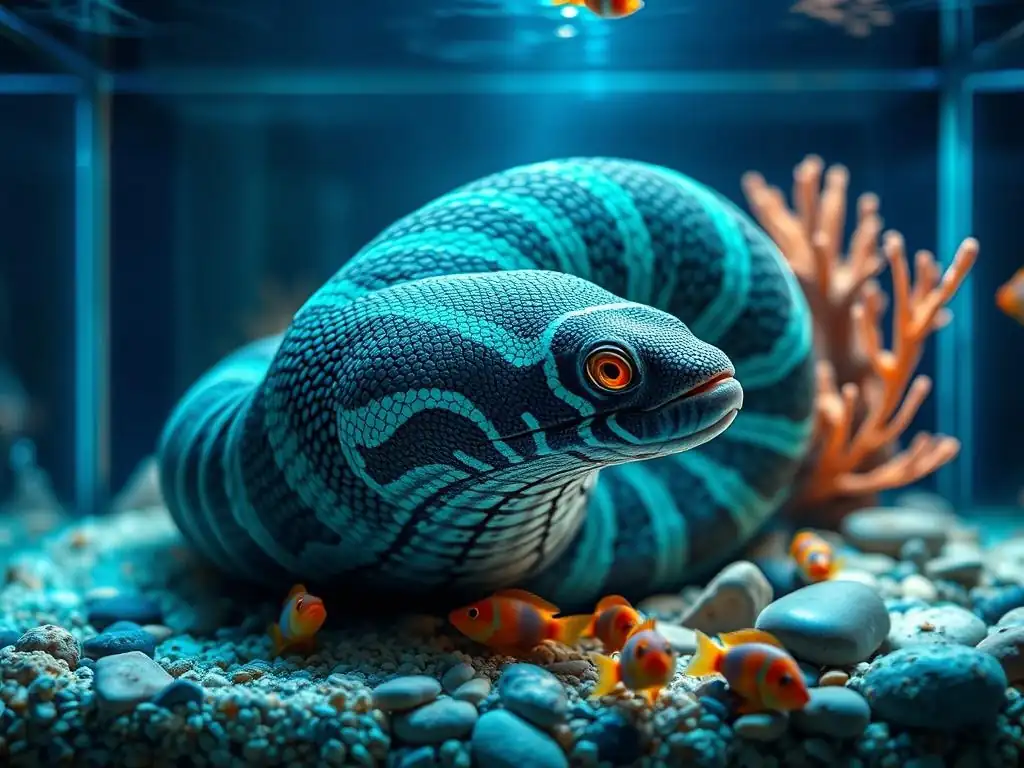
When considering tank mates for a Zebra Moray Eel, their generally peaceful and non-aggressive nature, combined with their specialized diet, makes them compatible with a surprising range of larger, robust saltwater fish. Unlike other morays that might view smaller fish as prey, Gymnomuraena zebra primarily targets crustaceans and mollusks. Suitable tank mates include larger angelfish (e.g., Emperor Angelfish, Queen Angelfish), various tangs (e.g., Yellow Tang, Powder Blue Tang), triggerfish (e.g., Blue Jaw Triggerfish, although caution is advised as some triggers can be aggressive), and even other large, peaceful predators like lionfish.
The key is to select fish that are too large to be considered food and are not overly aggressive or territorial towards the eel. For instance, a 6-inch Achilles Tang would generally coexist peacefully with a Zebra Moray Eel in a spacious tank, as neither poses a threat to the other. Ensuring adequate space and multiple hiding spots for all inhabitants will further reduce potential stress and promote harmony within the aquarium, contributing to effective Zebra moray eel care.
Fish to Avoid: Small Fish and Aggressive Tank Mates
Despite their generally placid nature, Zebra moray eels should not be housed with very small fish that could potentially be mistaken for food, especially if the eel is particularly hungry or if the small fish are bottom dwellers. Examples of fish to avoid include small gobies, dartfish, and juvenile versions of any fish species. While their primary diet is not fish, an opportunistic strike is always a possibility, particularly for slower or weaker individuals.
Furthermore, extremely aggressive or highly territorial fish should also be avoided, as they can harass or injure the slow-moving eel. This includes some species of damselfish, certain highly aggressive triggers (like the Clown Triggerfish), or very dominant groupers if the tank space is limited. The serene nature of the Zebra moray eel means it may not defend itself effectively against persistent bullying, leading to stress, injury, or a decline in Zebra moray eel health.
Invertebrates and Zebra Moray Eels: A Word of Caution
When it comes to invertebrates, caution is paramount. As their natural diet consists largely of crustaceans and mollusks, virtually all ornamental shrimp (e.g., Cleaner Shrimp, Peppermint Shrimp) and crabs (e.g., Emerald Crabs, Hermit Crabs) are at significant risk of becoming a meal. Even larger, seemingly robust invertebrates like decorative snails, conches, and certain clams will likely be targeted by a hungry Zebra Moray Eel.
Therefore, if you plan to keep a Zebra moray eel, it is generally advisable to forego most desirable ornamental invertebrates. Large, hard-shelled mollusks like giant clams might be safe if they are well-established and too large for the eel to easily dislodge or crush, but this is not guaranteed. For optimal Zebra moray eel care and to protect your invertebrate investment, assume that any invertebrate that fits into the eel's mouth or can be crushed by its jaws is potential prey.
Zebra Moray Eel Health: Common Diseases and Prevention
Recognizing Signs of Illness in Zebra Moray Eels
Early detection of illness is crucial for effective Zebra moray eel care and successful treatment. Healthy Zebra Moray Eels typically exhibit vibrant coloration, clear eyes, and a good appetite. They are also active during their preferred times (often at night or when food is presented) and will retreat to their hiding spots when not foraging. Signs of illness can include a loss of appetite or refusal to eat, which is often one of the first indicators.
Other symptoms to watch for include cloudy eyes, frayed fins, discolored patches on the skin, white spots (ich), excessive mucus production, or visible lesions. Behavioral changes such as lethargy, listlessness, constant hiding, or unusual swimming patterns (e.g., erratic movements, rubbing against rocks) are also strong indicators of distress or disease. Any deviation from their normal behavior or appearance warrants immediate investigation and, if necessary, intervention to protect Zebra moray eel health.
Common Diseases Affecting Zebra Moray Eels and Their Treatments
Bacterial Infections: Symptoms and Treatment
Bacterial infections are relatively common in saltwater aquariums and can affect Zebra Moray Eels, often as a result of poor water quality, stress, or injury. Symptoms typically include cloudy eyes, fin rot (frayed or decaying fins), red streaks on the body, open sores or lesions, and a general dullness in coloration. The eel may also become lethargic, refuse food, or exhibit rapid breathing. These infections can be caused by various common marine bacteria.
Treatment often involves the use of broad-spectrum antibiotics, either administered in a hospital tank or, in some cases, directly in the main display if tank mates are compatible with the medication. Products containing erythromycin or nitrofurazone are frequently used. Maintaining pristine water parameters and ensuring a stable, stress-free environment are critical supportive measures during treatment and for preventing recurrence. Regular water changes and proper filtration are key elements of preventative Zebra moray eel care.
Parasitic Infections: Symptoms and Treatment
While less common than bacterial infections in well-maintained systems, Zebra moray eels can still fall victim to parasitic infections, particularly if new, unquarantined fish are introduced. Marine Ich (Cryptocaryon irritans) is a common external parasite that manifests as small white spots resembling salt grains on the body and fins. Other parasites might cause excessive mucus production, rapid gill movement, or general irritation, leading the eel to rub against rocks or substrate.
Treatment for parasitic infections often involves transferring the affected eel to a separate hospital tank for medication, as many anti-parasitic treatments are harmful to invertebrates and beneficial bacteria in the main display. Copper-based medications (carefully dosed and monitored) are effective against Ich, while praziquantel can treat internal flukes. Maintaining strict quarantine protocols for all new additions, as detailed later, is the single most effective preventative measure against introducing parasites and safeguarding Zebra moray eel health.
Preventative Measures for Maintaining Zebra Moray Eel Health
Regular Water Changes and Monitoring Water Quality
The cornerstone of preventative Zebra moray eel care is the diligent practice of regular water changes and continuous monitoring of water quality. Performing weekly or bi-weekly water changes, typically 10-20% of the tank volume, helps to dilute accumulated nitrates, phosphates, and other pollutants that can build up over time. This process replenishes essential trace elements and maintains the stability of critical parameters like pH and alkalinity.
Beyond routine changes, consistent monitoring of water parameters—including ammonia, nitrite, nitrate, pH, salinity, and temperature—is vital. Ammonia and nitrite should always be undetectable (0 ppm), while nitrates should be kept as low as possible, ideally below 20 ppm. Deviations from optimal parameters indicate an underlying issue that needs immediate attention, such as overfeeding, insufficient filtration, or an overcrowded tank. Proactive water management significantly reduces stress on the eel and bolsters its natural immunity.
Quarantine Procedures for New Additions
Implementing a strict quarantine procedure for all new fish or invertebrates before introducing them into the main display tank is perhaps the most effective preventative measure against disease. A separate quarantine tank, equipped with basic filtration and heating, should be used for a period of at least 4 to 6 weeks. During this time, new specimens can be observed for any signs of illness, allowing for treatment in isolation without risking the health of established tank inhabitants, including your Zebra moray eel.
This isolation period also provides an opportunity to deworm or treat new fish prophylactically for common parasites like Ich or Brooklynella, even if no symptoms are immediately apparent. By preventing the introduction of pathogens, you drastically reduce the risk of outbreaks in your main display tank, thereby protecting the long-term Zebra moray eel health and the well-being of your entire aquatic ecosystem.
Acquiring a Zebra Moray Eel: Selecting a Healthy Specimen
Identifying Healthy Zebra Moray Eels at Your Local Fish Store
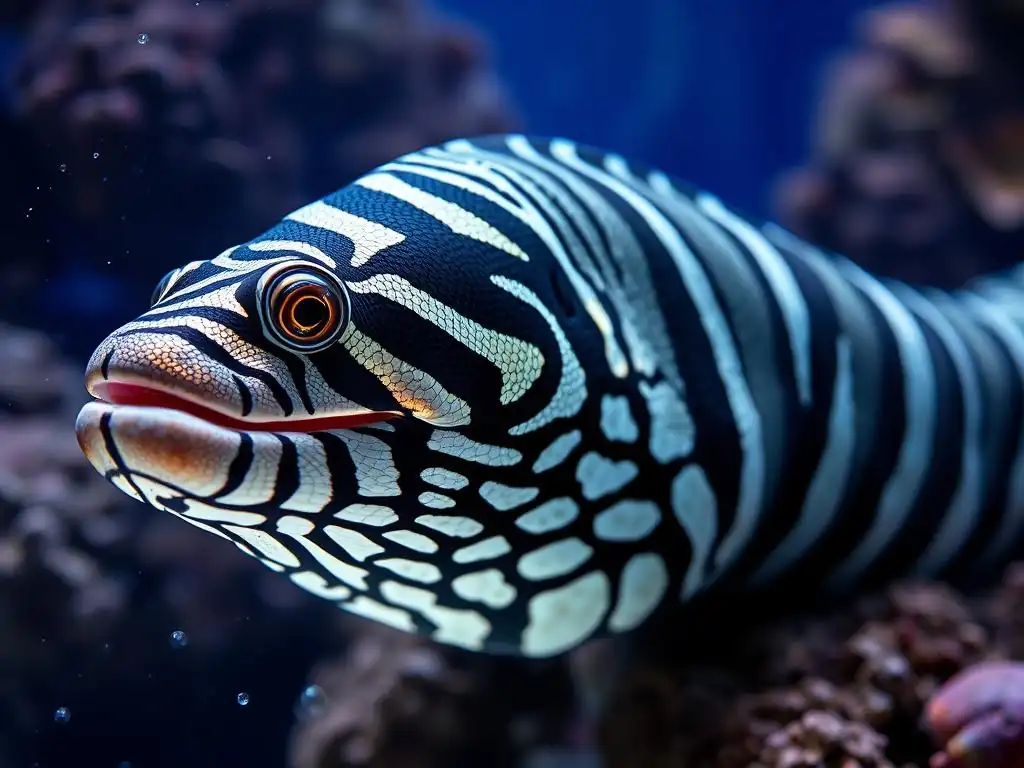
When selecting a Zebra Moray Eel for your aquarium, it's crucial to be able to identify a healthy specimen. A healthy eel will exhibit clear, bright eyes without any cloudiness or haziness. Its skin should be smooth, with vibrant, well-defined black and white banding, and free of any visible lesions, white spots, frayed fins, or excessive mucus. The eel should appear alert and responsive, actively moving within its rockwork or peeking out from hiding spots.
Observe its breathing; it should be calm and regular, not rapid or labored. A healthy eel will also show a good appetite, often reacting to the presence of staff or other activity near the tank. Avoid any eel that appears listless, has clamped fins, or exhibits any physical abnormalities. A specimen that is constantly hiding and unresponsive might be overly stressed or ill. Take your time to observe the eel for at least 15-20 minutes to assess its overall condition and behavior, ensuring you are bringing home a robust candidate for Zebra moray eel care.
Questions to Ask Your Fish Store Before Purchasing
Before committing to purchasing a Zebra Moray Eel, engage with the fish store staff and ask pertinent questions about the specimen. Inquire about how long the eel has been at the store and whether it has been quarantined or treated for any diseases. Ask about its feeding regimen: "What foods is it currently eating, and how often?" A store that can provide specific details about its diet and feeding habits indicates good care practices.
Furthermore, ask about the water parameters in the eel's holding tank (temperature, salinity, pH) to ensure they align with the ideal conditions for Zebra moray eel care that you maintain in your home aquarium. Inquiring about the eel's origin—whether wild-caught or, rarely, captive-bred—can also provide insight into its potential adaptability and health. A reputable dealer will be transparent and knowledgeable, willing to answer all your questions thoroughly.
The Importance of Quarantine Before Introducing to Your Main Tank
Even after selecting a seemingly healthy Zebra Moray Eel, the importance of a strict quarantine period cannot be overstated before introducing it to your main display tank. A dedicated quarantine tank, often a simple 20-40 gallon setup with basic filtration (sponge filter, small power filter), a heater, and some PVC pipes for hiding, should be used for at least 4 to 6 weeks. This isolation period serves several critical purposes for Zebra moray eel care.
Firstly, it allows you to observe the new eel for any signs of disease that might not have been apparent at the fish store, such as Ich, velvet, or bacterial infections. Secondly, it provides an opportunity to treat any detected illnesses without exposing your established tank inhabitants to potential pathogens. Finally, it allows the eel to acclimate to your water parameters and recover from the stress of transportation and new surroundings in a low-stress environment, significantly increasing its chances of long-term survival and thriving in your main aquarium.
Breeding Zebra Moray Eels: Challenges and Possibilities
Zebra Moray Eel Breeding in Captivity: Current Knowledge
Breeding Zebra Moray Eels (and indeed most moray eel species) in captivity is an extremely rare occurrence and presents significant challenges. There are very few documented cases of successful captive breeding, and none are known to be consistently reproducible in a home aquarium setting. The primary hurdles include the difficulty in sexing these eels, the need for very large, specialized environments that mimic their vast natural habitats, and the complex larval stages.
In the wild, moray eels are thought to be pelagic spawners, releasing eggs and sperm into the open ocean. Their larvae are leptocephalus larvae—leaf-like, transparent, and drift in ocean currents for extended periods, often months to a year, before metamorphosing into juvenile eels. Replicating the specific environmental cues, nutritional requirements, and vastness of the open ocean necessary for larval survival is currently beyond the scope of typical aquarium setups, making Zebra moray eel care focused almost exclusively on husbandry rather than breeding.
Creating a Breeding Environment: Open Ocean Simulation
Given the current understanding, creating a "breeding environment" for Zebra Moray Eels in captivity would entail an extremely ambitious and resource-intensive project, far exceeding the capabilities of most private aquarists. It would necessitate massive, multi-thousand-gallon systems designed to simulate open ocean conditions, including specific current patterns, lighting cycles, and water chemistry that might trigger spawning behavior. Even in public aquariums, successful breeding of moray eels remains an exceptional event.
The challenge of providing appropriate food for the microscopic leptocephalus larvae, which likely feed on specific planktonic organisms, is another major obstacle. These larvae require a highly specialized diet that changes as they grow, and sourcing or culturing such food in sufficient quantities is incredibly difficult. Therefore, for those interested in Zebra moray eel care, the focus should remain on providing an optimal environment for health and longevity, rather than attempting to breed these complex creatures.
Pros and Cons of Keeping Zebra Moray Eels
Advantages of Owning a Zebra Moray Eel
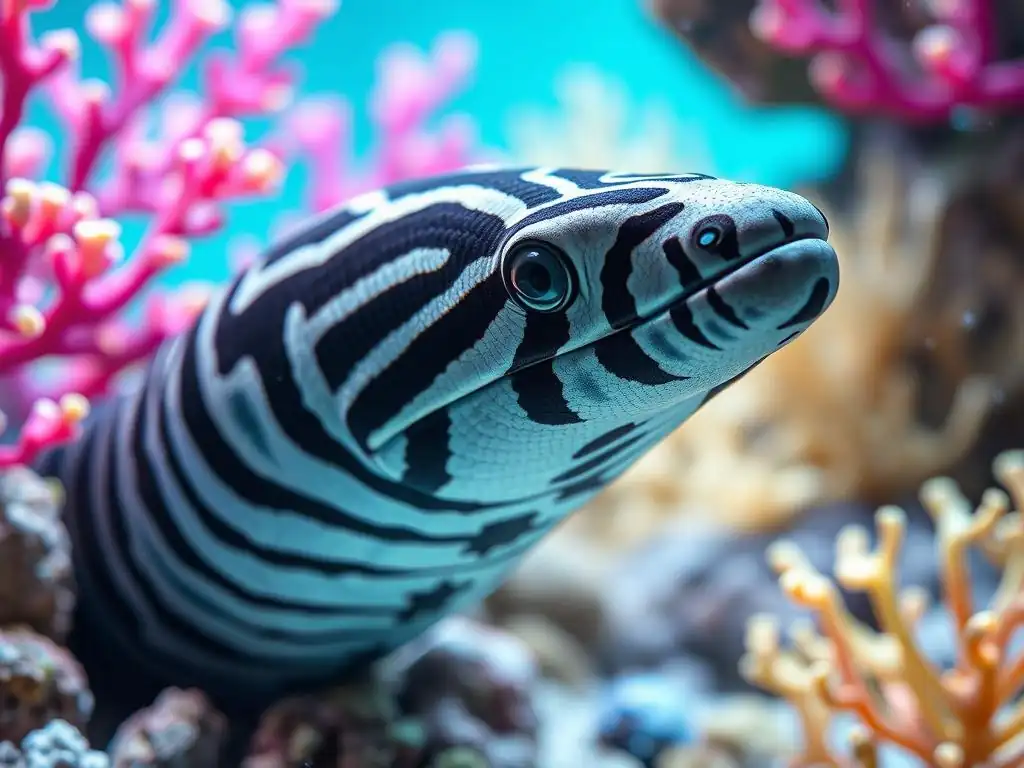
Owning a Zebra Moray Eel offers several distinct advantages for the dedicated saltwater aquarist. Their striking black and white banded pattern makes them incredibly unique and visually captivating, serving as an impressive centerpiece in a large aquarium. Unlike many other moray species, Gymnomuraena zebra is known for its remarkably peaceful disposition, posing less of a threat to larger, robust tank mates and human hands during maintenance (though caution is always advised during Zebra moray eel care).
Their specialized diet of crustaceans and mollusks means they are generally "reef-safe" with corals and do not typically target fish, making them a suitable choice for certain mixed reef setups. They are also long-lived, often thriving for 15-20 years with proper care, offering a rewarding, long-term commitment. Observing their secretive behaviors, such as peering from rockwork or slowly navigating their environment, provides a unique and engaging experience for the aquarist.
Potential Challenges of Zebra Moray Eel Care
Despite their many appeals, Zebra moray eel care comes with several significant challenges that prospective owners must consider. Their relatively large adult size (up to 3 feet) necessitates a very spacious aquarium, ideally 100-125 gallons or more, which requires a substantial initial investment and ongoing maintenance. They are notorious escape artists, meaning the aquarium must have an absolutely tight-fitting, heavy lid with no gaps whatsoever, as they can squeeze through incredibly small openings.
Their nocturnal and reclusive nature means they may not always be highly visible, spending much of the day hidden within rockwork. While generally peaceful with fish, their diet means they cannot be housed with ornamental shrimp, crabs, or small mollusks, limiting invertebrate choices. Lastly, like all large marine fish, they contribute a significant bioload, demanding robust filtration and diligent water quality management to prevent health issues.
Alternatives to Zebra Moray Eels: Other Moray Eel Species for Aquariums
Snowflake Moray Eel (Echidna nebulosa): Name and Characteristics
For aquarists interested in moray eels but perhaps seeking a slightly different aesthetic or a more commonly available species, the Snowflake Moray Eel ( Echidna nebulosa) is an excellent alternative. This species is highly popular in the hobby due to its stunning pattern of white, yellow, and black blotches resembling snowflakes, interspersed with dark spots. Snowflake Morays typically reach a maximum length of about 2 to 3 feet, similar to the Zebra Moray, making them suitable for similar tank sizes (75-100 gallons minimum).
Like the Zebra Moray, the Snowflake Moray also possesses blunt teeth, indicating a diet primarily composed of crustaceans and small invertebrates, making them relatively safe with larger fish. They share the same need for secure, intricate rockwork and a tightly fitting lid. Their temperament is generally docile, making Snowflake moray eel care similar to Zebra moray eel care in terms of requirements, though they are often more readily available and slightly less expensive.
Chainlink Moray Eel (Echidna catenata): Name and Characteristics
Another compelling alternative to the Zebra Moray Eel is the Chainlink Moray Eel ( Echidna catenata), named for its distinctive pattern of interconnected black or dark brown blotches that resemble a chainlink fence, set against a yellowish or white background. This species is found in the Atlantic Ocean, unlike the Indo-Pacific Zebra and Snowflake Morays. Chainlink Morays tend to be slightly smaller than the Zebra and Snowflake, typically reaching lengths of 20 to 24 inches, potentially allowing for a slightly smaller minimum tank size of around 50-75 gallons.
Similar to other Echidna species, the Chainlink Moray also features blunt, crushing teeth, signifying a diet of crustaceans and mollusks. This makes them a good choice for aquarists who want a moray that is less likely to prey on fish. They require the same meticulous moray eel care regarding secure hiding spots, excellent water quality, and an escape-proof tank. Their unique pattern and slightly smaller size make them a fascinating and manageable option for the experienced aquarist looking for a distinctive eel.
Conclusion: Is a Zebra Moray Eel Right for Your Saltwater Aquarium?
Assessing Your Experience and Resources for Zebra Moray Eel Care
Deciding if a Zebra Moray Eel is the right addition to your saltwater aquarium requires a thorough assessment of your experience level and available resources. These unique and captivating creatures are not suitable for novice aquarists due to their specific needs regarding tank size, water quality, and escape prevention. Prospective owners must be prepared to provide a minimum of 75-100 gallons of space, equipped with robust filtration and an absolutely secure lid, which represents a significant investment in equipment and ongoing maintenance.
Your commitment to consistent water parameter monitoring, regular large water changes, and a varied, high-quality diet is crucial for long-term Zebra moray eel health. Furthermore, understanding their nocturnal and reclusive nature means appreciating that they may not always be visible. If you possess the experience, the financial resources, and the dedication to meet these demanding requirements, a Zebra Moray Eel can be an incredibly rewarding and long-lived inhabitant for your saltwater aquarium.
Further Research and Resources for Zebra Moray Eel Keepers
For those considering or already providing Zebra moray eel care, continuous learning and access to reliable resources are invaluable. The field of marine aquariculture is constantly evolving, and staying informed about the latest husbandry techniques, dietary recommendations, and disease prevention strategies is essential. Beyond this article, delve into specialized forums and online communities dedicated to large marine fish or moray eels, where experienced aquarists share practical advice and real-world experiences.
Consult reputable marine biology texts or academic journals for in-depth information on Gymnomuraena zebra's natural history and physiology. Visiting local fish stores with knowledgeable staff can also provide practical tips and access to appropriate food items and supplies. By actively seeking out and utilizing these resources, you can ensure that you are providing the best possible Zebra moray eel care, contributing to a thriving and fascinating aquatic environment.
Frequently Asked Questions
How difficult is Zebra Moray Eel care for a beginner aquarist?
Zebra moray eels are considered moderately difficult to care for. They require a large, established saltwater tank and specific water parameters, making them unsuitable for beginners.
What is the ideal tank size for a Zebra Moray Eel?
A minimum of 180 gallons is recommended for a single adult Zebra Moray Eel. They need ample space to swim and plenty of hiding places.
What type of food do Zebra Moray Eels eat?
Zebra Moray Eels primarily eat crustaceans and mollusks in the wild. In captivity, they can be fed a diet of frozen shrimp, crab, and other meaty foods. Variety is key to their health.
Are Zebra Moray Eels aggressive towards other fish?
Generally, Zebra Moray Eels are relatively peaceful compared to other moray eels. However, they may prey on smaller invertebrates and fish that can fit in their mouth. Careful selection of tank mates is crucial.
What are some common health issues that affect Zebra Moray Eels?
Common health problems include bacterial infections and parasitic infestations, often linked to poor water quality or stress. Quarantine new eels and maintain stable water parameters to prevent issues.
Final Reflection: Appreciating the Delicate Balance
The information presented throughout this article underscores the critical importance of responsible aquarium keeping and species-specific care. Understanding the nuances of Zebra Moray Eel (Gymnomuraena zebra) care is not merely about keeping a pet alive; it's about acknowledging the intricate web of life within our oceans and the impact our choices have on delicate ecosystems. A thriving Zebra Moray Eel in captivity is a testament to a keeper's dedication and a symbol of respect for the natural world.
This journey into the world of the Zebra Moray Eel has highlighted the responsibility we bear when bringing a piece of the ocean into our homes. The commitment required to provide proper care transcends simple maintenance; it demands continuous learning and adaptation to the eel's needs. As we strive to replicate their natural habitat, we gain a deeper appreciation for the complexity of marine life. In the end, we will conserve only what we love; we will love only what we understand; and we will understand only what we are taught.
- Baba Dioum's words resonate deeply, reminding us that education is the cornerstone of conservation.
Now, consider the knowledge you've gained about Zebra Moray Eel care. How can you apply this dedication to responsible pet ownership to other aspects of your life? Let this article serve as a reminder that every action, no matter how small, has a ripple effect. Embrace the challenge of continuous learning, advocate for ethical practices, and inspire others to appreciate the beauty and fragility of our planet. By doing so, you contribute to a future where both captive and wild Zebra Moray Eels, and all marine life, can thrive.
Dive Deeper: Start Your Zebra Moray Journey!
Thank you for exploring the fascinating world of the Zebra Moray Eel with us! We hope you've discovered a newfound appreciation for this gentle giant and are inspired by its unique personality. Now, let's turn that inspiration into action.
- Take the Plunge: Research Local Breeders or Reputable Aquarium Stores Offering Zebra Moray Eels.: Finding a healthy and ethically sourced eel is the crucial first step!
- Delve into the details: Create a detailed checklist of necessary tank parameters, food requirements, and potential tank mates. Plan for success!
- Share the Zebra Moray love: Start a conversation on the Aquarium Mastery forums about your dream Zebra Moray tank setup – what are your biggest challenges and inspirations?
What unique enrichment strategy will you implement to keep your future Zebra Moray Eel happy and stimulated in its aquarium environment?