
Automated Water Changers: Are They a Smart Investment for Your Aquarium?

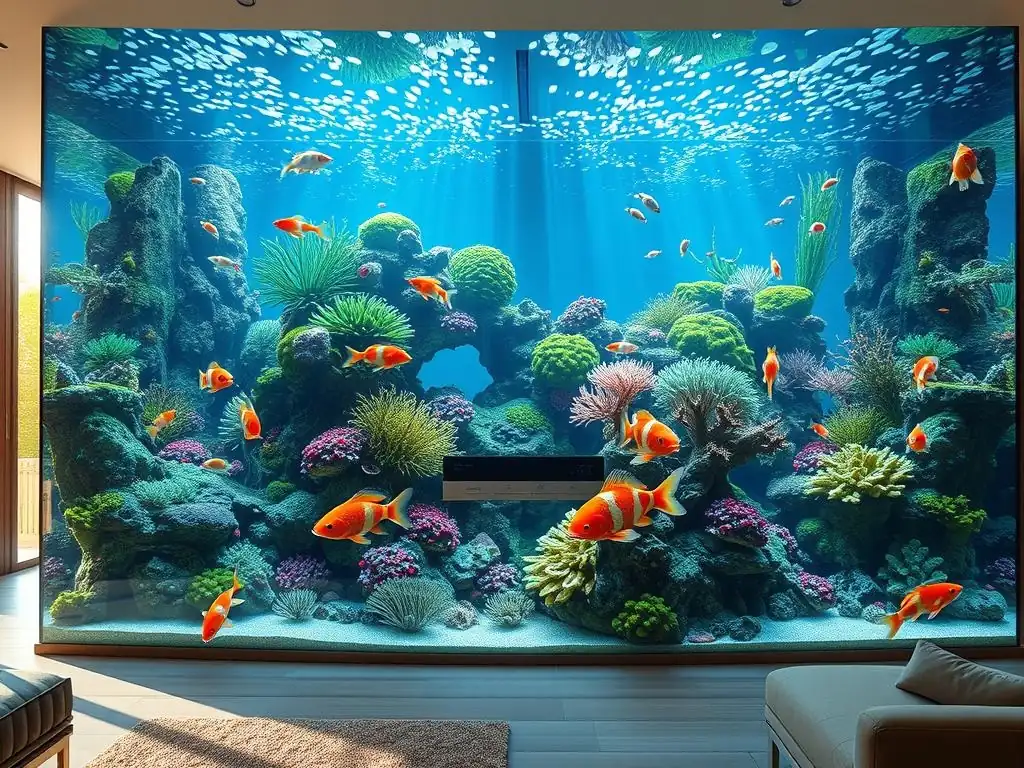
Welcome to Aquarium Mastery!
Ever dreamt of spending less time on tedious water changes and more time enjoying your thriving aquarium? You're in the right place! Dive in to discover if an automated water changer setup is the smart investment you've been looking for. Could this be the key to a healthier, happier aquatic ecosystem? Let's explore the benefits and drawbacks together!
- Introduction to Automated Water Changes for Aquariums
- Benefits of Using an Automated Water Changer Setup
- Types of Automated Water Changers: Choosing the Right System
- Setting Up Your Automated Water Changer: A Step-by-Step Guide
- Potential Drawbacks and Considerations of Automated Water Changers
- Maintaining Your Automated Water Changer for Optimal Performance
- Automated Water Changer Alternatives: Exploring Other Options
- Is an Automated Water Changer Right for You? A Decision Guide
- Conclusion: Automated Water Changers - A Valuable Tool for Dedicated Aquarists?
-
Frequently Asked Questions
- What is an automated water changer, and how does it work?
- What are the primary benefits of using an automated water changer?
- How do I determine if an automated water changer setup is right for my aquarium?
- What are the key components needed for an "Automated water changer setup"?
- Can an automated water changer completely replace manual water changes?
- Final Reflection: Sustaining Aquatic Ecosystems
- Unlock the Secrets to Effortless Aquarium Care!
Introduction to Automated Water Changes for Aquariums
Understanding the Importance of Regular Water Changes in Fish Tanks
Regular water changes are arguably the single most important maintenance task for any aquarium, whether freshwater or saltwater. Over time, fish waste, uneaten food, and decaying plant matter break down, leading to the accumulation of dissolved organic compounds and harmful nitrates. While the nitrogen cycle converts ammonia and nitrite into less toxic nitrate, nitrate itself can become problematic in high concentrations, often exceeding 20-40 parts per million (ppm) in neglected tanks. These accumulated pollutants can stress fish, suppress their immune systems, and lead to disease outbreaks, making consistent nutrient export vital for a thriving aquatic environment.
Beyond pollutant removal, water changes also replenish essential trace elements that are consumed by fish, invertebrates, and plants. In saltwater reef tanks, elements like calcium, alkalinity, and magnesium are critical for coral growth and are constantly depleted. Even in freshwater planted tanks, micronutrients are used up. Without regular replenishment through fresh, clean water, these vital elements become deficient, hindering growth and overall health. For instance, maintaining nitrates below 10 ppm for sensitive species like discus or certain marine corals is often a benchmark for optimal health, a goal greatly aided by frequent water changes.
Introducing Automated Water Changers: A Time-Saving Solution for Aquarists
Recognizing the critical, yet often time-consuming, nature of manual water changes, aquarists have increasingly turned to automated water changers. These innovative systems are designed to perform water changes automatically, removing a specified volume of old tank water and simultaneously or sequentially adding fresh, conditioned water back into the aquarium. The core appeal lies in their ability to significantly reduce the manual labor and time commitment traditionally associated with this essential maintenance task.
An automated water changer setup typically consists of pumps, tubing, and a controller that manages the process. By automating this routine, hobbyists can ensure consistent water quality without the need for constant hands-on intervention. This not only frees up valuable time but also minimizes the chances of human error, such as forgetting a scheduled change or accidental spills. For many busy aquarists, an automatic water changer system represents a significant step towards a more enjoyable and less demanding aquarium keeping experience.
Benefits of Using an Automated Water Changer Setup
Saving Time and Effort with Automatic Water Changes
One of the most compelling advantages of an automated water changer setup is the substantial reduction in time and effort required for routine maintenance. Manually performing a 25% water change on a 100-gallon aquarium can easily take 45 minutes to an hour each week, involving siphoning, hauling buckets, refilling, and dechlorinating. With an automated system, this active time can be reduced to mere minutes per week, primarily for monitoring the system and ensuring source water is available.
This automation frees up precious time that can be redirected towards other aspects of aquarium husbandry, such as observing fish behavior, maintaining equipment, or simply enjoying the visual appeal of the tank. For aquarists with multiple tanks, large setups, or demanding schedules, the convenience offered by an automatic water changer system is invaluable. It transforms a potentially arduous chore into a nearly hands-off process, making consistent maintenance more achievable and less of a burden.
Maintaining Consistent Water Parameters: Reduced Nitrate Levels for Improved Fish Health
Automated water changers excel at maintaining stable water parameters, which is paramount for the health and longevity of aquatic inhabitants. Unlike large, infrequent manual water changes that can cause sudden shifts in chemistry, automated systems can perform small, frequent water changes (e.g., 1-5% daily). This continuous dilution effectively prevents the significant accumulation of nitrates and other pollutants. For example, a daily 2% water change in a 100-gallon tank removes 2 gallons of old water and introduces 2 gallons of new, preventing nitrate spikes that might occur with a single 20-gallon weekly change.
This consistent nutrient export keeps nitrate levels consistently low, often below 5-10 ppm, which is ideal for sensitive fish species and corals. Stable parameters minimize stress on fish, reducing their susceptibility to disease and promoting vibrant coloration and natural behavior. For instance, species like Discus fish, known for their sensitivity to water quality, thrive in environments with minimal parameter fluctuations, making an automated water changer setup particularly beneficial for their long-term well-being.
Reducing Stress on Fish and Invertebrates During Water Changes
Large, infrequent manual water changes can be a significant source of stress for aquarium inhabitants. The sudden introduction of a large volume of new water, even if properly conditioned and temperature-matched, can cause rapid shifts in pH, temperature, and salinity (in saltwater tanks). These abrupt changes can shock fish, leading to clamped fins, erratic swimming, and a weakened immune system, making them more vulnerable to pathogens.
Automated water changers, especially those designed for drip or continuous small-volume exchanges, mitigate this stress by introducing new water very gradually. This gentle, continuous replenishment ensures that water parameters remain remarkably stable, preventing the sudden environmental shifts that can harm delicate species. For sensitive invertebrates like corals or shrimp, which are highly susceptible to osmotic shock, the consistent environment provided by an automated water changer setup can dramatically improve their health and survival rates.
Minimizing Algae Growth through Consistent Nutrient Export
Algae blooms are a common nuisance in aquariums, primarily fueled by an excess of nutrients, particularly nitrates and phosphates. While lighting and feeding practices play a role, inconsistent or insufficient water changes are a major contributor to high nutrient levels. When nitrates accumulate above certain thresholds (e.g., 20 ppm), opportunistic algae species can proliferate rapidly, coating tank surfaces and outcompeting desirable plants or corals.
An automated water changer setup helps combat algae by ensuring consistent and efficient nutrient export. By regularly removing small volumes of nutrient-rich water and replacing it with clean water, the system prevents the build-up of the very compounds that fuel algae growth. For example, a tank undergoing daily automated water changes will likely maintain lower average phosphate and nitrate levels compared to one with sporadic manual changes, leading to a noticeably cleaner aquarium with significantly reduced algae issues over time.
Types of Automated Water Changers: Choosing the Right System
Gravity-Fed Automated Water Change Systems: Simple, Reliable Systems Using Siphoning
Gravity-fed automated water change systems represent one of the simplest and most cost-effective approaches to automating water changes. These systems typically rely on the principle of siphoning and gravity to move water.
They require the source water reservoir (e.g., a large bucket or RO/DI storage container) to be placed higher than the aquarium, and the waste water collection point (e.g., a drain or waste bucket) to be lower than the aquarium. Water is then either siphoned out of the tank and replaced by gravity feed, or a continuous drip system is established where new water drips in and old water overflows into a drain.
The primary advantages of gravity-fed systems are their simplicity, low initial cost, and inherent reliability due to fewer mechanical parts. They are generally quiet and consume no electricity for the water movement itself, making them less prone to electrical failures. However, they demand precise placement relative to the tank and drain, limiting their versatility. Furthermore, controlling the exact flow rate can be challenging without additional components like drip valves, and they are typically not suitable for large-volume, rapid water changes, making a sophisticated automated water changer setup difficult without active pumps.
Pump-Based Automated Water Change Systems: Precise Control and Versatile Placement
Pump-based automated water change systems offer a higher degree of precision, control, and versatility compared to gravity-fed alternatives. These systems utilize one or more pumps, often dosing pumps or peristaltic pumps, to either remove old water, add new water, or both simultaneously. The pumps can be precisely calibrated to deliver specific volumes of water over programmed intervals, allowing for highly consistent and accurate water changes, whether daily micro-changes or larger weekly exchanges.
The benefits of pump-based systems include their ability to operate independently of elevation, allowing for more flexible placement of source and waste containers. They can be integrated with advanced aquarium controllers to create a sophisticated automated water changer setup, enabling complex schedules, safety cut-offs, and remote monitoring. While they represent a higher initial investment and have more components that could potentially fail (e.g., pump diaphragms, tubing), their precision and programmability make them the preferred choice for serious aquarists seeking optimal control over their water parameters.
Considerations for Freshwater vs. Saltwater Automated Water Changers
When choosing an automated water changer setup, the type of aquarium—freshwater or saltwater—is a critical consideration due to differing requirements. For saltwater aquariums, the primary concern is salinity. The automated system must be able to introduce new saltwater that is precisely matched in salinity and temperature to the existing tank water. This often involves a dedicated saltwater mixing station, an RO/DI (Reverse Osmosis/Deionization) unit for pure water, and potentially a heater and circulation pump in the mixing reservoir. All components that come into contact with saltwater must be corrosion-resistant.
Freshwater automated water changers are generally simpler, as salinity matching is not an issue. However, proper dechlorination of the new water is paramount. Many freshwater systems can utilize tap water directly, provided it's passed through a carbon filter or treated with a declorinator before entering the tank. Temperature matching is also important to prevent shock. While the overall automated water changer setup for freshwater might be less complex, attention to water quality, especially chlorine and chloramine removal, remains crucial.
Setting Up Your Automated Water Changer: A Step-by-Step Guide
Planning Your Automated Water Changer Setup: Location and Plumbing
The initial planning phase is crucial for a successful automated water changer setup. Begin by identifying ideal locations for your clean water reservoir (e.g., an RO/DI unit's storage tank, a large brute trash can), your waste water drain (e.g., utility sink, floor drain), and the pumps/controller if applicable. Consider the shortest and most discreet routes for tubing, aiming to minimize kinks and potential tripping hazards. For example, some aquarists opt to route tubing through walls or behind cabinets to maintain a clean aesthetic.
Next, assess the plumbing requirements. Determine the necessary length and diameter of tubing for both water input and output. Ensure that the waste water can be safely and reliably drained without overflowing, especially if using a continuous drip system. For saltwater setups, planning for the RO/DI unit and a saltwater mixing station will add complexity but is essential for consistent water quality. Proper planning prevents future headaches and ensures the automated water changer setup integrates seamlessly into your home.
Connecting the Automated Water Changer to Your Aquarium
Once the locations are planned, the physical connection of the automated water changer to your aquarium begins. This typically involves securely attaching intake and output nozzles within the aquarium or sump. For the old water removal, a simple intake pipe placed at the desired water level is common. For new water addition, the output nozzle should be positioned to allow for good dispersion, often near a return pump outlet in a sump or directed towards a high-flow area in the display tank.
Connect the appropriate tubing from the source water reservoir to the input side of your water addition pump (or directly to the tank for gravity systems), and from the tank's waste water output to the waste pump's intake (or directly to the drain). All connections must be tight and secure, using hose clamps where necessary, to prevent leaks. For a robust automated water changer setup, consider using check valves to prevent back-siphoning and float switches in both the clean water reservoir and the waste container to prevent overflows or dry runs.
Programming the Automated Water Changer: Setting Frequency and Volume
Programming is the heart of your automated water changer setup, determining how much water is exchanged and how often. First, calculate your desired daily or weekly water change volume. For instance, a common recommendation is 10-20% weekly, which could be broken down into 1.5-3% daily. If your tank is 100 gallons, a 2% daily change means exchanging 2 gallons. Next, you'll need to know the flow rate of your pumps (gallons per hour or milliliters per minute).
With the flow rate known, you can calculate the run time required to exchange the desired volume. For example, if a pump delivers 10 gallons per hour (GPH), to exchange 2 gallons, it needs to run for 12 minutes (2 gallons / 10 GPH * 60 minutes/hour). Program your controller or timer to activate the pumps for this duration at your desired frequency (e.g., once daily, split into two shorter runs). This precise programming ensures your automated water changer setup maintains consistent water parameters without over or under-changing.
Testing and Fine-Tuning Your Automated Water Change System
After the initial automated water changer setup and programming, thorough testing and fine-tuning are essential before relying on the system. Begin by running a small test cycle, carefully observing all connections for any leaks. Place a measuring container under the waste output to verify that the actual volume of water removed matches your programmed amount. Similarly, measure the volume of new water added. Discrepancies can occur due to pump inefficiencies, hose resistance, or calibration errors.
Over the first few weeks, closely monitor your aquarium's water parameters, especially nitrates, pH, and salinity (for saltwater). Compare these to your target levels. If nitrates are still accumulating, you might need to increase the daily or weekly water change volume. If parameters are swinging too much, consider more frequent, smaller changes. This iterative process of testing, observing, and adjusting is crucial to fine-tune your automated water changer setup for optimal performance and to ensure the long-term health of your aquatic ecosystem.
Potential Drawbacks and Considerations of Automated Water Changers
Initial Investment Costs: Is it Worth the Price?
The initial investment cost is a significant consideration for any aquarist contemplating an automated water changer setup. While simple gravity-fed systems might cost under $100, more sophisticated pump-based systems with precise dosing pumps, controllers, and safety features can range from $300 to well over $1000, depending on the brand, features, and tank size they are designed for. This cost does not include the necessary reservoirs for clean and waste water, or an RO/DI unit for saltwater setups, which can add hundreds more.
Aquarists must weigh this upfront expense against the long-term benefits. While the price might seem steep, the investment can be justified by the significant time savings, reduced manual labor, and the potential for a healthier, more stable aquarium environment. Fewer fish losses due to poor water quality, less money spent on medications, and the sheer convenience can, for many dedicated hobbyists, make the automated water changer setup a worthwhile financial decision over the lifespan of their aquarium.
Potential for Malfunctions: Monitoring and Prevention
Despite their convenience, automated water changers are mechanical and electronic systems, and as such, they are susceptible to malfunctions. Potential issues include pump failure, hose kinks or blockages, controller glitches, or sensor errors. A pump failure could lead to either no water being changed or, worse, an uncontrolled continuous water exchange, potentially draining the tank or overflowing the waste container, leading to significant water damage to floors and furniture.
To mitigate these risks, active monitoring and preventative measures are crucial. Incorporating redundant safety features, such as multiple float switches in the sump (to prevent overfilling or draining) and leak detectors on the floor around the system, is highly recommended. Regular visual inspections of hoses for kinks or wear, and checking pump operation, are also vital. An automated water changer setup should never be a "set it and forget it" solution; diligent oversight is always required to prevent potential disasters.
Water Source Quality: Ensuring Clean Water for Your Aquarium
The quality of the water source used with an automated water changer setup is absolutely paramount. An automated system will only introduce water as clean as its source. If you're using tap water for a freshwater tank, it must be properly dechlorinated to remove chlorine and chloramines, which are toxic to fish and beneficial bacteria. Relying solely on a simple carbon filter may not be sufficient for all contaminants.
For saltwater aquariums, the use of a high-quality Reverse Osmosis/Deionization (RO/DI) unit is non-negotiable. Tap water contains nitrates, phosphates, silicates, and heavy metals that can wreak havoc in a reef tank, leading to aggressive algae growth and harm to sensitive corals. An automated system that continuously adds impure water would be far more detrimental than manual changes. Therefore, ensuring your RO/DI unit's membranes and resin are regularly changed and its output water quality is consistently checked (e.g., with a TDS meter) is a critical part of maintaining a healthy automated water changer setup.
Compatibility with Different Aquarium Types and Sizes
While automated water changers are highly adaptable, their compatibility and effectiveness can vary depending on the specific aquarium type and size. For instance, a very small nano tank (e.g., 10 gallons) might be over-engineered with a complex pump-based system, where a simple drip system or even manual changes remain perfectly manageable. Conversely, a very large display tank (e.g., 500+ gallons) may require industrial-grade pumps and extensive plumbing to handle the necessary volumes, making the automated water changer setup considerably more complex and expensive.
Furthermore, the type of inhabitants also plays a role. A heavily stocked reef tank with demanding corals will benefit immensely from the consistent water quality provided by an automated system, whereas a lightly stocked freshwater community tank might not see as dramatic an improvement over diligent manual changes. Consideration of sump-based versus sumpless systems is also important, as sumps often provide convenient locations for probes, sensors, and water inlets/outlets, simplifying the overall automated water changer setup.
Maintaining Your Automated Water Changer for Optimal Performance
Regular Cleaning and Maintenance Tasks
To ensure your automated water changer setup operates reliably and efficiently, regular cleaning and maintenance are essential. Over time, pumps can accumulate mineral deposits or algae, tubing can become fouled, and sensors can become coated, leading to inaccurate readings or reduced flow. A typical maintenance schedule might include wiping down external pump surfaces monthly, inspecting tubing for kinks or blockages, and cleaning float switches quarterly to ensure they activate correctly.
For peristaltic pumps, which use rollers to squeeze tubing, the pump tubing itself is a wear item and will need periodic replacement, often every 6 to 12 months depending on usage, to maintain accurate dosing. Dosing pump heads may also require cleaning or replacement of diaphragms if they become stiff or leak. Neglecting these small tasks can lead to larger malfunctions, compromising the integrity of your automated water changer setup and potentially your aquarium's health.
Checking for Leaks and Blockages
A critical aspect of maintaining an automated water changer setup is the routine inspection for leaks and blockages. Even the smallest drip can lead to significant water damage over time, and a blockage can either prevent water changes from occurring or, worse, cause a pump to overheat or burst a line. Daily or weekly visual checks of all tubing connections, valves, and pump housings are highly recommended. Look for any signs of moisture, salt creep (in saltwater systems), or unusual noises from the pumps that might indicate a problem.
Beyond visual inspection, periodically check the flow rate of your system by running a short cycle into a measuring cup. If the volume is significantly less than expected, it could indicate a partial blockage in the lines or a diminishing pump performance. Flushing the lines with clean water or a mild acid solution (like vinegar for mineral deposits) can help clear blockages and maintain optimal flow, ensuring your automated water changer setup functions as intended.
Calibrating the System for Accurate Water Changes
Even after initial setup, an automated water changer system may require periodic re-calibration to maintain accuracy. Pump performance can degrade slightly over time due to wear, or external factors like changes in head pressure can subtly affect flow rates. This means the volume of water exchanged might drift from your programmed settings. For instance, a pump programmed to remove 2 gallons might only be removing 1.8 gallons after several months, leading to a gradual accumulation of nitrates.
To re-calibrate, periodically run your system for a set duration (e.g., 10 minutes) and collect the dispensed water in a precisely measured container. Compare the actual volume to the expected volume based on your pump's specifications. Adjust the programming on your controller to compensate for any discrepancies. For example, if you find your pump is slightly under-dosing, you would increase the run time slightly to achieve the desired volume. This ensures your automated water changer setup consistently delivers the precise water exchange your aquarium needs.
Automated Water Changer Alternatives: Exploring Other Options
Manual Water Changes: The Traditional Approach
The most traditional and widely used method for water changes remains the manual approach. This involves physically siphoning out old aquarium water into buckets and then carefully refilling the tank with fresh, conditioned water, often using additional buckets or a hose connected to a faucet. For many aquarists, especially those with smaller tanks (e.g., under 50 gallons) or limited budgets, manual water changes are the go-to method due to their simplicity and low cost.
The advantages of manual water changes include the absolute control they provide over the process, allowing the aquarist to directly observe the tank's inhabitants and condition during maintenance. There's no initial equipment cost beyond a siphon and buckets, making it accessible to everyone. However, the drawbacks are significant: it's labor-intensive, time-consuming, prone to spills, and can be inconsistent if done irregularly. For large tanks or busy individuals, the burden of manual changes often leads to neglected maintenance, highlighting why an automated water changer setup becomes appealing.
Drip Acclimation Systems for Gradual Water Changes
While typically used for acclimating new fish or invertebrates to an existing aquarium, drip acclimation systems can be adapted to perform very slow, continuous water changes. This method involves setting up a clean water reservoir (e.g., a bucket of conditioned water) positioned above the tank, with a small air line or tubing running from it to the aquarium. A simple valve or knot in the tubing is used to control the flow rate, allowing water to drip into the tank at a very slow pace, while old water overflows into a drain.
The primary benefit of this method is its extreme gentleness, causing virtually no stress to tank inhabitants due to the incredibly gradual change in water parameters. It's also very low cost. However, it requires constant monitoring to ensure the source water reservoir doesn't run dry and the waste water doesn't overflow. It's not truly "automated" in the sense of unattended operation and is generally only suitable for very small daily changes, making it less practical for significant nutrient export in larger, heavily stocked systems compared to a full automated water changer setup.
Choosing the Best Method for Your Aquarium Needs
Deciding on the best water change method for your aquarium involves weighing several factors, including tank size, budget, available time, and the specific needs of your aquatic inhabitants. For a small, lightly stocked freshwater tank, manual water changes might be perfectly adequate and cost-effective, taking only 15-20 minutes weekly. For a beginner, this hands-on approach can also be educational.
However, for larger aquariums, heavily stocked tanks, sensitive species like discus or marine corals, or for aquarists with demanding schedules, the benefits of an automated water changer setup often outweigh the initial investment. The consistent water parameters, reduced stress on livestock, and significant time savings offered by automation can lead to a healthier, more stable, and ultimately more enjoyable aquarium experience. The "best" method is subjective and depends entirely on your unique circumstances and priorities as an aquarist.
Is an Automated Water Changer Right for You? A Decision Guide
Evaluating Your Aquarium Setup and Maintenance Needs
Before investing in an automated water changer setup, it's crucial to honestly evaluate your current aquarium setup and maintenance needs. Consider the size of your tank: is it large enough (e.g., 50 gallons or more) that manual water changes are a significant physical burden or time sink? Assess your current maintenance consistency: do you frequently miss or delay water changes due to lack of time or motivation? Inconsistent maintenance directly impacts water quality and fish health.
Furthermore, consider the sensitivity of your tank inhabitants. If you keep delicate species like marine corals, wild-caught fish, or certain sensitive freshwater species that thrive only in extremely stable parameters, an automated water changer setup could provide a level of consistency that is difficult to achieve manually. For complex reef systems with high bioloads, the continuous nutrient export offered by automation can be a game-changer for long-term success.
Considering Your Budget and Time Commitment
The decision to invest in an automated water changer setup also hinges heavily on your budget and the value you place on your time. Basic pump-based systems start in the mid-hundreds, with advanced, integrated systems potentially costing over a thousand dollars, not including necessary accessories like RO/DI units or reservoirs. Is this initial financial outlay feasible for you, and does it align with your overall aquarium budget?
Equally important is your time commitment. If you find yourself consistently short on time, struggling to dedicate 30-60 minutes or more each week to water changes for a large tank, then the time-saving aspect of automation becomes a significant benefit. While an automated system isn't "set it and forget it" (it still requires monitoring and maintenance), it drastically reduces the active labor. For hobbyists with demanding jobs or multiple aquariums, this time saving can be a primary driver for considering an automated water changer setup.
Making an Informed Decision About Automated Water Changes
Ultimately, making an informed decision about an automated water changer setup involves weighing the significant benefits against the initial costs and ongoing responsibilities. On the positive side, these systems offer unparalleled consistency in water parameters, leading to healthier, less stressed fish and invertebrates. They free up considerable time and effort, making aquarium maintenance less of a chore and more enjoyable. They can also minimize common issues like algae growth by consistently exporting nutrients.
However, the initial investment can be substantial, and the systems are not entirely maintenance-free; they require regular cleaning, calibration, and vigilant monitoring to prevent malfunctions like leaks or dry runs. The quality of your water source is also critical. For many dedicated aquarists, particularly those with larger, more complex, or sensitive setups, the advantages of an automated water changer setup far outweigh these considerations, proving to be a valuable tool for long-term aquarium success.
Conclusion: Automated Water Changers - A Valuable Tool for Dedicated Aquarists?
Automated water changers represent a significant advancement in aquarium husbandry, offering a compelling blend of convenience, precision, and consistency for maintaining optimal water quality. They address the fundamental challenge of regular water changes, transforming a potentially arduous and time-consuming chore into a largely automated process. By facilitating frequent, small-volume water exchanges, these systems excel at stabilizing water parameters, consistently reducing harmful nitrates and other pollutants, and thus fostering a healthier, less stressful environment for aquatic life.
While the initial investment and the need for diligent monitoring and maintenance are legitimate considerations, the benefits for many dedicated aquarists are profound. The time saved, the reduced physical effort, and the enhanced stability of water chemistry often translate into more vibrant fish, thriving corals, and a more enjoyable overall aquarium experience. For those committed to providing the best possible care for their aquatic ecosystems, an automated water changer setup is undeniably a valuable tool, empowering them to achieve a level of consistency and success that is challenging to match through manual methods alone.
Frequently Asked Questions
What is an automated water changer, and how does it work?
An automated water changer is a system that automatically removes old aquarium water and replaces it with fresh water. It typically involves a pump, timer, and tubing to automate the water exchange process, reducing the need for manual water changes.
What are the primary benefits of using an automated water changer?
The main benefits include reduced manual labor, more consistent water parameters, and potentially healthier aquarium inhabitants due to fewer fluctuations in water chemistry. This leads to a more stable environment.
How do I determine if an automated water changer setup is right for my aquarium?
Consider the size of your aquarium, your budget, and your desire for convenience. Automated systems are particularly beneficial for larger tanks and those who want to maintain stable water conditions with minimal effort.
What are the key components needed for an "Automated water changer setup"?
Essential components include a water pump, a timer or controller, appropriate tubing, and a water source (e.g., a tap) and drain (e.g., a sink or drain). You might also need a mixing container.
Can an automated water changer completely replace manual water changes?
While an automated system significantly reduces the need for manual intervention, it's still advisable to perform occasional manual checks and thorough cleanings. This ensures the system is functioning correctly and the tank remains healthy.
Final Reflection: Sustaining Aquatic Ecosystems
The exploration of automated water changers reveals more than just technological convenience; it highlights our responsibility towards creating and maintaining thriving aquatic ecosystems. As we've seen, these systems offer a compelling solution to the often-tedious task of water maintenance, potentially leading to healthier and more vibrant aquariums. This is particularly relevant today, as interest in aquascaping and responsible pet ownership continues to grow.
The impact of consistent water quality on aquatic life cannot be overstated. My own experiences with aquarium keeping have underscored the delicate balance required to ensure the well-being of these creatures. The adoption of technologies like automated water changers reflects a broader shift towards proactive and informed care. The best aquarium is a stable aquarium.
This simple truth reminds us that consistency is key to creating a healthy and stress-free environment for our aquatic companions.
Now, consider the implications of this knowledge for your own approach to aquarium keeping. Are you ready to embrace the potential of automated systems to simplify your routine and, more importantly, enhance the lives of your aquatic inhabitants? Take a moment to reflect on the time and effort you currently dedicate to water changes and envision a future where that burden is lessened, allowing you to focus on the joy and wonder of observing a flourishing underwater world. The choice is yours to cultivate a truly sustainable and thriving aquatic environment.
Unlock the Secrets to Effortless Aquarium Care!
Thank you for diving into the world of automated water changes! We hope you've gained valuable insights into whether this technology is right for your aquarium. Now, it's time to take control and elevate your fish-keeping experience.
Here are a few ways to take the next step:
- Consider your aquarium size and needs: Reflect on your tank's specific demands and calculate the potential long-term cost savings with an automated system.
- Explore local fish stores or online retailers. Visit local stores or explore reliable online retailers to compare different automated water changer models and find the perfect fit.
- Join the Aquarium Mastery community. Share your thoughts, experiences, and questions about automated water changers in our community forum to learn from fellow enthusiasts.
Ready to revolutionize your aquarium maintenance routine? What's the single biggest hurdle preventing you from automating your water changes today?