
Understanding "New Tank Syndrome" and How to Avoid It Completely

Welcome to Aquarium Mastery!
Ever wondered why a brand new aquarium can suddenly become a hazard for your precious fish? Dive in to discover the secrets behind " New Tank Syndrome" and learn proven strategies for its complete prevention. Unlock the knowledge to establish a thriving aquatic ecosystem right from the start, and say goodbye to unnecessary fishy fatalities. Let's master your aquarium!
- What is New Tank Syndrome? A Comprehensive Explanation
- The Stages of New Tank Syndrome: A Week-by-Week Breakdown
- The Devastating Effects of New Tank Syndrome on Your Aquatic Life
- New Tank Syndrome Prevention: A Step-by-Step Guide to a Healthy Aquarium
- Proactive Measures to Avoid New Tank Syndrome
- Troubleshooting: Identifying and Addressing Early Signs of New Tank Syndrome
- Long-Term Aquarium Health: Maintaining a Stable Nitrogen Cycle
- Conclusion: Mastering New Tank Syndrome Prevention for Thriving Aquatic Life
- Frequently Asked Questions
- Final Reflection: Cultivating a Thriving Aquatic Ecosystem
- Conquer New Tank Syndrome: Create Your Thriving Aquarium Today!
What is New Tank Syndrome? A Comprehensive Explanation
Defining New Tank Syndrome in Aquariums
"New Tank Syndrome" refers to a critical period that occurs in newly set up aquariums when the beneficial bacteria necessary for the nitrogen cycle have not yet established themselves. During this phase, toxic compounds like ammonia and nitrite accumulate to dangerous levels, posing a severe threat to aquatic life. This syndrome is almost universally experienced by new aquarists who do not properly cycle their tanks before introducing fish, leading to significant stress, illness, and often death among inhabitants. It's a fundamental challenge that every aquarist must understand and actively prevent.
The syndrome typically manifests within the first few weeks of setting up an aquarium, often peaking between weeks two and four. For instance, in a 20-gallon tank newly filled and stocked, ammonia levels can spike from 0 ppm to well over 2.0 ppm within days, followed by a subsequent rise in nitrite. Recognizing and implementing effective "New tank syndrome prevention" strategies from day one is paramount to creating a safe and thriving aquatic environment.
The Role of the Nitrogen Cycle in New Tank Syndrome
The nitrogen cycle is the biological process that converts harmful nitrogenous waste products into less toxic forms. In an aquarium, fish waste, uneaten food, and decaying plant matter break down into ammonia (NH3/NH4+), which is highly toxic to fish. Specialized nitrifying bacteria, primarily Nitrosomonas species, colonize filter media, substrate, and tank surfaces, converting ammonia into nitrite (NO2-). Nitrite is also very toxic, particularly to fish, as it interferes with oxygen uptake.
A second group of bacteria, Nitrobacter species (and other genera like Nitrospira), then convert nitrite into nitrate (NO3-), which is far less harmful in moderate concentrations. "New tank syndrome" occurs precisely because these bacterial colonies are not yet present in sufficient numbers to process the waste produced by fish. Effective "New tank syndrome prevention" relies entirely on allowing these bacterial populations to grow and establish a robust nitrogen cycle before fish are introduced.
Why New Aquariums Are Susceptible to New Tank Syndrome
New aquariums are inherently susceptible to "New Tank Syndrome" because they lack the established populations of nitrifying bacteria found in mature, healthy tanks. When an aquarium is first set up, its biological filter is essentially sterile. While a small amount of bacteria might be introduced with tap water or substrate, it's nowhere near enough to process the bioload (waste) from even a single fish. This leads to an immediate imbalance where waste production far outstrips the tank's capacity to neutralize it.
Consider a typical 10-gallon freshwater tank. If just two small guppies are introduced into an uncycled tank, they can produce enough ammonia to raise levels to lethal concentrations (e.g., 0.5 ppm to 1.0 ppm or higher) within 24-48 hours. In contrast, an established 10-gallon tank with a mature biological filter can handle the waste from several guppies without a noticeable ammonia or nitrite spike, thanks to its millions of beneficial bacteria. This stark difference underscores why proactive "New tank syndrome prevention" through proper cycling is non-negotiable for new setups.
The Stages of New Tank Syndrome: A Week-by-Week Breakdown
Week 1: Ammonia Spike and Its Dangers
The first significant stage of "New Tank Syndrome" typically begins within the first few days to a week after introducing an ammonia source (whether fish, fish food, or pure ammonia). During this period, fish waste and decaying organic matter rapidly break down, releasing ammonia into the water column. Since the ammonia-oxidizing bacteria ( Nitrosomonas species) are not yet present in sufficient numbers, ammonia levels quickly rise, often reaching concentrations of 1.0 ppm to 5.0 ppm or even higher.
Ammonia is highly toxic to fish, causing severe gill damage, internal organ failure, and stress that weakens their immune systems. Fish exposed to elevated ammonia may exhibit symptoms such as gasping at the surface, rapid gill movement, lethargy, red or inflamed gills, and clamped fins. Even levels as low as 0.25 ppm can be stressful for sensitive species, while concentrations exceeding 1.0 ppm are frequently lethal for most common aquarium fish. Recognizing this initial spike is crucial for "New tank syndrome prevention" and immediate intervention.
Week 2-3: The Rise of Nitrites
As the ammonia-oxidizing bacteria (primarily Nitrosomonas) begin to colonize and multiply in response to the available ammonia, they start converting ammonia into nitrite. This process typically becomes noticeable around week two to three of the cycling process. Consequently, ammonia levels will begin to drop, but nitrite levels will simultaneously rise, often peaking at concentrations ranging from 1.0 ppm to over 5.0 ppm.
Nitrite is equally, if not more, dangerous than ammonia. It enters a fish's bloodstream through the gills and interferes with the blood's ability to carry oxygen, leading to a condition known as "brown blood disease" or methemoglobinemia. Fish suffering from nitrite poisoning will appear listless, gasp for air, and may have brownish gills. Even low nitrite levels, such as 0.5 ppm, can cause significant stress and long-term health issues. Effective "New tank syndrome prevention" requires diligent monitoring for both ammonia and nitrite during this critical phase.
Week 4+: Achieving a Balanced Nitrogen Cycle: Nitrates and Beyond
By week four, and sometimes extending to week six or even eight, the nitrite-oxidizing bacteria ( Nitrobacter species and others) will have established themselves sufficiently to convert the rising nitrite into nitrate. This marks the final stage of the initial cycling process. As these bacteria proliferate, nitrite levels will begin to fall, eventually reaching zero, while nitrate levels will steadily increase. At this point, ammonia levels should also be consistently at 0 ppm.
Nitrate is significantly less toxic to fish than ammonia or nitrite, but high concentrations can still be detrimental, leading to stress, inhibited growth, and increased susceptibility to disease. For most freshwater aquariums, maintaining nitrate levels below 20 ppm to 40 ppm is ideal, though sensitive species and saltwater tanks often require levels below 5 ppm. Regular water changes become the primary method for controlling nitrates in a fully cycled tank. Achieving consistently zero ammonia and nitrite, with manageable nitrate levels, signifies a successfully cycled tank and is the ultimate goal of "New tank syndrome prevention".
The Devastating Effects of New Tank Syndrome on Your Aquatic Life
Fish Deaths and New Tank Syndrome: Understanding the Correlation
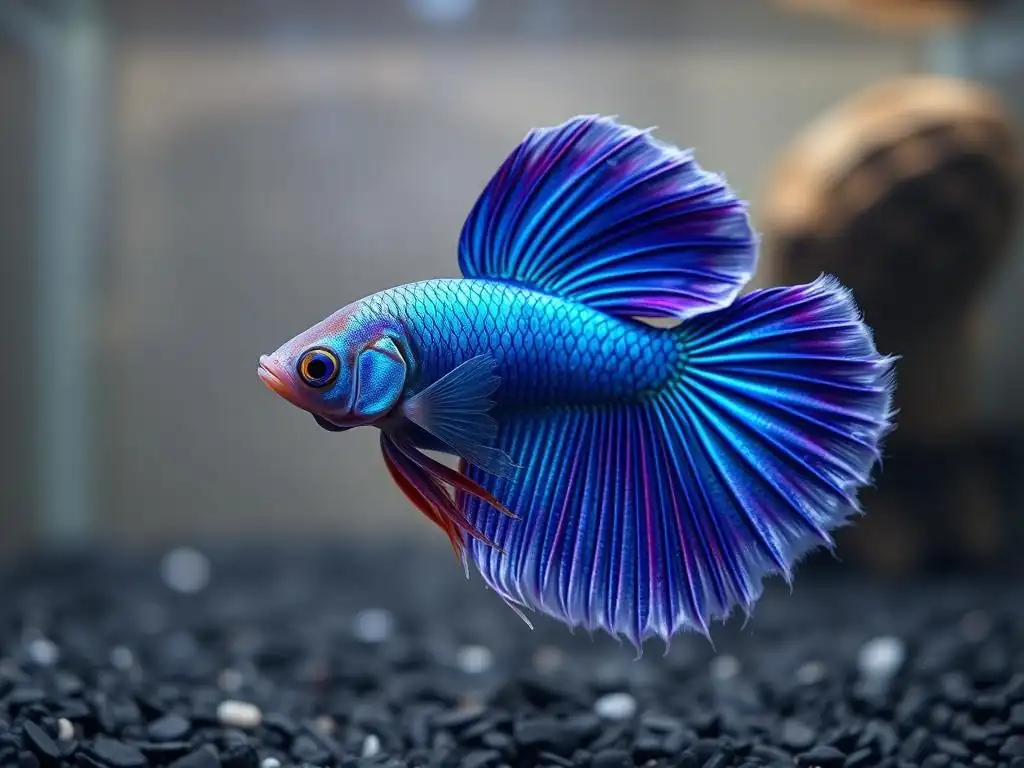
The most immediate and devastating effect of "New Tank Syndrome" is the high mortality rate among fish. When fish are introduced into an uncycled aquarium, they are exposed to lethal concentrations of ammonia and nitrite. These compounds directly damage fish gills, making it impossible for them to extract oxygen from the water, effectively suffocating them. They also cause internal organ damage, leading to a rapid decline in health.
Studies and anecdotal evidence from countless aquarists show that without proper cycling and "New tank syndrome prevention," fish mortality rates can easily exceed 50%, often reaching 100% within days or weeks of introduction. For example, a batch of 10 newly purchased neon tetras placed into an uncycled 10-gallon tank might see 7-8 deaths within the first week due to ammonia poisoning alone. This direct correlation between uncycled tanks and fish fatalities makes understanding and preventing this syndrome absolutely critical for any responsible aquarist.
Beyond immediate fatalities, "New Tank Syndrome" inflicts immense stress on surviving fish, even if the toxic levels are not immediately lethal. Chronic exposure to elevated ammonia and nitrite, even at sub-lethal concentrations (e.g., 0.25 ppm ammonia or 0.5 ppm nitrite), severely compromises a fish's immune system. This weakened state makes them highly susceptible to a variety of opportunistic diseases that might otherwise be harmless in a healthy, established tank.
Common illnesses that often plague fish in new, uncycled aquariums include Ich (white spot disease), fin rot, fungal infections, and various bacterial diseases. For instance, a fish might develop a severe case of fin rot within days of being exposed to consistently high nitrite, a condition that would be rare in a stable tank. The ongoing stress from poor water quality also manifests as clamped fins, lethargy, loss of appetite, and faded coloration, indicating a struggling and unhealthy aquatic environment. Effective "New tank syndrome prevention" is key to avoiding these hidden health crises.
Plant Health and New Tank Syndrome: Why Plants Suffer
While fish are often the primary focus, live aquatic plants can also suffer significantly during "New Tank Syndrome." Although plants can absorb some ammonia and nitrates, they are generally not equipped to handle the high, fluctuating levels of toxins that occur during an uncycled phase. High concentrations of ammonia, particularly in its un-ionized form (NH3), can burn plant leaves, causing them to turn yellow, brown, or develop holes.
Nitrite, while less directly toxic to plants than ammonia, can still inhibit their ability to absorb other essential nutrients, leading to stunted growth, discoloration, and overall poor health. Many sensitive plant species, such as Ludwigia repens or Rotala rotundifolia, may "melt" or rapidly decay in an uncycled tank. Conversely, healthy, thriving plants are a sign of a balanced ecosystem and can contribute to long-term "New tank syndrome prevention" by helping to process nitrates once the cycle is established.
New Tank Syndrome Prevention: A Step-by-Step Guide to a Healthy Aquarium
Step 1: Preparing Your Aquarium for Cycling
Choosing the Right Substrate for Beneficial Bacteria
The substrate in your aquarium serves as a vital surface area for beneficial nitrifying bacteria to colonize. When preparing for "New tank syndrome prevention," selecting a porous substrate is highly recommended. Materials like gravel, ceramic rings, or specialized biological filter media offer a vast surface area for bacterial growth, far exceeding that of smooth glass. For example, a cubic inch of porous bio-media can offer hundreds of square feet of surface area, whereas smooth glass provides only its external surface.
While sand can also house bacteria, its compact nature means less oxygen flow and a smaller overall surface area compared to coarser substrates. When choosing, consider inert materials that won't alter water chemistry. Thoroughly rinse your chosen substrate before adding it to the tank to remove dust and debris, which can cloud the water and contribute to early organic load. A layer of 2-3 inches of substrate is generally sufficient for robust bacterial colonization and successful "New tank syndrome prevention."
Selecting an Appropriate Filter System
The filter system is the cornerstone of your aquarium's biological filtration and, therefore, crucial for "New tank syndrome prevention." Its primary role during cycling is to provide ample space for beneficial bacteria to grow and process waste. Focus on filters with excellent biological filtration capacity. Hang-on-back (HOB) filters with large media baskets, internal filters with integrated sponges, and canister filters are all excellent choices, often offering multiple stages of filtration.
Ensure your chosen filter has sufficient flow rate for your tank size, typically turning over the tank's volume 4-6 times per hour. For instance, a 20-gallon tank should have a filter rated for at least 80-120 gallons per hour. Crucially, prioritize filter media specifically designed for biological filtration, such as ceramic rings, bio-balls, or porous sponges, as these offer the immense surface area needed for bacterial colonization. While mechanical filtration (sponges, floss) removes physical debris and chemical filtration (carbon) removes dissolved pollutants, it is the biological media that prevents "New Tank Syndrome."
Step 2: Cycling Your Tank: Methods and Best Practices
Fishless Cycling: The Safest Approach
Fishless cycling is widely regarded as the safest and most humane method for "New tank syndrome prevention." This method involves adding a pure ammonia source to the aquarium to feed the beneficial bacteria, allowing them to establish without exposing fish to toxic conditions. You can use pure ammonia (without surfactants or perfumes) or a small amount of fish food to decompose and release ammonia. The process typically takes 4 to 6 weeks, though it can vary based on temperature and initial bacterial seeding.
To perform fishless cycling, dose ammonia to a concentration of 2-4 ppm daily or every other day, monitoring ammonia, nitrite, and nitrate levels. Ammonia will spike, then drop as nitrifying bacteria multiply. Nitrite will then spike and subsequently drop to zero. Once both ammonia and nitrite consistently read 0 ppm within 24 hours of dosing ammonia, and nitrates are present, your tank is cycled and ready for fish. This method virtually eliminates fish suffering and is the recommended approach for complete "New tank syndrome prevention."
Fish-in Cycling: Weighing the Risks and Responsibilities
Fish-in cycling involves introducing a small number of hardy fish into a new tank to generate the ammonia needed to start the nitrogen cycle. While it might seem faster or more convenient, this method is highly stressful and often dangerous for the fish, directly exposing them to lethal levels of ammonia and nitrite. It is generally not recommended due to the ethical implications and high risk of fish illness or death, making it a less effective strategy for "New tank syndrome prevention."
If fish-in cycling is absolutely unavoidable, extreme diligence is required. Only introduce 1-2 very hardy, small fish (e.g., a single guppy or zebra danio) to a 10-gallon tank. Test water parameters (ammonia, nitrite, nitrate) daily, sometimes twice daily. Perform frequent, large water changes (e.g., 25-50% daily or every other day) to dilute toxins whenever ammonia or nitrite levels rise above 0.25 ppm. Use an ammonia detoxifier if levels become critical. This method demands constant vigilance and significantly increases the risk of fish mortality compared to fishless cycling.
Step 3: Monitoring Water Parameters: The Key to Success
Testing for Ammonia, Nitrite, and Nitrate: Essential Tools and Techniques
Accurate and consistent water testing is the single most important practice for successful "New tank syndrome prevention" and long-term aquarium health. Liquid-based test kits, such as the API Freshwater Master Test Kit, are far more accurate and reliable than test strips, which can often give misleading results. These kits typically include separate tests for ammonia, nitrite, and nitrate. During the cycling process, you should test for all three parameters daily.
To perform a test, collect a water sample, add the specified reagents, and compare the resulting color to a chart provided with the kit. Record your readings to track the progress of your cycle. For example, if your ammonia consistently drops from 2 ppm to 0 ppm in 24 hours, and nitrite follows a similar pattern, you are on the right track. Understanding how to correctly use these tools and interpret their results is fundamental to knowing when your tank is truly safe for fish and is a cornerstone of effective "New tank syndrome prevention."
Understanding Ideal Water Parameter Levels for Your Aquarium
Knowing the target water parameter levels is crucial for successful "New tank syndrome prevention" and maintaining a healthy aquarium. During the cycling phase, your goal is to see ammonia and nitrite levels rise and then consistently drop to 0 parts per million (ppm). Once cycled, a healthy aquarium should always show 0 ppm for both ammonia and nitrite. Any detectable levels of these toxins indicate an issue with your biological filter or an excessive bioload.
For nitrates, the goal is to keep them at manageable levels through regular water changes. While less toxic than ammonia or nitrite, high nitrates (typically above 20-40 ppm for most freshwater setups, or <5 ppm for sensitive species and saltwater tanks) can still stress fish and encourage algae growth. Maintaining stable pH and temperature also supports the beneficial bacteria, which generally thrive in a pH range of 7.0-8.0 and temperatures between 75-80°F (24-27°C).
Step 4: Gradual Introduction of Fish: Minimizing Stress and Maintaining Balance
Acclimation Techniques for New Fish
Once your tank is fully cycled with 0 ppm ammonia and nitrite, the introduction of fish must be done carefully to minimize stress and prevent a relapse into "New Tank Syndrome." Proper acclimation is crucial to help new fish adjust to your aquarium's water parameters (temperature, pH, hardness).
The floating bag method involves floating the sealed bag in your tank for 15-20 minutes to equalize temperature. Then, open the bag, roll down the edges, and slowly add small amounts of tank water to the bag over a period of 30-60 minutes, allowing the fish to gradually adjust to the new chemistry.
For more sensitive species, drip acclimation is preferred. This involves placing the fish in a separate container with their original bag water, then slowly dripping tank water into the container using airline tubing. This process can take 1-2 hours or more, allowing for very gradual parameter adjustment. After acclimation, net the fish into the tank, discarding the old bag water to avoid introducing any pathogens. This careful approach is a vital part of "New tank syndrome prevention" for your new inhabitants.
Stocking Your Aquarium Slowly and Strategically
Even after successful cycling, it's vital to stock your aquarium slowly and strategically to prevent overwhelming your newly established biological filter. Adding too many fish at once, even to a cycled tank, can cause a sudden spike in bioload (waste production) that your bacterial colonies are not yet prepared to handle, potentially leading to a mini-cycle or a return of "New Tank Syndrome."
A good practice for "New tank syndrome prevention" is to introduce only a small group of fish (e.g., 2-3 small fish for a 20-gallon tank) every one to two weeks. This allows the beneficial bacteria to gradually multiply and adapt to the increasing waste production. Continuously monitor your ammonia and nitrite levels during this period.
If you detect any spikes, cease adding new fish and address the issue with water changes until parameters stabilize again. The "one inch of fish per gallon" rule is a very rough estimate; consider the adult size, activity level, and waste production of each species.
Proactive Measures to Avoid New Tank Syndrome
Choosing High-Quality Aquarium Products
Investing in high-quality aquarium products is a proactive measure that significantly aids in "New tank syndrome prevention" and contributes to the long-term stability of your aquatic environment. This includes selecting a reliable filter system with ample biological media capacity, a consistent heater, and inert, fish-safe substrate. For example, a well-designed canister filter from a reputable brand can provide superior biological filtration compared to a basic internal filter, offering more surface area for beneficial bacteria.
Quality products are often more durable, efficient, and less prone to failure, which can lead to sudden water quality issues. For instance, a heater malfunction can cause temperature fluctuations that stress fish and inhibit bacterial growth. While initial costs might be higher, the reliability and effectiveness of good equipment reduce the likelihood of complications during cycling and throughout the aquarium's lifespan, making it a smart investment for comprehensive "New tank syndrome prevention."
The Importance of Regular Water Changes During Cycling
Regular water changes are an indispensable tool, especially during fish-in cycling, for effective "New tank syndrome prevention." When ammonia or nitrite levels become dangerously high (e.g., above 0.5 ppm), performing a significant water change (e.g., 25-50% of the tank volume) can rapidly dilute these toxins, providing immediate relief to your fish. This reduces the concentration of harmful compounds, preventing severe stress, illness, and mortality.
Even in fishless cycling, water changes can be beneficial if nitrates accumulate to very high levels, or if pH drops too low, potentially stalling the cycle. For example, if nitrates exceed 100 ppm, a 50% water change can bring them down to 50 ppm, promoting a healthier environment for bacterial growth. Always use a dechlorinator when adding new tap water to neutralize chlorine and chloramines, which are harmful to both fish and beneficial bacteria. Consistent water changes are a non-negotiable part of proactive "New tank syndrome prevention."
Adding Beneficial Bacteria Supplements: A Boost for Your Aquarium's Ecosystem
Beneficial bacteria supplements, often sold as "bottled bacteria" or "nitrifying bacteria starters," can provide a significant boost to your aquarium's ecosystem and greatly accelerate "New tank syndrome prevention." These products contain live strains of Nitrosomonas and Nitrobacter (or similar nitrifying bacteria) that, when added to a new tank, can immediately begin processing ammonia and nitrite. While they don't eliminate the need for cycling, they can dramatically shorten the time it takes for the nitrogen cycle to establish, often reducing the cycling period from 4-6 weeks to 1-2 weeks in some cases.
When using these supplements, ensure you follow the manufacturer's instructions, paying attention to dosage and water parameters (e.g., pH, temperature) that might affect their viability. For example, a 100ml bottle of a reputable bacterial supplement might contain billions of colony-forming units, capable of seeding a 50-gallon tank. It's crucial to check expiration dates and proper storage conditions, as these are live cultures. While not a magic bullet, these supplements are a powerful aid in accelerating "New tank syndrome prevention."
Monitoring pH Levels and Maintaining Water Quality
Maintaining stable pH levels and overall water quality is a critical, often overlooked, aspect of "New tank syndrome prevention." Nitrifying bacteria, the workhorses of the nitrogen cycle, are sensitive to pH fluctuations and thrive best within a specific range, typically between 7.0 and 8.0. If the pH drops too low (becomes acidic, e.g., below 6.0), the nitrifying process can slow down or even stall completely, leading to a build-up of ammonia and nitrite even in a seemingly established tank. This is often observed in tanks with very soft water or those with excessive organic decay.
Regularly testing pH with a reliable test kit allows you to identify potential issues before they become critical. If pH starts to drop during cycling, it can indicate a lack of alkalinity (buffering capacity) or an overwhelming amount of acid-producing waste. Addressing this through partial water changes or the addition of buffering agents (e.g., crushed coral for freshwater, or specific marine buffers for saltwater) helps maintain the optimal environment for bacterial growth, ensuring effective "New tank syndrome prevention" and a healthy, stable ecosystem.
Troubleshooting: Identifying and Addressing Early Signs of New Tank Syndrome
Recognizing the Symptoms of Ammonia or Nitrite Poisoning in Fish
Recognizing the early symptoms of ammonia or nitrite poisoning is crucial for immediate intervention and minimizing damage from "New Tank Syndrome." Fish suffering from these toxins will often exhibit distinct behavioral and physical changes. Common signs include lethargy, where fish become inactive and may lie at the bottom of the tank or hide excessively. They might also gasp for air at the water surface, even if the tank is well-aerated, indicating respiratory distress due to gill damage.
Physical symptoms can include rapid gill movement, red or inflamed gills (due to irritation and burning), and clamped fins (held close to the body). Fish may also show a loss of appetite, erratic swimming (darting or flashing against objects), or faded coloration. For instance, a normally vibrant cardinal tetra might appear pale and listless, spending all its time at the surface. Observing these symptoms immediately should trigger a water test and prompt action to prevent further harm.
Immediate Actions to Take When Parameters Are Off
If you detect elevated levels of ammonia or nitrite in your aquarium, immediate action is necessary to protect your fish. The first and most critical step is to perform a large water change, typically 50% or more, using dechlorinated water that is temperature-matched to your tank. This rapidly dilutes the harmful toxins, providing instant relief to your aquatic inhabitants. For example, if ammonia is at 2.0 ppm, a 50% water change will reduce it to 1.0 ppm, significantly lowering the risk.
After the initial water change, retest your water parameters to confirm the reduction. Reduce or temporarily cease feeding your fish to minimize waste production, as uneaten food contributes directly to ammonia. Increase aeration in the tank by adding an air stone or adjusting your filter output to create more surface agitation, which helps oxygenate the water and supports fish struggling with gill damage. Continue daily water testing and perform additional water changes as needed until ammonia and nitrite levels consistently return to 0 ppm.
Using Water Conditioners and Ammonia Detoxifiers
In emergency situations where ammonia or nitrite levels are dangerously high, specialized water conditioners and ammonia detoxifiers can be invaluable tools for temporary relief. Products like Seachem Prime or API AMMO-LOCK contain compounds that bind with ammonia and nitrite, converting them into a non-toxic form for a period of 24 to 48 hours. This detoxified form is still available for beneficial bacteria to consume, allowing your biological filter to catch up without harming your fish.
It's crucial to understand that these products are temporary solutions and do not replace the need for an established nitrogen cycle or regular water changes. For instance, if your tank shows 1.0 ppm ammonia, adding a detoxifier might make it safe for fish for 24 hours, but the underlying problem of an uncycled tank remains. Always use these products according to the manufacturer's instructions and in conjunction with significant water changes to physically remove the toxins and support your tank's long-term "New tank syndrome prevention" efforts.
Long-Term Aquarium Health: Maintaining a Stable Nitrogen Cycle
Regular Water Testing and Maintenance
Maintaining a stable nitrogen cycle and ensuring long-term aquarium health extends far beyond the initial cycling phase. Regular water testing, even in an established tank, is paramount. While daily testing might not be necessary, weekly or bi-weekly checks for ammonia, nitrite, and nitrate are highly recommended. Ammonia and nitrite should always read 0 ppm. If either is detected, it signals an issue with your biological filter, such as overfeeding, overcrowding, or filter problems.
Consistent water changes are also fundamental. A general guideline for most freshwater tanks is a 20-25% water change weekly or bi-weekly. This removes accumulated nitrates, replenishes essential trace elements, and maintains overall water quality. For example, if your nitrates consistently climb from 10 ppm to 40 ppm over a week, a 25% water change will bring them back down to 30 ppm, preventing chronic stress. Cleaning filter media should be done gently and only in old tank water to preserve beneficial bacterial colonies.
Avoiding Overfeeding and Overcrowding
Two of the most common causes of water quality issues in established aquariums, leading to potential mini-cycles or a relapse into "New Tank Syndrome," are overfeeding and overcrowding. Overfeeding introduces an excessive amount of organic waste (uneaten food) into the tank, which rapidly breaks down into ammonia. This sudden increase in bioload can overwhelm even a healthy biological filter, causing ammonia and nitrite spikes. A good rule of thumb is to feed only what your fish can consume within 2-3 minutes, once or twice a day.
Overcrowding, on the other hand, means having too many fish for the tank's size and filtration capacity. More fish inevitably produce more waste, constantly challenging the biological filter's ability to process toxins. For example, a 10-gallon tank can comfortably house a small school of 5-6 neon tetras, but adding 10 more will likely lead to chronic water quality issues. Adhering to appropriate stocking levels for your tank size and filtration system is a critical component of long-term "New tank syndrome prevention."
The Role of Live Plants in a Healthy Aquarium Ecosystem
Live aquatic plants play a significant and often underestimated role in maintaining a healthy aquarium ecosystem and contributing to long-term "New tank syndrome prevention." Beyond their aesthetic appeal, plants actively absorb nitrates, which are the end product of the nitrogen cycle. This helps to keep nitrate levels low, reducing the frequency or volume of water changes needed. For instance, a heavily planted 20-gallon tank with fast-growing plants like Anacharis or Water Wisteria can process a substantial amount of nitrates daily, sometimes keeping levels below 10 ppm even with a moderate fish load.
Furthermore, plants provide natural aeration during the day through photosynthesis, releasing oxygen into the water. They also offer hiding places and reduce stress for fish. Some plants can even absorb small amounts of ammonia directly from the water column, providing a minor additional layer of filtration. A thriving planted tank creates a more stable, balanced, and resilient environment, making it less susceptible to fluctuations in water parameters and reinforcing "New tank syndrome prevention" efforts.
Conclusion: Mastering New Tank Syndrome Prevention for Thriving Aquatic Life
Frequently Asked Questions
What is "New Tank Syndrome"?
"New Tank Syndrome" refers to the initial period in a new aquarium setup where toxic levels of ammonia and nitrite build up. This is because the beneficial bacteria needed to process these waste products haven't yet established themselves.
Why is "New Tank Syndrome" dangerous for fish?
Ammonia and nitrite are highly toxic to fish. Exposure can cause stress, illness, and even death. Fish in a tank experiencing "New Tank Syndrome" will display signs of distress and may die suddenly.
How can I prevent "New Tank Syndrome" from occurring in my new aquarium?
The most effective method is to cycle the tank before adding fish. This involves establishing a healthy colony of beneficial bacteria that can convert ammonia into nitrite and then nitrite into less harmful nitrate.
What are some methods for cycling a new aquarium?
Common methods include the fishless cycling method, which uses ammonia as a starter food for bacteria, and the fish-in cycling method, which requires careful monitoring and frequent water changes. The fishless method is generally considered safer.
How do I know when my tank is fully cycled and safe for fish?
Regularly test your water using an aquarium test kit. A fully cycled tank will show 0 ppm ammonia, 0 ppm nitrite, and a measurable level of nitrate. Consistent readings over several days confirm the cycle is complete.
Final Reflection: Cultivating a Thriving Aquatic Ecosystem
The journey of establishing a new aquarium is often fraught with challenges, but understanding and implementing proactive "New Tank Syndrome" prevention transforms potential pitfalls into opportunities for creating a flourishing aquatic world. The principles outlined in this article, from diligent cycling to mindful stocking, are not merely technical guidelines; they represent a commitment to the well-being of the delicate ecosystem we introduce into our homes.
The impact of responsible aquarium keeping extends far beyond the glass walls of our tanks. It fosters a deeper appreciation for the interconnectedness of life and the importance of responsible stewardship. We are tied to the ocean. And when we go back to the sea, whether it is to sail or to watch it, we are going back from whence we came.
- John F. Kennedy. This quote resonates deeply, reminding us that our actions, even within the seemingly contained environment of an aquarium, have ripple effects that extend to the broader natural world.
As you embark on or continue your aquarium journey, remember that patience and informed decision-making are your greatest allies. Let the knowledge gained here empower you to create not just a visually stunning display, but a thriving, balanced ecosystem. Take the time to understand the needs of your aquatic inhabitants, and you will be rewarded with a vibrant and captivating slice of nature that enriches your life for years to come.
Conquer New Tank Syndrome: Create Your Thriving Aquarium Today!
Thank you for diving into the essential steps for establishing a healthy aquarium! We hope this article has empowered you with the knowledge to avoid the pitfalls of New Tank Syndrome. Now, let's put that knowledge into action.
Here are a few immediate steps you can take:
- Prioritize aquarium safety: Start by testing your water parameters to ensure a safe aquatic environment.:
- Share this guide: Help other aquarium enthusiasts avoid this common mistake by sharing this article on your favorite aquarium forums.
- Dive deeper: Explore our other guides on AquariumMastery.com to further enhance your aquarium expertise.
What specific step will you implement first to ensure your aquarium's long-term health?