
The Gentle Pour: Safe Water Addition Techniques to Prevent Fish Stress

Welcome to Aquarium Mastery!
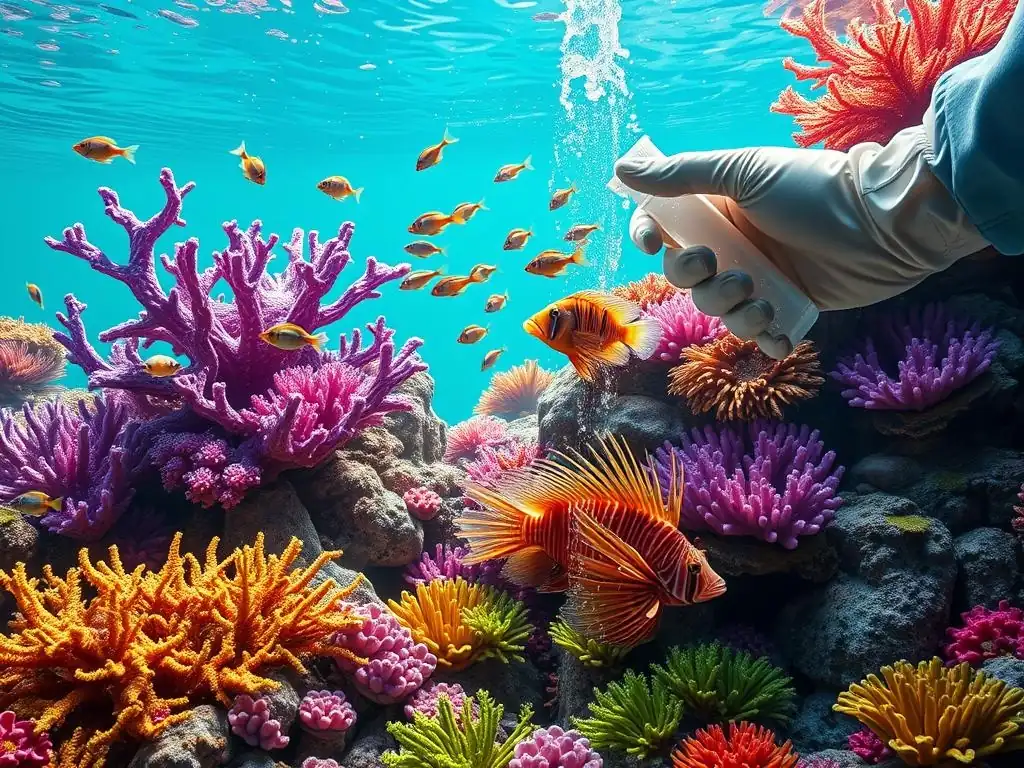
Are you ready to master the art of the gentle pour and ensure your aquatic friends thrive? Adding water to your aquarium might seem simple, but doing it right is crucial for preventing stress and maintaining a healthy environment. Dive into our comprehensive guide on safe water addition methods and discover the secrets to keeping your fish happy and your tank stable. What if the way you've been adding water is actually harming your fish? Let's find out!
- Understanding the Importance of Safe Water Addition for Aquarium Fish
- Key Factors Influencing Fish Stress During Water Additions
- Safe Water Addition Methods: A Step-by-Step Guide
- Preparing Water for Safe Aquarium Addition
- Recognizing Signs of Fish Stress After Water Additions
- Avoiding Common Mistakes When Adding Water to Your Aquarium
- Advanced Techniques for Sensitive Fish Species
- Maintaining Stable Water Parameters for a Healthy Aquarium Ecosystem
-
Frequently Asked Questions
- How important is it to add new water to my aquarium slowly?
- What's the best method for adding new water to a freshwater aquarium?
- How do I ensure the temperature of the new water matches the aquarium water?
- Can I add water directly from the tap to my aquarium?
- What are some signs of stress in fish after a water change?
- Final Reflection: The Ripple Effect of Responsible Care
- Dive Deeper: Transform Your Aquarium Today!
Understanding the Importance of Safe Water Addition for Aquarium Fish
Minimizing Stress During Water Changes: A Key to Fish Health
Water changes are an indispensable part of aquarium maintenance, crucial for removing accumulated nitrates and replenishing essential minerals. However, if not executed with precision, this vital process can become a significant source of stress for aquarium inhabitants. Fish, like all living organisms, respond to environmental stressors by activating a physiological stress response, which can suppress their immune system, making them highly susceptible to diseases such as Ich, fin rot, or bacterial infections. Therefore, employing safe water addition methods is paramount to maintaining a robust and healthy aquatic ecosystem.
The physiological impact of stress on fish is profound, leading to elevated cortisol levels, reduced appetite, and a noticeable loss of vibrant coloration. Prolonged or severe stress can even shorten a fish's lifespan and hinder its growth. By prioritizing gentle and controlled water reintroduction, aquarists can mitigate these adverse effects, ensuring that the necessary water changes contribute positively to the fish's well-being rather than becoming a detrimental event. This proactive approach to minimizing stress is a cornerstone of responsible aquarium husbandry.
Why Gradual Water Introduction Matters in Aquarium Management
Fish maintain a delicate internal balance, known as homeostasis, which is highly dependent on stable environmental conditions. In their natural habitats, changes in water parameters typically occur slowly over extended periods, allowing fish ample time to adapt. Rapid, sudden alterations in temperature, pH, or mineral content, often caused by quick water additions, disrupt this equilibrium. This abrupt shock can overwhelm a fish's osmoregulation system, leading to osmotic stress where their cells either swell or shrink excessively.
For instance, pouring several gallons of new water rapidly into a 10-gallon aquarium during a 25% water change (2.5 gallons) can induce a sudden and dramatic shift in water chemistry and temperature. This can manifest as gill damage, erratic swimming, or even immediate mortality in highly sensitive species. Gradual water introduction, a core principle of safe water addition methods, provides the necessary buffer, allowing fish to physiologically adjust to the new conditions without experiencing the harmful effects of shock, thereby promoting long-term health and stability within the tank.
Key Factors Influencing Fish Stress During Water Additions
Temperature Shock: The Danger of Mismatched Water Temperatures
Fish are ectothermic, meaning their body temperature is regulated by their surrounding environment. Consequently, they are exceptionally sensitive to rapid changes in water temperature. Introducing water that is even a few degrees Fahrenheit different from the existing tank water can induce severe temperature shock. A difference of just 2-3°F (approximately 1-1.5°C) can trigger a stress response, weakening the fish's immune system and making them vulnerable to common pathogens like Ichthyophthirius multifiliis (Ich).
The physiological consequences of temperature shock include metabolic disruption, rapid breathing, erratic darting, loss of balance, and in extreme cases, irreparable organ damage or death. For example, a tropical fish accustomed to 78°F (25.5°C) water may suffer significant distress if new water at 70°F (21°C) is introduced too quickly. Ensuring the new water closely matches the tank's temperature, ideally within 1°F (0.5°C), is a fundamental and non-negotiable step in all safe water addition methods.
pH Swings: How Rapid Changes Affect Fish Physiology
The pH level, a measure of water's acidity or alkalinity, is another critical parameter that must be kept stable. Fish have a narrow optimal pH range, and sudden shifts can be incredibly detrimental. A rapid pH swing of even 0.5 units (e.g., from pH 7.0 to 7.5 or 6.5) can cause severe osmotic stress, damaging delicate gill tissues and disrupting crucial enzyme functions within the fish's body. This can lead to acidosis (blood becoming too acidic) or alkalosis (blood becoming too alkaline).
Symptoms of pH shock include lethargy, gasping at the surface, rapid gill movement, and loss of appetite. Highly sensitive species like Discus, which thrive in stable soft, acidic water typically ranging from pH 6.0 to 7.0, are particularly vulnerable to even minor fluctuations. Therefore, understanding and matching the pH of the new water to the existing tank water is a vital component of safe water addition methods, preventing internal physiological distress and supporting overall fish health.
Water Chemistry Imbalance: Understanding the Impact of New Water Parameters
Beyond temperature and pH, other chemical parameters in new water can significantly impact an aquarium's ecosystem. Total hardness (GH), carbonate hardness (KH), and the presence of nitrates, nitrites, or ammonia in the source water can all contribute to stress if not managed correctly.
For instance, if your tap water has a significantly higher GH than your tank water, a large, rapid water change can cause osmotic shock, particularly for fish adapted to softer water. Similarly, new water containing even low levels of ammonia or nitrites, or excessively high nitrates, can negate the benefits of a water change and further stress the fish.
A common issue with municipal tap water is the presence of chlorine or chloramines, disinfectants that are highly toxic to fish, causing immediate gill damage and suffocation. Even trace amounts of heavy metals can be problematic over time. These chemical discrepancies underscore the importance of thoroughly preparing new water, including proper dechlorination and, if necessary, adjusting hardness and buffering capacity. Addressing these potential imbalances through careful preparation is essential for effective safe water addition methods.
Safe Water Addition Methods: A Step-by-Step Guide
Method 1: The Drip Acclimation Technique for Water Changes
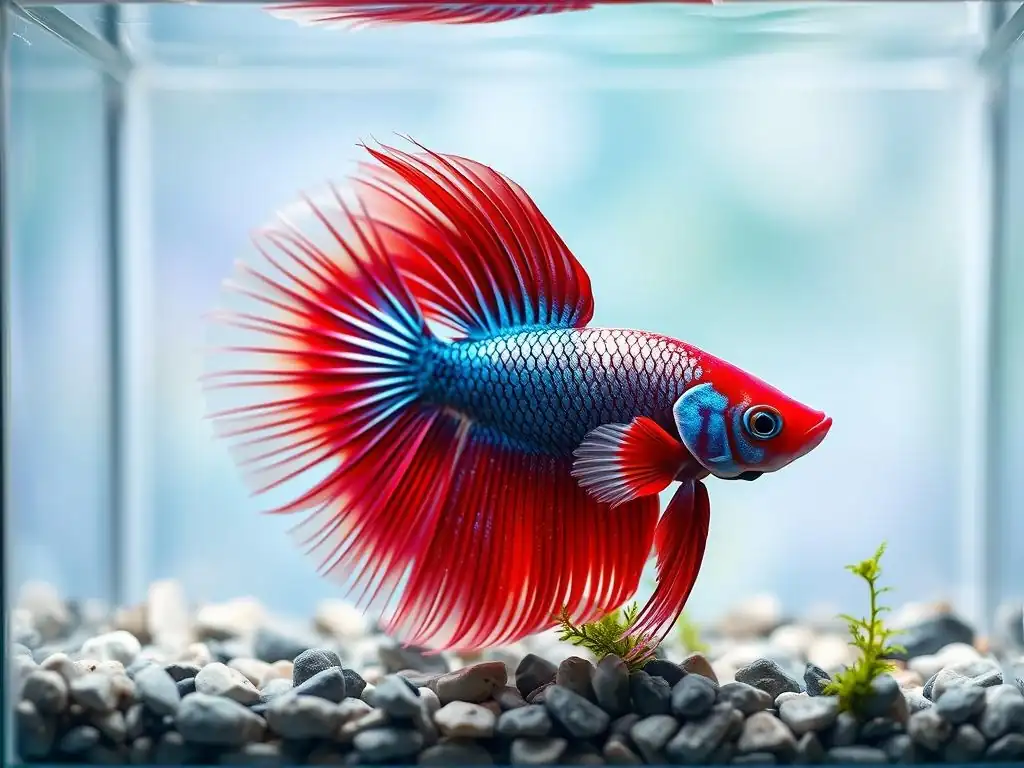
The drip acclimation technique is widely regarded as the safest and most effective method for introducing new water, especially during significant water changes (e.g., 50% or more) or when dealing with highly sensitive fish species. This method involves slowly dripping new, prepared water into the aquarium over an extended period, allowing for a gradual and imperceptible change in water parameters. The principle is to minimize any sudden shifts in temperature, pH, or hardness, thereby virtually eliminating stress on the fish.
The process typically involves setting up a bucket of prepared new water positioned above the aquarium. An airline tube with an airline valve (or a simple knot in the tubing) is used to siphon water from the bucket into the tank at a controlled rate, often as slow as 1-2 drips per second. For a 20-gallon aquarium, adding 5 gallons of water via drip acclimation might take 1-2 hours, ensuring the fish have ample time to adjust to the subtle changes. This slow, continuous introduction is a hallmark of truly safe water addition methods.
Setting Up a Drip System for Slow Water Introduction
To set up a drip system, you will need a clean bucket, airline tubing, and an airline control valve (or a clothes pin/knot to pinch the tubing). Place the bucket of pre-conditioned and temperature-matched water on a stable surface higher than your aquarium. Insert one end of the airline tubing into the bucket and secure it with a clip or weight to prevent it from floating up. Create a siphon by sucking on the other end of the tube until water flows, then immediately insert that end into your aquarium.
Once the siphon is established, use the airline control valve to regulate the flow to a slow, steady drip – ideally one or two drips per second. Direct the tubing's end towards a low-impact area of the tank, such as near a filter outflow or against a piece of decor, to avoid disturbing the fish directly. Monitor the water level in the bucket and the tank, ensuring the drip continues until the desired volume of water has been added. This controlled setup is key to successful safe water addition methods.
Monitoring Water Parameters During Drip Acclimation
While drip acclimation is inherently gentle, continuous monitoring of water parameters is still crucial to ensure the process is proceeding safely. Before starting, test the temperature, pH, and KH of both the new water and the existing tank water. As the drip proceeds, periodically retest these parameters in the tank to observe their gradual convergence. This allows you to confirm that the changes are indeed happening slowly and within acceptable limits.
Beyond chemical parameters, closely observe your fish for any signs of distress throughout the acclimation period. Look for subtle cues such as increased gill respiration, clamped fins, hiding behavior, or sudden darting movements. If any of these signs appear, slow down the drip rate even further or pause the process temporarily until the fish appear calmer. This vigilance ensures that the safe water addition methods are truly effective in preventing stress.
Method 2: Gradual Water Addition with a Small Container
For smaller aquariums or when performing smaller percentage water changes (e.g., 10-20% of tank volume), using a small container like a cup or pitcher offers a controlled and gentle alternative to a full drip system. This method involves adding small, manageable volumes of new water at regular intervals, allowing the tank's internal circulation to mix the new water with the existing water between additions. It's a simple yet effective way to minimize sudden shocks.
Instead of pouring several gallons at once, which can create significant temperature and chemical fluctuations, this method breaks down the water addition into numerous micro-changes. For example, if you are adding 5 gallons to a 20-gallon tank, you might use a 1-cup pitcher and add one cup every 5-10 minutes. This distributes the 5-gallon addition over approximately 1.5 to 3 hours, significantly reducing the immediate impact on the fish and promoting a stress-free environment through careful safe water addition methods.
Using a Cup or Pitcher for Controlled Water Changes
To implement this method effectively, select a clean, dedicated cup or pitcher (e.g., 1-2 cup capacity) that has never been exposed to soaps or chemicals. Fill the container from your bucket of pre-conditioned and temperature-matched new water. When pouring into the tank, aim for a low-impact area, such as against the tank glass, onto a decorative rock, or near the filter outflow. This diffuses the incoming water and prevents direct impact on the fish or disturbance to the substrate.
After each small pour, allow 5-10 minutes for the new water to thoroughly mix with the existing tank water before adding the next cupful. This pause is crucial for the fish to adjust to the minute changes in their environment. Repeat this process until the desired volume of water has been added. This systematic and slow approach ensures that even simple tools can be employed for highly effective safe water addition methods.
Preventing Disturbances to the Aquarium Environment
Beyond the chemical and temperature aspects, the physical act of adding water can also be a source of stress if not handled carefully. Rapid pouring can create strong currents, uproot plants, scatter substrate, and physically startle fish. To prevent these disturbances, always pour gently and steadily. Avoid directing the stream of water directly onto fish or delicate plant life.
If your aquarium has powerful powerheads or strong filter outflows, consider temporarily turning them off during the water addition process, especially if using a cup or pitcher. This minimizes additional turbulence and allows the new water to settle and mix more smoothly. Once the water addition is complete, you can restart these devices. Minimizing physical agitation is just as important as chemical stability in achieving truly safe water addition methods.
Method 3: Utilizing a Siphon Hose for Gentle Water Replacement
A siphon hose, commonly used for water removal and gravel vacuuming, can also be adapted for controlled and gentle water replacement. This method is particularly useful for larger tanks where manual pouring might be impractical, but a full drip system feels overly complex. The key to using a siphon for water addition lies in controlling the flow rate of the incoming water to ensure it's a slow, steady stream rather than a rush.
The setup involves placing the bucket of prepared new water above the tank, similar to the drip method. The clean siphon hose is then used to transfer water from the bucket into the aquarium. The flow rate can be precisely controlled by using a flow valve on the hose, by kinking the hose with a clamp, or even by simply pinching the hose with your fingers. This allows for a continuous yet very gradual introduction of new water, making it a viable option among safe water addition methods.
Controlling the Flow Rate for Minimal Fish Stress
When using a siphon hose for water addition, the objective is to achieve a flow rate that is slow enough to prevent any sudden shock to the fish. Aim for a flow that is no more than a thin stream, similar to a very slowly running faucet. For example, in a 50-gallon aquarium, adding 15 gallons of water over 30 to 60 minutes using a controlled siphon flow is an effective and gentle approach. This allows the tank's existing water to gradually dilute and mix with the incoming water without causing rapid parameter shifts.
Ensure the end of the siphon hose is submerged in the tank and directed towards a less populated area, such as near the back glass, into a corner, or towards the substrate. This prevents direct impingement on fish and helps to disperse the new water evenly throughout the tank. Consistent observation of fish behavior during this process will help you fine-tune the flow rate to maintain their comfort and health.
Ensuring Proper Water Circulation During the Process
While a slow flow rate is crucial for minimizing stress, it's also important to consider the overall water circulation within the aquarium during the addition process. The tank's existing filtration system and any powerheads will help to mix the new water with the old, facilitating a smoother transition. However, avoid adding water directly into the filter intake, as this can potentially introduce untreated water directly into the filter media, impacting beneficial bacteria.
Instead, direct the siphon flow to an area where the existing tank circulation can naturally distribute the new water throughout the aquarium. If you notice the new water creating localized currents or appearing as a distinct "layer," reduce the flow rate further. The goal is for the incoming water to blend seamlessly, becoming indistinguishable from the existing tank water as quickly and gently as possible, which is the essence of effective safe water addition methods.
Preparing Water for Safe Aquarium Addition
Dechlorinating and Detoxifying Tap Water: Essential Steps
Municipal tap water, while safe for human consumption, contains chlorine or chloramines, which are potent disinfectants lethal to fish and beneficial bacteria essential for the nitrogen cycle. Chlorine dissipates relatively quickly, but chloramines are more stable and require chemical neutralization. Therefore, treating tap water with a quality water conditioner is an absolute non-negotiable step before adding it to any aquarium.
A good water conditioner will instantly neutralize chlorine and chloramines, often also detoxifying heavy metals like copper and lead that can be present in tap water and are harmful to fish and invertebrates. Always follow the manufacturer's instructions for dosage, typically 1 drop per gallon or 1 capful per 10 gallons, and add it to the new water before it enters the aquarium. This critical pre-treatment is the first and most fundamental of all safe water addition methods.
Adjusting Water Temperature to Match Existing Tank Conditions
Temperature matching is paramount to preventing fish stress and shock. Even a small difference can be detrimental, especially for sensitive tropical species. The ideal scenario is for the new water to be within 1°F (0.5°C) of the existing tank water temperature. There are several practical ways to achieve this:
- Sitting Out: For smaller volumes, letting tap water sit in a clean bucket overnight allows it to naturally reach room temperature, which often approximates tank temperature in heated rooms.
- Submersible Heater: For larger volumes or precise control, place a dedicated submersible aquarium heater in the bucket of new water and allow it to warm up to the desired temperature, monitoring with a thermometer.
- Mixing Hot and Cold: Carefully mix hot and cold tap water in a bucket while continuously monitoring with a reliable thermometer until the target temperature is reached. This precision in temperature control is a cornerstone of safe water addition methods.
Matching Water Chemistry: pH, KH, and GH Considerations
While temperature and chlorine removal are immediate priorities, considering the pH, KH (carbonate hardness), and GH (general hardness) of your source water compared to your tank water is crucial for long-term fish health. Significant discrepancies can cause chronic stress. If your tap water parameters deviate substantially from your desired tank parameters, simply adding untreated tap water can lead to continuous fluctuations.
For instance, if your tap water has a pH of 8.0 and your tank is maintained at pH 7.0 for species like community tetras, a 25% water change with unadjusted tap water will cause a noticeable pH spike, stressing the fish. Solutions include using RO/DI (Reverse Osmosis/Deionized) water, which is pure and can be remineralized to exact specifications, or using buffering solutions to adjust pH and KH in the new water bucket before addition.
Gradual adjustment of these parameters in the new water, rather than relying on the tank to buffer sudden changes, is a sophisticated yet vital aspect of advanced safe water addition methods.
Recognizing Signs of Fish Stress After Water Additions
Identifying Common Stress Behaviors in Fish
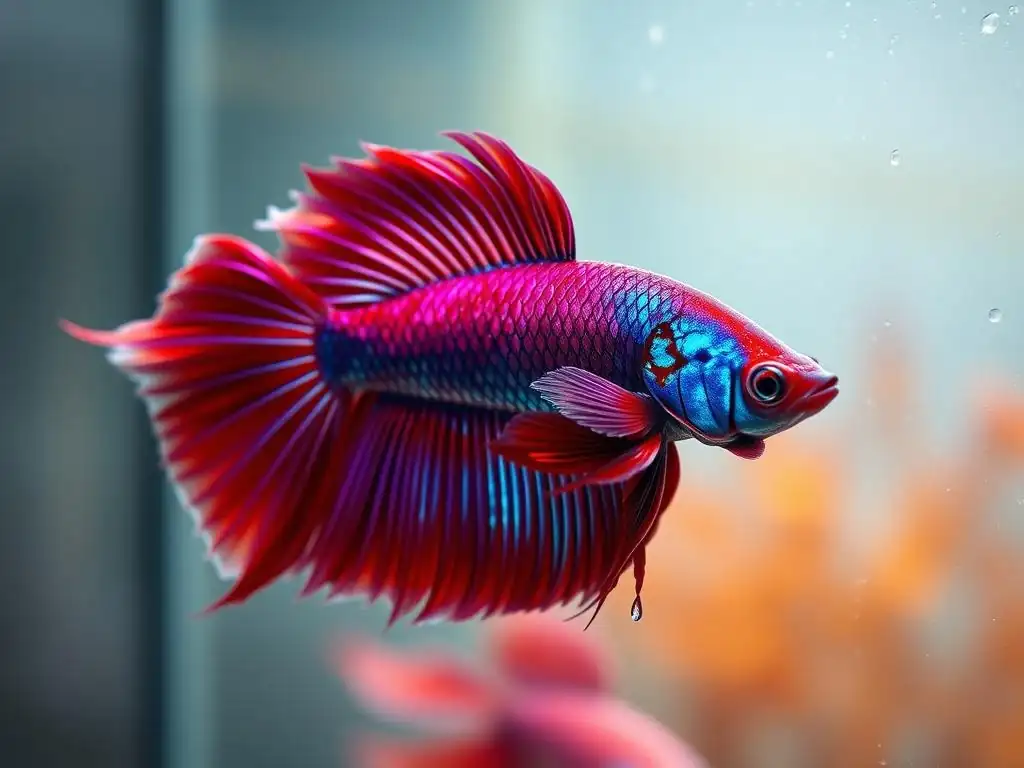
Even with the most meticulous application of safe water addition methods, it's crucial to remain vigilant for signs of stress in your fish following a water change. Recognizing these behaviors early can prevent further complications. Common indicators of stress include:
- Rapid Gill Movement/Gasping: Fish may appear to be breathing heavily or gasping at the water surface, indicating oxygen deprivation or irritation to their gills.
- Clamped Fins: Fins are held tightly against the body, rather than being spread naturally.
- Lethargy or Hiding: Fish become unusually listless, spend more time hiding, or remain motionless at the bottom or top of the tank.
- Erratic Swimming/Darting/Flashing: Fish may swim erratically, dart around the tank, or "flash" (rub their bodies against decorations or substrate) as if trying to scratch an itch.
- Loss of Appetite: Refusal to eat or spitting out food.
- Faded Coloration: Colors may appear duller or washed out.
These behaviors are often the fish's immediate physiological response to changes in water quality or environmental shock. Prompt identification is key to intervention.
Immediate Actions to Take if Fish Show Signs of Distress
If you observe any signs of distress in your fish after a water addition, immediate action is necessary to mitigate further harm.
- Test Water Parameters: The first step is to thoroughly re-test all critical water parameters: ammonia, nitrite, nitrate, pH, and temperature. This will help pinpoint the exact cause of stress.
- Increase Aeration: Add an air stone or increase surface agitation (e.g., by adjusting filter outflow) to maximize dissolved oxygen, which can help fish struggling with gill irritation or respiratory distress.
- Reduce Lighting and Noise: Dim the aquarium lights and minimize activity around the tank to reduce external stressors, allowing the fish to rest and recover.
- Consider a Small, Slow Water Change (if parameters are off): If your water tests reveal problematic parameters (e.g., high ammonia/nitrite, extreme pH), perform a very small (e.g., 10%), extremely slow water change using perfectly matched and conditioned water. Use the drip acclimation method for this emergency change.
- Avoid Feeding: Do not feed the fish for at least 24 hours to reduce waste production and avoid adding to the bioload.
- Observe Closely: Continue to monitor the fish's behavior and water parameters over the next few hours and days. While commercial "stress coat" products can offer temporary relief, addressing the root cause through proper safe water addition methods is paramount for long-term recovery.
Avoiding Common Mistakes When Adding Water to Your Aquarium
Overlooking Temperature Differences: A Costly Error
One of the most frequent and damaging mistakes aquarists make is neglecting to match the temperature of the new water to the existing tank water. The assumption that "room temperature" water is sufficient, or simply mixing hot and cold tap water without a thermometer, is a costly oversight. Even a seemingly small difference of a few degrees Fahrenheit can trigger a severe temperature shock, especially in tropical fish.
For instance, pouring significantly colder tap water directly into a warm tropical aquarium can cause immediate and profound stress. Fish may exhibit rapid breathing, disorientation, loss of balance, and in severe cases, go into shock, leading to rapid death or severe illness within hours. This single error can negate all other careful preparation, underscoring why precise temperature matching is a fundamental and non-negotiable element of safe water addition methods.
Adding Water Too Quickly: The Impact of Rapid Changes
Another pervasive mistake is adding new water too rapidly, whether by pouring directly from a large bucket or using a high-flow siphon. While it might seem efficient, this quick addition creates sudden, drastic shifts in temperature, pH, and other chemical parameters, overwhelming a fish's delicate physiological systems. The physical force of the incoming water can also cause physical stress, startling fish and potentially damaging plants or substrate.
Consider a 20% water change in a 50-gallon tank (10 gallons of water). If this volume is poured in quickly, it can cause an immediate osmotic imbalance within the fish, leading to internal organ damage, increased susceptibility to diseases like fin rot, and general malaise. The rapid influx of new water prevents the gradual mixing and adaptation that fish require. This highlights why the deliberate slowness inherent in all recommended safe water addition methods is absolutely crucial for fish well-being.
Neglecting Water Chemistry Testing: The Importance of Regular Monitoring
A common pitfall is to assume that tap water is always "safe" once dechlorinated, or to rely solely on visual inspection to determine water quality. Neglecting to regularly test both your source water and your aquarium water for key parameters like pH, KH, GH, ammonia, nitrite, and nitrate is a significant error. Without this data, you are essentially adding water blindly, unaware of potential discrepancies that could stress your fish.
For example, if your tap water consistently has a much higher pH or KH than your desired tank parameters, repeated water changes without pre-adjustment will lead to a gradual but persistent upward creep in these levels, causing chronic stress. Similarly, high nitrates in your source water can mean your water changes are less effective than you think. Regular testing provides the essential intelligence needed to make informed decisions and ensures that your safe water addition methods are truly effective in maintaining a stable and healthy environment.
Advanced Techniques for Sensitive Fish Species
Specific Considerations for Delicate Fish
Certain fish species, due to their natural habitat, breeding requirements, or genetic makeup, are exceptionally sensitive to even minor fluctuations in water parameters. Examples include Discus, Wild Bettas, many Dwarf Cichlids (e.g., Apistogramma species), and some specific types of Tetras like Cardinal Tetras. For these delicate inhabitants, standard safe water addition methods may need to be refined and executed with even greater precision.
These species often require extremely stable parameters, typically soft, acidic water with very low nitrate levels. For them, simply dechlorinating tap water may not be enough if the source water's pH, KH, or GH deviates significantly from their ideal range. Aquarists keeping these species frequently opt for RO/DI (Reverse Osmosis/Deionized) water, which is essentially pure water, then remineralize it to their exact desired specifications, providing unparalleled control over water chemistry during additions.
Implementing Extended Acclimation Periods
For highly sensitive fish species, extending the duration of the water addition process is a key advanced technique. While a typical drip acclimation for a community tank might take 1-2 hours for a 25% water change, for delicate species or very large water changes, this period can be extended to 3-4 hours or even longer. The goal is to make the parameter shift so infinitesimally slow that the fish's physiology can adjust without any perceptible stress.
This ultra-slow approach ensures that changes in temperature, pH, and hardness occur at a rate that mimics natural environmental shifts, allowing the fish's osmoregulation and metabolic processes ample time to adapt. For example, some Discus keepers will drip in new water over an entire day for a significant water change, ensuring that the water chemistry and temperature changes are imperceptible. This meticulous approach to safe water addition methods significantly enhances the health and longevity of delicate fish.
Maintaining Stable Water Parameters for a Healthy Aquarium Ecosystem
Regular Water Testing and Adjustments
Maintaining stable water parameters is the bedrock of a healthy aquarium. This stability is not achieved by infrequent, large interventions, but by consistent, proactive management. Regular water testing, typically on a weekly basis for nitrates, and bi-weekly or monthly for pH, KH, and GH, provides essential data that allows aquarists to anticipate and prevent problems rather than reacting to crises. Knowing your tank's baseline and how it changes over time empowers you to make informed decisions about water changes.
For instance, if your weekly nitrate test reveals levels consistently rising to 20 ppm, you can confidently perform a 25-30% water change using your established safe water addition methods to bring them down to a safer 10-15 ppm. Without this regular testing, you might be performing water changes too frequently or not frequently enough, or adding water with unsuitable parameters, inadvertently causing stress. This consistent monitoring is the backbone of truly effective water management.
Proactive Water Management Practices
Beyond the act of adding water, a holistic approach to water management involves several proactive practices that minimize parameter fluctuations and reduce the need for drastic interventions. Avoiding overfeeding is crucial, as excess food decomposes rapidly, contributing to ammonia, nitrite, and nitrate buildup. Regular gravel vacuuming removes detritus and uneaten food from the substrate, directly reducing the organic load.
Proper filter maintenance ensures that beneficial bacteria can efficiently process waste, preventing spikes in toxic compounds. Finally, maintaining appropriate stocking levels for your tank size and filtration capacity is vital. An overstocked tank will inevitably experience rapid parameter degradation, placing constant stress on fish and requiring more frequent, larger water changes that, even with safe water addition methods, pose a higher risk. By integrating these practices, aquarists create a stable environment where fish can thrive, minimizing stress and maximizing their well-being.
Frequently Asked Questions
How important is it to add new water to my aquarium slowly?
Adding new water slowly is crucial for minimizing stress on your fish. Rapid changes in water chemistry, like pH or temperature, can shock them, leading to illness or even death. A gentle pour helps them acclimate.
What's the best method for adding new water to a freshwater aquarium?
The drip method is often recommended for freshwater aquariums. It involves slowly dripping new, treated water into the tank, allowing fish to gradually adjust to any changes. Alternatively, a slow pour with a jug or cup can be effective.
How do I ensure the temperature of the new water matches the aquarium water?
Before adding new water, always ensure it's the same temperature as the existing aquarium water. Use a thermometer to verify. Significant temperature differences can cause thermal shock in fish.
Can I add water directly from the tap to my aquarium?
No, you should never add untreated tap water directly to your aquarium. Tap water contains chlorine and chloramine, which are toxic to fish. Always use a water conditioner to neutralize these harmful substances.
What are some signs of stress in fish after a water change?
Signs of stress can include lethargy, rapid breathing, clamped fins, hiding, or flashing (rubbing against objects). These signs indicate that the water chemistry may have changed too quickly or that the water is not properly treated.
Final Reflection: The Ripple Effect of Responsible Care
The techniques discussed throughout this article, focusing on safe water addition methods, are not merely best practices for aquarium keeping; they represent a fundamental commitment to the well-being of the delicate ecosystems we create within our homes. In a world increasingly aware of our impact on the environment, extending that mindful approach to the smallest of aquatic lives is a powerful statement about our values and our responsibility as custodians.
The gentle pour, the temperature acclimation, the slow drip – these actions, seemingly small, have a profound and lasting impact on the health and happiness of our fish. This understanding has fundamentally shifted my own approach to aquarium management, transforming it from a chore into a mindful practice. The greatness of a nation and its moral progress can be judged by the way its animals are treated.
- Mahatma Gandhi. This quote, though often applied to larger animals, resonates deeply with the principles of responsible fish keeping, highlighting the interconnectedness of compassion and ethical behavior.
Now, I invite you to consider the ripple effect of your own actions. How can you apply these principles of patience, observation, and gentle care not only to your aquarium, but to all aspects of your life? By embracing a mindful approach, by prioritizing the well-being of even the smallest creatures, you contribute to a more compassionate and sustainable world, one gentle pour at a time.
Dive Deeper: Transform Your Aquarium Today!
Thanks for exploring the art of gentle water changes with us! We hope you’ve discovered simple yet powerful ways to reduce stress for your aquatic friends. Now, let's put that knowledge into action!
- Schedule Your First Gentle Water Change: Commit to implementing one of the discussed techniques this week. Observe how your fish respond – a simple action makes a big difference!
- Share Your Successes: Post a picture of your aquarium after a successful water change to your social media and tag #AquariumMastery. Let's inspire others!
- Explore Advanced Techniques: Delve into the world of custom filtration systems – a gateway to achieving truly crystal-clear water.
What surprising changes have you noticed in your fish's behavior after adopting a more gentle approach to water changes? Share your insights in the comments below!