
The pH Puzzle: Why It Swings and How to Achieve Stability in Your Aquarium

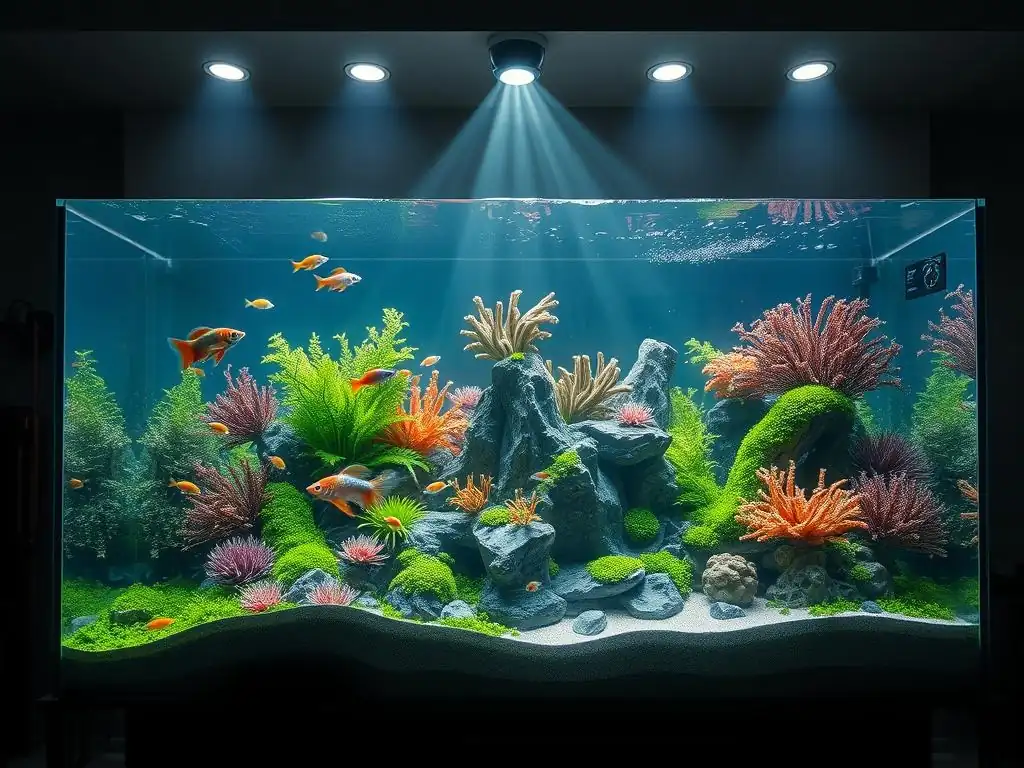
Welcome to Aquarium Mastery!
Ever wondered why your aquarium's pH is acting like a rollercoaster? Unlocking the secrets to stable aquarium pH levels is crucial for a thriving aquatic ecosystem. Dive in to discover the hidden factors influencing your pH and learn practical techniques to keep your tank balanced and your fish happy. Are you ready to solve the pH puzzle? Let's get started!
- Understanding Aquarium pH: The Foundation of a Healthy Aquatic Ecosystem
-
Decoding the pH Swing: Identifying the Causes of Fluctuations
- The Role of Carbon Dioxide (CO2) in Aquarium pH
- Understanding KH (Carbonate Hardness) and Its Influence on pH Buffering
- The Impact of Nitrification and the Nitrogen Cycle on pH Levels
- Substrate and Decor: How They Can Affect Your Aquarium's pH
- Overstocking and Overfeeding: Contributing Factors to pH Instability
- Water Changes and pH Fluctuations: What You Need to Know
-
Achieving Stable Aquarium pH Levels: Practical Strategies and Solutions
- Testing Your Aquarium Water: Accurate pH Monitoring Techniques
- Choosing the Right Buffer for Your Aquarium
- Gradual Water Changes: A Key to Maintaining Stable pH
- Selecting pH-Neutral Substrates and Decorations
- Controlling CO2 Levels for Planted Aquariums
- Implementing a Consistent Maintenance Schedule to Prevent pH Swings
- The Importance of Proper Filtration for pH Control
- Troubleshooting Common pH Problems in Aquariums
- Advanced Techniques for pH Control: Going Beyond the Basics
- Maintaining Long-Term pH Stability: A Holistic Approach to Aquarium Care
-
Frequently Asked Questions
- How crucial are stable aquarium pH levels for my fish?
- What are the primary factors that can cause pH to fluctuate in an aquarium?
- How often should I test my aquarium's pH to ensure stability?
- What are some common methods to raise pH levels if they are too low?
- How can I lower pH levels if they are too high for my fish species?
- Final Reflection: The Delicate Balance of Life
- Unleash a Thriving Aquarium: Take Control of Your pH!
Understanding Aquarium pH: The Foundation of a Healthy Aquatic Ecosystem
What is pH and Why Does it Matter for Your Fish?
pH, or "potential of Hydrogen," is a measure of the acidity or alkalinity of a solution. On a scale of 0 to 14, a pH of 7.0 is neutral, values below 7.0 are acidic (indicating a higher concentration of hydrogen ions, H+), and values above 7.0 are alkaline or basic (indicating a higher concentration of hydroxide ions, OH-). This logarithmic scale means that each whole number change represents a tenfold difference in acidity or alkalinity. For instance, a pH of 6.0 is ten times more acidic than a pH of 7.0.
For your aquatic inhabitants, pH is a critical environmental factor that directly impacts their physiological processes, including respiration, digestion, and waste excretion. Fish are highly sensitive to pH fluctuations because their internal body fluids have a specific pH range. When the external water pH deviates significantly from this range, fish must expend considerable energy to regulate their internal chemistry through a process called osmoregulation. Extreme or rapidly changing pH levels can damage gills, impair oxygen uptake, and suppress the immune system, leading to stress, disease, and even death.
The Ideal pH Range for Freshwater and Saltwater Aquariums
While a neutral pH of 7.0 might seem ideal, the optimal pH range for an aquarium largely depends on the specific species of fish, plants, and invertebrates you keep. For most common freshwater community tanks, a pH range of 6.5 to 7.5 is generally acceptable. However, certain species have very specific requirements; for example, Discus and many South American cichlids thrive in slightly acidic water (pH 5.5-6.5), whereas African Cichlids from the Rift Valley lakes prefer alkaline conditions (pH 7.8-8.5).
Saltwater aquariums, particularly reef tanks, demand a much more consistent and stable pH, typically maintained between 8.1 and 8.4. Fluctuations outside this narrow window can severely stress corals and invertebrates, impacting their calcification processes and overall health. The key takeaway for any aquarium is that stable aquarium pH levels within the appropriate range for your inhabitants are far more important than hitting a precise, arbitrary number.
How pH Affects Fish Health, Plant Growth, and the Nitrogen Cycle
pH directly influences fish health by affecting their metabolic functions and susceptibility to disease. Fish stressed by improper pH are more prone to infections like fin rot, ich, and bacterial diseases. For instance, prolonged exposure to acidic water (below pH 6.0) can lead to acidosis, causing fish to gasp at the surface, exhibit lethargy, and develop frayed fins. Conversely, overly alkaline water (above pH 8.0 for freshwater species) can cause alkalosis, leading to similar symptoms and gill damage.
Beyond fish, pH plays a crucial role in plant growth and the nitrogen cycle. In planted aquariums, pH affects the availability of essential nutrients; for example, iron becomes less soluble and thus less available to plants at higher pH levels. More critically, the beneficial bacteria responsible for the nitrogen cycle— Nitrosomonas and Nitrobacter—which convert toxic ammonia ( NH3/NH4+) to nitrite ( NO2-) and then to less harmful nitrate ( NO3-), operate optimally within a specific pH range, typically 6.5-8.5. If the pH drops too low (e.g., below 6.0), these bacteria become less efficient or even cease to function, leading to a dangerous buildup of ammonia and nitrite in the tank.
Decoding the pH Swing: Identifying the Causes of Fluctuations
The Role of Carbon Dioxide (CO2) in Aquarium pH
Carbon dioxide ( CO2) is a major factor influencing aquarium pH. When CO2 dissolves in water, it forms carbonic acid ( H2CO3), which lowers the pH. This process is represented by the equilibrium: CO2 + H2O ⇌ H2CO3 ⇌ H+ + HCO3-. Sources of CO2 in an aquarium include fish respiration, the decomposition of organic matter (e.g., uneaten food, plant debris), and deliberate CO2 injection systems used in planted tanks.
The amount of CO2 in the water can fluctuate throughout the day, leading to diurnal pH swings. During the night, fish and plants (in the absence of light for photosynthesis) respire, releasing CO2 and causing pH to drop. During the day, especially in heavily planted tanks with strong lighting, plants actively consume CO2 for photosynthesis, which can cause the pH to rise. These daily fluctuations can be significant, sometimes a 0.2 to 0.5 pH unit swing in a densely planted tank, making it challenging to maintain stable aquarium pH levels.
Understanding KH (Carbonate Hardness) and Its Influence on pH Buffering
KH, or Carbonate Hardness, is a measure of the concentration of carbonates and bicarbonates in the water, which act as natural buffers. Buffers are substances that resist changes in pH by neutralizing acids and bases. In an aquarium, the primary acids produced come from fish respiration ( CO2) and the nitrification process. Carbonate buffers absorb these acids, preventing sharp drops in pH.
A low KH level means your aquarium water has poor buffering capacity and is highly susceptible to sudden pH crashes. For freshwater aquariums, a KH of 3-6 dKH (degrees of Carbonate Hardness), equivalent to approximately 50-100 ppm, is generally recommended for good pH stability. For saltwater aquariums, the target alkalinity is significantly higher, typically 8-12 dKH (140-215 ppm), to ensure the necessary buffering for the delicate marine ecosystem. Maintaining an adequate KH is paramount for achieving stable aquarium pH levels.
The Impact of Nitrification and the Nitrogen Cycle on pH Levels
The nitrogen cycle, a fundamental biological process in aquariums, significantly influences pH. During nitrification, beneficial bacteria convert toxic ammonia ( NH3/NH4+) into nitrite ( NO2-), and then nitrite into nitrate ( NO3-). Both stages of this process consume alkalinity and produce hydrogen ions ( H+), thus having an acidifying effect on the water.
In a mature, well-established aquarium, nitrification is a continuous process. Over time, the constant production of acids will gradually deplete the water's buffering capacity (KH), leading to a slow but steady decline in pH. This effect is more pronounced in heavily stocked tanks or those with inefficient water change routines where acids accumulate. Regular replenishment of buffers through water changes or direct buffer additions is essential to counteract this natural acidification and maintain stable aquarium pH levels.
Substrate and Decor: How They Can Affect Your Aquarium's pH
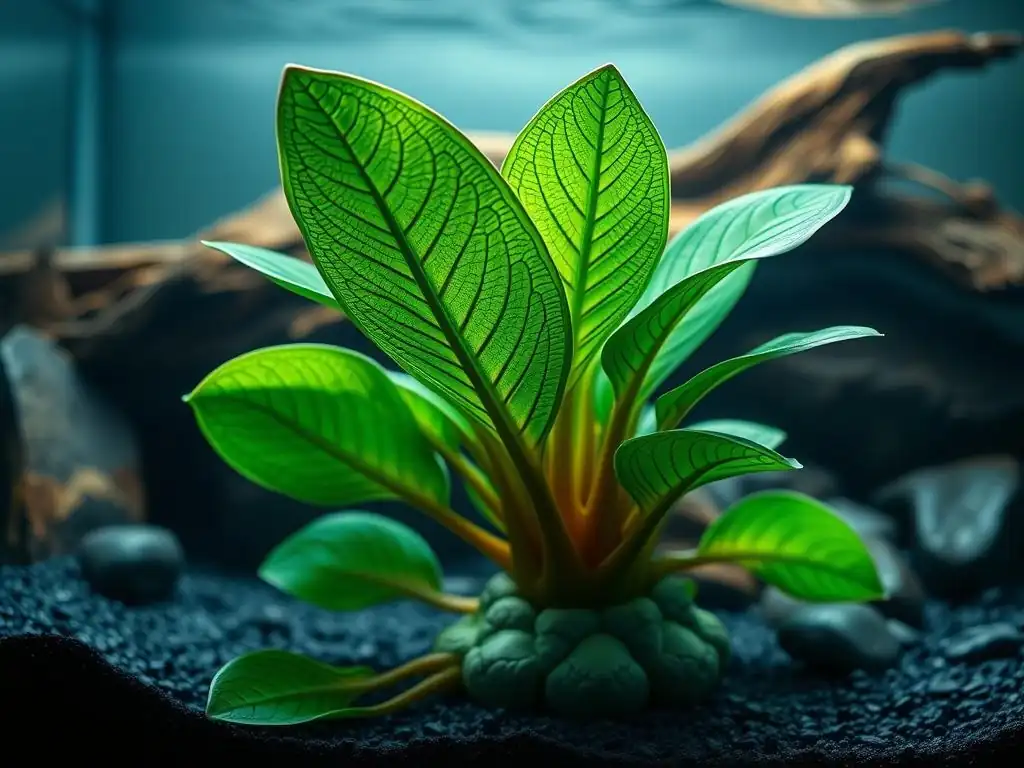
The materials used for your aquarium's substrate and decorations can have a profound impact on water chemistry, including pH. Calcareous materials, such as crushed coral, aragonite, limestone, and many types of sea shells, are primarily composed of calcium carbonate. These materials slowly dissolve in water, releasing calcium and carbonate ions, which directly increase both the pH and the KH (buffering capacity) of the water. This is why they are often used in African cichlid tanks or marine setups that require high pH and hardness.
Conversely, certain natural materials can lower pH. Driftwood, peat, and some specialized aquarium soils (like "aquasoil") release tannins and humic acids as they decompose. These organic acids naturally soften the water and lower its pH, creating "blackwater" conditions preferred by fish species such as Discus, Angelfish, and Neon Tetras. It is crucial to choose substrate and decor that align with the desired pH range for your specific aquatic inhabitants to achieve stable aquarium pH levels.
Overstocking and Overfeeding: Contributing Factors to pH Instability
Overstocking an aquarium means having too many fish for the tank's volume and filtration capacity. More fish translate to increased respiration, which releases higher levels of CO2 into the water, thereby increasing carbonic acid and lowering pH. Furthermore, a higher bioload means more waste production (feces, uneaten food), which contributes to increased organic decomposition.
Overfeeding exacerbates this problem by adding excess organic matter that quickly breaks down. The decomposition process consumes oxygen and generates additional acids, further taxing the water's buffering capacity. Both overstocking and overfeeding accelerate the depletion of KH and the production of acidic byproducts, making it significantly more challenging to maintain stable aquarium pH levels and stressing the entire ecosystem.
Water Changes and pH Fluctuations: What You Need to Know
Water changes are a fundamental part of aquarium maintenance, but they can also be a source of pH fluctuations if not managed carefully. The pH and KH of your tap water or source water may differ considerably from the water inside your aquarium. Performing large, infrequent water changes with vastly different water can lead to rapid and stressful pH shifts, commonly known as "pH shock," which can be detrimental to fish health.
To minimize this risk and promote stable aquarium pH levels, it is generally recommended to perform smaller, more frequent water changes (e.g., 10-20% weekly rather than 50% bi-weekly). Additionally, always ensure that the temperature of the new water matches the tank water. If your source water's pH or KH is significantly different, consider aging it for 24 hours with aeration to off-gas CO2 or pre-treating it with appropriate buffers or de-chlorinators to bring its parameters closer to your aquarium's target.
Achieving Stable Aquarium pH Levels: Practical Strategies and Solutions
Testing Your Aquarium Water: Accurate pH Monitoring Techniques
Consistent and accurate pH monitoring is the cornerstone of maintaining stable aquarium pH levels. Liquid test kits, such as those included in comprehensive master test kits (e.g., API Freshwater Master Test Kit), are highly recommended for general aquarists. They provide reliable readings through color comparisons and are relatively inexpensive. Digital pH meters offer greater precision and ease of use but require regular calibration with buffer solutions (typically pH 7.0 and pH 4.0 or 10.0 standards) to maintain accuracy.
It's advisable to test your pH at consistent times, such as before the lights turn on in the morning and after they have been off for a few hours at night, especially in planted tanks, to observe any diurnal swings. Keeping a detailed log of your pH and KH readings over time will help you identify trends, understand your tank's natural pH cycle, and make informed adjustments to ensure long-term stability.
Choosing the Right Buffer for Your Aquarium
Buffers are chemical compounds designed to stabilize pH by increasing the water's alkalinity (KH). For freshwater aquariums, products like sodium bicarbonate (baking soda) can effectively raise KH and pH, while proprietary buffer mixes (e.g., Seachem Alkaline Buffer, Kent Marine pH Stable) are formulated to provide a more balanced increase in buffering capacity. For saltwater and reef tanks, maintaining alkalinity is crucial, and supplements containing carbonates, bicarbonates, and borates are regularly dosed (e.g., soda ash, two-part alkalinity solutions).
When adding buffers, always do so gradually and in small increments, retesting the water frequently to avoid rapid pH spikes, which can be more harmful than a slightly off but stable pH. The goal is to establish and maintain a target KH level that provides sufficient buffering for your system, rather than chasing a specific pH number directly. A robust KH is the foundation for achieving stable aquarium pH levels.
Gradual Water Changes: A Key to Maintaining Stable pH
As discussed, large, infrequent water changes can introduce pH shock due to significant differences between source water and tank water. The strategy for maintaining stable aquarium pH levels through water changes is to adopt a consistent schedule of smaller, more frequent water changes.
To ensure water changes contribute to stable pH:
- [x] Test your source water's pH and KH regularly.
- [x] Match the temperature of the new water to the tank water precisely.
- [x] Perform smaller volume changes, such as 10-20% weekly, instead of larger, less frequent ones.
- [x] If your tap water parameters are significantly different, consider aging the water for 24 hours with aeration to off-gas
CO2or mixing it with RO/DI water to better match your tank's established parameters.
Selecting pH-Neutral Substrates and Decorations
The choice of substrate and decorations plays a significant role in maintaining stable aquarium pH levels. For most community freshwater tanks aiming for a neutral to slightly acidic pH, it is best to opt for inert materials that will not significantly alter water chemistry. Examples include:
- Substrates: Quartz sand, inert gravel (often epoxy-coated), or specialized plant substrates designed to be pH-neutral.
- Decorations: Plastic plants, ceramic ornaments, and many types of natural rocks like lava rock, slate, or basalt.
Avoid materials that naturally raise pH, such as crushed coral, aragonite, limestone, or marble, unless you specifically intend to create a high pH environment (e.g., for African Cichlids). Conversely, if you desire lower pH, use driftwood or peat, but be aware they will continuously release tannins and humic acids.
Controlling CO2 Levels for Planted Aquariums
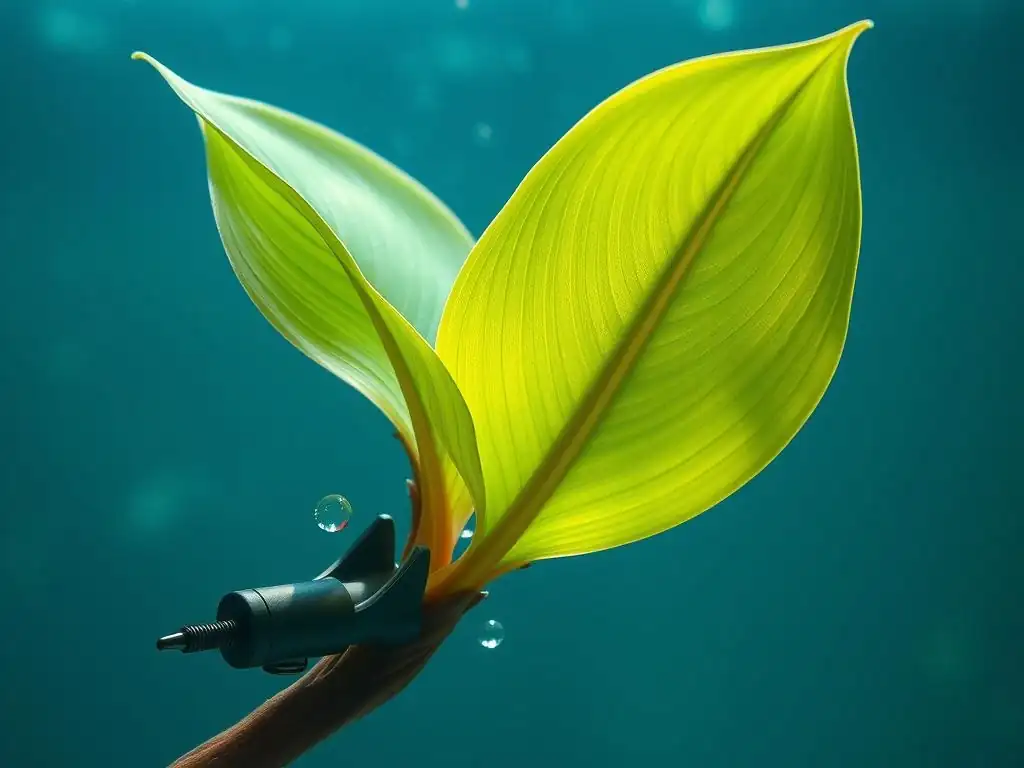
In high-tech planted aquariums that utilize supplemental CO2 injection, precise control over CO2 levels is crucial for both plant health and maintaining stable aquarium pH levels. CO2 dissolves in water to form carbonic acid, which lowers pH. The ideal CO2 concentration for most planted tanks is between 20-30 ppm, which typically results in a pH drop of 0.5 to 1.0 units from the tank's baseline pH (without CO2).
To manage CO2 effectively:
- [x] Use a reliable
CO2regulator with a needle valve and bubble counter for precise flow rate adjustment. - [x] Employ a
CO2drop checker to visually monitorCO2levels; it changes color based onCO2concentration. - [x] Consider a pH controller linked to a solenoid valve to automate
CO2injection, turning it on and off to maintain a desired pH range. - [x] Turn
CO2injection off an hour before lights out and on an hour before lights on to prevent dangerous nocturnal pH drops when plants are not photosynthesizing.
Implementing a Consistent Maintenance Schedule to Prevent pH Swings
A consistent and thorough maintenance schedule is perhaps the most effective long-term strategy for preventing pH swings and ensuring stable aquarium pH levels. Regular maintenance directly addresses the accumulation of acid-producing waste products.
Your maintenance regimen should include:
- [x] Weekly or bi-weekly partial water changes: As discussed, this replenishes buffers and dilutes accumulated acids.
- [x] Gravel vacuuming: Thoroughly clean the substrate to remove trapped uneaten food, fish waste, and decaying plant matter, all of which contribute to acid production.
- [x] Filter cleaning: Rinse mechanical filter media (sponges, filter floss) in old tank water to remove detritus without killing beneficial bacteria. Chemical media (like activated carbon) should be replaced as recommended.
- [x] Pruning plants: Remove any dying or decaying plant leaves to prevent them from breaking down and releasing acids.
Adhering to such a schedule prevents the buildup of organic loads and maintains the effectiveness of your biological filtration, thereby supporting the water's buffering capacity.
The Importance of Proper Filtration for pH Control
Proper filtration is vital for maintaining overall water quality, which indirectly but significantly contributes to stable aquarium pH levels.
- Mechanical filtration (e.g., filter floss, sponges) removes particulate matter like uneaten food and fish waste. By physically removing these organic solids, it prevents their decomposition, which would otherwise produce acids and consume oxygen.
- Biological filtration is essential for converting toxic ammonia and nitrite into less harmful nitrate. While the nitrification process itself consumes alkalinity and lowers pH over time, a healthy and efficient biological filter prevents dangerous spikes in ammonia and nitrite, which could rapidly stress fish and destabilize water parameters.
- Chemical filtration (e.g., activated carbon, purigen) can remove dissolved organic compounds and some organic acids that accumulate in the water, further supporting pH stability and clarity. However, chemical filtration alone cannot compensate for poor biological filtration or inadequate water changes.
Troubleshooting Common pH Problems in Aquariums
Diagnosing Sudden pH Drops: Causes and Solutions
A sudden and drastic pH drop (e.g., from 7.0 to 6.0 overnight) is a critical emergency in an aquarium and usually indicates a "pH crash." This typically occurs when the water's buffering capacity (KH) has been completely depleted, leaving no defense against the acids continuously produced by the nitrogen cycle and organic decomposition. Common causes include: low initial KH, infrequent water changes in a well-stocked tank, overfeeding, or a CO2 overdose in planted tanks.
To address a sudden pH drop:
- [x] Immediately test your KH level; it will likely be very low or undetectable.
- [x] Increase aeration (e.g., with an air stone or by lowering the water level to increase surface agitation) to help off-gas excess
CO2. - [x] Cautiously perform a small (e.g., 10-15%) water change using water that has a higher pH and KH, or is pre-buffered.
- [x] Slowly add a small amount of a pH buffer or sodium bicarbonate solution, dissolving it in tank water first and adding it over several hours, retesting frequently. Aim for a gradual increase (no more than 0.2 pH units per hour) to prevent further shock.
- [x] Identify and correct the underlying cause, such as increasing water change frequency or reducing feeding.
Addressing High pH Levels: Lowering pH Safely and Effectively
High pH levels (e.g., above 7.5 for most community freshwater tanks) can be caused by naturally high pH in your source water, the presence of calcareous substrates or rocks (e.g., limestone, crushed coral) that dissolve and release buffering compounds, or specific additives. While some fish thrive in high pH, consistently high levels can stress species that prefer acidic conditions.
To safely lower pH:
- [x] Identify and remove any pH-raising decorations or substrates if they are not intended for your setup.
- [x] Consider using Reverse Osmosis (RO) or Deionized (DI) water, which has a neutral pH and no buffering capacity. You can then mix it with your tap water or re-mineralize it to achieve the desired parameters.
- [x] Introduce natural pH-lowering agents like driftwood (which releases tannins) or peat moss in your filter. These methods are gradual and generally safe.
- [x] Use commercial pH-lowering buffers (often phosphoric acid-based), but exercise extreme caution. These can easily cause drastic pH drops if overdosed and may deplete KH, leading to future pH instability. Always follow instructions precisely and make changes slowly.
- [x] Increase
CO2injection in planted tanks (if applicable), as this naturally lowers pH, but monitor carefully to avoid overdosing.
Dealing with pH Creep: Long-Term pH Instability
pH creep refers to a slow, gradual shift in pH over weeks or months, either upwards or downwards. A common scenario is a slow pH decline in freshwater tanks due to the continuous production of acids from nitrification and organic decomposition, slowly depleting the water's buffering capacity. Conversely, in tanks with calcareous decor, pH might slowly creep upwards. Unlike sudden crashes, pH creep often goes unnoticed until fish show signs of chronic stress or disease.
To counteract pH creep and maintain stable aquarium pH levels long-term:
- [x] Regularly test both pH and KH: KH depletion is often the precursor to pH creep. If your KH is consistently low, your tank is vulnerable.
- [x] Implement consistent, sufficient water changes: This is the most effective way to dilute accumulated acids and replenish depleted buffers.
- [x] Ensure thorough gravel vacuuming: Remove decaying organic matter that contributes to acid production.
- [x] Evaluate your fish stocking and feeding: Overstocking and overfeeding accelerate acid production.
- [x] Re-evaluate your substrate and decor: Ensure they are appropriate for your target pH range and not contributing to unwanted shifts.
When to Seek Expert Advice on Aquarium pH Issues
While many pH issues can be resolved with careful monitoring and basic adjustments, there are times when it's best to seek expert advice. If you've diligently followed troubleshooting steps, maintained a consistent schedule, and still cannot achieve stable aquarium pH levels, or if your fish are showing severe and persistent signs of stress despite your best efforts, professional guidance can be invaluable.
Consider seeking expert advice if:
- [x] Your pH readings are consistently erratic and defy common explanations.
- [x] You suspect unusual tap water chemistry that requires specialized treatment.
- [x] You are dealing with a complex planted tank or highly sensitive species with very narrow pH tolerances.
- [x] Fish are dying or showing severe symptoms, and you've ruled out common causes.
Local fish stores with experienced staff, online aquarium forums with knowledgeable aquarists, or even professional aquarium maintenance services can provide tailored advice based on your specific situation, helping you diagnose the root cause and implement effective solutions.
Advanced Techniques for pH Control: Going Beyond the Basics
Using CO2 Reactors for Planted Aquariums
For serious planted tank enthusiasts, CO2 reactors offer a highly efficient and controlled method for dissolving CO2 gas into aquarium water, significantly boosting plant growth while also influencing pH. Unlike simple diffusers, reactors maximize the contact time between CO2 bubbles and water, leading to near-100% dissolution efficiency. They can be internal, external, or inline with canister filters.
The advanced use of CO2 reactors often involves integrating them with a pH controller. This electronic device continuously monitors the aquarium's pH and, via a solenoid valve, automatically turns the CO2 injection on or off to maintain a user-defined pH set point (e.g., 6.5-6.8). This automation ensures incredibly stable aquarium pH levels throughout the day, preventing both excessive CO2 (which could harm fish) and CO2 deficiencies (which would stunt plant growth).
Employing Reverse Osmosis (RO) or Deionized (DI) Water for pH Management
Reverse Osmosis (RO) and Deionized (DI) water purification systems provide the ultimate control over water parameters, making them indispensable for aquarists keeping highly sensitive species or maintaining complex setups like marine reef tanks or blackwater biotopes. RO/DI systems remove virtually all dissolved solids, including minerals that contribute to hardness (GH and KH) and pH. The resulting water is essentially pure, with a pH close to 7.0 and no buffering capacity.
This "blank slate" water allows aquarists to precisely build their desired water parameters from scratch. For freshwater, specific re-mineralizing salts (e.g., Seachem Equilibrium, GH/KH boosters) are added to achieve the target GH, KH, and consequently, a stable pH. For saltwater, marine salt mixes are added to achieve the precise salinity, alkalinity, calcium, and magnesium levels required for a thriving reef. While requiring an initial investment, RO/DI systems offer unparalleled precision in achieving and maintaining stable aquarium pH levels.
Understanding the Relationship Between pH, GH (General Hardness), and TDS (Total Dissolved Solids)
While pH measures acidity/alkalinity, and KH measures buffering capacity, two other parameters, GH (General Hardness) and TDS (Total Dissolved Solids), also play interconnected roles in overall water chemistry and thus indirectly affect pH stability. GH measures the concentration of dissolved calcium and magnesium ions, which are vital for fish osmoregulation and plant health. TDS measures all dissolved inorganic and organic substances in the water, providing a general indication of its purity.
These parameters are often correlated: water with high GH often also has high KH and thus a naturally higher, more stable aquarium pH levels. Conversely, very soft water (low GH) often has low KH and is more prone to pH swings. Monitoring all three (pH, KH, GH, and ideally TDS) provides a holistic view of your water's chemical profile. For example, a sudden drop in TDS could indicate that essential buffering minerals are being depleted, signaling a potential future pH instability even before pH itself shifts. Understanding these interrelationships allows for more comprehensive water management.
Maintaining Long-Term pH Stability: A Holistic Approach to Aquarium Care
Regular Monitoring and Adjustments: Staying Ahead of Potential Problems
The foundation of long-term stable aquarium pH levels lies in consistent and regular monitoring, coupled with proactive, minor adjustments. It's not enough to test pH once a month; weekly or bi-weekly tests of both pH and KH are highly recommended. Maintaining a dedicated logbook for your water parameters allows you to track trends over time. Are your pH levels slowly creeping down? Is your KH consistently dropping between water changes? These trends provide early warnings of potential issues before they escalate into crises.
This proactive approach enables you to make small, incremental changes to your maintenance routine, such as slightly increasing water change frequency, adjusting feeding amounts, or adding a small dose of buffer. These minor, consistent interventions are far less stressful for your fish and more effective in maintaining a balanced ecosystem than reacting to a sudden pH crash with drastic measures.
The Synergy of Water Parameters: Understanding the Interconnectedness
pH is not an isolated parameter; it is intricately linked to virtually every other aspect of your aquarium's water chemistry, including KH, GH, CO2 levels, and the ongoing processes of the nitrogen cycle and organic decomposition. For instance, a robust KH directly supports pH stability by neutralizing the acids produced by nitrification. Similarly, high CO2 levels, whether from fish respiration or injection, will naturally depress pH.
Understanding this synergy means recognizing that managing stable aquarium pH levels effectively requires a holistic approach. It's about balancing all the contributing factors: ensuring adequate buffering, minimizing waste, optimizing filtration, and tailoring water changes to your specific system. When all these parameters are managed in concert, they create a resilient aquatic environment that naturally resists significant pH fluctuations.
Creating a Thriving Ecosystem: The Ultimate Goal of pH Management
Ultimately, the tireless effort invested in maintaining stable aquarium pH levels and other water parameters isn't just about hitting numbers on a test kit; it's about fostering a vibrant, healthy, and low-stress ecosystem where all inhabitants can thrive. A stable pH significantly reduces physiological stress on fish, strengthening their immune systems and promoting natural behaviors, vibrant coloration, and longevity.
Beyond fish, consistent pH contributes to robust plant growth by ensuring nutrient availability and supports the efficient functioning of the beneficial bacteria that keep your tank free of toxic ammonia and nitrite. It also plays a role in minimizing algae issues and maintaining overall water clarity. By meticulously managing pH as part of a comprehensive aquarium care routine, you cultivate a balanced, resilient, and aesthetically pleasing aquatic world that exemplifies excellent husbandry.
Frequently Asked Questions
How crucial are stable aquarium pH levels for my fish?
Maintaining stable aquarium pH levels is extremely important. Fluctuations can cause significant stress to your fish, making them more susceptible to disease and potentially leading to fish death.
What are the primary factors that can cause pH to fluctuate in an aquarium?
Several factors influence pH, including carbon dioxide levels, changes in water hardness, and the biological processes occurring within the tank. Improper buffering capacity also plays a role.
How often should I test my aquarium's pH to ensure stability?
Regular testing is key. Aim to test your aquarium pH at least once a week, and more frequently when initially establishing a new tank or after making significant changes.
What are some common methods to raise pH levels if they are too low?
You can raise pH by adding crushed coral or limestone to your aquarium, using a pH-raising product, or increasing aeration to drive off excess carbon dioxide.
How can I lower pH levels if they are too high for my fish species?
Lowering pH can be achieved by adding driftwood, using a pH-lowering product, or introducing peat moss to the filtration system. Remember to adjust slowly.
Final Reflection: The Delicate Balance of Life
The intricate dance of chemical reactions within an aquarium, as we've explored, underscores the vital importance of maintaining stable aquarium pH levels for the health and well-being of its inhabitants. This isn't merely a technical exercise; it's a commitment to fostering a thriving ecosystem within the confines of glass, reflecting a deeper understanding of the interconnectedness of life itself.
The pursuit of stable pH levels has profoundly shaped the aquascaping hobby, driving innovation in filtration, substrate selection, and water chemistry management. My own journey into aquascaping has taught me the profound responsibility we bear when curating these miniature worlds, and the delicate balance that must be respected. The best aquarium is not just a display, but a living, breathing ecosystem where every element plays a crucial role.
This quote encapsulates the essence of responsible aquascaping, highlighting the need for constant vigilance and a commitment to understanding the needs of our aquatic companions.
Now, as you gaze upon your own aquarium, consider the lessons learned and the knowledge gained. Let the pursuit of stable aquarium pH levels be more than just a technical goal; let it be a reminder of the delicate balance of nature and the profound impact we have on the lives within our care. Embrace the challenge, continue to learn, and strive to create not just an aquarium, but a thriving, harmonious ecosystem that reflects your dedication and respect for the wonders of the aquatic world.
Unleash a Thriving Aquarium: Take Control of Your pH!
Thanks for diving into the fascinating world of aquarium pH! We hope you've gained a clearer understanding of what makes pH tick and how to keep your underwater ecosystem balanced. Now, let's put that knowledge into action!
Here are some immediate steps you can take to create a more stable and thriving aquarium:
- Immediately test your aquarium's pH three times this week at different times of day to get a clear picture of its stability.
- Explore unconventional buffering methods. Research if adding crushed coral or limestone decorations could naturally help stabilize your tank's pH over time.
- Share your pH findings and setup details with our community on the Aquarium Mastery forum – you might uncover hidden issues or inspire others!
What surprising pH fluctuation have you encountered in your aquarium, and how did you tackle it? Share your story below!