
Feeding Giants: Uncovering the Specific Nutritional Needs of Large New World Cichlids

Welcome to Aquarium Mastery!
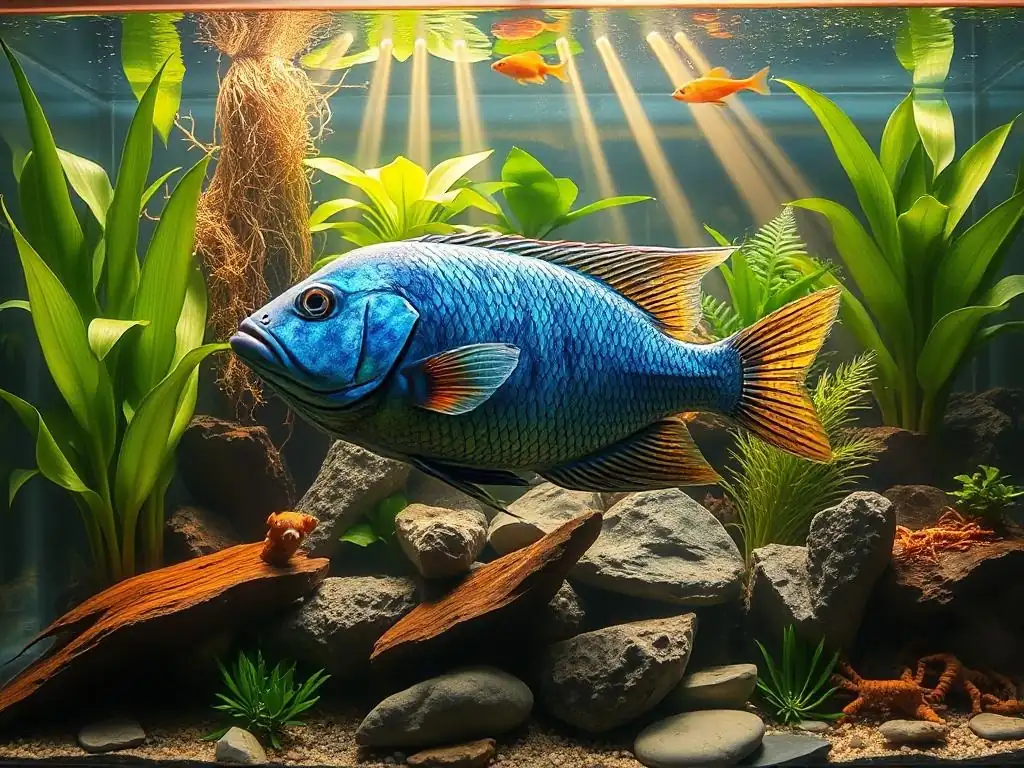
Ever wondered how to unlock the vibrant colors and robust health of your magnificent New World Cichlids? This article dives deep into the essential elements of large cichlid fish nutrition, revealing the secrets to feeding these captivating giants. Get ready to discover the perfect diet that will keep your aquatic emperors thriving! Ready to learn more?
- Understanding the Dietary Needs of Large New World Cichlids
- The Core Components of a Balanced Large Cichlid Diet
-
Specific Nutritional Needs by Cichlid Species
- Oscar Fish Nutrition: Meeting the Demands of Astronotus ocellatus
- Severum Cichlid Diet: Tailoring Food to Heros severus
- Jack Dempsey Nutrition: Feeding the Aggressive Rocio octofasciata
- Texas Cichlid Nutrition: Optimizing the Diet for Herichthys cyanoguttatus
- Midas Cichlid Nutrition: Feeding Amphilophus citrinellus
- Avoiding Common Feeding Mistakes with Large Cichlids
- Implementing a Feeding Schedule for Optimal Cichlid Health
- Recognizing Signs of Nutritional Deficiencies in Large Cichlids
- Sourcing High-Quality Food for Large Cichlids
- Conclusion: Mastering Large Cichlid Fish Nutrition for a Thriving Aquarium
-
Frequently Asked Questions
- What are the fundamental differences between feeding small community fish and large New World Cichlids?
- How important is it to research the specific dietary requirements of the particular Cichlid species I own?
- What are some common mistakes aquarists make when feeding their large Cichlids?
- Can I supplement my Cichlids' diet with live or frozen foods, and what are the benefits?
- How often should I feed my large New World Cichlids, and how much food should I give them at each feeding?
- Final Reflection: Nurturing the Aquatic Titans
- Unleash Your Cichlids' True Potential!
Understanding the Dietary Needs of Large New World Cichlids
Why Proper Nutrition is Crucial for Large Cichlids
Proper nutrition is the cornerstone of a healthy and vibrant large New World cichlid. An optimized diet directly impacts their growth rate, ensuring they reach their impressive adult size, which can range from 8 to over 15 inches depending on the species. Beyond mere size, a balanced diet enhances their natural coloration, making their scales more vibrant and patterns more defined. Crucially, it strengthens their immune system, making them more resilient against common diseases like Ich or bacterial infections, thereby significantly contributing to their overall longevity, with some species like Oscars living well over 10-15 years in captivity.
Furthermore, a well-rounded large cichlid fish nutrition plan contributes to their active behavior and reduces stress, which can often manifest as aggression or lethargy in these territorial fish. Healthy fish are less prone to stress-induced illnesses and are more likely to exhibit natural behaviors, including successful breeding. Investing in high-quality food is generally more cost-effective in the long run than treating diseases caused by nutritional deficiencies, making it a wise preventative measure for any serious aquarist.
The Unique Digestive Systems of Large Cichlids
Large New World cichlids, such as Oscars, Jack Dempseys, and Midas cichlids, are predominantly carnivorous or omnivorous with a strong carnivorous bias. Their digestive systems are adapted to process animal proteins and fats efficiently. Unlike herbivores, they possess relatively shorter intestinal tracts, which are optimized for the rapid absorption of nutrients from protein-rich diets. This means their bodies are designed to break down and utilize animal-based proteins and lipids with high efficiency, requiring specific enzymes to do so effectively.
This unique digestive physiology underscores the need for easily digestible, high-quality protein sources in their diet. Feeding large cichlids foods high in indigestible fillers or plant matter not suited for their system can lead to digestive upset, bloat, and nutrient malabsorption. Their metabolism often requires multiple smaller feedings throughout the day rather than one large meal, allowing their digestive system to process food quickly and efficiently without becoming overloaded, which is a key consideration for effective large cichlid fish nutrition.
The Core Components of a Balanced Large Cichlid Diet
Protein Sources for Optimal Growth in Large Cichlids
Protein is the most vital macronutrient for the growth and muscle development of large New World cichlids. Especially during their juvenile and sub-adult phases, these fish require a significantly high protein content in their diet, often ranging from 40% to 55% of their total caloric intake. This high percentage supports their rapid growth rates and the development of robust musculature. It is crucial that these proteins are "complete," meaning they contain all the essential amino acids that the fish cannot synthesize on their own.
Quality protein sources commonly found in premium cichlid foods include fish meal (like salmon or herring meal), krill meal, shrimp meal, and spirulina. These ingredients provide the necessary amino acid profile for optimal health, vibrant coloration, and strong immune function. A consistent supply of high-quality protein is fundamental to any successful large cichlid fish nutrition strategy, ensuring that these impressive fish thrive in their aquarium environment.
Live Foods: Benefits and Risks for Large Cichlids
Live foods offer significant benefits for large cichlids, primarily by stimulating their natural predatory instincts and providing environmental enrichment. Species like Oscars and Jack Dempseys relish the opportunity to hunt. Examples of suitable live foods, when sourced responsibly, include earthworms, crickets, and occasionally guppies or minnows (though these come with caveats). Live foods can be highly palatable and provide a fresh, unprocessed nutrient source, often leading to more active and engaged fish.
However, the risks associated with live foods are substantial and often outweigh the benefits for the average aquarist. The primary concern is the potential for disease transmission; feeder fish from unknown sources can carry parasites, bacteria, or viruses that can devastate an entire aquarium. Furthermore, feeder fish like goldfish or rosy reds are often nutritionally deficient themselves, containing high fat content and an enzyme called thiaminase, which breaks down Vitamin B1, leading to nutritional deficiencies in the cichlids. For these reasons, many experienced aquarists advise against their regular use in large cichlid fish nutrition.
Frozen Foods: A Convenient Protein Option for Cichlids
Frozen foods offer an excellent and convenient alternative to live foods, providing many of the nutritional benefits with significantly reduced risks. They are typically flash-frozen, preserving much of their nutritional integrity, and the freezing process helps to eliminate many common parasites. A wide variety of frozen options are available, catering to the diverse tastes of large cichlids, including bloodworms, Mysis shrimp, brine shrimp, krill, and silversides. These foods are generally rich in protein and essential fatty acids.
When preparing frozen foods, it's crucial to thaw them completely in a small amount of tank water before feeding to prevent digestive issues from ingesting cold food. Never feed frozen foods directly from the freezer. Ensure that only a portion is thawed at a time and any uneaten thawed food is discarded, as it can quickly spoil and foul the water. Frozen foods provide an indispensable component of a varied and balanced large cichlid fish nutrition plan.
High-Quality Cichlid Pellets: The Cornerstone of a Balanced Diet
High-quality cichlid pellets should form the absolute cornerstone of any large cichlid's diet. These commercially prepared foods are scientifically formulated to provide complete and balanced nutrition, fortified with essential vitamins, minerals, and often probiotics that are difficult to obtain from other food sources alone. They are convenient, reduce mess, and allow for precise portion control, which helps in maintaining optimal water quality. Pellets are available in various sizes and densities (floating or sinking) to suit different species and feeding habits.
When selecting pellets, scrutinize the ingredient list. The first few ingredients should be high-quality animal proteins such as fish meal, krill meal, or spirulina, not fillers like corn or wheat. Look for a guaranteed analysis showing appropriate protein levels (e.g., 35-45% for adult large cichlids, higher for juveniles), moderate fat content (5-10%), and low fiber. Reputable brands often include specific attractants and natural color enhancers. Integrating these specialized pellets ensures comprehensive large cichlid fish nutrition.
The Importance of Fiber in Large Cichlid Nutrition
While large New World cichlids are primarily carnivorous, a small amount of fiber is still beneficial for their digestive health. Fiber, though not a primary energy source, aids in the smooth passage of food through the digestive tract, preventing constipation and promoting regular bowel movements. It acts as a bulking agent, helping to eliminate waste efficiently and ensuring gut motility, which can prevent issues like bloat, especially in species prone to it.
The required fiber content for large cichlids is relatively low, typically ranging from 3% to 8% of their diet. This amount is usually adequately provided by the inclusion of spirulina, alfalfa meal, or other plant-based ingredients found in high-quality formulated pellets. Overly fibrous foods can be difficult for their carnivorous digestive systems to process and may lead to nutrient malabsorption, so balance is key when considering fiber for large cichlid fish nutrition.
Vitamins and Minerals: Ensuring Long-Term Health for Your Cichlid
Vitamins and minerals are micronutrients vital for virtually every physiological process in large cichlids, from immune system function and bone development to metabolism, vision, and vibrant coloration. For instance, Vitamin C (ascorbic acid) is crucial for stress resistance and proper tissue repair, while Vitamin A supports vision and skin health. Vitamin D is essential for calcium absorption and bone structure, and B vitamins play a critical role in energy metabolism.
The primary source of these essential vitamins and minerals should be high-quality, fortified cichlid pellets. Reputable manufacturers enrich their formulas to meet the specific needs of these fish. However, supplementing with a varied diet of frozen foods like krill or Mysis shrimp can provide additional natural sources. Deficiencies can lead to severe health issues, such as "hole-in-the-head" disease (often linked to deficiencies in Vitamin D, calcium, and phosphorus) or stunted growth, underscoring their critical role in comprehensive large cichlid fish nutrition.
Specific Nutritional Needs by Cichlid Species
Oscar Fish Nutrition: Meeting the Demands of Astronotus ocellatus
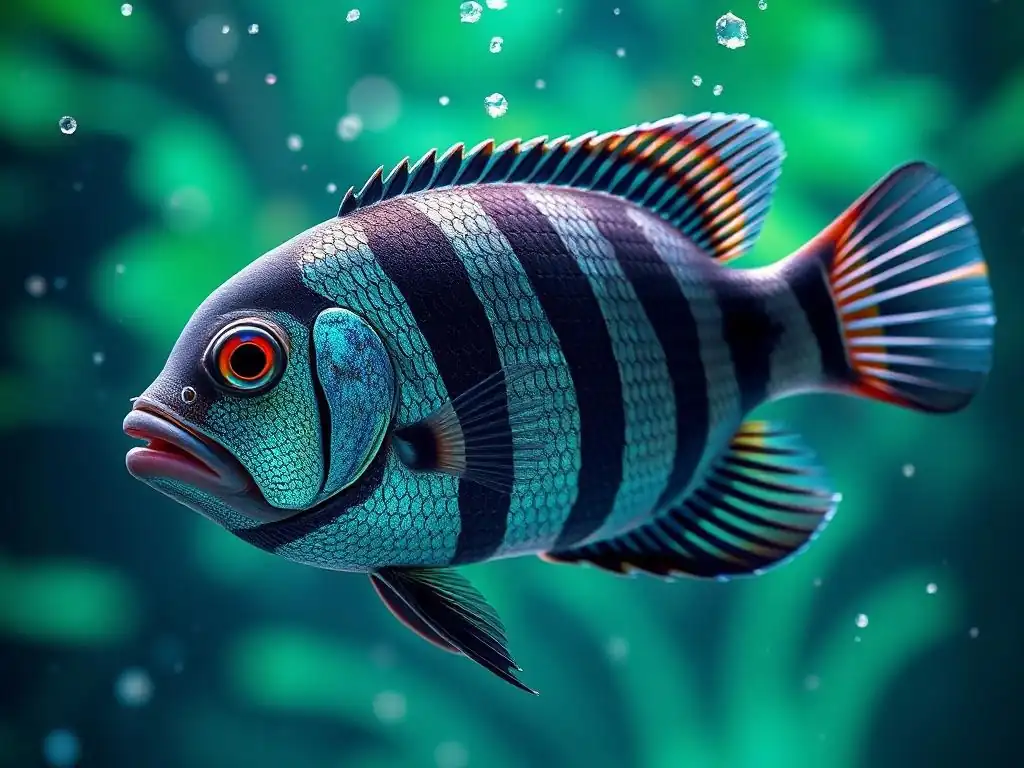
Oscar fish ( Astronotus ocellatus) are large, opportunistic carnivores that can reach impressive sizes of 12-14 inches in captivity. Their diet should reflect their predatory nature, with a high emphasis on protein. Juveniles, in particular, require a very high protein content, often around 45-50%, to support their rapid growth. As adults, this can slightly decrease to 40-45%. Preferred foods include high-quality, large sinking or floating pellets formulated specifically for cichlids, supplemented with frozen krill, silversides, and earthworms.
It is crucial to avoid relying on feeder fish as a staple for Oscars due to the high risk of disease transmission and their poor nutritional value, which can lead to thiaminase deficiency and a fatty liver. Oscars are notoriously prone to "hole-in-the-head" disease (HITH), which is often exacerbated by poor water quality and chronic nutritional deficiencies, particularly a lack of essential vitamins like C, D, and E. A varied and high-quality large cichlid fish nutrition plan is paramount for their long-term health and vibrant coloration.
Severum Cichlid Diet: Tailoring Food to Heros severus
Severum cichlids ( Heros severus) are often described as omnivores, though they lean more towards a herbivorous or insectivorous diet in the wild compared to their more carnivorous cichlid cousins. Reaching sizes of 8-10 inches, their diet in captivity should be a balanced mix of high-quality protein and significant plant matter. A protein content of 35-40% is generally suitable for Severums, with the remainder composed of vegetable-based ingredients.
Excellent food choices for Severums include spirulina-rich pellets, which provide both protein and essential plant nutrients. They also readily accept blanched vegetables such as peas (shelled), zucchini slices, and spinach. Supplementation with frozen foods like bloodworms, Mysis shrimp, or brine shrimp can provide necessary animal protein and variety. While less prone to HITH than Oscars, a well-rounded large cichlid fish nutrition plan that incorporates both animal and plant matter is essential for their overall well-being and natural coloration.
Jack Dempsey Nutrition: Feeding the Aggressive Rocio octofasciata
Jack Dempsey cichlids ( Rocio octofasciata) are robust, carnivorous fish that typically grow to 8-10 inches. Their aggressive nature and high metabolism demand a diet rich in high-quality protein, similar to Oscars, with a protein content of 40-45%. They are enthusiastic feeders and will readily consume most foods offered. Their diet should primarily consist of premium cichlid pellets designed for carnivorous species.
Alongside their staple pellets, Jack Dempseys greatly benefit from a varied offering of frozen foods such as frozen shrimp, krill, and bloodworms. Earthworms can also be a nutritious and engaging treat. Due to their energetic feeding, care must be taken to avoid overfeeding, which can lead to digestive issues like bloat or contribute to poor water quality. Ensuring a consistent and high-quality large cichlid fish nutrition strategy will support their vibrant colors and powerful physique.
Texas Cichlid Nutrition: Optimizing the Diet for Herichthys cyanoguttatus
Texas cichlids ( Herichthys cyanoguttatus) are large, territorial New World cichlids that can reach 10-12 inches. While classified as omnivores, their diet should lean heavily towards protein, reflecting their predatory instincts in the wild. A protein content of around 40% is ideal, supplemented with some vegetable matter. They are known for their strong bite and vigorous feeding habits.
Their diet should primarily consist of large, high-quality cichlid pellets. To provide variety and essential nutrients, supplement with frozen foods such as krill, Mysis shrimp, and earthworms. While they will accept blanched vegetables like peas, these should be offered sparingly. Due to their aggressive feeding, ensure they receive adequate portions without overfeeding, which is crucial for maintaining good water quality and overall health in a large cichlid fish nutrition plan.
Midas Cichlid Nutrition: Feeding Amphilophus citrinellus
Midas cichlids ( Amphilophus citrinellus) are impressive, highly predatory omnivores capable of reaching sizes of 10-14 inches. Despite their omnivorous classification, their diet should be rich in high-quality animal protein, typically in the range of 40-45%, to support their robust size and active metabolism. They possess powerful jaws and are voracious eaters, often exhibiting strong territorial behavior.
Their staple diet should be large, sinking cichlid pellets designed for aggressive, predatory species. Supplementation with frozen silversides, krill, and earthworms provides excellent protein sources and variety. While they can consume some plant matter, it should constitute a smaller portion of their diet compared to the protein. Ensuring a consistent and nutrient-dense large cichlid fish nutrition approach is vital for maintaining the Midas cichlid's health, vibrant coloration, and impressive physique.
Avoiding Common Feeding Mistakes with Large Cichlids
Overfeeding: The Dangers of Excessive Food Intake
Overfeeding is one of the most common and detrimental mistakes made by aquarists keeping large cichlids. The immediate consequence is a rapid decline in water quality due to uneaten food decaying and releasing ammonia and nitrites. This leads to dangerous spikes in toxic compounds, which can stress fish, burn their gills, and compromise their immune systems. Long-term, chronic overfeeding contributes to consistently high nitrate levels and persistent algal blooms, making tank maintenance more challenging.
Beyond water quality, overfeeding directly impacts the fish's health. It can lead to severe digestive issues such as bloat, particularly with foods high in fillers or difficult to digest. Chronic overfeeding can also result in fatty liver disease, obesity, and a shortened lifespan, as their internal organs become stressed and less efficient. Adhering to strict portion control and feeding only what can be consumed within 1-2 minutes is crucial for effective large cichlid fish nutrition and overall tank health.
Feeding Inappropriate Foods: What to Avoid
Feeding inappropriate foods is another critical error that can lead to severe health problems for large cichlids. A prime example is the use of feeder goldfish or rosy reds as a primary food source. These fish are often nutritionally deficient, high in fat, and contain thiaminase, an enzyme that destroys Vitamin B1, leading to nutritional deficiencies in the cichlid. More importantly, feeder fish frequently carry parasites and diseases that can be easily transmitted to your valuable cichlids, potentially causing widespread illness.
Other unsuitable foods include mammalian meats (like beef heart or chicken), which contain fats that are indigestible for fish and can lead to fatty liver disease and digestive blockages. Processed human foods, such as bread or crackers, are also highly detrimental due to their high salt, sugar, and preservative content, offering no nutritional value and causing significant digestive distress. Sticking to species-appropriate, high-quality cichlid-specific foods is essential for proper large cichlid fish nutrition.
Ignoring Vitamin and Mineral Deficiencies in Cichlids
Ignoring vitamin and mineral deficiencies in large cichlids can lead to a host of debilitating health issues that are often mistaken for environmental problems or infectious diseases. One of the most well-known consequences is "hole-in-the-head" disease (HITH), which, while complex, is frequently linked to a lack of essential vitamins (especially D and C) and minerals like calcium and phosphorus. Other symptoms include stunted growth, faded or dull coloration, fin erosion, skeletal deformities (such as a curved spine), and a compromised immune system, making the fish susceptible to secondary infections.
Preventing these deficiencies requires a proactive approach to large cichlid fish nutrition. The cornerstone is providing a high-quality, scientifically formulated cichlid pellet as the primary diet, as these are fortified with the necessary micronutrients. Supplementing with a variety of frozen foods can further enhance nutrient intake. Avoid feeding only one type of food or relying on low-quality, generic brands that may lack essential vitamins and minerals, as this significantly increases the risk of long-term health problems.
Implementing a Feeding Schedule for Optimal Cichlid Health
How Often Should You Feed Your Large Cichlids?
The frequency of feeding large cichlids depends significantly on their age and metabolic rate. Juvenile large cichlids, which are undergoing rapid growth, typically benefit from being fed two to three times daily. This provides a consistent supply of nutrients to fuel their development. As they mature into adults, their metabolic rate slows, and one to two feedings per day are usually sufficient. Some experienced aquarists even advocate for a "fasting day" once a week for adult cichlids to aid digestion and prevent overfeeding.
Establishing a consistent feeding schedule is crucial for reducing stress and promoting a sense of routine for your cichlids. Feeding them at the same times each day also allows you to observe their appetite and behavior, which can be early indicators of health issues. This consistent approach to feeding is a vital component of a comprehensive large cichlid fish nutrition plan.
Portion Control: Preventing Overfeeding and Waste
Effective portion control is paramount in preventing the myriad problems associated with overfeeding large cichlids. A general rule of thumb is to feed only what your fish can consume entirely within one to two minutes. It's always better to underfeed slightly than to overfeed. Start with a small amount, and if it's consumed rapidly, you can add a little more. Any uneaten food should be promptly removed from the tank to prevent it from decaying and fouling the water.
Consider the size and number of fish in your tank when determining portions. Using a small measuring spoon or simply a consistent pinch can help ensure that you're not inadvertently overfeeding. Consistent portion control not only maintains excellent water quality by reducing waste but also prevents digestive issues and obesity in your fish, contributing significantly to their long-term health as part of optimal large cichlid fish nutrition.
Varying the Diet: Keeping Your Cichlid Interested and Healthy
Varying the diet of your large cichlids is not just about keeping them interested; it's a critical component of ensuring they receive a full spectrum of nutrients. Relying on a single type of food, even a high-quality one, can lead to subtle nutritional deficiencies over time, as no single food can provide every single nutrient in ideal proportions. A varied diet stimulates their natural foraging behaviors and prevents boredom, which can sometimes manifest as aggression or lethargy.
For omnivorous and carnivorous large cichlids, a varied diet might include alternating between a high-quality staple pellet, different types of frozen foods (such as krill, Mysis shrimp, bloodworms, or silversides), and occasional live treats like earthworms (sourced safely). For more herbivorous-leaning species like Severums, incorporating blanched vegetables like peas or zucchini slices can provide essential plant matter. This diverse approach to large cichlid fish nutrition promotes robust health, vibrant colors, and a more engaging aquarium experience.
Recognizing Signs of Nutritional Deficiencies in Large Cichlids
Identifying Symptoms of Malnutrition
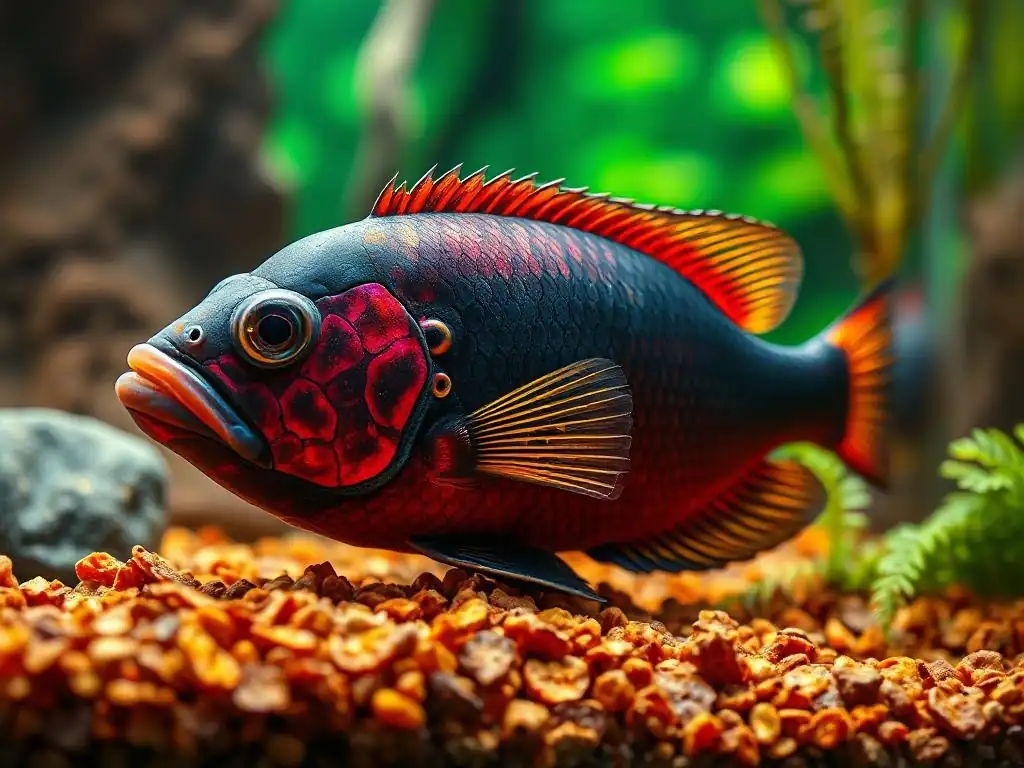
Recognizing the signs of malnutrition early is crucial for correcting dietary imbalances before they lead to severe health complications in your large cichlids. Physical symptoms often manifest as dull or faded coloration, where the fish's natural vibrant hues appear muted or washed out. Stunted growth, where a fish fails to reach its expected size despite adequate tank conditions, is another clear indicator. Emaciation, characterized by a sunken belly or a noticeably thin body profile, suggests a severe lack of nutrients. Other signs include fin erosion, skeletal deformities (such as a curved spine), and abnormal scale patterns.
Behavioral changes are also key indicators. Malnourished cichlids may exhibit lethargy, spending more time at the bottom of the tank or hiding, and show a noticeable loss of appetite. They might become unusually shy or, conversely, display increased aggression due to stress. Furthermore, a weakened immune system often results in increased susceptibility to common diseases, with fish repeatedly falling ill despite good water quality. Observing these signs is the first step in addressing large cichlid fish nutrition issues.
Correcting Dietary Imbalances in Your Cichlid Tank
Once signs of nutritional deficiencies are identified, prompt action is necessary to correct dietary imbalances in your cichlid tank. The first step is to thoroughly review your current feeding regimen and the types of food being offered. Identify any missing components, such as insufficient protein, a lack of essential vitamins, or an over-reliance on low-quality fillers. Gradually introduce new, appropriate, high-quality foods into their diet, ensuring a varied selection that meets their specific species requirements.
For severe deficiencies, consider using a high-quality vitamin supplement specifically designed for freshwater fish, which can be soaked into their pellets. It's important to make dietary changes gradually to avoid stressing the fish or causing digestive upset. During this period, closely monitor water quality, as healthier fish will produce more waste. Patience is key, as it may take several weeks or even months to see significant improvements in the fish's health and appearance after implementing a revised large cichlid fish nutrition plan.
Sourcing High-Quality Food for Large Cichlids
Choosing Reputable Brands of Cichlid Food
When it comes to large cichlid fish nutrition, the brand of food you choose makes a significant difference. Reputable brands are those that have a proven track record of producing high-quality aquatic diets, often backed by scientific research and positive reviews from experienced aquarists. These brands prioritize premium ingredients, such as high-grade fish meal, krill, and spirulina, as their primary protein sources, rather than relying on cheap fillers. They also often formulate specific diets tailored to the needs of different cichlid types, such as carnivorous or omnivorous species.
Avoid generic or unbranded foods, as their ingredient quality and nutritional completeness can be highly inconsistent. Look for brands that clearly state their ingredient lists and guaranteed analysis. Investing in a trusted brand ensures that your cichlids are receiving a consistent, balanced, and digestible diet, which is fundamental for their long-term health, vibrant colors, and robust growth.
Reading Food Labels: Understanding Ingredient Lists
Understanding how to read food labels is a crucial skill for any aquarist committed to optimal large cichlid fish nutrition. The ingredient list is presented in descending order by weight, meaning the first few ingredients are the most abundant.
For large carnivorous or omnivorous cichlids, the first ingredients should ideally be high-quality animal proteins such as "fish meal" (specifying type like salmon or herring meal is a plus), "krill meal," "shrimp meal," or "spirulina." Avoid products where fillers like "corn meal," "wheat flour," or "soybean meal" are listed as the first or second ingredient, as these offer limited nutritional value for cichlids.
Beyond the ingredient list, examine the "Guaranteed Analysis." This section provides percentages for crude protein, crude fat, crude fiber, and moisture. For most large cichlids, aim for a crude protein content of 35-50% (higher for juveniles), crude fat between 5-10%, and crude fiber below 8%. A low ash content also indicates higher quality ingredients. Paying close attention to these details ensures you select the most beneficial food for your fish.
Reputable Online and Local Retailers for Cichlid Food
Sourcing high-quality food for large cichlids requires choosing reputable retailers, whether online or local. Online pet supply websites and specialized aquarium stores often offer a wider selection of premium cichlid foods, including niche brands that may not be available locally. These retailers typically have higher stock turnover, meaning the food is fresher, and they often provide competitive pricing. Ensure the online retailer has good customer reviews regarding product freshness and shipping practices.
Local fish stores can also be an excellent source, particularly if they specialize in aquatic livestock. Benefits include the ability to inspect the food packaging for expiration dates and proper storage conditions (e.g., not exposed to excessive heat or moisture). Knowledgeable staff can also provide personalized recommendations based on your specific fish species and tank setup. Regardless of where you purchase, always check expiration dates and ensure the packaging is sealed to guarantee freshness and preserve the nutritional integrity vital for proper large cichlid fish nutrition.
Conclusion: Mastering Large Cichlid Fish Nutrition for a Thriving Aquarium
Frequently Asked Questions
What are the fundamental differences between feeding small community fish and large New World Cichlids?
Large cichlids require a higher protein intake and larger food particle sizes. Their diets should also be more tailored to their specific species and natural behaviors, unlike the more generalized diets of smaller fish.
How important is it to research the specific dietary requirements of the particular Cichlid species I own?
It's extremely important. Different cichlid species have unique nutritional needs based on their natural diets. Ignoring these needs can lead to health problems and stunted growth.
What are some common mistakes aquarists make when feeding their large Cichlids?
Overfeeding is a frequent issue, leading to water quality problems. Also, relying solely on flake food or low-quality pellets can cause nutritional deficiencies in larger, more demanding Cichlids.
Can I supplement my Cichlids' diet with live or frozen foods, and what are the benefits?
Yes, live and frozen foods like insects, worms, and shrimp can provide essential nutrients and stimulate natural feeding behaviors. They offer a more balanced and natural diet compared to processed foods alone.
How often should I feed my large New World Cichlids, and how much food should I give them at each feeding?
Generally, feeding once or twice a day is sufficient, providing only the amount they can consume in 2-3 minutes. Overfeeding can lead to poor water quality, so it's best to err on the side of caution.
Final Reflection: Nurturing the Aquatic Titans
The exploration of large cichlid fish nutrition isn't merely an academic exercise; it's a crucial component of responsible fishkeeping and conservation efforts in a world increasingly aware of the interconnectedness of ecosystems. Understanding the specific dietary requirements of these aquatic giants allows us to not only ensure their health and longevity in captivity but also to better appreciate their role in their natural habitats and the delicate balance they maintain.
This journey into the nutritional needs of large New World cichlids has profoundly underscored the importance of informed and conscientious care in the aquarium hobby. It's a reminder that these magnificent creatures are not simply ornamental displays, but living beings with complex needs that demand our attention and respect. We are tied to the ocean. And when we go back to the sea, whether it is to sail or to watch it, we are going back from whence we came.
- John F. Kennedy. This quote, though about the ocean, resonates deeply with the responsibility we bear towards all aquatic life, including the cichlids we choose to keep.
Now, armed with a deeper understanding of the dietary nuances of these impressive fish, I urge you to reflect on your own practices. Are you truly meeting the nutritional needs of your aquatic companions? Are you contributing to a more sustainable and ethical approach to fishkeeping? Let this knowledge inspire you to become a more informed and responsible aquarist, ensuring a brighter future for these magnificent creatures, both in our tanks and in the wild.
Unleash Your Cichlids' True Potential!
Thanks for diving into the world of New World Cichlid nutrition! We hope you've gained valuable insights into keeping your giants happy and healthy. Now, let's put that knowledge into action:
- First and foremost, carefully review your current feeding regimen and identify areas for improvement based on the information shared.
- Explore alternative food sources, such as live foods or specialized cichlid pellets, to provide a more varied and nutritious diet.
- Share this article with fellow cichlid enthusiasts to spark a conversation about best feeding practices within the community.
What specific dietary change are you most excited to implement for your New World Cichlids this week?