
Sudden Death in Dwarf Cichlids: Investigating Potential Causes

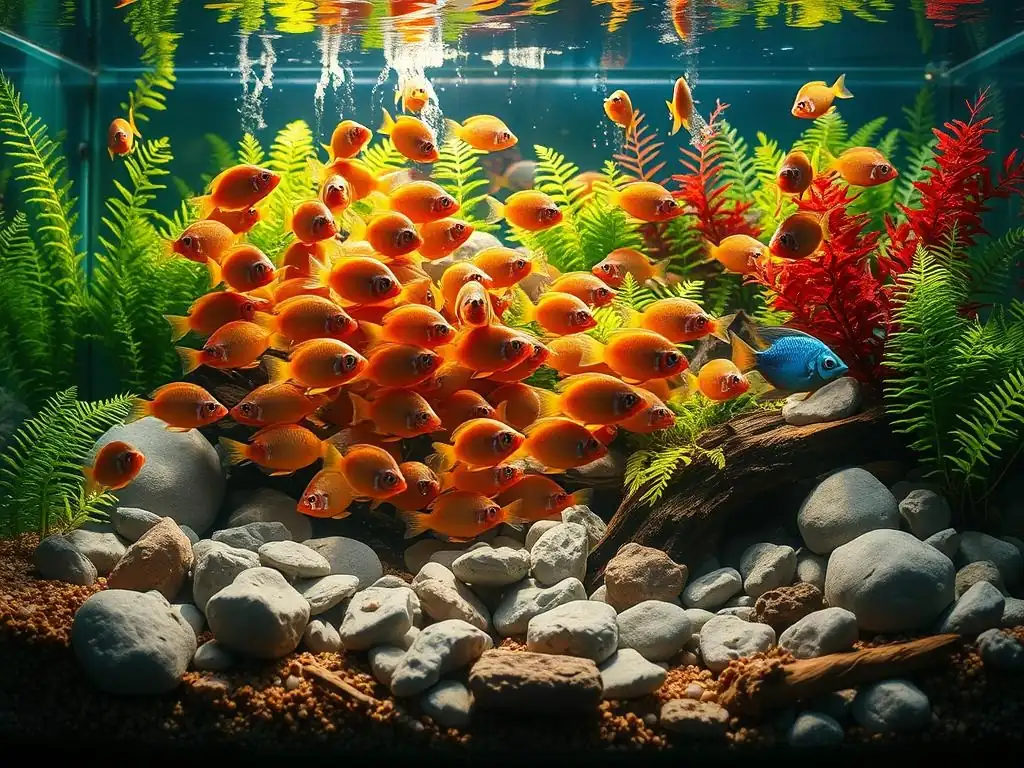
Welcome to Aquarium Mastery!
Ever stared into your freshwater aquarium, only to discover a beloved dwarf cichlid has suddenly passed? It's a heartbreaking moment many aquarists face. This article, "Sudden Death in Dwarf Cichlids: Investigating Potential Causes," delves into the common culprits behind this perplexing issue. Are you ready to uncover the secrets to a healthier, happier aquarium and prevent future losses? Let's explore the possible reasons and get your cichlids thriving again!
- Understanding Sudden Death in Dwarf Cichlids
- Key Factors Contributing to Dwarf Cichlid Sudden Death
- Diagnosing the Cause of Dwarf Cichlid Sudden Death: A Step-by-Step Approach
- Preventing Sudden Death in Dwarf Cichlids: Best Practices
- Case Studies: Examples of Dwarf Cichlid Sudden Death and Prevention
- Conclusion: Ensuring the Longevity of Your Dwarf Cichlids
-
Frequently Asked Questions
- What are the most common causes of sudden death in dwarf cichlids?
- How can I prevent sudden death in my dwarf cichlid aquarium?
- What water parameters are crucial to monitor to avoid sudden death?
- What are some signs that my dwarf cichlid is stressed and may be susceptible to sudden death?
- What should I do if I suspect my dwarf cichlid is sick and at risk of sudden death?
- Final Reflection: Understanding and Preventing Dwarf Cichlid Loss
- Unveil Your Cichlids' Hidden Health!
Understanding Sudden Death in Dwarf Cichlids
Defining Sudden Death in Dwarf Cichlids
Sudden death in dwarf cichlids refers to the unexpected and rapid demise of a fish, often with no prior visible symptoms of illness. Unlike chronic diseases that manifest over days or weeks, leading to a gradual decline, sudden dwarf cichlid death typically occurs within hours or a day of the first noticeable sign, or sometimes, with no observation of distress at all.
This abrupt end can be particularly distressing for aquarists, as it leaves little to no opportunity for intervention or treatment. The absence of clear preceding symptoms makes diagnosing the underlying cause challenging, often leading to a scramble to test water parameters and examine other tank inhabitants.
This phenomenon is distinct from a prolonged illness, where fish might exhibit clamped fins, loss of appetite, or labored breathing for an extended period. When a dwarf cichlid dies suddenly, it often appears healthy one moment and is deceased the next, or is found dead in the morning after seeming fine the night before.
This rapid progression points towards acute stressors or highly virulent pathogens that overwhelm the fish's system quickly, leaving minimal time for the aquarist to react or for the fish to show outward signs of distress. Understanding this definition is the first step in investigating the potential causes of such an unexpected dwarf cichlid mortality event.
Why are Dwarf Cichlids Prone to Sudden Death?
Dwarf cichlids, such as Apistogramma species, German Blue Rams, and Kribensis, are often more sensitive to environmental fluctuations and water chemistry than many other common aquarium fish, making them somewhat prone to sudden death. Their natural habitats often consist of stable, soft, and acidic waters with minimal fluctuations, a stark contrast to the varied conditions they might encounter in a home aquarium.
This inherent sensitivity means that even minor deviations from their ideal parameters, or sudden changes, can induce severe stress and compromise their immune systems, leading to a susceptibility to acute conditions. For instance, species like the German Blue Ram ( Mikrogeophagus ramirezi ) are particularly notorious for their delicate nature, often succumbing to issues that hardier species might easily tolerate.
Furthermore, many dwarf cichlids available in the aquarium trade are extensively line-bred or wild-caught, both of which can contribute to their fragility. Line-bred specimens, while often displaying vibrant colors, may suffer from reduced genetic diversity and weakened immune systems due to inbreeding, making them less resilient to stressors and more susceptible to sudden dwarf cichlid death.
Wild-caught specimens, on the other hand, can be stressed by the capture and shipping process, arrive with internal parasites or other pathogens, and struggle to adapt to captive water conditions, further increasing their vulnerability to unexpected demise. The combination of specific environmental needs and potential genetic or capture-related vulnerabilities makes investigating the cause of sudden dwarf cichlid death a critical aspect of responsible aquarium keeping.
Key Factors Contributing to Dwarf Cichlid Sudden Death
Water Quality: A Critical Factor in Dwarf Cichlid Health
Water quality stands as the single most critical factor in preventing sudden dwarf cichlid death. These fish, originating from specific aquatic environments, are highly attuned to the chemical composition of their water. Optimal parameters are not just about survival but about thriving, and deviations can quickly lead to stress, compromised immunity, and ultimately, a rapid decline.
For example, maintaining stable water parameters within the recommended ranges—typically a pH of 6.0-7.5, GH of 3-10 dGH, and KH of 2-6 dKH for many species—is paramount. Any significant fluctuation, particularly rapid shifts, can induce osmotic shock, which is a leading cause of unexpected dwarf cichlid mortality. Regular and precise water testing is not merely a recommendation but a necessity for the long-term health of these sensitive fish.
Beyond the baseline parameters, the presence of toxic compounds is a direct threat. Ammonia, nitrite, and high nitrate levels are direct byproducts of the nitrogen cycle and fish waste, and their accumulation can quickly turn an aquarium into a lethal environment. Even seemingly minor issues like consistently high phosphates or sudden changes in temperature can contribute to chronic stress, weakening the fish over time until a seemingly small trigger leads to sudden death. Ensuring pristine water quality through consistent maintenance, appropriate filtration, and diligent testing is the cornerstone of preventing dwarf cichlid sudden death.
Ammonia and Nitrite Poisoning: A Silent Killer for Dwarf Cichlids
Ammonia (NH₃/NH₄⁺) and nitrite (NO₂⁻) are acutely toxic compounds that are byproducts of fish waste and decaying organic matter. In a properly cycled aquarium, beneficial bacteria convert ammonia into nitrite, and then nitrite into less harmful nitrate. However, in new tanks, uncycled tanks, or tanks experiencing a "mini-cycle" due to overfeeding or filter malfunction, these toxins can quickly accumulate to lethal levels.
Ammonia levels as low as 0.05 ppm can begin to stress sensitive dwarf cichlids, leading to gill damage, lethargy, and a suppressed immune system. Nitrite, while slightly less toxic than ammonia, interferes with oxygen uptake in the blood, causing "brown blood disease" and suffocation, with levels above 0.25 ppm being highly dangerous.
The insidious nature of ammonia and nitrite poisoning is that initial symptoms can be subtle—rapid gill movement, gasping at the surface, or lethargy—but progression to sudden dwarf cichlid death can be incredibly swift, often within hours once critical levels are reached. For instance, if an aquarist adds several new fish to an established tank without proper biological filtration capacity, or if the filter media is accidentally rinsed in chlorinated water, a sudden ammonia spike can wipe out a population of delicate dwarf cichlids like Apistogramma within 24-48 hours.
Immediate and aggressive water changes (50-75%) are often the only recourse when these toxins are detected, alongside re-establishing biological filtration.
Nitrate Buildup: Long-Term Effects on Dwarf Cichlid Lifespan
While less acutely toxic than ammonia and nitrite, nitrate (NO₃⁻) buildup poses a significant long-term threat to dwarf cichlid health and can indirectly contribute to sudden death. Nitrate is the final product of the nitrogen cycle and is removed primarily through regular water changes and by live plants.
In tanks with infrequent water changes or heavy bioloads, nitrate levels can steadily climb, often exceeding 40-50 ppm, and sometimes even into the hundreds. Although fish can tolerate higher nitrate levels than ammonia or nitrite, prolonged exposure to elevated concentrations leads to chronic stress, suppresses the immune system, and can cause a range of health issues.
High nitrates weaken a dwarf cichlid's ability to fight off common diseases, making them more susceptible to opportunistic pathogens that might otherwise be harmless. This chronic stress can manifest as stunted growth, faded colors, fin rot, or increased susceptibility to parasitic infections.
While a fish may not die directly from nitrate poisoning, its weakened state means that any additional stressor—a slight temperature fluctuation, introduction of a new fish, or a minor bacterial bloom—can be the final trigger, leading to an unexpected dwarf cichlid mortality event. Maintaining nitrate levels below 20 ppm, and ideally below 10 ppm for sensitive species, through consistent weekly or bi-weekly water changes (e.g., 25-30% weekly) is crucial for their long-term well-being.
pH Swings and Instability: Stressors Leading to Dwarf Cichlid Demise
pH is a measure of the acidity or alkalinity of water, and sudden or drastic pH swings can be highly detrimental, often leading to sudden dwarf cichlid death. Dwarf cichlids, particularly species like German Blue Rams or many Apistogrammas, prefer slightly acidic to neutral water, typically within a pH range of 6.0 to 7.5.
Their physiology is adapted to a stable pH, and rapid changes, even within their acceptable range, can cause severe osmotic shock. For instance, a drop from pH 7.0 to 6.0 within a few hours can be as lethal as a rise from 7.0 to 8.0, as the fish's internal systems struggle to cope with the sudden shift in hydrogen ion concentration.
Common causes of pH swings include large water changes with water of a significantly different pH, the introduction of buffering or de-buffering substrates (like crushed coral or driftwood), or the depletion of buffering capacity (alkalinity) in the tank water. For example, if an aquarist performs a 50% water change using tap water with a pH of 8.0 into a tank that has stabilized at pH 6.5 due to driftwood and peat filtration, the sudden increase in pH can cause rapid gill damage and systemic shock, leading to unexpected dwarf cichlid mortality within minutes to hours.
Maintaining a stable pH is often more important than hitting an exact target number, and this stability is primarily achieved through adequate buffering capacity (KH) and consistent water change practices.
Disease Outbreaks and Dwarf Cichlid Mortality
Disease outbreaks are a significant cause of dwarf cichlid sudden death, especially when pathogens are highly virulent or the fish's immune system is already compromised. While some diseases manifest with clear, lingering symptoms, others can progress rapidly, leading to quick mortalities.
The enclosed nature of an aquarium means that once a pathogen is introduced, it can spread quickly among a susceptible population, particularly if fish are stressed or overcrowded. Identifying the signs of common diseases early is paramount for intervention, but in many cases of sudden dwarf cichlid death, the disease may have been internal or too aggressive to allow for visible external symptoms before it was too late.
The challenge with disease-related sudden death is that by the time a fish is found dead, it may be difficult to ascertain the exact pathogen without a necropsy. However, observing the behavior and appearance of other tank inhabitants, or recalling recent additions to the tank, can provide crucial clues. For instance, if multiple fish die within a short period, it strongly points towards an infectious agent rather than an isolated incident. Understanding the common diseases affecting dwarf cichlids and implementing preventative measures are key to safeguarding the entire aquarium from widespread mortality.
Identifying Common Diseases Affecting Dwarf Cichlids
Dwarf cichlids are susceptible to a range of common aquarium diseases, some of which can lead to rapid mortality. Ich (Ichthyophthirius multifiliis), or white spot disease, is one of the most prevalent. While typically not causing immediate sudden death, a severe infestation can overwhelm a fish, leading to respiratory distress and secondary infections that can be fatal within days if untreated. Symptoms include small white spots resembling salt grains on the body and fins, flashing against decor, and clamped fins.
Another highly dangerous pathogen is Columnaris (Flavobacterium columnare), often mistaken for a fungal infection. It can manifest as white or grayish patches on the mouth ("mouth rot"), fins, or body, and progress rapidly, causing tissue necrosis. A virulent strain can cause dwarf cichlid mortality within 24-48 hours.
Internal parasitic infections, though less visible, can also lead to sudden dwarf cichlid death. Hexamita (often associated with "hole in the head" disease) and other flagellates can cause internal lesions, wasting, and organ failure, leading to a sudden crash if the fish is already weakened. Bacterial infections, both external and internal, are also common; these can be opportunistic, striking fish stressed by poor water quality or aggression. Symptoms might include lethargy, clamped fins, labored breathing, or sudden bloating. Without early detection and prompt treatment, these diseases can quickly decimate a dwarf cichlid population, making rapid identification and intervention critical.
The Role of Quarantine in Preventing Disease-Related Deaths
Quarantine is arguably the single most effective preventative measure against disease-related sudden dwarf cichlid death. A dedicated quarantine tank, separate from the main display aquarium, allows new fish to be observed for signs of illness, treated if necessary, and acclimated to captive conditions without exposing the established inhabitants.
A typical quarantine period ranges from 2 to 4 weeks, during which time the new fish can be monitored for symptoms of common diseases like Ich, fin rot, or internal parasites. For instance, if a newly acquired Apistogramma shows signs of Ich within the first week of quarantine, it can be treated in isolation, preventing the pathogen from spreading to the main tank where treatment might be more challenging due to sensitive plants or invertebrates.
Beyond disease prevention, quarantine also serves as a crucial period for stress reduction and nutritional recovery. Fish often arrive stressed from transport and may have been underfed. A quiet quarantine tank provides an opportunity for them to recover, gain strength, and adapt to the aquarist's feeding regimen. This period of isolation significantly reduces the risk of introducing a virulent pathogen that could otherwise lead to widespread unexpected dwarf cichlid mortality in the main display. Failing to quarantine new fish is a common oversight that frequently results in devastating disease outbreaks, highlighting its indispensable role in responsible aquarium management.
Effective Treatment Strategies for Sick Dwarf Cichlids
Effective treatment strategies for sick dwarf cichlids depend heavily on accurate diagnosis and prompt action. Once a disease is identified, the first step often involves improving water quality through significant water changes (e.g., 25-50%) and ensuring optimal parameters, as poor water conditions often exacerbate illnesses. For external parasites like Ich, elevating the tank temperature slightly (if appropriate for the species) and using over-the-counter medications like malachite green or formalin-based treatments can be effective. For example, treating Ich typically involves a dosage regimen over 7-10 days, with daily water changes and gravel vacuuming to remove free-swimming parasites.
Bacterial infections, which can progress rapidly and lead to sudden dwarf cichlid death, often require broad-spectrum antibiotics. These are ideally administered in a hospital tank to avoid harming the beneficial bacteria in the main filter or affecting sensitive plants and invertebrates. For internal parasites, medicated foods containing metronidazole or praziquantel are often effective, as they deliver the medication directly to the digestive system.
It's crucial to follow medication instructions precisely, complete the full course of treatment, and avoid overdosing, which can be more harmful than the disease itself. Prompt, targeted treatment, combined with excellent husbandry, significantly increases the chances of recovery and prevents further dwarf cichlid mortality within the tank.
Stress and Environmental Factors: Impact on Dwarf Cichlid Survival
Stress is a silent killer in aquariums, significantly impacting the immune system and overall resilience of dwarf cichlids. While not a direct cause of death, chronic stress weakens a fish to the point where it becomes highly susceptible to diseases, even those that would normally be harmless, or succumbs to minor environmental fluctuations that a healthy fish would tolerate. Environmental factors such as incompatible tank mates, improper acclimation, and inadequate tank size are major contributors to stress, often leading to unexpected dwarf cichlid mortality. Recognizing and mitigating these stressors is as crucial as maintaining pristine water quality.
When a dwarf cichlid is under constant stress, its body diverts energy from growth and immune function to a "fight or flight" response. This prolonged physiological state depletes energy reserves and suppresses the immune system, making the fish vulnerable to opportunistic pathogens or simply causing organ failure.
For example, a German Blue Ram constantly harassed by a more aggressive tank mate may appear healthy for weeks, but its chronic stress can lead to a sudden collapse and death from an otherwise minor bacterial infection. Addressing these underlying environmental stressors is fundamental to ensuring the long-term health and preventing sudden dwarf cichlid death.
Incompatible Tank Mates: Aggression and Stress in Community Tanks
Incompatible tank mates are a frequent, yet often underestimated, cause of chronic stress and subsequent sudden dwarf cichlid death. Dwarf cichlids, particularly males, can be territorial, and placing them with overly aggressive or boisterous species can lead to constant harassment. Fin nippers like certain barbs or tetras can cause physical damage, while larger, more dominant cichlids can intimidate and prevent dwarf cichlids from feeding or finding adequate hiding spots.
This constant low-level aggression, even if not resulting in immediate physical injury, leads to chronic stress. For instance, housing a pair of delicate Apistogramma cacatuoides with active, semi-aggressive fish like Tiger Barbs can result in the Apistos constantly hiding, refusing food, and eventually succumbing to stress-induced illness or organ failure within weeks or months.
The consequences of incompatible tank mates extend beyond physical harm. A chronically stressed dwarf cichlid will have a compromised immune system, making it highly susceptible to common diseases. It may also refuse to eat properly, leading to nutritional deficiencies. This prolonged state of distress can culminate in an unexpected dwarf cichlid mortality event, where the fish simply "gives up" or succumbs to an opportunistic infection it would normally fight off. Careful research into species compatibility, considering temperament, size, and swimming levels, is essential before introducing any new fish to a dwarf cichlid aquarium.
Poor Acclimation Procedures: Shock and Sudden Death
Poor acclimation procedures are a direct and immediate cause of sudden dwarf cichlid death. When fish are transported from a pet store or breeder, they are typically in water with different parameters (temperature, pH, GH, KH) than their new aquarium. Introducing them too quickly to the new water can cause severe osmotic shock, a physiological imbalance where the fish's cells rapidly gain or lose water.
This shock can fatally damage gills, kidneys, and other vital organs. For example, if a German Blue Ram is transferred directly from a bag with a pH of 7.5 and temperature of 72°F into a tank with a pH of 6.0 and temperature of 80°F, the sudden change can cause immediate distress, erratic swimming, and death within minutes to a few hours.
The recommended method for acclimation, especially for sensitive dwarf cichlids, is drip acclimation. This involves slowly adding water from the main tank to the bag or container holding the new fish over a period of 45-90 minutes, allowing the fish to gradually adjust to the new water chemistry and temperature. This slow, controlled process minimizes the physiological stress and significantly reduces the risk of osmotic shock and sudden dwarf cichlid death. Rushing the acclimation process, even by just a few minutes, can have fatal consequences for these delicate fish.
Inadequate Tank Size: Overcrowding and its Consequences
Inadequate tank size, leading to overcrowding, is a major environmental stressor that can indirectly but powerfully contribute to sudden dwarf cichlid death. While dwarf cichlids are small, they still require sufficient space to establish territories, escape aggression, and maintain stable water parameters. Overcrowding increases the bioload on the filter, leading to faster accumulation of nitrates and a higher risk of ammonia/nitrite spikes, even in established tanks. For instance, trying to keep multiple pairs of territorial Apistogramma species in a 20-gallon tank can lead to constant skirmishes, preventing subdominant fish from feeding and creating chronic stress.
Beyond water quality issues, overcrowding directly causes stress through increased competition for resources (food, hiding spots) and heightened aggression. Dwarf cichlids, even peaceful species, can become territorial, and without sufficient space, dominant individuals will relentlessly harass weaker ones. This constant stress suppresses the immune system, making the fish highly susceptible to disease.
A fish stressed by overcrowding might appear healthy one day and be found dead the next, having succumbed to an opportunistic infection or simply organ failure due to chronic stress. As a general guideline, a minimum of 10-20 gallons is recommended for a single pair of smaller dwarf cichlids, with larger tanks required for multiple pairs or species with greater territorial needs.
Nutritional Deficiencies and Dwarf Cichlid Health
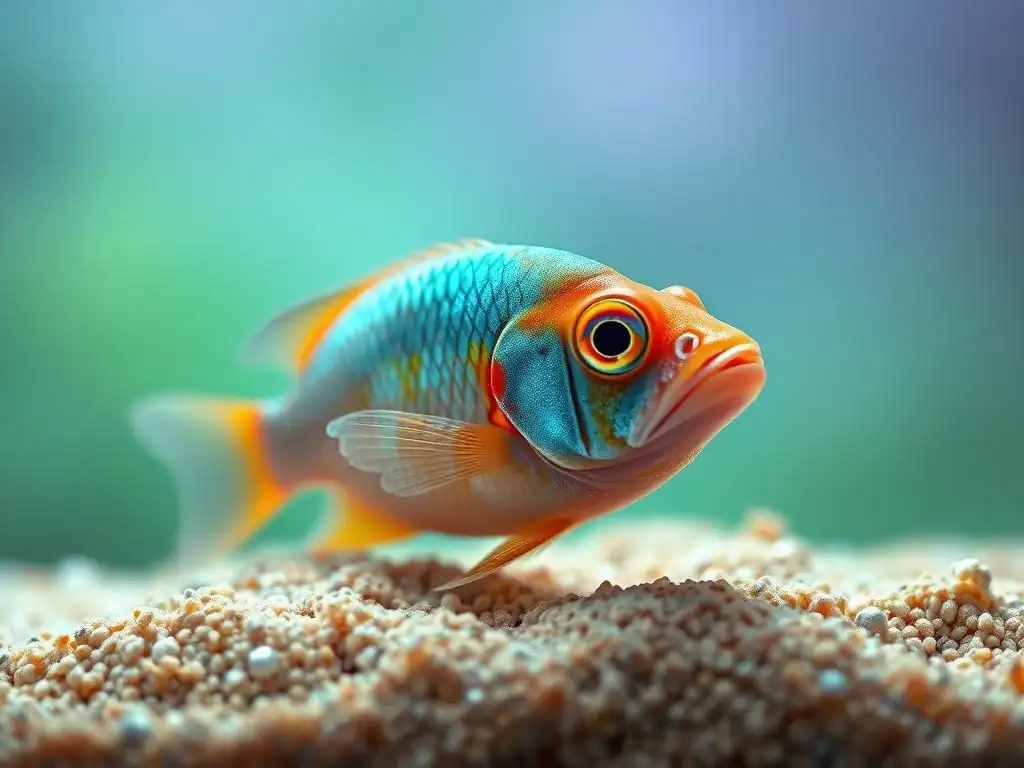
Nutritional deficiencies can significantly weaken dwarf cichlids, making them more susceptible to disease and stress, ultimately contributing to sudden dwarf cichlid death. A balanced diet is crucial for maintaining a strong immune system, vibrant coloration, and proper organ function. If a fish consistently lacks essential vitamins, minerals, proteins, or fats, its overall health will decline over time, even if it appears to be eating. This gradual weakening can make them vulnerable to conditions that a well-nourished fish would easily overcome, leading to an unexpected demise.
Recognizing the signs of malnutrition and providing appropriate food choices are vital steps in preventing this often-overlooked cause of dwarf cichlid mortality. Many commercially available flake foods are adequate, but relying solely on one type of food can lead to deficiencies. A varied diet that mimics their natural intake is essential for their long-term vitality and resilience against stressors that could otherwise trigger sudden death.
Importance of a Balanced Diet for Dwarf Cichlids
A balanced and varied diet is paramount for the long-term health and vitality of dwarf cichlids, directly impacting their ability to resist disease and sudden dwarf cichlid death. In their natural habitats, these fish consume a diverse array of small invertebrates, insect larvae, and detritus, providing them with a broad spectrum of nutrients. In captivity, replicating this diversity is crucial.
A diet consisting solely of dry flakes, for example, may lack essential fatty acids, specific vitamins (like Vitamin C for immune function), or certain amino acids necessary for proper growth and development. This deficiency can lead to organ damage, weakened immunity, and susceptibility to infections.
For example, a diet primarily composed of low-quality flakes might lead to a dwarf cichlid developing a vitamin A deficiency, impacting vision and overall vitality, or a protein deficiency that stunts growth and muscle development. Such nutritional imbalances don't cause immediate sudden death but progressively weaken the fish, making it highly vulnerable to any external stressor or opportunistic pathogen. A well-nourished fish, on the other hand, has the metabolic reserves and robust immune system to fight off minor infections and cope with temporary environmental fluctuations, significantly reducing the risk of unexpected dwarf cichlid mortality.
Recognizing Signs of Malnutrition in Dwarf Cichlids
Recognizing the signs of malnutrition in dwarf cichlids can be challenging, as symptoms often overlap with those of disease or stress, but certain indicators point towards dietary deficiencies. One of the most common signs is emaciation or "wasting away," where the fish appears thin or hollow-bellied despite eating. This suggests that the food being consumed is not providing adequate nutrients or is not being properly assimilated. For instance, a Kribensis cichlid that consistently looks sunken in the stomach area, even after feeding, might be suffering from a chronic lack of sufficient protein or fat in its diet.
Other signs include faded or dull coloration (when the fish is not stressed or ill), stunted growth compared to age-matched tank mates, and general lethargy or lack of vigor. A dwarf cichlid that is malnourished may also exhibit fin erosion (not related to fin rot), poor reproductive success, or abnormal swimming patterns.
While these symptoms are not direct causes of sudden dwarf cichlid death, they indicate a severely compromised fish that is highly susceptible to any minor stressor or opportunistic pathogen, leading to a sudden collapse. Early identification of these signs allows for dietary adjustments that can reverse the decline and improve the fish's resilience.
Proper Feeding Techniques and Food Choices
Proper feeding techniques and a diverse selection of high-quality foods are fundamental to preventing nutritional deficiencies and bolstering dwarf cichlid health against sudden death. Overfeeding should be avoided, as it pollutes the water and can lead to digestive issues. Instead, offer small amounts of food multiple times a day that the fish can consume within 2-3 minutes. For example, feeding a small pinch of flakes in the morning, followed by a few frozen bloodworms in the afternoon, and then another small portion of high-quality pellets in the evening ensures constant nutrient availability without excess waste.
Regarding food choices, a varied diet is crucial. This should include high-quality flakes or pellets as a staple, supplemented with a range of frozen and live foods.
- Frozen foods: Bloodworms, brine shrimp, daphnia, and mysis shrimp are excellent sources of protein and essential fatty acids. These mimic natural prey items and are highly palatable.
- Live foods: Cultured daphnia, brine shrimp, or microworms can provide superior nutritional value and stimulate natural hunting behaviors, though care must be taken to ensure they are pathogen-free.
- Vegetable matter: Some dwarf cichlids, like Kribensis, appreciate some vegetable matter; spirulina flakes or blanched zucchini can be offered occasionally.
By offering a diverse diet, aquarists can ensure their dwarf cichlids receive all necessary nutrients, strengthening their immune system and significantly reducing their vulnerability to stress and sudden dwarf cichlid death.
The Role of Genetics and Inbreeding
Genetics and inbreeding play a substantial, though often unseen, role in the susceptibility of dwarf cichlids to sudden death. Many popular dwarf cichlid species, particularly those with highly sought-after color morphs like certain German Blue Rams or Apistogramma varieties, have undergone extensive selective breeding over generations. While this breeding has produced visually stunning fish, it often comes at the cost of genetic diversity and overall hardiness. Fish from highly inbred lines can have inherent weaknesses that make them more prone to disease, stress, and reduced lifespans, even under optimal conditions.
Understanding the potential genetic predispositions and the impact of inbreeding is crucial when sourcing dwarf cichlids. While individual aquarists cannot directly alter a fish's genetic makeup, being aware of these factors can influence purchasing decisions and help explain seemingly inexplicable cases of sudden dwarf cichlid death in otherwise well-maintained tanks.
Genetic Predisposition to Certain Diseases
Genetic predisposition means that certain lines or populations of dwarf cichlids may inherently be more susceptible to specific diseases or general fragility due to their genetic makeup. This is particularly evident in highly line-bred species such as the German Blue Ram, which is known for its delicate nature compared to its wild counterparts or hardier cichlid species.
While wild German Blue Rams are robust, many captive-bred strains have been bred for exaggerated colors or finnage, often at the expense of immune system strength and overall resilience. These fish may carry genes that make them inherently less able to mount a strong immune response against common pathogens like Ich or bacterial infections.
For example, a genetically predisposed German Blue Ram might succumb to a mild Ich outbreak that a wild-caught Bolivian Ram would easily shake off. This inherent weakness means that even under seemingly ideal water parameters and low-stress environments, such fish may suddenly succumb to an illness that a hardier fish would survive. This genetic vulnerability is a significant factor in unexpected dwarf cichlid mortality, highlighting the importance of sourcing fish from reputable breeders who prioritize health and genetic diversity over purely aesthetic traits.
The Impact of Inbreeding on Dwarf Cichlid Lifespan
Inbreeding, the practice of breeding closely related individuals, significantly reduces genetic diversity within a population, leading to a phenomenon known as "inbreeding depression." This depression manifests as a reduction in fitness, vitality, and overall health, directly impacting the lifespan of dwarf cichlids. As generations of close relatives are bred, harmful recessive genes that might otherwise be masked by dominant, healthy genes become expressed. This can lead to a host of problems, including weakened immune systems, increased susceptibility to stress, reduced fertility, stunted growth, and various physical deformities.
For instance, a line of Kribensis cichlids that has been heavily inbred for several generations might exhibit consistently shorter lifespans (e.g., 1-2 years instead of the typical 3-5 years) even with perfect care. They may also be disproportionately affected by minor water quality fluctuations or show heightened susceptibility to common bacterial infections that their outbred counterparts easily resist.
This reduced vitality means that they have fewer reserves to cope with any stressor, making them more prone to sudden dwarf cichlid death when faced with even a minor challenge. Reputable breeders actively work to maintain genetic diversity by introducing new bloodlines, thereby mitigating the negative impacts of inbreeding on their stock.
Diagnosing the Cause of Dwarf Cichlid Sudden Death: A Step-by-Step Approach
When a dwarf cichlid dies suddenly, a systematic approach is essential to determine the cause and prevent further losses. This immediate investigation can provide crucial clues that help identify underlying issues, whether they are related to water quality, disease, or environmental stressors. Acting quickly to gather information is key, as conditions can change rapidly in an aquarium.
Water Testing: Identifying Water Quality Issues
The very first step after a sudden dwarf cichlid death should always be comprehensive water testing. Water quality issues are among the most common and immediate causes of rapid fish mortality. Use a reliable liquid test kit (not test strips, which can be inaccurate) to check the following parameters:
- Ammonia (NH₃/NH₄⁺): Check for any trace of ammonia. Even 0.25 ppm can be lethal to sensitive dwarf cichlids.
- Nitrite (NO₂⁻): Look for any presence of nitrite. Like ammonia, it should ideally be 0 ppm.
- Nitrate (NO₃⁻): While less acutely toxic, a sudden spike or chronically high levels (above 20-40 ppm) can indicate underlying issues or chronic stress.
- pH: Check if the pH is stable and within the recommended range for your specific dwarf cichlid species (e.g., 6.0-7.5). Look for any sudden shifts from previous readings.
- Temperature: Ensure the temperature is stable and within the appropriate range (e.g., 76-82°F for most dwarf cichlids) and that there hasn't been a significant fluctuation.
- GH (General Hardness) and KH (Carbonate Hardness): Check these parameters, as they affect pH stability and overall water chemistry. Rapid drops in KH can lead to pH crashes.
If any of these parameters are off, particularly ammonia or nitrite, it indicates an immediate need for a large water change (e.g., 50-75%) and an assessment of your filtration and cycling processes. This rapid response is critical to prevent further dwarf cichlid sudden death in the tank.
Observing Symptoms Before Death: Clues to Underlying Problems
Even in cases of "sudden" dwarf cichlid death, there are often subtle behavioral or physical changes that might have occurred hours or a day prior, but were perhaps overlooked. Carefully recalling or observing other fish in the tank for similar, nascent symptoms can provide invaluable clues to the underlying problem. While a fish might appear healthy, a closer look could reveal early signs of distress.
Consider these observations:
- Behavioral changes: Was the fish hiding more than usual? Was it lethargic, sitting on the bottom, or clamped fins? Was it gasping at the surface or rubbing against decor (flashing)? Did it lose its appetite? Erratic swimming, darting, or spiraling are also severe signs of distress.
- Physical changes: Were there any visible spots (white, fuzzy, red), lesions, frayed fins, or bloating? Was its coloration faded or unusually dark? Were the gills inflamed or pale? Even a slight cloudiness in the eyes or a film on the body can indicate an issue.
- Social dynamics: Was the fish being bullied by tank mates? Was it unable to compete for food? Chronic stress from aggression can weaken a fish significantly before a sudden dwarf cichlid death.
Documenting these observations, even if they seem minor at the time, can help narrow down the potential causes, whether it's a rapidly progressing disease, a water quality issue, or severe stress. If other fish are showing similar signs, it strongly suggests a widespread tank problem.
Post-Mortem Examination: What to Look For
While unpleasant, a brief post-mortem examination of a dwarf cichlid that died suddenly can yield critical insights into the cause, especially if water parameters appear normal and no obvious symptoms were observed. This examination doesn't require specialized tools, just careful observation.
- External Examination:
- Body condition: Is the fish emaciated (thin) or bloated? Bloating can indicate internal bacterial infections, dropsy, or organ failure.
- Fins: Are the fins clamped, frayed, or show signs of fin rot?
- Skin and scales: Are there any visible spots (white, black, red), lesions, ulcers, or patches of fungus-like growth (e.g., Columnaris)? Are the scales raised (pineconing, indicative of dropsy)?
- Eyes: Are they clear or cloudy? Are they sunken or bulging?
- Gills: Gently lift the gill plate.
- Color: Healthy gills are typically bright red or pink. Pale gills can indicate anemia, ammonia/nitrite poisoning, or severe stress. Dark red, inflamed, or necrotic (decaying) gills point towards severe ammonia/nitrite poisoning or specific bacterial infections.
- Mucus: Excessive mucus on the gills can indicate irritation from toxins or parasites.
- Vent/Anus: Is it inflamed or protruding? This could suggest internal parasites or bacterial infections.
While a definitive diagnosis often requires laboratory analysis, these simple observations can help differentiate between acute poisoning (gills), bacterial infections (bloating, lesions), and parasitic infestations (spots, flashing). For instance, if the gills are severely burned and pale, and water tests show ammonia, it strongly points to ammonia poisoning as the cause of the sudden dwarf cichlid death.
Preventing Sudden Death in Dwarf Cichlids: Best Practices
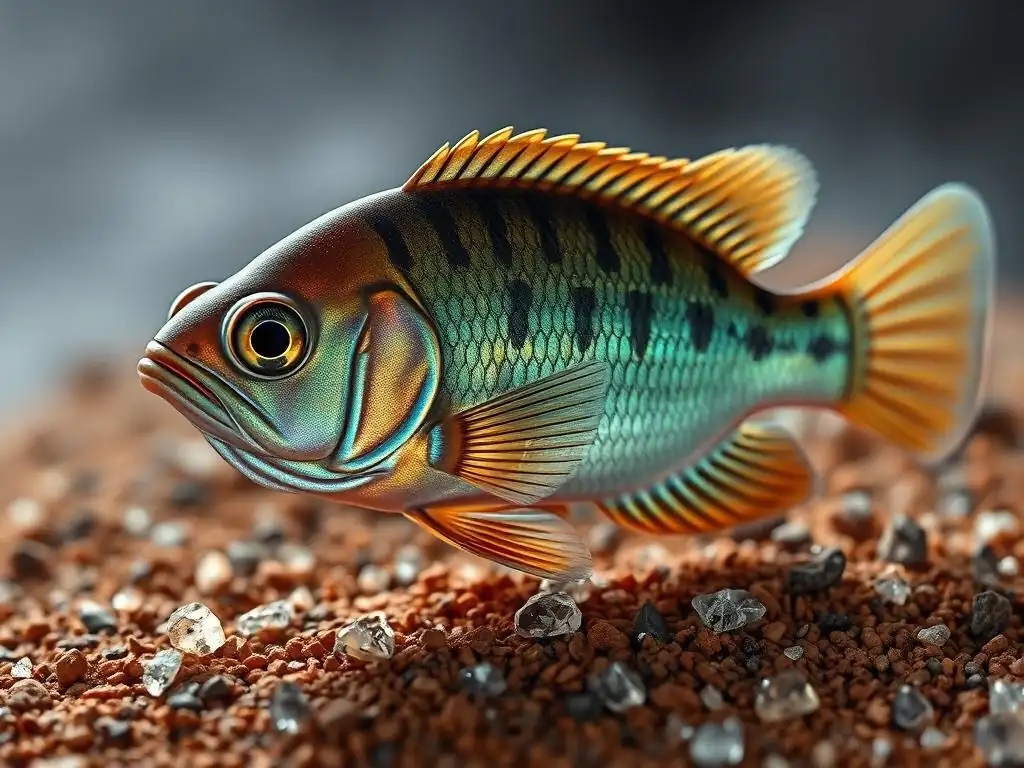
Preventing sudden dwarf cichlid death requires a proactive and consistent approach to aquarium husbandry. It's not about reacting to problems but establishing an environment where these sensitive fish can thrive. By focusing on fundamental best practices, aquarists can significantly reduce the risk of unexpected mortality and ensure the long-term health and longevity of their dwarf cichlids.
Maintaining Optimal Water Parameters for Dwarf Cichlids
Maintaining optimal and stable water parameters is the cornerstone of preventing sudden dwarf cichlid death. This means consistent monitoring and proactive adjustments, rather than reactive measures after problems arise.
- Regular Water Testing: Test ammonia, nitrite, nitrate, pH, and temperature at least weekly. For new tanks or after adding new fish, daily testing is advisable. Keep a log of your readings to track trends.
- Consistent Water Changes: Perform regular partial water changes (e.g., 25-30% weekly) to dilute nitrates and replenish essential minerals. Always use dechlorinated water that is temperature-matched to the tank.
- Stable pH and Hardness: Understand the preferred pH, GH, and KH for your specific dwarf cichlid species. Use appropriate buffering agents (like crushed coral for higher pH/GH) or pH-lowering methods (like driftwood, peat, or RO water for lower pH/GH) if necessary, but aim for stability over a specific number. Avoid drastic pH swings by ensuring adequate KH (carbonate hardness), which acts as a buffer.
- Temperature Stability: Use a reliable heater and thermometer. Avoid large temperature fluctuations, which can stress fish. Most dwarf cichlids thrive in stable temperatures between 76-82°F (24-28°C).
By diligently adhering to these practices, aquarists can provide a consistent and healthy aquatic environment, significantly reducing the likelihood of water quality-related sudden dwarf cichlid death.
Selecting Healthy Dwarf Cichlids from Reputable Sources
The health of your dwarf cichlids begins even before they enter your tank. Selecting healthy specimens from reputable sources is a critical preventative measure against sudden death and the introduction of diseases.
- Reputable Retailers/Breeders: Purchase fish from stores or breeders with clean tanks, knowledgeable staff, and a good reputation. Avoid stores with multiple sick or dead fish in their tanks, as this suggests poor husbandry or widespread disease.
- Observe Fish Before Purchase: Spend time observing the fish you intend to buy. Look for:
- Active and alert behavior: Fish should be swimming normally, not clamped, gasping, or hiding excessively.
- Clear eyes and vibrant colors: Dull colors can indicate stress or illness.
- Intact fins: No tears, nips, or signs of fin rot.
- Healthy body shape: No signs of emaciation (sunken belly) or bloating.
- Clean gill plates: Gills should not be inflamed or excessively rapid in movement.
- Absence of visible spots or lesions: No white spots (Ich), fuzzy patches (fungus/Columnaris), or red streaks.
- Ask Questions: Inquire about the fish's origin, diet, and the water parameters in the store's tanks. A good retailer will be transparent and helpful.
Choosing healthy fish from the outset significantly reduces the risk of bringing weakened or diseased specimens into your aquarium, thereby lowering the chances of unexpected dwarf cichlid mortality.
Implementing a Regular Quarantine Protocol
Implementing a regular and strict quarantine protocol is one of the most effective strategies for preventing disease outbreaks and subsequent sudden dwarf cichlid death in your main display tank. A dedicated quarantine tank allows new fish to be isolated, observed, and treated without risking the health of established inhabitants.
- Set up a Quarantine Tank: This can be a simple 10-20 gallon tank with a heater, sponge filter, and a few PVC pipes or plastic plants for hiding. Avoid substrate or elaborate decor to make cleaning easier.
- Quarantine All New Fish: Every new fish, regardless of its apparent health, should undergo a quarantine period of at least 2-4 weeks. This allows time for latent diseases to manifest.
- Monitor and Treat: During quarantine, observe the fish daily for any signs of illness (e.g., Ich, fin rot, lethargy, loss of appetite). If symptoms appear, treat the fish in the quarantine tank. This prevents medication from affecting your main tank's beneficial bacteria or plants.
- Acclimation: Use drip acclimation when transferring new fish to the quarantine tank and again when moving them to the main tank to minimize stress from water parameter changes.
By strictly adhering to a quarantine protocol, you create a buffer zone that protects your main aquarium from potential pathogens, drastically reducing the risk of a widespread disease outbreak leading to sudden dwarf cichlid death.
Providing a Stress-Free Environment
Creating and maintaining a stress-free environment is paramount for the long-term health and longevity of dwarf cichlids, directly preventing stress-induced sudden death. Chronic stress compromises the immune system, making fish vulnerable to disease and other issues.
- Appropriate Tank Size and Aquascaping: Ensure the tank is adequately sized for your dwarf cichlid species and their tank mates. Provide plenty of hiding spots (caves, driftwood, dense planting) where fish can retreat if feeling threatened or during spawning. For instance, a 20-gallon long tank with multiple caves and visual breaks is far less stressful for a pair of Apistogrammas than a bare 10-gallon tank.
- Compatible Tank Mates: Research and select tank mates carefully. Avoid aggressive or overly boisterous species that might harass dwarf cichlids. Opt for peaceful, mid-water schooling fish that won't compete for territories or nip fins.
- Stable Environment: Avoid sudden loud noises, bright lights, or rapid movements outside the tank. Keep a consistent day/night cycle.
- Minimize Handling and Disturbances: Only net fish when absolutely necessary. Avoid frequent re-arranging of decor, which can disrupt territories and cause stress.
- Adequate Feeding Schedule: Ensure all fish get enough food without competition. Feed small amounts multiple times a day if necessary.
A calm, stable, and well-structured environment allows dwarf cichlids to exhibit natural behaviors, reduces their stress levels, strengthens their immune systems, and significantly lowers the risk of unexpected dwarf cichlid mortality.
Ensuring Proper Nutrition and Feeding Habits
Ensuring proper nutrition and adopting sound feeding habits are crucial for maintaining the vitality and resilience of dwarf cichlids, thereby preventing sudden death caused by deficiencies or weakened immunity. A well-fed fish is better equipped to fight off disease and cope with environmental stressors.
- Varied Diet: Do not rely on a single type of food. Offer a diverse diet that includes high-quality flakes or pellets, supplemented with frozen foods (e.g., bloodworms, brine shrimp, daphnia, mysis shrimp) and occasional live foods (e.g., daphnia, microworms). This provides a comprehensive range of vitamins, minerals, proteins, and fats.
- High-Quality Foods: Invest in reputable brands that use quality ingredients. Avoid cheap, filler-heavy foods that offer little nutritional value.
- Appropriate Portion Sizes: Feed small amounts that your dwarf cichlids can consume within 2-3 minutes, 1-2 times per day. Overfeeding leads to water pollution and can cause digestive issues. For example, a common mistake is feeding too much at once, leading to uneaten food decaying and spiking ammonia.
- Target Feeding: For shy or subdominant fish, ensure they are getting enough food. You might need to use a turkey baster to deliver food directly to their hiding spots.
- Soaking Dry Foods: Soaking dry flakes or pellets in tank water or a vitamin supplement for a few minutes before feeding can aid digestion and prevent issues like swim bladder problems from gas expansion.
By consistently providing a balanced and varied diet through proper feeding techniques, aquarists can ensure their dwarf cichlids are strong, healthy, and resilient, significantly reducing their susceptibility to sudden dwarf cichlid death.
Case Studies: Examples of Dwarf Cichlid Sudden Death and Prevention
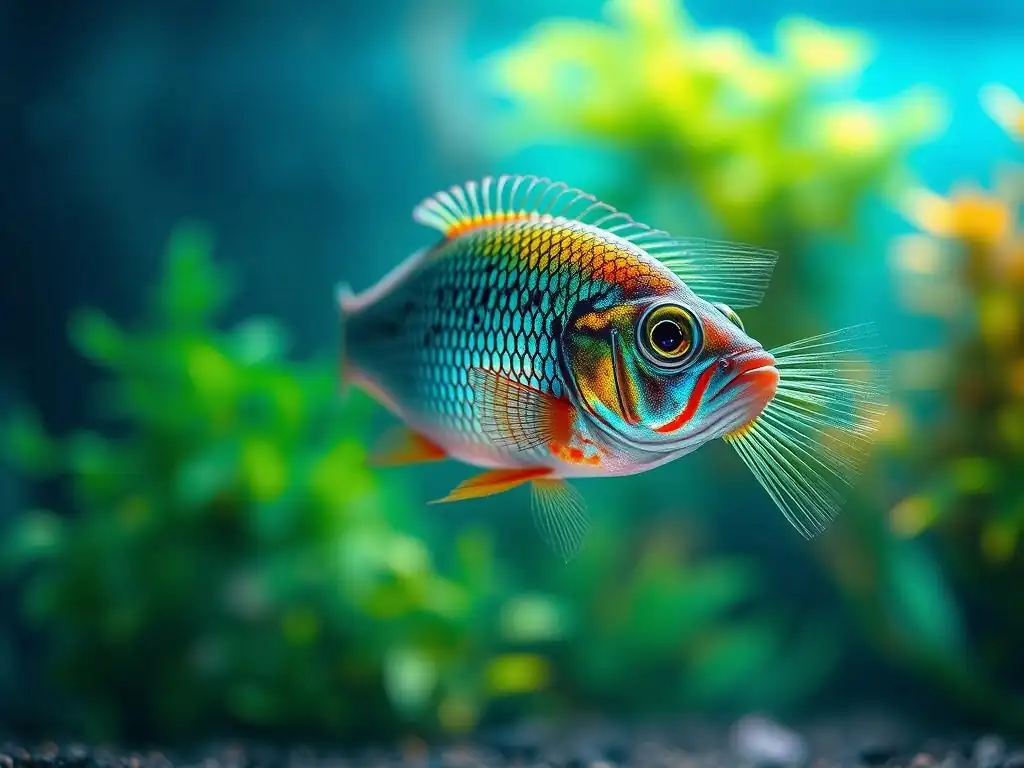
Understanding real-world scenarios can help illustrate how various factors contribute to sudden dwarf cichlid death and how preventative measures can save lives. These case studies highlight common pitfalls and effective solutions.
Case Study 1: Poorly Cycled Tank Leads to Ammonia Spike and Fish Loss
Scenario: A novice aquarist sets up a new 20-gallon tank and, eager to add fish, adds a pair of beautiful German Blue Rams just three days after filling it with water and turning on the filter. They were advised by a friend that "the filter will cycle itself with fish in it." Within 48 hours, both Rams become lethargic, gasp at the surface, and then are found dead the next morning. The aquarist is devastated by the sudden dwarf cichlid death.
Investigation: Water tests performed after the fish deaths reveal ammonia levels exceeding 2.0 ppm and nitrite levels around 1.0 ppm. The pH had also dropped slightly, likely due to the high concentration of nitrogenous waste. The filter media showed no signs of established beneficial bacteria.
Analysis: The tank was not properly cycled, meaning the beneficial bacteria necessary to convert toxic ammonia and nitrite into harmless nitrate were not established. The German Blue Rams, being highly sensitive, were immediately exposed to lethal concentrations of ammonia and nitrite produced by their own waste. This acute poisoning caused rapid gill damage and suffocation, leading to sudden dwarf cichlid death.
Prevention: The aquarist should have performed a "fishless cycle" for 4-6 weeks before adding any fish, using an ammonia source to establish the nitrogen cycle. Alternatively, a "fish-in cycle" could have been attempted with extreme caution, involving daily water tests and large (50%+) daily water changes at the first sign of ammonia or nitrite, along with a hardy, less sensitive fish species. For delicate species like German Blue Rams, a fully mature, stable tank is always recommended.
Case Study 2: Columnaris Outbreak Due to Introduction of Unquarantined Fish
Scenario: An experienced aquarist has a thriving 40-gallon community tank with a long-established pair of Apistogramma cacatuoides, several peaceful tetras, and corydoras. After seeing a stunning new male Apistogramma agassizii at a local fish store, they purchase it and introduce it directly into the main tank without quarantine. Within five days, the new male develops white patches around its mouth and quickly succumbs to sudden dwarf cichlid death. Within 48 hours, both original Apistogrammas show similar symptoms, and one dies, followed by a tetra.
Investigation: The symptoms point strongly to Columnaris, a highly contagious and virulent bacterial infection. Water parameters were checked and found to be pristine (0 ammonia, 0 nitrite, 10 ppm nitrate, stable pH 6.8).
Analysis: The new Apistogramma agassizii, likely stressed from transport or already carrying a subclinical infection, introduced a virulent strain of Columnaris into the established tank. Due to the lack of a quarantine period, the pathogen rapidly spread to the susceptible existing dwarf cichlids, which were stressed by the new territorial addition. Columnaris can progress very quickly, especially in stressed fish, leading to rapid tissue necrosis and sudden dwarf cichlid death.
Prevention: A strict 2-4 week quarantine period for all new fish would have prevented this disaster. During quarantine, the new male's Columnaris would have become apparent, allowing for isolated treatment. This would have protected the healthy, established fish in the main tank from the devastating outbreak and prevented the unexpected dwarf cichlid mortality.
Case Study 3: Aggression from Larger Fish Causes Chronic Stress and Weakened Immune System
Scenario: An aquarist adds a beautiful pair of Kribensis cichlids to their 55-gallon community tank, which already houses a few larger, semi-aggressive Cichlids like a Firemouth and a couple of Rainbowfish. While the Kribensis initially seem fine and find hiding spots, over the next two months, they are often seen hiding, their colors appear dull, and they struggle to compete for food during feeding times. One morning, the female Kribensis is found dead, with no obvious physical signs of disease, but her fins are slightly clamped. A week later, the male also dies suddenly.
Investigation: Water parameters are tested and found to be acceptable for the tank (0 ammonia, 0 nitrite, 15 ppm nitrate, pH 7.2). No specific disease symptoms were observed on the deceased fish or remaining tank mates.
Analysis: The larger, semi-aggressive Cichlids and fast-moving Rainbowfish created a chronically stressful environment for the Kribensis. While not physically harmed by direct attacks, the constant intimidation, competition for food, and lack of secure territory led to severe, prolonged stress. This chronic stress suppressed the Kribensis' immune systems, making them vulnerable to opportunistic bacterial infections or simply causing organ failure due to exhaustion. The clamped fins observed on the female were a subtle sign of this chronic distress. The fish essentially "wore out" due to the constant pressure, leading to an unexpected dwarf cichlid mortality.
Prevention: The aquarist should have researched species compatibility more thoroughly. Kribensis, while relatively hardy dwarf cichlids, thrive best with peaceful tank mates or in a species-specific setup. Removing the larger, more aggressive fish or providing a much larger tank (e.g., 75+ gallons) with ample visual barriers and territories would have been necessary to alleviate the stress. In this case, rehoming the Kribensis to a more suitable environment with peaceful tank mates would have prevented their sudden dwarf cichlid death.
Conclusion: Ensuring the Longevity of Your Dwarf Cichlids
The sudden death of a dwarf cichlid can be a disheartening experience, often leaving aquarists puzzled and frustrated. However, by understanding the multifaceted nature of their vulnerabilities—from acute water quality issues and virulent diseases to chronic stress and genetic predispositions—aquarists can significantly reduce the risk of such unexpected losses. Dwarf cichlids, with their captivating behaviors and vibrant colors, are sensitive creatures that demand meticulous care and a stable environment.
Preventing sudden dwarf cichlid death boils down to a commitment to best practices in aquarium husbandry. This includes rigorous adherence to optimal water parameters, consistent maintenance schedules, and the implementation of a strict quarantine protocol for all new inhabitants. Furthermore, providing a stress-free habitat with appropriate tank mates and ample hiding spots, coupled with a diverse and nutritious diet, builds resilience against potential threats. By prioritizing these foundational elements, aquarists can ensure the longevity and thriving health of their dwarf cichlids, transforming the perplexing phenomenon of sudden dwarf cichlid mortality into a rare occurrence.
Frequently Asked Questions
What are the most common causes of sudden death in dwarf cichlids?
Several factors can contribute, including poor water quality, incompatible tank mates causing stress, and underlying, often undetected, diseases. Addressing these quickly is crucial.
How can I prevent sudden death in my dwarf cichlid aquarium?
Maintaining pristine water parameters through regular testing and water changes is paramount. Also, ensure a stress-free environment with appropriate tank mates and hiding places.
What water parameters are crucial to monitor to avoid sudden death?
Specifically, monitor ammonia, nitrite, and nitrate levels, ensuring they are consistently at safe levels. Also, maintain a stable pH suitable for dwarf cichlids.
What are some signs that my dwarf cichlid is stressed and may be susceptible to sudden death?
Signs include loss of appetite, erratic swimming, clamped fins, and hiding excessively. These behaviors indicate a potential problem requiring immediate attention.
What should I do if I suspect my dwarf cichlid is sick and at risk of sudden death?
Immediately isolate the sick fish to prevent the spread of potential diseases. Then, test your water parameters and consider treating the fish with appropriate medication based on its symptoms.
Okay, here's a final reflection tailored for your article "Sudden Death in Dwarf Cichlids: Investigating Potential Causes," optimized for the keyword "Dwarf cichlid sudden death" and following the structure you provided:
Final Reflection: Understanding and Preventing Dwarf Cichlid Loss
The preceding investigation into the causes of dwarf cichlid sudden death underscores a critical reality for aquarists: the delicate balance required to maintain a thriving aquatic ecosystem. While we've explored potential culprits ranging from water parameter fluctuations to internal parasites, the persistent threat of unexplained losses highlights the need for constant vigilance and proactive care in our aquariums. The fight against sudden death is a fight for the well-being of these captivating creatures.
The impact of understanding and preventing dwarf cichlid sudden death extends beyond the individual aquarium. It speaks to our responsibility as stewards of these animals, urging us to move beyond mere ownership and embrace a deeper understanding of their needs. This knowledge empowers us to create environments where they can flourish, contributing to the long-term health and sustainability of the species in captivity. The greatness of a nation and its moral progress can be judged by the way its animals are treated.
- Mahatma Gandhi. This quote resonates deeply when considering the care we provide to our dwarf cichlids.
Ultimately, the insights gained from this exploration are not just about preventing sudden death; they are about fostering life. I encourage you, the reader, to take these lessons to heart, to meticulously monitor your water parameters, to observe your fish closely for signs of distress, and to continuously seek knowledge about their specific needs. By doing so, you not only protect your dwarf cichlids from sudden death but also cultivate a thriving aquatic world, enriching your own life in the process. Let's work together to ensure a brighter future for these beautiful fish.
Thank you for exploring the potential causes of sudden death in dwarf cichlids. We hope this information helps you create a healthier environment for your prized fish! Now, let's put this knowledge into action.
- Immediately test your water parameters (pH, ammonia, nitrite, nitrate) to rule out common water quality issues. This is the most critical step.
- Consider adding a small amount of aquarium salt (consult species-specific recommendations first) to potentially alleviate stress and electrolyte imbalances.
- Share your experiences and questions in online aquarium forums to connect with other dwarf cichlid enthusiasts and gain diverse perspectives.
What specific water parameter are you going to test first, and why do you think it's most relevant to your cichlids?