
Understanding Gourami Social Hierarchies: Who's the Boss in Your Tank?

Welcome to Aquarium Mastery!
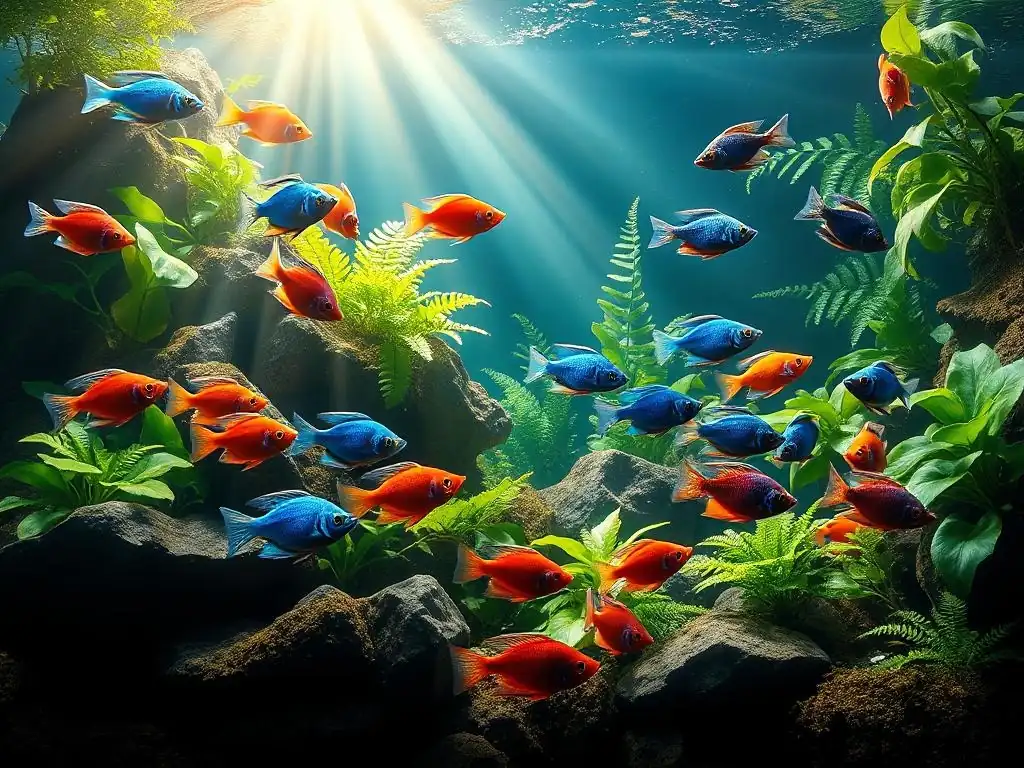
Ever wondered who really rules the roost in your Gourami tank? Dive into "Understanding Gourami Social Hierarchies: Who's the Boss in Your Tank?" and unlock the secrets to a peaceful and thriving aquatic community. Discover the subtle (and not-so-subtle!) cues that reveal the Gourami social hierarchy tank dynamics – and learn how to create a balanced environment where everyone gets along. Curious to know more? Let's explore!
- Introduction to Gourami Social Dynamics in the Aquarium
- Factors Influencing Gourami Social Hierarchy in a Tank
- Establishing a Healthy Gourami Social Structure in Your Aquarium
- Preventing and Addressing Gourami Social Hierarchy Problems
- Gourami Species and Their Typical Social Hierarchies
- Maintaining a Balanced Gourami Tank Environment
- Advanced Tips for Observing and Managing Gourami Social Interactions
- Conclusion: Promoting Harmony in Your Gourami Aquarium
-
Frequently Asked Questions
- How does a Gourami social hierarchy typically manifest in a tank?
- What are the key signs of a problematic Gourami social hierarchy situation?
- What tank setup considerations can help mitigate aggression in a Gourami community?
- How many Gouramis is ideal to keep together in a tank to promote a stable social hierarchy?
- What steps can I take if a Gourami is being relentlessly bullied in my tank?
- Final Reflection: Decoding the Gourami Dance of Dominance
- Empower Your Gourami Paradise Now!
Identifying Dominant Gourami Traits
In any Gourami social hierarchy tank, dominant individuals often exhibit distinct physical and behavioral characteristics. Physically, a dominant Gourami, typically a male, will display brighter, more vibrant coloration, particularly during breeding or territorial disputes. Their fins may appear fully extended and erect, and they might appear larger or more robust than their tank mates, even if they are of similar age. For instance, a dominant male Dwarf Gourami might constantly flare its gills and spread its ventral fins to assert its presence, claiming the central or upper regions of the aquarium.
Behaviorally, dominant Gouramis actively defend their chosen territories, which can be a specific plant cluster, a piece of driftwood, or even a particular corner of the tank. They will initiate chases, nip at the fins of subordinates, or block access to food.
A dominant Pearl Gourami male, for example, might consistently patrol a 12-inch radius around its preferred spawning bubble nest site, aggressively shooing away any other fish that venture too close. They often monopolize feeding areas, ensuring they get the first and often largest share of food, a key factor in maintaining their position within the Gourami social hierarchy tank.
Recognizing Submissive Gourami Behavior
Conversely, submissive Gouramis display clear signs of stress and subjugation within the Gourami social hierarchy tank. Physically, their colors often appear faded or dull, a stark contrast to the vibrant hues of a dominant individual. Their fins might be clamped close to their body, and they may exhibit stress stripes, particularly noticeable in species like the Three Spot Gourami. These fish tend to appear smaller and less robust, often darting away quickly when approached by a dominant tank mate.
Behaviorally, submissive Gouramis spend most of their time hiding among dense plants, behind filters, or tucked away in corners of the tank. They avoid open spaces and will often appear hesitant to feed, only venturing out when the dominant fish is preoccupied or when food has drifted to a secluded spot. If a dominant Gourami approaches, a submissive one will typically retreat rapidly, sometimes even "playing dead" by lying motionless on the substrate for a brief period. This constant state of vigilance and fear can lead to chronic stress, impacting their long-term health in the Gourami social hierarchy tank.
While all Gouramis establish some form of social hierarchy, the intensity and nature of these interactions vary significantly between species. Some species are notoriously more aggressive and territorial, while others are relatively peaceful and can be kept in groups. Understanding these species-specific nuances is crucial for successfully managing a Gourami social hierarchy tank.
For instance, Dwarf Gouramis (Colisa lalia) are known for their strong male-on-male aggression. In tanks smaller than 40 gallons, keeping more than one male Dwarf Gourami is often ill-advised, as the dominant male will relentlessly bully the subordinate, frequently leading to stress-related illness or death. In contrast, Pearl Gouramis (Trichopodus leerii) are among the most peaceful Gourami species, often thriving in small groups of three to five individuals in a 40-gallon or larger Gourami social hierarchy tank.
While a gentle pecking order may exist, overt aggression is rare, and males typically engage in display rather than direct combat. Three Spot Gouramis (Trichopodus trichopterus), including their Blue, Gold, and Opaline variations, are more assertive than Pearls and can be quite territorial, particularly males.
A single male in a tank under 75 gallons is often recommended, as they establish a very strict hierarchy and can be aggressive towards other Gouramis or similar-looking fish. Kissing Gouramis (Helostoma temminckii), while large, are generally peaceful but use their distinctive "kissing" behavior as a non-harmful dominance display, allowing them to establish a Gourami social hierarchy tank dynamic through ritualized combat.
Tank Size and its Impact on Gourami Dominance
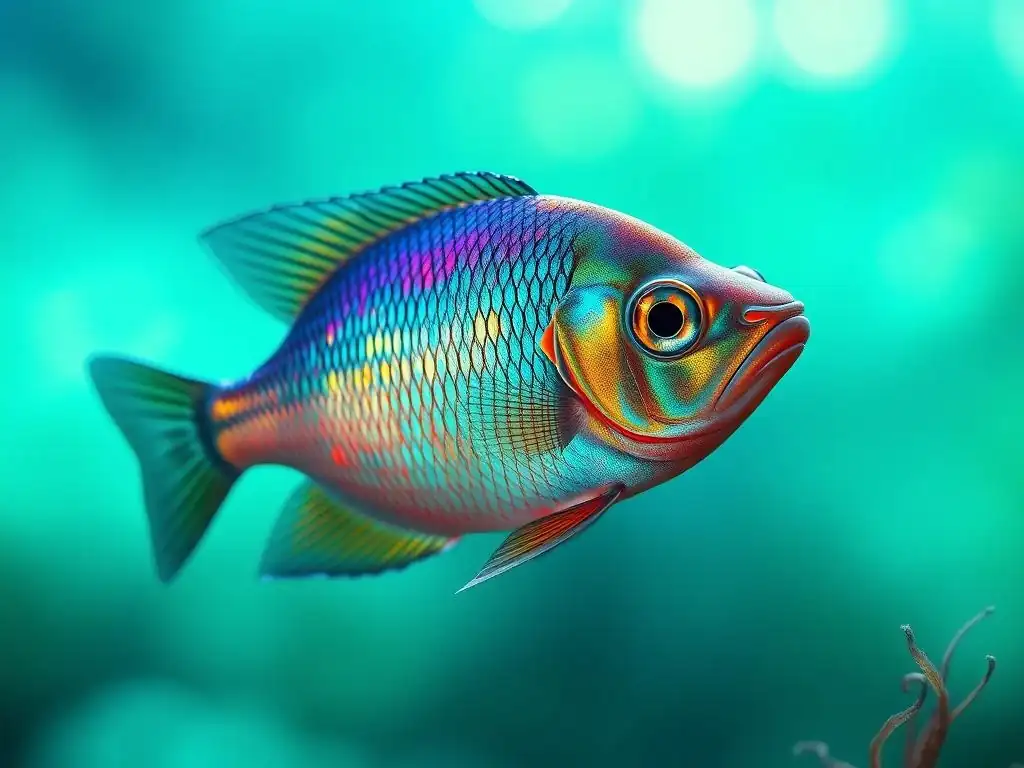
The physical dimensions of an aquarium play a pivotal role in shaping the Gourami social hierarchy. A larger tank provides more space for individual territories and allows subordinate fish ample room to escape from aggressive dominant individuals. For example, housing a single male Dwarf Gourami in a 20-gallon tank is often manageable, but introducing a second male into the same tank size will almost certainly result in intense aggression and bullying, as the confined space forces constant interaction and competition.
Conversely, in a spacious 75-gallon Gourami social hierarchy tank, a small group of Pearl Gouramis (e.g., one male and two females) can coexist peacefully, as the increased area allows for multiple distinct territories and reduces direct confrontations. Insufficient tank size intensifies competition for limited resources like food, hiding spots, and breeding areas, leading to more rigid hierarchies and heightened aggression. This can manifest as a single dominant Gourami claiming the majority of the tank, leaving the rest of the fish stressed and confined to small, undesirable areas.
The strategic placement of tank decor significantly influences the Gourami social hierarchy by creating visual barriers and providing essential hiding spots. Dense planting, rock formations, and driftwood can break up sightlines, preventing a dominant Gourami from constantly harassing a subordinate. This allows submissive fish to retreat and feel secure, reducing their stress levels and mitigating aggression in the Gourami social hierarchy tank.
For instance, a heavily planted aquarium with tall background plants like Vallisneria and mid-ground plants like Anubias or Cryptocoryne species can create distinct "rooms" or zones within the tank. A large piece of driftwood positioned centrally can also act as a natural divider.
In such an environment, a dominant Gourami might claim one side of the driftwood, while a submissive one finds refuge and establishes a territory on the other side, minimizing direct encounters and promoting a more stable Gourami social hierarchy. Without adequate decor, the tank becomes an open arena where the dominant fish has free reign to assert its dominance over all other tank inhabitants.
The selection of tank mates can profoundly impact the Gourami social hierarchy, either exacerbating existing aggression or helping to diffuse it. Incompatible tank mates, such as fin-nippers (e.g., certain Barbs) or overly boisterous fish (e.g., some Cichlids), can stress Gouramis, making them more prone to aggression or, conversely, causing them to become overly timid and bullied. Similarly, housing Gouramis with other labyrinth fish like Bettas, despite their shared ancestry, is often problematic due to similar territorial instincts and potential for direct conflict over surface access.
On the other hand, carefully chosen tank mates can contribute to a more balanced Gourami social hierarchy tank. Peaceful, fast-moving schooling fish, often referred to as "dither fish" (e.g., Harlequin Rasboras, Neon Tetras, or Corydoras catfish), can help. These fish provide a sense of security by signaling that the environment is safe, encouraging Gouramis to be more active. More importantly, their constant movement can distract a dominant Gourami, redirecting its focus away from bullying other Gouramis and promoting a more harmonious community dynamic.
Sex Ratios and Their Effect on Gourami Hierarchy
The ratio of male to female Gouramis is a critical factor in managing the Gourami social hierarchy. For many species, particularly those with aggressive males like Dwarf Gouramis or Three Spot Gouramis, housing a single male with multiple females (e.g., 1 male to 2-3 females) is often the most stable arrangement. This setup helps to disperse the male's aggression, as his attention is spread among several females rather than concentrated on a single individual or another male.
Introducing two males of the same species into a Gourami social hierarchy tank that is not exceptionally large (e.g., less than 75 gallons for Three Spot Gouramis) will almost inevitably lead to intense territorial disputes. One male will establish clear dominance, relentlessly bullying the other until it is severely stressed, injured, or even killed. While some species like Pearl Gouramis can tolerate more males in very large, well-decorated tanks, an imbalanced sex ratio, especially an excess of males, is a primary cause of social instability and aggression in a Gourami community.
Choosing the Right Number of Gouramis for Your Tank
Selecting the appropriate number of Gouramis for your specific tank size is paramount to establishing a healthy Gourami social hierarchy. Overstocking, especially with multiple males of territorial species, is a common mistake that leads to aggression and stress. For instance, in a 20-gallon long tank, it is generally recommended to keep only one male Dwarf Gourami. Attempting to house two males in such a confined space will almost always result in one being severely bullied and potentially dying from stress or injury.
For larger, more peaceful species like Pearl Gouramis, a minimum of a 40-gallon tank is advisable for a small group, such as a trio (one male and two females). In a 55-gallon Gourami social hierarchy tank, a group of four to five Pearl Gouramis could potentially thrive, provided there is ample decor and filtration. Always research the specific size and temperament of the Gourami species you intend to keep and err on the side of understocking to allow ample space for territories and escape routes, which significantly contributes to a stable social structure.
Creating a Territory-Rich Environment for Gouramis
A well-designed tank environment, rich in diverse decor, is fundamental for fostering a stable Gourami social hierarchy. Gouramis are naturally territorial and benefit from clearly defined areas they can claim as their own, as well as plenty of hiding spots for submissive individuals. Live plants are especially effective for this purpose. Tall, broad-leafed plants like Amazon Swords (Echinodorus amazonicus), or dense thickets of Java Fern (Microsorum pteropus) and Anubias species, can create visual barriers that break up the line of sight across the tank.
Beyond plants, driftwood, rock formations, and even ceramic caves can serve as crucial territory markers and refuges. For example, arranging two large pieces of driftwood to form a central "cave" or dividing the tank into distinct zones with dense plant clusters allows multiple Gouramis to establish separate domains. This reduces direct confrontations and allows subordinate fish to escape the notice of dominant ones, thereby minimizing stress and promoting a more harmonious Gourami social hierarchy tank.
Managing Aggression in Gourami Communities
Even in a well-planned Gourami social hierarchy tank, some level of aggression can occur, particularly during initial introductions or breeding periods. Proactive measures are key to managing this. When introducing new Gouramis, it's often beneficial to add all Gouramis at the same time, or to add the less aggressive, submissive fish first, allowing them to establish themselves before introducing a potentially dominant individual. Ensuring consistent and adequate feeding also helps reduce food-related aggression, as hungry fish are often more irritable.
If aggression becomes persistent, several reactive strategies can be employed. Rearranging the tank decor significantly can disrupt established territories and force Gouramis to re-evaluate their dominance, often leading to a temporary lull in aggression. Increasing the number of hiding spots, adding more visual barriers, or introducing appropriate dither fish can also help. For instance, a school of 10-15 peaceful Harlequin Rasboras (Trigonostigma heteromorpha) can distract a dominant Gourami, diverting its attention from its tank mates and promoting a more peaceful Gourami social hierarchy.
Recognizing Signs of Excessive Aggression and Bullying
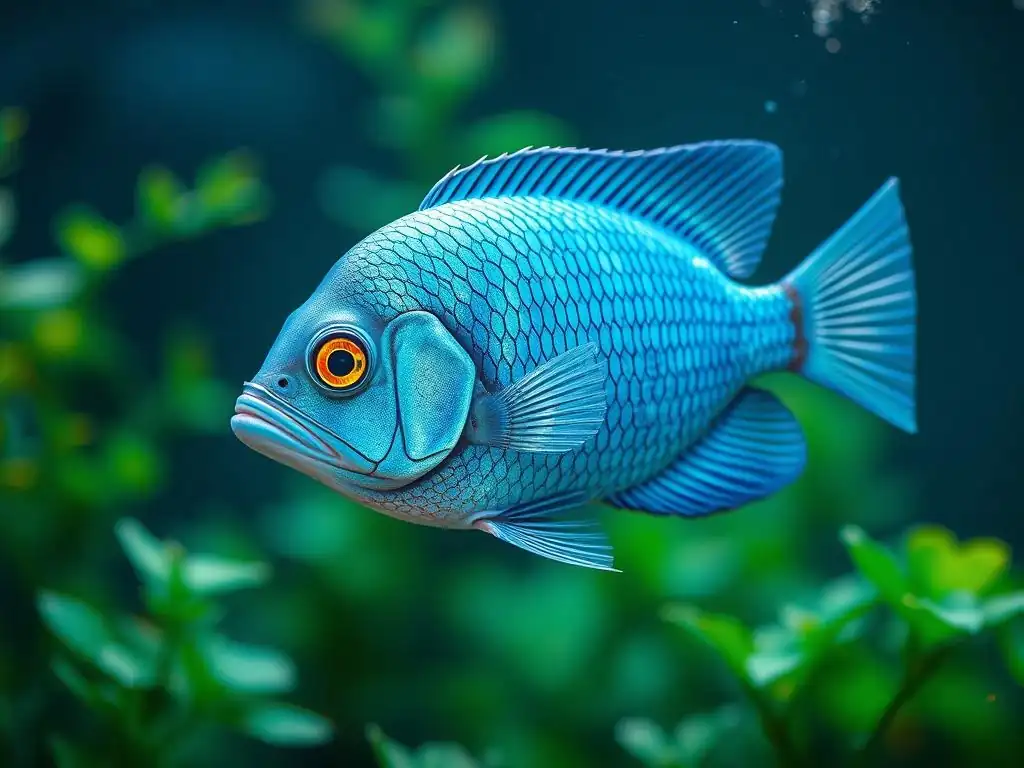
Distinguishing normal Gourami territorial displays from harmful bullying is crucial for maintaining a healthy Gourami social hierarchy tank. While occasional chasing or fin-flaring is common, persistent and intense aggression indicates a problem. Key signs of excessive bullying include constant, relentless chasing of one specific fish, leading to visible stress or physical injury. The bullied Gourami may exhibit clamped fins, dull or faded coloration, and stress stripes.
Furthermore, a bullied fish will often spend most of its time hiding, refusing to come out even for food, or will show signs of fin nipping, torn fins, or other physical wounds. Chronic stress from bullying can severely weaken the Gourami's immune system, making it highly susceptible to diseases like Ich (white spot disease), fin rot, or fungal infections. If a Gourami is regularly hiding, not eating, and showing physical damage, it's a clear indication that the Gourami social hierarchy is severely imbalanced and requires immediate intervention.
Implementing Strategies for Reducing Gourami Stress
Reducing stress is fundamental to resolving Gourami social hierarchy problems and promoting overall wellbeing. Optimal water parameters are the first line of defense: ensure stable temperature (typically 75-82°F or 24-28°C), appropriate pH (6.0-8.0), and low nitrate levels through regular water changes (e.g., 25% weekly). A clean, stable environment significantly minimizes environmental stressors that can exacerbate aggression.
Beyond water quality, providing environmental enrichment can greatly reduce stress. This includes a varied diet of high-quality flakes, pellets, and supplemental live or frozen foods (e.g., brine shrimp, bloodworms) to ensure nutritional completeness and stimulate natural foraging behaviors. Adding floating plants like Water Lettuce or Frogbit provides natural shade and cover, making Gouramis feel more secure and less exposed, thereby contributing to a more relaxed and harmonious Gourami social hierarchy tank.
Separating and Reintroducing Gouramis: When and How
Separation is a necessary intervention when severe, persistent bullying is occurring and other mitigation strategies have failed. If a Gourami is being relentlessly attacked, showing signs of severe stress, injury, or refusal to eat, it should be immediately removed from the main Gourami social hierarchy tank and placed in a separate hospital or quarantine tank. This allows the bullied fish to recover without constant harassment and reduces the stress on the aggressor.
When considering reintroduction, a significant change to the main tank's layout is essential. Rearrange all decor—plants, rocks, driftwood—to disrupt established territories. After a period of separation (e.g., 1-2 weeks for recovery), reintroduce the bullied Gourami first, allowing it several hours or a day to explore and find new hiding spots. Then, reintroduce the aggressor. Sometimes, the Gourami social hierarchy is so entrenched that permanent separation of the aggressive fish or the bullied fish into a different tank is the only long-term solution for the wellbeing of all inhabitants.
Dwarf Gouramis (Colisa lalia) are popular for their vibrant colors and relatively small size, typically reaching about 2.5 inches. While often marketed as peaceful, male Dwarf Gouramis are notoriously territorial, especially towards other males of their own species or similar-looking fish. In a Gourami social hierarchy tank, a single male will often establish dominance over a significant portion of the aquarium, particularly the upper and middle water columns where they prefer to build bubble nests.
Keeping more than one male Dwarf Gourami in tanks smaller than 40 gallons is highly discouraged due to the high likelihood of severe male-on-male aggression. The dominant male will relentlessly chase, nip, and stress the subordinate, often leading to illness, injury, or death. If keeping Dwarf Gouramis, a male-female pair in a 20-30 gallon tank, or a single male in a community setting, is the most successful approach to maintain a stable Gourami social hierarchy.
Pearl Gourami: Understanding Their Hierarchy Dynamics
Pearl Gouramis (Trichopodus leerii), growing to about 4-5 inches, are widely regarded as one of the most peaceful and community-friendly Gourami species. While they do establish a Gourami social hierarchy, it is typically very mild and non-aggressive, especially when compared to their more boisterous relatives. Males may occasionally display to each other, flaring their fins and showing off their enhanced coloration, but serious fighting is rare.
These Gouramis thrive in small groups (e.g., 3-5 individuals) in a 40-gallon or larger Gourami social hierarchy tank, provided there is ample space and plenty of hiding spots. A slight male bias (e.g., 1 male to 2-3 females) can often lead to a natural, gentle pecking order where individuals respectfully coexist. Their calm demeanor and beautiful appearance make them an excellent choice for aquarists seeking a peaceful Gourami species that exhibits subtle, rather than aggressive, social interactions.
Three Spot Gouramis (Trichopodus trichopterus), including their popular Blue, Gold, and Opaline color morphs, are larger Gouramis, reaching up to 6 inches in length. They are significantly more assertive and territorial than Pearl Gouramis, and their social hierarchy can be quite pronounced. Males, in particular, are prone to aggression towards other males and even females if the tank is too small or lacks sufficient hiding places.
In a Gourami social hierarchy tank, a dominant Three Spot Gourami will claim a large territory and actively defend it, often chasing away any other fish that intrude. Keeping more than one male in a tank under 75 gallons is generally not recommended, as it can lead to constant bullying and stress for the subordinate. Their "three spots" are visually striking, but their robust nature means they require careful consideration of tank size and tank mates to prevent social conflicts and maintain a balanced community.
Kissing Gouramis (Helostoma temminckii) are unique among Gouramis for their distinctive "kissing" behavior, which is not an act of affection but rather a ritualized display of dominance and a way to establish their Gourami social hierarchy. These fish can grow quite large, reaching up to 12 inches in length, and require substantial aquarium space. While generally considered peaceful, they can become territorial as they mature, especially towards their own kind or fish with similar body shapes.
In a group setting, Kissing Gouramis will engage in mouth-to-mouth "kissing" battles, pushing against each other to establish dominance without causing significant physical harm. This allows them to sort out their pecking order in a relatively benign manner. For a group, a tank of 100 gallons or more is recommended to provide ample space for their size and social interactions. Despite their large size, their unique social dynamic makes them an interesting, albeit space-demanding, addition to a Gourami social hierarchy tank.
Maintaining a Balanced Gourami Tank Environment
Optimizing Water Parameters for Gourami Wellbeing
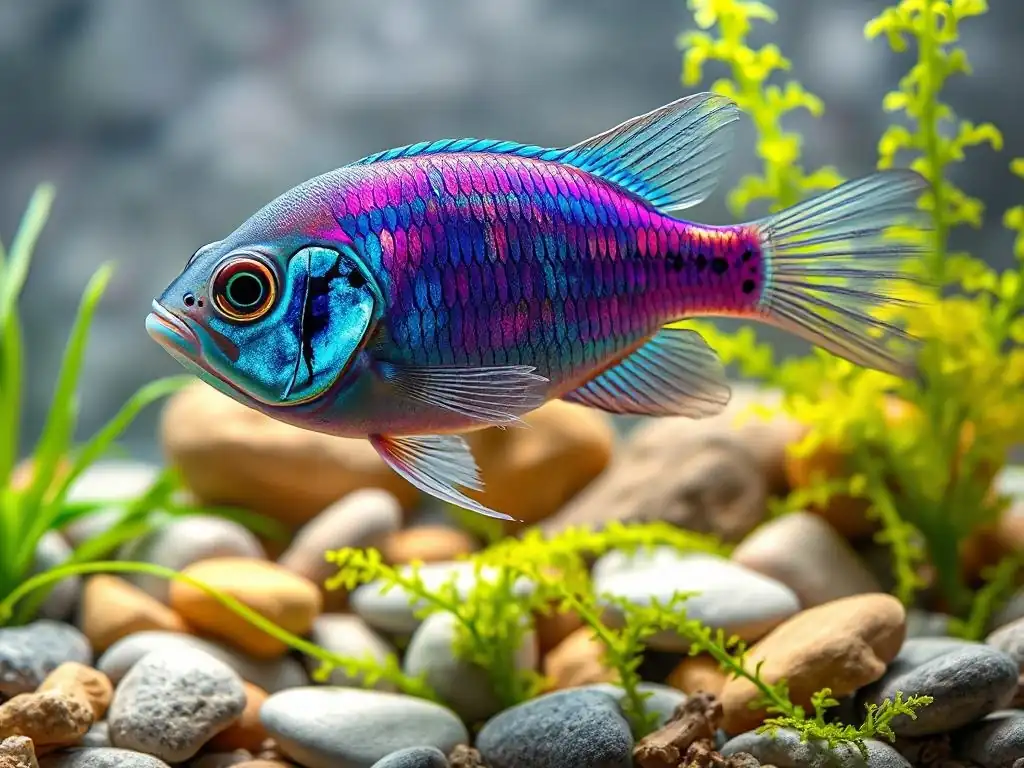
Maintaining optimal and stable water parameters is crucial for the overall health and behavioral stability of Gouramis, directly impacting the Gourami social hierarchy. Gouramis generally thrive in slightly acidic to neutral water with a pH range of 6.0-8.0, and soft to moderately hard water (GH 5-15 dGH). The ideal temperature range for most Gourami species is between 75-82°F (24-28°C). Fluctuations in these parameters can cause significant stress, leading to weakened immune systems and increased aggression or timidity.
Regular water changes, typically 25% weekly, are essential to keep nitrate levels low and maintain pristine water quality. High levels of ammonia, nitrite, or nitrate are potent stressors that can trigger aggressive behavior in dominant Gouramis or cause severe stress and illness in submissive ones. A consistent and well-maintained aquatic environment is a cornerstone for a peaceful and thriving Gourami social hierarchy tank.
Providing Adequate Filtration and Oxygenation
Robust filtration is indispensable for a healthy Gourami social hierarchy tank. A good filter system provides mechanical filtration to remove particulate matter, chemical filtration to absorb toxins and odors, and biological filtration to convert harmful ammonia and nitrites into less toxic nitrates. This ensures clean, clear water, which is vital for reducing stress and preventing disease in Gouramis.
While Gouramis are labyrinth fish and can breathe atmospheric oxygen, adequate oxygenation in the water column is still beneficial for overall tank health and for any non-labyrinth fish tank mates. Ensure your filtration system provides sufficient water movement without creating overly strong currents that can stress Gouramis. Hang-on-back filters are suitable for smaller tanks, while canister filters are often preferred for larger Gourami social hierarchy tanks due to their efficiency and capacity.
Nutritional Needs and Their Impact on Gourami Behavior
A varied and high-quality diet plays a significant role in the health, vitality, and even the behavior of Gouramis, indirectly influencing the Gourami social hierarchy. Gouramis are omnivores and benefit from a diverse diet that includes high-quality flake or pellet food as a staple, supplemented with live or frozen foods. Options such as brine shrimp, bloodworms, daphnia, and spirulina-enriched foods provide essential proteins, vitamins, and minerals.
A well-fed Gourami is less likely to exhibit aggression stemming from hunger or nutritional deficiencies. A diet rich in carotenoids can also enhance their natural coloration, which is important for dominance displays and overall vigor within the Gourami social hierarchy tank. Consistent feeding schedules and ensuring all fish receive adequate food can reduce competition and help maintain a more peaceful community dynamic.
Utilizing Live Plants to Create Natural Barriers
Beyond aesthetics, live plants are powerful tools for managing the Gourami social hierarchy. They create natural visual barriers and complex environments that mimic Gouramis' native habitats, allowing for the establishment of multiple territories and providing crucial hiding spots. Tall, dense plants like Amazon Swords (Echinodorus species), Cryptocoryne species, or even large clumps of Java Fern (Microsorum pteropus) can effectively partition the tank.
Strategic planting involves arranging plants to form distinct zones or "rooms" within the Gourami social hierarchy tank. For example, a dense thicket of stem plants in the middle of the tank can break up the line of sight, preventing a dominant Gourami from seeing and harassing a submissive one on the other side. Floating plants, such as Water Lettuce (Pistia stratiotes) or Frogbit (Limnobium laevigatum), also offer overhead cover and diffuse light, making Gouramis feel more secure and reducing overall stress.
Employing Dither Fish to Reduce Gourami Aggression
Dither fish are peaceful, active schooling fish that can significantly help in managing aggression and promoting a more stable Gourami social hierarchy. Their presence in the open water signals to the Gouramis that the environment is safe, encouraging more timid Gouramis to venture out. More importantly, their constant, non-threatening movement can distract aggressive Gouramis, diverting their attention away from potential targets within their own species.
Ideal dither fish are fast, non-aggressive, and prefer the mid-to-lower water column, avoiding direct competition with Gouramis for space. Excellent examples include Harlequin Rasboras (Trigonostigma heteromorpha), Neon Tetras (Paracheirodon innesi), or Cherry Barbs (Puntius titteya). A school of 10-15 dither fish can provide sufficient distraction and comfort, making the Gourami social hierarchy tank a more harmonious place for all its inhabitants.
The physical health and appearance of your Gouramis serve as direct indicators of the effectiveness of your Gourami social hierarchy management. Regular, close observation of your fish can reveal subtle signs of social stress before they escalate into major problems. Look for persistent clamped fins, dull or faded coloration (especially in normally vibrant species), rapid breathing, or the appearance of stress stripes.
Spending at least 10-15 minutes daily observing the interactions in your Gourami social hierarchy tank is highly recommended. Pay attention to who is chasing whom, who is hiding, and who is eating. A Gourami that is constantly hiding, refusing food, or showing physical injuries like torn fins is likely experiencing severe social stress. Early detection of these signs allows for timely intervention, such as adjusting decor, separating the fish, or re-evaluating tank mates, to prevent long-term health issues and ensure the wellbeing of your Gourami community.
Conclusion: Promoting Harmony in Your Gourami Aquarium
Frequently Asked Questions
Gourami hierarchies usually involve a dominant fish, often the largest or most brightly colored, that asserts dominance through chasing and displays. Subordinate fish may exhibit paler colors and hide more often to avoid conflict.
Excessive chasing, fin nipping, and isolated, stressed fish are red flags. Consistent bullying that prevents lower-ranking Gouramis from feeding indicates a need for intervention.
What tank setup considerations can help mitigate aggression in a Gourami community?
Providing ample hiding places like plants and decorations is crucial. Sufficient space per fish is also essential to minimize encounters and allow subordinates to escape.
The ideal number depends on the tank size, but generally, avoiding just two Gouramis is wise, as it often leads to constant conflict. A group of three or more can help diffuse aggression.
What steps can I take if a Gourami is being relentlessly bullied in my tank?
Consider separating the aggressive individual or the bullied fish into a separate tank. Re-arranging the tank decor can also disrupt established territories and reset the hierarchy.
Final Reflection: Decoding the Gourami Dance of Dominance
The intricate social dynamics we've explored within the gourami tank are more than just observations of fish behavior; they offer a microcosm of the universal power structures that exist in nature and even human society. Understanding these hierarchies, as we've seen, is not only crucial for the well-being of our aquatic companions but also provides a fascinating lens through which to examine the complexities of dominance, submission, and resource allocation.
This dive into the gourami's world has undeniably deepened my appreciation for the subtle yet powerful forces at play within even the seemingly simplest ecosystems. It reminds us that every creature, regardless of size, navigates a complex web of social interactions. The only constant in life is change,
Heraclitus famously said, and this holds true even within the confines of a fish tank, where the gourami's social landscape is constantly shifting and evolving.
Now, armed with this knowledge of gourami social hierarchy within the tank, I invite you to reflect on your own role as the caretaker of this miniature world. Consider how you can create an environment that fosters balance and minimizes stress, allowing each gourami to thrive within its own social niche. By understanding and respecting these natural dynamics, you can truly elevate your aquarium from a mere display to a vibrant and harmonious ecosystem.
Empower Your Gourami Paradise Now!
Thank you for diving deep into the fascinating world of gourami social dynamics! We hope you've gained valuable insights into creating a more harmonious aquarium for your finned friends. Now, let's put that knowledge into action and truly enhance their lives.
Here are a few things you can do right now:
- Implement a "time-out" tank to isolate aggressors and reintroduce them gradually, disrupting established dominance and promoting a more peaceful environment.
- Share this article with fellow gourami enthusiasts to spread awareness and foster a community of responsible fish keepers.
- Brainstorm new aquascaping ideas, focusing on providing ample hiding spots and visual barriers, and document your design inspiration for future tank overhauls.
What specific change will you implement this week to reduce aggression and boost happiness in your gourami tank?