
Substrate and Hardscape for Featherfin Cichlids: Building Their Perfect Playground

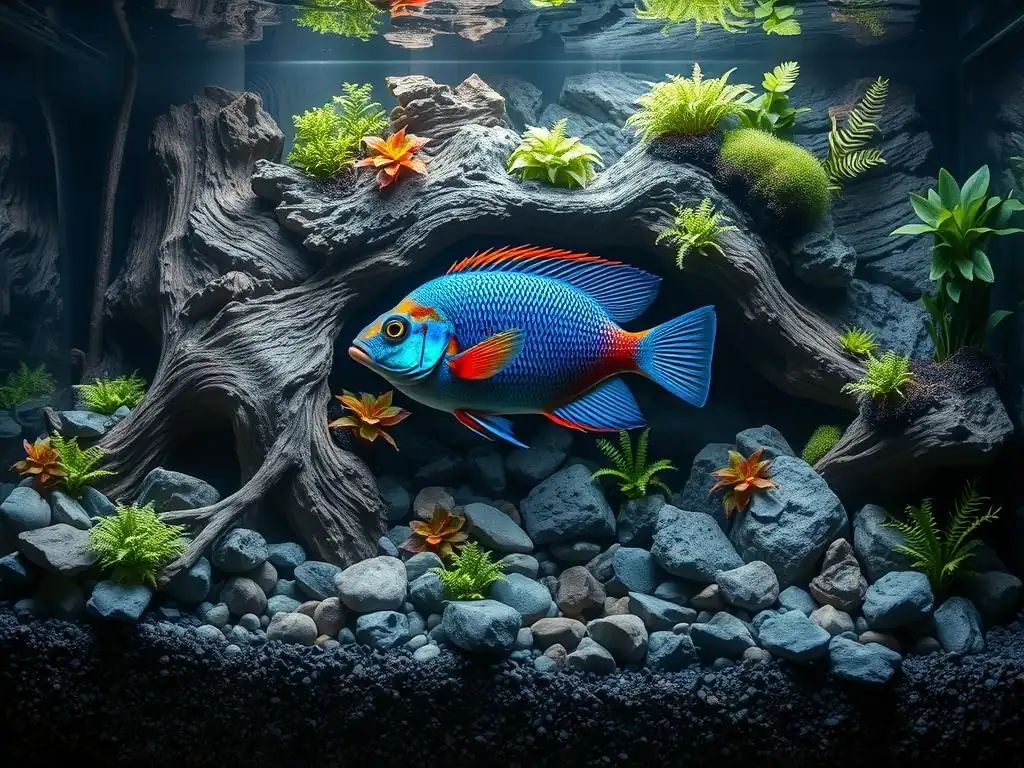
Welcome to Aquarium Mastery!
Ever wonder how to create the perfect underwater playground for your Featherfin cichlids? This isn't just about gravel and rocks; it's about crafting an environment where these fascinating fish truly thrive. Dive in and discover the secrets to the ideal Featherfin cichlid substrate setup, and unlock the key to a happier, healthier aquarium. Let's get started!
- Understanding Featherfin Cichlid Habitat Needs for Optimal Aquarium Setup
- Selecting the Ideal Substrate for Featherfin Cichlids: A Comprehensive Guide
- Hardscape Essentials for Featherfin Cichlid Aquariums: Creating a Natural Environment
- Featherfin Cichlid Substrate Setup: Step-by-Step Guide
- Maintaining Your Featherfin Cichlid Substrate and Hardscape
- Compatible Tank Mates and Substrate Considerations
- Troubleshooting Common Featherfin Cichlid Substrate Issues
- Advanced Hardscaping Techniques for Featherfin Cichlid Aquariums
-
Frequently Asked Questions
- How important is substrate choice for Featherfin Cichlids?
- What type of substrate is generally recommended for Featherfin Cichlids?
- Should I include any hardscape elements in my Featherfin Cichlid tank?
- How deep should the substrate layer be in a Featherfin Cichlid aquarium?
- Can I use gravel instead of sand for Featherfin Cichlids?
- Final Reflection: Crafting Aquatic Havens
- Transform Your Tank: Unleash Your Featherfin Cichlids' Potential!
Understanding Featherfin Cichlid Habitat Needs for Optimal Aquarium Setup
The Importance of Replicating the Natural Habitat of Cyathopharynx
Replicating the natural habitat of Cyathopharynx furcifer, commonly known as the Featherfin Cichlid, is paramount for their long-term health and well-being in an aquarium setting. These striking fish originate from the open sandy and rocky zones of Lake Tanganyika in East Africa. Their survival and unique behaviors, such as sifting sand for microscopic food particles and displaying their elaborate finnage in open water, are intrinsically linked to the environmental conditions of their native home. A precisely designed Featherfin cichlid substrate setup, mirroring these natural elements, significantly reduces stress and promotes natural behaviors.
Beyond mere survival, a well-replicated biotope encourages natural social interactions and breeding behaviors. When Featherfin Cichlids are housed in an environment that closely mimics their natural lake, they are more likely to exhibit vibrant coloration, engage in courtship rituals, and successfully reproduce. Studies on captive cichlids suggest that a stress-free environment, achieved through proper habitat replication, can extend their lifespan significantly, often allowing them to live up to 8-10 years or more, compared to potentially shorter lifespans in suboptimal conditions.
Key Elements of a Featherfin Cichlid Biotope Aquarium
A successful Featherfin Cichlid biotope aquarium hinges on three key elements: a fine sand substrate, expansive open swimming areas, and vertical rock structures. The fine sand substrate (typically 0.5mm to 1.5mm grain size) is crucial for their natural feeding behavior, as Featherfins are primarily planktivores that sift through sand to find zooplankton and other detritus. The open water column is equally important, allowing them ample space for schooling, displaying their magnificent dorsal fins, and performing their distinctive "feather-fanning" movements.
The inclusion of vertical rock structures, while not as dense as in rock-dwelling cichlid setups, provides essential visual breaks and potential hiding spots. These structures can be strategically placed to create territories, especially for subdominant males, reducing inter-male aggression and providing a sense of security. The water parameters of Lake Tanganyika are consistently high in pH (typically 8.0-9.2), high in general hardness (GH 10-18 dGH), and high in carbonate hardness (KH 16-18 dKH), with temperatures ranging from 76-80°F (24-27°C). A thoughtful Featherfin cichlid substrate setup and hardscape design directly contribute to maintaining these vital parameters.
Selecting the Ideal Substrate for Featherfin Cichlids: A Comprehensive Guide
Aragonite Sand vs. Other Substrates: What's Best for Featherfins?
When selecting substrate for Featherfin Cichlids, aragonite sand stands out as the superior choice due to its natural buffering capabilities. Derived from marine environments, aragonite is rich in calcium carbonate, which slowly dissolves into the water, releasing essential minerals that help maintain the high pH and hardness levels characteristic of Lake Tanganyika. This natural buffering is invaluable for species like Cyathopharynx, which thrive in stable, alkaline conditions. Unlike inert substrates, aragonite actively contributes to water chemistry stability.
While alternative substrates like play sand or pool filter sand are often more economical, they lack the crucial buffering capacity of aragonite. These inert sands do not influence water parameters, meaning aquarists would need to rely heavily on chemical buffers or frequent water changes with specific mineral additives to maintain the required pH (8.0-9.2) and hardness (KH 16-18 dKH, GH 10-18 dGH).
Although aragonite sand might have a higher initial cost, perhaps ranging from $30-$50 for a 20-pound bag, its long-term benefits in terms of water stability and reduced chemical intervention make it a cost-effective and highly recommended choice for a Featherfin cichlid substrate setup.
Grain Size and Composition: Achieving the Right Texture for Featherfin Cichlid Substrate
The grain size of the substrate is a critical factor for Featherfin Cichlids, directly impacting their natural behaviors and health. These fish are natural sand-sifters, constantly sifting through the substrate in search of food particles. Therefore, a fine grain size, ideally between 0.5mm and 1.5mm, is essential. Coarser substrates or gravel can damage their delicate gills and mouths as they sift, leading to abrasions or hindering their natural foraging instincts. A smooth, non-abrasive texture is paramount to prevent injury.
Regarding composition, calcium carbonate-rich sands, such as aragonite, are not only beneficial for buffering but also provide the ideal texture. Avoid substrates with sharp edges, like crushed coral or certain types of coarse gravel, which can be detrimental to their oral and gill health. The uniform, fine texture of aragonite sand allows Featherfins to easily sift without risk of injury, promoting their natural feeding behaviors and overall well-being. Ensuring the correct grain size and composition is a fundamental aspect of a healthy Featherfin cichlid substrate setup.
Buffering Capacity: Maintaining Optimal Water Parameters with Your Substrate Choice
The buffering capacity of the chosen substrate plays a pivotal role in maintaining the stable water parameters essential for Featherfin Cichlids. Aragonite sand, with its high calcium carbonate content, naturally releases calcium and carbonate ions into the water as it slowly dissolves. This process acts as a natural buffer, resisting fluctuations in pH and carbonate hardness (KH) and helping to keep them within the ideal range for Tanganyikan cichlids (pH 8.0-9.2, KH 16-18 dKH). This intrinsic stability is far more reliable and consistent than relying solely on chemical additives.
Consistent water parameters are crucial for reducing stress on fish, preventing potentially fatal pH crashes, and supporting the healthy development of their bones and scales. For Featherfin Cichlids, a stable environment closely mimics their natural lake conditions, leading to better health, more vibrant colors, and increased longevity. While a buffering substrate significantly simplifies maintenance, regular testing (e.g., weekly pH and KH checks) is still advised to ensure parameters remain optimal. A well-buffered Featherfin cichlid substrate setup creates a robust foundation for a thriving aquarium.
Hardscape Essentials for Featherfin Cichlid Aquariums: Creating a Natural Environment
Rock Selection: Choosing Safe and Suitable Rocks for Featherfin Cichlids
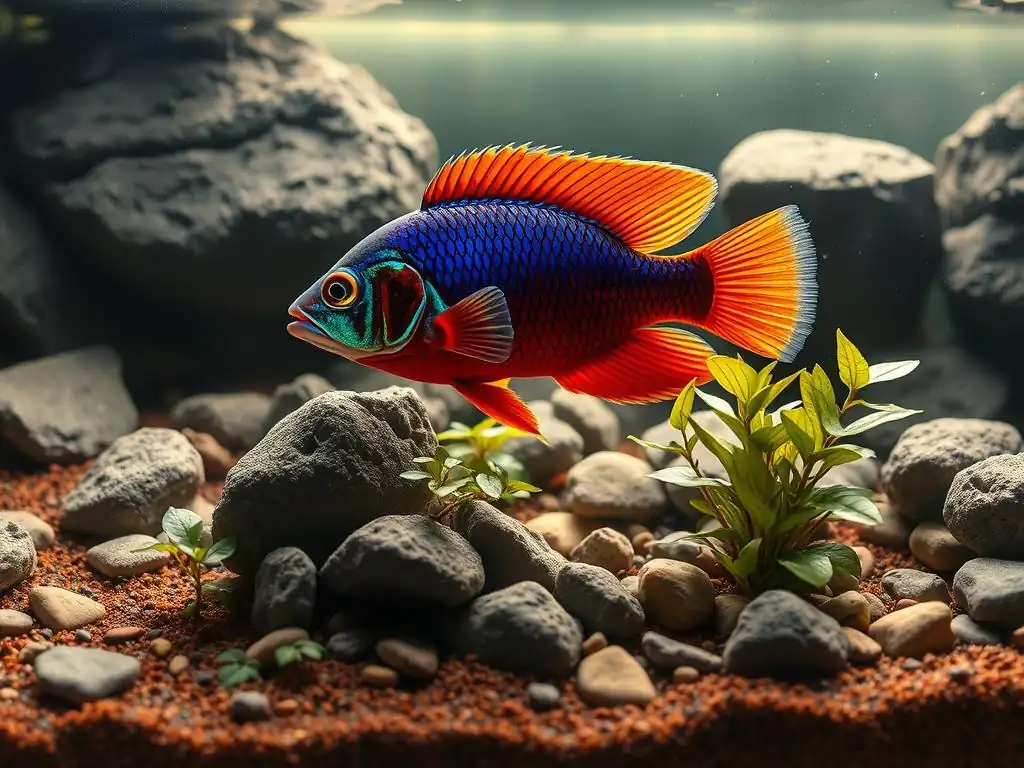
Choosing the right rocks for your Featherfin Cichlid aquarium is crucial for both aesthetic appeal and the well-being of your fish. Suitable rock types should ideally be inert or, even better, contribute to water hardness, aligning with Lake Tanganyika's high pH and hardness. Excellent choices include limestone, Texas Holey Rock, and lace rock, which are often porous and can provide natural crevices.
It is vital to avoid rocks that are acidic, sharp, or contain heavy metals, as these can leach harmful substances or injure fish. A simple vinegar test (dropping vinegar on the rock; if it fizzes, it contains calcium carbonate and is suitable for buffering) can confirm suitability.
Beyond chemical composition, consider the physical characteristics of the rocks. Select a variety of shapes and sizes to create a dynamic and natural-looking aquascape. Ensure that all rocks are stable and securely placed, as digging cichlids can undermine structures, leading to collapses. For a 75-gallon tank, incorporating approximately 30-50 pounds of safe, suitable rock can provide sufficient structure and visual breaks, contributing to a secure and stimulating Featherfin cichlid substrate setup.
Creating Caves and Territories: Rock Structures for Featherfin Cichlid Behavior
While Featherfin Cichlids are primarily open-water swimmers, they benefit significantly from well-designed rock structures that offer visual breaks and potential hiding spots. Stacking rocks to create shelves, overhangs, and small caves mimics the natural rocky zones of Lake Tanganyika. These structures provide essential territories, particularly for subdominant males, reducing aggression and allowing individual fish to retreat when needed. The goal is to create a complex environment without sacrificing the open swimming space Featherfins require.
For practical implementation, always place rocks directly on the bottom glass of the aquarium before adding the substrate. This prevents fish from digging underneath and causing structures to topple. If building tall or complex formations, consider using aquarium-safe silicone to secure the rocks for added stability. Aim for multiple, distinct rock formations separated by open sandy areas. This strategic placement breaks lines of sight, reduces territorial disputes, and enhances the overall behavioral enrichment of your Featherfin cichlid substrate setup.
Alternative Hardscape Elements: Using Clay Pots and PVC Pipes
In addition to natural rocks, unglazed clay pots and PVC pipes can serve as functional, safe, and inexpensive alternative hardscape elements in a Featherfin Cichlid aquarium. Unglazed clay pots are inert and can be used whole as simple caves or broken into pieces to create more natural-looking crevices. They are particularly useful for providing easily accessible hiding spots for subdominant fish or for breeding pairs and their fry, offering a secure retreat that can be easily removed for cleaning.
PVC pipes, specifically aquarium-grade Schedule 40, can be cut into various lengths and diameters (e.g., 2-4 inches) to create simple tunnels or hidden retreats. While not as aesthetically pleasing as natural rock, they are highly functional and can be strategically hidden behind rock formations or plants to maintain the biotope's natural appearance. These elements offer flexible and safe options for enhancing the habitat, providing additional shelter and contributing to a well-rounded Featherfin cichlid substrate setup.
Featherfin Cichlid Substrate Setup: Step-by-Step Guide
Preparing Your Substrate: Cleaning and Rinsing
The initial preparation of your substrate is a crucial step that directly impacts water clarity and the health of your Featherfin Cichlids. Sand, especially fine varieties, often contains significant amounts of dust and fine particles from processing and transport. Failure to properly rinse the substrate will result in persistently cloudy water, which can stress fish, clog aquarium filters, and make observation difficult.
To properly clean the substrate, place small batches (e.g., 5-10 pounds at a time) into a clean bucket. Fill the bucket with tap water, stir the sand vigorously, and then carefully pour out the cloudy water, being careful not to lose too much sand. Repeat this process multiple times, typically 5-10 rinses per batch, until the water poured from the bucket runs clear. This thorough rinsing prevents issues like silica dust accumulation, which can irritate fish gills, and ensures a pristine foundation for your Featherfin cichlid substrate setup.
Layering the Substrate: Achieving the Desired Depth and Distribution
Once thoroughly rinsed, the next step is to carefully layer the substrate in your aquarium, paying attention to depth and distribution. For Featherfin Cichlids, a substrate depth of 2-3 inches (approximately 5-7.5 cm) is generally ideal. This depth allows ample room for their natural sifting behavior without being excessively deep, which could lead to the formation of anaerobic pockets where harmful gases can accumulate. Distribute the sand evenly across the entire bottom of the tank.
To achieve even distribution and a visually appealing layout, use a substrate scraper or your hand to level the sand. You might consider creating slightly deeper areas towards the back or sides of the tank. This can add visual interest and provide more digging opportunities for the fish in specific zones, without making the entire substrate layer too profound. This careful layering is a key component of a functional and aesthetically pleasing Featherfin cichlid substrate setup.
Integrating Hardscape: Positioning Rocks and Creating a Natural Layout
The integration of hardscape elements is a critical phase in building a suitable environment for Featherfin Cichlids. Always place all rocks and other heavy hardscape directly onto the bare bottom glass of the aquarium before adding any substrate. This fundamental step prevents the fish from digging beneath the rocks and undermining the structure, which could lead to collapses and potential injury to your fish. Arrange the rocks to create open swimming spaces in the foreground and midground, which Featherfins prefer.
In the background or along the sides, you can create more dense rock structures to provide visual breaks, potential territories, and a sense of security. Use larger, more stable rocks at the base of your formations and gradually add smaller pieces on top for stability and natural aesthetics. Aim to create distinct "zones" to minimize aggression among fish – for instance, two or three prominent rock formations separated by expansive open sand areas. This strategic positioning is vital for a secure, behaviorally enriching, and visually appealing Featherfin cichlid substrate setup.
Maintaining Your Featherfin Cichlid Substrate and Hardscape
Regular Cleaning: Preventing Algae Buildup and Detritus Accumulation
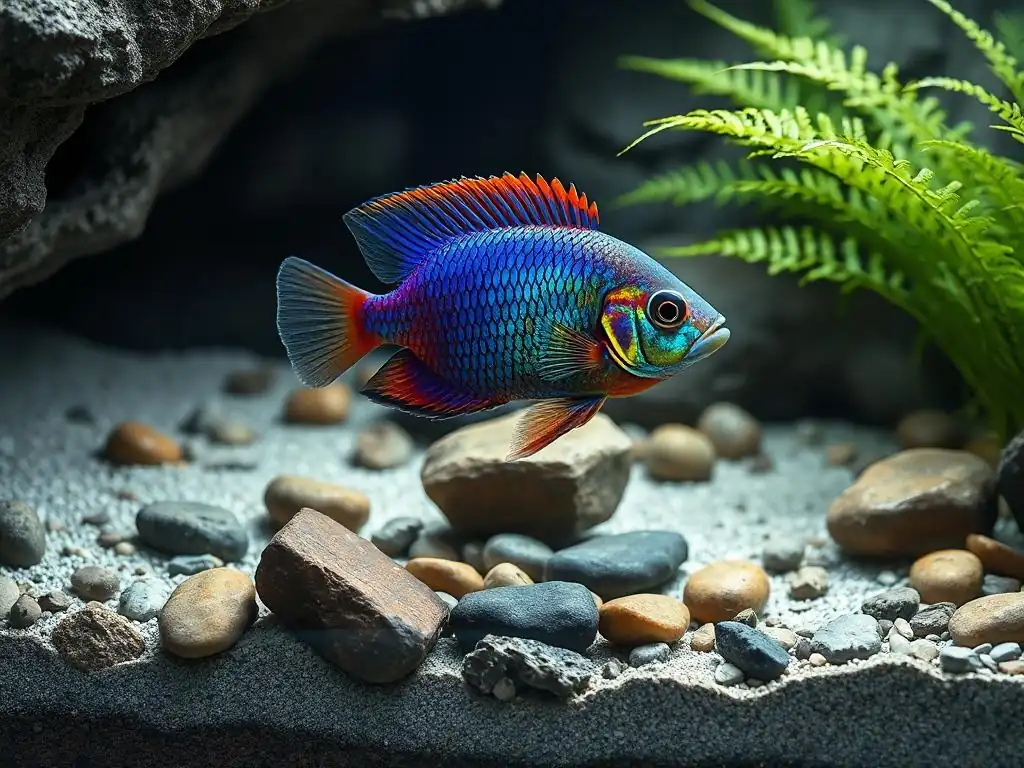
Regular cleaning of your Featherfin Cichlid's substrate and hardscape is essential for maintaining optimal water quality and a healthy environment. Algae can proliferate on rocks and the substrate surface, especially with adequate lighting and nutrient levels. Weekly, or as needed, wipe down the aquarium glass and hardscape elements to prevent excessive algae buildup. Promptly remove any large pieces of uneaten food or detritus that accumulate on the substrate surface to prevent its decomposition.
Neglecting regular cleaning can lead to several detrimental consequences. Excessive detritus and decaying organic matter contribute to elevated levels of nitrates and phosphates, which not only fuel persistent algae blooms but also degrade overall water quality. A clean substrate and hardscape directly contribute to stable water parameters, reduce the risk of disease, and ensure a visually appealing tank. This diligent maintenance is a cornerstone of a successful Featherfin cichlid substrate setup.
Substrate Vacuuming: Maintaining Water Quality and Substrate Health
Substrate vacuuming is a vital maintenance task for Featherfin Cichlid aquariums, even with their sand-sifting behavior. While Featherfins do help keep the top layer of sand clean, waste and detritus can still accumulate within the sand bed, particularly in undisturbed areas. Use a wide-mouth gravel vacuum, but instead of plunging it deep into the sand, hover it just above the surface. This technique allows the vacuum to effectively siphon off accumulated detritus and waste particles without removing excessive amounts of sand.
Perform this gentle vacuuming during your regular weekly or bi-weekly water changes. This process removes trapped organic matter, which, if left to decompose, can lead to the formation of anaerobic pockets and the release of harmful gases like hydrogen sulfide (identifiable by a rotten egg smell). Regular, gentle substrate vacuuming is crucial for preventing these issues, maintaining pristine water quality, and ensuring the long-term health and stability of your Featherfin cichlid substrate setup.
Monitoring Water Parameters: pH, KH, and GH Considerations
Consistent monitoring of water parameters is paramount for the health of Featherfin Cichlids, even when using buffering substrates like aragonite sand. Regular testing (e.g., weekly or bi-weekly) of pH, carbonate hardness (KH), and general hardness (GH) is crucial. Featherfins thrive in high pH environments (8.0-9.2), with high carbonate hardness (16-18 dKH) and general hardness (10-18 dGH) mimicking their natural Lake Tanganyika habitat.
Fluctuations in pH or hardness can cause significant stress to fish, making them more susceptible to disease and inhibiting natural behaviors. While buffering substrates provide a stable foundation, external factors such as CO2 injection (if present), large water changes with soft or acidic tap water, or excessive organic buildup can still impact parameters. Any necessary adjustments should be made gradually to avoid shocking the fish. Consistent monitoring and proactive adjustments are key to maintaining the ideal environment within your Featherfin cichlid substrate setup.
Compatible Tank Mates and Substrate Considerations
Choosing Tank Mates that Thrive in a Featherfin Cichlid Environment
When selecting tank mates for Featherfin Cichlids, it's essential to prioritize species that share similar water parameter requirements (high pH, hard water) and exhibit compatible temperaments. Good choices include other open-water Tanganyikan cichlids such as Cyprichromis species, Paracyprichromis, or certain Julidochromis species that tend to occupy different strata of the tank. Avoid overly aggressive species that might bully the generally peaceful Featherfins, as well as extremely docile fish that could be stressed by their active presence.
Behavioral compatibility is equally important. Featherfins are generally peaceful but can be territorial, especially males defending their open-water display areas. Choose tank mates that are either robust enough to hold their own or agile enough to avoid direct conflict. Consider species that do not directly compete for food or prime territorial spots, fostering a harmonious community. For example, Cyprichromis species occupy the upper water column, while Julidochromis are rock dwellers, minimizing direct competition for space in a well-designed Featherfin cichlid substrate setup.
Ensuring Substrate Suitability for All Inhabitants
The fine sand substrate recommended for Featherfin Cichlids is also highly suitable for a wide range of other Tanganyikan cichlid species, making it an excellent choice for a community tank. Many shell-dwelling cichlids, such as Neolamprologus multifasciatus or Lamprologus ocellatus, require a sandy substrate for burying their shells and creating their territories. Similarly, rock-dwelling species like Julidochromis appreciate a sandy base around their rock structures.
Using a unified, fine sand substrate simplifies maintenance and caters to the natural behaviors of diverse Tanganyikan inhabitants. Conversely, introducing coarse gravel or sharp substrates can be detrimental to other bottom-dwelling or sand-sifting species, preventing their natural behaviors and potentially causing injury. A cohesive Featherfin cichlid substrate setup that accommodates all inhabitants ensures a healthier and more natural environment for the entire community.
Avoiding Aggression and Territorial Disputes Through Proper Substrate and Hardscape Design
Proper substrate and hardscape design play a pivotal role in mitigating aggression and territorial disputes within a Featherfin Cichlid aquarium. Ample visual breaks, caves, and distinct territories created by strategically placed rocks can significantly reduce direct confrontations among fish. For Featherfins, providing large, uninterrupted open swimming areas also helps to disperse potential aggression, as fish can easily retreat or avoid direct encounters.
Beyond hardscape, appropriate stocking density is crucial. Overstocking can exacerbate aggression regardless of how well the hardscape is designed. For a small group of Featherfins (e.g., one male and 4-5 females), a minimum 75-gallon tank is recommended. Larger tanks, upwards of 125 gallons, are preferable for mixed Tanganyikan communities. A well-designed Featherfin cichlid substrate setup, combined with appropriate stocking levels, creates a balanced environment that minimizes stress and conflict, promoting peaceful coexistence among tank inhabitants.
Troubleshooting Common Featherfin Cichlid Substrate Issues
Algae Blooms: Causes and Solutions
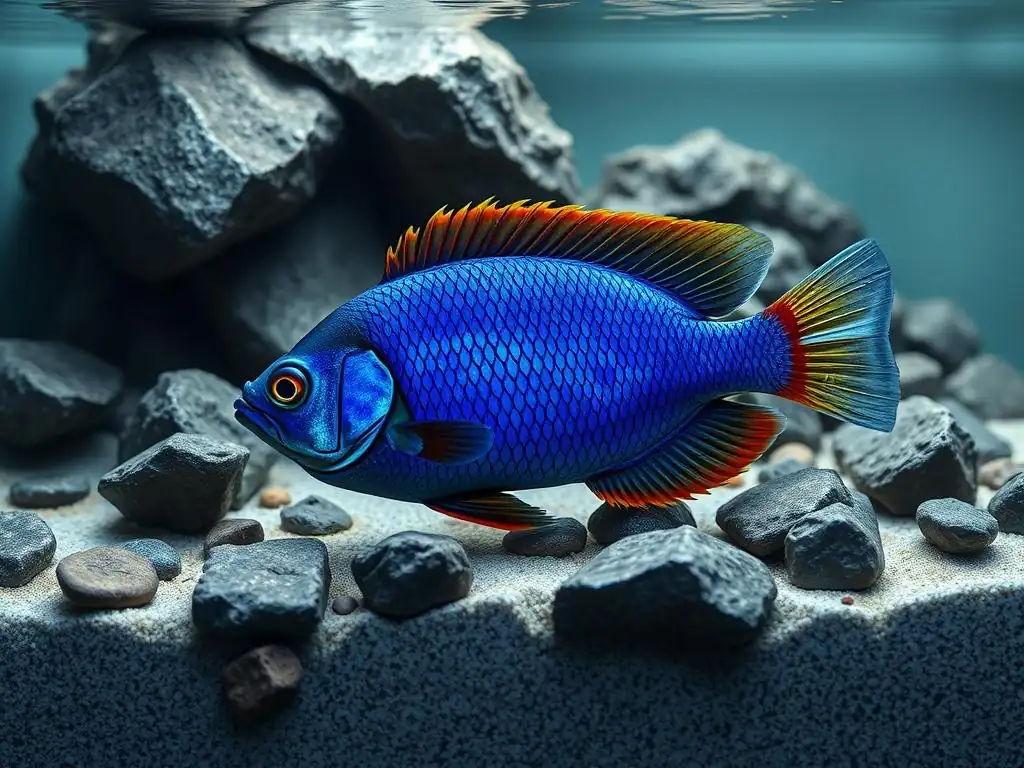
Algae blooms are a common issue in aquariums, and they often manifest on the substrate and hardscape. The primary causes include excessive lighting duration or intensity, high levels of nitrates and phosphates resulting from overfeeding or insufficient water changes, and an imbalance of nutrients. Common indicators include green spot algae on rocks and glass, or green hair algae on the substrate. These unsightly growths can quickly diminish the aesthetic appeal of your Featherfin cichlid substrate setup.
To address algae blooms, first, reduce your aquarium's lighting duration to 8-10 hours per day. Second, increase the frequency and volume of water changes (e.g., 30-50% weekly) to dilute nitrate and phosphate levels. Third, reduce feeding portions to prevent uneaten food from decaying and contributing to nutrient buildup. Introducing algae-eating snails (ensure compatibility with cichlids) or fast-growing plants (if suitable for the biotope) can also help consume excess nutrients. Addressing the root cause is key to long-term algae control.
Substrate Compaction: Prevention and Remedies
Substrate compaction is a significant concern, particularly with fine sand substrates. When sand becomes densely packed, it can lead to the formation of anaerobic pockets, areas within the substrate that lack oxygen. These pockets can produce harmful gases, most notably hydrogen sulfide, which smells like rotten eggs and is highly toxic to fish. Compaction often occurs in deep, undisturbed areas of the substrate.
To prevent substrate compaction, maintain a sand depth of 2-3 inches. You can also introduce specific sand-sifting inhabitants, such as certain types of snails (e.g., Malaysian Trumpet Snails, though be aware of their prolific breeding) or other compatible sand-sifting cichlids, which naturally aerate the substrate. During water changes, gently "stir" the top layer of the sand with a gravel vacuum or a clean stirring stick to release any trapped gases and prevent the formation of anaerobic zones. Regular, gentle aeration is vital for a healthy Featherfin cichlid substrate setup.
pH Fluctuations: Identifying and Addressing the Root Cause
pH fluctuations can be highly detrimental to Featherfin Cichlids, which require stable, high pH levels. Common causes include insufficient buffering capacity in the water, large water changes with tap water that has significantly different parameters, or the buildup of organic acids from decaying matter. A sudden drop in pH (pH crash) can be fatal to Tanganyikan cichlids, as they are not adapted to such changes.
To address pH fluctuations, ensure your chosen substrate, such as aragonite sand, provides adequate buffering capacity to stabilize pH and KH. Use a reliable liquid test kit to regularly monitor pH and KH levels (e.g., weekly or bi-weekly). If your tap water parameters are significantly different from the ideal range for Featherfins, consider pre-treating your water or using specific buffers designed for African cichlids to match the required parameters before water changes. Consistent, small water changes are preferable to large, infrequent ones to maintain stability in your Featherfin cichlid substrate setup.
Advanced Hardscaping Techniques for Featherfin Cichlid Aquariums
Creating Depth and Perspective: Using Hardscape to Enhance Visual Appeal
Creating depth and perspective in a Featherfin Cichlid aquarium significantly enhances its visual appeal and provides a more engaging display. This can be achieved by strategically placing hardscape elements. Place larger, more prominent rocks and structures in the foreground and midground, gradually decreasing the size and density of the rocks as you move towards the background. This technique creates an optical illusion of distance, making the tank appear deeper and larger than its actual dimensions.
To further enhance perspective, utilize the "rule of thirds" or "golden ratio" when positioning focal points. Instead of placing a striking rock formation directly in the center, offset it to one of the intersections of imaginary lines dividing the tank into thirds. Vary the height and shape of the rock structures to add dynamic visual interest. Incorporating open sand areas, which are crucial for Featherfins, in the foreground also contributes to the sense of depth, drawing the viewer's eye into the meticulously designed Featherfin cichlid substrate setup.
Aquascaping Styles: Adapting Iwagumi or Dutch Styles to Featherfin Cichlid Tanks
While Featherfin Cichlid tanks are typically less planted than traditional aquascapes, principles from established styles like Iwagumi or Dutch can be adapted. The Iwagumi style, known for its minimalist, rock-focused design, can be particularly effective. Instead of a dense arrangement of plants, the emphasis shifts to a cohesive and visually balanced arrangement of primary, secondary, and tertiary rocks. This creates a powerful, naturalistic rock landscape that provides the necessary visual breaks and territories for cichlids without obstructing their open swimming space.
The Dutch style, characterized by dense plant arrangements, is generally unsuitable for Featherfin cichlid tanks due to their specific water parameter needs (high pH, high hardness) and their preference for open water. However, the concept of creating distinct "zones" or "blocks" of color and texture can be loosely applied using different types of rocks or different grain sizes of sand to create varied areas within the tank. The focus should always remain on providing verticality with rocks to mimic their natural rocky shorelines, ensuring the design supports their behavior within the Featherfin cichlid substrate setup.
Creating a Beach Zone: Using Fine Sand to Mimic the Lake Tanganyika Shoreline.
An advanced hardscaping technique that perfectly complements the Featherfin Cichlid's natural habitat is the creation of a distinct "beach zone." This involves dedicating a large, open expanse of very fine, light-colored sand in the foreground or midground of the aquarium. This directly mimics the vast sandy plains and shallow shorelines of Lake Tanganyika, which are the primary foraging grounds for Cyathopharynx furcifer.
This beach zone serves multiple purposes: it provides an expansive, unobstructed area for Featherfins to engage in their characteristic sand-sifting behavior, encouraging natural foraging and display. It also enhances the biotope aesthetic, creating a serene and authentic representation of their natural environment. Ensure the sand used for this zone is exceptionally fine (e.g., 0.5mm or less) and consistently kept immaculately clean to maintain the pristine appearance of a well-executed Featherfin cichlid substrate setup.
Frequently Asked Questions
How important is substrate choice for Featherfin Cichlids?
Substrate is very important for Featherfin Cichlids. It directly impacts their digging behavior and overall well-being. A suitable substrate helps maintain water quality by supporting beneficial bacteria.
What type of substrate is generally recommended for Featherfin Cichlids?
A sand-based substrate is highly recommended. This is because it allows them to sift through it naturally while searching for food, mimicking their natural habitat and preventing injury.
Should I include any hardscape elements in my Featherfin Cichlid tank?
Yes, hardscape elements are beneficial. Rocks and driftwood provide hiding places and establish territories, reducing aggression and creating a more natural environment.
How deep should the substrate layer be in a Featherfin Cichlid aquarium?
Aim for a substrate depth of at least 3-4 inches. This allows for natural digging behavior and provides ample space for root systems if you choose to include plants.
Can I use gravel instead of sand for Featherfin Cichlids?
While possible, gravel is not ideal. Featherfin Cichlids can injure themselves trying to sift through gravel. Sand is a safer and more natural option.
Final Reflection: Crafting Aquatic Havens
The principles outlined in this article, focused on creating the ideal Featherfin cichlid substrate setup, extend far beyond the confines of a glass aquarium. They represent a broader understanding of how carefully curated environments can profoundly impact the well-being and behavior of any living creature, reminding us of the delicate balance inherent in all ecosystems.
This exploration into the nuances of substrate and hardscape selection underscores the profound responsibility we undertake when bringing any animal into our care. It's not merely about providing sustenance, but about replicating, as closely as possible, the conditions that allow them to thrive, express their natural behaviors, and ultimately, live a fulfilling life. In the end, we will conserve only what we love; we will love only what we understand; and we will understand only what we are taught.
- Baba Dioum. This quote resonates deeply, reminding us that understanding the needs of our Featherfin cichlids is the first step towards truly appreciating and conserving them.
As you contemplate the information presented, consider how these principles might apply to other areas of your life. What environments are you creating, both for yourself and for those around you? Are you fostering spaces that encourage growth, exploration, and well-being? Let the lessons learned in crafting the perfect Featherfin cichlid substrate setup inspire you to cultivate more nurturing and enriching environments in every aspect of your world.
Transform Your Tank: Unleash Your Featherfin Cichlids' Potential!
Thank you for exploring the world of Featherfin Cichlid habitats with us! We hope you've discovered some valuable insights into creating the ideal environment for these fascinating fish. Now, let's put that knowledge into action!
- Craft your personalized Featherfin paradise: Carefully select and arrange the substrate and hardscape to mimic their natural environment and trigger breeding behavior.
- Share your tank's transformation! Post photos and videos of your Featherfin Cichlids' upgraded home on social media using #AquariumMasteryFeatherfins.
- Unleash your inner explorer! Experiment with different rock formations and cave designs to discover what your Featherfins prefer most!
Ready to start building the ultimate Featherfin Cichlid sanctuary? What unique hardscape feature will you add to your tank first?