
Why Are My Cherry Barbs Hiding? Tips to Encourage Boldness and Activity

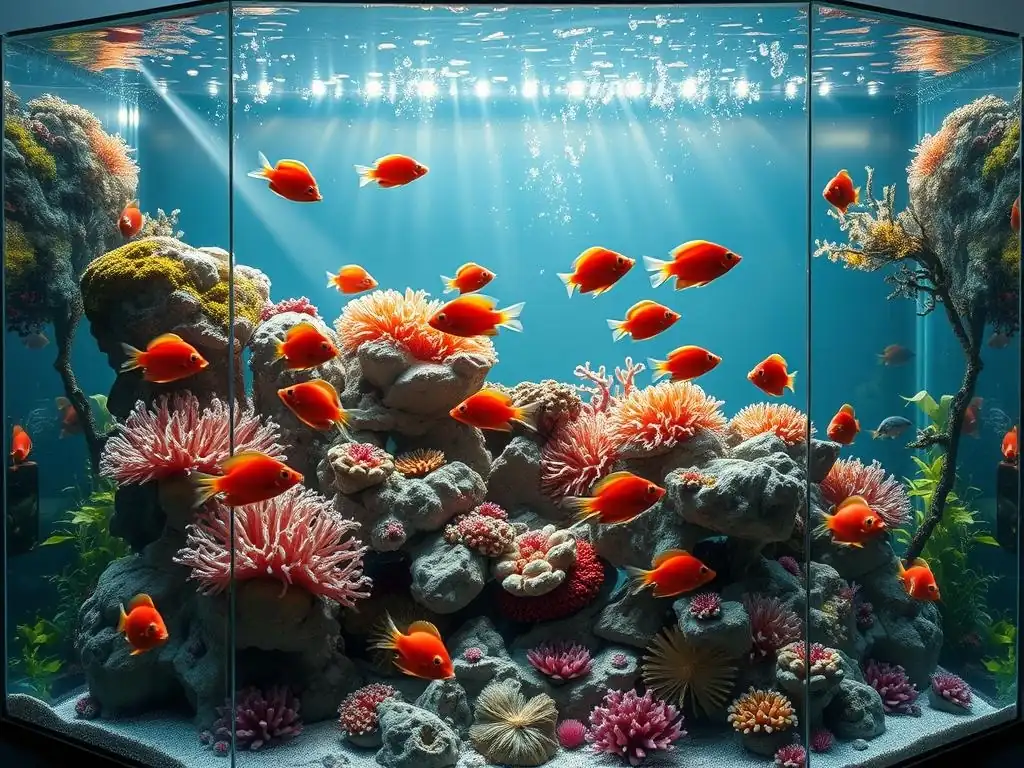
Welcome to Aquarium Mastery!
Ever wondered why your cherry barbs, usually so vibrant and active, are suddenly playing hide-and-seek? Discover the surprising reasons behind their shy behavior and unlock the secrets to creating a thriving, engaging environment where they feel safe and confident. Dive in to our comprehensive guide on cherry barbs hiding reasons and learn how to bring back their dazzling personality!
- Understanding Cherry Barb Behavior: Addressing Hiding Issues
- Diagnosing the Root of the Problem: What's Making Your Cherry Barbs Hide?
- Solutions to Encourage Boldness and Activity in Cherry Barbs
- Long-Term Care and Prevention: Keeping Your Cherry Barbs Active and Happy
- Cherry Barb Activity: Beyond Hiding - Signs of a Healthy School
- Conclusion: A Thriving School of Cherry Barbs
-
Frequently Asked Questions
- Why are my Cherry Barbs constantly hiding?
- What water parameters are crucial for Cherry Barbs to feel comfortable and less likely to hide?
- How does tank decor and planting affect Cherry Barbs' behavior and hiding tendencies?
- How many Cherry Barbs should I keep together to encourage boldness and reduce hiding?
- What are some signs of disease or stress in Cherry Barbs that might cause them to hide more often?
- Final Reflection: Unveiling the Beauty Within
- Unleash the Vibrant Spirit of Your Cherry Barbs!
Understanding Cherry Barb Behavior: Addressing Hiding Issues
Common Cherry Barb Hiding Reasons Explained
Cherry barbs, Puntius titteya, are generally active and social freshwater fish known for their vibrant red coloration, particularly in males. However, it's not uncommon for them to exhibit shy or hiding behavior, especially when newly introduced to an aquarium or if their environment isn't optimal. This shyness is often a natural defensive mechanism, a response to perceived threats or discomfort in their surroundings. Understanding these inherent tendencies is the first step in addressing why your cherry barbs might be hiding.
The primary cherry barbs hiding reasons often stem from environmental stressors. These can include insufficient schooling numbers, which makes them feel vulnerable; unsuitable or aggressive tank mates that cause constant anxiety; poor water quality leading to physiological stress; or a significant lack of adequate hiding places within the aquarium. Each of these factors can contribute to a cherry barb retreating from open areas, seeking solace and security in the shadows or dense foliage.
Why are My Cherry Barbs Suddenly Hiding? Identifying the Cause
While some initial shyness is normal, a sudden shift to hiding behavior in previously active cherry barbs is a strong indicator that something is amiss in their environment. This abrupt change suggests an acute problem rather than a gradual acclimation issue. It's crucial to observe your fish and tank closely when this occurs, as swift identification of the cause can prevent more serious health problems.
Common culprits for a sudden onset of cherry barbs hiding include a rapid deterioration in water quality, such as an ammonia or nitrite spike after a missed water change or overfeeding. Introducing a new, aggressive tank mate can also instantly trigger this response. Furthermore, a sudden drop or surge in water temperature, or the onset of an illness, can cause fish to become lethargic and seek isolation. Pinpointing the exact change that preceded the hiding behavior is key to resolving the issue.
Diagnosing the Root of the Problem: What's Making Your Cherry Barbs Hide?
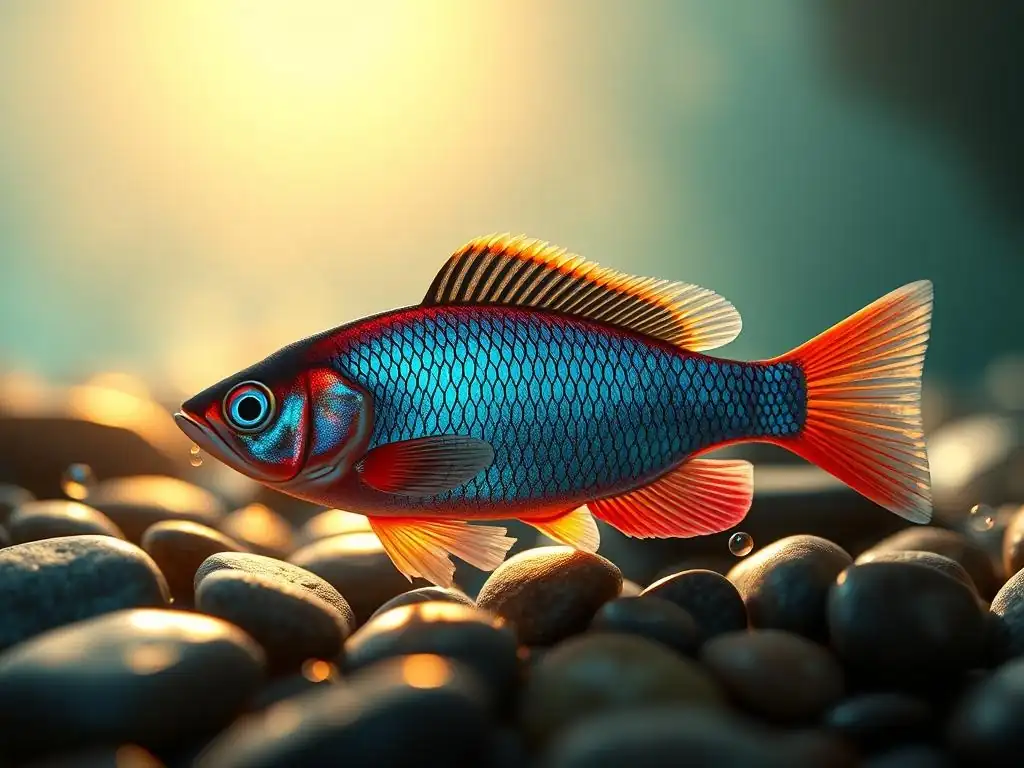
Water Quality Issues Affecting Cherry Barb Activity
Poor water quality is arguably the most common and critical factor contributing to stress and illness in aquarium fish, directly impacting their activity levels. Cherry barbs, while relatively hardy, are still sensitive to fluctuations and the accumulation of harmful compounds in their water. Even if not immediately lethal, suboptimal water conditions create chronic stress, weakening their immune systems and making them more susceptible to disease, which in turn leads to cherry barbs hiding.
Maintaining stable and pristine water parameters is fundamental to their well-being. Unseen toxins can accumulate rapidly, especially in newly set up tanks that haven't fully cycled or in established tanks with insufficient maintenance. When fish are constantly exposed to these irritants, their gills become damaged, their energy levels drop, and their natural instinct is to conserve energy and seek refuge, manifesting as cherry barbs hiding.
Ammonia and Nitrite Spikes: Silent Killers Causing Stress
Ammonia (NH3/NH4+) and nitrite (NO2-) are highly toxic compounds that are byproducts of fish waste and decaying organic matter. In a healthy, cycled aquarium, beneficial bacteria convert ammonia into less harmful nitrite, and then nitrite into even less harmful nitrate (NO3-). However, if the biological filter is compromised or overwhelmed, these toxins can spike, even to levels as low as 0.25 ppm, causing severe stress and gill damage.
When cherry barbs are exposed to elevated ammonia or nitrite, they may gasp at the surface, exhibit clamped fins, and their gills might appear reddish or inflamed. Their internal systems are under immense strain, leading to lethargy, loss of appetite, and a strong inclination to hide from view. This is one of the most serious cherry barbs hiding reasons, indicating a potentially life-threatening situation.
Inconsistent Water Parameters: Temperature and pH Fluctuations
Cherry barbs thrive in stable water conditions, ideally with a temperature range of 73-81°F (23-27°C) and a pH between 6.0 and 7.0. Sudden or drastic fluctuations outside these ranges, even if within their tolerance limits, can be highly stressful. For instance, a temperature swing of more than 2-3°F within a few hours or a pH shift exceeding 0.2-0.3 units can shock a fish's system.
These inconsistencies force the fish to constantly adjust their internal physiology, depleting their energy reserves and weakening their immune response. A cherry barb experiencing such environmental instability will often become withdrawn, sluggish, and hide more frequently, as their body attempts to cope with the changing conditions.
Stress Factors Contributing to Cherry Barb Shyness
Beyond water chemistry, psychological and social stressors play a significant role in the well-being of cherry barbs. As schooling fish, their sense of security is deeply tied to the presence and behavior of their conspecifics. When this social structure is disrupted, or they feel vulnerable, their natural response is to become shy and retreat.
Chronic stress, whether from environmental factors or social dynamics, can have profound long-term effects on fish health. It suppresses the immune system, making fish more susceptible to common diseases and reducing their overall lifespan. This constant state of anxiety is a major contributor to cherry barbs hiding, as they seek solace from perceived threats.
Overcrowding and Inadequate Tank Size for Cherry Barbs
While a rough guideline of "one inch of fish per gallon" exists, it's often insufficient for active, schooling fish like cherry barbs. A minimum tank size of 10 gallons is often cited for a small school, but a 20-gallon or larger tank is far more suitable for a thriving group of 6-8 cherry barbs. Overcrowding leads to increased competition for food and space, higher waste production, and elevated stress levels.
In an overcrowded environment, cherry barbs have limited personal space, leading to constant low-level stress. They may feel exposed and unable to establish comfortable territories, resulting in them seeking refuge more often. This lack of adequate space is a common cherry barbs hiding reason, as they attempt to escape the constant pressure of too many tank mates.
Bullying from Tank Mates: Compatibility Concerns
Cherry barbs are generally peaceful community fish, but they can be easily intimidated by larger, more aggressive, or boisterous tank mates. Species like certain cichlids, overly aggressive tiger barbs (especially if not kept in a large enough school themselves), or even fin-nipping fish can harass cherry barbs, causing them immense stress.
Constant chasing, nipping, or aggressive displays will force cherry barbs to spend most of their time in hiding, seeking protection from their tormentors. This not only impacts their activity levels but also their ability to access food and maintain a healthy existence. Ensuring compatible tank mates is crucial to prevent this significant cherry barbs hiding reason.
Lack of Hiding Places: Providing Security and Shelter
In their natural habitat, cherry barbs would have access to dense vegetation and natural structures to retreat when they feel threatened. A barren or sparsely decorated aquarium leaves them feeling exposed and vulnerable. Without adequate cover, they lack the security blanket that allows them to feel safe enough to explore and interact.
Providing ample hiding places, such as live plants, driftwood, rocks, and artificial decor, is essential for their well-being. These elements offer visual barriers and physical retreats, allowing cherry barbs to establish safe zones where they can feel secure. A lack of such provisions is a very straightforward cherry barbs hiding reason.
Illness and Disease as Potential Causes
One of the earliest and most common signs of illness in fish is a change in behavior, with hiding being a prominent indicator. Fish, being prey animals, instinctively try to conceal their weakness from predators (or in an aquarium, from more dominant tank mates) when they are sick. Therefore, if your cherry barbs are suddenly hiding and showing other subtle signs, disease should be considered.
Early detection of illness is critical for successful treatment and preventing the spread of disease to other inhabitants in your aquarium. Observing your fish daily for any behavioral changes, alongside physical symptoms, can provide vital clues to their health status.
Identifying Signs of Illness in Hiding Cherry Barbs
Beyond just hiding, sick cherry barbs will often exhibit other tell-tale signs. Look for clamped fins (fins held close to the body), labored or rapid breathing (gasping at the surface or flared gills), loss of appetite, dull or faded coloration, visible spots, lesions, fungal growths, or a dusty appearance on their body. They might also scratch themselves against tank decor or substrate.
Combining these physical and behavioral observations is crucial. If your cherry barbs are hiding and displaying one or more of these symptoms, it's highly probable that an underlying health issue is the reason for their withdrawal.
Common Diseases Leading to Reduced Activity
Several common freshwater fish diseases can cause cherry barbs to become lethargic and hide. Ichthyophthirius multifiliis (Ich or white spot disease) manifests as small white spots and causes intense itching, leading fish to rub against surfaces and become withdrawn. Fin Rot, a bacterial infection, causes fins to appear ragged and can lead to secondary infections, making fish feel unwell.
Velvet disease (Oodinium) presents as a fine, yellowish-gold dust on the fish's body, irritating them greatly. Internal parasites can cause emaciation and listlessness, while systemic bacterial infections can lead to general malaise and a desire to hide. Any of these conditions will cause discomfort and weakness, making cherry barbs hide from the main activity of the tank.
Solutions to Encourage Boldness and Activity in Cherry Barbs
Improving Water Quality for a Healthier Environment
The cornerstone of a healthy and active cherry barb community is pristine water quality. Addressing any underlying water parameter issues is paramount before exploring other solutions. Think of it as providing a clean, breathable atmosphere for your fish; without it, no other measure will be truly effective.
A proactive approach to water quality maintenance will not only resolve existing cherry barbs hiding reasons but also prevent future occurrences. Consistent attention to this aspect of aquarium husbandry ensures that your fish are living in an environment that supports their natural vitality and well-being.
Regular Water Changes: Maintaining Pristine Conditions
Regular partial water changes are the most effective way to maintain good water quality. For most established cherry barb tanks, a weekly water change of 25-30% of the tank volume is recommended. This practice removes accumulated nitrates, phosphates, and other dissolved organic compounds that filtration alone cannot eliminate, while also replenishing essential minerals.
By consistently reducing the concentration of harmful substances and providing fresh, clean water, you significantly reduce stress on your cherry barbs. This consistent refresh dramatically improves their overall health and comfort, directly encouraging them to be more active and less inclined to hide.
Optimizing Filtration: Ensuring Clean and Clear Water
A robust filtration system is vital for processing the biological load in your aquarium. Ensure your filter is appropriately sized for your tank volume, ideally processing the tank's water 4-6 times per hour. Mechanical filtration removes particulate matter, biological filtration converts harmful ammonia and nitrite, and chemical filtration (like activated carbon) removes dissolved organic pollutants and odors.
Regular maintenance of your filter media is also important; rinse mechanical media in old tank water during water changes and replace chemical media as recommended. Efficient filtration prevents the buildup of toxins, maintaining a stable and healthy environment that reduces the primary cherry barbs hiding reasons.
Testing Water Parameters: Identifying and Correcting Imbalances
Regular water testing is non-negotiable for responsible fish keeping. Invest in a reliable liquid-based test kit for ammonia, nitrite, nitrate, and pH, and use a thermometer to monitor temperature. Test your water weekly, or whenever you notice behavioral changes like cherry barbs hiding.
Understanding your water parameters allows you to identify problems before they become critical and take targeted corrective actions. For instance, high nitrates indicate a need for more frequent or larger water changes, while any detectable ammonia or nitrite signals a problem with your biological filter. Accurate testing empowers you to maintain the precise conditions cherry barbs need to thrive.
Creating a Stress-Free Aquarium Environment
Beyond water quality, the physical and social setup of your aquarium profoundly impacts your cherry barbs' comfort and activity. Mimicking their natural habitat and ensuring harmonious tank dynamics are key to transforming shy fish into bold, outgoing members of your community.
A thoughtfully designed aquarium not only looks appealing but also provides the psychological security that allows cherry barbs to express their natural behaviors. Addressing these environmental factors is crucial for alleviating cherry barbs hiding reasons related to their perceived safety.
Increasing School Size: Promoting Confidence and Security
Cherry barbs are classic schooling fish, and their confidence is directly linked to the size of their group. A minimum of 6-8 cherry barbs is highly recommended to observe their natural behaviors and reduce shyness. In smaller groups, individual fish feel more exposed and vulnerable to perceived threats, leading to increased hiding.
When kept in a larger school, cherry barbs gain a sense of security in numbers. This collective safety allows individual fish to be bolder, explore more openly, and engage in their characteristic playful interactions. Increasing their school size is one of the most effective ways to combat cherry barbs hiding due to insecurity.
Selecting Compatible Tank Mates: Avoiding Aggression and Bullying
Careful selection of tank mates is paramount. Opt for other peaceful, similarly sized community fish that won't outcompete or harass your cherry barbs. Excellent choices include Corydoras catfish, Otocinclus, peaceful Tetras (like Neon or Ember Tetras), Rasboras, or other small, non-aggressive barb species. Avoid large, aggressive cichlids, fin-nippers, or very boisterous fish that might stress them.
A harmonious community ensures that cherry barbs are not constantly under threat or being bullied. This peaceful coexistence allows them to swim freely and confidently throughout the tank, rather than feeling compelled to hide for safety.
Adding Plants and Decorations: Providing Hiding Places and Visual Barriers
Dense live or artificial plants, driftwood, and rock formations are essential for creating a secure environment for cherry barbs. Aim to cover at least 50% of your tank's footprint with decor that offers visual breaks and hiding spots. Plants like Java Fern, Anubias, Amazon Swords, or even floating plants provide excellent cover.
These elements offer cherry barbs places to retreat when they feel stressed or simply want a moment of solitude. The presence of ample hiding spots boosts their confidence, as they know they have a safe haven. This reduces their overall stress levels and prevents cherry barbs hiding due to a lack of security.
Addressing Illness and Disease Promptly
If water quality and environmental factors have been ruled out, and your cherry barbs are still hiding, illness is a strong possibility. Prompt action is crucial not only for the affected fish's recovery but also to prevent the potential spread of disease to other tank inhabitants.
Having a plan for quarantine and treatment is a vital part of responsible fish keeping. Early intervention can make the difference between a quick recovery and a prolonged, potentially fatal, illness.
Quarantine and Treatment: Isolating Sick Fish
A dedicated quarantine tank (a simple 5-10 gallon tank with a heater and sponge filter) is invaluable. When you suspect a cherry barb is ill, gently net and transfer it to the quarantine tank. This prevents the spread of potential pathogens to your main display tank and allows you to administer medication without affecting other fish or your main filter's beneficial bacteria.
In the quarantine tank, you can closely observe the sick fish, provide targeted treatment, and monitor its recovery in a stress-reduced environment. This isolation is crucial for effective treatment and helps avoid other cherry barbs hiding due to illness spreading through the entire school.
Identifying and Treating Common Barb Diseases
Accurate diagnosis is key to effective treatment. For Ich (white spots), gradual temperature increases (if suitable for tank mates) combined with Ich medications (e.g., malachite green or formalin) are common. Fin Rot often responds to broad-spectrum antibiotics or antifungal treatments, usually administered in the water. Internal parasites might require medicated food.
Always follow medication instructions meticulously and complete the full course of treatment, even if symptoms improve. Consult reliable aquarium resources or a fish veterinarian if you're unsure about the diagnosis or treatment. Successfully treating illness will restore your cherry barbs' health and encourage them to stop hiding.
Optimizing Tank Conditions for Cherry Barb Wellbeing
Beyond the immediate issues of water quality and stress, fine-tuning the broader environmental conditions in your aquarium can significantly enhance the long-term health and activity of your cherry barbs. These elements contribute to a holistic approach to their care, preventing future cherry barbs hiding reasons.
Creating an environment that closely mimics their natural habitat in Sri Lanka, where they inhabit clear, slow-moving streams, will promote their most vibrant colors and active behaviors.
Maintaining Proper Temperature: Ensuring Optimal Activity Levels
As mentioned, cherry barbs thrive in temperatures between 73-81°F (23-27°C). Maintaining a consistent temperature within this range is crucial for their metabolism, immune system function, and overall activity. Use a reliable aquarium heater with a thermostat to keep the water temperature stable, and a thermometer to monitor it daily.
Sudden temperature drops or prolonged periods outside their ideal range can cause stress, leading to lethargy and a tendency for cherry barbs to hide. A stable, appropriate temperature promotes active swimming and healthy physiological function.
Providing Adequate Lighting: Simulating Natural Conditions
Cherry barbs generally prefer moderate lighting. While plants require sufficient light (typically 8-10 hours per day), overly bright or continuous lighting can stress fish, making them feel exposed and causing them to seek shelter. Consider using a timer for your lights to establish a consistent day-night cycle, which is important for fish's biological rhythms.
If your lighting seems too intense, consider diffusing it with floating plants (like Dwarf Water Lettuce or Frogbit) or ensuring there are plenty of shaded areas created by tall plants or decor. Providing a comfortable light environment can reduce the need for cherry barbs hiding and encourage them to explore more openly.
Long-Term Care and Prevention: Keeping Your Cherry Barbs Active and Happy
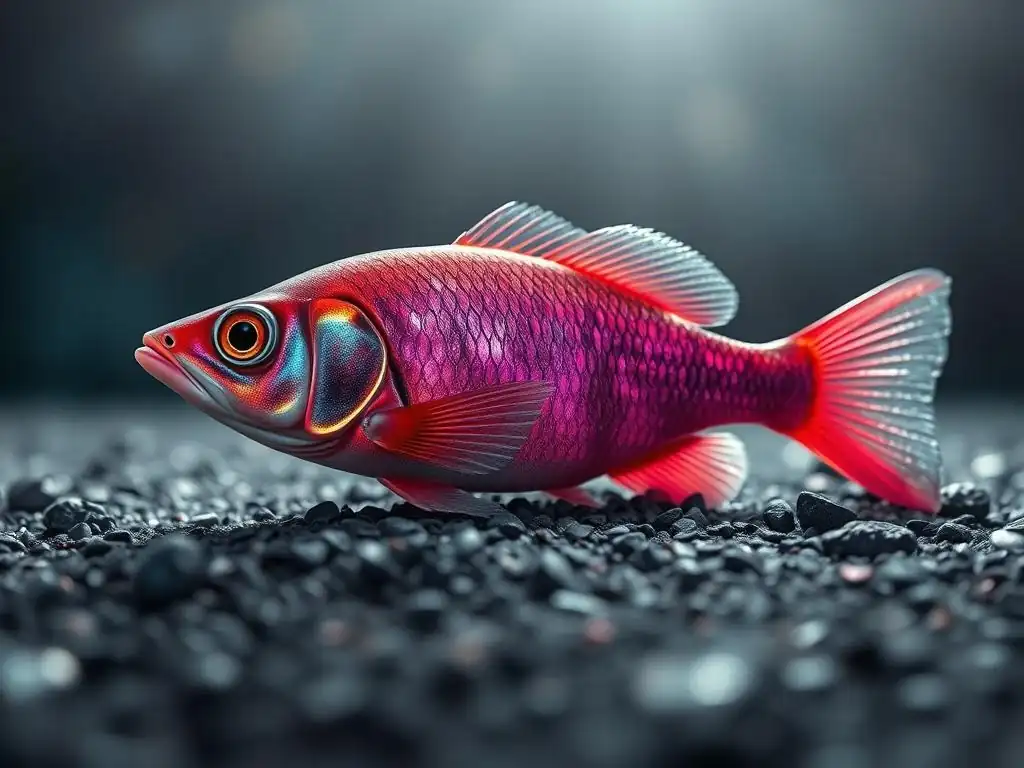
Regular Monitoring of Water Parameters and Fish Behavior
Consistent monitoring is the cornerstone of preventative care. Make it a routine to test your water parameters weekly, even if your tank seems stable. Equally important is daily observation of your cherry barbs' behavior. Look for changes in their swimming patterns, appetite, coloration, and interactions with each other.
Early detection of subtle changes, such as a slight increase in shyness or a minor fin clamp, can alert you to potential problems before they escalate. This proactive approach is crucial in preventing common cherry barbs hiding reasons from taking hold.
Preventative Measures to Avoid Stress and Illness
Proactive steps can significantly reduce the likelihood of your cherry barbs hiding due to stress or illness. Always properly cycle a new aquarium before adding fish to establish a robust biological filter. Acclimate new fish slowly and carefully to their new environment to minimize shock. Avoid overfeeding, as uneaten food quickly fouls water.
Regularly clean your substrate to remove decaying organic matter, and don't overcrowd your tank. These fundamental practices create a resilient ecosystem that supports the long-term health and vitality of your cherry barbs, reducing their susceptibility to stress and disease.
Encouraging Natural Behaviors: Feeding and Enrichment Strategies
A varied and high-quality diet is essential. Feed your cherry barbs 2-3 times daily with small amounts of high-quality flakes or pellets, supplemented with frozen or live foods like brine shrimp, bloodworms, or daphnia a few times a week. A diverse diet boosts their immune system and keeps them engaged.
Environmental enrichment can also encourage natural behaviors. Ensure there's gentle water flow in parts of the tank, and consider rearranging decor occasionally to provide new exploration opportunities. Feeding at different spots can also encourage them to swim throughout the tank, minimizing cherry barbs hiding and promoting overall activity.
Cherry Barb Activity: Beyond Hiding - Signs of a Healthy School
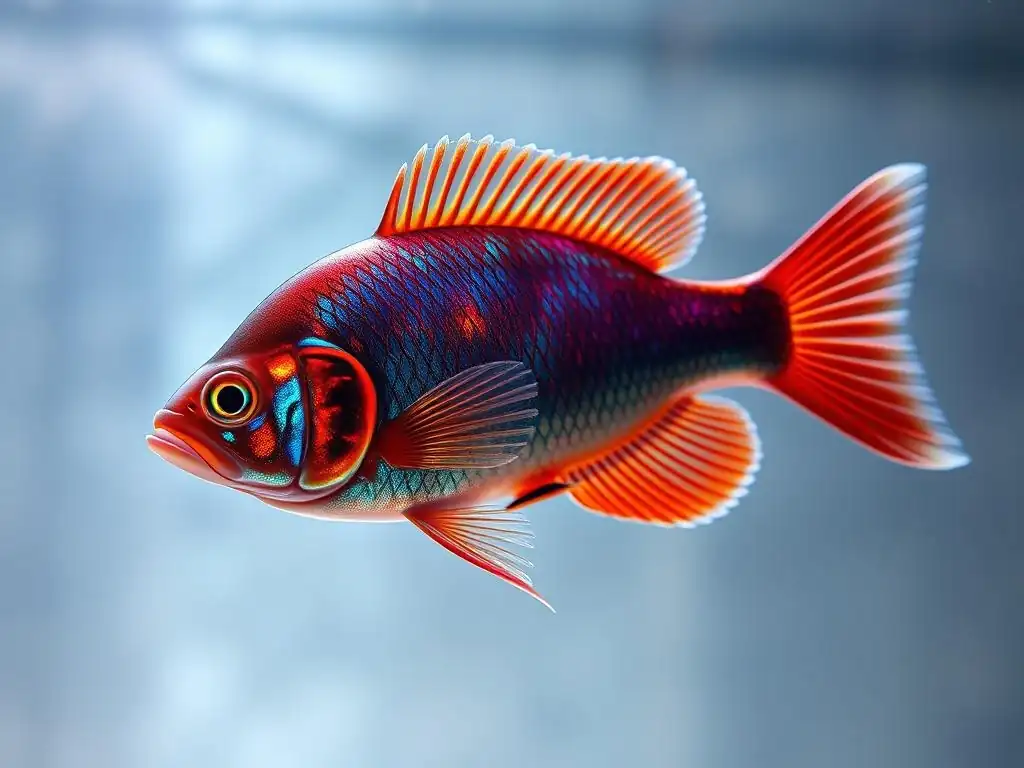
Recognizing Normal Cherry Barb Behavior
When your cherry barbs are healthy and thriving, their behavior will be a stark contrast to cherry barbs hiding. You'll observe them actively swimming throughout the middle and upper levels of the tank, often schooling together but also exploring individually. Their colors will be vibrant, especially the males' striking red. They will readily come to the front of the tank during feeding times, showing a strong appetite.
Healthy cherry barbs also exhibit playful interactions within their school, chasing each other playfully without aggression, and generally appearing alert and curious about their surroundings. This lively, confident demeanor is the ultimate sign that you've successfully addressed any cherry barbs hiding reasons.
When to Worry: Identifying Serious Signs
While slight variations in behavior are normal, certain signs, especially when combined with cherry barbs hiding, warrant immediate concern. If a cherry barb remains hidden for several days, refuses to eat for more than 24 hours, exhibits rapid or labored breathing, has visibly damaged fins or body, or shows any signs of spots, lesions, or growths, it's a serious indicator.
A cherry barb that is consistently lethargic, rests on the bottom, or isolates itself from the school for prolonged periods, especially when accompanied by faded colors or erratic swimming, suggests a significant underlying problem that requires immediate investigation and intervention.
Conclusion: A Thriving School of Cherry Barbs
Frequently Asked Questions
Why are my Cherry Barbs constantly hiding?
Cherry Barbs are naturally timid fish, so hiding can be due to stressful tank conditions or the presence of aggressive tank mates. Poor water quality can also contribute to their shyness.
What water parameters are crucial for Cherry Barbs to feel comfortable and less likely to hide?
Maintain stable water parameters, specifically a temperature of 72-79°F (22-26°C), a pH of 6.0-7.5, and keep ammonia and nitrite levels at zero. Regular water changes are also essential.
How does tank decor and planting affect Cherry Barbs' behavior and hiding tendencies?
Cherry Barbs prefer densely planted tanks with plenty of hiding spots. Plants provide a sense of security and help them feel less exposed, thus reducing hiding.
How many Cherry Barbs should I keep together to encourage boldness and reduce hiding?
Cherry Barbs are schooling fish and thrive in groups of at least six. A larger school size provides them with a sense of security and encourages more natural and outgoing behavior.
What are some signs of disease or stress in Cherry Barbs that might cause them to hide more often?
Signs of illness include loss of appetite, clamped fins, erratic swimming, or visible spots/lesions. Stress can also be indicated by rapid breathing or a pale coloration.
Final Reflection: Unveiling the Beauty Within
The journey to understand why cherry barbs hide reveals more than just fishkeeping techniques; it reflects a broader truth about creating environments where life, in all its forms, can flourish. Understanding the nuances of our aquariums mirrors our ability to foster growth and confidence in any setting. Just as a well-planted, appropriately lit tank can coax cherry barbs from the shadows, so too can thoughtful consideration and empathy unlock potential in ourselves and others.
This exploration into the hidden lives of cherry barbs has profoundly impacted my perspective on the delicate balance within ecosystems, both natural and artificial. It's a constant reminder that even the smallest creatures have complex needs and that our role as caretakers demands patience, observation, and a willingness to adapt. The best way to find yourself is to lose yourself in the service of others.
- Mahatma Gandhi. This quote resonates deeply, as understanding the needs of these fish has led to a greater understanding of the interconnectedness of life and the importance of creating spaces where all can thrive.
Now, consider the lessons learned from these shy fish. What "aquarium" are you building in your own life? Are there shadows where potential hides? Take a moment to reflect on the environments you create – at home, at work, within your relationships. By applying the same principles of thoughtful design, attentive observation, and patient nurturing, you too can encourage boldness and activity, unveiling the beauty that lies within yourself and those around you.
Unleash the Vibrant Spirit of Your Cherry Barbs!
Thanks for diving into the world of Cherry Barbs! We hope you've gained valuable insights into understanding their behavior. Now, let's transform that knowledge into action and bring out the best in your aquatic friends.
Here are a few things you can do right now:
- Start by adjusting the tank lighting: Begin by dimming the lights slightly or adding floating plants to create shaded areas and make your Cherry Barbs feel more secure.
- Share this article with fellow aquarium enthusiasts! Help them create thriving environments for their Cherry Barbs too.
- Consider adding a few more Cherry Barbs to your school. Increased numbers can significantly boost their confidence and reduce hiding behavior.
What specific change are you most excited to implement in your Cherry Barb's aquarium to encourage bolder behavior?