
Decorating Your Betta's Palace: Safety and Aesthetics

Welcome to Aquarium Mastery!
Dive into the fascinating world of aquariums with us. Are you ready to transform your betta's tank into a stunning and safe underwater paradise? Explore our guide on Betta fish tank decorations and discover how to create a vibrant and enriching environment for your finned friend. What secrets lie beneath the surface of the perfect betta habitat? Let's find out!
- Creating the Perfect Betta Fish Habitat: An Introduction to Tank Decor
- Prioritizing Betta Fish Safety: Choosing Safe Tank Decorations
- Aesthetic Considerations for Your Betta Tank: Enhancing Visual Appeal
- Essential Betta Fish Tank Decorations: A Detailed Guide
- Arranging Your Betta Tank Decorations: Creating a Functional and Beautiful Layout
- Maintaining Your Betta Tank Decorations: Keeping Your Aquarium Clean and Healthy
- Common Mistakes to Avoid When Decorating a Betta Fish Tank
- Conclusion: Creating a Safe and Stunning Aquarium for Your Betta Fish
- Frequently Asked Questions
- Final Reflection: Crafting Aquatic Harmony
- Craft Your Betta's Dreamscape
Creating the Perfect Betta Fish Habitat: An Introduction to Tank Decor
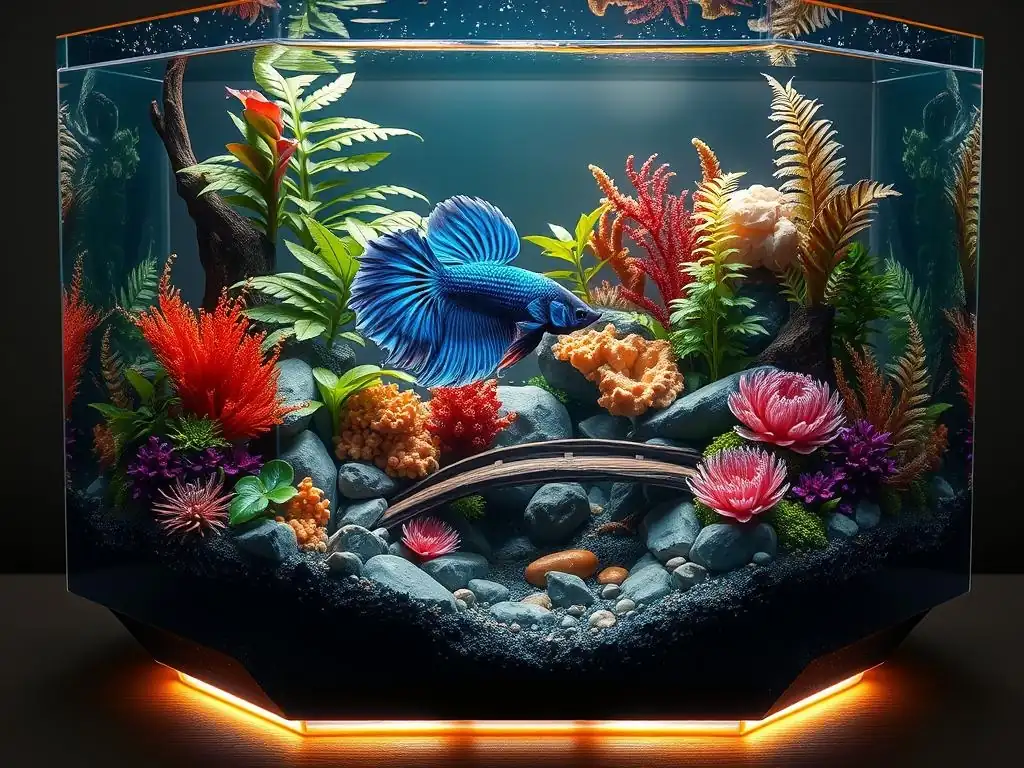
Creating an ideal home for your Betta fish goes far beyond simply providing water; it involves crafting a stimulating, safe, and aesthetically pleasing environment. The right selection of Betta fish tank decorations is paramount to achieving this balance. These elements not only enhance the visual appeal of your aquarium, transforming it into a vibrant focal point in your home, but more importantly, they contribute directly to the physical health and psychological well-being of your aquatic companion.
Proper Betta fish tank decorations provide essential hiding spots, promote natural behaviors, and offer surfaces for beneficial bacteria to colonize, contributing to a stable ecosystem. Neglecting the quality and suitability of these items can lead to stress, injury, or even illness for your delicate Betta. Therefore, understanding the nuances of choosing and arranging Betta fish tank decorations is a crucial step for any responsible aquarist aiming to provide a thriving "palace" for their fish.
Prioritizing Betta Fish Safety: Choosing Safe Tank Decorations
When selecting any Betta fish tank decorations, safety must be the absolute top priority. Betta fish, particularly the long-finned varieties, are delicate creatures prone to fin tears and injuries if their environment is not carefully curated. A seemingly harmless decoration can become a significant hazard if it possesses sharp edges, abrasive surfaces, or is made from toxic materials.
Ensuring the well-being of your Betta means meticulously inspecting every item before it enters the aquarium. This proactive approach prevents potential physical harm and safeguards the water quality, which is intrinsically linked to the materials used in your Betta fish tank decorations.
Avoiding Sharp Edges and Abrasive Surfaces: Protecting Your Betta's Fins
Betta fish are renowned for their magnificent, flowing fins, which are also incredibly delicate and susceptible to damage. Sharp edges or abrasive surfaces on Betta fish tank decorations can easily snag, tear, or fray these fins, leading to painful injuries. Such wounds are not only distressing for the fish but also create open pathways for bacterial infections like fin rot, a common ailment that can rapidly escalate if not addressed. Common culprits include poorly molded plastic plants, rough ceramic ornaments, or natural rocks with jagged points.
To prevent such injuries, it is imperative to thoroughly inspect every potential decoration. Before placing any item in the tank, gently run your fingers over all its surfaces, checking for any rough spots, sharp seams, or pointy protrusions. If you encounter minor imperfections on an otherwise suitable piece, consider carefully sanding them down with fine-grit sandpaper or a nail file, then rinsing thoroughly. Prioritize Betta fish tank decorations explicitly marketed as "Betta safe" or made from soft, pliable materials like silk or silicone, which minimize the risk of fin damage.
Non-Toxic Materials: Selecting Decorations Safe for Aquarium Water
The materials used in Betta fish tank decorations can have a profound impact on water chemistry and, consequently, your Betta's health. Some materials can leach harmful chemicals, heavy metals, or dyes into the aquarium water, leading to stress, organ damage, or even fatal poisoning over time. For instance, non-aquarium-grade plastics might contain BPA or phthalates, while certain paints or glazes not designed for submerged use can release toxins.
Always opt for Betta fish tank decorations explicitly labeled "aquarium safe" or "food grade." These products are manufactured from inert materials such as high-quality resin, silicone, or specific types of ceramic and glass that will not dissolve or leach substances into the water. If incorporating natural elements like driftwood or rocks, ensure they are suitable for aquatic environments and properly prepared to prevent chemical imbalances. A Betta's typical lifespan can range from 2 to 5 years, and prolonged exposure to even low levels of toxins can significantly reduce this, often manifesting as chronic illness or dull coloration.
Identifying and Removing Potential Hazards: Inspecting New Decorations
Beyond sharp edges and toxic materials, new Betta fish tank decorations can harbor other hidden dangers that must be identified and eliminated before introduction into the aquarium. Manufacturing residues, dust, or even microscopic debris can cling to new items, potentially fouling the water if not removed. Furthermore, some ornaments, particularly those with intricate designs, may contain small holes or narrow openings that pose an entrapment risk for curious Bettas.
Before adding any new Betta fish tank decorations to your aquarium, perform a thorough cleaning process. Rinse them extensively under cool, running tap water (avoiding soap or detergents, which are highly toxic to fish) to remove any surface contaminants. For items like driftwood or porous rocks, a prolonged soak or even boiling (if safe for the material) can help leach out impurities and ensure they are fully saturated to prevent floating.
Crucially, examine any tunnels, caves, or archways within the decor. Ensure that all openings are sufficiently wide—at least 1.5 to 2 times the width of your Betta's body—to allow for safe passage and turning, preventing the fish from getting stuck or injuring itself while exploring.
Aesthetic Considerations for Your Betta Tank: Enhancing Visual Appeal
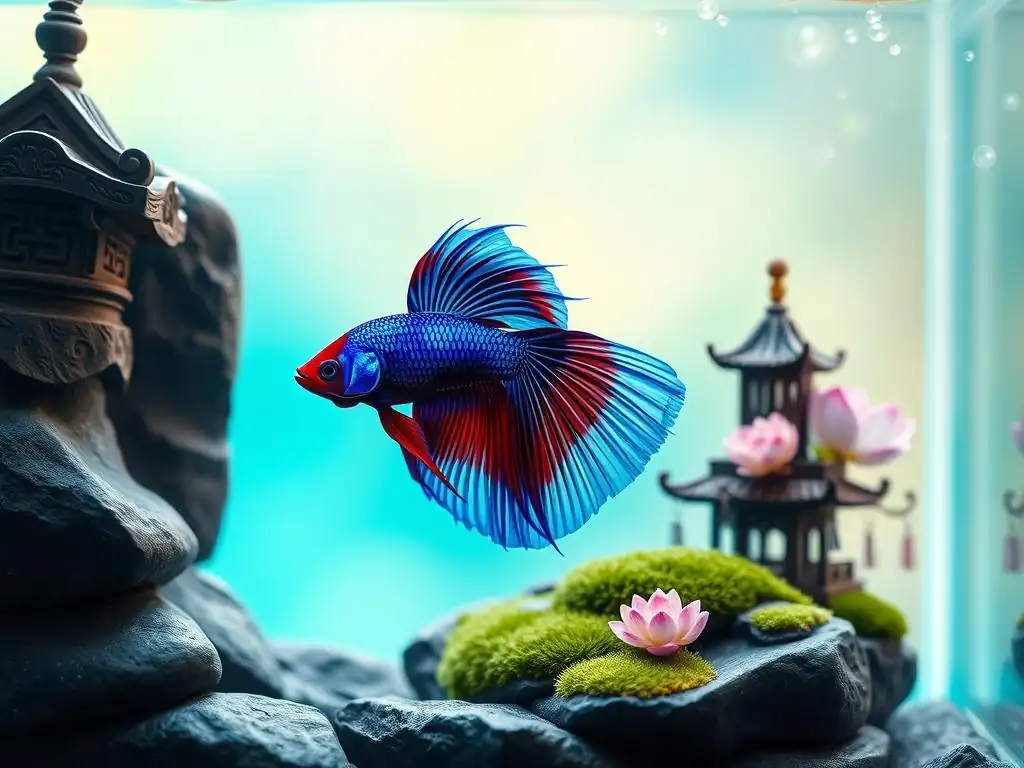
While safety remains paramount, the aesthetic appeal of your Betta tank is also a vital component of creating a truly enriching environment. Thoughtfully chosen and arranged Betta fish tank decorations can transform a simple glass box into a captivating underwater landscape, not only pleasing to the human eye but also providing visual stimulation and a sense of natural habitat for your fish. A well-designed aquascape enhances the viewing experience and contributes to the overall well-being of your Betta by mimicking elements of its natural environment.
Selecting Colors and Textures: Creating a Visually Stimulating Environment
The choice of colors and textures for your Betta fish tank decorations plays a significant role in the overall ambiance of the aquarium. Natural tones like greens, browns, and muted grays can create a serene, realistic environment reminiscent of a Betta's native Southeast Asian rice paddies and shallow streams. These colors often allow the vibrant hues of the Betta itself to stand out beautifully. Conversely, incorporating pops of brighter, aquarium-safe colors can add visual interest and stimulate the fish's curiosity, though moderation is key to avoid overwhelming the tank.
Texture adds depth and complexity to the aquascape. Smooth river stones contrast beautifully with the rough bark of driftwood or the delicate fronds of live plants. A varied textural profile not only makes the tank more visually engaging but also provides different tactile experiences for your Betta as it explores its surroundings. For example, a tank featuring fine-leaved Java Moss alongside broad-leaved Anubias and a gnarled piece of Mopani wood offers a rich sensory landscape that encourages exploration and natural behaviors.
Balancing Natural and Artificial Elements: Combining Plants, Rocks, and Decor
Many aquarists find that the most visually appealing and functional Betta tanks achieve a harmonious balance between natural and artificial Betta fish tank decorations. Live plants offer unparalleled benefits, including oxygenation, natural filtration, and a dynamic, evolving aesthetic. They also provide excellent cover and foraging opportunities. However, artificial elements can introduce unique shapes, colors, or themes that might not be achievable with natural materials, or they can simply offer a low-maintenance alternative for busy aquarists.
The key to success lies in thoughtful integration. For instance, a tank might feature a lush background of live Amazon Swords, complemented by a central piece of natural driftwood, and then accented with a single, high-quality, silk artificial plant for a pop of color or a specific shape. A common approach is to aim for a 60-40 or 70-30 split, favoring natural elements for their biological benefits and realistic appearance, while using artificial Betta fish tank decorations sparingly to add specific visual flair. This ensures the tank feels naturalistic yet offers creative design freedom.
Creating Hiding Places and Resting Spots: Promoting Betta Comfort and Security
Beyond aesthetics, Betta fish tank decorations serve a crucial functional purpose: providing essential hiding places and resting spots. Bettas, despite their bold appearance, are naturally curious yet also require secure retreats where they can feel safe, reduce stress, and rest undisturbed. Without adequate cover, a Betta may become anxious, leading to dull coloration, clamped fins, and increased susceptibility to disease due to chronic stress.
Ideal hiding places include small caves, tunnels, dense thickets of plants (both live and soft artificial), and broad-leaved plants that allow the Betta to rest near the surface. Items like half-coconut shells, ceramic caves, or even Betta hammocks (artificial leaves with suction cups placed near the water surface) are excellent choices. A well-decorated Betta tank should offer at least 2-3 distinct hiding spots for a single Betta, providing options for retreat and ensuring the fish always feels secure within its environment. This promotes natural behaviors and contributes significantly to the fish's overall health and longevity.
Essential Betta Fish Tank Decorations: A Detailed Guide
Equipping your Betta's tank with the right Betta fish tank decorations is fundamental to their well-being and the aesthetic appeal of your aquarium. This section delves into specific types of decorations, highlighting their benefits and considerations for selection. From living plants that enhance water quality to natural hardscape elements and artificial options, each choice plays a role in creating a rich and stimulating habitat.
Live Plants for Betta Tanks: Benefits and Best Choices
Live plants are among the best Betta fish tank decorations you can choose, offering a multitude of benefits beyond their visual appeal. They contribute to biological filtration by absorbing nitrates, produce oxygen through photosynthesis, and provide natural hiding spots and resting places for your Betta. The movement of plant leaves also offers gentle stimulation.
Anubias: A Low-Maintenance Plant for Betta Aquariums
Anubias species, such as Anubias barteri and Anubias nana, are renowned for their hardiness and low-maintenance requirements, making them perfect for Betta tanks. These plants are slow-growing and do not require high light or CO2 supplementation, thriving in a wide range of water parameters. Their broad, sturdy leaves provide excellent resting platforms for Bettas, who often enjoy lounging just beneath the water surface.
For optimal growth, Anubias should not have its rhizome (the thick horizontal stem from which leaves and roots grow) buried in the substrate, as this can lead to rot. Instead, it's best to attach them to driftwood or rocks using fishing line or super glue gel until their roots anchor naturally. Anubias thrives in temperatures between 72-82°F (22-28°C), aligning perfectly with the ideal temperature range for Betta fish, making it a synergistic Betta fish tank decoration.
Java Fern: Easy to Grow and Provides Excellent Cover
Java Fern ( Microsorum pteropus) is another exceptionally easy-to-grow plant that is highly beneficial for Betta aquariums. Like Anubias, it is a rhizome plant best attached to hardscape elements rather than being planted in the substrate. Its unique, textured leaves grow into dense clumps, creating fantastic natural hiding spots and breaking up lines of sight within the tank, which can reduce stress for the Betta.
Java Fern is tolerant of a wide range of lighting conditions and water parameters, making it ideal for beginners. It can grow to heights of 6-12 inches (15-30 cm), adding significant vertical structure to the tank. Beyond providing cover, Java Fern also aids in maintaining water quality by absorbing excess nutrients, including nitrates, contributing to a healthier environment for your Betta.
Amazon Sword: Adding Height and Visual Interest to Your Betta Tank
The Amazon Sword plant ( Echinodorus amazonicus) is a popular choice for larger Betta tanks (5 gallons and up) due to its impressive size and lush appearance. With proper care, its long, sword-shaped leaves can grow quite tall, providing a dramatic backdrop and excellent coverage. Unlike Anubias and Java Fern, Amazon Swords are heavy root feeders and require a nutrient-rich substrate to thrive, often benefiting from root tabs.
The large leaves of a mature Amazon Sword offer ample resting places and security for your Betta. A well-established Amazon Sword can reach heights over 20 inches (50 cm), creating a truly naturalistic and visually appealing focal point. These plants contribute significantly to oxygenation and nutrient absorption, enhancing the overall health and stability of the Betta's aquatic environment.
Artificial Plants: Selecting Safe and Realistic Options
While live plants offer numerous benefits, artificial plants remain a popular choice for Betta fish tank decorations due to their zero-maintenance nature and consistent aesthetic appeal. They don't die, don't require specific lighting, and can introduce vibrant colors or intricate shapes not found in live flora. However, the selection of artificial plants requires careful consideration to ensure your Betta's safety.
The primary concern with artificial plants is the material and finish. Rigid plastic plants, especially cheaper varieties, often have sharp edges or abrasive seams that can easily tear a Betta's delicate fins. Always prioritize artificial plants made from soft silk or pliable silicone. These materials are gentle on fins and provide a more natural movement in the water, mimicking real plants. Before adding any artificial Betta fish tank decorations, always run your fingers over them to check for any rough spots or sharp points, even on products marketed as "Betta safe," as manufacturing inconsistencies can occur.
Driftwood and Rocks: Adding Natural Elements to Your Betta's Environment
Driftwood and rocks are excellent natural Betta fish tank decorations that can instantly elevate the aesthetic of your aquarium, creating a more naturalistic and complex environment. They provide surfaces for beneficial bacteria to colonize, offer hiding spots, and can release beneficial tannins that mimic the Betta's blackwater natural habitat.
Choosing the Right Type of Driftwood for Your Aquarium
Popular types of aquarium-safe driftwood include Mopani wood, Malaysian driftwood, and Manzanita. Mopani wood is known for its dense, sculptural quality and often has two distinct colors, while Malaysian driftwood is typically darker and releases tannins more readily. Manzanita offers intricate, branch-like structures. All these types can release tannins, which tint the water a tea-like color. This "blackwater" effect is harmless and even beneficial for Bettas, as it slightly lowers pH and provides a more natural environment.
Before adding driftwood, it must be thoroughly prepared. This involves prolonged soaking (often for several days to weeks, with regular water changes) to leach out excess tannins and ensure the wood becomes waterlogged and sinks. Boiling smaller pieces can accelerate this process and sterilize the wood. Driftwood also provides excellent surfaces for beneficial biofilm, which Bettas may graze on, and contributes to biological filtration.
Selecting Safe Rocks and Stones for Your Betta Tank
Rocks and stones add visual weight, structure, and unique textures to your Betta tank. Smooth river stones, slate, lava rock, and certain types of quartz are generally safe choices. Avoid rocks with sharp edges that could injure your Betta. It's also crucial to avoid rocks that might alter water chemistry, such as limestone or marble, which can leach calcium and raise pH and hardness, potentially stressing your Betta.
To test if a rock is safe, drop a few drops of white vinegar on it; if it fizzes, it contains calcium carbonate and should be avoided. All rocks should be thoroughly cleaned before introduction. Scrub them with a brush under running water to remove dirt, debris, and any potential contaminants.
Boiling smaller, non-porous rocks can also sterilize them. When placing rocks, ensure they are stable and securely positioned to prevent them from toppling over and potentially harming your fish or cracking the tank. For a 5-gallon Betta tank, 1-2 medium-sized smooth rocks (2-4 inches in diameter) can add significant visual interest and structure without overcrowding.
Betta Hammocks and Resting Places: Providing Comfort and Security
Betta hammocks, typically artificial leaves attached to the tank glass with suction cups, are simple yet highly effective Betta fish tank decorations designed specifically for Betta comfort. As labyrinth fish, Bettas breathe atmospheric air from the surface. They often enjoy resting near the top of the tank, and a hammock provides a designated, stable platform for them to do so without expending energy swimming up for each breath.
Place the Betta hammock just below the water line, about 1-2 inches (2.5-5 cm) deep, ensuring easy access for your fish. This allows your Betta to comfortably rest on the leaf, observing its surroundings or even sleeping, while still being able to quickly reach the surface for air. Beyond hammocks, any broad-leaved live plant (like Anubias or Amazon Sword) that reaches near the surface can serve a similar purpose, offering a natural resting spot and enhancing the overall comfort and security of your Betta.
Arranging Your Betta Tank Decorations: Creating a Functional and Beautiful Layout
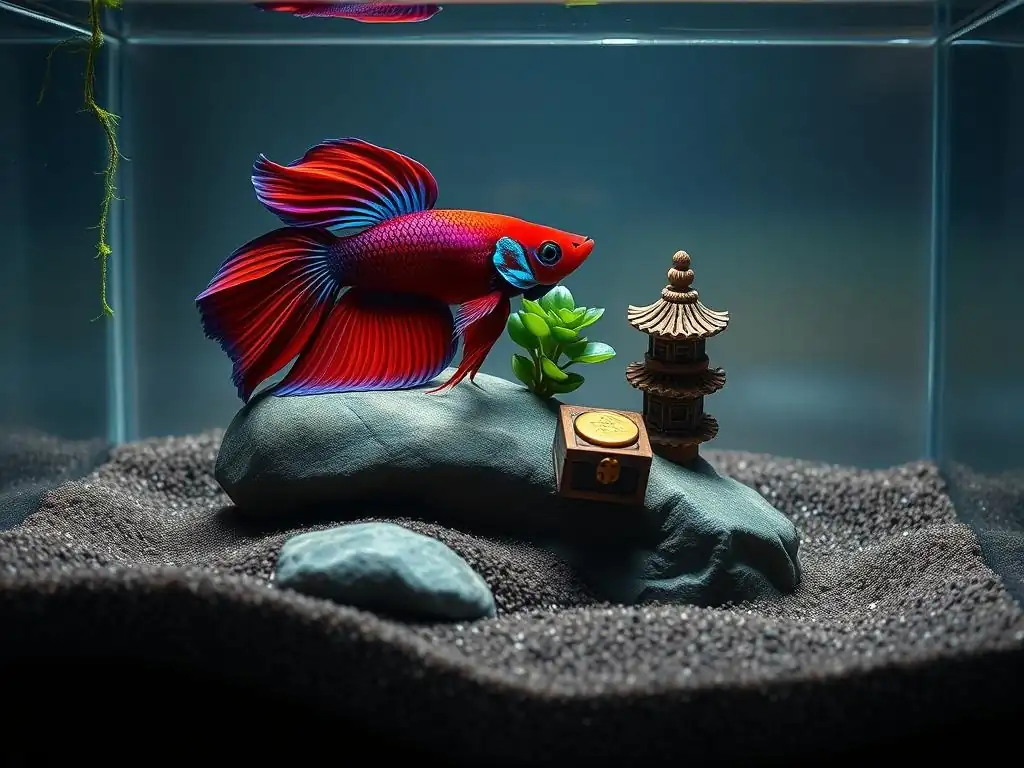
The arrangement of your Betta fish tank decorations is as important as their selection. A thoughtful layout not only creates an aesthetically pleasing aquascape but also optimizes the environment for your Betta's behavior, health, and comfort. Proper placement ensures adequate swimming space, provides essential hiding spots, and can help mitigate potential stress.
Creating Territories and Minimizing Aggression: Understanding Betta Behavior
While Bettas are typically solitary fish in aquariums, they are inherently territorial by nature. Even a single Betta benefits from a tank layout that provides distinct zones and visual barriers, offering a sense of security and control over its environment. This strategic placement of Betta fish tank decorations can reduce stress by allowing the fish to feel that it has "its own space" and can retreat from perceived threats or simply rest undisturbed.
To achieve this, use taller Betta fish tank decorations like large plants, driftwood, or rock formations to break up long lines of sight across the tank. This creates different "rooms" or areas for your Betta to explore and claim. For example, in a standard 5-gallon Betta tank, you might designate one corner as a dense plant zone for hiding, a central area for open swimming, and another section with a cave or piece of driftwood for exploration. This segmented approach mimics the varied environments Bettas encounter in their natural habitats and promotes a sense of security.
Ensuring Adequate Swimming Space: Maintaining Water Flow and Open Areas
Despite the importance of providing cover and visual interest, it is crucial to ensure that your Betta fish tank decorations do not impede your Betta's ability to swim freely. Bettas, especially the long-finned varieties, need ample open space to navigate without constantly bumping into obstacles. Restricting swimming space can lead to physical injury, chronic stress, and reduced activity levels.
When arranging your Betta fish tank decorations, aim to leave approximately 40-50% of the tank's footprint as open swimming area. This ensures that your Betta can move comfortably, display its natural swimming patterns, and easily access the water surface for air. Adequate open space also facilitates proper water circulation from your filter, preventing stagnant areas where waste might accumulate. Position heaters and filter intakes/outlets so they are not obstructed by decor, ensuring optimal functionality and water flow within the aquarium.
Avoiding Overcrowding: Balancing Decorations with Your Betta's Needs
A common mistake made by new aquarists is over-decorating, attempting to fill every available space with Betta fish tank decorations. While the intention is often to create a rich environment, an overcrowded tank can be detrimental to your Betta's health and the overall tank ecosystem. Too many decorations reduce the actual water volume, making it harder to maintain stable water parameters, and can complicate routine cleaning and maintenance.
Instead of quantity, focus on quality and purpose when selecting Betta fish tank decorations. For a typical 5-gallon Betta tank, a judicious selection of 3-5 primary decor pieces is often sufficient to create a stimulating and beautiful environment without overcrowding. This might include 1-2 live plants, a single piece of carefully selected driftwood or a cave, and a Betta hammock. Each piece should serve a functional purpose, such as providing a hiding spot or resting place, in addition to its aesthetic contribution, ensuring a balanced and healthy habitat for your Betta.
Maintaining Your Betta Tank Decorations: Keeping Your Aquarium Clean and Healthy
The maintenance of your Betta fish tank decorations is an integral part of overall aquarium upkeep. Regular cleaning and inspection not only preserve the aesthetic appeal of your tank but also contribute significantly to maintaining water quality and preventing the buildup of harmful substances. Neglecting decor maintenance can lead to algae growth, accumulation of detritus, and potential hazards for your Betta.
Regular Cleaning and Inspection: Preventing Algae Growth and Damage
Over time, Betta fish tank decorations can accumulate algae, biofilm, and detritus, which can detract from the tank's appearance and potentially harbor unwanted bacteria. Regular cleaning is essential to prevent excessive buildup. During routine tank maintenance, carefully remove decorations and gently scrub them with an aquarium-specific brush or a soft, dedicated sponge. Never use household soaps, detergents, or chemical cleaners, as their residues are highly toxic to fish.
Beyond cleaning, use this opportunity to thoroughly inspect each piece of Betta fish tank decoration for any signs of wear or damage. Check for new sharp edges that may have developed due to chipping or degradation, especially on plastic or ceramic items. Look for cracks or signs of paint peeling, which could indicate the decoration is no longer safe or is leaching harmful substances. Addressing these issues promptly prevents potential injury to your Betta and maintains a pristine environment. Aim for a light cleaning of visible algae every 1-2 weeks during water changes.
Removing and Replacing Decorations: When to Refresh Your Betta's Environment
While many Betta fish tank decorations can last for years with proper care, there are times when removal or replacement becomes necessary. A decoration might need to be replaced if it becomes irreparably damaged, such as a plastic plant becoming brittle and sharp, or if a ceramic ornament develops a significant crack. You might also choose to replace or rotate Betta fish tank decorations simply to refresh the tank's aesthetic or to provide new stimulation for your Betta.
When making significant changes to the tank's layout or replacing multiple Betta fish tank decorations, it's advisable to do so gradually. Removing all familiar elements at once can be disorienting and stressful for your Betta. Consider changing only 25-50% of the decor at a time, allowing your fish to acclimate to the new arrangement over a few days before making further modifications. This minimizes stress and ensures your Betta feels secure in its evolving home.
Water Changes and Decoration Maintenance: A Synergistic Approach
Integrating the cleaning of Betta fish tank decorations with your routine water changes is a highly efficient and effective maintenance strategy. When performing a weekly 25-30% water change for a 5-gallon Betta tank, the reduced water level provides easier access to submerged decorations, making cleaning more convenient and less disruptive for the fish.
This synergistic approach ensures that both the water quality and the cleanliness of the Betta fish tank decorations are consistently maintained. By removing debris and algae from surfaces during water changes, you prevent the accumulation of organic matter that could otherwise contribute to elevated ammonia, nitrite, or nitrate levels. This combined effort creates a more stable, cleaner, and healthier ecosystem for your Betta, promoting long-term well-being and vibrant coloration.
Common Mistakes to Avoid When Decorating a Betta Fish Tank
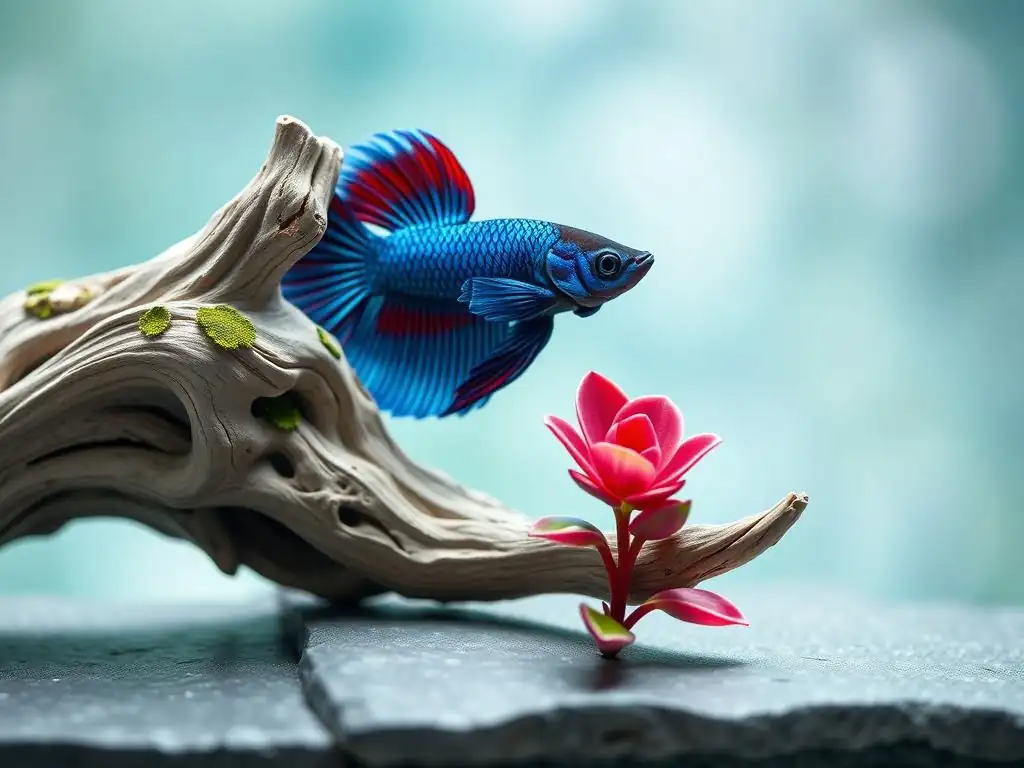
Even with the best intentions, aquarists can sometimes make common mistakes when selecting and arranging Betta fish tank decorations. Being aware of these pitfalls can save you time, money, and, most importantly, ensure the safety and happiness of your Betta fish. Avoiding these errors is crucial for creating a truly optimal environment.
Over-Decorating: The Importance of Open Space
One of the most frequent mistakes is over-decorating the tank, driven by a desire to make the environment rich and stimulating. However, filling every available inch with Betta fish tank decorations can be detrimental. While Bettas appreciate hiding spots, they also require ample open swimming space, particularly the long-finned varieties that need room to maneuver gracefully without hindrance.
Over-decoration restricts your Betta's movement, making it difficult for them to swim freely, access the surface for air, or escape from perceived threats. This can lead to chronic stress, fin damage from constant rubbing, and even poor water circulation. For a standard 5-gallon Betta tank, aim to keep at least 40-50% of the tank's footprint relatively clear of large obstructions. This ensures sufficient space for swimming, exploration, and proper water flow, creating a balanced habitat where your Betta can thrive without feeling confined.
Using Decorations with Small Holes: Preventing Your Betta from Getting Stuck
A critical but often overlooked danger with certain Betta fish tank decorations is the presence of small holes, narrow crevices, or tight tunnels. Curious Bettas, especially with their flowing fins, are prone to exploring these spaces and can easily become trapped, leading to severe injury, stress, or even death if they cannot free themselves. Common culprits include certain ceramic castles, shipwrecks, or log ornaments with poorly designed openings.
Before purchasing any Betta fish tank decorations that feature holes or tunnels, carefully inspect the size of all openings. A good rule of thumb is to ensure that any hole or passage is at least 1.5 to 2 times the width of your Betta's body. This provides enough clearance for the fish to swim through comfortably and turn around without getting stuck. If you're unsure about an opening, it's safer to err on the side of caution and choose a different decoration or find a way to block the hazardous opening with aquarium-safe silicone.
Neglecting Water Chemistry: The Impact of Decorations on Tank Parameters
While most Betta fish tank decorations marketed as "aquarium safe" are inert and won't affect water chemistry, some natural elements or improperly prepared items can subtly alter tank parameters. For instance, certain types of rocks (like limestone or marble) can leach calcium carbonate, increasing water hardness (GH/KH) and pH. Similarly, un-cured driftwood can release significant amounts of tannins, causing a temporary drop in pH.
It's crucial to be aware of the potential impact of your Betta fish tank decorations on water chemistry. Always test any natural rocks with a vinegar drop before adding them to ensure they are inert. For driftwood, prolonged soaking and boiling can help minimize the release of tannins and prevent drastic pH swings. After introducing new decorations, especially natural ones, closely monitor your tank's water parameters, including pH, ammonia, nitrite, and nitrate, for several days to a week. Maintain a stable pH between 6.5-7.5 for Bettas and address any significant fluctuations promptly to ensure a healthy and stable environment.
Conclusion: Creating a Safe and Stunning Aquarium for Your Betta Fish
Decorating your Betta's palace is an art that harmonizes both safety and aesthetics, creating an environment where your fish can truly thrive. By prioritizing non-toxic materials, avoiding sharp edges, and providing ample hiding spots and swimming space, you safeguard your Betta's delicate fins and reduce stress. Integrating a thoughtful mix of live plants, safe artificial decor, and natural hardscape elements like driftwood and rocks not only enhances the visual appeal of your aquarium but also mimics the stimulating complexity of a Betta's natural habitat.
Regular maintenance of your Betta fish tank decorations is key to long-term success, preventing algae buildup and ensuring continued safety. By avoiding common pitfalls such as over-decorating or using hazardous items, you ensure your Betta has the best possible home. Ultimately, a well-decorated Betta tank is a testament to an aquarist's dedication, providing a stunning display for you and a secure, enriching sanctuary for your cherished Betta fish.
Frequently Asked Questions
What types of decorations are safest for Betta fish tanks?
Safe decorations include smooth rocks, silk plants, and Betta-specific hides that lack sharp edges or small openings where they could get stuck. Avoid anything with rough surfaces that could damage their delicate fins.
How many decorations should I put in my Betta tank?
While Bettas enjoy having hiding spots and places to explore, avoid overcrowding. Aim for a balance between enrichment and open swimming space to prevent stress and maintain water quality.
Can I use real plants in my Betta tank?
Yes! Live plants are excellent for Betta tanks. They provide natural hiding places, help improve water quality, and add a beautiful aesthetic. Anubias, Java Fern, and Amazon Swords are good choices.
What decorations should I avoid in a Betta tank?
Avoid decorations with sharp edges, small holes, or made from materials that can leach harmful chemicals into the water. Resin decorations with poorly finished edges are a common culprit.
How can I ensure my decorations don't negatively impact my water quality?
Always thoroughly rinse any new decorations before adding them to the tank. Regularly monitor your water parameters (pH, ammonia, nitrite, nitrate) and perform water changes as needed to maintain a healthy environment.
Final Reflection: Crafting Aquatic Harmony
The journey of curating a safe and aesthetically pleasing environment for a Betta fish, as we've explored, is more than just selecting Betta fish tank decorations; it's about understanding and respecting the delicate balance of their aquatic world. The principles of safety and design we've discussed are not merely guidelines, but rather a foundation for responsible and enriching fishkeeping, ensuring our finned companions thrive in a space that reflects both their needs and our appreciation for their beauty.
This exploration of Betta tank decor has underscored the profound impact we have on these creatures' lives. It's a reminder that even seemingly small choices, like the type of plant or the texture of a rock, can significantly affect their well-being. The best aquarium is one that mirrors the natural environment of the fish, providing both security and stimulation.
This quote perfectly encapsulates the essence of responsible Betta keeping, urging us to prioritize their comfort and health above all else.
As you embark on, or continue, your journey of decorating your Betta's palace, remember that you are not just arranging objects; you are creating a home. Let the principles of safety and aesthetics guide your choices, and let your creativity flow to craft an environment that is both beautiful to behold and beneficial to your Betta's life. Reflect on the impact your decisions have, and strive to create a space where your Betta can truly flourish.
Craft Your Betta's Dreamscape
Thank you for diving into the world of Betta aquascaping! We hope you’ve discovered new ways to create a safe and stunning underwater haven for your finned friend. Now, let's turn that knowledge into action!
Here are a few ways to continue your Betta’s decor journey:
- Start small, dream big: Begin by swapping out one unsafe decoration with a natural alternative, like live plants or smooth driftwood.
- Share your knowledge: Post a picture of your Betta tank before and after redecorating on social media and tag Aquarium Mastery to inspire others.
- Unearth hidden gems: Visit a local artisan fair or rock shop and look for unique, fish-safe decorations you won't find anywhere else.
What's the first small change you're excited to make to your Betta's aquarium to boost both its safety and beauty?