
Butterflyfish in Mixed Company: Crafting a Harmonious Saltwater Community

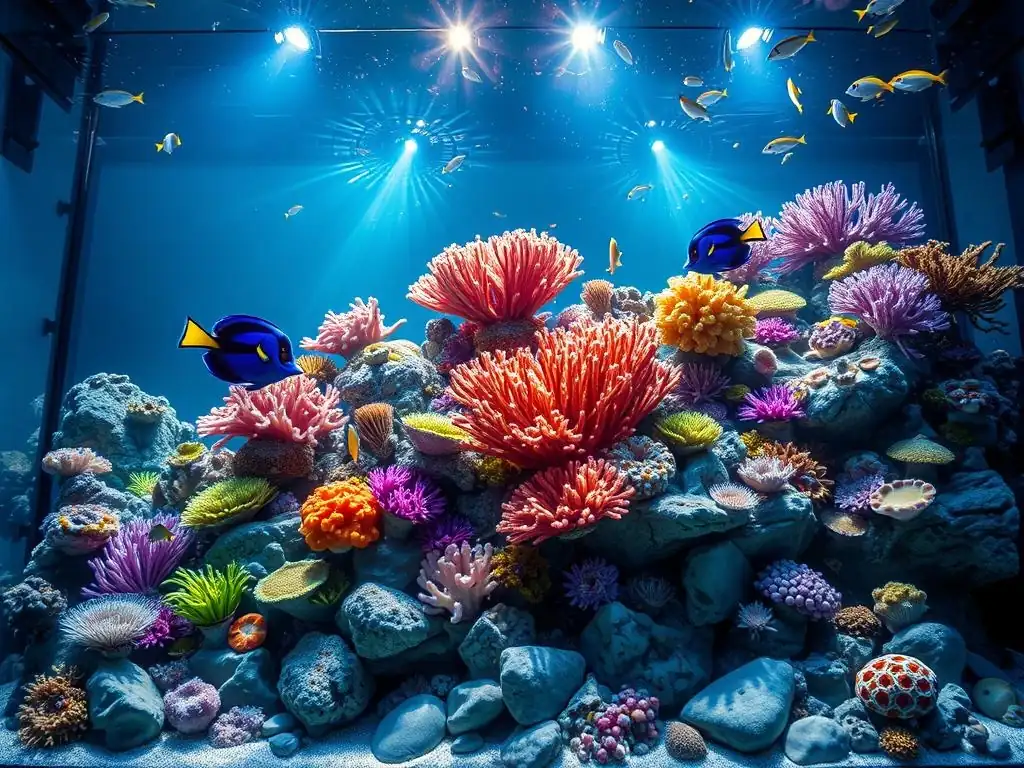
Welcome to Aquarium Mastery!
Ever wondered if those graceful butterflyfish can truly thrive in a community saltwater aquarium? Dive into our exploration of saltwater butterflyfish community compatibility and discover the secrets to creating a balanced and beautiful underwater ecosystem. Are you ready to unlock the potential of your reef tank? Let's get started!
- Understanding Saltwater Butterflyfish Community Compatibility
- Assessing Butterflyfish Temperament and Tankmate Selection
- Creating the Ideal Environment for Butterflyfish Community Tanks
- Feeding Strategies for a Diverse Saltwater Butterflyfish Community
- Monitoring and Maintaining a Healthy Butterflyfish Community
- Case Studies: Successful Saltwater Butterflyfish Community Tanks
- Troubleshooting Common Issues in Butterflyfish Community Aquariums
-
Frequently Asked Questions
- How difficult is it to maintain a saltwater aquarium suitable for butterflyfish?
- What are the biggest challenges in ensuring Saltwater butterflyfish community compatibility?
- What type of fish are generally not good tank mates for butterflyfish in a saltwater aquarium?
- What are some key factors to consider when choosing butterflyfish for a community saltwater aquarium?
- Where can I find more detailed information on specific butterflyfish species and their compatibility?
- Final Reflection: The Delicate Dance of Coexistence
- Unlock Your Reef's Hidden Potential!
Understanding Saltwater Butterflyfish Community Compatibility
The Allure and Challenge of Butterflyfish in Reef Tanks
Butterflyfish are undeniably among the most captivating inhabitants of a saltwater aquarium, renowned for their vibrant colors, intricate patterns, and graceful swimming motions. Belonging primarily to the Chaetodon genus, which boasts over 120 distinct species, these fish add an unparalleled aesthetic appeal to any marine setup. Their slender bodies and elongated snouts make them instantly recognizable, drawing the eye and becoming a focal point in a well-curated display.
Despite their undeniable beauty, integrating butterflyfish into a mixed community, especially a reef tank, presents unique challenges. Many species are highly specialized feeders, with some being obligate corallivores that will relentlessly nip at and consume live corals, rendering them unsuitable for delicate reef environments. Furthermore, some butterflyfish can be finicky eaters, susceptible to common marine diseases, and may exhibit territorial aggression, making true saltwater butterflyfish community compatibility a nuanced endeavor requiring careful planning and execution.
Key Considerations for a Peaceful Butterflyfish Aquarium
Achieving a peaceful and thriving butterflyfish aquarium hinges on several foundational considerations, beginning with the provision of an optimal environment. Stable water parameters are paramount, including a consistent salinity of 1.023-1.025, a temperature range of 72-78°F, and a pH level between 8.1 and 8.4. Ample swimming space and appropriately structured rockwork are also crucial, as these elements reduce stress and provide territories, which are foundational for minimizing potential aggression among tank inhabitants.
Beyond environmental stability, successful saltwater butterflyfish community compatibility relies heavily on meticulous tank mate selection. Factors such as the size of the fish, their inherent temperament, and any potential dietary overlap must be thoroughly assessed. Certain butterflyfish species are naturally more prone to territorial disputes or aggression, especially towards new additions or fish with similar body shapes and colorations. Understanding these dynamics is essential to prevent conflicts and foster a harmonious coexistence.
Assessing Butterflyfish Temperament and Tankmate Selection
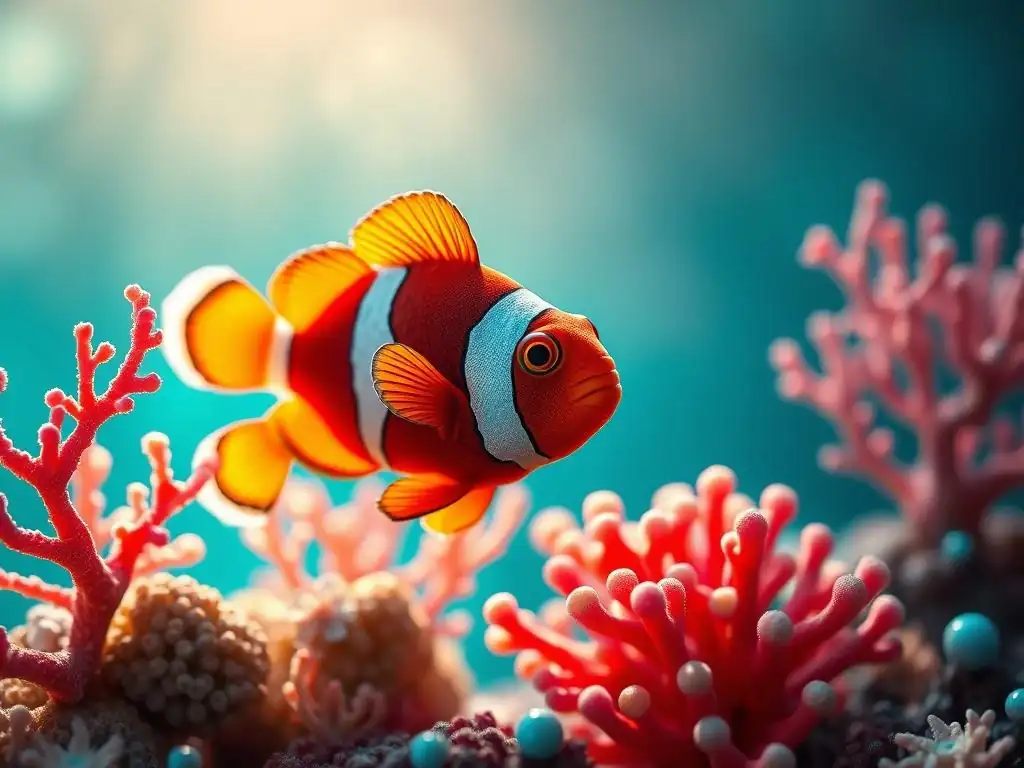
Butterflyfish Species Profiles: Identifying Compatible Temperaments
When considering butterflyfish for a community tank, it's vital to research individual species profiles to identify those with more compatible temperaments. The Copperband Butterflyfish ( Chelmon rostratus), for instance, is often lauded for its peaceful disposition and its natural inclination to consume nuisance Aiptasia anemones, making it a popular choice for reef keepers.
This species typically reaches an adult size of about 8 inches and generally coexists well with a variety of peaceful to semi-aggressive fish. Similarly, the Longnose Butterflyfish ( Forcipiger flavissimus), reaching up to 8.5 inches, is another relatively peaceful option known for its distinctive elongated snout and curious nature.
In contrast, some butterflyfish species exhibit more assertive or specialized behaviors that limit their saltwater butterflyfish community compatibility. The Raccoon Butterflyfish ( Chaetodon lunula), while hardy, can become semi-aggressive, particularly as it matures, and may nip at corals or other invertebrates. Other species, like the Pyramid Butterflyfish ( Hemitaurichthys polylepis), are generally peaceful planktivores but may struggle to compete for food in a very active tank. Thorough research into the specific dietary and behavioral needs of each butterflyfish species is indispensable for a successful mixed aquarium.
Aggressive vs. Peaceful Butterflyfish: Knowing the Difference
Distinguishing between aggressive and peaceful butterflyfish is a critical step in crafting a harmonious community. Aggressive species often display clear territorial behaviors, such as incessant chasing, fin-nipping, or body slamming, especially towards new tank mates or fish that closely resemble them. For example, some individuals of the Lemon Butterflyfish ( Chaetodon miliaris) can be quite boisterous, and the Vagabond Butterflyfish ( Chaetodon vagabundus) may become dominant in smaller tanks, asserting its presence over less robust species.
Conversely, peaceful butterflyfish tend to be more reserved, focusing primarily on foraging and exploring their environment without engaging in confrontational interactions. They might be shy initially, preferring to hide until they feel secure. However, it's important to remember that even typically peaceful species can become stressed or exhibit uncharacteristic aggression if housed in an inadequate environment, such as an undersized tank, or if constantly harassed by inappropriate or overly aggressive tank mates. Understanding these nuances is fundamental to maintaining saltwater butterflyfish community compatibility.
Choosing the Right Tank Mates for Butterflyfish: Minimizing Aggression
Selecting appropriate tank mates is paramount to minimizing aggression and fostering a peaceful saltwater butterflyfish community. Ideal companions are those that occupy different ecological niches, possess distinct body shapes, and are not overly aggressive or territorial. Excellent choices often include various Tangs (such as the popular Yellow Tang, Zebrasoma flavescens), certain species of Clownfish (like the Ocellaris Clownfish, Amphiprion ocellaris), and many species of Gobies, which typically remain on the substrate. It is crucial to ensure that tank mates are roughly similar in size to prevent either predation or bullying.
Conversely, certain types of fish should generally be avoided as tank mates for butterflyfish. This includes highly aggressive species like some Triggerfish or large Angelfish, which can easily overpower and stress butterflyfish. Similarly, introducing other butterflyfish of similar appearance or size into a tank that is not exceptionally large can lead to intense territorial disputes. The goal is to create a diverse community where each fish has its own space and does not directly compete for resources or territory, thereby maximizing saltwater butterflyfish community compatibility.
Creating the Ideal Environment for Butterflyfish Community Tanks
Tank Size Matters: Providing Ample Space for Butterflyfish
The physical dimensions and volume of an aquarium are paramount for the successful integration of butterflyfish into a community setting. Adequate tank size directly correlates with reduced territorial disputes and provides essential swimming space, which is vital for these active fish. For a single average-sized butterflyfish, such as a Copperband, a minimum tank volume of 75 gallons is often recommended to ensure sufficient territory and dilution of waste products. For multiple butterflyfish or a diverse community including other active swimmers, a tank of 120 gallons or larger is frequently necessary.
Larger tanks also offer greater stability in water parameters, which is crucial for sensitive butterflyfish. More water volume acts as a buffer against rapid fluctuations in temperature, pH, and salinity, creating a more forgiving environment. Overcrowding is a primary catalyst for stress, aggression, and disease outbreaks in any saltwater butterflyfish community, making a generously sized aquarium one of the most important investments for their long-term health and peaceful coexistence.
Rockwork and Hiding Places: Reducing Stress in a Butterflyfish Aquarium
The strategic arrangement of live rock within a butterflyfish aquarium is fundamental for mitigating stress and fostering a sense of security. Ample live rock should be used to create a complex landscape of caves, overhangs, and swim-throughs. This intricate structure provides numerous hiding places for shy or newly introduced fish, allowing them to retreat when feeling threatened or stressed. A general guideline often suggests 1 to 2 pounds of live rock per gallon, although the specific arrangement is more important than the exact weight.
Well-designed rockwork also plays a critical role in breaking up lines of sight within the aquarium. This prevents dominant fish from constantly seeing and harassing subordinate individuals, thereby reducing the likelihood of chronic stress and aggression. By establishing distinct territories and offering visual barriers, proper rockwork contributes significantly to managing potential conflicts and promoting a more harmonious saltwater butterflyfish community compatibility.
Water Parameters and Stability: Essential for Butterflyfish Health
Maintaining precise and stable water parameters is absolutely essential for the health and well-being of butterflyfish in a community tank. Key parameters that must be consistently monitored and maintained include temperature (ideally 74-78°F), specific gravity (salinity) at 1.024-1.026, pH levels between 8.0-8.4, alkalinity (dKH) between 7-12, calcium (ppm) at 400-450, and magnesium (ppm) at 1250-1350. Even minor fluctuations can cause significant stress to sensitive butterflyfish, compromising their immune systems and making them more susceptible to disease.
To achieve this stability, reliable equipment such as accurate heaters, robust protein skimmers, and high-quality testing kits are indispensable. Regular testing allows aquarists to identify and correct deviations promptly. Consistent water quality directly impacts the vitality and resilience of butterflyfish, enabling them to better cope with the demands of a community environment and contributing directly to successful saltwater butterflyfish community compatibility.
Feeding Strategies for a Diverse Saltwater Butterflyfish Community
Ensuring All Butterflyfish Receive Adequate Nutrition
Providing a varied and nutritious diet is crucial for the health and vibrancy of all fish within a diverse saltwater butterflyfish community. It is essential to offer a mix of high-quality frozen foods such as mysis shrimp, brine shrimp, and finely chopped seafood like clam or squid. These should be supplemented with premium flake or pellet foods specifically formulated for marine omnivores. Feeding small amounts two to three times a day, rather than a single large meal, is often more beneficial, as it allows shyer fish more opportunities to feed without being outcompeted.
Careful observation during feeding times is necessary to ensure that every butterflyfish is receiving adequate nutrition. Some species, particularly those that are newly introduced or naturally more timid, may be outcompeted by faster, more aggressive tank mates. In such cases, targeted feeding using a turkey baster to deliver food directly to the shyer individuals can be an effective strategy, ensuring no fish is left malnourished in the saltwater butterflyfish community.
Addressing Finicky Eaters: Encouraging Butterflyfish to Feed
Many butterflyfish, particularly when newly introduced to an aquarium, can be notoriously finicky eaters, often refusing prepared foods. Several strategies can be employed to encourage them to feed. Initially, offering live foods like brine shrimp or blackworms can stimulate their feeding response. Soaking frozen foods in appetite stimulants such as garlic extract or vitamin supplements (e.g., Selcon) can also make them more appealing. Experimenting with different food textures and sizes is also recommended, as some butterflyfish may prefer larger chunks while others favor finely minced options.
Patience is a key virtue when dealing with finicky butterflyfish. A healthy, well-established tank with stable water parameters will help new fish acclimate more quickly and reduce stress, thereby increasing their likelihood of accepting prepared foods. For instance, a Copperband Butterflyfish might take several weeks to transition from only consuming Aiptasia to accepting frozen mysis shrimp, requiring consistent effort and observation.
Preventing Food Competition Among Butterflyfish and Tank Mates
Food competition can be a significant source of stress and aggression in a diverse saltwater butterflyfish community. To mitigate this, consider spreading food across different areas of the tank during feeding, which allows more fish access simultaneously and reduces concentrated competition. Using multiple feeding points, such as dropping food on opposite sides of the aquarium, can also be effective. For tanks with particularly aggressive eaters, it can sometimes help to feed the more dominant fish first to satiate them slightly before introducing food for the general population.
It is equally important to avoid overfeeding, which not only degrades water quality but can also exacerbate food competition and lead to health issues. If significant competition persists despite these strategies, re-evaluating the feeding schedule, the types of food offered, or even the overall stocking density may be necessary. Tailoring feeding habits to the specific needs of different fish is a practical yet crucial aspect of maintaining optimal saltwater butterflyfish community compatibility.
Monitoring and Maintaining a Healthy Butterflyfish Community
Observing Butterflyfish Behavior: Early Signs of Stress or Aggression
Diligent daily observation of butterflyfish behavior is critical for early detection of stress, disease, or aggression within the community. Aquarists should look for specific indicators such as clamped fins, rapid or labored breathing, fading or dull coloration, constant hiding, or repeated scratching against rocks or substrate. Persistent chasing, fin-nipping, or other forms of targeted aggression between tank mates are also clear signs of incompatibility or stress.
Early detection of these behaviors allows for timely intervention, which can prevent minor issues from escalating into serious problems. This might involve separating an overly aggressive fish, initiating treatment for a suspected disease, or making adjustments to tank parameters or rockwork to reduce stress. Maintaining a simple daily log of observations can be highly beneficial in identifying patterns and trends in fish behavior, aiding in the proactive management of the saltwater butterflyfish community.
Quarantine Procedures: Introducing New Fish Safely to the Community
The implementation of strict quarantine procedures for all new fish is an absolute necessity before introducing them to an established saltwater butterflyfish community. A dedicated quarantine tank, separate from the main display, should be used for a minimum period of 4 to 6 weeks. This isolation period allows for close observation of new arrivals for any signs of disease, such as Ich ( Cryptocaryon irritans) or Marine Velvet ( Amyloodinium ocellatum), preventing their devastating introduction to the main tank.
During quarantine, new fish should be gradually acclimated to the new environment and monitored for feeding habits and overall health. Prophylactic treatments for common parasites can also be administered in the quarantine tank, minimizing the risk to the main display. This crucial step is arguably the most effective measure an aquarist can take to safeguard the long-term health, stability, and saltwater butterflyfish community compatibility of their entire aquarium.
Regular Water Changes and Testing: Maintaining Optimal Water Quality
Regular water changes are fundamental to maintaining optimal water quality in a saltwater butterflyfish community tank. A typical schedule involves replacing 10-20% of the tank water weekly or bi-weekly, depending on the bioload. This practice effectively removes accumulated nitrates, phosphates, and other pollutants, while simultaneously replenishing essential trace elements that are depleted over time by corals and invertebrates. Consistent water quality directly supports the robust health and immune systems of butterflyfish, making them more resilient to environmental stressors.
Equally important is the consistent testing of key water parameters. Regular checks for salinity, temperature, pH, alkalinity, nitrates, and phosphates provide vital data on the tank's conditions. Maintaining these parameters within their optimal ranges is paramount for the well-being of sensitive butterflyfish and the overall stability of the entire saltwater butterflyfish community. Adherence to a strict water change and testing regimen is non-negotiable for a thriving marine aquarium.
Case Studies: Successful Saltwater Butterflyfish Community Tanks
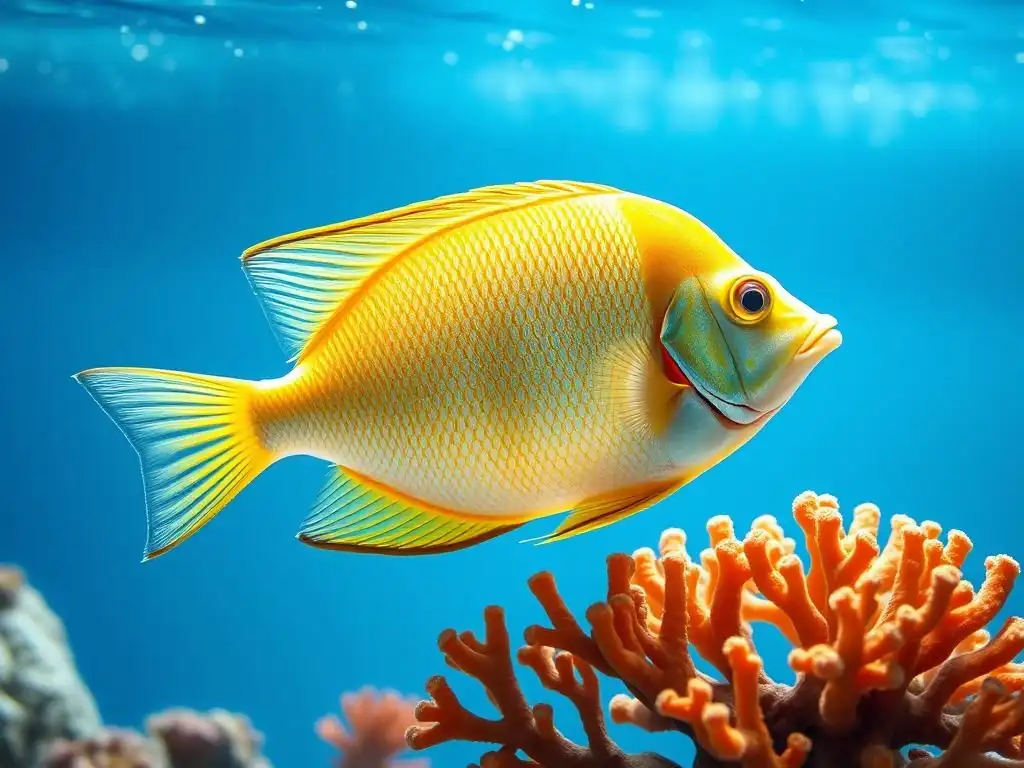
Example 1: Reef Tank with Copperband Butterflyfish, Yellow Tang, and Clownfish
A highly successful example of saltwater butterflyfish community compatibility can be observed in a 120-gallon reef tank featuring a Copperband Butterflyfish ( Chelmon rostratus), a Yellow Tang ( Zebrasoma flavescens), and a pair of Ocellaris Clownfish ( Amphiprion ocellaris). The Copperband, known for its peaceful demeanor, effectively manages nuisance Aiptasia anemones without bothering the corals. The Yellow Tang provides constant motion and grazing on algae, while the clownfish pair occupies its specific niche, often hosting in an anemone or a designated corner.
This combination thrives due to several factors: distinct feeding habits (the Copperband is a specialized feeder, the Tang is an herbivore, and the Clownfish are omnivores), minimal competition for space as they occupy different swimming levels, and generally compatible temperaments. The ample 120-gallon volume allows each fish sufficient territory, minimizing potential disputes and demonstrating an exemplary case of harmonious saltwater butterflyfish community compatibility within a reef environment.
Example 2: Fish-Only Tank with Raccoon Butterflyfish, Emperor Angelfish, and Triggerfish
Another illustrative case of a thriving saltwater butterflyfish community, albeit in a fish-only-with-live-rock (FOWLR) setup, is a 180-gallon tank housing a Raccoon Butterflyfish ( Chaetodon lunula), a juvenile Emperor Angelfish ( Pomacanthus imperator), and a Humu Humu Triggerfish ( Rhinecanthus aculeatus). While the Raccoon Butterflyfish can be semi-aggressive, it coexists well with these robust tank mates due to the sheer size of the aquarium and the resilience of its companions.
In this scenario, the large tank volume dilutes potential aggression, providing ample swim space and hiding spots within the extensive live rock structure. The Emperor Angelfish, known for its stately presence, and the Humu Humu Triggerfish, a notoriously bold species, are capable of holding their own. Consistent and frequent feeding ensures all fish are well-fed, reducing food-related aggression. This setup showcases that even semi-aggressive butterflyfish can integrate successfully into a community if paired with appropriate, robust tank mates in a sufficiently large environment, reflecting a different facet of saltwater butterflyfish community compatibility.
Troubleshooting Common Issues in Butterflyfish Community Aquariums
Addressing Aggression Between Butterflyfish
Should aggression arise between butterflyfish in a community tank, the initial step is to thoroughly evaluate the tank's size and stocking levels. Overcrowding is a frequent cause of territorial disputes. If the tank is adequately sized, consider adding more hiding places or strategically rearranging the existing rockwork. This can help to break lines of sight, establish new territories, and provide a sense of security, thereby reducing confrontations.
If aggression persists and jeopardizes the well-being of a target fish, temporary separation may be necessary. This can involve placing the aggressor or the harassed fish in a separate acclimation box within the main tank, or even moving one to a dedicated hospital tank for a period. In severe cases where a fish consistently bullies others despite interventions, rehoming the aggressive individual might be the only viable solution to ensure the long-term saltwater butterflyfish community compatibility and peace of the aquarium.
Preventing and Treating Diseases in a Community Setting
Preventing diseases in a saltwater butterflyfish community is paramount, as treatments in a display tank can be challenging and stressful for all inhabitants. The cornerstone of disease prevention includes strict quarantine procedures for all new arrivals, maintaining consistently stable water parameters, and providing a diverse, nutritious diet. These practices collectively strengthen the fish's immune systems, making them more resilient to pathogens.
If a disease outbreak, such as marine Ich or Velvet, does occur in the main display, treating the entire tank, especially a reef system, can be problematic due to the sensitivity of corals and invertebrates to many medications. Often, the most effective approach is to remove affected fish to a dedicated hospital tank for treatment. Simultaneously, the main display tank should be left fallow (without fish) for a period of 6-8 weeks to break the life cycle of most common marine parasites, ensuring the main saltwater butterflyfish community is truly free of pathogens before reintroducing the treated fish.
Managing Algae Growth in a Butterflyfish Reef Tank
Managing algae growth is a common challenge in any reef tank, and while butterflyfish generally do not significantly contribute to algae consumption, excessive algae can impact water quality and aesthetics. Common causes of algae blooms include excess nutrients (nitrates and phosphates) from overfeeding or insufficient water changes, and too much light intensity or duration. Addressing these root causes is crucial for long-term algae control.
Effective solutions involve reducing the amount of food offered, increasing the frequency or volume of water changes, and optimizing lighting schedules. Implementing nutrient export methods such as a refugium, a robust protein skimmer, or chemical filtration media like GFO (granular ferric oxide) for phosphates and activated carbon for organics can significantly reduce nutrient levels. Introducing a diverse clean-up crew of algae-eating invertebrates (e.g., turbo snails, hermit crabs) or compatible algae-eating tangs (if tank size permits) can also help maintain a clean environment, contributing to the overall health and visual appeal of the saltwater butterflyfish community.
Frequently Asked Questions
How difficult is it to maintain a saltwater aquarium suitable for butterflyfish?
Maintaining a saltwater aquarium for butterflyfish can be moderately challenging, requiring consistent monitoring of water parameters and careful attention to specific species needs. It's not for beginners.
What are the biggest challenges in ensuring Saltwater butterflyfish community compatibility?
The biggest challenge lies in understanding the temperament and dietary needs of each butterflyfish species and their potential tank mates. Certain butterflyfish are not compatible with others of their kind.
What type of fish are generally not good tank mates for butterflyfish in a saltwater aquarium?
Generally, aggressive fish like triggerfish or large angelfish are poor choices as tank mates. Also, very small, easily stressed fish may not thrive.
What are some key factors to consider when choosing butterflyfish for a community saltwater aquarium?
Consider each butterflyfish's reef-safe status, dietary requirements (some only eat specific corals), and temperament towards other fish. Research is essential.
Where can I find more detailed information on specific butterflyfish species and their compatibility?
AquariumMastery.com offers detailed species profiles and compatibility guides. These resources are crucial for informed decision-making when selecting your fish.
Okay, here's a final reflection crafted to close your article, "Butterflyfish in Mixed Company: Crafting a Harmonious Saltwater Community," optimized for the keyword "Saltwater butterflyfish community compatibility" and following the structure you provided:
Final Reflection: The Delicate Dance of Coexistence
The intricacies of establishing a thriving saltwater aquarium, as we've explored, are mirrored in the broader challenges of creating harmonious communities in any context. The success of a saltwater butterflyfish community compatibility hinges on understanding individual needs and potential conflicts, a principle that resonates far beyond the glass walls of a tank. The delicate balance we strive for in our aquariums reflects our own aspirations for a more peaceful and understanding world.
The pursuit of a vibrant and balanced reef ecosystem, where butterflyfish can thrive alongside other species, underscores the importance of careful planning and continuous observation. This journey has deepened my appreciation for the interconnectedness of all living things and the responsibility we bear to foster environments where diversity can flourish. In the end, we will conserve only what we love; we will love only what we understand; and we will understand only what we are taught.
- Baba Dioum. This quote perfectly encapsulates the spirit of responsible reef keeping and the broader need for environmental stewardship.
As you consider the principles outlined in this article, I encourage you to reflect on the communities you inhabit, both within and beyond the aquarium. How can you apply the lessons of saltwater butterflyfish community compatibility to foster greater understanding, reduce conflict, and create a more harmonious environment for all? Let the vibrant colors and delicate balance of a thriving reef inspire you to cultivate your own ecosystem of respect, empathy, and shared prosperity.
Thank you for diving into the world of butterflyfish and their reef compatibility! We hope you've gained valuable insights to create a thriving and balanced aquarium. Now, let's translate that knowledge into action.
Here are some ways to further enrich your aquarium journey:
- Plan Your Dream Tank: Before acquiring any new fish, spend some time mapping out the layout and inhabitants of your ideal reef tank, specifically considering the compatibility of any butterflyfish you might want to add.
- Share the knowledge:Pass this article along to fellow reefing enthusiasts who are considering adding butterflyfish to their community tanks.
- Take a unique approach:Try a DIY project: Build a specialized feeding station that caters to the feeding habits of butterflyfish, ensuring they get the nutrients they need in a mixed community.
Ready to take the plunge and design a reef that's both beautiful and harmonious?