
"Reef Safe With Caution" Butterflies: Navigating the Risks for Your Corals

Welcome to Aquarium Mastery!
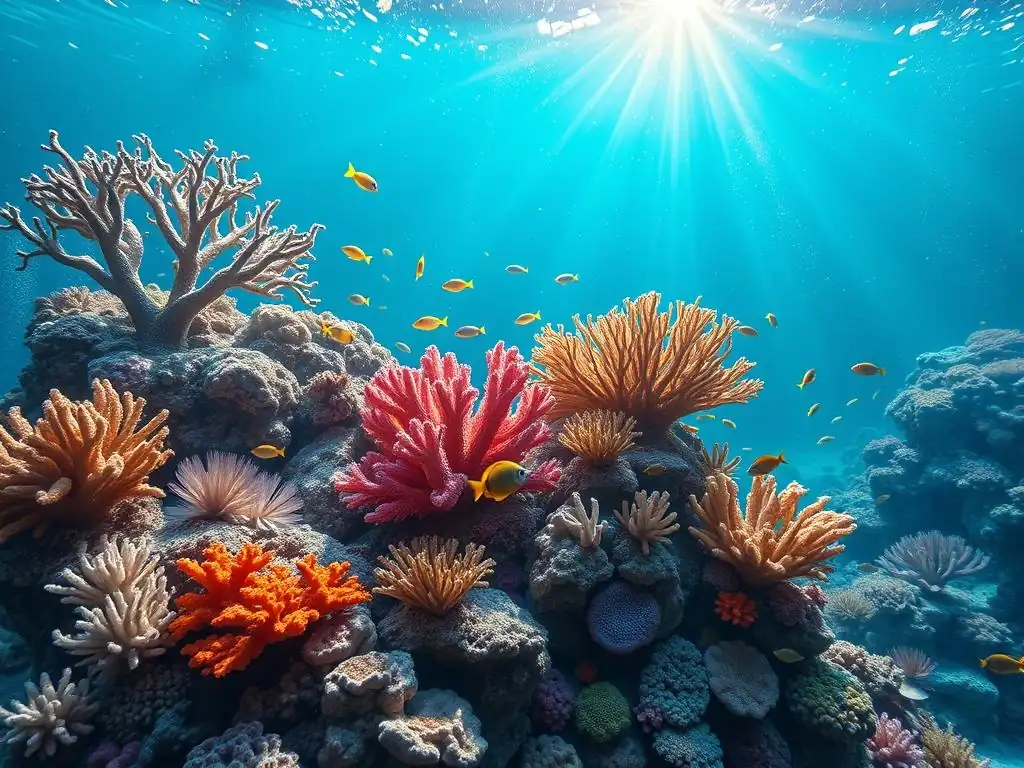
Ever wondered if that stunning butterflyfish is truly "reef safe," or if it's just waiting for the opportune moment to nibble on your prized corals? Dive in and let's unravel the truth behind reef safe corals risks associated with these captivating creatures. This is where your journey to mastering the delicate balance of a thriving saltwater aquarium begins. Ready to learn more and ensure harmony in your reef tank? Let's explore!
- Butterflyfish in Reef Aquariums: A Balanced Approach to Reef Compatibility
- Understanding Butterflyfish and Reef Compatibility
- Identifying Risky Butterflyfish Species for Reef Tanks
- Minimizing Risks When Keeping Butterflyfish with Corals
- Alternative Solutions for Keeping Butterflyfish and Corals
- Addressing Common Misconceptions About Butterflyfish and Reefs
- Choosing the Right Butterflyfish: A Checklist
- Conclusion: Responsible Butterflyfish Keeping in Reef Aquariums
- Frequently Asked Questions
- Final Reflection: Navigating the Delicate Balance of Reef Keeping
- Dive Deeper: Transform Your Reef Tank Now!
Butterflyfish in Reef Aquariums: A Balanced Approach to Reef Compatibility
Understanding Butterflyfish and Reef Compatibility
The Appeal of Butterflyfish in Reef Aquariums
Butterflyfish are undeniably captivating additions to any marine aquarium, revered for their vibrant color patterns, intricate markings, and graceful swimming motions. Species like the Pearlscale Butterflyfish ( Chaetodon xanthurus) or the Longnose Butterflyfish ( Forcipiger longirostris) bring an unparalleled aesthetic appeal, transforming a standard reef tank into a dynamic, living art piece. Their active foraging behavior and elegant presence make them a highly sought-after group for many aquarists aiming to create a visually stunning underwater ecosystem.
Beyond their beauty, some butterflyfish are also desired for specific functions, such as the Copperband Butterflyfish ( Chelmon rostratus), which is frequently introduced to control nuisance Aiptasia anemones. This combination of visual allure and potential utility often leads aquarists to consider these fish for their coral-rich environments, despite the inherent reef safe corals risks associated with their natural diets and behaviors. The desire to integrate these delicate beauties often outweighs the initial hesitation regarding their compatibility.
Defining "Reef Safe": A Spectrum of Compatibility
The term "reef safe" is frequently used in the aquarium hobby, but it is rarely a simple binary definition; rather, it exists on a spectrum of compatibility. At one end, truly reef-safe fish are those that pose no known threat to corals or invertebrates, typically consisting of obligate herbivores, planktivores, or small invertivores that do not consume coral polyps. Examples include many types of gobies, blennies, and certain tangs.
On the other end are species that are definitively "reef destructive," such as large predatory fish or obligate corallivores that feed exclusively on coral polyps. Most butterflyfish fall into a nuanced middle ground, often described as "reef safe with caution." This designation means they can be kept in a reef environment, but it comes with a non-zero probability of reef safe corals risks, necessitating vigilant observation, specific tank conditions, and an understanding that individual fish temperament can vary widely.
Why Some Butterflyfish Pose a Threat to Corals
The primary reason certain butterflyfish pose a threat to corals stems from their natural feeding habits in the wild. Many species are either obligate corallivores, meaning corals constitute the vast majority of their diet, or facultative corallivores, whose varied diet includes a significant portion of coral polyps, small invertebrates, or algae found on corals. Even if a butterflyfish is consistently fed in an aquarium, its instinctual drive to graze on or nip at corals may persist.
When a butterflyfish nips at a coral, it can cause immediate physical damage to the polyps, leading to retraction, tissue recession, and increased stress for the coral. For delicate LPS (Large Polyp Stony) corals like Euphyllia or fleshy soft corals such as Zoanthids and Ricordea, persistent nipping can quickly lead to tissue loss, infection, and even colony death. This inherent behavior is the core of the reef safe corals risks that aquarists must carefully manage when considering these fish for their tanks.
Identifying Risky Butterflyfish Species for Reef Tanks
Obligate Coralivores: The "No-Go" List for Reef Aquariums
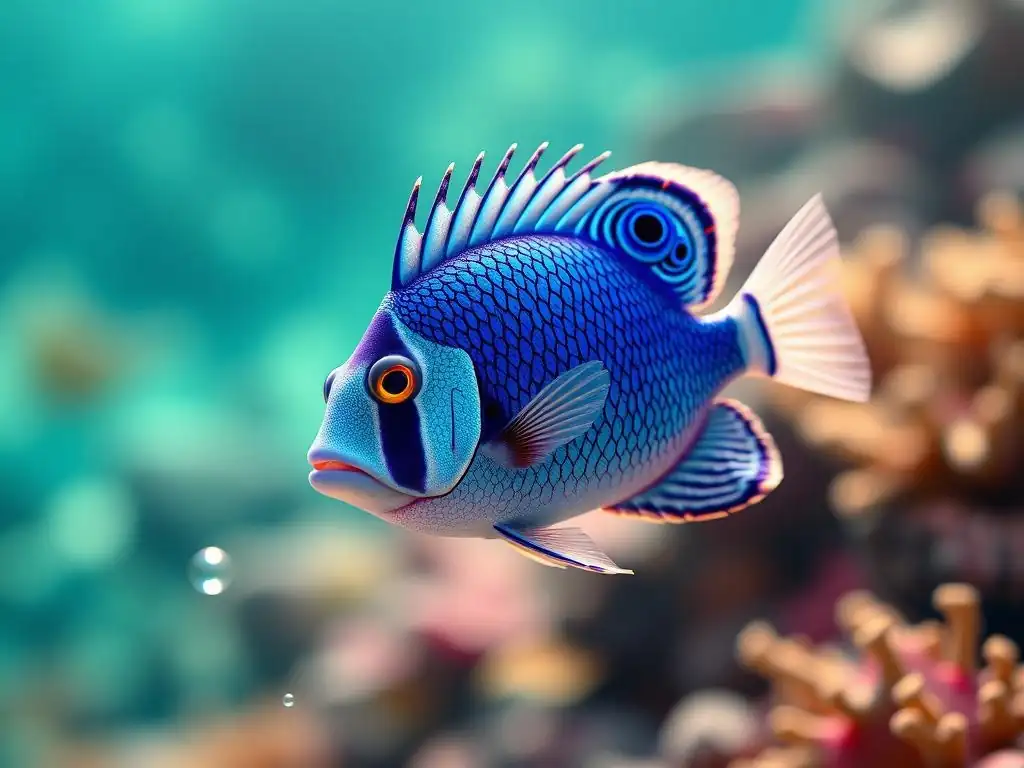
Obligate corallivores are butterflyfish species that exclusively or predominantly feed on coral polyps in their natural habitat. For these species, attempting to convert them to prepared aquarium foods is rarely successful long-term, making them entirely unsuitable for any aquarium containing live corals. Introducing them to a reef tank guarantees significant reef safe corals risks, invariably leading to widespread coral damage and eventual starvation for the fish if no other food source is available.
Examples of obligate coralivores include the Chevron Butterflyfish ( Chaetodon trifascialis), the Ornate Butterflyfish ( Chaetodon ornatissimus), and the Pearly Butterflyfish ( Chaetodon xanthocephalus). These species are highly specialized feeders, and their digestive systems are adapted to process coral tissue. While beautiful, they should only be kept in dedicated Fish-Only-With-Live-Rock (FOWLR) systems, where their dietary needs can potentially be met without jeopardizing a coral collection.
Copperband Butterflyfish: A Challenging but Rewarding Choice
The Copperband Butterflyfish ( Chelmon rostratus) is a popular choice, often lauded for its ability to consume nuisance Aiptasia anemones, and frequently grouped with true butterflyfish due to its appearance and active nature. However, despite its popularity, the Copperband is a challenging species to maintain and carries significant reef safe corals risks. In the wild, their diet consists primarily of small invertebrates found on rocks and corals, including tiny crustaceans, worms, and even Aiptasia, but this can also extend to coral polyps.
While some aquarists successfully keep Copperbands in reef tanks, many others report issues with them nipping at fleshy LPS corals, Zoanthids, and even small polyp stony (SPS) corals. Their success in a reef environment is highly dependent on the individual fish's temperament, the availability of alternative food sources, and the types of corals present. Due to their finicky eating habits and potential for coral predation, Copperbands represent a classic "reef safe with caution" scenario, demanding careful consideration of the reef safe corals risks.
Facultative Coralivores: Assessing the Potential for Coral Grazing
Facultative corallivores are butterflyfish species whose natural diets are varied, including a mix of small invertebrates, algae, and detritus, but which can also include coral polyps opportunistically. These species are the most common inhabitants of the "reef safe with caution" category, as their potential for coral grazing is variable and influenced by factors such as tank size, diet provided, and individual personality. Examples include the Pearlscale Butterflyfish ( Chaetodon xanthurus) and various Bannerfish species ( Heniochus genus), though some Heniochus are generally considered safer.
The reef safe corals risks associated with facultative corallivores are less extreme than with obligate coralivores, but they are still present. Even a well-fed facultative corallivore may occasionally nip at corals out of curiosity, instinct, or boredom. Understanding their natural dietary tendencies and providing a diverse, consistent feeding regimen is crucial to minimizing, though not entirely eliminating, the chances of them developing a taste for your corals.
Identifying Potential Coral-Nipping Behaviors
Early identification of coral-nipping behavior is paramount to mitigating reef safe corals risks. Aquarists should observe their butterflyfish closely, particularly after feeding times or when the fish is exploring new areas of the tank. Look for tell-tale signs such as small, crescent-shaped bite marks on coral polyps, sudden retraction of polyps when the butterflyfish approaches, or visible tissue damage on specific coral colonies.
Pay particular attention to fleshy LPS corals, soft corals, and zoanthids, as these are often the first targets due to their large, succulent polyps. If you notice consistent damage to a particular coral species or widespread nipping, it's a strong indicator that the butterflyfish is not as reef-safe as desired. Prompt action, whether it's adjusting feeding or considering rehoming, is essential to prevent further damage and manage the reef safe corals risks.
Minimizing Risks When Keeping Butterflyfish with Corals
Careful Species Selection: Prioritizing Reef-Compatible Butterflyfish
The most effective strategy for minimizing reef safe corals risks begins with careful species selection. Thorough research into the specific dietary needs and known reef compatibility of any butterflyfish species before purchase is crucial. While no butterflyfish is 100% guaranteed reef-safe, certain species within the Heniochus genus, such as the Schooling Bannerfish ( Heniochus diphreutes) or the Longfin Bannerfish ( Heniochus acuminatus), are generally considered among the safest options due to their predominantly planktivorous diet in the wild.
Even with species known for better reef compatibility, it's important to understand that individual fish temperament can vary. A species generally considered "safe" might still develop an undesirable habit of nipping corals, especially if underfed or stressed. Prioritizing species with the lowest historical reef safe corals risks is a proactive step, but continuous observation remains vital to ensure long-term harmony in your reef aquarium.
Providing a Varied Diet: Reducing Coral Grazing
A comprehensive and varied diet is fundamental to reducing the likelihood of a butterflyfish grazing on corals out of hunger. While a well-fed fish is less likely to constantly seek alternative food sources, it is important to remember that feeding alone does not eliminate instinctual nipping or curiosity-driven grazing. The goal is to ensure the fish is nutritionally satisfied, reducing the need to supplement its diet with coral polyps.
Offer a diverse range of high-quality frozen foods, marine flakes, and pellets multiple times a day. Smaller, more frequent feedings (e.g., 2-3 times daily) are often more effective than one large feeding, as they keep the fish's stomach consistently full. This consistent provision of nutritious food helps to mitigate reef safe corals risks by making your corals less appealing as a food source.
Essential Food Components for Butterflyfish Health
- Mysis shrimp (rich in protein and fats, excellent for most butterflyfish)
- Brine shrimp (less nutritious, but good for appetite stimulation; often enriched)
- Spirulina flakes/pellets (essential for omnivorous and herbivorous species, providing necessary plant matter)
- Chopped seafood (clams, shrimp, squid – particularly beneficial for molluscivores like Copperbands)
- Nori/seaweed (for species that naturally graze on algae or biofilms)
- Live blackworms or brine shrimp (as occasional treats to stimulate natural hunting instincts)
Strategic Coral Placement: Protecting Vulnerable Species
Strategic coral placement within the aquarium can significantly reduce reef safe corals risks. Highly desirable or particularly vulnerable coral species, such as large polyp stony (LPS) corals with fleshy polyps (e.g., Euphyllia, Trachyphyllia), or delicate soft corals (e.g., Zoanthids, Ricordea), should be positioned thoughtfully. Consider placing them in areas that are less accessible to the butterflyfish, such as higher up on the rockwork, in crevices, or within areas of strong, turbulent water flow that butterflyfish might find uncomfortable for sustained grazing.
Conversely, less palatable or more resilient coral species, such as certain Montipora or very small-polyped SPS corals, can be placed in areas where the butterflyfish is more active. Creating physical barriers or using aquarium-safe mesh to temporarily protect new or highly prized corals can also be an option. This proactive approach to aquascaping is a key component in managing the overall reef safe corals risks in a mixed reef environment.
Creating Coral "Safe Zones"
Consider areas with strong, turbulent flow or shaded spots where butterflyfish are less likely to comfortably graze. Elevating delicate corals on taller rock structures can also provide some protection from bottom-dwelling nippers. Using larger, more robust rockwork can create natural barriers and hiding spots for corals.
Observation and Early Intervention: Monitoring Butterflyfish Behavior
Continuous and diligent observation of your butterflyfish's behavior is critical for managing reef safe corals risks. Daily inspection of your corals for any signs of nipping or damage is essential, particularly after the butterflyfish has been introduced or if you notice any changes in its behavior. Pay attention to which specific corals, if any, are being targeted and the frequency of the nipping.
If you observe consistent or increasing coral damage, early intervention is necessary. This might involve increasing feeding frequency, offering new types of food, or, in severe cases, temporarily isolating the fish to a separate quarantine tank. Failure to address nipping behavior promptly can lead to widespread coral damage and potentially irreversible losses, making vigilant monitoring a cornerstone of mitigating reef safe corals risks.
Recognizing Signs of Coral Damage
- Retracted polyps during the day, even in ideal water conditions.
- Visible bite marks or small areas of tissue recession on coral polyps.
- Pale or bleached spots where polyps were recently consumed.
- Increased slime coat production by corals as a stress response to irritation.
- Complete loss of polyps on specific branches or sections of a coral colony.
Alternative Solutions for Keeping Butterflyfish and Corals
Dedicated Fish-Only (FOWLR) Tanks: A Safe Haven for Butterflyfish
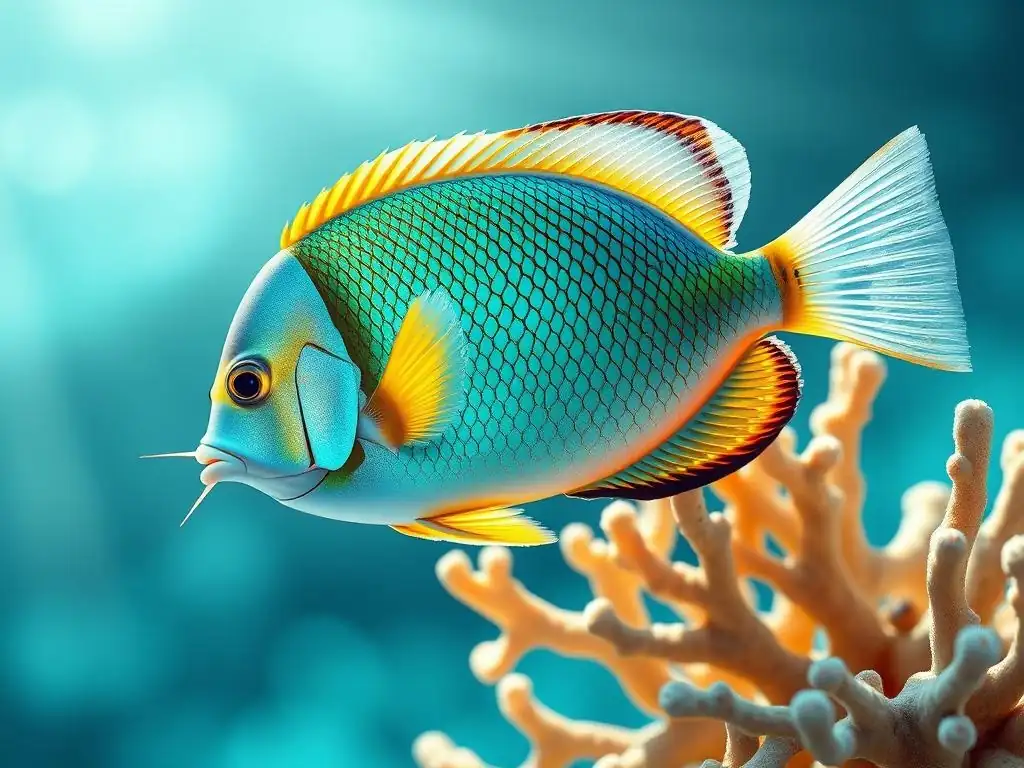
For aquarists who are deeply concerned about reef safe corals risks but still wish to enjoy the beauty of butterflyfish, a dedicated Fish-Only-With-Live-Rock (FOWLR) tank is an excellent alternative. This setup allows for the keeping of various butterflyfish species, including those with higher coral-grazing tendencies, without the constant worry of damage to expensive or beloved coral collections. FOWLR tanks also offer more flexibility in terms of water parameters, as the stringent requirements for coral health are not a limiting factor.
In a FOWLR system, you can focus solely on the needs of the fish, providing ample swimming space, varied rockwork for hiding, and a diverse diet without the constraint of potential harm to sessile invertebrates. This approach significantly reduces stress for both the aquarist and the fish, ensuring a more harmonious environment where the butterflyfish can thrive without posing any reef safe corals risks to a coral population.
Frag Tanks: Growing Corals Separately
Another innovative solution for aquarists who want to keep both butterflyfish and corals, while minimizing reef safe corals risks, is to utilize a separate frag tank or coral grow-out system. This dedicated system allows you to cultivate and propagate corals in a controlled environment, completely isolated from any potential nipping by butterflyfish in your main display tank. You can then transfer mature, robust colonies to the display tank, knowing that any potential damage in the main tank won't jeopardize your entire coral collection.
This method offers a practical way to enjoy the aesthetic appeal of butterflyfish in your primary display while maintaining a thriving coral population elsewhere. It provides a buffer against significant reef safe corals risks and offers a space for corals to recover or grow without constant predation pressure, ensuring the longevity and health of your coral collection.
Acclimation Techniques to Reduce Coral Nipping
While not a foolproof guarantee, certain acclimation techniques can help reduce the likelihood of a butterflyfish nipping at corals. When acquiring a new butterflyfish, it is highly recommended to house it in a separate quarantine tank for several weeks. During this period, the primary focus should be on getting the fish to consistently accept a wide variety of prepared foods, such as frozen mysis shrimp, brine shrimp, and high-quality pellets.
The goal is to ensure the fish is well-fed and habituated to aquarium foods before it is introduced to a coral-rich environment. While this process can significantly reduce the hunger-driven reef safe corals risks, it's important to understand that instinctual or exploratory nipping may still occur. However, a fish that is already accustomed to a diverse and readily available diet is generally less likely to resort to extensive coral grazing.
Addressing Common Misconceptions About Butterflyfish and Reefs
Myth: All Butterflyfish are Coral Eaters
A common misconception in the marine aquarium hobby is that all butterflyfish species are obligate coral eaters and therefore unsuitable for any reef tank. This broad generalization is inaccurate and overlooks the significant dietary diversity within the family Chaetodontidae. While some species are indeed highly specialized corallivores, many others have diets that primarily consist of plankton, small benthic invertebrates, algae, or detritus.
This myth often deters aquarists from considering even the generally safer butterflyfish species, leading to missed opportunities to enjoy these beautiful fish in appropriate setups. Understanding the nuanced dietary requirements of individual species is crucial for making informed decisions and accurately assessing the specific reef safe corals risks they might pose.
Reality: Diet and Behavior Vary Widely
The reality is that butterflyfish exhibit a wide range of feeding behaviors and dietary preferences in their natural habitats. For instance, species within the Heniochus genus, such as the Longfin Bannerfish ( Heniochus acuminatus), are primarily planktivores, feeding on zooplankton in the water column. Others, like the Raccoon Butterflyfish ( Chaetodon lunula), are omnivores that graze on a mix of algae, detritus, and small invertebrates, though they may also opportunistically nip at corals.
Therefore, responsible stocking decisions must be based on species-specific research rather than sweeping generalizations. Recognizing that reef safe corals risks vary dramatically from one butterflyfish species to another allows aquarists to select appropriate fish for their tank composition, minimizing potential conflicts and promoting a healthier, more harmonious reef environment.
Myth: A Well-Fed Butterflyfish Won't Eat Corals
Another pervasive myth is the belief that simply keeping a butterflyfish well-fed will entirely prevent it from eating corals. While hunger can certainly exacerbate coral nipping, a full stomach does not negate a fish's natural instincts or curiosity. Many butterflyfish species, even if satiated, may still nip at corals due to innate foraging behaviors, exploration, or simply because the corals resemble a natural food item or texture.
This misconception can lead to complacency, causing aquarists to underestimate the actual reef safe corals risks. Relying solely on feeding as a preventative measure can result in unexpected coral damage, as the fish's natural drive to explore and sample its environment, including corals, remains regardless of its satiety.
Reality: Instinct and Opportunity
The reality is that instinct and opportunity play a significant role in a butterflyfish's interaction with corals. In their natural environment, many butterflyfish are accustomed to grazing continuously throughout the day, picking at small organisms or polyps on various surfaces. When placed in an aquarium, corals, with their soft polyps and often vibrant colors, can present an irresistible target for this ingrained behavior.
Even if a butterflyfish is not truly hungry, the opportunity to nip at a coral can be too tempting to pass up. This means that while proper feeding is an important management strategy, it does not eliminate the fundamental reef safe corals risks associated with keeping certain butterflyfish species in a reef tank. Constant vigilance and an understanding of the species' natural behaviors are essential for long-term success.
Choosing the Right Butterflyfish: A Checklist
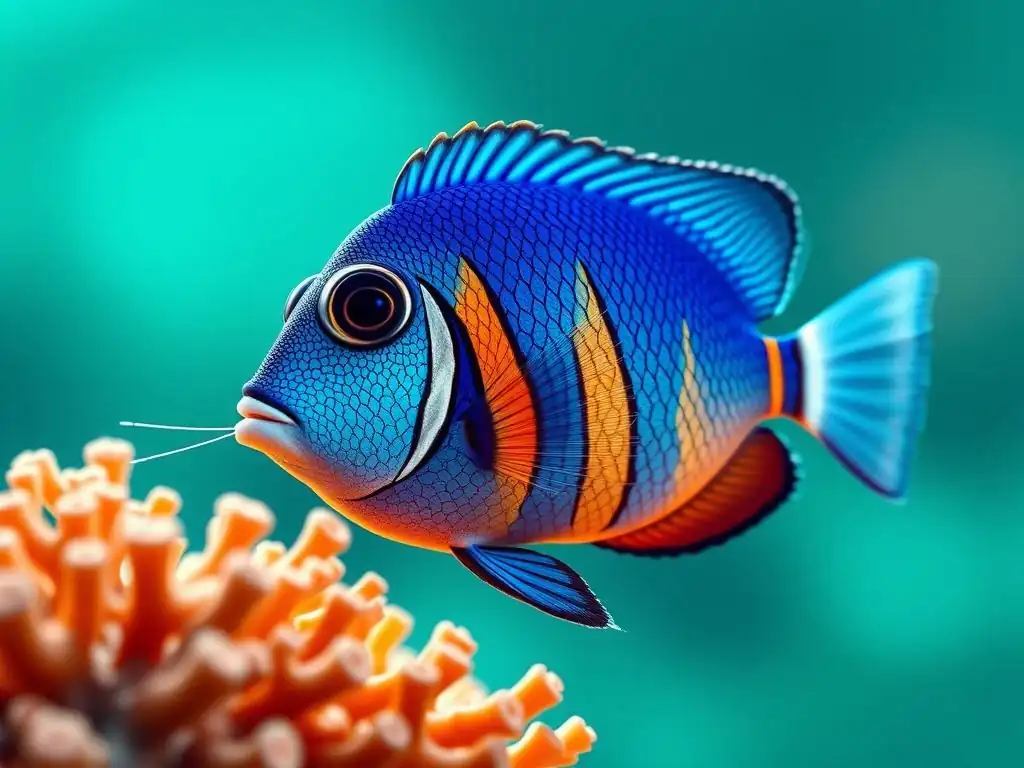
When considering a butterflyfish for your reef aquarium, a structured approach can help mitigate reef safe corals risks and ensure a more successful integration. Use this checklist to guide your decision-making process:
Researching Species-Specific Needs and Temperament
- [x] Consult reliable sources like AquariumMastery.com's species profiles for detailed information.
- [x] Understand the adult size and minimum tank requirements for the species you are considering.
- [x] Research the natural diet and feeding habits of the specific butterflyfish species.
- [x] Assess known compatibility with various coral types and other tank mates.
- [x] Look for anecdotal evidence or reports from other aquarists regarding individual temperament variations.
Evaluating Your Tank's Coral Composition and Placement
- [x] Identify all highly vulnerable coral species currently in your tank (e.g., fleshy LPS, Zoanthids, Ricordea).
- [x] Assess available "safe zones" or areas within your aquascape where delicate corals can be protected.
- [x] Consider the overall density and financial/emotional value of your coral collection.
- [x] Be realistic about the potential for reef safe corals risks given your current coral composition and setup.
Understanding and Accepting the Risks
- [x] Acknowledge that "reef safe with caution" means there is a non-zero chance of coral damage.
- [x] Be prepared for the potential need to rehome the butterflyfish if it becomes destructive to your corals.
- [x] Weigh the aesthetic appeal and personal desire for the butterflyfish against the financial and emotional investment in your coral collection.
- [x] Commit to diligent observation, proactive management, and early intervention to mitigate reef safe corals risks.
Conclusion: Responsible Butterflyfish Keeping in Reef Aquariums
Incorporating butterflyfish into a reef aquarium can undoubtedly enhance its beauty and dynamism, but it requires a balanced and informed approach. While their vibrant colors and graceful movements are highly appealing, it is crucial to recognize and manage the inherent reef safe corals risks associated with many species. Responsible aquarists must move beyond broad generalizations and delve into species-specific research, understanding the nuanced dietary needs and behavioral tendencies of each butterflyfish.
By prioritizing careful species selection, providing a consistently varied and nutritious diet, employing strategic coral placement, and maintaining diligent observation, aquarists can significantly minimize the potential for coral damage. Accepting that "reef safe with caution" implies a degree of risk and being prepared for early intervention or even rehoming are vital components of successful long-term reef keeping. Ultimately, a thriving marine environment is achieved through informed choices and a commitment to the well-being of both the fish and the coral inhabitants.
Frequently Asked Questions
What makes Butterflyfish a risk to reef safe corals?
Butterflyfish, while beautiful, can be opportunistic feeders. Their natural diet includes coral polyps, meaning they may nip at and damage your prized corals, even if labeled "reef safe".
Are all Butterflyfish harmful to corals?
No, not all Butterflyfish are created equal. Some species are more prone to coral nipping than others. Researching specific species and their dietary needs is crucial before introduction.
How can I minimize the risk of Butterflyfish harming my corals?
Provide a well-established, mature reef tank with plenty of algae and other food sources. Also, ensure the Butterflyfish is well-fed with a varied diet to reduce the temptation to eat corals.
What are some signs that a Butterflyfish is damaging my corals?
Look for tissue recession or bleaching on your corals. Observe the Butterflyfish's behavior closely for signs of nipping or grazing on the corals.
What if my "reef safe" Butterflyfish starts eating my corals?
You may need to rehome the fish to a fish-only tank or find a new owner. It's important to prioritize the health of your corals in a reef environment.
The journey of maintaining a thriving reef aquarium is a testament to our dedication to understanding and respecting delicate ecosystems. The inherent risks associated with introducing any coral, even those labeled "reef safe," highlight the crucial need for informed decision-making and responsible husbandry. Ignoring these potential dangers can lead to devastating consequences for the entire reef environment, underscoring the importance of continuous learning and adaptation within the hobby.
This exploration of "reef safe" corals and their potential risks has profoundly impacted my own perspective on reef keeping. It's no longer enough to simply rely on labels; we must delve deeper into the specific needs and potential impacts of each organism we introduce. As the saying goes, The only true wisdom is in knowing you know nothing.
This sentiment resonates deeply, reminding us to approach reef keeping with humility and a constant thirst for knowledge, recognizing the complex interplay of life within our glass boxes.
Ultimately, the future of our reef aquariums, and indeed, the health of our natural reefs, hinges on our commitment to responsible practices. Let us not be complacent in our pursuit of beauty, but rather, embrace the challenge of becoming informed and conscientious stewards of these miniature ecosystems. Consider how you can further refine your understanding of coral compatibility and environmental impact, ensuring that your reef remains a vibrant and thriving testament to the power of responsible reef keeping.
Dive Deeper: Transform Your Reef Tank Now!
Thank you for exploring the delicate balance of reef keeping with us. We hope this article provided valuable insights into introducing butterflyfish responsibly. Ready to take the next step towards a thriving reef environment?
Here are a few actions you can take:
- Prioritize a Quarantine Period: Dedicate 4–6 weeks to quarantining new butterflyfish, observing their behavior and feeding habits before introducing them to your main display tank. This is paramount for the health of your entire reef.
- Share your success stories! Document and post videos of your aquariums, explaining your maintenance and fish introduction methodology.
- Consider a targeted feeding program: Train your butterflyfish to accept prepared foods before introducing them to the reef tank, using a feeding station.
What unexpected challenges have you faced when introducing new fish to your reef tank, and what creative solutions did you develop?