
Identifying Nutrient Deficiencies in Aquarium Plants: A Visual Guide

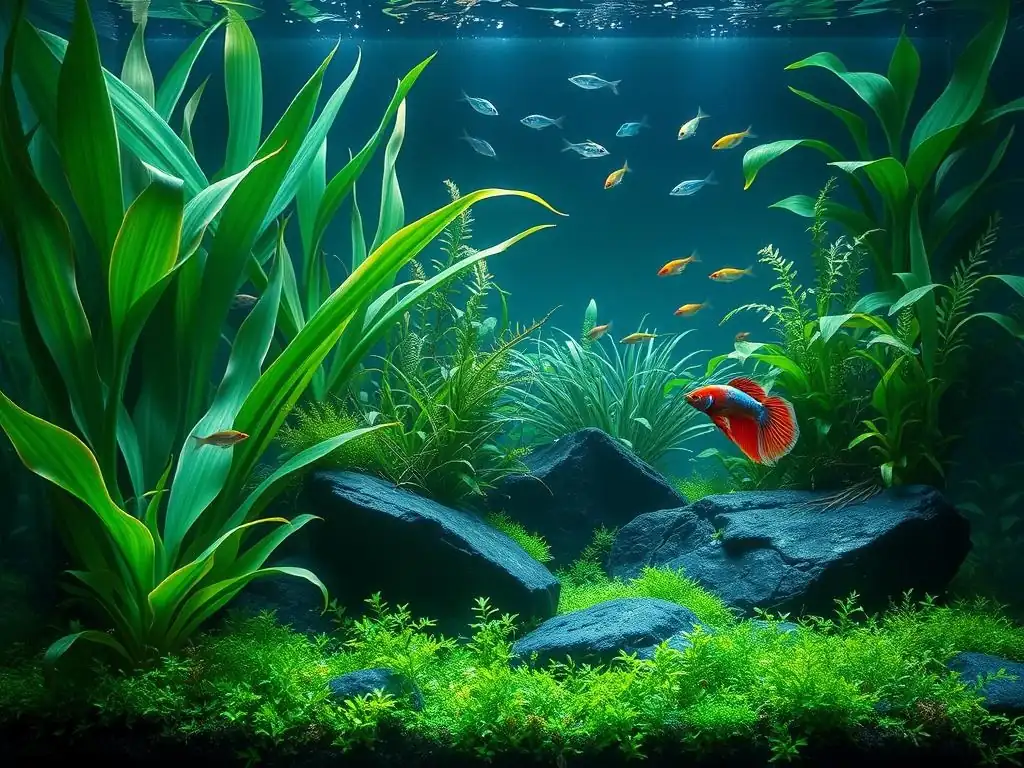
Welcome to Aquarium Mastery!
Ever wondered why your aquatic plants aren't thriving, despite your best efforts? Dive in and unlock the secrets to a flourishing underwater garden! This guide will help you identify and address those frustrating nutrient deficiencies in aquarium plants, turning pale leaves into vibrant green growth. Get ready to diagnose, treat, and conquer common plant problems, creating the lush, captivating aquarium you've always dreamed of. Let's get started!
- Introduction to Aquarium Plant Nutrient Deficiencies
- Understanding Essential Plant Nutrients for Aquariums
- Visual Guide to Common Nutrient Deficiencies in Aquarium Plants
- Diagnosing Nutrient Deficiencies: A Step-by-Step Approach
- Correcting Nutrient Deficiencies in Your Planted Aquarium
- Case Studies: Examples of Correcting Plant Nutrient Deficiencies
- Preventing Nutrient Deficiencies in Aquarium Plants
- Conclusion: Achieving a Thriving Planted Aquarium Through Proper Nutrient Management
-
Frequently Asked Questions
- What are the most common signs of nutrient deficiencies in aquarium plants?
- How can I determine which nutrient is deficient in my aquarium plants?
- What water parameters should I monitor to prevent nutrient deficiencies?
- Can over-fertilization be as harmful as nutrient deficiencies for aquarium plants?
- How often should I fertilize my aquarium plants to avoid nutrient deficiencies?
- Final Reflection: Cultivating Aquatic Harmony
- Uncover the Secrets to Thriving Aquarium Plants!
Introduction to Aquarium Plant Nutrient Deficiencies
The Importance of Recognizing Nutrient Deficiencies in Aquatic Plants
Understanding and recognizing nutrient deficiencies in aquarium plants is paramount for any aquarist aiming for a lush, thriving planted tank. Healthy aquatic plants are not merely decorative; they play a crucial role in maintaining a balanced ecosystem within the aquarium. They consume nitrates and phosphates, compete with algae for nutrients, and release oxygen through photosynthesis, significantly contributing to water quality and overall tank stability. Early detection of nutrient deficiencies prevents widespread plant health issues, helps curb stubborn algae outbreaks, and ultimately saves plants from irreversible damage or loss.
Ignoring the early signs of nutrient deficiencies in aquarium plants can lead to a cascade of problems, from stunted growth and discoloration to complete plant melt. A visually appealing aquarium is often a reflection of healthy, vibrant plant life, which in turn indicates a stable and well-managed aquatic environment. By mastering the ability to identify specific nutrient shortfalls, aquarists can proactively adjust their fertilization regimen, ensuring their aquatic flora flourishes and contributes positively to the well-being of the entire aquarium habitat.
Why Aquarium Plants Need Specific Nutrients
Like terrestrial plants, aquarium plants require a precise balance of essential nutrients to perform vital physiological processes, most notably photosynthesis. This complex process converts light energy into chemical energy, allowing plants to grow, reproduce, and maintain their cellular structure. Nutrients act as the building blocks for proteins, enzymes, chlorophyll, and cell walls, each playing a unique and indispensable role in the plant's life cycle. Without adequate supplies of these specific elements, a plant's ability to photosynthesize is compromised, leading to visible signs of distress.
The specific nutrients needed by aquarium plants can be broadly categorized into macronutrients and micronutrients. Macronutrients, such as nitrogen, phosphorus, and potassium, are required in larger quantities because they form the bulk of plant tissues and are heavily involved in energy transfer and structural integrity.
Micronutrients, including iron, manganese, and boron, are needed in much smaller amounts but are equally critical, often serving as cofactors for enzymes or playing roles in specific metabolic pathways. A deficiency in even one of these essential elements can disrupt the entire nutrient uptake system, leading to characteristic symptoms of nutrient deficiencies in aquarium plants.
Factors Contributing to Nutrient Imbalances in Planted Tanks
Several factors can lead to nutrient imbalances and subsequent nutrient deficiencies in aquarium plants, even in seemingly well-maintained setups. One common cause is the depletion of nutrients from the substrate, especially in tanks that have been established for a long time without replenishment through root tabs or nutrient-rich substrates. Plants, particularly heavy root feeders like Swords or Cryptocorynes, can quickly exhaust localized nutrient reserves, leading to localized deficiencies.
Another significant factor is insufficient or inconsistent fertilization. Many aquarists underestimate the nutrient demands of a densely planted tank, especially those with high light and CO2 injection, which accelerate plant growth and thus nutrient consumption. Over-filtration, particularly with media that remove nitrates and phosphates, can also inadvertently strip essential nutrients from the water column. Furthermore, excessive or insufficient water changes can disrupt the delicate balance of dissolved nutrients, either by diluting them too much or allowing certain elements to accumulate while others are depleted, leading to various nutrient deficiencies in aquarium plants.
Understanding Essential Plant Nutrients for Aquariums
Macronutrients: The Building Blocks of Plant Growth
Macronutrients are fundamental elements that plants require in relatively large quantities for their overall growth, development, and metabolic functions. These include nitrogen (N), phosphorus (P), potassium (K), magnesium (Mg), and calcium (Ca). Each of these elements plays a distinct and critical role in plant physiology, from forming the backbone of genetic material to facilitating energy transfer and maintaining cellular integrity. A shortage of any macronutrient will quickly manifest as visible signs of stress or nutrient deficiencies in aquarium plants.
The availability of macronutrients is often the primary limiting factor in plant growth within an aquarium. Unlike micronutrients, which are needed in trace amounts, macronutrients are consumed rapidly by actively growing plants. Therefore, consistent supplementation, whether through liquid fertilizers, root tabs, or nutrient-rich substrates, is crucial to prevent widespread nutrient deficiencies in aquarium plants. Monitoring these levels and understanding their specific deficiency symptoms is key to maintaining a healthy and vibrant planted tank.
Nitrogen (N): Deficiency Symptoms and Solutions
Nitrogen is a vital component of chlorophyll, amino acids, proteins, and nucleic acids (DNA and RNA), making it essential for all aspects of plant growth. When nitrogen is deficient, plants cannot produce enough chlorophyll, leading to a general yellowing or paling of the leaves, particularly the older ones, as the plant reallocates its limited nitrogen to new growth. This widespread yellowing is known as chlorosis. Stunted growth and an overall sickly appearance are also common signs of nitrogen nutrient deficiencies in aquarium plants.
To address nitrogen deficiency, aquarists can use nitrogen-specific fertilizers, often in the form of potassium nitrate (KNO3) or urea. Liquid fertilizers containing nitrogen are readily available and can be dosed directly into the water column. For tanks with low fish loads, increasing protein-rich fish food can also provide a gradual release of nitrogen compounds. Regular water testing for nitrates can help confirm nitrogen levels, with target ranges often between 10-20 ppm in high-tech planted tanks to prevent nutrient deficiencies in aquarium plants.
Phosphorus (P): Recognizing Phosphate Deficiency
Phosphorus is crucial for energy transfer within the plant, being a key component of ATP (adenosine triphosphate) and ADP (adenosine diphosphate), which are the energy currency of cells. It's also integral to DNA, RNA, and phospholipids, which form cell membranes. A deficiency in phosphorus often manifests as stunted growth and a darker, sometimes almost bluish-green, coloration of the leaves. In some plant species, particularly those with reddish pigments like Ludwigia or Rotala, the leaves may develop a purplish or reddish tint due to the accumulation of anthocyanin pigments.
While less common than nitrogen or potassium deficiencies, phosphate deficiency can significantly hinder plant development. Algae blooms, especially green spot algae, can sometimes coincide with very low phosphate levels, as algae are often more efficient at scavenging scarce nutrients. Solutions involve adding phosphate supplements, such as monopotassium phosphate (KH2PO4), or using comprehensive liquid fertilizers that include phosphorus. Target phosphate levels in planted tanks typically range from 0.5-2.0 ppm to ensure adequate supply and prevent nutrient deficiencies in aquarium plants.
Potassium (K): Identifying Potassium Deficiencies in Aquarium Plants
Potassium is a highly mobile nutrient within the plant, meaning it can be translocated from older tissues to newer growth when supplies are low. It plays a critical role in osmoregulation, enzyme activation, protein synthesis, and photosynthesis. Potassium deficiency is one of the most common nutrient deficiencies in aquarium plants, often manifesting as pinholes in older leaves. These small, clear holes can expand over time, leading to significant tissue damage.
Other symptoms of potassium deficiency include yellowing or browning of leaf margins (edges) on older leaves, followed by necrosis (tissue death) that spreads inwards. Leaves may also appear weak or limp. Plants like Echinodorus (Amazon Swords) and Hygrophila species are particularly good indicators of potassium shortages. To correct this, potassium sulfate (K2SO4) is a popular and effective supplement, or a comprehensive liquid fertilizer with adequate potassium levels should be used. Maintaining potassium levels between 10-30 ppm is generally recommended to prevent these widespread nutrient deficiencies in aquarium plants.
Magnesium (Mg): Addressing Magnesium Shortages
Magnesium is a central component of the chlorophyll molecule, making it absolutely essential for photosynthesis. It also plays a vital role in enzyme activation and protein synthesis. Magnesium deficiency primarily affects older leaves, causing interveinal chlorosis – the yellowing of the leaf tissue between the veins, while the veins themselves remain distinctly green. This symptom can sometimes be confused with iron deficiency, but iron deficiency typically affects newer growth first.
Addressing magnesium shortages often involves adding magnesium sulfate (Epsom salts) or a liquid fertilizer that includes magnesium. While tap water often contains some magnesium, it may not be sufficient in soft water areas or in tanks with very high plant biomass. Ensuring adequate general hardness (GH) can also contribute to magnesium availability, as calcium and magnesium are the primary components of GH. Maintaining magnesium levels around 5-10 ppm can help prevent these specific nutrient deficiencies in aquarium plants.
Calcium (Ca): The Role of Calcium in Aquatic Plant Health
Calcium is a relatively immobile nutrient within the plant, meaning it cannot be easily transported from older tissues to newer growth. It is crucial for cell wall structure, cell division, and membrane stability, as well as acting as a secondary messenger in various plant responses. Because of its immobility, calcium deficiency symptoms typically appear on new growth.
Symptoms of calcium deficiency include stunted, distorted, or curled new leaves, and sometimes browning or necrosis of the growing tips. The new leaves may also appear brittle or develop a "crinkled" appearance. In aquariums, calcium deficiency is less common if the general hardness (GH) is maintained at adequate levels (typically above 3-4 dGH), as calcium is a primary component of GH. If deficiencies are suspected, adding calcium carbonate or specific calcium supplements can help, but care must be taken not to drastically alter water parameters, especially pH, when adding calcium-containing compounds to prevent nutrient deficiencies in aquarium plants.
Micronutrients: Trace Elements for Healthy Plant Growth
Micronutrients, also known as trace elements, are essential elements that plants require in very small, trace amounts. Despite their low concentration requirements, they are just as critical for plant health as macronutrients. Micronutrients act as cofactors for many enzymes, play roles in chlorophyll formation, respiration, and various metabolic pathways. A deficiency in any of these trace elements can severely impair plant growth and lead to distinct visual symptoms, contributing to the spectrum of nutrient deficiencies in aquarium plants.
Because they are needed in such small quantities, over-dosing micronutrients can be toxic to plants and even fish. Therefore, careful and balanced supplementation is key. Most comprehensive liquid fertilizers provide a blend of essential micronutrients to ensure that plants receive all they need without risking toxicity. Regular monitoring and understanding the specific roles and deficiency symptoms of each micronutrient are vital for preventing subtle yet detrimental nutrient deficiencies in aquarium plants.
Iron (Fe): Identifying Iron Deficiency Chlorosis
Iron is perhaps the most critical micronutrient for aquarium plants, primarily because it is an integral component of chlorophyll and plays a vital role in photosynthesis and enzyme function. Due to its immobility within the plant, iron deficiency symptoms always appear first on new growth. The most common symptom is interveinal chlorosis, where the tissue between the veins of the new leaves turns pale yellow or even white, while the veins themselves remain green.
In severe cases of iron nutrient deficiencies in aquarium plants, the entire new leaf may turn almost white, and growth can become severely stunted. Plants with red coloration, such as Rotala rotundifolia 'Red' or Ludwigia repens, will lose their vibrant red hues and revert to green or become pale. To correct iron deficiency, aquarists should use chelated iron supplements (e.g., Fe-DTPA, Fe-EDTA), which keep iron available in the water column for plant uptake. Maintaining iron levels around 0.1-0.5 ppm is often recommended in high-tech planted tanks.
Manganese (Mn): Recognizing Manganese Deficiency Symptoms
Manganese plays a crucial role in photosynthesis, particularly in the water-splitting process (photolysis) that releases oxygen. It is also involved in the synthesis of chlorophyll and various enzyme activations. Like iron, manganese is relatively immobile in the plant, so its deficiency symptoms primarily appear on new growth. The symptoms can be very similar to iron deficiency, presenting as interveinal chlorosis on new leaves.
However, manganese deficiency can sometimes also lead to small necrotic spots or a mottled appearance on the chlorotic new leaves, distinguishing it slightly from iron deficiency. Growth may also be stunted. Manganese deficiencies are less common than iron deficiencies but can occur in tanks with very soft water or aggressive water changes that strip trace elements. Comprehensive trace element mixes typically provide sufficient manganese to prevent these subtle nutrient deficiencies in aquarium plants.
Boron (B): Understanding Boron's Role in Plant Growth
Boron is involved in cell wall formation, carbohydrate transport, flowering, and fruit development. It is an immobile nutrient, so its deficiency symptoms are seen in the newest growth and meristematic tissues (growing tips). Symptoms of boron deficiency include stunted and distorted new growth, thickened or brittle leaves, and the failure of growth tips to develop properly or even necrosis of the apical meristem.
While boron deficiency is relatively rare in aquariums, it can occur if the water source is extremely pure (e.g., RO/DI water without remineralization) and no trace element supplementation is provided. Most high-quality comprehensive liquid fertilizers include boron in appropriate trace amounts. Overdosing boron can be toxic to plants, so it's crucial to rely on balanced trace element mixes rather than attempting to dose individual rare micronutrients to avoid exacerbating nutrient deficiencies in aquarium plants or causing new issues.
Molybdenum (Mo): Addressing Molybdenum Deficiencies
Molybdenum is a crucial component of two major enzymes involved in nitrogen metabolism: nitrate reductase (which converts nitrate into ammonium) and nitrogenase (essential for nitrogen fixation in leguminous plants, though less relevant for most aquatic plants). It is a mobile nutrient, so its deficiency symptoms tend to appear on older leaves first. Symptoms of molybdenum deficiency are often non-specific, including general chlorosis (yellowing) and stunted growth, resembling general nitrogen deficiency.
Molybdenum deficiency is extremely rare in planted aquariums and is almost always addressed by using a comprehensive trace element mix. The minute quantities required mean that most tap water or standard aquarium supplements will provide adequate levels. It's highly unlikely that an aquarist would need to specifically supplement molybdenum, as doing so individually could easily lead to toxicity given the very low concentrations required, complicating the diagnosis and treatment of other nutrient deficiencies in aquarium plants.
Copper (Cu) and Zinc (Zn): Rare Deficiencies and Their Impact
Copper and Zinc are essential micronutrients, but their deficiencies are exceedingly rare in planted aquariums, and they can be toxic to aquatic life, including plants and invertebrates, if present in excess. Copper is involved in photosynthesis, respiration, and lignin synthesis. Zinc is crucial for enzyme activation, protein synthesis, and hormone regulation.
Symptoms of copper deficiency might include stunted growth and dark green leaves, while zinc deficiency could manifest as small, distorted new leaves and interveinal chlorosis. However, these symptoms are often masked or overshadowed by more common deficiencies. Most quality trace element mixes contain these elements in safe, minute quantities. Aquarists should be very cautious about adding individual copper or zinc supplements, as even slightly elevated levels can be detrimental to sensitive fish and invertebrates like shrimp, making it more challenging to manage overall nutrient deficiencies in aquarium plants.
Visual Guide to Common Nutrient Deficiencies in Aquarium Plants
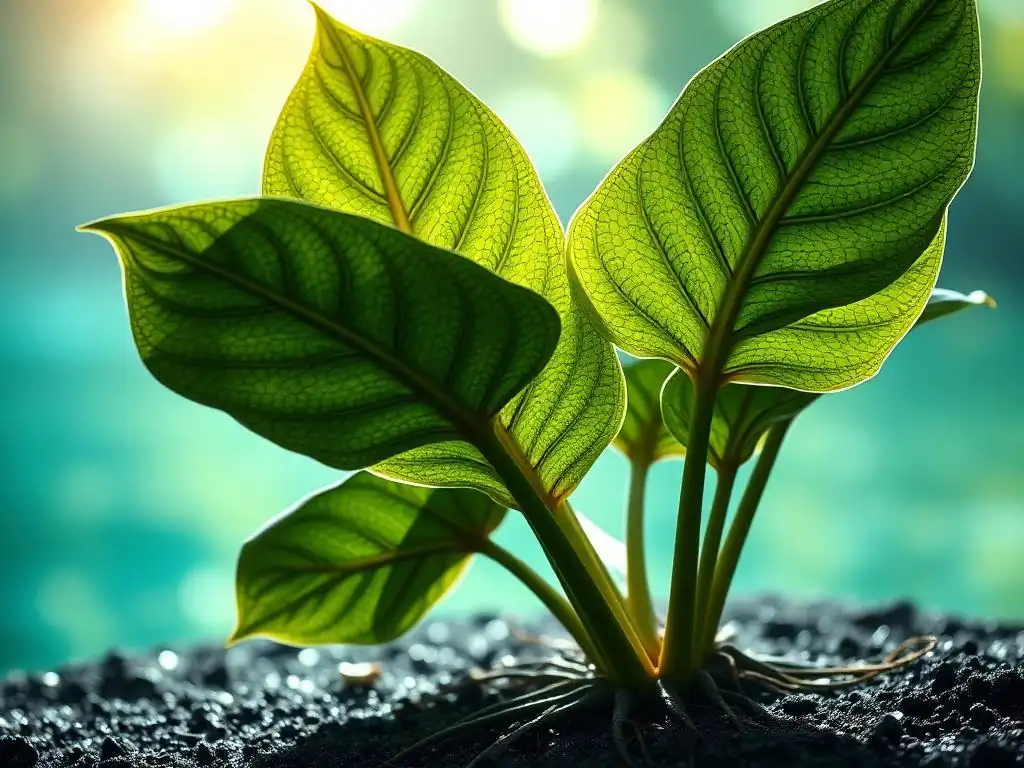
Chlorosis: Yellowing Leaves and Nutrient Deficiencies
Chlorosis, characterized by the yellowing of plant leaves, is one of the most common and often the first visible sign of nutrient deficiencies in aquarium plants. This symptom arises from a reduced production of chlorophyll, the green pigment essential for photosynthesis. While chlorosis is a general indicator of nutrient stress, the specific pattern of yellowing—whether it affects old or new leaves, or appears between veins versus uniformly—can provide crucial clues about which particular nutrient is lacking.
Understanding the nuances of chlorosis is vital for accurate diagnosis. For instance, a general yellowing of older leaves often points to deficiencies in mobile nutrients like nitrogen or phosphorus. Conversely, chlorosis appearing on new growth suggests a shortage of immobile nutrients such as iron or calcium. By carefully observing the location and pattern of chlorosis, aquarists can narrow down the potential causes of nutrient deficiencies in aquarium plants and implement targeted solutions.
Iron Deficiency vs. Magnesium Deficiency: A Visual Comparison
Distinguishing between iron and magnesium deficiencies can be challenging as both present with interveinal chlorosis (yellowing between the leaf veins while the veins remain green). However, the key differentiator lies in which leaves are affected first. Iron is an immobile nutrient, meaning the plant cannot easily move it from older, established leaves to newer growth. Therefore, iron deficiency symptoms always appear on the newest leaves, which will show pale yellow or even white interveinal areas, while the older leaves remain green.
In contrast, magnesium is a mobile nutrient. When magnesium is scarce, the plant will translocate it from older leaves to support the growth of new tissues. Consequently, magnesium deficiency symptoms manifest on older leaves first. These older leaves will exhibit interveinal chlorosis, with the areas between the veins turning yellow while the veins themselves stay green. This distinction—new growth vs. old growth—is critical for accurately diagnosing these specific nutrient deficiencies in aquarium plants.
Necrosis: Dead Spots and Tissue Damage
Necrosis refers to the death of plant tissue, appearing as brown or black spots, holes, or decaying areas on the leaves. This symptom indicates a more severe or prolonged nutrient deficiency, where the plant's ability to maintain cell integrity or repair itself has been significantly compromised. While various factors like pests or diseases can cause necrosis, when it occurs in specific patterns alongside other deficiency symptoms, it strongly points towards a nutrient-related issue.
Necrotic spots are often irreversible, meaning the affected parts of the leaf will not recover their green coloration or structural integrity even after the nutrient deficiency is corrected. Therefore, observing the onset and progression of necrosis is a critical alarm bell for aquarists. Addressing the underlying nutrient imbalance promptly is essential to prevent further tissue damage and ensure the plant can produce healthy new growth, mitigating the long-term impact of these nutrient deficiencies in aquarium plants.
Potassium Deficiency Necrosis: Identifying the Symptoms
Potassium deficiency is perhaps the most common cause of necrosis in aquarium plants, manifesting distinct visual symptoms. The classic sign is the appearance of small, pinhole-sized holes in the older leaves. These pinholes can enlarge over time, leading to larger necrotic patches. Often, the edges of older leaves will also show signs of yellowing or browning, which then progresses inwards, eventually leading to dead, decaying leaf tissue.
Plants like Echinodorus species (Amazon Swords) and Hygrophila polysperma are particularly prone to showing these pinholes and edge necrosis when potassium is lacking. Since potassium is a mobile nutrient, the plant prioritizes new growth, drawing potassium from older leaves, thus causing the damage to appear on the mature foliage. If left unaddressed, severe potassium nutrient deficiencies in aquarium plants can lead to significant leaf loss and overall plant decline.
Stunted Growth: A Sign of Multiple Nutrient Problems
Stunted growth is a broad symptom indicating that a plant is not developing at its normal rate, often appearing smaller or more compact than expected for its species. Unlike specific color changes or tissue damage, stunted growth can be a result of a deficiency in almost any essential nutrient, as all are required for healthy cell division and expansion. It can also be caused by insufficient light or CO2, complicating diagnosis.
When plants exhibit stunted growth alongside other specific symptoms (e.g., pale leaves, distorted new growth), it helps narrow down the problem. For instance, overall stunted growth combined with general yellowing of older leaves might suggest nitrogen deficiency, while stunted new growth with twisted leaves could point to calcium or boron issues. Addressing stunted growth requires a comprehensive review of all potential limiting factors, including the full spectrum of nutrient deficiencies in aquarium plants, light, and CO2.
Addressing Stunted Growth in Aquarium Plants
Addressing stunted growth in aquarium plants requires a systematic approach, as it's a non-specific symptom that can point to various nutrient deficiencies or environmental issues. The first step is to ensure that lighting is adequate for the plant species being grown and that CO2 levels are stable and sufficient, especially in high-tech setups. If lighting and CO2 are optimal, then attention should turn to nutrient availability.
A good starting point is to ensure a balanced supply of macronutrients (Nitrogen, Phosphorus, Potassium). Often, a comprehensive liquid fertilizer dosed consistently can resolve general stunted growth. For heavy root feeders, checking the substrate for nutrient depletion and adding root tabs can be beneficial. Regular water testing for key nutrients like nitrates and phosphates, alongside observation of specific leaf symptoms, will help pinpoint which of the many potential nutrient deficiencies in aquarium plants is the primary cause of stunted growth, allowing for targeted supplementation.
Distorted Leaf Shape: Nutrient Imbalances and Plant Morphology
Distorted leaf shape refers to abnormalities in the formation or development of new leaves, such as curling, twisting, crinkling, or malformation. This symptom typically indicates a problem with immobile nutrients that are crucial for cell division and the structural integrity of new tissues. Since these nutrients cannot be readily moved from older parts of the plant to the growing tips, their deficiency directly impacts the morphology of emerging foliage.
Observing distorted leaf shapes provides a strong clue that the issue lies with nutrients like calcium, boron, or sometimes even severe iron deficiency, which can indirectly affect new leaf development. Unlike chlorosis or necrosis, distorted leaves are often a sign of a deficiency impacting fundamental growth processes. Prompt identification and correction are essential to ensure the plant can produce healthy, aesthetically pleasing leaves in the future, preventing severe manifestations of nutrient deficiencies in aquarium plants.
Calcium Deficiency and Leaf Curvature
Calcium is critical for cell wall formation and cell division, especially in actively growing tissues. Because it is an immobile nutrient, calcium deficiency symptoms are almost exclusively observed in new growth. One of the classic visual indicators of calcium deficiency is the distortion or curling of new leaves. These emerging leaves may appear twisted, crinkled, or hooked, and in severe cases, the growing tips can become necrotic (brown and dead).
The new leaves may also be smaller than normal and appear somewhat brittle. While calcium deficiency is less common in aquariums with moderate to high general hardness (GH), it can occur in very soft water setups or if calcium uptake is inhibited by other factors. If leaf curvature and distorted new growth are observed, ensuring adequate calcium levels, often by maintaining a GH of at least 3-4 dGH, is crucial to prevent these specific nutrient deficiencies in aquarium plants.
Pinholes and Holes in Leaves: Potassium and Other Deficiencies
The appearance of pinholes or larger holes in the leaves of aquarium plants is a distinct and often alarming symptom for aquarists. While physical damage from snails or fish can cause holes, when they appear symmetrically or consistently across multiple leaves, it strongly suggests a nutrient deficiency. This type of damage indicates a breakdown in the plant's cell structure, often due to an inability to maintain turgor pressure or synthesize essential structural components.
The presence of holes is a clear sign that the plant is under significant stress and its cellular integrity is compromised. Prompt action is needed to identify the underlying nutrient deficiency and rectify it to prevent further damage and ensure the plant's long-term health. Understanding the specific nutrient responsible for this visual cue is paramount in effectively addressing these notable nutrient deficiencies in aquarium plants.
Understanding the Causes of Pinholes in Aquatic Plant Leaves
The primary cause of pinholes and subsequent holes in aquatic plant leaves is a deficiency in potassium (K). As a highly mobile nutrient, when potassium becomes scarce, the plant translocates it from older leaves to support the growth of newer, more vital tissues. This reallocation leaves the older leaves deficient, leading to the breakdown of cell walls and the development of small, transparent spots that eventually turn into visible holes. These holes often appear first on the older, more mature leaves.
While potassium deficiency is the most common culprit, severe deficiencies of other macronutrients, particularly phosphorus, can also weaken leaf tissue and contribute to susceptibility to holes, though usually not with the classic "pinhole" appearance. If pinholes are observed, increasing potassium supplementation is typically the first and most effective step. Regular dosing of potassium sulfate or a comprehensive liquid fertilizer rich in potassium can quickly alleviate these distinct nutrient deficiencies in aquarium plants and prevent further leaf damage.
Diagnosing Nutrient Deficiencies: A Step-by-Step Approach
Step 1: Observing Plant Symptoms and Growth Patterns
The first and most critical step in diagnosing nutrient deficiencies in aquarium plants is meticulous observation. Begin by examining your plants closely, noting which leaves are affected (old vs. new growth), the specific color changes (general yellowing, interveinal chlorosis, purpling), any physical damage (holes, dead spots, distorted shapes), and the overall growth rate. Keep a log or take photos over several days to track the progression of symptoms.
For instance, if new leaves are pale and stunted, it points to immobile nutrient issues like iron or calcium. If older leaves show pinholes or yellowing edges, mobile nutrients like potassium or nitrogen are more likely culprits.
Pay attention to which plant species are showing symptoms. Some plants are more sensitive indicators of specific deficiencies than others; for example, Rotala species often show iron deficiency quickly, while Echinodorus (Swords) are good indicators for potassium. Documenting these visual cues is paramount, as it forms the foundation for narrowing down the potential causes of nutrient deficiencies in aquarium plants before moving on to water testing.
Step 2: Testing Water Parameters: pH, KH, GH, and Nutrient Levels
Once initial visual observations are made, the next step is to test your aquarium's water parameters. While pH, KH (carbonate hardness), and GH (general hardness) are important for overall plant health, specific nutrient test kits are crucial for pinpointing deficiencies. Nitrate (NO3), phosphate (PO4), and iron (Fe) test kits are widely available and provide direct insights into the levels of these key nutrients. Some aquarists also use potassium (K) test kits, though they are less common and often less precise.
Testing helps confirm suspicions derived from visual symptoms. For example, if you suspect nitrogen deficiency due to general yellowing of older leaves, a nitrate test showing very low or zero ppm would strongly support that diagnosis. Conversely, if iron deficiency is suspected (pale new growth), a low iron reading would confirm it. Remember that water column tests primarily measure dissolved nutrients, which may not reflect nutrient availability in the substrate for root feeders. This step provides objective data to complement your visual assessment of nutrient deficiencies in aquarium plants.
Step 3: Comparing Symptoms with Deficiency Resources
After observing symptoms and testing water parameters, the third step is to compare your findings with reliable nutrient deficiency charts and resources, such as this article. These guides typically provide visual examples and descriptions of symptoms for each specific nutrient deficiency, often distinguishing between old and new leaf involvement. Cross-referencing your observations with these established patterns helps to accurately identify the specific nutrient deficiencies in aquarium plants.
For instance, if your Hygrophila plants have pinholes in older leaves and your potassium test shows low levels, the diagnosis of potassium deficiency becomes highly probable. If your Rotala new growth is stark white and your iron test is near zero, iron deficiency is almost certain. This comparative analysis is essential for moving from general observations to a precise diagnosis, guiding you towards the most effective corrective actions for your nutrient deficient aquatic plants.
Step 4: Considering Other Potential Issues: Lighting and CO2
Before concluding that a problem is solely due to nutrient deficiencies in aquarium plants, it's crucial to consider other major limiting factors for plant growth: lighting and CO2. Insufficient light can lead to stunted growth, pale coloration, and weak stems, symptoms that can often mimic nutrient deficiencies. Similarly, inadequate CO2 levels, especially in high-tech planted tanks, will severely limit photosynthesis and nutrient uptake, causing plants to struggle even if nutrients are abundant.
Ensure your lighting fixture is appropriate for the plants you are growing (e.g., high light for demanding stem plants) and that its bulbs are not past their effective lifespan (typically 6-12 months for fluorescents, longer for LEDs). For CO2 injected tanks, verify that the CO2 system is delivering a consistent and adequate supply, often indicated by a drop checker showing a lime green color. Addressing light or CO2 limitations first can sometimes resolve what initially appeared to be nutrient deficiencies in aquarium plants, as these are foundational elements for healthy plant metabolism.
Correcting Nutrient Deficiencies in Your Planted Aquarium
Choosing the Right Aquarium Plant Fertilizers
Correcting nutrient deficiencies in aquarium plants primarily involves targeted fertilization. The market offers a wide array of aquarium plant fertilizers, ranging from comprehensive all-in-one liquids to specific individual nutrient supplements. The choice depends on the identified deficiency, the type of plants in your aquarium, and your preferred dosing method. For generalized deficiencies or as a preventative measure, a complete liquid fertilizer that provides both macro and micronutrients is often the best starting point.
If specific nutrient deficiencies in aquarium plants have been identified through observation and testing (e.g., only iron or potassium is low), then individual supplements for those particular elements can be used to precisely target the problem without over-dosing other nutrients. It's crucial to select fertilizers specifically formulated for aquatic plants, as some garden fertilizers may contain harmful chemicals or unsuitable forms of nutrients. Always read product labels carefully and follow recommended dosing instructions to avoid creating new imbalances or harming tank inhabitants.
Liquid Fertilizers vs. Root Tabs: Which is Best?
The choice between liquid fertilizers and root tabs depends largely on the feeding habits of your aquarium plants. Liquid fertilizers are dosed directly into the water column and are primarily absorbed by plants through their leaves. They are ideal for water column feeders such as stem plants ( Rotala, Ludwigia, Hygrophila), mosses, and epiphytes ( Anubias, Bucephalandra, Java Fern). These plants derive most of their nutrients from the surrounding water, making liquid fertilizers a highly effective way to address their nutrient deficiencies in aquarium plants.
Root tabs, on the other hand, are solid fertilizer capsules or tablets that are inserted directly into the substrate near the roots of plants. They slowly release nutrients over time, providing a concentrated source of food for heavy root feeders.
Plants like Echinodorus (Amazon Swords), Cryptocoryne species, and Vallisneria benefit immensely from root tabs, as they primarily absorb nutrients through their extensive root systems. For a diverse planted tank, a combination of both liquid fertilizers and root tabs often provides the most comprehensive nutrient supply, addressing the specific needs of different plant types and preventing various nutrient deficiencies in aquarium plants.
Dosing Fertilizers Correctly: Avoiding Over-Fertilization
Correctly dosing fertilizers is as crucial as choosing the right type. Over-fertilization can lead to severe algae outbreaks, as excess nutrients become readily available for opportunistic algal growth. It can also cause nutrient imbalances, where one nutrient is in such high concentration that it inhibits the uptake of others, paradoxically leading to new nutrient deficiencies in aquarium plants. Under-dosing, conversely, will fail to resolve existing deficiencies.
The key is consistency and moderation. Start with the manufacturer's recommended dose and observe your plants' response over a week or two. Adjust the dose incrementally based on plant growth, color, and the absence of algae. Regular water testing for key nutrients like nitrates, phosphates, and iron can help fine-tune your dosing regimen. Understanding specific dosing philosophies, such as the Estimative Index (EI) or PPS-Pro methods, can provide a structured approach to maintaining optimal nutrient levels without excess.
Understanding Estimative Index (EI) Dosing
The Estimative Index (EI) is a popular and robust dosing methodology designed to ensure that plants always have an abundance of all essential nutrients, preventing any nutrient from becoming a limiting factor for growth. The core principle of EI is to provide a slight excess of macronutrients (Nitrogen, Phosphorus, Potassium) and micronutrients (Iron, Trace Elements) throughout the week, followed by a large weekly water change (typically 50%) to reset the water column and prevent any undesirable nutrient buildup.
Typical target levels for EI dosing are high: Nitrogen (Nitrate) at 10-20 ppm, Phosphorus (Phosphate) at 1-2 ppm, Potassium at 15-25 ppm, and Iron at 0.2-0.5 ppm. These levels are maintained by dosing nutrients several times a week. The strength of EI lies in its simplicity and effectiveness for heavily planted, high-light, high-CO2 tanks, as it virtually eliminates nutrient deficiencies in aquarium plants. However, it requires consistent large water changes to prevent algae issues from nutrient accumulation.
Understanding PPS-Pro Dosing
The PPS-Pro (Perpetual Preservation System) dosing method offers an alternative approach to fertilization, focusing on providing just enough nutrients to meet plant demands on a daily basis, thus minimizing nutrient buildup and the need for large, frequent water changes. Instead of maintaining high excess levels, PPS-Pro aims for lower, more stable concentrations of nutrients in the water column.
Typical target levels for PPS-Pro are much lower than EI: Nitrogen (Nitrate) around 5-10 ppm, Phosphorus (Phosphate) around 0.1-0.2 ppm, Potassium around 5-10 ppm, and Iron around 0.05-0.1 ppm. Nutrients are typically dosed daily in small amounts. This method appeals to aquarists who prefer smaller, less frequent water changes (e.g., 20-30% weekly or bi-weekly) and have a keen eye for observing plant health. While it requires more precise daily dosing, PPS-Pro can be very effective at preventing nutrient deficiencies in aquarium plants while keeping algae at bay.
Water Changes: Maintaining Nutrient Balance
Regular water changes are a fundamental practice in aquarium maintenance and play a crucial role in managing nutrient balance and preventing nutrient deficiencies in aquarium plants. While water changes dilute existing nutrients, they also replenish trace elements that might be depleted through plant uptake or adsorption. More importantly, they remove accumulated organic waste and pollutants that can inhibit nutrient uptake or lead to algae blooms.
For tanks following methods like Estimative Index (EI), large weekly water changes (e.g., 50%) are essential to reset nutrient levels and prevent excessive buildup. For those using methods like PPS-Pro or experiencing less rapid growth, smaller, more frequent changes might suffice. Regardless of the dosing method, consistent water changes help to stabilize water parameters, remove inhibitory substances, and introduce fresh minerals, contributing significantly to a healthy environment where nutrient deficiencies in aquarium plants are less likely to occur.
Substrate Considerations: Nutrient-Rich Substrates
The substrate in a planted aquarium is not merely decorative; it serves as a vital reservoir for nutrients, particularly for plants that primarily feed through their roots. Nutrient-rich or "active" substrates, such as ADA Aquasoil, Fluval Stratum, or Tropica Aquarium Soil, are specifically designed to slowly release essential macro and micronutrients into the root zone over an extended period. These substrates provide an excellent foundation for heavy root feeders like Cryptocoryne species, Echinodorus (Swords), and Anubias, significantly reducing the likelihood of nutrient deficiencies in aquarium plants for these species.
For tanks using inert substrates like sand or gravel, root tabs become indispensable. These small, solid fertilizer pellets are inserted directly into the substrate near the plant roots, providing a localized and continuous supply of nutrients. Over time, even active substrates can become depleted of certain nutrients, typically within 1-2 years, necessitating the addition of root tabs or a complete substrate renewal. Proper substrate management ensures that root-feeding plants have consistent access to the nutrients they need, complementing water column fertilization and preventing specific nutrient deficiencies in aquarium plants.
Case Studies: Examples of Correcting Plant Nutrient Deficiencies
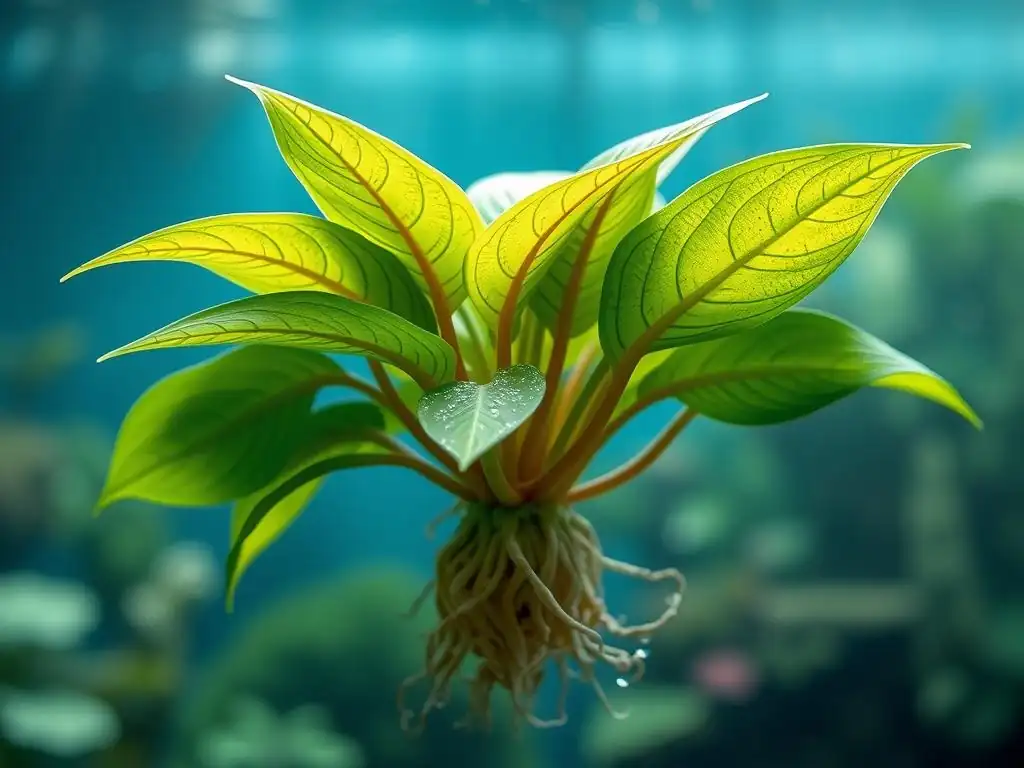
Case Study 1: Overcoming Iron Deficiency in Rotala rotundifolia
Scenario: A 60-liter high-tech planted tank, moderately stocked with fish, running CO2 injection and high lighting. The Rotala rotundifolia stem plants, particularly the newer growth at the tips, started showing severe paling, turning almost white, while older leaves remained green. The overall growth of the Rotala was also noticeably stunted compared to other plants in the tank.
Diagnosis: Based on the symptoms (interveinal chlorosis on new growth, severe paling of tips) and the plant species (Rotala is a good iron indicator), iron deficiency was strongly suspected. A quick test with an aquarium iron test kit confirmed very low levels of dissolved iron, registering less than 0.05 ppm. This was a clear case of nutrient deficiencies in aquarium plants specific to iron.
Solution: The aquarist began dosing an iron chelate supplement (Fe-DTPA) daily, aiming for a concentration of 0.1-0.2 ppm. This was in addition to their regular comprehensive liquid fertilizer, which was found to have insufficient iron for the tank's high demand. The daily dosing provided a consistent and readily available source of iron for the rapidly growing Rotala.
Outcome: Within approximately 7-10 days, the new growth emerging from the Rotala tips began to show a healthy green coloration, and the pale existing leaves gradually started to green up. After 3 weeks, the Rotala rotundifolia had regained its vibrant green to reddish hues, and its growth rate significantly improved. The existing white tips did not fully recover their color but new growth was perfectly healthy, demonstrating effective correction of nutrient deficiencies in aquarium plants.
Case Study 2: Solving Potassium Deficiency in Hygrophila polysperma
Scenario: A 90-liter medium-tech planted tank with moderate lighting and no CO2 injection, lightly stocked. The Hygrophila polysperma and Echinodorus (Amazon Sword) plants, particularly their older, mature leaves, started developing small, clear pinholes. These pinholes gradually expanded into larger necrotic spots, and the leaf edges began to yellow and brown.
Diagnosis: The classic pinholes and edge necrosis on older leaves, affecting common potassium indicator plants like Hygrophila and Echinodorus, immediately pointed towards potassium deficiency. While a potassium test kit was not readily available, the visual symptoms were highly indicative of this specific one of the nutrient deficiencies in aquarium plants.
Solution: The aquarist increased the dosage of their comprehensive liquid fertilizer that contained potassium. Additionally, they began supplementing with potassium sulfate (K2SO4), dosing enough to raise potassium levels by approximately 5-10 ppm three times a week. This provided a direct and significant boost to the potassium levels in the water column.
Outcome: Within 1-2 weeks, the formation of new pinholes ceased on the Hygrophila and Echinodorus leaves. While the existing damaged areas did not heal, the new growth was entirely healthy, vibrant, and free of holes or necrosis. The overall vigor of the plants improved significantly, demonstrating the successful resolution of these specific nutrient deficiencies in aquarium plants.
Case Study 3: Addressing Generalized Nutrient Deficiencies in a New Planted Tank
Scenario: A newly set up 120-liter planted tank with a mix of plant species (stem plants, Swords, Cryptocorynes) using an inert gravel substrate and moderate lighting. After about three weeks, almost all plants exhibited signs of distress: overall stunted growth, general paling of leaves across old and new growth, some yellowing on older leaves, and new stem plant leaves being small and somewhat distorted.
Diagnosis: The widespread and non-specific symptoms across multiple plant types, coupled with the tank being newly established with an inert substrate, indicated a generalized lack of essential nutrients. The plants were simply starving. This was a clear case of multiple nutrient deficiencies in aquarium plants.
Solution: The aquarist implemented a comprehensive fertilization strategy. They started dosing an all-in-one liquid fertilizer daily, providing a balanced blend of macro and micronutrients directly into the water column. Simultaneously, they inserted root tabs around all the heavy root feeders like the Amazon Swords and Cryptocorynes to ensure nutrient availability in the substrate.
Outcome: Over the next 4-6 weeks, the tank underwent a dramatic transformation. Plant growth rates visibly accelerated, new leaves emerged larger and with healthy coloration, and the overall pale appearance faded. The Cryptocoryne species in particular showed strong new growth, indicating the root tabs were effective. This holistic approach successfully resolved the multiple nutrient deficiencies in aquarium plants, leading to a thriving planted environment.
Preventing Nutrient Deficiencies in Aquarium Plants
Regular Water Testing and Monitoring
Preventing nutrient deficiencies in aquarium plants is far more effective than trying to correct them after they manifest. Regular water testing and monitoring are the cornerstones of a proactive approach. Establish a consistent testing schedule for key parameters like nitrates (NO3), phosphates (PO4), and iron (Fe). While less common, potassium (K) test kits can also be beneficial if you frequently encounter potassium-related issues.
Monitoring these levels allows you to track nutrient consumption by your plants and identify downward trends before visible deficiency symptoms appear. For instance, if your nitrate levels consistently drop to zero within a few days of dosing, it indicates your plants are consuming nitrogen rapidly, and your dosing may need adjustment. Keeping a log of your test results over time provides valuable data for fine-tuning your fertilization regimen and proactively preventing nutrient deficiencies in aquarium plants.
Consistent Fertilization Schedules
Consistency in fertilization is paramount for preventing nutrient deficiencies in aquarium plants. Once you have determined the appropriate type and amount of fertilizers for your tank (whether following an EI, PPS-Pro, or another method), adhere to that schedule faithfully. Irregular dosing can lead to fluctuating nutrient levels, stressing plants and making them more susceptible to deficiencies and algae.
Whether you dose daily, every other day, or weekly, establishing a routine ensures a stable supply of essential macro and micronutrients. Use a calendar, reminders, or automated dosing pumps to maintain consistency. Over time, you may need to adjust your schedule or dosages as plants grow, biomass increases, or light/CO2 levels change, but the foundation of consistent delivery is vital for preventing nutrient deficiencies in aquarium plants and maintaining a healthy, balanced planted tank.
Choosing Compatible Plants for Your Aquarium
Selecting plant species that are compatible with your aquarium setup and your level of commitment to maintenance is a crucial preventative measure against nutrient deficiencies. High-light, high-CO2 demanding plants will inevitably require a comprehensive and rigorous fertilization regimen to thrive. Attempting to grow such demanding species in a low-tech setup (low light, no CO2) will almost certainly lead to chronic nutrient deficiencies, stunted growth, and frustration.
Conversely, choosing low-tech plants like Anubias, Java Fern, or Cryptocoryne for a low-tech tank will result in much fewer nutrient-related issues, as their growth rates and nutrient demands are naturally lower. Research the specific light, CO2, and nutrient requirements of any plant before introducing it to your aquarium. Matching plant needs to your tank's capabilities and your maintenance routine significantly reduces the likelihood of encountering widespread nutrient deficiencies in aquarium plants.
Maintaining a Healthy Substrate
For plants that primarily feed through their roots, maintaining a healthy and nutrient-rich substrate is a critical preventative measure against nutrient deficiencies. If using an inert substrate like gravel or sand, consistently replenishing nutrients with root tabs is essential. These tabs slowly release macro and micronutrients directly into the root zone, providing a stable food source for heavy root feeders like Echinodorus (Swords) and Cryptocoryne species.
If you are using an active, nutrient-rich substrate (e.g., Aquasoil), be aware that its nutrient-releasing capabilities will diminish over time, typically after 1-2 years. At this point, you may need to supplement with root tabs or consider a partial or full substrate replacement during a major tank overhaul. A well-maintained substrate ensures that root-feeding plants have continuous access to the specific nutrients they need, preventing localized nutrient deficiencies in aquarium plants that rely heavily on their root systems.
Conclusion: Achieving a Thriving Planted Aquarium Through Proper Nutrient Management
The Long-Term Benefits of Nutrient Awareness.
Achieving a truly thriving planted aquarium is a rewarding endeavor that extends far beyond merely choosing attractive plants. It hinges fundamentally on a deep understanding and diligent management of plant nutrition. Recognizing the subtle, yet distinct, visual cues of nutrient deficiencies in aquarium plants is an indispensable skill for any aquarist aiming for a lush, vibrant, and algae-free environment. From the general yellowing of nitrogen deficiency to the characteristic pinholes of potassium deficiency, each symptom tells a story about the plant's unmet needs.
The long-term benefits of mastering nutrient awareness are profound. A robustly planted tank, free from nutrient deficiencies, contributes significantly to overall tank stability by efficiently consuming nitrates and phosphates, thereby naturally controlling algae. Healthy plants oxygenate the water, provide shelter for fish and invertebrates, and create a more balanced and resilient ecosystem. By proactively monitoring, accurately diagnosing, and consistently correcting nutrient imbalances, aquarists can cultivate a truly magnificent underwater garden that not only enhances the aesthetic appeal of their home but also fosters a healthier, more sustainable aquatic habitat, ensuring their plants flourish for years to come.
Frequently Asked Questions
What are the most common signs of nutrient deficiencies in aquarium plants?
The most common signs include yellowing leaves (chlorosis), stunted growth, and the appearance of holes in the leaves. These symptoms can vary depending on the specific nutrient that's lacking.
How can I determine which nutrient is deficient in my aquarium plants?
Careful observation is key. Different deficiencies manifest in different ways. For example, iron deficiency often shows up as yellowing between leaf veins, while potassium deficiency can cause pinholes and curled leaf edges. Refer to visual guides for accurate diagnosis.
What water parameters should I monitor to prevent nutrient deficiencies?
Regularly test your water for nitrates, phosphates, and potassium. These are essential macronutrients for plant growth. Maintaining proper levels helps prevent deficiencies.
Can over-fertilization be as harmful as nutrient deficiencies for aquarium plants?
Yes, absolutely. Over-fertilization can lead to algae blooms and toxicity, harming both your plants and fish. It's crucial to follow fertilizer instructions carefully and monitor water parameters.
How often should I fertilize my aquarium plants to avoid nutrient deficiencies?
The frequency depends on the plants, lighting, and CO2 levels in your tank. Generally, liquid fertilizers are added weekly or bi-weekly. Follow the product instructions and adjust based on your plant's needs.
Okay, here's a final reflection tailored for your article "Identifying Nutrient Deficiencies in Aquarium Plants: A Visual Guide," designed to resonate with readers and encourage further engagement with the topic of aquarium plant health.
Final Reflection: Cultivating Aquatic Harmony
The ability to diagnose nutrient deficiencies in aquarium plants is more than just a technical skill; it's a crucial step towards creating thriving and balanced aquatic ecosystems within our homes. In a world increasingly disconnected from nature, the miniature underwater worlds we cultivate offer a powerful reminder of the delicate interplay between life and environment, and the responsibility we bear as caretakers.
This guide, I hope, has illuminated the path to understanding the subtle language of your plants. The journey of learning to read these visual cues is a deeply rewarding one, fostering a closer connection to the natural world and enhancing the beauty and vitality of your aquarium. As the renowned naturalist John Muir once said: In every walk with nature one receives far more than he seeks.
This sentiment rings especially true when we dedicate ourselves to understanding the needs of the living organisms in our care.
Now, armed with this knowledge, I urge you to look anew at your own aquariums. Observe, experiment, and refine your approach. Let this guide be a starting point, not an end. By actively engaging with the health and well-being of your aquatic plants, you not only create stunning underwater landscapes, but also contribute to a deeper appreciation for the intricate beauty and fragility of the natural world. Nurture your plants, and in turn, they will nurture your soul.
Uncover the Secrets to Thriving Aquarium Plants!
Thank you for diving into the world of aquatic botany with us. Now that you’re equipped to identify nutrient deficiencies in your aquarium plants, it's time to take action and bring your underwater garden to its full potential!
Here are a few ways to transform your knowledge into a flourishing aquascape:
- Immediately assess your aquarium plants using the visual guide provided. Identify any deficiencies and note them down.
- Research appropriate fertilizers for the specific deficiencies you identified and carefully begin a controlled dosing regimen.
- Surprise your fellow aquarists by sharing your "before & after" photos and tips on social media, using #AquariumMastery!
What deficiency will you tackle first, and how will you document your plant's recovery journey?