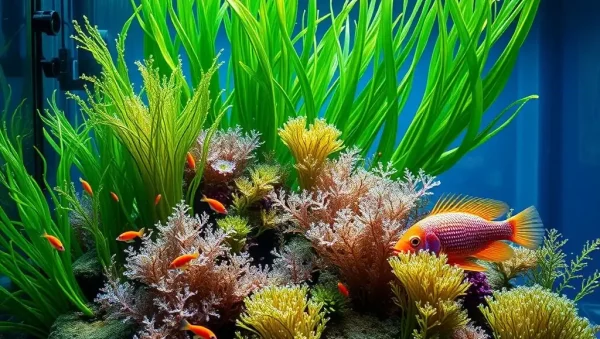
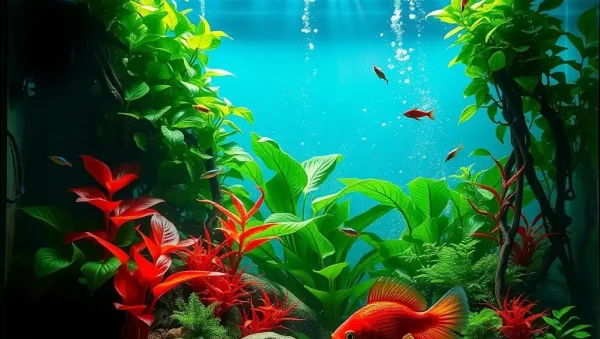
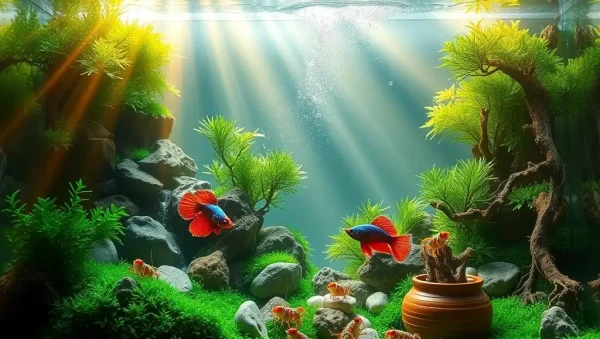
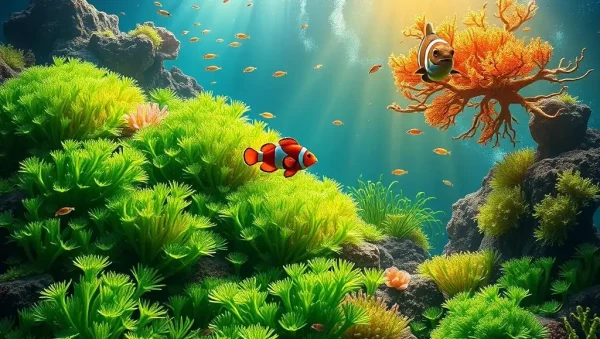
🌿 Aquatic Plants & Macroalgae: Profiles, Care & Propagation
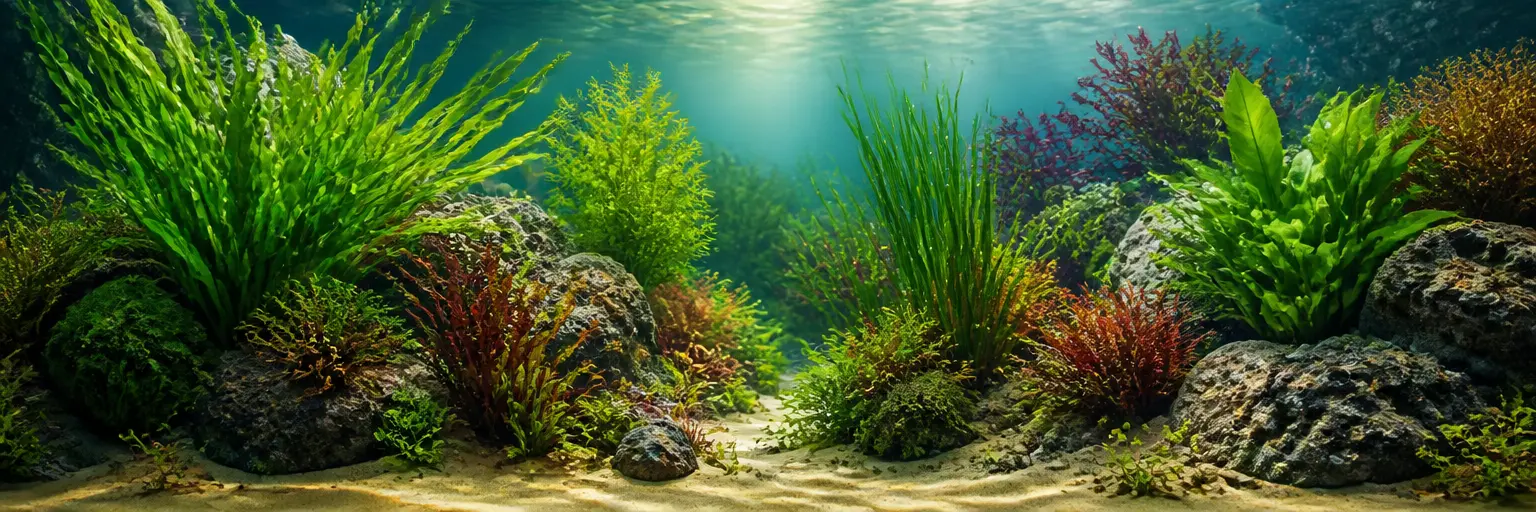
Welcome to Aquarium Mastery’s complete guide to aquatic plants and marine macroalgae. Healthy plants do more than improve aquarium appearance: they absorb nutrients, produce oxygen, provide shelter, reduce algae pressure, and create a more natural environment for freshwater fish, shrimp, corals, and other aquatic life. This category covers everything from choosing the right aquarium plants to managing lighting, substrate, CO2, fertilizers, water chemistry, and propagation.
Whether you are designing a planted freshwater aquarium, maintaining a low-tech aquascape, or adding macroalgae to a saltwater refugium, you will find practical, research-informed guidance here. Explore detailed aquatic plant profiles, learn how to identify common growth problems, and discover reliable techniques for planting, pruning, dividing, and multiplying healthy specimens.
Our guides are designed for beginners and experienced aquarists alike. You can learn how stem plants, rosette plants, carpeting plants, and marine macroalgae differ in appearance and care requirements, while also finding advice on algae control, nutrient balance, lighting intensity, CO2 injection, and long-term aquarium maintenance.
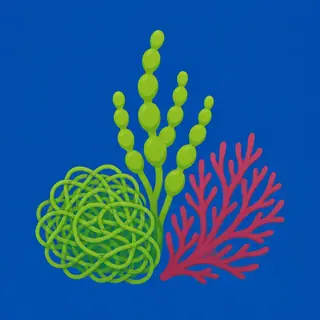
🌊 Saltwater Macroalgae: Chaeto, Caulerpa, Gracilaria - Care & Benefits
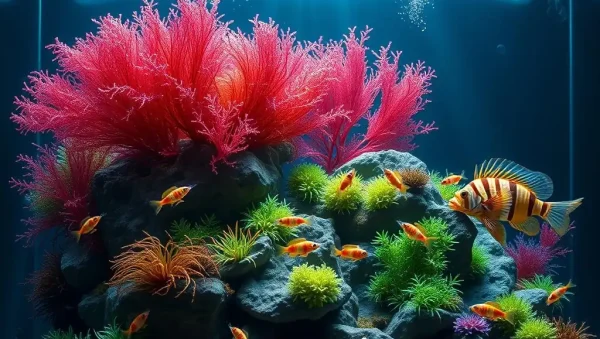
This subcategory explores popular saltwater macroalgae, including Chaetomorpha (Chaeto), Caulerpa, and Gracilaria. Readers can learn how each species grows, where it performs best, and how it supports a healthy marine aquarium. Guides explain the benefits of macroalgae for nitrate and phosphate export, refugium filtration, habitat creation, and nutrient management.
You will also find practical care advice covering lighting, water flow, harvesting, pruning, attachment methods, and acclimation. Special attention is given to preventing unwanted spread, avoiding Caulerpa-related problems, and maintaining stable saltwater conditions so macroalgae contributes to a balanced reef or fish-only aquarium.
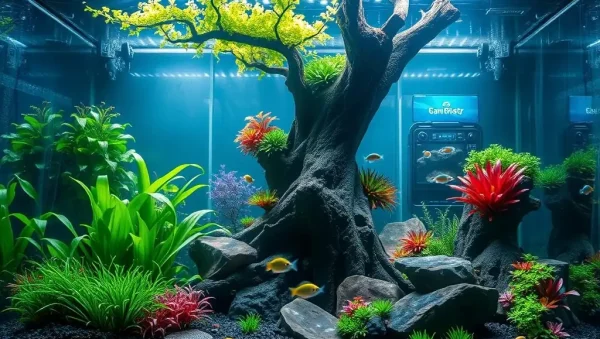
🌱 Freshwater Aquatic Plant Profiles: Stem, Rosette, Carpeting
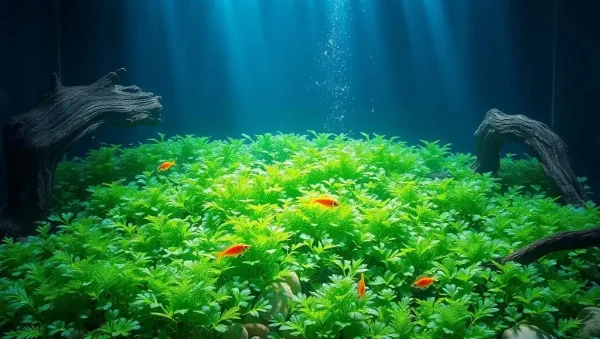
Discover detailed profiles of freshwater aquarium plants grouped by growth form: stem plants, rosette plants, and carpeting plants. Each profile helps you understand plant size, growth rate, placement, lighting needs, nutrient requirements, compatibility with fish and shrimp, and suitability for beginner or advanced planted tanks.
These guides make it easier to select plants for backgrounds, midground layouts, foreground carpets, nano aquariums, and biotope-inspired displays. Expect clear information about trimming, replanting, root development, propagation, and common issues such as melting leaves, leggy growth, yellowing, holes, and algae-covered foliage.
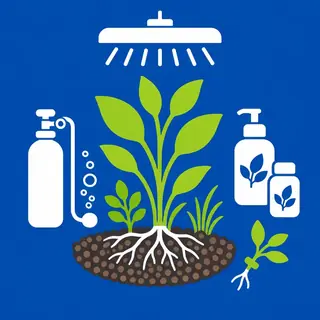
💡 Freshwater Plant Care: Lighting, Substrate, CO2, Fertilizers & Propagation
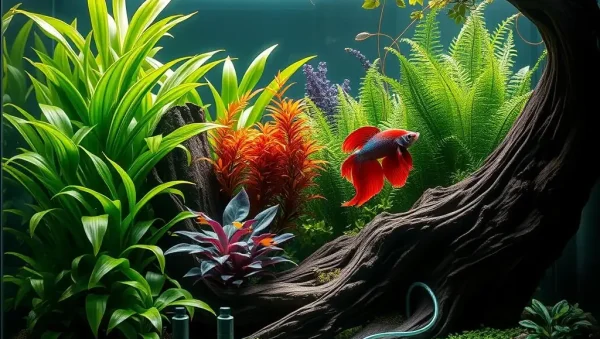
This section explains the core elements of successful planted aquarium care. Learn how to choose aquarium lighting, prepare nutrient-rich or inert substrate, provide carbon through CO2 injection or liquid alternatives, and use fertilizers without encouraging nuisance algae. The guides connect each factor so you can create a stable balance between light, carbon, nutrients, and plant growth.
Readers will also find step-by-step advice on planting, pruning, propagation, water changes, nutrient testing, and troubleshooting. Whether you maintain a low-tech aquarium or a high-energy aquascape, these resources help you improve plant health, encourage dense growth, and build a sustainable maintenance routine.
❓ Frequently Asked Questions About Aquatic Plants & Macroalgae
🌿 What are the easiest aquatic plants for beginners?
Beginner-friendly plants often include Anubias, Java fern, Java moss, Cryptocoryne, Vallisneria, and hardy stem plants. These species generally tolerate moderate lighting and do not always require injected CO2. Choose plants that match your aquarium’s lighting, water parameters, temperature, and available maintenance time.
💡 Do aquarium plants need CO2 to survive?
No. Many aquatic plants can survive without injected CO2, especially in low-tech aquariums. However, additional CO2 can improve growth speed, color, and carpeting performance when paired with appropriate lighting and fertilization. A stable, balanced setup is more important than using maximum CO2 levels.
🌊 What is the best macroalgae for a saltwater refugium?
Chaetomorpha is commonly recommended because it grows in a dense, easy-to-harvest mass and does not attach strongly to rocks or overtake a display aquarium as readily as some Caulerpa species. Gracilaria can also be useful, particularly when attractive macroalgae or food for herbivorous marine species is desired.
🧪 Why are my aquarium plant leaves turning yellow or developing holes?
Yellow leaves and holes may result from nutrient deficiencies, insufficient light, poor root development, unstable water conditions, or natural leaf replacement. Check nitrate, phosphate, potassium, iron, and micronutrient availability, then review lighting, substrate, CO2, and water-change practices before making gradual adjustments.
✂️ How do I propagate freshwater aquarium plants?
Propagation depends on the plant type. Stem plants are usually multiplied by cutting and replanting healthy tops, rosette plants by separating daughter plants or runners, and carpeting plants by dividing dense mats into smaller portions. Use clean tools, plant healthy sections, and provide suitable light and nutrients to encourage new growth.