
Macroalgae Maintenance 101: Pruning, Harvesting, and Keeping Chaeto, Caulerpa & Gracilaria Healthy

Welcome to Aquarium Mastery!
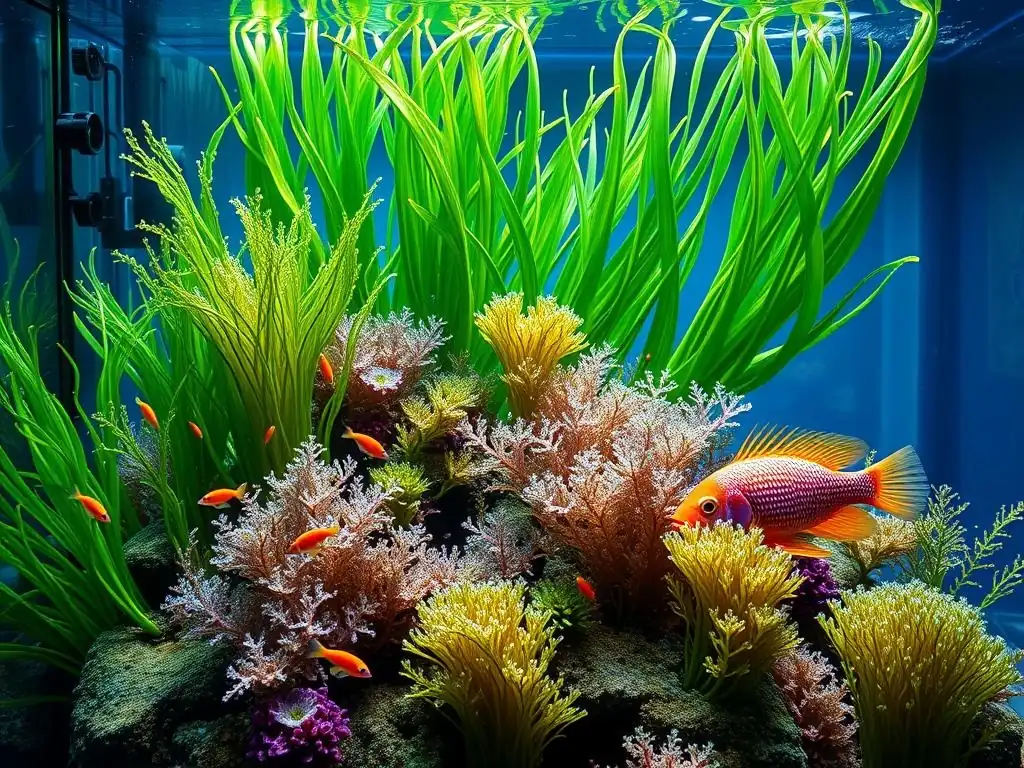
Ever wondered how to really unlock the secrets to a thriving saltwater aquarium? We're diving deep into the fascinating world of macroalgae, and this article is your essential guide to Chaeto maintenance for saltwater aquariums. Learn how to prune, harvest, and keep your Chaeto, Caulerpa, and Gracilaria healthy and vibrant, contributing to a balanced and beautiful underwater ecosystem. Ready to master the art of macroalgae? Let's get started!
- Understanding Macroalgae in Saltwater Aquariums
- Chaeto Maintenance for Saltwater Aquariums: A Comprehensive Guide
- Caulerpa Care and Management in Reef Tanks
- Gracilaria Maintenance for a Thriving Aquarium
- Macroalgae Pruning: Best Practices for Each Species
- Harvesting Macroalgae for Nutrient Export
- Maintaining Optimal Water Parameters for Macroalgae Growth
- Troubleshooting Common Macroalgae Problems
- Selecting the Right Lighting for Your Macroalgae
- Optimizing Flow for Macroalgae: Refugium and Display Tank Considerations
- Feeding Macroalgae: Supplementation and Nutrient Management
- Integrating Macroalgae into Your Refugium Design
- Long-Term Macroalgae Health: Preventative Measures
-
Frequently Asked Questions
- How often should I prune or harvest Chaetomorpha ("Chaeto") in my saltwater aquarium?
- What's the best way to remove Chaeto from my refugium during maintenance?
- What are some signs that my Chaeto isn't healthy and needs attention?
- Besides nutrient export, what other benefits does healthy Chaeto provide to a saltwater aquarium?
- How can I ensure my Chaeto receives adequate light for optimal growth and nutrient uptake?
- Final Reflection: Cultivating a Thriving Ecosystem
- Cultivate Your Underwater Garden!
Understanding Macroalgae in Saltwater Aquariums
The Role of Macroalgae in a Healthy Saltwater Tank
Macroalgae play a pivotal role in maintaining a stable and healthy saltwater aquarium ecosystem. Often referred to as the "lungs" or "filters" of a reef tank, these photosynthetic organisms actively absorb excess nutrients like nitrates and phosphates from the water column. This natural filtration process is crucial for preventing the proliferation of nuisance algae, such as hair algae and cyanobacteria, which can quickly overwhelm a display tank and negatively impact corals and fish.
Beyond nutrient export, macroalgae contribute to overall water quality by oxygenating the water during their photosynthetic cycle, especially beneficial during the nighttime hours when display tank lighting is off and pH tends to drop. Furthermore, a dense bed of macroalgae, particularly in a refugium, provides an ideal habitat and breeding ground for beneficial microfauna like copepods and amphipods. These tiny crustaceans serve as a vital natural food source for many corals and fish, enhancing the biodiversity and stability of the entire aquarium system.
Popular Macroalgae Species: Chaeto, Caulerpa, and Gracilaria
The saltwater aquarium hobby commonly utilizes several species of macroalgae, each with unique characteristics and management requirements. Chaetomorpha linum, widely known as Chaeto, is perhaps the most popular choice for refugiums due to its non-invasive growth habit and excellent nutrient absorption capabilities. It forms a tangled, spaghetti-like mass that tumbles easily, making it simple to manage and harvest.
Caulerpa is a diverse genus of macroalgae, with species like Caulerpa prolifera and Caulerpa racemosa being frequently encountered. While offering rapid nutrient export, Caulerpa species are known for their fast, sometimes invasive, growth and the potential to go "sexual," releasing spores that can cause significant water quality issues. Gracilaria, often recognized for its reddish coloration, is another versatile macroalgae. Species such as Gracilaria parvispora are not only effective at nutrient removal but also serve as a highly palatable food source for herbivorous fish like tangs and rabbitfish, making them suitable for both refugiums and display tanks.
Benefits of Macroalgae: Nutrient Export and Habitat
The primary and most significant benefit of integrating macroalgae into a saltwater aquarium is their exceptional capacity for nutrient export. By actively taking up nitrates and phosphates that accumulate from fish waste, uneaten food, and decaying organic matter, macroalgae directly compete with undesirable nuisance algae. For instance, a well-established refugium containing a softball-sized clump of Chaeto can effectively process excess nitrates, helping to maintain levels typically below 5 parts per million (ppm) in a moderately stocked reef tank, thereby preventing unsightly algae blooms in the main display.
In addition to their role as biological filters, macroalgae beds create a dynamic microhabitat that significantly enhances the biodiversity of the aquarium. The intricate structure of species like Chaeto provides shelter and a breeding ground for countless copepods and amphipods. These micro-crustaceans, often numbering in the thousands within a thriving macroalgae bed, continuously reproduce and eventually migrate into the main display tank, providing a constant, natural food supply for corals, mandarin dragonets, and other small fish. This enrichment of the food web contributes to healthier, more vibrant livestock and a more resilient ecosystem.
Chaeto Maintenance for Saltwater Aquariums: A Comprehensive Guide
What is Chaetomorpha and Why Use It?
Chaetomorpha linum, commonly known as Chaeto, is a type of filamentous green macroalgae characterized by its tangled, spaghetti-like appearance. It is arguably the most widely used and recommended macroalgae for saltwater aquarium refugiums due to several key advantages. Unlike some other macroalgae, Chaeto does not attach to substrates or rockwork, instead forming a loose, tumbling ball. This free-floating nature makes "Chaeto maintenance for saltwater aquariums" exceptionally straightforward, as it can be easily removed and pruned without disrupting the aquascape.
The primary reason for its popularity lies in its highly efficient nutrient absorption. Chaeto excels at removing nitrates and phosphates from the water column, acting as a natural biological filter. Furthermore, Chaeto does not typically go "sexual" (release spores en masse), which is a common concern with Caulerpa species that can crash tank parameters. Its robust nature, ease of care, and safety for reef inhabitants make it an ideal choice for aquarists aiming for effective and low-maintenance nutrient control.
Essential Chaeto Care: Light, Flow, and Nutrients
Effective "Chaeto maintenance for saltwater aquariums" hinges on providing optimal conditions for its growth. For lighting, Chaeto thrives under moderate intensity, broad-spectrum light, typically in the 6500K to 9000K range. A photoperiod of 12 to 18 hours per day, often run on a reverse daylight cycle (when display lights are off), is ideal for maximizing nutrient uptake and helping to stabilize tank pH. While Chaeto is relatively forgiving, insufficient light can lead to slow growth or even die-off.
Water flow is another critical factor. Chaeto benefits immensely from a tumbling motion, which ensures that all parts of the ball are exposed to light and nutrient-rich water, preventing stagnant areas where detritus can accumulate. A small powerhead or the direct output from a return pump can create this desired tumbling action. Lastly, Chaeto requires nitrates and phosphates to grow. In ultra-low nutrient (ULNS) systems, if nitrates drop below 2 ppm or phosphates below 0.02 ppm, Chaeto growth may stall, indicating a need for careful, minimal dosing of these nutrients to sustain the macroalgae.
Chaeto Pruning Techniques for Optimal Growth
Regular pruning is an indispensable aspect of "Chaeto maintenance for saltwater aquariums" and crucial for maximizing its nutrient export efficiency. As Chaeto grows, the center of the ball can become dense and shaded, leading to stagnation and reduced nutrient uptake in those areas. Pruning prevents this by removing older, less efficient growth and stimulating new, vigorous growth. The goal is to maintain a healthy, actively growing biomass.
The technique for pruning Chaeto is remarkably simple: reach into the refugium and remove a portion of the macroalgae, typically 25% to 50% of its total mass, every few weeks or once a month, depending on its growth rate. It is often beneficial to remove some of the denser, older parts from the center of the clump. This harvested biomass, now rich in absorbed nitrates and phosphates, is then permanently removed from the system, effectively exporting these unwanted nutrients and contributing significantly to the long-term stability of the aquarium.
Preventing Chaeto Die-Off: Troubleshooting Tips
While Chaeto is generally hardy, it can occasionally experience die-off, characterized by the algae turning pale, white, or even dissolving into the water. Preventing this requires careful attention to the factors influencing its health. One common cause is nutrient starvation; if the aquarium becomes too clean (e.g., nitrates consistently below 1 ppm and phosphates below 0.01 ppm), Chaeto may lack the necessary building blocks for growth. In such cases, a slight increase in feeding or careful, measured dosing of nitrate and phosphate supplements can revive growth.
Another frequent issue is insufficient or inappropriate lighting. If the light is too weak, the Chaeto will not photosynthesize effectively, leading to slow growth and eventual decline. Conversely, overly intense light can sometimes shock the algae or promote nuisance algae growth on its surface.
Ensuring proper light spectrum (6500K-9000K) and an adequate photoperiod (12-18 hours) is vital. Lastly, poor water flow can lead to detritus accumulation within the Chaeto ball, creating anaerobic pockets that can cause portions to rot. Increasing flow to ensure a gentle tumbling motion throughout the entire mass will help prevent this and ensure robust "Chaeto maintenance for saltwater aquariums."
Caulerpa Care and Management in Reef Tanks
Understanding Caulerpa: Benefits and Risks
Caulerpa species are a diverse group of green macroalgae known for their rapid growth and aesthetic appeal, often resembling various terrestrial plants. They are highly effective at nutrient export, capable of absorbing large quantities of nitrates and phosphates quickly, making them attractive for aquarists seeking aggressive nutrient control. Species like Caulerpa prolifera can also provide excellent natural grazing opportunities for herbivorous fish and offer a visually interesting element in display tanks or refugiums due to their distinct leaf-like fronds.
However, the use of Caulerpa comes with significant risks that must be carefully managed. The most notorious characteristic of Caulerpa is its tendency to go "sexual," a process where the entire plant releases its cellular contents (spores and nutrients) into the water column. This event can cause a rapid and severe drop in water quality, leading to ammonia spikes and potentially devastating the entire aquarium ecosystem. Furthermore, many Caulerpa species are highly invasive and can quickly outcompete and smother corals and other sessile invertebrates if not rigorously controlled, necessitating vigilant "Caulerpa maintenance" to prevent overgrowth.
Controlling Caulerpa Growth: Pruning and Containment Strategies
Given Caulerpa's aggressive growth and invasive potential, strict control measures are essential for its safe inclusion in a reef tank. Regular and thorough pruning is the cornerstone of effective "Caulerpa maintenance." Unlike Chaeto, Caulerpa should be pruned by carefully snipping off individual fronds or runners at their base, rather than simply pulling out clumps. It is crucial to remove all cut pieces from the aquarium immediately, as even small fragments can re-attach and initiate new growth elsewhere in the tank.
Containment strategies are equally important to prevent Caulerpa from spreading uncontrollably. In a refugium, it is often recommended to grow Caulerpa in a dedicated section, sometimes separated by baffles or even within a plastic container to limit its rhizomal runners from attaching to rockwork or sand. Some aquarists choose to grow it in a bare-bottom section of the refugium for easier removal. If grown in the display, it should be confined to specific areas where its growth can be meticulously monitored and pruned, such as within isolated rock formations.
Caulerpa Lighting and Nutrient Requirements
Caulerpa species generally require higher light intensity than Chaeto to thrive and grow vigorously. A broad-spectrum light source, typically in the 6500K to 10000K range, with a photoperiod of 14 to 18 hours, is usually sufficient. Some aquarists even report enhanced growth under lights with a stronger blue or red spectrum. Adequate light ensures robust photosynthesis and efficient nutrient uptake, which is critical for its role in nutrient export.
In terms of nutrients, Caulerpa tends to thrive in moderate to higher nutrient environments, absorbing nitrates and phosphates rapidly. However, it's a delicate balance: while nutrients fuel its growth, sudden and prolonged nutrient starvation can be a trigger for the plant to go sexual. Therefore, consistent nutrient levels, rather than extreme fluctuations, are important for stable Caulerpa growth. Regular monitoring of nitrates and phosphates (aiming for consistent low levels, e.g., 2-5 ppm nitrate, 0.03-0.08 ppm phosphate) will help maintain its health and prevent stress-induced sexual reproduction.
Preventing Caulerpa Sexual Reproduction and Tank Overgrowth
Preventing Caulerpa from going sexual is paramount to avoiding a potential tank crash. The primary trigger for this event is often a sudden and drastic change in environmental conditions, particularly light or nutrient availability. Maintaining a stable, consistent lighting schedule is crucial; avoid sudden blackouts or significant changes in photoperiod or intensity. For instance, running the refugium light for a continuous 16-18 hours, without interruption, can help reduce stress.
Another key preventative measure is consistent and aggressive pruning. By regularly removing a portion of the Caulerpa biomass (e.g., weekly or bi-weekly), you prevent the plant from becoming "old" or nutrient-starved, which can signal it's time to reproduce. A large, overgrown, unpruned Caulerpa mass is far more likely to go sexual. Furthermore, maintaining stable water parameters (salinity, pH, temperature) and avoiding sudden chemical additions will contribute to a less stressful environment for the macroalgae, thereby minimizing the risk of a sexual event and ensuring effective "Caulerpa maintenance."
Gracilaria Maintenance for a Thriving Aquarium
Gracilaria: A Versatile Macroalgae for Refugiums and Display Tanks
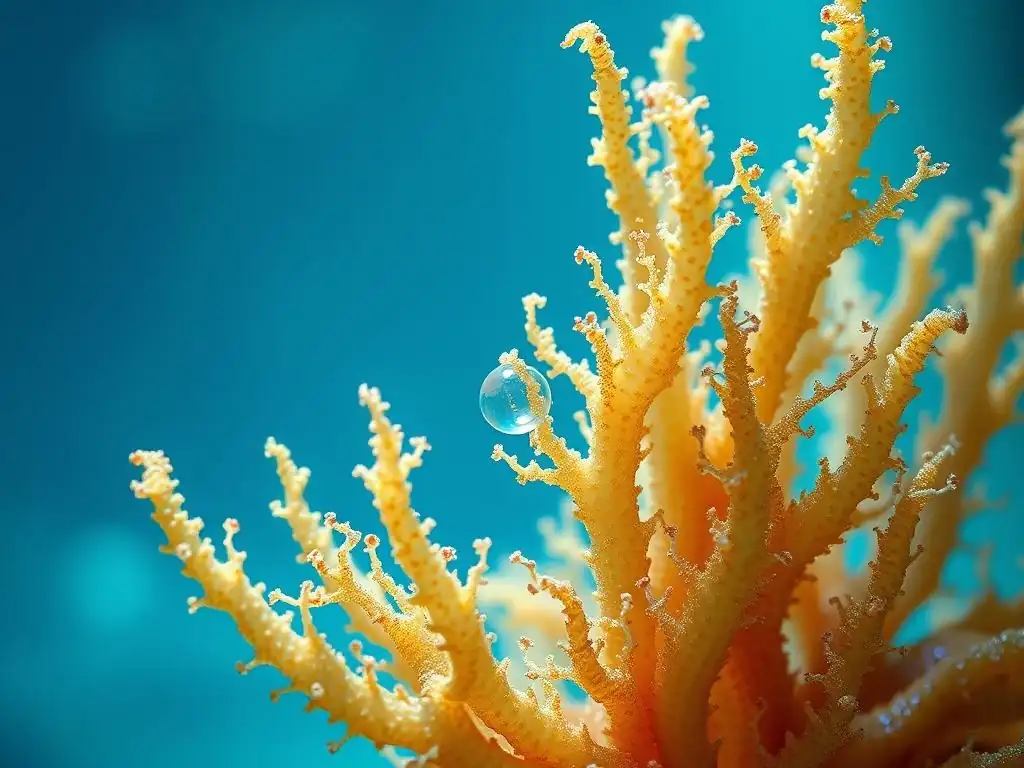
Gracilaria is a genus of red macroalgae highly valued in the saltwater aquarium hobby for its versatility and effectiveness. Unlike the filamentous Chaeto or the often-invasive Caulerpa, Gracilaria species typically exhibit a bushy, branching, or sometimes feathery growth form, often with vibrant red or reddish-brown coloration. This aesthetic appeal makes certain Gracilaria species suitable for cultivation not only in refugiums but also as a decorative element within the main display tank itself, adding a natural splash of color.
Beyond its visual appeal, Gracilaria is an excellent nutrient exporter, effectively absorbing nitrates and phosphates from the water column. Its robust growth habit allows for significant nutrient removal, contributing to water clarity and the suppression of nuisance algae. Furthermore, many species of Gracilaria, such as Gracilaria parvispora (commonly known as Ogo), are highly palatable to herbivorous marine fish. This dual benefit of nutrient export and providing a natural food source makes Gracilaria a valuable addition to a diverse marine ecosystem, simplifying "Gracilaria maintenance" by allowing fish to assist in its pruning.
Gracilaria Growth and Harvesting Techniques
Gracilaria can exhibit relatively fast growth under optimal conditions, often forming dense clumps or attaching to live rock rubble. Its growth rate is comparable to, or sometimes even faster than, Chaeto, making it a highly efficient nutrient exporter. This macroalgae typically grows by extending its branches and fronds, increasing its biomass over time. Unlike Chaeto, which often tumbles freely, Gracilaria can be encouraged to attach to rockwork or be simply placed in an area with good flow within the refugium.
Harvesting Gracilaria is straightforward and essential for maintaining its health and maximizing nutrient export. Once the macroalgae has grown substantially and begins to fill its designated space, portions can be manually removed. This is typically done by hand-pulling clumps or using clean scissors to snip off larger branches or sections.
Aim to remove about 25-50% of the biomass during each harvest, similar to "Chaeto maintenance for saltwater aquariums." Regular harvesting, typically bi-weekly or monthly depending on growth, ensures that the absorbed nutrients are permanently removed from the system, preventing them from being re-released if the algae were to die off.
Providing Optimal Conditions: Light, Flow, and Supplements for Gracilaria
To ensure robust growth and efficient nutrient uptake, Gracilaria requires specific environmental conditions. For lighting, Gracilaria species generally thrive under moderate to high intensity light, with a spectrum that includes significant red and blue components, in addition to broad daylight (e.g., 6500K-10000K). A photoperiod of 12 to 16 hours daily is usually sufficient. While it can tolerate a range, optimal coloration and growth are often observed under lights designed for refugiums or even some full-spectrum display tank lights.
Adequate water flow is also crucial for Gracilaria. Moderate to strong flow helps to deliver nutrients efficiently to the algae's surface, prevents detritus from settling within its branches, and promotes robust growth. Stagnant areas should be avoided. Furthermore, Gracilaria, being a red macroalgae, benefits significantly from the presence of certain trace elements, particularly iron and iodine. While these are often replenished through regular water changes, in heavily stocked or fast-growing systems, targeted supplementation with a high-quality trace element product can enhance "Gracilaria maintenance" and promote vibrant growth and coloration.
Using Gracilaria as a Food Source for Herbivorous Fish
One of the unique advantages of Gracilaria in a reef aquarium is its palatability to many herbivorous marine fish. Species like tangs (e.g., Yellow Tangs, Blue Tangs), rabbitfish, and some angelfish readily graze on Gracilaria, making it an excellent natural food source that supplements their diet. This provides not only essential nutrition but also encourages natural grazing behaviors, which can reduce aggression and stress in the tank.
To use Gracilaria as a food source, simply harvest a portion from your refugium or dedicated growing area, rinse it briefly in clean tank water, and then offer it to your fish. It can be placed in a veggie clip or simply allowed to float for fish to graze on.
For instance, a single adult Yellow Tang can consume several grams of Gracilaria per day, effectively acting as a natural pruning crew. This dual benefit of nutrient export and providing a fresh, nutritious food source makes Gracilaria a highly efficient and beneficial addition to many marine aquarium systems, simplifying your overall "Gracilaria maintenance" routine.
Macroalgae Pruning: Best Practices for Each Species
The Importance of Regular Pruning for Macroalgae Health
Regular pruning is not merely about managing the physical size of your macroalgae; it is a fundamental practice for ensuring their long-term health and maximizing their efficiency as biological filters. As macroalgae grow, particularly in dense clumps like Chaeto or branching forms like Gracilaria, the inner portions can become shaded and starved of light and flow. This leads to stagnation, die-off, and a significant reduction in their ability to absorb nutrients. Unpruned macroalgae can effectively become less efficient, potentially leading to a build-up of nitrates and phosphates rather than their removal.
By consistently pruning, you remove older, less productive biomass, stimulating new, vigorous growth. This fresh growth is more photosynthetically active and thus more efficient at nutrient uptake. For example, a study on aquatic plant growth indicates that regular trimming can increase the overall photosynthetic rate of the remaining plant by up to 20-30% by promoting lateral branching and reducing self-shading. Consistent pruning is a cornerstone of effective "Chaeto maintenance for saltwater aquariums" and crucial for maintaining a robust and functional refugium.
Recommended Tools for Macroalgae Pruning
Having the right tools makes macroalgae pruning easier, safer, and more effective. For most species, a pair of long-handled stainless steel aquascaping scissors is invaluable. These allow you to reach deep into refugiums or dense macroalgae beds without getting your hands wet, minimizing contamination risks. Look for scissors designed for aquatic plants, as they are typically rust-resistant and sharp enough for clean cuts.
Additionally, a pair of long-handled forceps or tweezers can be very useful for precise removal of specific strands or for handling delicate species like Caulerpa fragments. A small, fine-mesh net is essential for catching any loose pieces of macroalgae after pruning, preventing them from entering the main display tank or clogging pumps. Finally, a clean bucket dedicated to aquarium use should always be at hand for collecting the harvested macroalgae and any excess water, ensuring proper disposal and preventing the introduction of unwanted substances into your tank.
Specific Pruning Techniques for Chaeto, Caulerpa, and Gracilaria
The optimal pruning technique varies slightly depending on the macroalgae species. For Chaeto (Chaetomorpha), the process is straightforward: simply reach into the refugium and grab a handful of the tangled mass. Using your hands or scissors, remove about 25-50% of the total volume, focusing on the denser, older portions from the center of the clump. The goal is to thin out the ball, allowing for better light penetration and flow, which is key for ongoing "Chaeto maintenance for saltwater aquariums."
For Caulerpa, extreme care must be taken due to its tendency to go sexual or spread from fragments. Prune by carefully snipping individual fronds or runners at their base with sharp scissors, ensuring that no pieces break off and float away. Never tear or rip Caulerpa from its substrate, as this can induce a sexual event.
Immediately net and remove all cut pieces from the water. For Gracilaria, which often grows in bushy clumps or attaches to rock, you can either snip off outer branches or larger sections with scissors, or gently pull off portions by hand, ensuring you don't dislodge the entire clump if it's attached. Always dispose of all pruned macroalgae responsibly.
Safe Disposal of Pruned Macroalgae
Proper disposal of harvested macroalgae is a critical, yet often overlooked, aspect of responsible aquarium husbandry. It is absolutely imperative never to flush macroalgae down the toilet or dispose of it in natural waterways, storm drains, or anywhere it could potentially enter local ecosystems. This is especially true for invasive species like many Caulerpa varieties, which can rapidly establish themselves in new environments and outcompete native flora, causing significant ecological damage.
The safest and most recommended method for disposal is to place the harvested macroalgae in a sealed plastic bag and dispose of it in your regular household trash. This ensures that the algae, along with the absorbed nitrates and phosphates it contains, is permanently removed from any potential water source. In some areas, composting may be an option, but only if you can guarantee that the compost will not be used near natural bodies of water and that the macroalgae will fully decompose without risk of spreading. Always prioritize environmental safety when disposing of any aquarium waste.
Harvesting Macroalgae for Nutrient Export
Why Harvest Macroalgae?
The primary purpose of growing macroalgae in a saltwater aquarium, particularly in a refugium, is to facilitate nutrient export. Macroalgae actively absorb excess nitrates and phosphates from the water column as they grow. However, if the macroalgae are not regularly harvested, these absorbed nutrients remain within the aquarium system. Should the macroalgae die off due to age, insufficient light, or other stressors, the stored nitrates and phosphates would be re-released back into the water, negating their beneficial effect and potentially causing a spike in nutrient levels.
Harvesting macroalgae is the crucial step that permanently removes these undesirable nutrients from your aquarium. Each time a portion of the macroalgae biomass is removed, it takes with it the accumulated nitrates, phosphates, and other trace elements it has absorbed. This process is a highly effective, natural, and continuous method of nutrient control, directly competing with and suppressing the growth of nuisance algae in the display tank. Without regular harvesting, the macroalgae simply act as temporary nutrient storage, rather than a true export mechanism, making consistent "Chaeto maintenance for saltwater aquariums" vital.
Determining When to Harvest
Knowing when to harvest your macroalgae is key to maintaining optimal nutrient export. The most straightforward indicator is visual growth: when the macroalgae has significantly increased in mass and is beginning to fill its designated space in the refugium, it's time to harvest. For Chaeto, this might mean the ball has doubled in size or is approaching the surface of the water. For attached species like Gracilaria, it's when the clumps become dense and expansive.
Another important factor is your aquarium's nutrient levels. If you notice your nitrate and phosphate tests are consistently low (e.g., nitrates below 5 ppm, phosphates below 0.05 ppm) and your macroalgae is still growing vigorously, it confirms the macroalgae is effectively doing its job and is ready for a trim. Conversely, if nutrient levels start to creep up despite healthy macroalgae growth, it might indicate that the biomass is too dense, reducing efficiency, and a harvest is overdue. Generally, a harvest every 2-4 weeks is a good starting point for most systems.
Harvesting Methods for Chaeto, Caulerpa, and Gracilaria
The harvesting method largely mirrors the pruning techniques for each specific macroalgae species, with the goal of removing a substantial portion of the biomass. For Chaeto, simply reach into the refugium and grab a large handful of the spaghetti-like algae. Gently pull out about 25-50% of the total mass, squeezing out any excess water back into the refugium before placing the harvested portion in a waste bucket. This ensures maximum nutrient removal while leaving enough healthy Chaeto to continue growing.
For Caulerpa, harvesting requires extreme care to prevent the release of spores. Use sharp scissors to carefully cut entire fronds or sections of runners, making sure to remove every single piece from the water immediately. Avoid tearing or breaking the algae, as this increases the risk of a sexual event.
For Gracilaria, which often grows in more structured clumps, you can either snip off large branches or sections with scissors, or gently pull off portions by hand from their attachment points. Always ensure that any harvested macroalgae is promptly and safely disposed of to prevent re-introduction of nutrients or invasive spread.
Measuring Nutrient Reduction After Harvesting
While visual observation of macroalgae growth and the reduction of nuisance algae in the display tank are good indicators, quantitatively measuring nutrient reduction after harvesting provides a clearer picture of your macroalgae's efficiency. The most effective way to do this is to perform nitrate and phosphate tests immediately before a significant harvest and then again 24-48 hours after the harvest. You should observe a measurable decrease in these nutrient levels, indicating successful export.
For example, a robust refugium containing a large, actively growing ball of Chaeto can export a significant amount of nutrients. Harvesting approximately 1 pound (wet weight) of dense Chaeto can remove an estimated 1 to 3 grams of nitrate and 0.1 to 0.3 grams of phosphate from the aquarium system. Over time, consistent harvesting, as part of your "Chaeto maintenance for saltwater aquariums," will contribute to maintaining consistently low nutrient levels, which is crucial for the long-term health and vibrancy of a reef tank and its inhabitants.
Maintaining Optimal Water Parameters for Macroalgae Growth
The Importance of Stable Water Chemistry
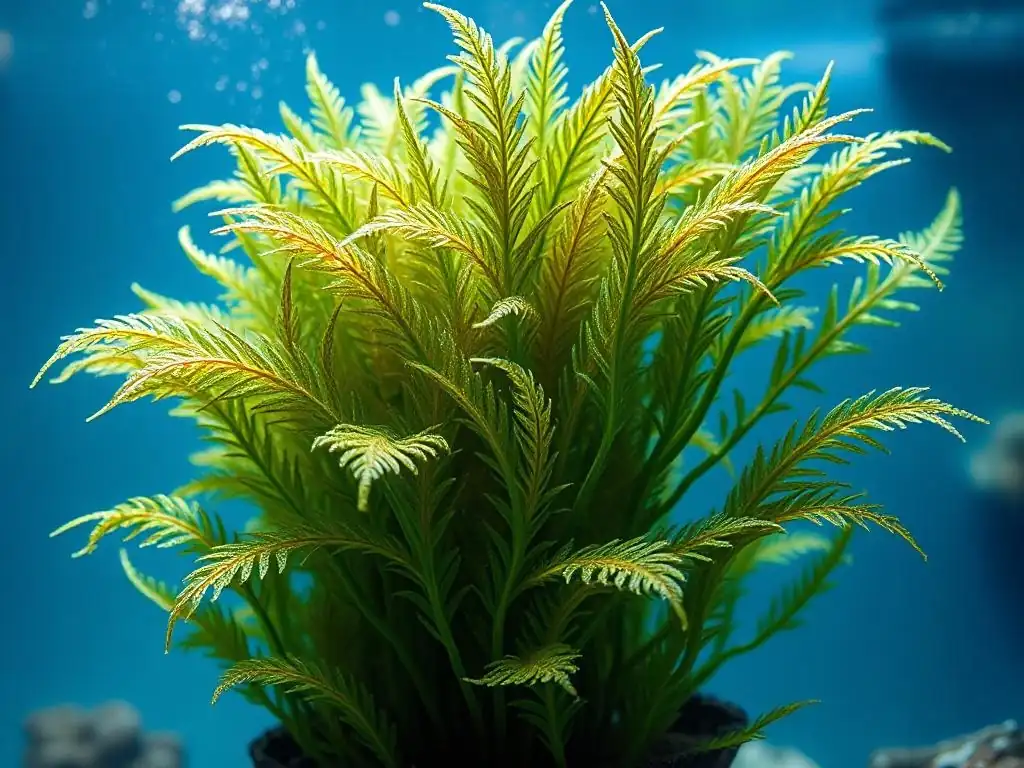
Just like corals and fish, macroalgae thrive in a stable environment. Consistent water chemistry is paramount for their sustained growth and health. Sudden or drastic fluctuations in key parameters can stress macroalgae, leading to stunted growth, discoloration, or even complete die-off. When macroalgae decline, they can release stored nutrients back into the water column, negating their beneficial role and potentially fueling nuisance algae outbreaks in the main display tank.
Maintaining stability in parameters such as salinity, pH, alkalinity, and temperature ensures that the macroalgae can consistently perform their vital function of nutrient export. This stability also minimizes the risk of stress-induced events, such as Caulerpa going sexual. Regular monitoring and gradual adjustments, rather than reactive large-scale corrections, are key to fostering a robust and efficient macroalgae population, which is a cornerstone of effective "Chaeto maintenance for saltwater aquariums" and overall system health.
Monitoring and Adjusting Salinity, pH, and Alkalinity
Several key water parameters directly impact macroalgae health and growth. Salinity should be maintained within the standard reef tank range of 1.024 to 1.026 specific gravity (or 33-35 parts per thousand). Fluctuations can stress macroalgae and reduce their metabolic efficiency. pH levels, ideally between 7.8 and 8.4, are also important. Macroalgae, through photosynthesis, consume carbon dioxide during the day, which can help buffer pH swings, especially when run on a reverse daylight photoperiod.
Alkalinity (dKH) is crucial, typically maintained between 7-12 dKH. While Chaeto and Caulerpa do not directly calcify, stable alkalinity supports their overall cellular processes and the general health of the reef system they inhabit. Regular testing, at least weekly for these core parameters, allows for timely and minor adjustments. For instance, if alkalinity consistently drops, a balanced buffer solution can be dosed slowly to bring it back into range, ensuring a stable environment for your macroalgae.
Controlling Nitrate and Phosphate Levels
Nitrates and phosphates are the primary nutrients that macroalgae absorb for growth, and their levels directly influence macroalgae health and efficiency. For most macroalgae species, including Chaeto, maintaining nitrate levels between 2-10 parts per million (ppm) and phosphate levels between 0.03-0.1 ppm is ideal. While macroalgae remove these nutrients, if the levels drop too low (e.g., undetectable nitrates or phosphates), the macroalgae can become starved, leading to stalled growth or die-off.
Conversely, excessively high levels of these nutrients, while providing ample food for macroalgae, also fuel nuisance algae in the display tank. The goal is to balance nutrient input from feeding and waste with nutrient export from skimming, water changes, and macroalgae harvesting. If nutrient levels are consistently too low and macroalgae growth slows, a slight increase in feeding or careful, measured dosing of a nitrate or phosphate supplement might be necessary to sustain the macroalgae. Regular testing (e.g., twice weekly for nitrates and phosphates) is essential for effective "Chaeto maintenance for saltwater aquariums" and overall nutrient management.
The Role of Trace Elements in Macroalgae Health
Beyond nitrates and phosphates, macroalgae require a suite of trace elements for optimal growth and metabolic function. Key trace elements include iron, iodine, manganese, molybdenum, and potassium. These elements are often utilized by corals and other invertebrates in the main display tank and can become depleted over time, especially in systems with heavy bioloads or aggressive skimming.
Iron, in particular, is vital for the vibrant coloration and robust growth of many macroalgae, especially red species like Gracilaria. If your macroalgae are exhibiting slow growth, pale coloration, or signs of stress despite optimal nitrate, phosphate, light, and flow conditions, a deficiency in trace elements could be the cause. Carefully measured supplementation with a quality broad-spectrum trace element solution formulated for reef aquariums can help replenish these essential micronutrients. Always follow manufacturer guidelines for dosing to avoid over-supplementation, which can lead to other issues.
Troubleshooting Common Macroalgae Problems
Identifying Common Issues: Slow Growth, Discoloration, and Algae Blooms
Troubleshooting macroalgae problems typically begins with observing visual cues. Slow growth is a common indicator that something is amiss; if your Chaeto isn't expanding or your Gracilaria isn't branching as expected, it suggests suboptimal conditions. Discoloration, such as macroalgae turning pale, white, or even translucent, often points to nutrient deficiency, excessive light, or the onset of die-off. For instance, Chaeto turning white and baling up often signals nutrient starvation.
Perhaps the most frustrating issue is the persistence or resurgence of nuisance algae blooms in the main display tank, despite having macroalgae in the refugium. This indicates that the macroalgae are not effectively exporting nutrients, often due to poor "Chaeto maintenance for saltwater aquariums" or issues with other macroalgae. This could stem from insufficient biomass, inadequate lighting, poor flow, or even the macroalgae themselves being unhealthy. Addressing these underlying issues is crucial for restoring the macroalgae's filtering capacity.
Addressing Nutrient Imbalances
Nutrient imbalances are a frequent culprit behind macroalgae problems. If your macroalgae are exhibiting slow growth or discoloration (e.g., pale green Chaeto), and your water tests show ultra-low or undetectable levels of nitrates (e.g., <1 ppm) and phosphates (e.g., <0.01 ppm), it suggests nutrient starvation. In such cases, you might need to slightly increase feeding, or, if your system is particularly low nutrient, consider carefully dosing a nitrate or phosphate supplement. For example, adding a few drops of a commercial nitrate or phosphate solution can often kickstart growth.
Conversely, if your macroalgae are growing but nuisance algae are still rampant in the display, it could mean that your macroalgae biomass is insufficient for your tank's nutrient load, or that your harvesting schedule isn't frequent enough. In this scenario, increasing the volume of macroalgae in your refugium or harvesting more regularly (e.g., weekly instead of bi-weekly) can improve nutrient export. Regularly testing your water parameters, such as nitrates and phosphates, is key to identifying and correcting these imbalances.
Dealing with Pests and Predators
While macroalgae are generally robust, they are not immune to pests and predators that can hinder their growth or even destroy them. Common pests include nuisance algae like hair algae or bryopsis that can grow on and outcompete the desired macroalgae, particularly if lighting or flow is suboptimal. Aiptasia anemones or hydroids can also occasionally colonize macroalgae clumps. Manual removal of these pests is often the first line of defense.
Predators, though less common for species like Chaeto, can be an issue for more palatable macroalgae like Gracilaria. Certain crabs, snails, or even herbivorous fish (if not intended as a food source) might graze on your macroalgae. If you suspect predation, consider moving the macroalgae to a more protected area of the refugium or, for display macroalgae, providing physical barriers. Regularly inspecting your macroalgae during "Chaeto maintenance for saltwater aquariums" or other species' care routines helps in early detection and intervention, preventing minor issues from escalating.
Improving Lighting and Flow for Healthier Macroalgae
Suboptimal lighting and flow are very common reasons for macroalgae underperformance. If your macroalgae are not growing vigorously or show signs of stress (e.g., baling of Chaeto, pale Gracilaria), evaluate your lighting setup. Ensure the light intensity is appropriate for your macroalgae species (e.g., moderate for Chaeto, moderate-to-high for Gracilaria) and that the spectrum is suitable (e.g., 6500K-9000K for general growth, with reds/blues benefiting Gracilaria). Check if the light is old and needs replacement, as LED lights can dim over time, and fluorescent bulbs degrade.
Inadequate water flow is another significant inhibitor. For Chaeto, insufficient flow means it won't tumble effectively, leading to dead spots where detritus accumulates and nutrient uptake is limited. Aim for a gentle, consistent tumbling motion throughout the entire Chaeto mass.
For Caulerpa and Gracilaria, good linear flow prevents detritus from settling on their fronds and ensures a constant supply of nutrients. If flow is an issue, consider adding a small powerhead or adjusting the return pump outlet in your refugium to create better circulation. Proper lighting and flow are fundamental for effective "Chaeto maintenance for saltwater aquariums" and the health of all macroalgae.
Selecting the Right Lighting for Your Macroalgae
Understanding Lighting Requirements for Different Macroalgae Species
Choosing the correct lighting is paramount for the vigorous growth and health of your macroalgae, directly impacting their ability to export nutrients. Different macroalgae species have varying light requirements concerning intensity and spectral range. Chaetomorpha (Chaeto), being a green algae, generally thrives under moderate light intensity and a broad daylight spectrum, typically in the 6500K to 9000K range. It is quite forgiving and can grow well even with less intense light than some other species.
Caulerpa species, while also green, often prefer slightly higher light intensities than Chaeto to achieve optimal growth and nutrient uptake. A spectrum similar to Chaeto (6500K-10000K) is usually effective, with some aquarists noting enhanced growth under lights with a stronger blue component. Gracilaria, being a red macroalgae, benefits from moderate to high intensity light that includes significant red and blue wavelengths in addition to the broad daylight spectrum. These specific wavelengths contribute to its vibrant coloration and efficient photosynthesis. Understanding these nuances is crucial for successful "Chaeto maintenance for saltwater aquariums" and other macroalgae.
Recommended Lighting Spectrum and Intensity
For most refugium macroalgae, a full-spectrum daylight light source is highly effective. This typically falls within the 6500K to 10000K color temperature range. Lights emitting in this spectrum provide the necessary wavelengths for photosynthesis across various macroalgae types. While a specific "refugium light" is often marketed, any light source within this color temperature range that provides adequate intensity will work.
Regarding intensity, it's important to provide enough light for robust growth without being so intense that it encourages nuisance algae to grow on the macroalgae itself or in the refugium. For a typical 10-20 gallon refugium, a Photosynthetically Active Radiation (PAR) value of 50-100 µmol/m²/s at the macroalgae level is often sufficient. Many dedicated LED refugium lights, even those as low as 13-20 watts, are designed to provide this optimal intensity for species like Chaeto. Overly strong lighting can sometimes lead to bleaching or stunted growth in some macroalgae.
LED vs. Fluorescent Lighting Options
When selecting lighting for your macroalgae, both LED (Light Emitting Diode) and fluorescent options are available, each with distinct advantages. LED lighting has become the dominant choice for refugiums due to its energy efficiency, long lifespan (often tens of thousands of hours), and ability to offer specific spectrums tailored for macroalgae growth. Many LED refugium lights are compact, produce minimal heat, and can be easily mounted. They are also highly customizable in terms of intensity and color, making them versatile for various macroalgae species and overall "Chaeto maintenance for saltwater aquariums."
Fluorescent lighting, including compact fluorescent lamps (CFLs) and T5 fluorescent tubes, offers a more budget-friendly upfront cost. While less energy-efficient and having a shorter lifespan than LEDs (typically 6-12 months before significant degradation), they can still provide adequate light for smaller refugiums. CFLs in a standard screw-in fixture are a simple and effective solution for many hobbyists. However, the fixed spectrum and heat output are considerations compared to the flexibility of LEDs.
Optimizing Lighting Schedules for Growth and Coloration
The lighting schedule, or photoperiod, plays a critical role in macroalgae health and its impact on the main display tank. For refugiums, the most common and beneficial practice is to run the macroalgae light on a reverse daylight photoperiod. This means the refugium light is on when the main display tank lights are off (e.g., 12-18 hours during the nighttime). This strategy helps to stabilize the aquarium's pH by having the macroalgae consume carbon dioxide during the night, counteracting the natural pH drop that occurs as the display tank's inhabitants respire.
Consistency in the lighting schedule is paramount, especially for species like Caulerpa, as sudden changes or interruptions can trigger a "sexual" event. A continuous photoperiod, without breaks, is generally recommended for all macroalgae. For optimal growth and coloration, particularly for red macroalgae like Gracilaria, ensuring that the light fixture covers the entire macroalgae bed evenly will prevent shaded areas and promote uniform, robust growth throughout the clump.
Optimizing Flow for Macroalgae: Refugium and Display Tank Considerations
The Importance of Adequate Water Flow
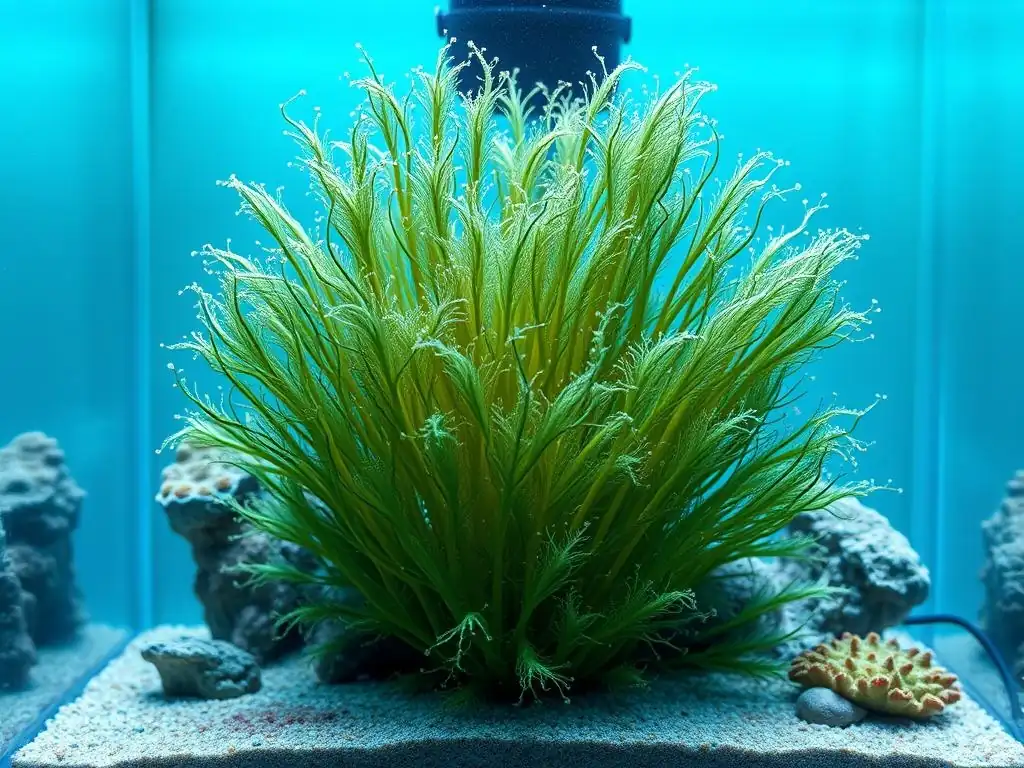
Adequate water flow is as crucial as proper lighting for the health and efficiency of macroalgae in a saltwater aquarium. Flow serves multiple vital functions: it continuously delivers essential nutrients (nitrates, phosphates, trace elements) to the macroalgae cells, ensuring they have a constant supply for photosynthesis and growth. Without sufficient flow, a boundary layer of nutrient-depleted water can form around the algae, hindering absorption.
Furthermore, proper flow prevents the accumulation of detritus and organic waste within the macroalgae clumps. Stagnant areas can lead to anaerobic conditions, detritus buildup, and the eventual decay of the macroalgae itself, releasing stored nutrients back into the water. Flow also facilitates gas exchange, ensuring that carbon dioxide is available for photosynthesis and oxygen is released. Optimizing flow is a fundamental aspect of effective "Chaeto maintenance for saltwater aquariums" and the success of any macroalgae setup.
Different Flow Patterns and Their Effects on Macroalgae
The ideal flow pattern often depends on the specific macroalgae species. For Chaetomorpha (Chaeto), the most beneficial flow is a gentle, tumbling motion. This ensures that the entire ball of Chaeto is constantly rotating and exposed to light and nutrient-rich water, maximizing its surface area for absorption and preventing detritus from settling within its tangled mass. A small powerhead or the direct output from a return pump can create this desired tumbling action.
For Caulerpa and Gracilaria, which often grow attached to substrate or rockwork, a moderate to strong linear flow is generally preferred. This type of flow helps to keep their fronds clean of detritus and ensures a continuous supply of fresh, nutrient-laden water. Unlike Chaeto, these species do not require a tumbling motion, but rather consistent water movement across their surfaces. Avoiding stagnant areas within the refugium, regardless of the macroalgae species, is key to preventing nutrient sinks and promoting healthy growth.
Choosing the Right Pump for Your Refugium
Selecting the appropriate pump for your refugium depends on the size of the refugium and the type of macroalgae you are cultivating. For most sump-based refugiums, the main return pump from the sump to the display tank can often provide sufficient flow through the refugium section, especially if the refugium is designed as a direct pass-through. However, if the refugium is a separate chamber or requires more specific flow, a dedicated pump might be necessary.
For a 10-20 gallon refugium specifically dedicated to tumbling Chaeto, a small submersible powerhead with a flow rate of 200-500 gallons per hour (GPH) is often ideal. The goal is to create enough turbulence to keep the Chaeto ball gently rolling without blasting it apart. For Caulerpa or Gracilaria sections, a slightly stronger pump or strategic placement of a small powerhead to create a consistent current across the macroalgae bed would be beneficial. It's often a process of trial and error to find the perfect balance for your specific setup.
Preventing Dead Spots and Promoting Nutrient Uptake
Dead spots – areas of low or no water movement – are detrimental to macroalgae health and overall refugium efficiency. In these areas, detritus and organic matter can accumulate, leading to anaerobic conditions and potentially releasing absorbed nutrients back into the water. Dead spots also limit nutrient delivery to the macroalgae, hindering their growth and ability to export.
To prevent dead spots and promote optimal nutrient uptake, strategically position your pumps or powerheads to create uniform circulation throughout the entire macroalgae bed. For Chaeto, ensure the tumbling motion is consistent across the entire ball. For attached macroalgae, direct flow across their surface. Regularly agitating or gently stirring the macroalgae (especially Chaeto) can help release any trapped detritus. Ensuring adequate flow throughout the refugium is a critical component of effective "Chaeto maintenance for saltwater aquariums" and maximizes the nutrient export capabilities of your entire macroalgae system.
Feeding Macroalgae: Supplementation and Nutrient Management
Understanding Macroalgae Nutrient Needs
Macroalgae, like all photosynthetic organisms, require specific nutrients to grow and thrive. Their primary dietary needs are nitrates and phosphates, which they absorb directly from the water column. These nutrients are metabolic byproducts in an aquarium, originating from fish waste, uneaten food, and the breakdown of organic matter. By absorbing these compounds, macroalgae effectively act as natural filters, competing with nuisance algae in the display tank.
Beyond nitrates and phosphates, macroalgae also require various trace elements and minerals in smaller quantities. These include iron, iodine, manganese, molybdenum, and potassium, among others. These micronutrients are essential cofactors for numerous enzymatic reactions involved in photosynthesis and overall cellular function. Understanding these nutrient requirements is fundamental to successful "Chaeto maintenance for saltwater aquariums" and ensuring your macroalgae perform their vital nutrient export role efficiently.
Supplementing Trace Elements and Minerals
In mature reef aquariums, especially those with aggressive skimming, regular water changes, or a large biomass of corals and other invertebrates, essential trace elements can become depleted. If your macroalgae exhibit signs of slow growth, pale coloration, or general decline despite optimal nitrate, phosphate, light, and flow conditions, a trace element deficiency might be the cause. Iron, in particular, is a common limiting factor for the growth and vibrant coloration of many macroalgae, especially red species like Gracilaria.
Careful supplementation with a high-quality, broad-spectrum trace element solution formulated for reef aquariums can help replenish these vital micronutrients. Products like Seachem Flourish or Brightwell Aquatics MicroBacter7 often contain the necessary trace elements. It is crucial to follow the manufacturer's dosing instructions carefully and monitor your macroalgae's response. Over-supplementation can lead to imbalances or even fuel nuisance algae in the display tank, underscoring the importance of precise "Chaeto maintenance for saltwater aquariums" through balanced chemical inputs.
Balancing Nutrient Inputs and Outputs
Effective nutrient management in a saltwater aquarium is a delicate balancing act between nutrient inputs and outputs. Inputs primarily come from feeding fish and corals, as well as any supplements or additives. Outputs are achieved through protein skimming, regular water changes, and, most importantly, macroalgae export. The goal is to ensure that your macroalgae, combined with other export methods, can effectively process and remove excess nutrients before they accumulate to levels that foster nuisance algae growth.
If your macroalgae are growing vigorously and you are regularly harvesting them, but you still experience high nitrate or phosphate levels in your display, it indicates that your inputs (e.g., overfeeding, too high bioload) are exceeding your export capabilities. Conversely, if your macroalgae are starving and your nutrient levels are consistently undetectable, you might need to increase feeding slightly or reduce other export methods. This continuous assessment and adjustment of the nutrient balance are central to maintaining a healthy and stable reef ecosystem.
Avoiding Over-Supplementation and Algae Blooms
While supplementation can be beneficial, over-supplementation of nutrients or trace elements is a common pitfall that can lead to undesirable consequences. Adding too much nitrate or phosphate, even if intended to feed macroalgae, can quickly lead to an explosion of nuisance algae in the display tank, as these fast-growing, less desirable algae will readily outcompete your refugium macroalgae for the excess nutrients.
Similarly, over-dosing trace elements, particularly iron, can also fuel certain types of nuisance algae, such as diatoms or specific green algaes, if not carefully managed. The best approach is to test your water parameters regularly and only supplement when a deficiency is clearly indicated by both test results and visual signs of macroalgae stress. If your macroalgae are growing well and your display tank is clean, additional supplementation is likely unnecessary. Precision and observation are key to successful "Chaeto maintenance for saltwater aquariums" and preventing unintended algae blooms.
Integrating Macroalgae into Your Refugium Design
Refugium Placement and Size Considerations
Integrating macroalgae effectively into an aquarium system typically involves a dedicated refugium. The most common placement for a refugium is within the sump, allowing for a continuous flow of water from the display tank through the refugium and back into the sump's return section. This configuration provides a stable environment for macroalgae and beneficial microfauna, isolated from the main display's flow and inhabitants. Hang-on-back (HOB) refugiums are also popular for smaller tanks that lack a sump, offering a compact and effective solution.
Regarding size, a larger refugium is generally more effective at nutrient export and supporting a diverse microfauna population. While any size refugium offers benefits, a common recommendation is to aim for a refugium volume that is at least 10-20% of the main display tank's volume. For example, a 100-gallon display tank could significantly benefit from a 10-20 gallon refugium. A larger volume allows for a greater biomass of macroalgae, leading to more efficient nutrient removal and a more robust population of copepods and amphipods.
Substrate Options for Macroalgae Growth
The choice of substrate within the refugium depends largely on the type of macroalgae you plan to cultivate. For Chaetomorpha (Chaeto), no substrate is required. Chaeto is a free-floating, tumbling macroalgae that thrives best when allowed to move freely in the water column, maximizing its exposure to light and nutrients. Adding a substrate to a Chaeto section can actually hinder its growth by trapping detritus and preventing the desired tumbling action, which is fundamental to "Chaeto maintenance for saltwater aquariums."
For Caulerpa and Gracilaria, which can attach or root, a shallow sand bed (e.g., 1-2 inches deep) or a bed of live rock rubble can be beneficial. These provide a surface for the macroalgae to anchor themselves, promoting more stable growth. However, it's crucial to avoid deep sand beds in refugiums, as they can become anaerobic zones that produce undesirable compounds. A bare-bottom refugium is also a viable option for these species, as they can simply be placed on the bottom and allowed to grow, making harvesting easier.
Creating a Balanced Refugium Ecosystem
A well-designed refugium is more than just a place to grow macroalgae; it's a mini-ecosystem designed to enhance the overall health and stability of your main display tank. Beyond macroalgae, consider adding a small amount of live rock rubble to the refugium. This provides additional surface area for beneficial bacteria to colonize and creates hiding spots and micro-habitats for copepods, amphipods, and other beneficial microfauna.
Introducing a starter culture of copepods and amphipods to your refugium will kickstart a thriving population that will continuously seed your main display tank, providing a natural and nutritious food source for corals and fish. Ensuring a calm, stable environment within the refugium, with appropriate light and flow for your chosen macroalgae, will foster this diverse and beneficial ecosystem. This holistic approach to refugium design maximizes its benefits beyond just nutrient export.
Maximizing Nutrient Export and Biodiversity
To maximize nutrient export from your refugium, ensure that your chosen macroalgae species are growing vigorously under optimal lighting and flow conditions. Regularly harvest the macroalgae (e.g., weekly or bi-weekly) to physically remove the absorbed nitrates and phosphates from the system. This continuous export process is the primary function of the macroalgae. For example, consistently harvesting a softball-sized clump of Chaeto can easily remove 5-10 ppm of nitrate from a 50-gallon system over a week.
Simultaneously, foster biodiversity within your refugium. A thriving population of copepods, amphipods, and other microfauna will further enhance the ecosystem's health. These organisms consume detritus and microalgae, contributing to water clarity, and serve as a vital food source for the display tank. Ensuring that your refugium is well-lit, has adequate flow, and is protected from predators from the main tank will allow both your macroalgae and microfauna to flourish, creating a robust natural filtration system that significantly benefits your entire marine aquarium.
Long-Term Macroalgae Health: Preventative Measures
Regular Water Testing and Adjustments
Consistent water testing is the single most important preventative measure for ensuring long-term macroalgae health and overall aquarium stability. Regularly monitoring key parameters such as nitrates, phosphates, salinity, pH, alkalinity, calcium, and magnesium allows you to identify trends and potential issues before they escalate into significant problems. For instance, a gradual decline in nitrate levels over time, despite consistent feeding, might indicate a highly efficient macroalgae bed that needs more frequent harvesting, or even that your tank is becoming ultra-low nutrient, which could starve the macroalgae.
Proactive adjustments based on test results are crucial. Instead of waiting for parameters to swing wildly, make small, gradual corrections. If alkalinity drops, dose a buffer slowly over a few days. If phosphates rise, increase harvesting frequency or evaluate feeding habits. This consistent vigilance and measured response will create a stable environment where your macroalgae can thrive, reliably performing their nutrient export role without stress, which is essential for effective "Chaeto maintenance for saltwater aquariums" and other species.
Consistent Pruning and Harvesting Schedules
Establishing and adhering to a consistent pruning and harvesting schedule is paramount for the long-term health and efficiency of your macroalgae. Erratic or infrequent harvesting can lead to macroalgae becoming overgrown, stagnant, and less efficient at nutrient uptake. For example, an unpruned Chaeto ball can become so dense that its inner portions die off, potentially releasing trapped nutrients back into the water.
A regular schedule, such as bi-weekly or monthly depending on the growth rate of your specific macroalgae, ensures that fresh, vigorous growth is continuously promoted. This consistent removal of biomass exports absorbed nutrients from the system, preventing their re-release. It also maintains optimal light penetration and water flow throughout the macroalgae bed, maximizing its photosynthetic efficiency. A predictable routine for "Chaeto maintenance for saltwater aquariums" or other species simplifies the process and ensures consistent nutrient export.
Monitoring for Pests and Diseases
Regularly inspecting your macroalgae for any signs of pests or diseases is a vital preventative measure. While macroalgae are generally hardy, they can occasionally be plagued by nuisance algae (e.g., hair algae, Bryopsis) growing on their surface, or by unwanted hitchhikers like Aiptasia anemones or hydroids. These pests can compete with your macroalgae for light and nutrients, or even cause physical damage.
Furthermore, keep an eye out for any unusual discoloration, melting, or rapid decline in your macroalgae's appearance that isn't attributable to nutrient or light issues. While true diseases of macroalgae are less common than for corals, sudden changes can indicate underlying problems that need immediate attention. Early detection allows for prompt intervention, such as manual removal of pests or addressing environmental stressors, preventing minor issues from escalating into major problems that compromise your macroalgae's health and the entire refugium's function.
Maintaining a Stable and Healthy Aquarium Environment
Ultimately, the long-term health of your macroalgae is intrinsically linked to the overall stability and health of your entire aquarium environment. Preventing sudden large swings in temperature, salinity, or other water parameters is critical. Introduce new livestock slowly and responsibly to avoid sudden increases in bioload or stress on the system. Feed your fish and corals responsibly, avoiding overfeeding, which can overwhelm your nutrient export systems.
A holistic approach to aquarium husbandry, where all components (fish, corals, invertebrates, and macroalgae) are considered as part of an interconnected ecosystem, will foster the most robust and resilient system. By consistently providing stable water chemistry, optimal lighting, adequate flow, and regular maintenance, you create an environment where your macroalgae can flourish, effectively performing their vital role in nutrient export and contributing to a thriving, balanced saltwater aquarium for years to come.
Frequently Asked Questions
How often should I prune or harvest Chaetomorpha ("Chaeto") in my saltwater aquarium?
Chaeto should be pruned or harvested when it becomes densely packed or fills the refugium. This prevents it from shading itself and reducing nutrient uptake. Aim for every 2-4 weeks.
What's the best way to remove Chaeto from my refugium during maintenance?
Gently remove the Chaeto by hand or with aquarium tongs. Avoid tearing it apart in the tank, as this can release detritus and nutrients back into the water column. Rinse it lightly in aquarium water before returning the remaining portion.
What are some signs that my Chaeto isn't healthy and needs attention?
Signs of unhealthy Chaeto include discoloration (yellowing or browning), slow growth, and excessive detritus accumulation. These issues often point to nutrient deficiencies or poor water flow.
Besides nutrient export, what other benefits does healthy Chaeto provide to a saltwater aquarium?
Healthy Chaeto provides a habitat for beneficial microfauna like copepods and amphipods, which are a natural food source for fish and corals. It also helps to stabilize pH and oxygen levels in the aquarium.
How can I ensure my Chaeto receives adequate light for optimal growth and nutrient uptake?
Provide Chaeto with a dedicated grow light specifically designed for macroalgae. Position the light so that it evenly illuminates the Chaeto mass. Adjust the photoperiod (hours of light per day) to optimize growth without causing algae blooms.
Final Reflection: Cultivating a Thriving Ecosystem
The principles of macroalgae maintenance, as outlined in this article, are not merely about tending to a saltwater aquarium; they represent a microcosm of our broader responsibility to nurture and sustain the delicate balance of our aquatic environments. Understanding the nuances of Chaeto maintenance, for example, translates to a deeper appreciation for the vital role these organisms play in maintaining water quality and supporting marine life, both within our tanks and in the vast oceans beyond.
The impact of responsible aquarium keeping extends far beyond the glass walls of our tanks. My own journey with macroalgae has instilled in me a profound respect for the interconnectedness of life and the power of even the smallest actions to create positive change. As Jacques Cousteau so eloquently stated: The sea, once it casts its spell, holds one in its net of wonder forever.
This "net of wonder" compels us to act as stewards, ensuring the health and longevity of these miniature ecosystems.
Now, consider the lessons learned here and how they can be applied to your own aquatic endeavors. Embrace the art of pruning, harvesting, and nurturing your macroalgae with intention and care. By doing so, you're not just maintaining a beautiful aquarium; you're contributing to a greater understanding and appreciation for the delicate balance of life that sustains us all. Let the vibrant greens of your Chaeto, Caulerpa, and Gracilaria serve as a constant reminder of the beauty and fragility of our marine world, inspiring you to become a champion for its preservation.
Cultivate Your Underwater Garden!
Thanks for diving into the world of macroalgae! Now that you've learned the secrets to pruning, harvesting, and maintaining a thriving macroalgae ecosystem, it's time to take action and witness the magic firsthand. Here are a few simple steps to get you started:
- Immediately implement a regular pruning schedule based on the growth rate of your specific macroalgae species – this is the single most important step for a healthy and balanced system.
- Explore beyond the common chaeto – experiment with different species like Gracilaria or Caulerpa in a separate, controlled environment to discover which thrives best in your unique aquarium conditions.
- Share your macroalgae journey! Document your pruning and harvesting successes (or challenges!) with photos and notes, and share them on social media using #AquariumMasteryMacro to inspire other aquarists.
What specific macroalgae species are you most excited to cultivate, and what challenges do you anticipate facing in your tank?