
The Art of Dutch Aquascaping: Mastering Stem Plant Arrangements

Welcome to Aquarium Mastery!
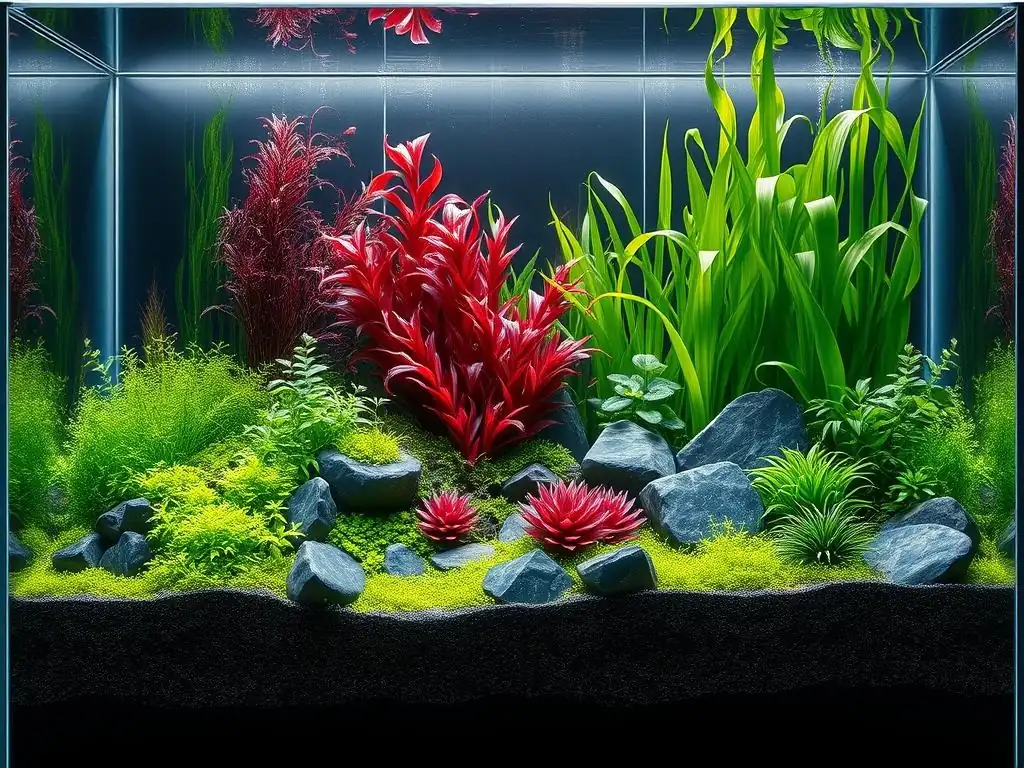
Ever wondered how to create a breathtaking underwater landscape that rivals the beauty of a Dutch masterpiece? Dive in and explore the secrets of Dutch aquascaping stem plants. This guide unlocks the artistry behind arranging these vibrant botanicals, transforming your aquarium into a living work of art. Ready to elevate your aquascaping skills? Let's get started!
- Mastering Stem Plant Arrangements in Dutch Aquascaping
- Understanding Dutch Aquascaping Principles
- Selecting Stem Plants for a Dutch Aquarium
- Planning the Layout: Design and Composition
- Planting and Pruning Stem Plants
- Nutrient Management
- Maintaining a Healthy Dutch Aquascape
- Troubleshooting Common Issues
- Advanced Techniques
- Case Studies of Dutch Aquascapes
-
Frequently Asked Questions
- What is Dutch aquascaping and what makes it unique?
- Why are stem plants so important in Dutch aquascaping?
- How do I choose the right stem plants for my Dutch aquascape?
- What are some common techniques for arranging stem plants in a Dutch aquascape?
- What are some potential challenges when growing stem plants in a Dutch aquascape?
- Final Reflection: Cultivating Underwater Harmony
- Unleash Your Inner Aquascaping Artist!
Mastering Stem Plant Arrangements in Dutch Aquascaping
Understanding Dutch Aquascaping Principles
Defining Dutch Aquascaping: History and Characteristics
Dutch aquascaping, originating in the Netherlands around the 1930s, stands as one of the oldest and most revered styles of planted aquariums. Unlike modern nature aquariums that often incorporate hardscape elements like rocks and driftwood, the Dutch style prioritizes a lush, dense arrangement of aquatic plants, reminiscent of an underwater garden. The Dutch Society for Aquarists (NBAT) played a pivotal role in formalizing guidelines, emphasizing meticulous plant selection and arrangement to create intricate, vibrant underwater landscapes without relying on wood or stone as primary visual elements.
Key characteristics of Dutch aquascaping include the absence of visible hardscape, a high density of plant species (often exceeding 10-15 different types in a medium-sized tank), and the deliberate use of contrasting colors, leaf shapes, and textures. Layouts frequently employ terracing to create depth and "Dutch streets"—diagonal rows of plants that taper towards the back, enhancing the illusion of perspective. The focus is entirely on the botanical composition, with plants arranged in a way that highlights their individual beauty while contributing to a harmonious overall picture, often adhering to compositional rules like the "golden ratio."
The Importance of Stem Plants in Dutch Aquascapes
Stem plants are the absolute backbone of Dutch aquascaping, forming the majority of the planted mass and dictating much of the layout's structure. Their rapid growth rates, coupled with their ability to be repeatedly pruned and replanted, make them incredibly versatile for creating the characteristic dense, layered look. From vibrant reds and oranges to various shades of green, the sheer variety of colors and leaf forms among Dutch aquascaping stem plants allows for intricate color transitions and textural contrasts that are central to the style.
These adaptable plants are crucial for building the visual "streets" and terraces that define Dutch layouts. Their vertical growth habit allows aquascapers to precisely control height and create distinct layers, leading the eye through the aquascape. By carefully selecting and arranging different Dutch aquascaping stem plants, aquarists can achieve the deep, lush aesthetic, transforming the aquarium into a vibrant, living tapestry where every plant contributes to the overall artistic vision.
Selecting Stem Plants for a Dutch Aquarium
Popular Stem Plant Species
For a successful Dutch aquascape, selecting the right Dutch aquascaping stem plants is paramount. The goal is to achieve a diverse palette of colors, textures, and growth rates to create visual interest and depth. Common choices are often fast-growing and responsive to pruning, allowing for precise shaping.
Rotala: Color and Texture Options
Rotala species are indispensable for Dutch aquascaping, renowned for their incredible versatility in color and leaf texture. Rotala rotundifolia, a classic, displays vibrant green leaves that blush red at the tips under high light and CO2, growing rapidly, often adding 1-2 inches per week. Rotala macrandra offers intense deep reds, requiring very high light and ample iron for optimal coloration, while Rotala wallichii provides a fine, needle-like texture, often turning reddish-pink, perfect for creating soft, misty backgrounds or midground groupings.
These Rotala varieties are frequently used to form dense bushes and create smooth color transitions within the aquascape. Their varied leaf sizes and growth habits allow for intricate layering; for example, the compact Rotala 'Bonsai' (also known as Ammania sp. 'Bonsai') serves well in the midground, while taller Rotala rotundifolia cultivars fill the background, contributing significantly to the signature dense look of Dutch aquascaping stem plants.
Ludwigia: Red Hues and Variations
Ludwigia species are highly prized in Dutch aquascaping for their strong red and orange hues, which provide striking contrasts against green foliage. Ludwigia repens is a robust, common choice, developing rich red undersides and tips, making it excellent for mid-to-background placement. For more intense coloration, Ludwigia palustris 'Super Red' boasts an almost uniformly deep crimson color, demanding high light and consistent iron supplementation to maintain its vibrancy.
Ludwigia arcuata, with its delicate, narrow leaves and orange-red coloration, offers a finer texture compared to other Ludwigia species, making it suitable for creating more intricate groupings or "Dutch streets." These red Dutch aquascaping stem plants serve as critical focal points, drawing the eye and adding dramatic flair to the predominantly green landscape, especially when positioned strategically to maximize their color impact.
Hygrophila: Easy-to-Grow Choices
Hygrophila species are valued for their vigorous growth and adaptability, making them excellent choices for beginners and experienced aquascapers alike who are working with Dutch aquascaping stem plants. Hygrophila polysperma, often referred to as "Indian Waterstar," is a classic for its fast growth and bright green coloration, quickly filling in background spaces and providing lush mass. It can grow up to 2 inches in height per week under optimal conditions.
Hygrophila corymbosa offers larger, broader leaves, making it a strong background plant that provides substantial green volume. Varieties like Hygrophila difformis (Water Wisteria) feature unique, deeply lobed leaves that add interesting texture. These robust Dutch aquascaping stem plants are forgiving of minor fluctuations in water parameters and are excellent for establishing the initial green structure of a Dutch aquascape before more demanding species are introduced.
Considerations: Growth Rate, Color, and Leaf Shape
When selecting Dutch aquascaping stem plants, a critical consideration is their growth rate. Fast-growing species like many Hygrophila and Rotala varieties are essential for quickly filling in space and absorbing excess nutrients, but they require frequent pruning—sometimes weekly—to maintain shape and prevent overshadowing slower-growing plants. Balancing these with slower-growing, often more demanding, species ensures a manageable maintenance schedule while still achieving the desired density and complexity.
Equally important are the strategic use of color and leaf shape. Dutch aquascaping relies heavily on visual contrast to prevent the aquascape from appearing as a monolithic green mass. This involves placing vibrant red Ludwigia next to a lush green Hygrophila, or contrasting the fine, feathery leaves of Rotala wallichii with the broader foliage of Hygrophila corymbosa. Careful planning of these elements creates dynamic visual interest and depth, making each plant group a distinct, yet harmonious, component of the overall composition.
Planning the Layout: Design and Composition
Creating Terraces and Dutch Streets
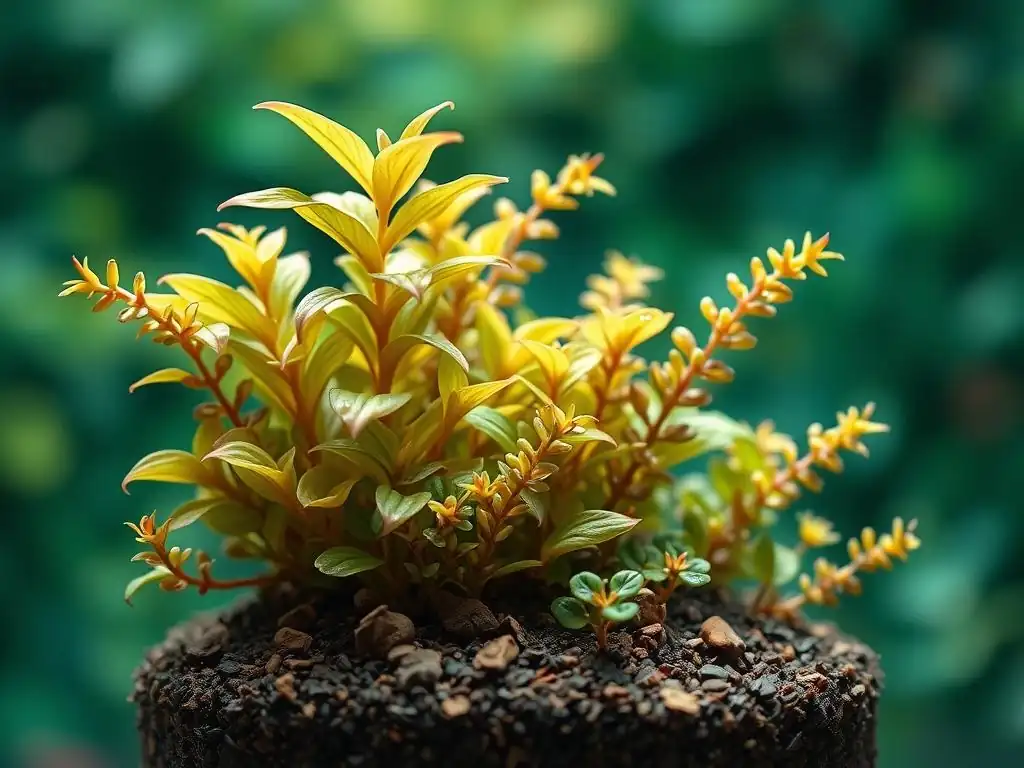
The creation of terraces is a fundamental technique in Dutch aquascaping, adding significant depth and dimension to the layout. This involves arranging plant groups at varying heights, either by building up the substrate slightly or by selecting plants of different mature heights and meticulously pruning them. For instance, a foreground terrace might feature compact Alternanthera reineckii 'Mini', rising to a midground terrace of Rotala rotundifolia, and culminating in a background of tall Hygrophila corymbosa. This multi-tiered approach creates a natural sense of perspective, making the aquarium appear larger and more expansive.
"Dutch streets" are another hallmark of the style, involving diagonal rows of plants that progressively diminish in size or density towards the back of the tank, enhancing the illusion of depth. A classic "street" might be composed of a single species, such as Rotala wallichii or Ludwigia arcuata, planted in a sweeping curve from the front corner to the back. This technique draws the viewer's eye into the aquascape, creating a compelling sense of visual flow and distance, which is crucial for the sophisticated appeal of Dutch aquascaping stem plants.
Color Contrasts and Plant Combinations
Achieving striking color contrasts is central to the visual appeal of a Dutch aquascape. Rather than a random mix, plants are carefully chosen and positioned to highlight their individual hues while contributing to a cohesive palette. For example, a cluster of intensely red Ludwigia palustris 'Super Red' might be placed adjacent to a vibrant green Rotala rotundifolia, making both colors pop. The key is to avoid a "checkerboard" effect, instead aiming for natural-looking transitions and bold, yet harmonious, blocks of color.
Beyond color, combining plants with diverse leaf shapes and textures adds another layer of complexity and visual interest. Pairing the broad, rounded leaves of Hygrophila corymbosa with the fine, feathery foliage of Myriophyllum mattogrossense creates a rich tapestry of textures. This strategic combination of colors and forms ensures that each section of the aquascape offers something unique to the eye, preventing monotony and emphasizing the intricate beauty of the Dutch aquascaping stem plants.
Utilizing Height and Texture for Depth
The meticulous arrangement of Dutch aquascaping stem plants by height is crucial for creating the illusion of significant depth within the confines of an aquarium. Plants are typically positioned shortest in the foreground, gradually increasing in height towards the background. For instance, low-growing Staurogyne repens might anchor the front, transitioning to mid-height Rotala rotundifolia varieties, and finally culminating in towering Vallisneria gigantea or Hygrophila corymbosa in the rear. This graduated height profile effectively mimics natural landscapes, drawing the viewer's eye deep into the scene.
Texture also plays a vital role in enhancing depth and visual complexity. Fine-leaved plants, such as Rotala wallichii or Myriophyllum aquaticum, create a soft, almost misty effect, often used in the mid- to background to add a delicate layer. In contrast, broader-leaved Dutch aquascaping stem plants like Ludwigia repens or Hygrophila polysperma provide solid blocks of color and substance, acting as anchors within the design. The interplay between these varied textures adds a rich, multi-dimensional quality to the aquascape, making it visually engaging from every angle.
Planting and Pruning Stem Plants
Planting Techniques
Proper planting techniques are essential for the healthy establishment and vibrant growth of Dutch aquascaping stem plants. When preparing stems, it's crucial to remove the bottom few sets of leaves to expose the stem, typically about 1-2 inches, before insertion. This ensures that no leaves are buried in the substrate, which could lead to rot. Using specialized aquascaping tweezers, individual stems should be gently inserted into the substrate, burying enough of the stem to anchor it firmly without crushing the plant.
For a lush, dense appearance characteristic of Dutch aquascaping, stem plants are typically planted in groups rather than as single stems. A common practice is to plant bunches of 5-7 individual stems, spaced about 0.5 to 1 inch apart within the group, and leaving sufficient space between different groups to allow for future growth and light penetration. This strategic spacing not only promotes better water circulation around the plants but also ensures that the plants can access light efficiently, encouraging bushier growth and preventing shading issues.
Pruning for Shape and Density
Regular and strategic pruning is the cornerstone of maintaining a beautiful Dutch aquascape and is vital for managing Dutch aquascaping stem plants. The most common method is "top-down" pruning, where the upper portion of the stem is cut, typically just above a leaf node. This encourages the plant to branch out from the nodes below the cut, leading to a denser, bushier growth habit. Depending on the plant's growth rate and light intensity, pruning may be required weekly or bi-weekly to maintain the desired shape and height.
The removed healthy tops from pruning can often be replanted into the substrate to propagate new plants, effectively filling in gaps or expanding existing plant groups. This allows for continuous refinement of the aquascape's composition and density. Consistent pruning not only controls the size and shape of individual plants but also helps maintain the overall balance and aesthetic flow of the Dutch aquascape, preventing any single species from dominating or outcompeting its neighbors.
Encouraging Bushier Growth
To achieve the dense, compact look desired in Dutch aquascaping, encouraging bushier growth in stem plants is paramount. This is primarily achieved through consistent and optimal CO2 injection, along with a balanced supply of macro and micronutrients. High levels of dissolved CO2 (typically 25-30 ppm) significantly boost photosynthesis, providing the energy for plants to develop numerous side shoots. Paired with adequate lighting, this creates an environment where Dutch aquascaping stem plants thrive and branch prolifically.
Beyond CO2 and nutrients, strategic pruning plays a direct role. Regularly "pinching" off just the very tip of a stem plant, rather than a larger section, can stimulate lateral growth without significantly reducing the plant's height. This technique, combined with ensuring excellent water flow around the plants to deliver nutrients and CO2 efficiently, helps to cultivate the compact, voluminous growth that defines a healthy and well-maintained Dutch aquascape.
Nutrient Management
The Role of CO2
Carbon dioxide (CO2) is arguably the most critical nutrient for the vibrant growth of aquatic plants, especially in high-tech Dutch aquascapes. Plants utilize CO2 during photosynthesis to convert light energy into chemical energy for growth. Without sufficient CO2, even with ample light and other nutrients, plants will exhibit stunted growth, poor coloration, and become susceptible to algae. Pressurized CO2 injection systems, complete with regulators, solenoid valves, and diffusers, are standard in Dutch aquascaping to maintain stable levels.
Maintaining CO2 levels between 20-30 parts per million (ppm) is generally recommended for optimal plant health. This concentration ensures that Dutch aquascaping stem plants have readily available carbon for robust growth, significantly enhancing their ability to develop strong stems, lush leaves, and vibrant colors. Consistent CO2 supply also gives plants a competitive edge over algae, as healthy, fast-growing plants leave fewer excess nutrients for nuisance algae to exploit.
Fertilization Strategies
Proper fertilization is crucial for the health and vibrancy of Dutch aquascaping stem plants, ensuring they receive all necessary macro (Nitrogen, Phosphorus, Potassium - NPK) and micro (Iron, Manganese, Boron, etc.) nutrients. A common strategy involves daily or weekly dosing of liquid fertilizers, tailored to the specific needs of the plants and the intensity of the lighting.
Liquid Fertilizers: Dosage
Liquid fertilizers are the primary method for delivering essential nutrients directly into the water column, where they are readily absorbed by the leaves and stems of aquatic plants. Methods like the Estimative Index (EI) dosing system are popular, advocating for slight overdosing of nutrients to ensure plants never experience deficiencies, followed by large weekly water changes (e.g., 50%) to reset nutrient levels and prevent buildup.
Typical weekly targets might include 5-10 ppm Nitrate (NO3), 1-2 ppm Phosphate (PO4), and 10-15 ppm Potassium (K), alongside a comprehensive micronutrient mix. This ensures that fast-growing Dutch aquascaping stem plants have a constant supply of nutrients for vigorous growth and intense coloration.
Substrate Fertilizers: Long-Term Release
While liquid fertilizers address water column nutrients, nutrient-rich substrates or root tabs provide a steady, long-term supply of nutrients to plants that primarily absorb through their roots. Aquasoils, for example, are specifically designed to slowly release essential minerals over time, creating an ideal environment for root development.
For plants that are heavy root feeders or to supplement a less nutrient-rich substrate, root tabs containing iron, potassium, and other trace elements can be strategically placed beneath plant groups. These slow-release fertilizers typically last for 6-12 months, reducing the reliance on daily liquid dosing for certain elements and providing a foundational nutrient base for healthy Dutch aquascaping stem plants.
Monitoring and Adjusting Nutrient Levels
Effective nutrient management in a Dutch aquascape requires diligent monitoring and responsive adjustments. Regular water testing, using reliable kits for parameters like Nitrate (NO3), Phosphate (PO4), and Iron (Fe), provides crucial insights into the nutrient availability within the tank. For instance, if Nitrate levels consistently drop below 5 ppm in a high-tech setup, it might indicate a need to increase nitrogen dosing to prevent deficiencies in fast-growing Dutch aquascaping stem plants.
Beyond testing, observing the plants themselves is perhaps the most accurate indicator of nutrient balance. Yellowing leaves, stunted growth, or unusual coloration can signal specific deficiencies or excesses, prompting adjustments to fertilization. For example, new growth turning pale or white often points to an iron deficiency. Regular water changes (e.g., 30-50% weekly) are also vital, as they help to reset nutrient levels, remove accumulated organic waste, and replenish trace elements, maintaining a stable and healthy environment for the entire Dutch aquascape.
Maintaining a Healthy Dutch Aquascape
Water Parameters
Maintaining stable and appropriate water parameters is fundamental to the health and vibrancy of Dutch aquascaping stem plants. While many aquatic plants are adaptable, consistency is more critical than hitting exact numbers. Generally, a slightly acidic to neutral pH range of 6.0-7.5 is ideal for most species commonly used in Dutch aquascapes, coupled with moderate water hardness (KH 3-8 dKH and GH 4-10 dGH). These parameters facilitate optimal nutrient uptake and CO2 solubility.
Temperature stability is equally important, with a range of 22-26°C (72-79°F) being suitable for the majority of tropical aquatic plants. Fluctuations can stress plants, leading to melting or stunted growth. Adequate filtration, ensuring good water clarity and removing organic waste, also contributes significantly to overall plant health by maintaining pristine water quality and preventing the buildup of harmful substances.
Algae Control
Algae are often the bane of aquascapers, and in Dutch aquascapes, their presence usually signals an imbalance in light, CO2, or nutrient levels. Common types include green spot algae (often due to low phosphate or CO2), hair algae (excess nutrients or light), and Black Brush Algae (BBA), which frequently indicates unstable or low CO2. A healthy, thriving plant mass is the best defense against algae, as plants outcompete algae for available nutrients.
Effective algae control strategies for Dutch aquascaping stem plants involve ensuring stable CO2 levels (25-30 ppm), consistent and appropriate nutrient dosing, and a controlled photoperiod (typically 8-10 hours of light per day). Regular water changes also help reduce excess nutrients. Introducing algae-eating inhabitants like Amano shrimp ( Caridina multidentata) (e.g., 1 shrimp per 5 gallons) or Otocinclus catfish can also be a helpful biological control, but addressing the root cause of the imbalance is paramount.
Regular Maintenance Tasks
Consistent regular maintenance is non-negotiable for preserving the pristine beauty of a Dutch aquascape. Weekly tasks typically include a 30-50% water change to replenish trace elements and remove accumulated waste, thorough glass cleaning to prevent algae buildup, and, most importantly, pruning of fast-growing Dutch aquascaping stem plants to maintain their shape, density, and the overall design. This also involves removing any decaying leaves or plant debris to keep the water clean.
Beyond weekly routines, monthly or bi-monthly tasks include cleaning filter media to ensure efficient filtration and good water flow, and a light vacuuming of the substrate surface to remove any settled detritus without disturbing the plant roots too much. Adhering to this consistent maintenance schedule prevents issues before they escalate, ensuring that the Dutch aquascape remains a vibrant and healthy underwater garden.
Troubleshooting Common Issues
Identifying and Addressing Deficiencies
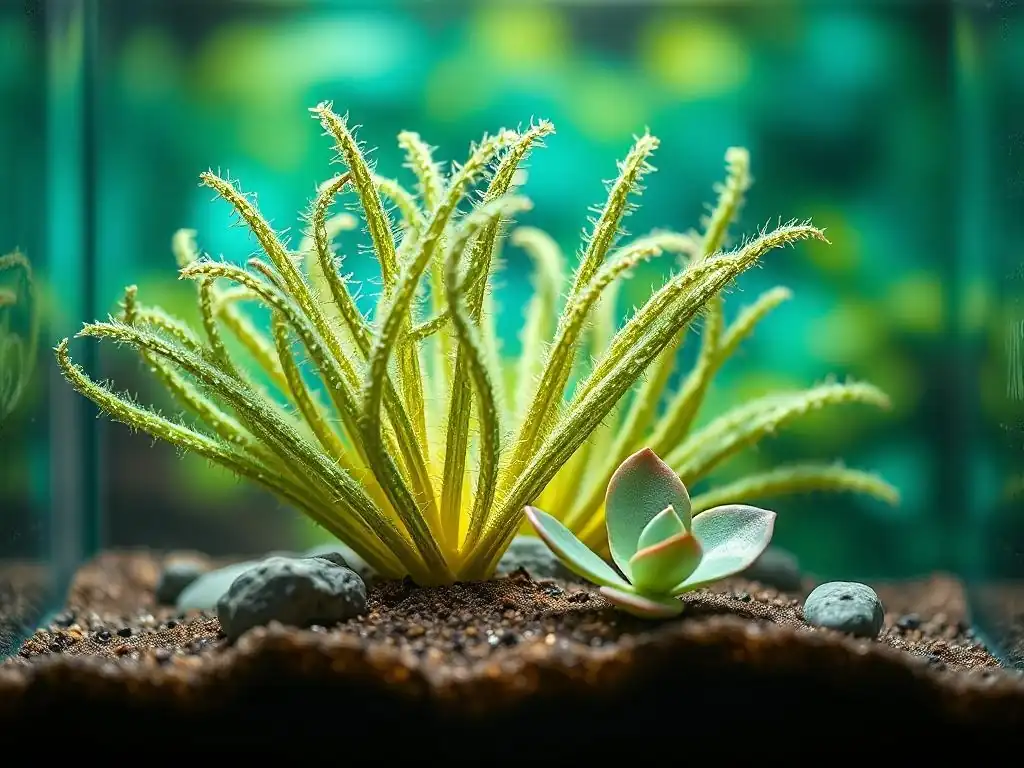
Identifying nutrient deficiencies in Dutch aquascaping stem plants is crucial for maintaining a healthy and vibrant aquascape. Nitrogen (N) deficiency often manifests as overall yellowing of older leaves and stunted growth. Phosphorus (P) deficiency can cause plants to turn dark green or purple, with stunted growth. Potassium (K) deficiency typically presents as pinholes, yellowing, or necrosis along the edges of older leaves.
Micronutrient deficiencies, particularly iron (Fe), are also common. Iron deficiency usually affects new growth, causing the newest leaves to appear pale, yellow, or even white at the tips, while older leaves remain green. Addressing these issues involves adjusting your fertilization regimen. For example, if new leaves are pale, increasing iron dosing (e.g., from 0.05 ppm to 0.1 ppm weekly) might be necessary. Consistent observation and targeted nutrient adjustments are key to resolving these issues and restoring plant health.
Dealing with Melting or Stunted Growth
Melting and stunted growth are common and often distressing issues for aquascapers, particularly with sensitive Dutch aquascaping stem plants. Melting, where plant tissue turns translucent and disintegrates, can be caused by sudden environmental changes, such as drastic fluctuations in CO2 levels, significant swings in water parameters, or the plant adapting from emersed (above water) to submerged growth. Stunted growth, characterized by very slow or no new growth, often points to critical deficiencies in CO2, or a lack of essential macro or micronutrients.
To address these problems, stability is paramount. Ensure consistent CO2 injection at optimal levels (25-30 ppm) throughout the photoperiod. Verify that all essential nutrients are being dosed adequately and regularly. Remove any melting leaves promptly to prevent water quality degradation. If plants are new, allow a period of adaptation, as some species will "melt back" before putting out healthy submerged growth. Patience and meticulous attention to environmental stability are key to resolving these challenges for Dutch aquascaping stem plants.
Preventing and Treating Algae
Preventing algae outbreaks in a Dutch aquascape is far easier than treating them. The primary preventative measures revolve around maintaining a perfectly balanced ecosystem: consistent and sufficient CO2 levels (25-30 ppm), stable and appropriate lighting (e.g., 8-hour photoperiod), and a balanced, consistent nutrient supply. Good water flow throughout the tank also prevents stagnant areas where algae might thrive.
If algae does appear, treatment should focus on identifying and correcting the underlying imbalance. For example, Black Brush Algae (BBA) is often a strong indicator of fluctuating or insufficient CO2; increasing CO2 stability and concentration can help. Manual removal (scrubbing, siphoning) is always the first step. For severe cases, a blackout period (2-3 days of complete darkness) can significantly reduce most algae types. Spot dosing with liquid carbon (e.g., glutaraldehyde) can also be effective for stubborn patches of algae on Dutch aquascaping stem plants, but always address the root cause for long-term success.
Advanced Techniques
Advanced Plant Groupings
Advanced Dutch aquascapers push the boundaries of plant grouping beyond simple blocks of color. This involves creating intricate layers and transitions within a single "Dutch street" or terrace, using multiple species to build complex textures and gradients. For example, a street might start with a compact Alternanthera reineckii 'Mini' in the foreground, transition into a denser section of Rotala rotundifolia 'H'ra', and then subtly blend into a background of Rotala macrandra 'Green' before reaching the back glass.
This technique requires a deep understanding of each plant's growth habit, light requirements, and coloration potential. It allows for highly detailed compositions, where the eye is drawn through subtle shifts in hue and form. Mastering these advanced groupings creates a more sophisticated and visually dynamic aquascape, showcasing the full artistic potential of Dutch aquascaping stem plants.
CO2 Diffusers and Reactors
For advanced Dutch aquascapes, maximizing CO2 dissolution efficiency is paramount to achieving robust plant growth and vibrant colors. Standard ceramic diffusers are effective for smaller tanks (up to approximately 50 gallons), producing fine mist bubbles that dissolve fairly well. However, for larger setups (e.g., 75+ gallons), external CO2 reactors are often preferred. These devices typically integrate into the filter's return line, using a high-efficiency design to completely dissolve CO2 gas into the water before it re-enters the tank, often achieving near 90-95% dissolution efficiency.
Inline diffusers, which are also installed on the filter's outflow tubing, offer a good balance of efficiency and aesthetics, as they are hidden outside the tank. Regardless of the method, the goal is to ensure a consistent and stable CO2 concentration (25-30 ppm) throughout the entire aquarium, preventing fluctuations that can stress Dutch aquascaping stem plants and trigger algae growth. Consistent CO2 supply is a cornerstone of a truly high-performance Dutch aquascape.
Achieving Show-Stopping Results
Achieving show-stopping results in Dutch aquascaping goes beyond basic maintenance; it involves a meticulous fine-tuning of every environmental factor to bring out the absolute best in the plants. This includes precision control over light intensity and photoperiod, often using advanced LED systems with customizable spectrums to enhance specific plant colors (e.g., boosting red hues with specific light wavelengths). Nutrient ratios are constantly adjusted based on subtle changes in plant health and growth rates, aiming for peak coloration and compact, desired growth forms.
The pursuit of perfection in Dutch aquascaping is a continuous journey of observation, experimentation, and refinement. Aquascapers often keep detailed logs of parameters, dosing, and plant responses. This level of dedication, combined with a deep aesthetic vision and a willingness to adapt techniques based on the living, evolving nature of the aquascape, allows for the creation of truly breathtaking underwater gardens that stand out in contests and captivate viewers.
Case Studies of Dutch Aquascapes
Case Study 1: Analysis of Plant Selection and Layout
Consider a successful 60-gallon Dutch aquascape, meticulously designed with a focus on vibrant color transitions and intricate layering. The plant selection included a lush background of Hygrophila corymbosa (green) and Rotala rotundifolia 'Red' (red), providing significant height and volume. In the midground, a distinct "Dutch street" was formed using Rotala wallichii, tapering diagonally from the front right to the back left, creating a strong sense of depth.
Focal points were established with dense groupings of intensely red Ludwigia palustris 'Super Red' and a contrasting patch of fine-leaved, orange-hued Ludwigia arcuata. The foreground was anchored by low-growing, compact Alternanthera reineckii 'Mini'. The layout adhered to the rule of thirds, with the primary focal point off-center. Over 75% of the substrate surface was densely covered by these Dutch aquascaping stem plants, showcasing the characteristic lushness and demonstrating how varying leaf shapes and colors were used to create a harmonious yet dynamic visual composition.
Case Study 2: Addressing Challenges and Solutions
In another Dutch aquascape, a common challenge emerged: the vibrant red Ludwigia repens and Rotala macrandra began to lose their intense coloration, turning dull green, while some new growth appeared stunted. Simultaneously, a slight increase in green spot algae was noted on the glass and older leaves, despite regular maintenance. Initial water tests showed CO2 levels around 15 ppm and Nitrate at 5 ppm, with Phosphate at 0.5 ppm.
The troubleshooting process focused on optimizing the three main pillars: light, CO2, and nutrients. The CO2 injection rate was increased, aiming for a stable 25-30 ppm during the photoperiod, confirmed by a drop checker turning lime green. Iron dosing was slightly increased (from 0.05 ppm to 0.08 ppm weekly) to boost red coloration.
Additionally, the weekly water change volume was increased from 30% to 50% to ensure nutrient reset and removal of accumulating organic waste. Within two weeks, the red Dutch aquascaping stem plants regained their rich hues, new growth was robust, and the algae receded, demonstrating the critical interplay of these factors.
Key Takeaways from Successful Dutch Aquascapes
Successful Dutch aquascapes consistently underscore the paramount importance of meticulous planning and unwavering consistency in maintenance. It's not merely about selecting beautiful Dutch aquascaping stem plants, but understanding their specific light, CO2, and nutrient requirements and providing them without fail. These aquascapes are living ecosystems that demand daily attention to CO2 levels, weekly pruning sessions, and diligent water changes, often 30-50% of the tank volume, to maintain nutrient balance and water quality.
Ultimately, achieving a show-stopping Dutch aquascape is a testament to patience, keen observation, and a willingness to continuously learn and adapt. The most stunning examples are the result of years of dedicated practice, where the aquascaper has honed their ability to diagnose subtle plant cues, fine-tune environmental parameters, and master the art of shaping living plants into a breathtaking underwater tapestry. It is this dedication that transforms a collection of Dutch aquascaping stem plants into a dynamic and evolving piece of living art.
Frequently Asked Questions
What is Dutch aquascaping and what makes it unique?
Dutch aquascaping is a style that focuses on lush plant growth and terraced arrangements, often resembling a garden. It's unique for its vibrant colors, diverse plant species, and the absence of hardscape like rocks or driftwood.
Why are stem plants so important in Dutch aquascaping?
Stem plants are essential to the Dutch style because they create the density and layering that defines the aesthetic. Their rapid growth and variety allow for precise control over the aquascape's shape and color.
How do I choose the right stem plants for my Dutch aquascape?
Consider color contrast, leaf shape, and growth rate when selecting stem plants. Research which plants thrive in your tank's water parameters and lighting conditions to ensure healthy and vibrant growth.
What are some common techniques for arranging stem plants in a Dutch aquascape?
Popular techniques include grouping similar plants together, creating "streets" of color, and using trimming to maintain a precise and manicured look. Layering plants of varying heights is also crucial for depth.
What are some potential challenges when growing stem plants in a Dutch aquascape?
Common challenges include nutrient deficiencies, algae growth, and inadequate lighting. Regular water changes, proper fertilization, and sufficient CO2 are critical for success.
Final Reflection: Cultivating Underwater Harmony
The principles of Dutch aquascaping, as we've explored, are not just about arranging stem plants in an aquarium; they're about creating miniature ecosystems that reflect a deep understanding of balance and aesthetics. The enduring appeal of this style lies in its ability to transform a simple glass box into a vibrant, living artwork, a testament to the power of thoughtful design in the natural world.
This journey into Dutch aquascaping has highlighted the meticulous planning and dedication required to achieve its iconic look. It's a reminder that true beauty often stems from careful cultivation and a willingness to nurture growth, both within the aquarium and within ourselves. The best time to plant a tree was 20 years ago. The second best time is now.
This ancient proverb resonates deeply with the patience and foresight demanded by Dutch aquascaping, urging us to embrace the long-term commitment required to witness true flourishing.
Now, as you consider the vibrant possibilities of Dutch aquascaping, I invite you to embrace the challenge. Don't be intimidated by the precision; instead, see it as an opportunity to connect with nature on a deeper level. Let the principles of balance, color, and form guide your hand as you craft your own underwater masterpiece. Cultivate not just stem plants, but also a sense of wonder and appreciation for the delicate beauty that surrounds us.
Unleash Your Inner Aquascaping Artist!
Thank you for diving into the world of Dutch aquascaping and stem plant arrangements! We hope you've gained valuable insights to elevate your aquarium's beauty. Now, it's time to put that knowledge into action.
Here are a few things you can do right now:
- Reimagine your current aquarium layout! Analyze your existing scape and identify areas where you can incorporate the principles of Dutch design.
- Explore unconventional plant pairings. Experiment with textures and colors beyond the usual combinations to create a truly unique aquascape.
- Share your aquascaping journey! Post before-and-after photos of your stem plant arrangements on social media using #AquariumMasteryDutchScape.
What's one unexpected plant combination you're excited to try in your next Dutch aquascape?