
LowLight Aquarium Plants: Illuminating Options for Simpler Setups

Welcome to Aquarium Mastery!
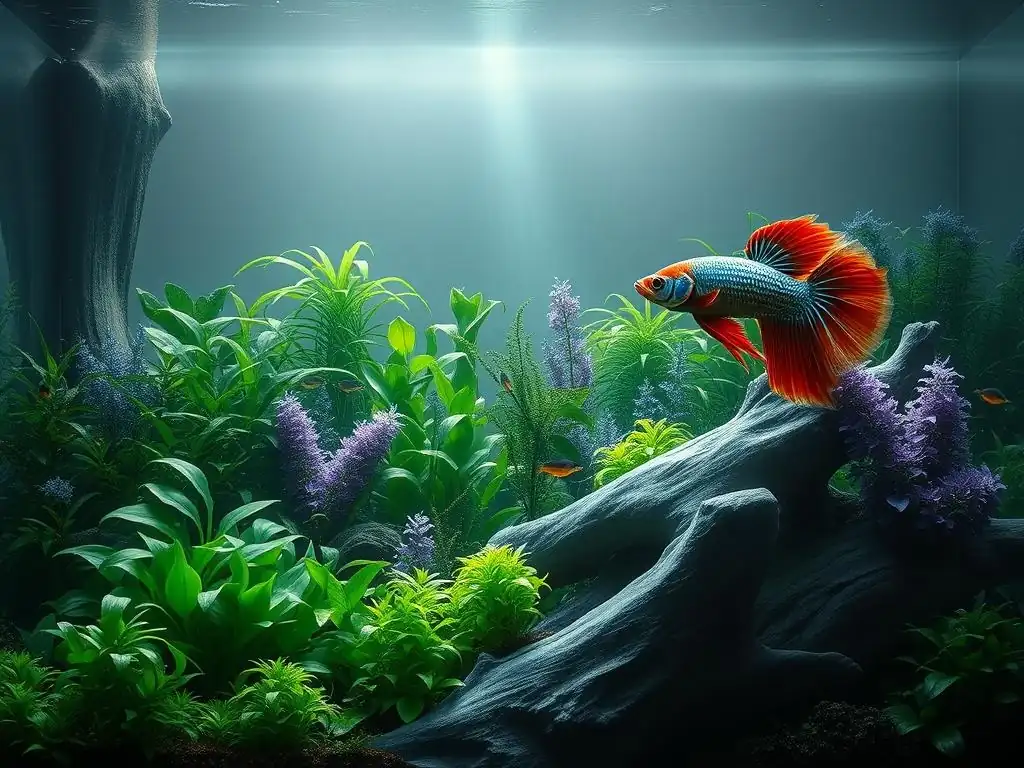
Ever dreamed of a thriving, verdant aquarium without the fuss of high-powered lights? Dive into the fascinating world of lowlight aquarium plant care and discover how to create a stunning underwater landscape that's both beautiful and easy to maintain. Ready to unlock the secrets of lush growth with minimal effort? Let's get started!
- Low Light Aquarium Plants: Thriving with Minimal Illumination
- Understanding Low Light Aquarium Plant Care
-
Top Low Light Aquarium Plants for Beginners
- Java Fern (Microsorum pteropus): A Staple Low Light Plant
- Anubias (Anubias spp. ): Durable and Versatile
- Cryptocoryne (Cryptocoryne spp. ): Adaptable and Easy to Grow
- Marimo Moss Balls (Aegagropila linnaei): Unique Algae for Low Light
- Bucephalandra (Bucephalandra spp. ): Epiphytes with Stunning Foliage
- Setting Up Your Low Light Planted Aquarium
- Maintaining a Thriving Low Light Planted Tank
- Troubleshooting Common Issues
- Advanced Tips
- Conclusion: The Rewards of a Low Light Planted Aquarium
-
Frequently Asked Questions
- How does AquariumMastery.com define " lowlight aquarium plant care?"
- What are some examples of lowlight aquarium plants discussed on AquariumMastery.com?
- Why is understanding water chemistry important for lowlight aquarium plant care, according to AquariumMastery.com?
- How does AquariumMastery.com help aquarists troubleshoot common issues related to lowlight aquarium plants?
- Where on AquariumMastery.com can I find specific information about setting up a lowlight aquarium?
- Final Reflection: Embracing the Subtleties of Lowlight Aquariums
- Illuminate Your Aquarium Dreams: Begin Your Low-Light Oasis Today!
Low Light Aquarium Plants: Thriving with Minimal Illumination
Understanding Low Light Aquarium Plant Care
Defining Low Light Conditions in Aquariums
Low light conditions in an aquarium refer to the amount of Photosynthetically Active Radiation (PAR) reaching the plants, typically ranging from 15 to 30 micromoles per square meter per second (µmol/m²/s) at the substrate level. This intensity range is significantly lower than medium light setups (30-50 PAR) or high light setups (50+ PAR), which often necessitate supplemental carbon dioxide (CO2) and intense fertilization.
For instance, a basic LED fixture on a 20-gallon tank might provide adequate PAR for low light species, whereas a high-output fixture on the same tank could deliver over 60 PAR, overwhelming low light plants and fostering algae.
These specific PAR values ensure that plants with lower photosynthetic demands can still thrive, albeit at a slower growth rate. The emphasis in low light aquarium plant care is on stability and consistency rather than high-octane growth. This approach minimizes the need for complex monitoring and frequent adjustments, making it an ideal choice for aquarists seeking a more relaxed yet visually appealing aquatic environment.
Advantages of Low Light Plants for Aquascaping
Opting for low light plants offers numerous advantages, particularly for beginners or those desiring a less demanding aquascape. Firstly, the reduced light intensity significantly lessens the likelihood of rampant algae outbreaks, which are often triggered by excess light and nutrients in high-tech setups. This translates to fewer hours spent on algae removal and a cleaner-looking tank. Secondly, the slower growth rate of these plants means less frequent pruning, typically every few weeks to months, compared to weekly trimming required for fast-growing, high-light species.
Furthermore, low light aquarium plant care simplifies the overall setup by largely negating the need for expensive CO2 injection systems and intricate dosing regimens for fertilizers. While some nutrient supplementation is still beneficial, it is far less critical and forgiving than in high-tech tanks. This cost-effectiveness and reduced maintenance burden make low light planted aquariums an excellent entry point into the world of aquascaping, allowing aquarists to enjoy lush greenery without significant investment or constant vigilance.
Debunking Common Misconceptions About Low Light Plant Growth
Several misconceptions often deter aquarists from exploring low light planted tanks. One common belief is that low light plants don't grow or are inherently "ugly." In reality, while their growth rate is slower—a Java Fern might produce one new leaf every 2-3 weeks compared to a high-light stem plant that grows several inches weekly—they certainly do grow and can form dense, vibrant arrangements. Many low light species, such as the diverse varieties of Bucephalandra or the rich green Anubias, are stunning and highly sought after for their unique leaf shapes and colors.
Another misconception is that low light aquarium plant care means no light or no nutrients are needed at all. This is incorrect; all plants require some light for photosynthesis and essential macro and micronutrients for healthy development. The difference lies in the intensity and frequency of these inputs.
For instance, a tank with 10-15 PAR might be too dim for even the hardiest plants, leading to stunted growth or melt, and a complete lack of nutrients will eventually cause deficiencies. Successful low light plant care involves understanding these nuanced requirements, providing just enough to support healthy, steady growth without promoting nuisance algae.
Top Low Light Aquarium Plants for Beginners
Java Fern (Microsorum pteropus): A Staple Low Light Plant
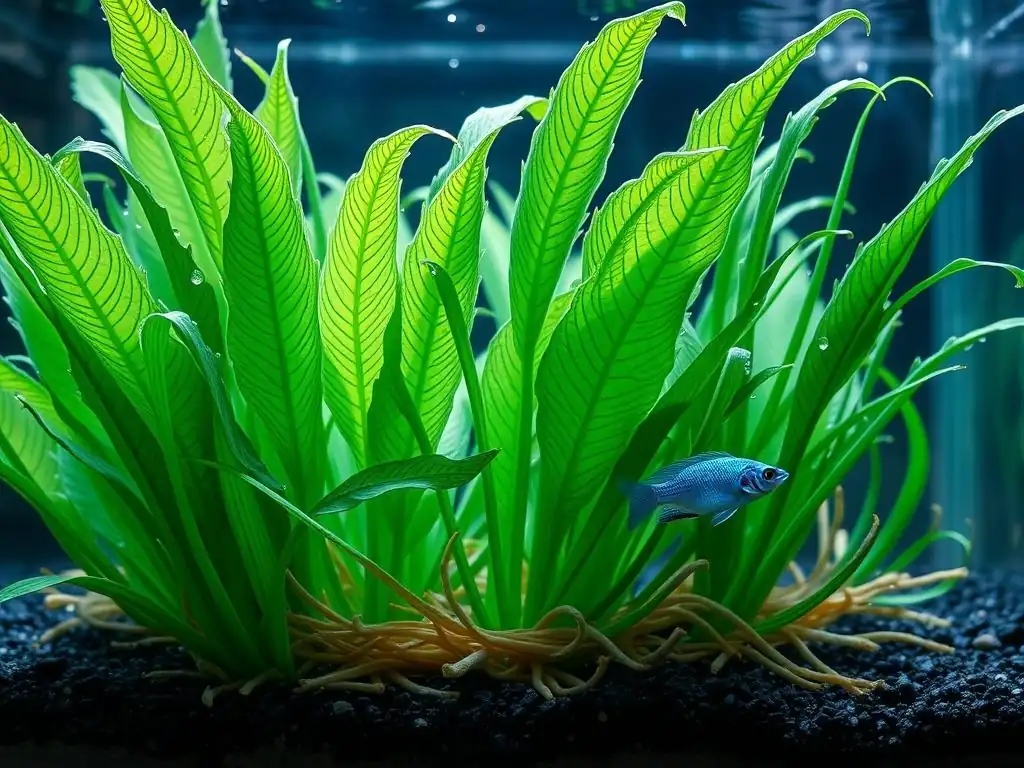
Java Fern (Microsorum pteropus) is arguably one of the most iconic and widely recommended plants for low light aquarium plant care. Originating from Southeast Asia, this hardy epiphyte is celebrated for its resilience and adaptability to a wide range of water conditions. Its characteristic dark green, elongated leaves can grow to lengths of 6 to 12 inches (15-30 cm), providing excellent cover for shy fish and creating a naturalistic backdrop in the aquarium.
What makes Java Fern particularly appealing is its robust nature; it rarely succumbs to common plant ailments and can tolerate various pH levels (6.0-8.0) and temperatures (68-82°F or 20-28°C). Its unique ability to attach to hardscape elements like driftwood and rocks, rather than being planted in the substrate, adds to its versatility in aquascaping designs. The plant's slow to moderate growth rate further simplifies low light aquarium plant care, requiring minimal pruning and allowing for stable tank conditions.
Java Fern Care: Lighting, Water Parameters, and Placement
Proper low light aquarium plant care for Java Fern focuses on minimal yet consistent provisions. For lighting, Java Fern thrives under low to moderate PAR levels, typically between 15-25 µmol/m²/s. Anything significantly higher can lead to algae growth on its leaves, which, while not directly harmful to the plant, can be aesthetically displeasing and hinder photosynthesis. A light cycle of 6-8 hours daily is generally sufficient.
In terms of water parameters, Java Fern is remarkably adaptable. It tolerates a wide pH range from 6.0 to 8.0 and soft to hard water (GH 3-10 dGH). Stable temperatures between 68-82°F (20-28°C) are ideal.
The most crucial aspect of its placement is ensuring the rhizome—the horizontal stem from which roots and leaves sprout—is never buried in the substrate. Burying the rhizome can lead to rot and eventual plant death. Instead, secure it to driftwood, rocks, or even decor using cotton thread, fishing line, or a tiny dab of aquarium-safe super glue gel, allowing its roots to anchor naturally over time.
Java Fern Propagation: Rhizome Division and Adventitious Plantlets
Propagating Java Fern is straightforward, making it easy to expand your collection or share with fellow aquarists as part of effective low light aquarium plant care. The primary method is rhizome division. To do this, simply take a sharp, clean pair of scissors or a knife and cut a section of the rhizome that has at least 3-4 healthy leaves attached. Each section can then be re-attached to hardscape in a new location, and it will develop into a new, independent plant.
Another common propagation method occurs naturally through adventitious plantlets. These tiny miniature Java Ferns will spontaneously appear on the older, more mature leaves of the parent plant, often along the leaf margins or where a leaf has been damaged. Once these plantlets develop a few leaves and visible roots, they can be gently plucked off the parent leaf and attached to new hardscape, or simply allowed to float until they find an anchor point. This natural propagation makes Java Fern an excellent choice for a self-sustaining planted tank.
Anubias (Anubias spp. ): Durable and Versatile
Anubias (Anubias spp.) is another cornerstone of low light aquarium plant care, renowned for its extreme hardiness, slow growth, and beautiful, leathery leaves. Native to West Africa, these aquatic plants are epiphytes, meaning they naturally grow attached to rocks and wood in rivers and streams. Their robust structure and minimal light requirements make them perfect for virtually any aquarium setup, from nano tanks to large community aquariums.
The thick, dark green leaves of Anubias are incredibly durable, making them resistant to damage from herbivorous fish and less prone to nutrient deficiencies compared to more delicate species. Their slow growth rate, often producing only one new leaf every few weeks, means they require very infrequent pruning, simplifying low light aquarium plant care significantly. Anubias varieties offer a range of sizes and leaf shapes, providing versatility for various aquascaping styles, from foreground accents to midground fillers.
Popular Anubias Varieties: Nana, Barteri, and Congensis
The genus Anubias offers a diverse range of species and cultivars, each with unique characteristics but sharing similar low light aquarium plant care requirements. Anubias barteri 'Nana' is perhaps the most popular, known for its compact size (typically 2-4 inches tall) and small, rounded leaves, making it ideal for foreground and midground placement or for smaller tanks. Its diminutive stature also makes it excellent for attaching to smaller pieces of driftwood or individual stones.
Anubias barteri var. barteri is a medium-sized variety, growing up to 6-10 inches tall with larger, heart-shaped leaves, perfect for midground placement in larger aquariums. For a more substantial presence, Anubias congensis features elongated, spear-shaped leaves and can reach heights of 12-18 inches, making it suitable for background placement. Despite their differences in size and leaf morphology, all these Anubias varieties thrive under low light conditions and contribute to a stable, low-maintenance aquascape.
Attaching Anubias: Methods for Securing to Hardscape
A critical aspect of low light aquarium plant care for Anubias is proper placement, specifically ensuring its rhizome is never buried in the substrate. Burying the rhizome, the thick horizontal stem from which roots and leaves emerge, will inevitably lead to rot and the demise of the plant. Instead, Anubias should be securely attached to hardscape elements such as driftwood or rocks.
There are several effective methods for securing Anubias. One common technique involves using cotton thread or fishing line to gently tie the rhizome to the chosen hardscape. Over several weeks, the plant's roots will naturally anchor themselves to the surface, at which point the thread can be carefully removed.
Another popular and quicker method is to use aquarium-safe super glue gel (cyanoacrylate). A small dab applied to the rhizome and pressed against the hardscape for a few seconds will create a strong bond. This ensures the plant remains stable and healthy, allowing it to flourish and contribute to the tank's aesthetic.
Cryptocoryne (Cryptocoryne spp. ): Adaptable and Easy to Grow
Cryptocoryne, often simply called "Crypts," are a diverse genus of rooted aquatic plants highly valued in low light aquarium plant care for their adaptability and wide range of leaf shapes and colors. Native to tropical regions of Asia, Crypts are known for their ability to thrive in stable, low-tech environments, making them excellent choices for beginners. Unlike epiphytes such as Java Fern or Anubias, Crypts derive most of their nutrients from the substrate through their extensive root systems.
While Crypts are generally easy to care for, they are famously susceptible to a phenomenon known as "Crypt melt." This occurs when the plant experiences a sudden change in environmental conditions, such as significant shifts in water parameters (pH, hardness, temperature), drastic changes in lighting, or even being moved during tank maintenance. During a melt, the leaves may turn to mush or disintegrate entirely. However, the rhizome and root system typically remain intact, and the plant will usually recover and regrow new leaves once conditions stabilize, demonstrating their remarkable resilience.
Cryptocoryne Species for Low Light: Wendtii, Affinis, and Parva
Among the many Cryptocoryne species, several are particularly well-suited for low light aquarium plant care due to their robust nature and aesthetic appeal. Cryptocoryne wendtii is perhaps the most common and versatile, available in numerous cultivars like 'Green,' 'Red,' 'Brown,' and 'Bronze.' These variations offer a spectrum of colors and grow to moderate heights (4-8 inches), making them excellent for midground placement and adding visual interest.
Cryptocoryne affinis is another popular choice, characterized by its dark green, often textured leaves that can develop reddish undersides, adding depth to the aquascape. For those seeking a foreground carpet, Cryptocoryne parva is a dwarf species, growing only 1-2 inches tall. While it is a very slow grower, its compact size and delicate appearance make it a charming addition. These species, despite their varied appearances, share a similar preference for stable low light conditions and nutrient-rich substrates, simplifying their overall care.
Cryptocoryne Planting: Substrate and Root Development
Proper planting is crucial for successful low light aquarium plant care of Cryptocorynes, as they are primarily root feeders. When planting, ensure that the roots are gently spread out and buried entirely in the substrate, while the crown of the plant (where the leaves emerge from the rhizome) remains exposed just above the substrate line. Burying the crown too deeply can lead to rot, similar to Anubias.
Cryptocorynes greatly benefit from a nutrient-rich substrate, such as an aquasoil, which provides essential macro and micronutrients directly to their roots. If using an inert substrate like sand or gravel, supplementing with root tabs is highly recommended. Insert root tabs directly into the substrate near the plant's root zone every 3-6 months to provide a steady supply of nutrients like iron, potassium, and phosphates. Once established, Crypts prefer not to be disturbed, so try to avoid moving them frequently to prevent "Crypt melt" and allow their extensive root systems to develop fully.
Marimo Moss Balls (Aegagropila linnaei): Unique Algae for Low Light
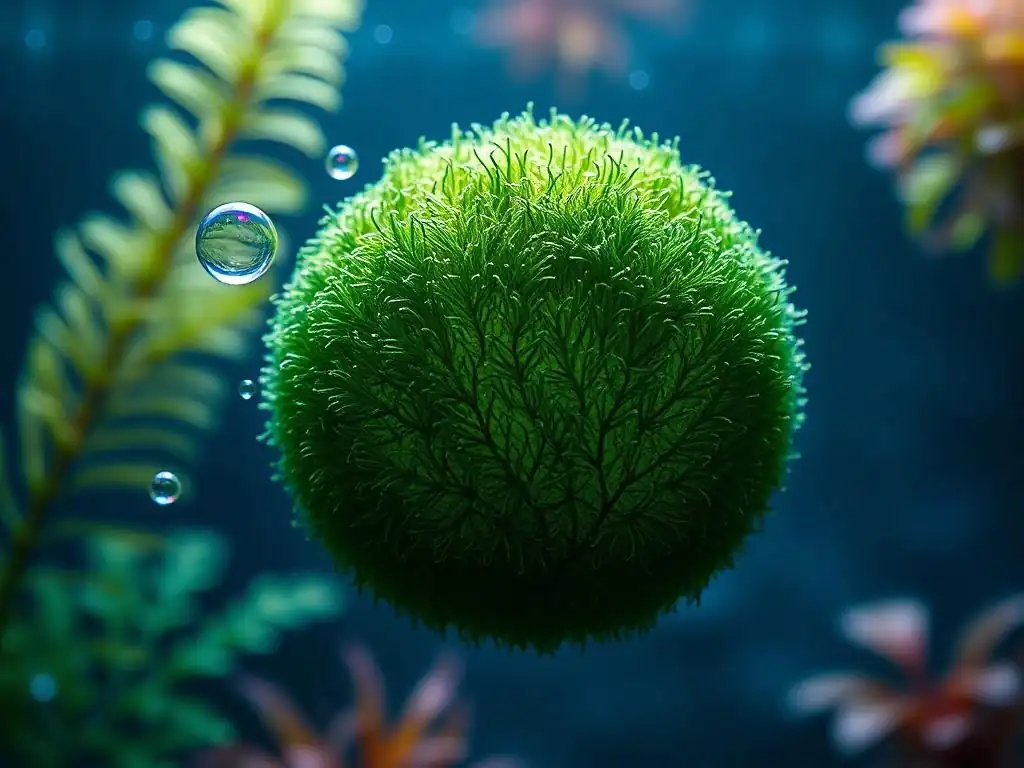
Marimo moss balls (Aegagropila linnaei) are a truly unique and fascinating addition to any aquarium, especially those focused on low light aquarium plant care. Despite their common name, Marimo are not mosses but rather a rare spherical form of filamentous green algae. Native to freshwater lakes in Japan, Iceland, and Estonia, these slow-growing, velvety green spheres derive their shape from gentle water currents that cause them to roll and maintain their spherical form.
Their appeal lies in their minimal care requirements and distinctive appearance, which can add a touch of whimsy and natural charm to an aquascape. Marimo moss balls are incredibly hardy and can survive in a wide range of water conditions, making them ideal for beginners. They are an excellent choice for a low-maintenance setup, requiring no special substrate, CO2, or intense lighting, perfectly aligning with the principles of easy low light aquarium plant care.
Marimo Moss Ball Care: Cleaning, Shaping, and Preventing Brown Spots
Low light aquarium plant care for Marimo moss balls is exceptionally simple. The most important aspect is regular cleaning to prevent detritus buildup and maintain their vibrant green color. Every few weeks, gently remove the Marimo balls from the tank and lightly squeeze them in a bowl of old tank water or dechlorinated tap water. This expels any trapped debris and refreshes their surface.
To maintain their spherical shape and ensure even light exposure, gently roll or rotate the moss balls between your palms every time you clean them or during routine tank maintenance. This mimics the natural rolling action they experience in their native habitats. Brown spots on Marimo usually indicate insufficient light, excessive light, or trapped debris. If browning occurs, try moving them to a slightly brighter or dimmer spot, ensure good water flow around them, and increase the frequency of gentle squeezing. Overall, their robust nature makes them highly forgiving and a joy to maintain.
Marimo Moss Ball Benefits: Aesthetics, Water Quality, and Algae Control
Beyond their unique aesthetic appeal, Marimo moss balls offer several tangible benefits that contribute to overall tank health and simplify low light aquarium plant care. Visually, their soft, velvety texture and perfect spherical shape provide a distinctive element, whether arranged individually, stacked, or used as a natural carpet. They add a serene, natural feel to the aquascape that is unlike any other plant.
From a functional perspective, Marimo moss balls can contribute to improved water quality. Like other aquatic plants, they perform photosynthesis and absorb nitrates, phosphates, and other pollutants from the water column, albeit in smaller quantities due to their slow growth. This can help in maintaining cleaner water and reducing the frequency of nuisance algae outbreaks by competing for available nutrients. Some aquarists also report that Marimo can help control certain types of nuisance algae by outcompeting them for resources, making them a beneficial, low-effort addition to a balanced low light aquarium.
Bucephalandra (Bucephalandra spp. ): Epiphytes with Stunning Foliage
Bucephalandra (Bucephalandra spp. ), often affectionately called "Buce," are a highly sought-after genus of epiphytic plants that thrive in low light aquarium plant care setups. Native to Borneo, these plants are known for their incredible diversity in leaf shape, size, and color, often exhibiting iridescent blue, green, red, or purple hues, especially when viewed under specific lighting conditions. Their slow growth and unique textured leaves, which can sometimes have a "sparkle" due (to a phenomenon called nacre), make them a premium choice for aquascapers.
Despite their exotic appeal and relatively higher cost compared to other low light plants, Bucephalandra are surprisingly hardy and adaptable once established. They share similar care requirements to Anubias and Java Fern, preferring to be attached to hardscape rather than planted in the substrate. Their ability to flourish without intense lighting or CO2 injection makes them a perfect fit for a stable, low-tech planted tank, adding a touch of rare beauty with relatively straightforward low light aquarium plant care.
Bucephalandra Care: Attachment, Water Flow, and Fertilization
Effective low light aquarium plant care for Bucephalandra involves a few key considerations. Like other epiphytes, their rhizome must not be buried in the substrate, as this will lead to rot. Instead, use cotton thread, fishing line, or aquarium-safe super glue gel to attach them securely to driftwood, rocks, or other decor. They will slowly anchor themselves with their roots over time.
Bucephalandra generally prefer moderate to strong water flow, which helps deliver nutrients to their leaves and keeps detritus from settling on them. While they can tolerate very low light, providing a slightly higher end of the low light spectrum (e.g., 25-30 PAR) can enhance their color and encourage slightly faster growth. Although not strictly necessary, Bucephalandra benefit significantly from liquid fertilization, particularly potassium and micronutrients like iron. Dosing a comprehensive liquid fertilizer once or twice a week can promote healthier growth and more vibrant coloration, making their low light aquarium plant care even more rewarding.
Sourcing Bucephalandra: Reputable Vendors and Quality Indicators
Given the premium nature and occasional high cost of Bucephalandra, sourcing healthy, clean plants from reputable vendors is a crucial part of successful low light aquarium plant care. Unscrupulous sellers might offer misidentified species or plants that are not properly transitioned from emersed (above water) to submersed (underwater) growth, leading to significant melt upon introduction to your tank.
Look for vendors with strong positive reviews, clear photos of their actual plants, and a history of providing healthy stock. When you receive your Bucephalandra, carefully inspect them for any signs of pest snails (e.g., ramshorn or bladder snails), nuisance algae (like hair algae or black beard algae), or signs of melting leaves.
Quarantine new plants in a separate container for a few days if possible, or at least give them a quick dip in an appropriate plant-safe solution (like a very diluted bleach dip or potassium permanganate solution, if you know how to do it safely) to eliminate potential hitchhikers before introducing them to your main aquarium. This initial diligence ensures a clean start for your low light aquarium plant care efforts.
Setting Up Your Low Light Planted Aquarium
Substrate Choices: Inert vs. Nutrient-Rich for Low Light Plants
When setting up a low light planted aquarium, the choice of substrate plays a significant role in long-term low light aquarium plant care. For epiphytic plants like Java Fern, Anubias, and Bucephalandra, which absorb nutrients primarily from the water column and attach to hardscape, an inert substrate such as sand or fine gravel is perfectly adequate. These substrates provide a clean base and are aesthetically pleasing without contributing nutrients directly to the plants. A common choice is natural-colored sand or small-grain gravel, which prevents the buildup of detritus and allows for easy cleaning.
However, for rooted plants like Cryptocorynes or swords (if you choose to include them, though some sword plants prefer higher light), a nutrient-rich substrate or the use of root tabs is highly beneficial. Specialized planted tank substrates, often labeled as "aquasoil," are typically clay-based and packed with essential nutrients that are slowly released over time. While not strictly necessary for all low light plants, a nutrient-rich substrate can significantly boost the growth and health of root feeders, simplifying low light aquarium plant care by providing a consistent nutrient supply where it's needed most.
Essential Nutrients: Liquid Fertilizers and Root Tabs
Even in a low light setup, providing essential nutrients is vital for healthy plant growth and vibrant coloration. Plants require both macronutrients (Nitrogen, Phosphorus, Potassium - NPK) and micronutrients (Iron, Manganese, Boron, Zinc, Copper, Molybdenum). Since low light plants grow slower, their nutrient demands are lower than high-light plants, but they are not zero. For epiphytic plants that absorb nutrients from the water column, a comprehensive liquid fertilizer is recommended. Dosing a liquid fertilizer containing trace elements and potassium once or twice a week, following the manufacturer's instructions for low-tech tanks, is usually sufficient.
For root-feeding plants like Cryptocorynes, supplementing with root tabs is highly effective. These tabs are slow-release capsules or pellets containing a concentrated blend of nutrients, particularly iron and other micronutrients, which are inserted directly into the substrate near the plant's root zone. Root tabs typically last for 3-6 months before needing replacement, providing a steady, localized supply of nutrients. This targeted approach to fertilization is a cornerstone of robust low light aquarium plant care, ensuring plants receive what they need without over-dosing the water column and potentially fueling algae.
Lighting for Low Light Planted Tanks: LED Considerations
Lighting is arguably the most critical component in any planted aquarium, and choosing the right LED fixture is paramount for successful low light aquarium plant care. Unlike older fluorescent or incandescent bulbs, LEDs offer superior energy efficiency, longer lifespan, and often greater control over spectrum and intensity. For a low light setup, you do not need the most powerful or expensive LED unit; in fact, an overly strong light can quickly lead to rampant algae growth, negating the benefits of low light plants.
When selecting an LED, focus on fixtures designed for planted tanks that offer a full spectrum, typically with peaks in the blue and red wavelengths, which are most beneficial for photosynthesis. Many reputable aquarium lighting brands offer specific "plant spectrum" LED lights that are suitable for low to medium light environments. The goal is to provide consistent, appropriate light without excess, ensuring your plants thrive without inviting problematic algae, which is central to effective low light aquarium plant care.
Light Spectrum and Intensity: PAR and PUR for Low Light
Understanding Photosynthetically Active Radiation (PAR) is key to setting up optimal lighting for low light aquarium plant care. PAR measures the amount of light within the 400-700 nanometer spectrum that plants use for photosynthesis. For low light plants, an ideal PAR range at the substrate level is generally between 15-30 µmol/m²/s. Anything below 15 PAR may result in very slow or stunted growth, while exceeding 30 PAR consistently can push the tank into medium light territory, potentially requiring CO2 or leading to algae issues.
While PAR measures the quantity of light, Photosynthetically Usable Radiation (PUR) refers to the specific wavelengths plants utilize most efficiently (primarily blue and red light). Most modern full-spectrum LED lights designed for planted tanks provide a good PUR profile. When choosing a light, look for specifications that mention PAR values or are explicitly marketed for "low light" or "beginner planted tanks." Avoid fixtures designed for high-tech or high-light setups unless they offer dimming capabilities that can reduce intensity to appropriate levels for your low light aquarium plant care strategy.
Recommended Lighting: Low Wattage LEDs and Light Schedules
For a typical 10-gallon to 30-gallon low light planted tank, a low-wattage LED fixture is usually sufficient. For example, an LED light drawing 10-20 watts might provide adequate PAR for a 20-gallon tank. Brands like Nicrew Classic LED, Fluval Plant Spectrum, or Chihiros C-series often offer models suitable for low light setups. It's more about the fixture's PAR output at your tank's depth than the raw wattage. Many aquarists find success with fixtures that cost under $50-$100, demonstrating that effective low light aquarium plant care doesn't require a significant financial outlay for lighting.
A consistent light schedule is crucial for preventing algae and promoting healthy plant growth. For low light tanks, a daily photoperiod of 6-8 hours is generally recommended. Using a simple timer to automate the on/off cycle ensures consistency, which is vital for both plants and fish. Avoid extending the light period beyond 8 hours, as this rarely benefits plants but significantly increases the risk of nuisance algae outbreaks. Establishing and adhering to a stable light schedule is a fundamental aspect of successful low light aquarium plant care.
Maintaining a Thriving Low Light Planted Tank
Water Parameters: pH, KH, and GH for Plant Health
Maintaining stable water parameters is a cornerstone of successful low light aquarium plant care. While low light plants are generally more adaptable than their high-light counterparts, consistency is key. Most low light species thrive within a pH range of 6.0 to 8.0, making them suitable for a wide variety of tap water conditions. Sudden, drastic shifts in pH can stress plants, potentially leading to "melt" in sensitive species like Cryptocorynes.
Carbonate Hardness (KH), which measures the water's buffering capacity, and General Hardness (GH), which indicates the concentration of calcium and magnesium ions, are also important. A KH between 3-6 dKH (50-100 ppm) provides good pH stability without being excessively high. GH, specifically calcium and magnesium, are vital micronutrients for plants. Aim for a GH of 3-8 dGH (50-140 ppm). Regular testing with a reliable test kit (e.g., API Freshwater Master Test Kit) allows you to monitor these parameters and make gradual adjustments if necessary, ensuring an ideal environment for your low light aquarium plant care.
Water Changes: Frequency, Volume, and Benefits
Regular water changes are fundamental to maintaining a healthy planted aquarium, even in a low light setup. They are essential for replenishing essential trace minerals that plants consume, removing accumulated nitrates and other organic waste products, and helping to prevent the buildup of nuisance algae. For most low light planted tanks, a weekly or bi-weekly water change of 25-30% of the tank volume is recommended. This frequency balances the need for fresh water with minimizing disturbance to the tank's ecosystem.
Performing water changes regularly helps to maintain stable water chemistry, which is vital for the long-term health of your plants and fish. For instance, removing nitrates prevents them from reaching levels that could stress plants or encourage algae. Additionally, fresh, dechlorinated tap water often contains beneficial trace elements that act as a natural, gentle fertilizer for your plants. Consistent water changes are a simple yet highly effective component of overall low light aquarium plant care, contributing significantly to a thriving aquascape.
Algae Control: Prevention and Management
Algae is a common challenge in any aquarium, but effective low light aquarium plant care focuses on prevention to minimize its occurrence. The primary strategy for algae control in a low light tank involves maintaining balance: consistent light intensity and duration, appropriate nutrient levels, and regular water changes. Overfeeding fish, excessive light, or infrequent water changes are common culprits behind algae blooms.
When algae does appear, identifying its type can help pinpoint the underlying issue. Manual removal, such as scrubbing it off glass or decor, is the first line of defense. Following this, addressing the root cause—whether it's adjusting light duration, increasing water change frequency, or slightly altering nutrient dosing—is crucial for long-term management. Remember, a completely algae-free tank is often unrealistic; the goal is to keep it at manageable levels where it doesn't detract from the aquascape or harm the plants.
Common Algae: Green Spot, Hair Algae, and Brown Algae
Understanding common algae types helps in targeted low light aquarium plant care for their removal. Green Spot Algae (GSA) appears as small, hard green dots on glass, slow-growing plant leaves (like Anubias), and decor. It often indicates low phosphate levels or too much light intensity. Increasing phosphate dosing slightly or reducing light duration can help. Hair Algae forms long, stringy green strands that cling to plants and decor. It typically points to a nutrient imbalance, often too much iron or light, or inconsistent CO2 (if used).
Brown Algae, also known as diatoms, appears as a dusty brown film on all surfaces, especially prominent in new tanks. It's usually caused by excess silicates in the water (from tap water or new substrate) and inadequate light. Diatoms often resolve on their own as a new tank matures and beneficial bacteria establish. For all types, manual removal combined with addressing the root cause is the most effective low light aquarium plant care strategy.
Algae Eaters: Snails, Shrimp, and Fish for Algae Control
Incorporating a clean-up crew of algae-eating invertebrates and fish is a natural and effective method for low light aquarium plant care and algae control. Nerite snails are highly recommended for their efficiency in consuming various types of algae, including green spot algae and diatoms, without harming live plants. They are excellent grazers and will tirelessly clean tank surfaces. Ramshorn snails and bladder snails, while prolific breeders, also contribute to detritus and soft algae consumption.
Amano shrimp (Caridina multidentata) are renowned for their voracious appetite for a wide range of algae, including hair algae. A group of 5-10 Amano shrimp can make a noticeable difference in a 20-gallon tank. For fish, Otocinclus catfish are small, peaceful grazers that specialize in diatoms and soft green algae on plant leaves and glass. Siamese Algae Eaters (SAE) are also effective, even against stubborn Black Beard Algae, but they can grow quite large (up to 6 inches) and may become territorial in smaller tanks, so choose carefully based on tank size.
Pruning and Propagation: Maintaining Plant Shape and Health
Even with their slower growth rates, low light plants benefit from occasional pruning and can be propagated to expand your aquascape. Regular pruning is a simple yet essential aspect of low light aquarium plant care that maintains plant shape, removes decaying or old leaves, and encourages new growth. For plants like Anubias and Java Fern, simply snip off any yellowing, damaged, or algae-covered leaves close to the rhizome using sharp aquarium scissors. This diverts the plant's energy towards producing healthy new foliage.
For Cryptocorynes, which grow from a central crown, you can remove older, outer leaves that may be yellowing or browning. Propagation methods vary by plant type, as discussed previously: Java Fern and Anubias are propagated by dividing their rhizomes or removing plantlets, while Cryptocorynes spread via runners. Regularly removing excess plant material also helps maintain water quality by reducing organic waste, making pruning and propagation integral to comprehensive low light aquarium plant care.
Troubleshooting Common Issues
Nutrient Deficiencies: Identifying and Addressing Imbalances
Even with diligent low light aquarium plant care, nutrient deficiencies can occasionally arise. Recognizing the signs is key to addressing them promptly. Yellowing or browning of older leaves, particularly at the tips or margins, often indicates a nitrogen or potassium deficiency. Nitrogen is a macronutrient crucial for overall plant growth, while potassium is vital for photosynthesis and nutrient transport.
Stunted growth, pale new leaves, or leaves that appear translucent can point to an iron deficiency, a common micronutrient required for chlorophyll production. Holes in leaves, or leaves that appear to melt away, are classic signs of potassium deficiency. If you observe these symptoms, review your fertilization routine. For water column feeders, increase the frequency or dosage of your liquid comprehensive fertilizer. For root feeders, ensure root tabs are replaced regularly (every 3-6 months) to provide a steady supply of nutrients. Accurate diagnosis and targeted supplementation are crucial for successful low light aquarium plant care.
Slow Growth: Identifying Causes and Solutions
While slow growth is characteristic of low light plants, excessively stunted or non-existent growth indicates an underlying issue that needs attention in your low light aquarium plant care routine. The most common causes include insufficient light intensity or duration, lack of essential nutrients, unstable water parameters, or a new tank that hasn't fully cycled. If your PAR levels are consistently below 15 µmol/m²/s, or your light schedule is too short (e.g., less than 6 hours), plants will struggle to photosynthesize adequately.
To address this, first verify your lighting setup: ensure the fixture is appropriate for low light and that your light timer is set correctly for 6-8 hours daily. Next, check your nutrient dosing. Even low light plants need a baseline of macro and micronutrients; if you haven't been fertilizing, begin with a liquid comprehensive fertilizer and/or root tabs. Finally, test your water parameters (pH, GH, KH, nitrates) to ensure they are stable and within acceptable ranges for your chosen species. Consistent, appropriate conditions are essential for promoting healthy, albeit slow, growth.
Plant Melt: Causes and Prevention Strategies
"Plant melt," where leaves turn translucent, mushy, or disintegrate rapidly, is a distressing but common issue, particularly with Cryptocorynes, and understanding its causes is vital for low light aquarium plant care. The primary cause of melt is sudden, drastic changes in environmental conditions. This includes significant shifts in water parameters (pH, temperature, hardness) during large water changes, moving a plant from one tank to another with different water chemistry, or even prolonged exposure to air during tank maintenance.
Prevention strategies focus on stability and gradual acclimation. When introducing new plants, especially Cryptocorynes, be prepared for some initial melt as they adjust to your tank's specific conditions. To minimize this, try to acclimate them slowly, perhaps by floating them briefly or ensuring water parameters are as similar as possible. During water changes, ensure the new water matches the tank's temperature and chemistry closely. Avoid disturbing sensitive plants unnecessarily, and maintain consistent lighting and nutrient levels. While some melt can be unavoidable, patience is key, as healthy root systems often lead to full recovery once conditions stabilize.
Advanced Tips
CO2: Considerations for Low Light Tanks
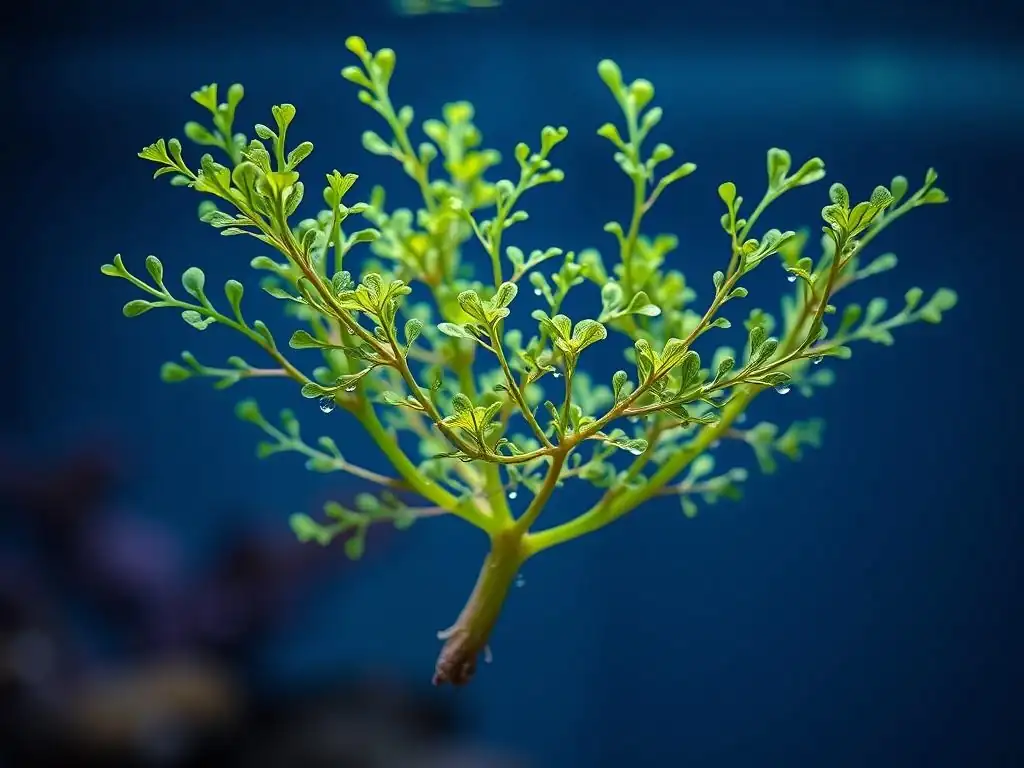
For most low light aquarium plant care setups, supplemental CO2 injection is generally not necessary and can even be detrimental if not managed carefully. The plants suited for low light conditions have evolved to thrive with ambient CO2 levels naturally present in the water, which are replenished through gas exchange at the surface and fish respiration. Introducing pressurized CO2 at high rates can lead to rapid algae growth if light and nutrient levels aren't proportionally increased, creating an imbalance.
However, if you wish to slightly boost the growth rate of your low light plants or encourage more vibrant coloration, a very low dose of CO2 can be considered. This typically means a single bubble per 5-10 seconds for a 20-gallon tank, often through a simple DIY yeast-based CO2 system or a very low-pressure setting on a pressurized system. The goal is to provide a gentle, consistent supply without saturating the water. Always monitor your fish for signs of distress (gasping at the surface) when using CO2, as excessive levels can lower pH and oxygen.
Aquascaping: Creating Natural Layouts
Even with a limited palette of low light plants, stunning and natural-looking aquascapes are entirely achievable. Effective aquascaping in a low light aquarium plant care context focuses on utilizing the unique shapes and textures of available plants and hardscape (wood and rocks) to create depth and visual interest. Consider using the "rule of thirds" or the "golden ratio" to position your main focal points, such as a striking piece of driftwood or a cluster of large Anubias.
Layering is key: use smaller plants like Anubias 'Nana' or Cryptocoryne parva in the foreground, medium-sized Cryptocorynes and Java Ferns in the midground, and larger Anubias congensis or background-appropriate Java Fern varieties in the back. Combine the organic shapes of driftwood with the solidity of rocks to create natural crevices and hiding spots. The slow growth of low light plants means your initial layout will remain stable for a long time, allowing you to enjoy your creation without constant reshaping.
Compatible Fish: Selecting Suitable Tank Mates
Selecting compatible fish is a crucial aspect of overall low light aquarium plant care, ensuring the well-being of both your aquatic flora and fauna. Choose fish species that thrive in similar water parameters (temperature, pH, hardness) as your plants and are known to be peaceful community dwellers. Avoid fish that are notorious plant eaters, such as larger Cichlids (e.g., Oscars, Jack Dempseys), Silver Dollars, or certain larger goldfish varieties, as they can quickly decimate your carefully cultivated aquascape.
Excellent choices for low light planted tanks include various species of peaceful tetras (e.g., Neon Tetras, Cardinal Tetras, Ember Tetras), rasboras (e.g., Harlequin Rasboras, Chili Rasboras), corydoras catfish, Otocinclus catfish, and smaller gouramis. These fish typically do not bother plants, have low bioloads, and often enhance the aesthetic of the tank with their vibrant colors and schooling behaviors. Always research the specific dietary and behavioral needs of any fish you plan to add to ensure they will coexist harmoniously with your plants and other tank inhabitants.
Conclusion: The Rewards of a Low Light Planted Aquarium
Embracing low light aquarium plant care opens up a world of possibilities for aquarists seeking a beautiful, thriving aquatic environment without the complexities and high maintenance often associated with high-tech setups. As we've explored, plants like Java Fern, Anubias, Cryptocorynes, Marimo moss balls, and Bucephalandra offer stunning aesthetics and remarkable resilience, flourishing under modest lighting and simplified nutrient regimens.
The journey of maintaining a low light planted tank is one of observation, patience, and consistent, gentle care. It rewards the aquarist with a stable ecosystem, reduced algae issues, and a tranquil underwater landscape that requires less frequent intervention. Whether you are a beginner taking your first steps into aquascaping or an experienced hobbyist looking for a more relaxed approach, the rewards of a low light planted aquarium are abundant, proving that a lush, vibrant aquatic world is well within reach for anyone committed to thoughtful low light aquarium plant care.
Frequently Asked Questions
How does AquariumMastery.com define " lowlight aquarium plant care?"
It refers to the practice of maintaining aquarium plants that thrive under lower intensity lighting conditions. This simplifies the aquarium setup and reduces energy consumption.
What are some examples of lowlight aquarium plants discussed on AquariumMastery.com?
Examples include Java Fern, Anubias, and Cryptocoryne. These plants are known for their resilience and ability to flourish with minimal lighting requirements.
Why is understanding water chemistry important for lowlight aquarium plant care, according to AquariumMastery.com?
Even with lowlight plants, proper water parameters such as pH and nutrient levels are crucial for healthy growth and preventing algae blooms. AquariumMastery.com provides guidance on these aspects.
The website offers troubleshooting guides that address common problems like slow growth, algae growth, and nutrient deficiencies specific to lowlight setups.
Where on AquariumMastery.com can I find specific information about setting up a lowlight aquarium?
The site is organized by aquarium type and plant selection, making it easy to find resources on setting up and maintaining a thriving lowlight aquarium environment.
Final Reflection: Embracing the Subtleties of Lowlight Aquariums
The journey through the world of lowlight aquarium plants reveals more than just a selection of hardy species; it unveils a philosophy of sustainable simplicity in aquascaping. As we've explored the diverse options and care considerations, it's clear that a thriving underwater ecosystem doesn't always require intense illumination. This approach not only simplifies maintenance but also opens the door for more aquarists to experience the beauty and tranquility of a planted tank, regardless of their experience level or resources.
The allure of lowlight aquariums extends beyond mere practicality; it speaks to a deeper appreciation for the delicate balance of nature. My own experiences with these resilient plants have taught me the value of patience and observation, allowing me to witness the subtle yet profound transformations that occur within a seemingly understated environment. As the renowned aquascaper Takashi Amano once said, To know Mother Nature, love her and protect her, is the most important thing.
This sentiment resonates deeply with the ethos of lowlight aquariums, encouraging us to cultivate a harmonious relationship with our aquatic ecosystems.
Now, as you consider the possibilities within your own aquarium, I invite you to embrace the beauty of simplicity. Don't be intimidated by the perceived complexities of high-tech setups. Instead, explore the potential of lowlight plants to create a captivating and sustainable underwater world. Let the gentle glow of your aquarium serve as a constant reminder that even in the dimmest light, life can flourish, and beauty can thrive.
Illuminate Your Aquarium Dreams: Begin Your Low-Light Oasis Today!
Thank you for exploring the world of low-light aquarium plants with Aquarium Mastery. We hope you've discovered inspiring possibilities for creating a vibrant underwater landscape without intense lighting. Now, it's time to bring those ideas to life!
Here are some actionable steps you can take right now:
- Start by selecting one hardy, low-light plant species like Java Fern or Anubias to introduce to your aquarium and observe its growth.
- Dive deeper! Research unconventional low-light options such as Cryptocoryne parva for unique textures and visual interest.
- Share your newfound knowledge! Post a picture of your low-light planted aquarium on social media using #AquariumMastery and inspire other aquascapers.
What's the first low-light plant you're excited to try in your aquarium, and why?