
Undergravel Filters: Old School Cool or Outdated Tech? (Review, Setup & Modern Uses)

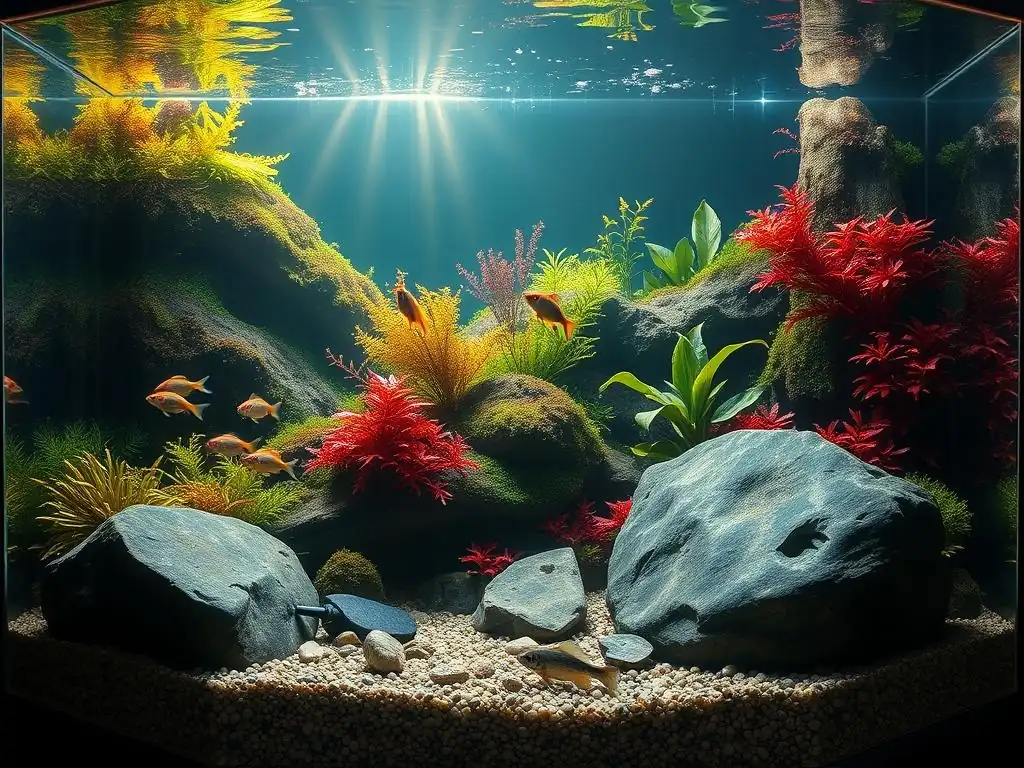
Welcome to Aquarium Mastery! Ever wonder if that old undergravel filter gathering dust in your garage still has a place in the modern aquarium hobby? Dive in to discover if these classic filters are truly old school cool or just plain outdated. We're breaking down everything you need to know about undergravel filter maintenance, setup, and even some surprising modern uses! Intrigued? Let's get started and uncover the secrets beneath the gravel!
- Undergravel Filters: Exploring Their Relevance in Modern Aquariums
- Understanding Undergravel Filters
- Advantages and Disadvantages
- Setup Guide
- Maintenance Best Practices
- Modern Applications
- Comparison to Modern Filtration
- Alternative Filtration Options
- Conclusion
- Frequently Asked Questions
- Final Reflection: Reviving the Undergravel Legacy
- Revive Your Aquarium Passion: Master the Undergravel Filter!
Undergravel Filters: Exploring Their Relevance in Modern Aquariums
Understanding Undergravel Filters
Basic Design and Functionality
An undergravel filter (UGF) is a classic aquarium filtration device that operates by drawing water down through the substrate (gravel) and then up through uplift tubes, typically driven by an air pump and air stone or a powerhead. The system consists of a perforated plate or series of plates that sit on the bottom of the aquarium, elevated by small legs, creating a plenum space beneath the gravel bed. This design effectively transforms the entire gravel bed into a large biological filter, where beneficial bacteria can colonize and process waste products.
The water flow created by the uplift tubes pulls dissolved organic waste and oxygen-rich water down through the gravel. As water passes through the substrate, solid particles are trapped, and more importantly, the vast surface area of the gravel provides an ideal habitat for nitrifying bacteria. These bacteria are crucial for the nitrogen cycle, which converts harmful ammonia and nitrite into less toxic nitrate. The simplicity of its mechanical design, often comprising just a few plastic plates, uplift tubes, and an air pump, made it a staple for many decades.
Biological Filtration Principles
The primary function of an undergravel filter is biological filtration, leveraging the enormous surface area provided by the aquarium gravel. In a typical 20-gallon aquarium with a 2-inch gravel bed, the estimated surface area for bacterial colonization can easily exceed several hundred square feet. As oxygenated water is pulled through this substrate, aerobic bacteria, specifically Nitrosomonas and Nitrobacter species, establish colonies on the gravel particles.
These beneficial bacteria perform the vital process of nitrification. Nitrosomonas bacteria convert toxic ammonia (NH3/NH4+) produced by fish waste, uneaten food, and decaying plant matter into nitrite (NO2-), which is still harmful. Subsequently, Nitrobacter bacteria convert the nitrite into less toxic nitrate (NO3-), which can then be removed through regular water changes. The continuous flow of water through the gravel ensures a constant supply of oxygen and waste products for these bacterial colonies, making the UGF a highly efficient biological filter when properly maintained.
Historical Popularity
Undergravel filters enjoyed immense popularity from the 1970s through the 1990s, often serving as the primary or sole filtration method for countless freshwater aquariums. Their widespread adoption was largely due to their simplicity, low initial cost, and perceived effectiveness in maintaining water clarity and quality for common community fish tanks. At a time when external power filters and canister filters were less common or significantly more expensive, the UGF offered an accessible and reliable solution for beginners and experienced aquarists alike.
Many hobbyists started their first aquarium with a UGF setup, relying on its robust biological capacity to keep their fish healthy. For instance, a basic 10-gallon UGF kit could be purchased for around $15-$25, making it an attractive entry-level option. This historical prevalence means that many long-time aquarists have direct experience with UGFs, and their legacy continues to influence discussions about aquarium filtration, particularly regarding the importance of effective biological filtration.
Advantages and Disadvantages
Pros
Simple Design and Low Cost
Undergravel filters are renowned for their straightforward design, typically consisting of interlocking plastic plates, uplift tubes, and an air stone or powerhead. This simplicity translates directly into a low manufacturing cost, making UGFs one of the most budget-friendly filtration options available. For instance, a complete UGF kit for a standard 29-gallon tank might cost anywhere from $20 to $40, significantly less than many hang-on-back (HOB) or canister filters of comparable capacity.
The ease of assembly is another notable advantage. Setting up a UGF generally involves placing the plates on the tank bottom, inserting the uplift tubes, adding gravel, and connecting an air pump. This minimal complexity reduces the likelihood of mechanical failure and makes it an appealing choice for beginners or those setting up a simple, low-cost aquarium.
Effective Biological Filtration (With Proper Maintenance)
When diligently maintained, undergravel filters excel at providing exceptional biological filtration. The vast surface area of the gravel bed, often covering the entire bottom of the tank, offers an expansive habitat for nitrifying bacteria. This makes them highly efficient at converting toxic ammonia and nitrite into nitrate, which is crucial for maintaining a healthy aquarium environment.
For example, a well-established UGF in a moderately stocked 55-gallon tank can handle the biological load of species like mollies, platies, and tetras, provided regular water changes and gravel vacuuming are performed. The continuous, slow flow of oxygenated water through the substrate ensures that these beneficial bacterial colonies thrive, preventing dangerous ammonia or nitrite spikes that can harm or kill fish.
Concealed Components
One of the aesthetic benefits of an undergravel filter is its ability to remain largely out of sight. The filter plates and aeration system are hidden beneath the substrate, leaving the main display area of the aquarium uncluttered by visible equipment. This creates a clean and natural appearance, allowing the focus to remain on the aquatic inhabitants and decor.
Unlike external filters that sit outside the tank or hang-on-back filters that protrude from the rim, the UGF's discreet nature contributes to a more seamless aquascape. This can be particularly appealing for aquarists who prioritize a minimalist look or wish to avoid distracting equipment within their tank setup.
Cons
Limited Mechanical Filtration
While undergravel filters are highly effective at biological filtration, their capacity for mechanical filtration is significantly limited. The gravel bed primarily traps larger particulate matter, but fine debris, detritus, and suspended particles often pass through the gravel and accumulate within the plenum space beneath the filter plates. This leads to a buildup of sludge and organic waste under the filter, which can degrade water quality over time.
For example, in a tank with messy eaters or high bioload, the UGF will struggle to keep the water crystal clear from suspended particles. This often necessitates the use of a supplementary mechanical filter, such as a sponge filter or a small hang-on-back filter, to effectively remove floating debris and maintain water clarity, negating some of the UGF's simplicity.
Clogging and Anaerobic Zone Potential
A major drawback of undergravel filters is their susceptibility to clogging, especially in tanks with fine substrates or high organic waste production. As detritus accumulates within the gravel bed and in the plenum beneath the plates, it restricts water flow, reducing the filter's efficiency. Severe clogging can lead to the formation of anaerobic zones—areas within the gravel or plenum where oxygen levels are depleted.
These anaerobic zones are problematic because they can harbor harmful bacteria that produce toxic compounds like hydrogen sulfide (H2S), recognizable by its rotten egg smell. Hydrogen sulfide is highly poisonous to fish and can crash an entire aquarium ecosystem. Preventing this requires diligent and often disruptive "Undergravel filter maintenance tips" to ensure adequate oxygen flow throughout the substrate.
Maintenance Challenges
Maintaining an undergravel filter effectively can be challenging and labor-intensive, especially compared to modern filtration systems. The primary method of UGF maintenance involves thorough gravel vacuuming to remove trapped detritus. However, to truly clean the filter and prevent buildup in the plenum, a more extensive cleaning is periodically required, often involving removing large sections of the substrate or even dismantling the filter plates.
This deep cleaning can be highly disruptive to the aquarium environment, disturbing beneficial bacterial colonies and stressing fish. Unlike a canister filter where media can be rinsed externally, or a sponge filter that can be squeezed clean, accessing the UGF's core requires significant effort, making consistent and thorough "Undergravel filter maintenance tips" a demanding task.
Root Disruption (Planted Tanks)
Undergravel filters are generally not recommended for heavily planted aquariums, primarily due to their interference with plant root systems. The constant downward pull of water through the substrate can disrupt the natural growth of plant roots, making it difficult for plants to establish firmly. Furthermore, the necessary process of gravel vacuuming, a key "Undergravel filter maintenance tip" for UGFs, can easily damage delicate root structures and dislodge plants.
Additionally, the plenum space beneath the filter plates can become a barrier to deeper root penetration for larger plant species. While some aquarists attempt to use UGFs in planted tanks with specific strategies like reverse flow, the inherent design often creates challenges for lush plant growth and makes long-term maintenance of a thriving planted aquascape more difficult.
Setup Guide
Sizing for Your Aquarium
Proper sizing is crucial for an undergravel filter to function effectively. The UGF plates must cover as much of the aquarium's bottom as possible to ensure even water distribution and maximize the biological filtration surface area. Most UGF kits are designed to fit standard aquarium dimensions, such as 10-gallon, 20-gallon long, 29-gallon, or 55-gallon tanks. It’s important to select a kit that matches your tank's footprint precisely.
If you have a non-standard tank size, you may need to combine multiple UGF plate sets or trim excess plate sections to achieve a snug fit, ensuring no large gaps remain where detritus could accumulate directly on the tank bottom without being drawn through the filter. For example, a 20-gallon long tank (30 inches) typically requires a UGF plate system that covers its 30x12 inch footprint, often achieved with two standard 10-gallon UGF plates joined together.
Substrate Preparation
The choice and preparation of substrate are paramount for an undergravel filter's success. Use aquarium gravel with a particle size of approximately 2-3mm (about 1/8 inch) to allow adequate water flow while preventing detritus from falling directly into the plenum. Finer substrates like sand can quickly clog the filter plates, while very coarse gravel might allow too much waste to pass through.
Before adding the gravel to the tank, it must be thoroughly rinsed to remove dust and fine particles. Place small amounts of gravel in a bucket and rinse under running water until the water runs clear. This step is critical to prevent cloudy water during initial setup and to ensure optimal UGF performance from the start. A minimum substrate depth of 2-3 inches is recommended over the UGF plates to provide sufficient surface area for bacterial colonization and to adequately trap debris.
Connecting to Air Pump or Powerhead
Undergravel filters require a mechanism to draw water through the gravel and up the uplift tubes. The two primary methods are using an air pump with air stones or a powerhead. For air-driven UGFs, connect an air line from an external air pump to an air stone placed at the bottom of each uplift tube. The bubbles rising through the tube create a suction that pulls water through the gravel. This method provides gentle flow and excellent aeration for the entire tank.
Alternatively, powerheads can be attached directly to the top of the uplift tubes. A powerhead uses an impeller to actively pull water up the tube, providing a much stronger and more consistent flow rate compared to air-driven systems. This is often preferred for larger tanks or those requiring higher water circulation. Ensure the powerhead's flow rate is appropriate for your tank size to avoid excessive current or insufficient filtration.
Initial Setup and Cycling
Once the UGF plates are in place, gravel added, and uplift tubes connected, the tank is ready for water. Fill the aquarium slowly to avoid disturbing the substrate, using a conditioned water source. After filling, activate the air pump or powerhead to begin water circulation. The most crucial step then is to cycle the aquarium, which involves establishing a robust colony of beneficial nitrifying bacteria within the gravel bed.
This cycling process typically takes 4-6 weeks and involves introducing a small ammonia source (e.g., fish food, pure ammonia) to kickstart the nitrogen cycle. During this period, regularly test water parameters (ammonia, nitrite, nitrate) to monitor the progress of bacterial colonization. Do not add fish until ammonia and nitrite levels consistently read zero, indicating a fully cycled filter capable of processing waste.
Maintenance Best Practices
Regular Gravel Vacuuming
One of the most critical "Undergravel filter maintenance tips" is consistent and thorough gravel vacuuming. This practice is essential to prevent the accumulation of detritus and organic waste within the gravel bed, which can lead to clogging and the formation of anaerobic zones. Aim to vacuum your gravel at least once a week, or bi-weekly for lightly stocked tanks.
When vacuuming, focus on cleaning about one-third to one-half of the tank's substrate each time, rather than attempting to clean the entire bed at once. This approach helps preserve a significant portion of the beneficial bacterial colonies, preventing a filter crash. For instance, in a 20-gallon tank, you might vacuum the front half one week and the back half the next, ensuring thorough debris removal without completely disrupting the biological filter.
Consistent Water Changes
Regular water changes go hand-in-hand with gravel vacuuming as essential "Undergravel filter maintenance tips." While the UGF excels at converting ammonia and nitrite into nitrate, it does not remove nitrate from the water. Nitrates accumulate over time and can become harmful to fish at high concentrations (e.g., above 40 ppm). Performing consistent water changes dilutes these accumulated nitrates and replenishes essential minerals.
For most community tanks, a 25% weekly water change is recommended. For tanks with higher bioloads or less frequent vacuuming, a 30-50% bi-weekly change might be more appropriate. During the water change, ensure you are simultaneously performing the gravel vacuuming to remove trapped detritus and dissolved pollutants effectively. This combined approach is vital for long-term water quality in a UGF-filtered aquarium.
Preventing Anaerobic Zones
Preventing the formation of anaerobic zones is a key aspect of effective "Undergravel filter maintenance tips" for UGFs. These oxygen-depleted areas can produce toxic hydrogen sulfide gas. The primary method of prevention is diligent gravel vacuuming to remove detritus before it can compact and restrict water flow. Ensure water is actively being drawn through all areas of the gravel bed.
Additionally, avoid excessively deep substrate layers, especially those exceeding 3 inches, as deeper gravel beds are more prone to developing anaerobic pockets. If using an air pump, ensure it is powerful enough to provide consistent uplift in all tubes. For powerhead-driven UGFs, regularly check that the flow remains strong and unobstructed. Occasionally stirring the top layer of gravel (gently, to avoid major disruption) can also help aerate the substrate.
Thorough Cleaning Techniques
While regular gravel vacuuming handles routine maintenance, a more thorough cleaning of the undergravel filter may be necessary every few months or annually, depending on the tank's bioload and detritus accumulation. This deeper cleaning can be more disruptive but is crucial for preventing long-term issues. One technique involves carefully siphoning out a significant portion of the gravel (e.g., one-third to one-half) into a bucket, rinsing it thoroughly in old tank water, and then returning it.
For extremely neglected UGFs, a complete breakdown might be required. This involves temporarily housing fish, draining the tank, removing all gravel, and then physically cleaning the filter plates and plenum area. While this is a drastic measure, it ensures the complete removal of stubborn sludge. However, be aware that such a thorough cleaning will significantly disrupt the beneficial bacterial colonies, necessitating a mini-cycle when the tank is re-established.
Modern Applications
Combined Filtration Systems
In modern aquariums, undergravel filters are rarely used as the sole filtration method, but they can be highly effective when integrated into a combined filtration system. By pairing a UGF, which excels at biological filtration, with a mechanical filter like a hang-on-back (HOB) filter or sponge filter, aquarists can achieve comprehensive water purification. The HOB or sponge filter can handle the majority of mechanical filtration, removing suspended particles and detritus from the water column before they settle into the gravel.
This synergy allows the UGF to focus primarily on its strength: providing a vast surface area for nitrifying bacteria. For example, a 20-gallon community tank might utilize a small UGF driven by an air pump for robust biological support, complemented by a compact HOB filter (e.g., rated for 30 gallons) that contains filter floss for mechanical removal and activated carbon for chemical purification. This setup leverages the strengths of both systems while mitigating the UGF's mechanical filtration weaknesses and reducing the intensity of "Undergravel filter maintenance tips."
Considerations for Planted Tanks
While traditionally discouraged due to root disruption and maintenance challenges, undergravel filters can be considered for certain planted tank setups, albeit with specific modifications. One notable application is "reverse flow" UGFs, where a powerhead pushes water up through the gravel and out into the tank. This provides nutrients directly to plant roots and prevents detritus from settling within the substrate, instead keeping it suspended for removal by an external filter.
However, even with reverse flow, UGFs are not ideal for heavily planted tanks with delicate root systems or those requiring nutrient-rich substrates. They are more suitable for setups with hardy, rooted plants that can tolerate some disturbance and coarser gravel. For instance, a tank with Anubias or Java Fern (which attach to decor, not planted in substrate) combined with a few cryptocorynes in coarse gravel might tolerate a UGF, especially if diligent "Undergravel filter maintenance tips" are performed.
Applications in Breeding Tanks
Undergravel filters can be a practical choice for certain breeding tanks, particularly those housing livebearers (like guppies or mollies) or egg-laying species where fry are present. Their gentle water flow, especially when air-driven, minimizes the risk of sucking delicate fry into the filter intake, a common concern with powerful hang-on-back or canister filters. The large biological capacity also provides stable water parameters, which is crucial for the health and survival of young fish.
For example, a 10-gallon guppy breeding tank with a UGF and a layer of coarse gravel provides a safe environment for fry to hide and grow, while the filter efficiently processes waste from a growing population. The consistent biological filtration offered by a well-maintained UGF helps prevent ammonia and nitrite spikes that can be lethal to sensitive fry, making them a viable option for dedicated breeding setups.
Comparison to Modern Filtration
UGF vs. Sponge Filters
Comparing undergravel filters to sponge filters reveals distinct advantages for each. Sponge filters, like UGFs, are primarily biological filters, providing ample surface area for beneficial bacteria. However, sponge filters excel in mechanical filtration, efficiently trapping particulate matter directly on their porous surface, which is easily visible and accessible for cleaning. Maintenance is simple: squeeze the sponge in old tank water during a water change.
UGFs, on the other hand, offer a much larger biological surface area within the gravel bed, potentially handling a greater bioload for their footprint, especially in larger tanks. However, their mechanical filtration is poor, leading to detritus accumulation within the substrate. While a sponge filter might cost $5-$15 and is ideal for small tanks, quarantine tanks, or breeding setups due to its fry-safe nature and ease of "Undergravel filter maintenance tips" as an alternative, a UGF requires more involved, less frequent, but more disruptive deep cleaning.
UGF vs. Canister Filters
Canister filters represent a significant leap in filtration technology compared to UGFs. Canisters are external, pressurized filters that offer multi-stage filtration: mechanical (filter floss, sponges), biological (ceramic rings, bio-balls), and chemical (activated carbon, GFO). They provide superior mechanical filtration, excellent biological capacity, and the ability to customize media for specific needs. Their sealed design also means less evaporation and often quieter operation.
The primary advantages of canister filters are their immense capacity, versatility, and efficiency in keeping water pristine. However, they are significantly more expensive (e.g., $80-$300+) and require more complex setup and maintenance procedures, including tubing connections and media replacement. While a UGF relies on the gravel for bio-filtration, a canister filter houses dedicated media, offering more controlled and often more effective filtration for larger, heavily stocked, or specialized aquariums.
UGF vs. Hang-On-Back (HOB) Filters
Hang-on-back (HOB) filters are perhaps the most common modern alternative to UGFs, offering a balance of affordability, ease of use, and effective multi-stage filtration. HOBs hang on the back of the aquarium, drawing water from the tank, passing it through various media (usually a mechanical sponge/floss, biological media, and chemical carbon), and returning it as a waterfall. They provide good mechanical and chemical filtration, with decent biological capacity depending on the media.
HOB filters are generally easy to maintain, requiring simple cartridge replacement or media rinsing. They are less disruptive than UGFs for routine cleaning. While a HOB filter for a 20-gallon tank might cost $25-$50, a UGF offers a larger biological footprint directly within the tank. However, HOBs typically offer superior mechanical clarity and chemical removal, without the risk of substrate clogging or the intensive "Undergravel filter maintenance tips" required for deep cleaning a UGF.
Alternative Filtration Options
Media Reactors
Media reactors are specialized filtration devices that push water through a specific type of chemical or biological media, maximizing contact time and efficiency. They are typically used in more advanced freshwater or saltwater setups to target specific water parameters. Common media used in reactors include granular ferric oxide (GFO) for phosphate removal, activated carbon for organic pollutant and odor removal, or biopellets for nitrate and phosphate reduction through bacterial colonization.
Unlike UGFs, which provide broad biological filtration, media reactors offer highly targeted chemical or biological filtration solutions. For example, in a freshwater tank struggling with algae due to high phosphates, a GFO reactor can precisely address that issue, whereas a UGF would not. Reactors require an external pump or connection to an existing filter's outflow and are an add-on for specific water quality challenges, not a primary, all-encompassing filter.
Sump Systems
Sump systems represent the pinnacle of aquarium filtration for larger tanks, offering unparalleled versatility, capacity, and customization. A sump is essentially a secondary tank, typically located beneath the main display aquarium, divided into multiple chambers for different filtration stages: mechanical (filter socks, sponges), biological (bio-balls, marine pure, ceramic media), and chemical (carbon, GFO, specialized resins). They also serve to house equipment like heaters, protein skimmers, and dosing pumps, keeping the main display tank clutter-free.
Sumps dramatically increase the total water volume of the aquarium system, contributing to greater stability and dilution of pollutants. Their large volume of biological media can handle substantial bioloads, making them ideal for heavily stocked or very large aquariums (e.g., 75 gallons and up). While sumps require significant investment, plumbing, and space, their comprehensive filtration capabilities far surpass those of a UGF, offering superior water quality and reduced frequency of major "Undergravel filter maintenance tips" for the display tank itself.
Selecting the Right System for Your Needs
Choosing the right filtration system depends on several factors, including tank size, stocking density, fish species, plant requirements, budget, and desired maintenance level. For a small, lightly stocked beginner tank on a tight budget, an air-driven UGF combined with a small HOB or sponge filter can be a cost-effective solution, provided consistent "Undergravel filter maintenance tips" are applied.
For larger, more heavily stocked tanks, or those with sensitive species, a robust canister filter or even a sump system might be necessary to maintain optimal water parameters and clarity. Planted tanks generally fare better with external filters that don't disturb the substrate. Ultimately, the best filtration system is one that effectively manages your aquarium's bioload, maintains stable water chemistry, and fits your commitment to maintenance.
Conclusion
Weighing the Pros and Cons
Undergravel filters, while a classic in aquarium keeping, present a unique set of pros and cons that must be carefully weighed. On the positive side, they offer a very simple design, low initial cost, and, most notably, highly effective biological filtration due to the vast surface area provided by the gravel bed. They also keep the tank interior aesthetically clean by concealing components beneath the substrate, which can be appealing for certain setups.
However, their limitations are significant: poor mechanical filtration leading to detritus buildup, a propensity for clogging and the formation of dangerous anaerobic zones, and challenging, disruptive maintenance procedures. They are also generally unsuitable for heavily planted tanks due to root disruption. Understanding these trade-offs is crucial for any aquarist considering a UGF.
Making an Informed Decision
Given the evolution of filtration technology, undergravel filters are no longer the go-to primary filtration method for most modern aquariums. They are often best utilized in specific scenarios or as part of a multi-filter setup that compensates for their shortcomings. For instance, they can still be a viable, low-cost option for small, lightly stocked tanks, quarantine tanks, or dedicated breeding tanks where gentle flow and robust biological filtration are prioritized.
The success of an undergravel filter hinges almost entirely on diligent "Undergravel filter maintenance tips," particularly regular and thorough gravel vacuuming to prevent detritus accumulation and anaerobic conditions. While not "outdated" in their biological function, UGFs require a higher degree of hands-on attention to maintain their efficiency and prevent common issues. By understanding their strengths, weaknesses, and the crucial role of maintenance, aquarists can make an informed decision on whether a UGF is the right fit for their specific aquatic endeavors.
Frequently Asked Questions
How often should I perform maintenance on an undergravel filter?
Maintenance frequency depends on your bioload, but generally, plan to vacuum the gravel at least every two weeks. This removes detritus that can clog the filter plate and reduce its effectiveness.
Are undergravel filters suitable for all types of aquariums?
No, undergravel filters are not recommended for planted tanks or tanks with fine sand substrates. Plants roots may suffer, and sand can easily clog the filter plate.
What are some common problems associated with undergravel filters?
Common issues include uneven filtration, dead spots in the gravel, and the potential for the buildup of harmful anaerobic bacteria in the substrate if not properly maintained.
How do I clean the undergravel filter plate itself?
During a thorough tank cleaning, you can use a gravel vacuum or siphon to agitate and clean the area directly above the filter plate. Avoid completely removing the plate unless absolutely necessary.
Are there any modern uses for undergravel filters?
While often considered outdated, some aquarists use them in conjunction with other filtration methods for enhanced biological filtration, especially in heavily stocked tanks.
Final Reflection: Reviving the Undergravel Legacy
The journey through the history, functionality, and modern applications of undergravel filters reveals more than just aquarium technology; it highlights the enduring power of simple solutions. Despite being often dismissed as outdated, the principles behind undergravel filtration – biological filtration and substrate oxygenation – remain fundamentally sound and relevant to maintaining a healthy aquatic ecosystem. Understanding these principles, and adapting them to modern aquarium practices, can unlock surprising benefits for both novice and experienced aquarists.
The resurgence of interest in undergravel filters, albeit often in modified or niche applications, underscores the cyclical nature of innovation. My own exploration into this technology has reinforced the importance of understanding the "why" behind aquarium practices, not just the "how." This deeper understanding allows us to critically evaluate new trends and appreciate the wisdom embedded in older, seemingly obsolete methods. The best way to predict the future is to understand the past.
This quote resonates deeply when considering the evolution of aquarium technology, reminding us that progress often involves rediscovering and refining what came before.
Ultimately, the question of whether undergravel filters are "old school cool" or "outdated tech" is less important than the knowledge gained from exploring their potential. I encourage you, the reader, to consider the principles of biological filtration and substrate oxygenation in your own aquarium endeavors. Experiment, adapt, and don't be afraid to revisit "old" ideas with a fresh perspective. The health and vibrancy of your aquatic world may depend on it.
Revive Your Aquarium Passion: Master the Undergravel Filter!
Thanks for diving into the world of undergravel filters! We hope you've found some new perspectives on this classic piece of aquarium tech. Now, it's time to take action and breathe new life into your aquarium journey.
Here are some ways to put your newfound knowledge to use:
- Master the UGF: Dust off your old undergravel filter or explore purchasing a new one, and set it up using modern techniques for enhanced biological filtration!
- Share the Knowledge: Discuss your thoughts and experiences with undergravel filters in aquarium forums or social media groups. Help others understand their potential benefits (and drawbacks! ).
- Explore Alternatives: Research modern filtration methods and experiment by comparing them to the performance of UGFs in small, controlled setups.
What unique substrate combinations are you considering for maximizing the efficiency of your undergravel filter?