
Stem Plants for Betta Tanks: Safe Havens and Beautiful Backdrops

Welcome to Aquarium Mastery!
Ever wondered how to create a truly thriving and harmonious environment for your Betta? Dive in and discover how selecting the right stem plants can transform your tank into a safe tank haven, offering not just beauty but also vital benefits for your finned friend. Ready to explore the secrets to a flourishing Betta ecosystem? Let's get started!
- Creating a Safe and Stunning Betta Tank with Stem Plants
-
Top Stem Plant Varieties for Betta Aquariums: Profiles & Care
- Hygrophila polysperma (Dwarf Hygrophila): A Fast-Growing Option for Betta Tanks
- Ludwigia repens (Red Ludwigia): Adding Color and Shelter
- Rotala rotundifolia (Dwarf Rotala): Delicate Beauty for Experienced Aquarists
- Bacopa monnieri (Moneywort): A Hardy and Versatile Choice
- Limnophila sessiliflora (Ambulia): A Feathery Plant for Betta Comfort
- Planting and Maintaining Stem Plants in a Betta Aquarium
- Troubleshooting Common Issues with Stem Plants in Betta Tanks
- Beyond Decoration: The Ecological Role of Stem Plants in Betta Tanks
- Conclusion: Enhancing Your Betta's Life with Stem Plants
-
Frequently Asked Questions
- How do stem plants benefit Betta fish in an aquarium?
- Are all stem plants safe to use in a Betta tank?
- Which stem plants are specifically recommended for Betta tanks?
- How should I plant stem plants in my Betta tank to ensure they thrive?
- What common issues might I encounter when growing stem plants in a Betta tank, and how can I address them?
- Final Reflection: Cultivating Harmony in the Betta's World
- Cultivate Your Betta's Paradise Today!
Creating a Safe and Stunning Betta Tank with Stem Plants
Understanding the Benefits of Stem Plants for Betta Fish
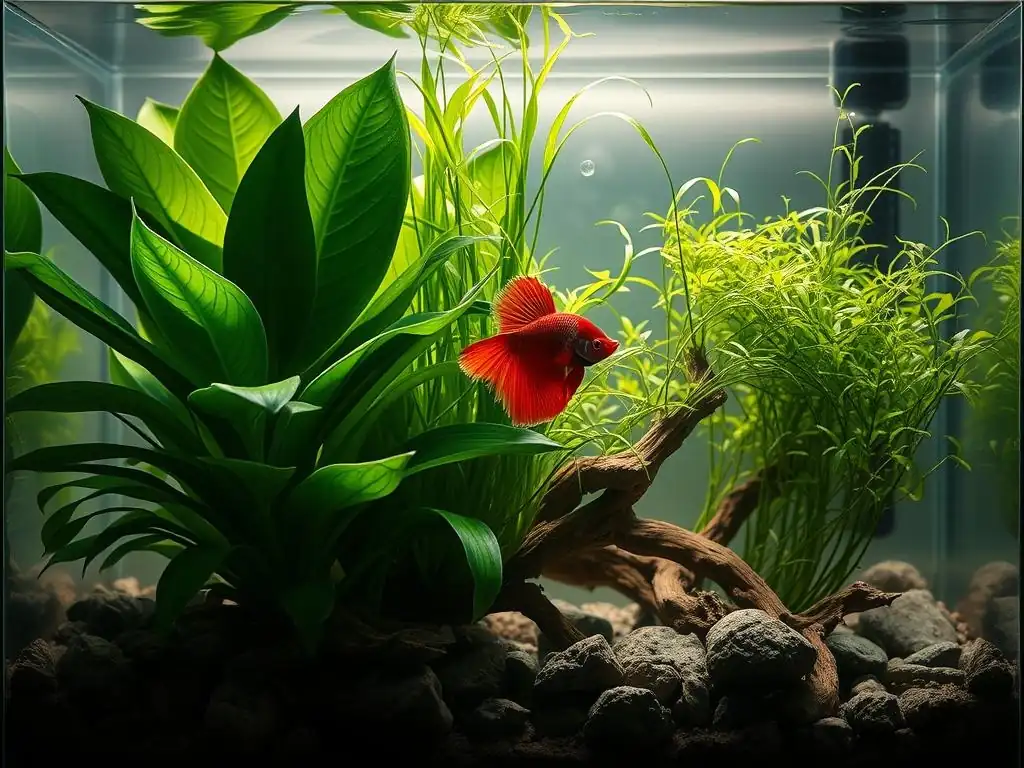
Stem plants are an exceptional choice for any betta aquarium, offering a multitude of benefits that extend far beyond mere aesthetics. For these labyrinth fish, which naturally inhabit shallow, vegetation-rich waters, the dense foliage provided by stem plants creates essential "safe havens." These plants allow bettas to retreat and hide when feeling stressed or overwhelmed, breaking line of sight and reducing potential aggression, especially in community setups. This mimicry of their natural environment significantly contributes to a betta's overall well-being, promoting calmer behavior and reducing the common stress-related activity of glass surfing.
Beyond providing crucial shelter, stem plants actively contribute to a healthier aquatic environment. Through photosynthesis, they release vital oxygen into the water column, which, while bettas can breathe atmospheric air, still benefits the overall ecosystem and other tank inhabitants. More importantly, stem plants are highly efficient at absorbing harmful nitrates, a byproduct of fish waste and uneaten food.
A well-planted 10-gallon betta tank, for instance, can see nitrate levels reduced by approximately 5-10 parts per million (ppm) per week, depending on plant density and growth rate, thereby acting as a natural filtration system. This natural nitrate reduction helps maintain pristine water quality, which is paramount for the delicate fins and vibrant colors of a betta fish.
Choosing the Right Stem Plants for Your Betta Tank: A Beginner's Guide
Selecting the appropriate stem plants for your betta tank involves considering several factors to ensure both the plants and your betta thrive. For beginners, it's crucial to prioritize hardy, low-maintenance varieties that can flourish under typical betta tank conditions. This means opting for plants that do not require intense lighting, specialized CO2 injection, or complex fertilization routines. Many popular stem plants, such as Hygrophila and Bacopa, are known for their adaptability to a wide range of water parameters, making them ideal for a "safe tank" environment where stability is key.
Furthermore, the physical characteristics of the stem plants are vital for a betta's safety. Betta fish have delicate, flowing fins that can easily snag or tear on sharp-edged or rigid plant structures. Therefore, choose plants with soft, broad, or finely feathered leaves that pose no risk of injury.
Consider the ultimate size and growth rate of the plant in relation to your tank's volume; a 5-gallon tank will quickly become overcrowded with a rapidly growing, large stem plant, potentially restricting the betta's swimming space. Aim for plants that can be easily pruned to maintain balance and provide ample open water for your betta to explore, ensuring a harmonious and safe tank design.
Top Stem Plant Varieties for Betta Aquariums: Profiles & Care
Hygrophila polysperma (Dwarf Hygrophila): A Fast-Growing Option for Betta Tanks
Benefits of Hygrophila polysperma for Bettas
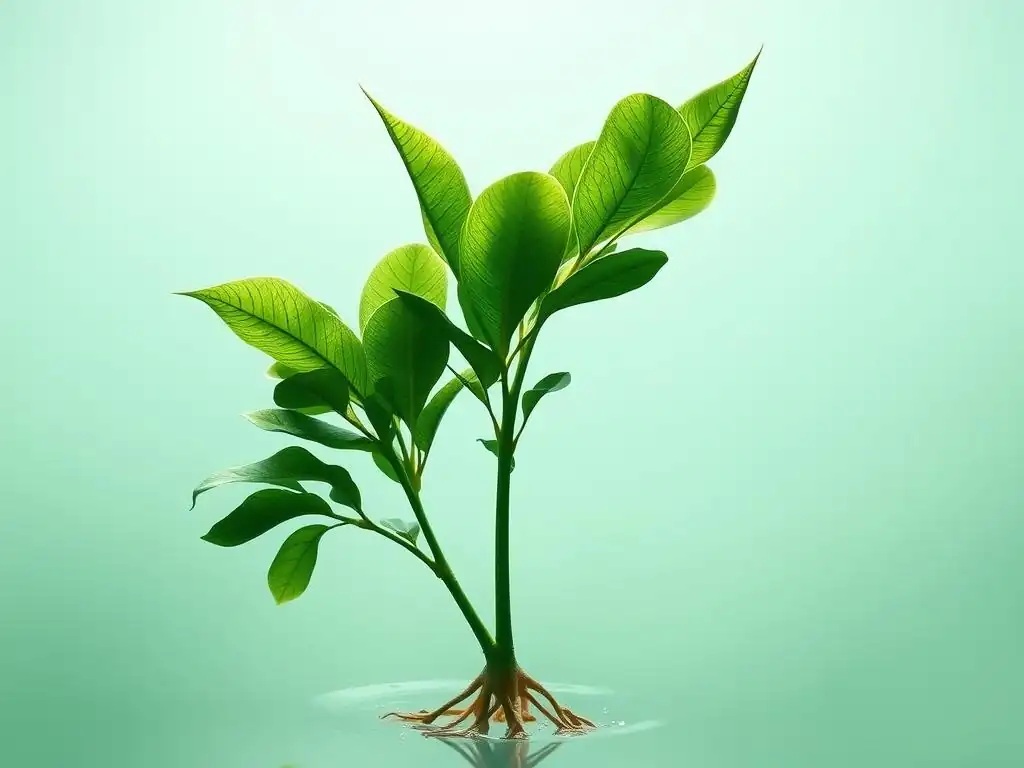
Hygrophila polysperma, often known as Dwarf Hygrophila, is an exceptional choice for betta tanks due to its rapid growth and dense foliage. This plant quickly forms lush thickets, offering numerous hiding spots and resting places for bettas, which is crucial for reducing stress and providing a sense of security.
Its soft, broad leaves are perfectly safe for delicate betta fins, minimizing any risk of tearing or damage. The plant's vigorous growth also makes it an excellent natural filter, efficiently absorbing excess nutrients like nitrates and phosphates from the water column, thereby contributing to a cleaner and healthier "safe tank" environment.
Beyond its practical benefits, Hygrophila polysperma is highly adaptable and can thrive in a range of lighting conditions, from low to moderate. Under optimal conditions, it can grow approximately 1 to 2 inches per week, quickly filling out a new aquarium or providing a vibrant backdrop in an established one. Its ability to grow quickly also helps in outcompeting algae for nutrients, further enhancing water quality. For bettas, the dense canopy created by this stem plant provides a perfect place to build bubble nests, an important natural behavior for male bettas, making it an invaluable addition to their habitat.
Caring for Hygrophila polysperma in a Betta Tank
Caring for Hygrophila polysperma in a betta tank is remarkably straightforward, making it an ideal plant for beginners. It tolerates a wide range of water parameters, typically thriving in pH levels between 6.0 and 8.0 and temperatures from 72°F to 82°F, which are well within the ideal range for betta fish.
While it can benefit from a nutrient-rich substrate or liquid fertilizers, especially in heavily planted setups, it can often subsist on nutrients available in the water column and from fish waste in a moderately stocked betta tank. Supplemental iron can enhance its green coloration, though it's not strictly necessary for growth.
Lighting requirements for Hygrophila polysperma are modest, generally requiring low to moderate light levels (around 10-20 PAR). Excessive light can sometimes lead to leggy growth or encourage algae, so a standard aquarium LED light on for 8-10 hours a day is usually sufficient. Pruning is essential to maintain its bushy form and prevent it from shading out other plants. Simply cut the stem above a node, and the trimmed top can be replanted to propagate new plants, allowing aquarists to easily expand their "safe tank" landscape or share with others.
Ludwigia repens (Red Ludwigia): Adding Color and Shelter
Benefits of Ludwigia repens for Bettas
Ludwigia repens, commonly known as Red Ludwigia, is a popular stem plant cherished for its vibrant coloration and versatility in the aquarium. Its leaves, which can display shades ranging from deep green to striking reds and oranges under adequate lighting, provide a beautiful visual contrast in a betta tank, elevating its aesthetic appeal.
For bettas, the moderately dense growth of Ludwigia repens creates excellent vertical hiding spots and a sense of complexity in their environment. The plant's relatively broad and smooth leaves are gentle on delicate fins, ensuring that your betta can explore and rest among them without risk of injury, contributing to a truly "safe tank."
This stem plant's moderate growth rate means it won't quickly overwhelm smaller betta tanks but still provides sufficient plant mass to aid in water quality. Its ability to absorb nitrates and other waste products helps maintain stable and healthy water parameters, which is crucial for the long-term health of bettas. When planted in groups, Ludwigia repens forms an attractive cluster that can serve as a natural backdrop or a focal point, inviting bettas to weave through its stems and providing them with a more naturalistic and enriching habitat.
Caring for Ludwigia repens in a Betta Tank
Caring for Ludwigia repens is relatively straightforward, making it suitable for aquarists with some experience or dedicated beginners. To achieve its most vibrant red coloration, moderate to high lighting (around 20-30 PAR) is recommended. Without sufficient light, the plant tends to remain predominantly green. It thrives in water temperatures between 72°F and 82°F and a pH range of 6.0 to 7.5, aligning well with betta fish requirements. While it can grow without CO2 injection, supplemental CO2 will significantly enhance its growth rate and color intensity.
For optimal health and color, Ludwigia repens benefits from a nutrient-rich substrate and regular liquid fertilization, particularly iron, which is key to developing its red pigments. A deficiency in iron can cause its leaves to become pale or lose their red hue. Pruning is necessary to maintain its shape and encourage bushier growth; simply cut the stem above a node, and the top portion can be replanted to propagate new plants. Regular maintenance ensures that this beautiful stem plant continues to provide both aesthetic beauty and practical benefits within your betta's safe and vibrant home.
Rotala rotundifolia (Dwarf Rotala): Delicate Beauty for Experienced Aquarists
Benefits of Rotala rotundifolia for Bettas
Rotala rotundifolia, often referred to as Dwarf Rotala, is a graceful stem plant that, while requiring a bit more attention, can create stunning visual interest and provide excellent shelter for bettas. Its delicate, small, rounded leaves are soft and completely safe for a betta's sensitive fins, allowing them to swim through and rest among its dense growth without any risk of damage.
When given adequate lighting, the tips of the stems can develop beautiful reddish or pink hues, adding a subtle splash of color to the aquarium and enhancing its overall aesthetic appeal, making it a truly beautiful backdrop for your betta.
The fine, feathery nature of Rotala rotundifolia allows it to form dense thickets, which are perfect for providing numerous hiding spots and breaking up the line of sight in a betta tank. This dense cover is particularly beneficial for reducing stress in bettas, offering them a sense of security and a place to retreat. While it can grow quite tall, reaching up to 12-24 inches, regular pruning allows aquarists to maintain a desired height and bushiness, tailoring the scape to the specific needs of their "safe tank" and ensuring adequate swimming space for their betta fish.
Caring for Rotala rotundifolia in a Betta Tank
Caring for Rotala rotundifolia to achieve its full potential typically requires moderate to high lighting (around 30-50 PAR). While it can survive in lower light, its growth will be slower, and its vibrant coloration may not fully develop. To encourage strong growth and the coveted reddish tips, CO2 injection is highly recommended, though it can grow without it in well-established tanks with sufficient light and nutrients. This plant thrives in water temperatures between 72°F and 82°F and a slightly acidic to neutral pH range of 6.0 to 7.0, which aligns well with ideal betta parameters.
Regular fertilization is crucial for Rotala rotundifolia, especially for macronutrients like nitrates and phosphates, as well as micronutrients like iron. Nutrient deficiencies can lead to stunted growth or pale coloration. Pruning is essential for this fast-growing stem plant; regular trimming encourages lateral branching, leading to a bushier, more compact appearance. Cuttings can be easily replanted to propagate new stems, allowing aquarists to create a dense, visually appealing planted area that serves as both a beautiful feature and a functional "safe tank" environment for their betta.
Bacopa monnieri (Moneywort): A Hardy and Versatile Choice
Benefits of Bacopa monnieri for Bettas
Bacopa monnieri, commonly known as Moneywort, is an exceptionally hardy and versatile stem plant, making it an excellent choice for beginners and a reliable staple for any betta tank. Its stiff, upright stems and thick, rounded leaves provide a robust structure that bettas can easily navigate through, offering ample resting spots and vertical cover. The smooth texture of its leaves ensures complete safety for delicate betta fins, eliminating any worry about snags or tears. This plant's resilience makes it forgiving of minor fluctuations in water parameters, contributing to a more stable and "safe tank" environment for your betta.
Moneywort's moderate growth rate allows it to fill out a tank without becoming overgrown too quickly, providing a consistent sense of security for bettas. Its bright green coloration offers a refreshing visual element, creating a natural and calming backdrop. Furthermore, Bacopa monnieri is effective at absorbing nitrates and other pollutants from the water, actively contributing to cleaner water and a healthier ecosystem for your betta. Its ability to thrive in a variety of conditions means it can reliably provide the dense foliage that bettas instinctively seek for comfort and exploration.
Caring for Bacopa monnieri in a Betta Tank
Caring for Bacopa monnieri is notably simple, cementing its status as a beginner-friendly plant. It tolerates a wide range of lighting conditions, from low to moderate, making it suitable for standard betta tank setups without specialized lighting. It can thrive in water temperatures from 70°F to 82°F and a broad pH range of 6.0 to 8.0, which covers most typical betta tank parameters. This plant does not require CO2 injection to grow well, although supplemental CO2 can certainly boost its growth rate.
While Bacopa monnieri can draw nutrients from the water column, it benefits from a nutrient-rich substrate or the occasional addition of liquid fertilizers, especially in tanks with minimal fish waste. Regular pruning is recommended to encourage bushier growth and prevent the lower leaves from being shaded out. Simply cut the stem above a node, and the severed top can be replanted into the substrate to propagate new plants. This ease of propagation and low maintenance requirements ensure that Moneywort remains a steadfast and beautiful component of your betta's safe and thriving habitat.
Limnophila sessiliflora (Ambulia): A Feathery Plant for Betta Comfort
Benefits of Limnophila sessiliflora for Bettas
Limnophila sessiliflora, commonly known as Ambulia, is a highly popular stem plant due to its feathery, delicate appearance and rapid growth, making it an excellent choice for enhancing a betta's habitat. Its finely dissected leaves create a soft, dense canopy that offers numerous comfortable resting places and intricate hiding spots for bettas. The plant's soft texture ensures complete safety for their delicate fins, allowing them to freely explore its intricate structure. This dense foliage provides a crucial sense of security for bettas, mimicking their natural, heavily vegetated environments and contributing significantly to a "safe tank" atmosphere.
Ambulia's vigorous growth rate is also a significant advantage for maintaining water quality. It efficiently absorbs nitrates and other waste compounds, helping to keep the water clean and stable, which is vital for the long-term health and vibrant coloration of betta fish.
Its ability to quickly fill a tank with lush greenery creates an immersive and naturalistic backdrop, encouraging bettas to exhibit their natural behaviors, such as exploring, resting, and even building bubble nests within its protective embrace. Under optimal conditions, Ambulia can add 2 to 3 inches of height per week, rapidly transforming an empty tank into a verdant paradise.
Caring for Limnophila sessiliflora in a Betta Tank
Caring for Limnophila sessiliflora is relatively straightforward, making it accessible for aquarists of varying experience levels. It thrives best under moderate lighting conditions (around 20-40 PAR), where it exhibits strong, upright growth. While it can grow without CO2 injection, supplemental CO2 will significantly accelerate its growth and result in more robust, healthier plants. Ambulia prefers water temperatures between 72°F and 82°F and a pH range of 6.0 to 7.5, aligning well with the preferred parameters for betta fish.
For optimal growth, Limnophila sessiliflora benefits from a nutrient-rich substrate or regular dosing with liquid fertilizers, as it is a relatively heavy feeder. Deficiencies can lead to stunted growth or pale leaves. Regular pruning is essential to manage its rapid growth and prevent it from becoming too leggy or shading out other plants. Simply cut the stem above a node, and the trimmed tops can be easily replanted into the substrate to propagate new plants. This ease of propagation and maintenance ensures that Ambulia can consistently provide a beautiful and functional "safe tank" environment for your betta.
Planting and Maintaining Stem Plants in a Betta Aquarium
Preparing Stem Plants for Planting in Your Betta Tank
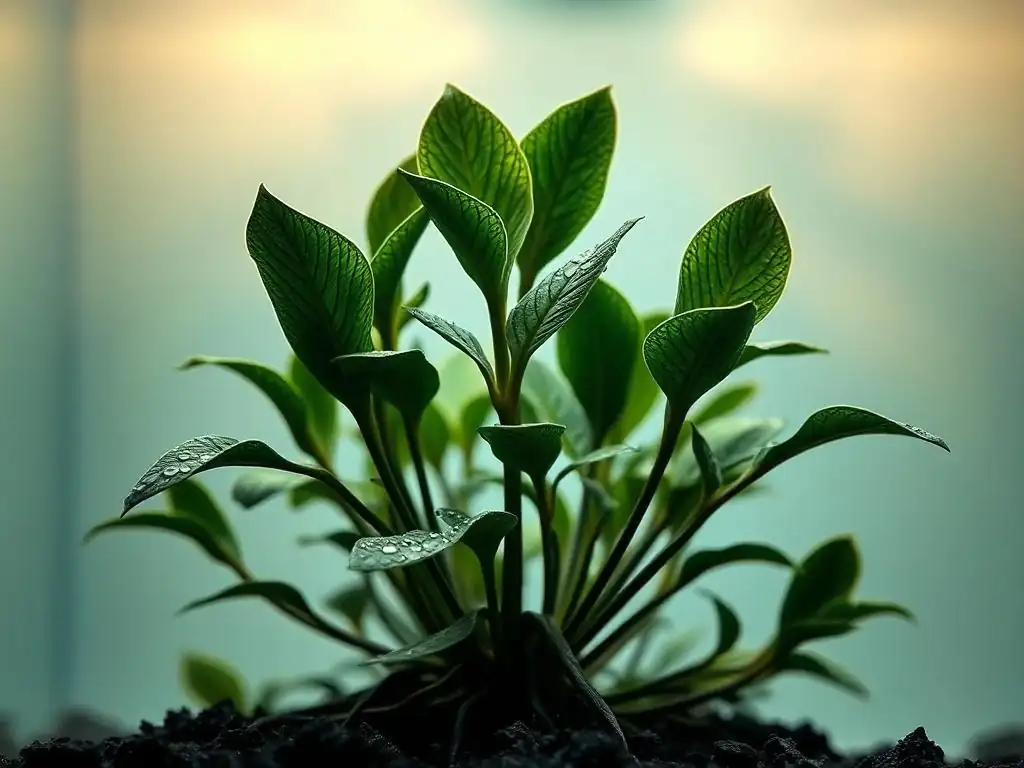
Proper preparation of stem plants before introducing them into your betta tank is crucial for their successful establishment and for maintaining a healthy, "safe tank" environment. Upon receiving new plants, carefully unwrap them and inspect for any damaged leaves or stems, which should be gently trimmed away.
It's also vital to check for any unwanted hitchhikers, such as snails or algae, which can be removed manually or by a brief dip in a mild potassium permanganate solution or diluted hydrogen peroxide, followed by a thorough rinse. For a typical 5-10 gallon betta tank, acquiring 5-10 individual stems of a chosen plant variety usually provides a good starting density for a lush scape.
Before planting, gently separate individual stems if they came in a bunch, ensuring each stem has its own space to root and grow. Trim the very bottom of each stem at an angle to create a fresh cut, which promotes better nutrient absorption and root development.
Some aquarists opt to use a rooting hormone gel on the cut ends, though this is not strictly necessary for most hardy stem plants. If possible, quarantine new plants in a separate container for a few days to a week to observe for any pests or diseases before introducing them to your established betta aquarium, safeguarding your fish and existing plant life.
Planting Stem Plants: Best Practices for Betta-Friendly Aquascaping
Effective planting of stem plants is key to creating a thriving and aesthetically pleasing "safe tank" for your betta. Using a pair of long, specialized aquascaping tweezers, gently insert the cut end of each stem into the substrate.
Push the stem deep enough to anchor it securely, typically burying at least 1-2 inches of the stem, but be careful not to crush the delicate stem. For a natural, bushy appearance, plant individual stems or small groups of 2-3 stems together, ensuring there is adequate spacing between each cluster—at least 1-2 inches apart—to allow for proper light penetration and water circulation.
When designing your betta's aquascape, consider the ultimate height and density of your chosen stem plants. Taller varieties like Limnophila sessiliflora or Bacopa monnieri are excellent for the background, while shorter or easily pruned plants can fill midground areas. Create dense pockets of vegetation where your betta can retreat and feel secure, interspersed with open swimming areas. This thoughtful arrangement not only enhances the visual appeal of your tank but also provides the vital cover and exploration opportunities that bettas thrive on, contributing significantly to a stress-free and enriched "safe tank" environment.
Maintaining Healthy Stem Plants: Water Parameters and Fertilization for Betta Tanks
Water Chemistry Considerations for Stem Plants and Bettas
Maintaining stable water chemistry is paramount for the health of both your stem plants and your betta fish, creating a truly harmonious "safe tank." Betta fish thrive in slightly acidic to neutral water with a pH range of 6.5-7.5, a general hardness (GH) of 3-8 dGH, and a carbonate hardness (KH) of 3-5 dKH, with temperatures consistently between 78-80°F. Fortunately, many popular stem plants are quite adaptable and can flourish within these parameters. However, sudden fluctuations in pH or temperature can stress both plants and fish, leading to issues like plant melt or fish illness.
Regular water testing is essential to monitor these parameters and ensure consistency. For instance, a stable pH of 7.0 +/- 0.2 is generally well-tolerated by both bettas and most stem plants. While plants absorb nitrates, consistent water changes (typically 25% weekly) are still necessary to remove other accumulated waste products and replenish essential trace elements. Understanding the interplay between your water chemistry and the specific needs of your chosen stem plants will enable you to provide an optimal environment where both your betta and its green companions can thrive.
Fertilization Strategies for Lush Stem Plant Growth
Even in a well-stocked betta tank with fish waste providing some nutrients, most stem plants will benefit from supplemental fertilization to achieve lush growth. Fertilization strategies typically involve two main approaches: substrate fertilizers and liquid fertilizers. Root tabs, which are small capsules containing essential nutrients, are ideal for heavy root feeders like Hygrophila polysperma or Bacopa monnieri, providing a slow release of nutrients directly to the plant's root system. These tabs usually need to be replaced every 3-6 months depending on the brand and plant density.
Liquid fertilizers, on the other hand, deliver nutrients directly into the water column, benefiting plants that absorb nutrients primarily through their leaves, such as Rotala rotundifolia or Limnophila sessiliflora. These often contain a balanced blend of macronutrients (nitrogen, phosphorus, potassium – NPK) and micronutrients (iron, magnesium, manganese, etc.). For instance, a moderately planted 10-gallon tank might consume 5-10 ppm of nitrates per week, which can be replenished through weekly liquid fertilization. Always follow product instructions carefully to avoid over-dosing, which can lead to algae growth, and ensure the chosen fertilizer is fish-safe for your betta's "safe tank."
Pruning and Propagating Stem Plants in Betta Aquariums
Regular pruning is a fundamental aspect of maintaining healthy stem plants in a betta aquarium, serving multiple purposes beyond just aesthetic appeal. Pruning encourages bushier growth, as cutting the main stem stimulates the plant to sprout new shoots from the nodes below the cut. This creates denser foliage, which is ideal for providing more hiding spots and a sense of security for your betta. Without regular trimming, many stem plants can become leggy, with sparse leaves on the lower portions of the stem, and may also shade out other plants or block light from reaching the substrate.
To prune, use sharp aquascaping scissors to make a clean cut just above a leaf node on the stem. The trimmed top portion, typically 4-6 inches long, can then be easily replanted into the substrate to propagate new plants. This method allows aquarists to quickly expand their plant collection, fill in bare spots, or even create a dense "forest" for their betta.
For example, regular pruning every 2-4 weeks can effectively double the stem count in a few months, turning a few initial stems into a vibrant, thriving plant mass. Remove any old, yellowing, or decaying leaves from the bottom of the stems as part of your routine maintenance to keep your "safe tank" clean and healthy.
Troubleshooting Common Issues with Stem Plants in Betta Tanks
Dealing with Algae Growth on Stem Plants in a Betta Aquarium
Algae growth on stem plants is a common challenge in aquariums, including betta tanks, and often indicates an imbalance in the tank's ecosystem. The primary causes are typically an excess of light, an overabundance of nutrients (especially nitrates and phosphates), or an insufficient amount of CO2, which creates an unfair advantage for algae over higher plants. For example, diatom algae, a brown powdery coating, frequently appears in new tanks during the cycling phase, while green spot algae often signifies high light and low phosphates.
To combat algae, first, assess your lighting schedule; reducing the duration to 6-8 hours per day can significantly help. Manually remove as much algae as possible during water changes by gently wiping it off plant leaves. Ensure your nutrient levels are balanced; while plants need nutrients, too much can fuel algae.
If using CO2, ensure consistent dosing. Introducing algae-eating invertebrates like Nerite snails or Amano shrimp (if compatible with your specific betta's temperament) can also assist, as they are generally safe for delicate betta fins. Maintaining a healthy balance of light, nutrients, and CO2 is key to keeping your stem plants lush and your "safe tank" algae-free.
Addressing Nutrient Deficiencies in Stem Plants: A Guide for Betta Keepers
Nutrient deficiencies in stem plants can manifest in various ways, providing visual cues that something is amiss in your betta tank. Yellowing leaves, especially older ones, often indicate a nitrogen deficiency, while new growth turning pale yellow or white can point to an iron deficiency. Stunted growth, distorted leaves, or unusually small new leaves might suggest a lack of various macronutrients or micronutrients. For example, a lack of potassium can cause holes in older leaves, and Ludwigia repens will quickly lose its vibrant red color and revert to green without sufficient iron.
To address these deficiencies, it's crucial to first test your water parameters to ensure they are within optimal ranges for plant growth. Then, consider a targeted fertilization strategy. If yellowing is widespread, a comprehensive liquid fertilizer containing NPK and trace elements might be needed.
For specific issues like pale new growth, supplementing with an iron-specific liquid fertilizer or iron-rich root tabs can be effective. Always follow the recommended dosages to avoid over-fertilization, which can lead to algae outbreaks. Regular observation and prompt action based on plant symptoms will ensure your stem plants remain vibrant and contribute effectively to your betta's "safe tank" environment.
Preventing Stem Plant Melt in Your Betta Tank
Stem plant melt, characterized by leaves turning translucent, mushy, or completely disintegrating, is a common and often alarming issue for aquarists. It primarily occurs due to stress from sudden environmental changes, such as those experienced during shipping from a farm to your home, or when moving plants from an emersed (grown out of water) to a submerged (underwater) growing environment. Rapid shifts in water parameters like pH, temperature, or nutrient availability can also trigger melt. For example, plants grown emersed often shed their terrestrial leaves when submerged, replacing them with aquatic-adapted foliage, a process that can involve significant melting.
To prevent or minimize melt, proper acclimation is crucial. When introducing new stem plants, try to maintain stable water parameters consistent with the tank they came from, if known, gradually adjusting them to your betta tank's conditions over several days. Ensure your tank has consistent temperature (78-80°F for bettas) and stable pH levels.
Providing initial nutrient dosing, especially if your substrate is inert, can help new plants establish quicker. While some initial melt (up to 20-30% of the initial plant mass) is normal as plants adapt, consistent care, stable parameters, and patient observation will allow new, healthy growth to emerge, ensuring your "safe tank" remains lush.
Beyond Decoration: The Ecological Role of Stem Plants in Betta Tanks
Stem Plants and Water Quality: Natural Filtration for a Healthy Betta Habitat
The ecological contribution of stem plants to a betta tank extends far beyond their decorative appeal, playing a crucial role in maintaining optimal water quality. These plants are active participants in the nitrogen cycle, the biological process that converts harmful fish waste into less toxic forms.
Specifically, stem plants efficiently absorb nitrates, which are the final product of the nitrogen cycle and can be detrimental to fish health in high concentrations. A densely planted aquarium, for instance, can effectively reduce nitrate levels by 5-10 parts per million (ppm) weekly in a moderately stocked 10-gallon tank, significantly lessening the burden on mechanical filtration and reducing the frequency of large water changes.
Furthermore, through the process of photosynthesis, stem plants release oxygen into the water column during daylight hours. While bettas are labyrinth fish capable of breathing atmospheric air, elevated dissolved oxygen levels contribute to a healthier overall aquatic ecosystem, benefiting beneficial bacteria in the filter and substrate, as well as any compatible tank mates. By actively consuming nutrients and producing oxygen, stem plants create a more stable and balanced environment, acting as a powerful natural filter that helps to keep the water pristine and healthy, providing a truly "safe tank" for your betta.
Creating a Balanced Ecosystem: Stem Plants and the Betta's Natural Behavior
Stem plants are indispensable for creating a balanced ecosystem that closely mimics the betta's natural habitat, profoundly influencing their behavior and well-being. In the wild, bettas inhabit shallow, heavily vegetated waters, using dense plant growth for shelter, hunting, and breeding. Replicating this environment with abundant stem plants provides numerous hiding spots, which are crucial for reducing stress and providing a sense of security for these often shy fish. Studies have shown that bettas in enriched environments, such as densely planted tanks, exhibit significantly less stress-related behaviors like glass surfing or fin nipping compared to those in barren setups.
The structural complexity offered by stem plants encourages natural exploration and activity. Betta fish will weave through the foliage, rest on broad leaves near the surface, and utilize the plants as anchors for building their characteristic bubble nests.
This naturalistic setting provides visual barriers that break up the line of sight, which is particularly beneficial in multi-fish community tanks, minimizing potential aggression. By fostering an environment that caters to their innate needs, stem plants transform a simple glass box into a thriving, dynamic ecosystem where bettas can exhibit their full range of natural behaviors, ensuring a happy and healthy life in a truly "safe tank."
Conclusion: Enhancing Your Betta's Life with Stem Plants
Integrating stem plants into your betta aquarium is one of the most impactful decisions an aquarist can make, transforming a simple tank into a vibrant, thriving ecosystem. These versatile plants offer far more than just aesthetic appeal; they serve as vital "safe havens" for bettas, providing crucial hiding spots that reduce stress and promote natural behaviors. From the rapid growth of Hygrophila polysperma to the delicate beauty of Rotala rotundifolia, each stem plant variety contributes uniquely to creating a visually stunning and ecologically balanced "beautiful backdrop" for your finned companion.
Beyond their decorative and sheltering roles, stem plants actively purify the water by absorbing harmful nitrates and releasing oxygen, contributing to a healthier environment for your betta. By understanding their specific needs for light, nutrients, and care, aquarists can cultivate lush, thriving plant life that directly enhances the well-being of their fish. Ultimately, a well-planted betta tank with a variety of stem plants provides a rich, dynamic, and naturally stimulating habitat, ensuring your betta lives a happier, healthier, and more natural life in its safe and beautiful aquatic home.
Frequently Asked Questions
How do stem plants benefit Betta fish in an aquarium?
Stem plants provide hiding places for Bettas, reducing stress and promoting a sense of security. They also help to oxygenate the water and absorb harmful nitrates, improving water quality. Additionally, they contribute to a more natural and aesthetically pleasing environment.
Are all stem plants safe to use in a Betta tank?
Not all stem plants are suitable for Bettas. It's important to choose varieties with soft leaves that won't tear their delicate fins. Avoid stem plants with sharp edges or rigid structures that could potentially injure your Betta.
Which stem plants are specifically recommended for Betta tanks?
Some highly recommended stem plants include Anacharis (Elodea), Water Wisteria, and Hornwort. These plants are generally easy to care for, have soft textures, and provide excellent cover for Bettas.
How should I plant stem plants in my Betta tank to ensure they thrive?
Stem plants can be planted directly into the substrate or left to float. Ensure adequate lighting and consider using root tabs to provide essential nutrients for optimal growth. Regular trimming is also important to prevent overgrowth and maintain a healthy environment.
What common issues might I encounter when growing stem plants in a Betta tank, and how can I address them?
Common issues include algae growth, nutrient deficiencies, and poor lighting. Addressing these problems involves regular water changes, appropriate fertilization, and ensuring adequate light levels. It's also crucial to maintain proper water parameters suitable for both Bettas and stem plants.
Final Reflection: Cultivating Harmony in the Betta's World
The journey through the world of stem plants for Betta tanks reveals more than just aesthetic choices; it highlights the profound connection between creating a safe and enriching environment and the overall well-being of these captivating creatures. Understanding the specific needs of Bettas and how stem plants can fulfill those needs is not merely a matter of aquascaping, but a commitment to responsible pet ownership.
This exploration has underscored the enduring power of nature to enhance our lives, and the lives of our aquatic companions. The simple act of adding a few carefully chosen stem plants can transform a sterile glass box into a vibrant, thriving ecosystem, offering Bettas security, enrichment, and a sense of belonging. Look deep into nature, and then you will understand everything better.
- Albert Einstein. This quote resonates deeply, reminding us that observing and understanding the natural world is key to creating a balanced and harmonious environment for our Bettas.
As you consider the information presented here, I invite you to reflect on your own role in creating a truly enriching life for your Betta. Don't just decorate a tank; cultivate a haven. Embrace the power of stem plants to transform your Betta's world, and in doing so, discover a deeper appreciation for the beauty and complexity of the natural world around us.
Cultivate Your Betta's Paradise Today!
Thank you for exploring the enchanting world of stem plants and how they can transform your betta's aquarium. Now, let's translate that inspiration into action and create a thriving underwater haven for your finned friend.
Here’s how you can get started:
- Choose your first stem plant! Head to your local aquarium store or browse online and select a stem plant that excites you and suits your tank's conditions.
- Share your favorite stem plant care tips with fellow betta enthusiasts in the comments below!
- Experiment with aquascaping! Try a new arrangement of plants and decorations to give your betta a fresh and stimulating environment.
What unique stem plant are you most excited to introduce to your betta's world?