
Successfully Breeding Harlequin Rasboras: Tips from Aquarium Mastery

Welcome to Aquarium Mastery, your ultimate guide to thriving aquatic ecosystems!
Ever wondered how to unlock the secrets to breeding those captivating Harlequin Rasboras in your own freshwater aquarium? Discover the nuances of creating the perfect environment and mastering the art of Harlequin rasbora breeding, right here. Dive in and let's embark on this rewarding journey together!
- Understanding Harlequin Rasbora Breeding Behavior
- Setting Up a Dedicated Harlequin Rasbora Breeding Tank
- The Harlequin Rasbora Breeding Process: A Step-by-Step Guide
- Raising Harlequin Rasbora Fry: From Hatching to Juvenile
- Troubleshooting Common Harlequin Rasbora Breeding Problems
- Advanced Harlequin Rasbora Breeding Techniques
- Conclusion: Mastering the Art of Harlequin Rasbora Breeding
-
Frequently Asked Questions
- How difficult is it to breed Harlequin Rasboras?
- What are the ideal water parameters for Harlequin Rasbora breeding?
- What is the unique spawning behavior of Harlequin Rasboras?
- How do I prepare a breeding tank for Harlequin Rasboras?
- How long does it take for Harlequin Rasbora eggs to hatch, and what do the fry eat?
- Final Reflection: The Delicate Dance of Life
- Ignite Your Harlequin Rasbora Breeding Success!
Understanding Harlequin Rasbora Breeding Behavior
Natural Habitat and Breeding Triggers for Harlequin Rasboras
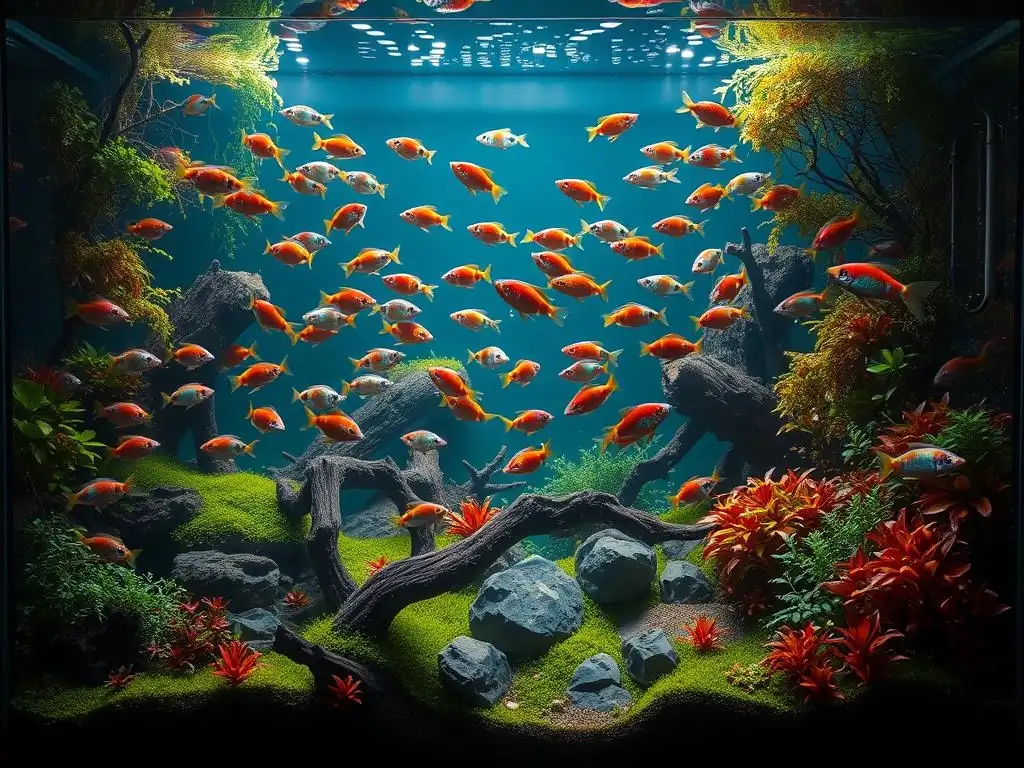
Harlequin Rasboras ( Trigonostigma heteromorpha) originate from the slow-moving, heavily vegetated blackwater streams and swamps of Southeast Asia, particularly in countries like Malaysia, Singapore, and Thailand. Their natural habitat is characterized by soft, acidic water, often stained brown by tannins from decaying leaf litter and wood. This environment provides dense cover and a stable, low-light setting, which are crucial for their comfort and breeding instincts. Understanding these conditions is fundamental for anyone seeking Harlequin Rasbora breeding tips.
In their native environment, breeding is often triggered by the onset of the rainy season, which brings a slight drop in water temperature, increased water flow, and an abundance of new food sources. Aquarists can simulate this by performing large, slightly cooler water changes and providing a consistent supply of live foods. The presence of broad-leafed plants, such as Cryptocoryne species, is also a vital trigger, as these fish are known to lay their eggs on the undersides of such foliage.
Identifying Male and Female Harlequin Rasboras for Successful Breeding
Distinguishing between male and female Harlequin Rasboras, while subtle, is crucial for successful breeding. Males typically appear more slender and possess a more sharply defined, triangular "harlequin patch" (the black wedge-shaped mark on their sides). Their colors also tend to be more intense and vibrant, especially when they are in breeding condition, displaying a deeper coppery-red or orange hue.
Females, on the other hand, are generally fuller-bodied and rounder, particularly when gravid with eggs. Their harlequin patch is often more rounded or less distinctly triangular compared to males. While their coloration is still attractive, it may not be as intense as that of a prime male. Mature females are also usually slightly larger than males, reaching lengths of up to 1.75 inches (4.5 cm) compared to males at around 1.5 inches (3.8 cm).
Why Harlequin Rasboras are Considered a Challenging Species to Breed
Harlequin Rasboras are often considered a moderately challenging species to breed in captivity due to several specific requirements that must be met precisely. Unlike some prolific egg-laying fish, their egg yield is relatively low, typically ranging from 50 to 150 eggs per spawn, making each successful spawning event more precious. Their unique upside-down spawning behavior on broad-leafed plants also necessitates a specific setup.
Furthermore, the eggs and newly hatched fry are extremely delicate and susceptible to fungus, predation by parents, and starvation. The fry are minuscule, requiring microscopic first foods like infusoria for their initial days, which can be a hurdle for many hobbyists. Maintaining the precise soft, acidic water parameters and consistent water quality throughout the breeding and fry-rearing process adds another layer of complexity, making comprehensive Harlequin Rasbora breeding tips essential for success.
Setting Up a Dedicated Harlequin Rasbora Breeding Tank
Tank Size and Essential Equipment for Breeding Harlequin Rasboras
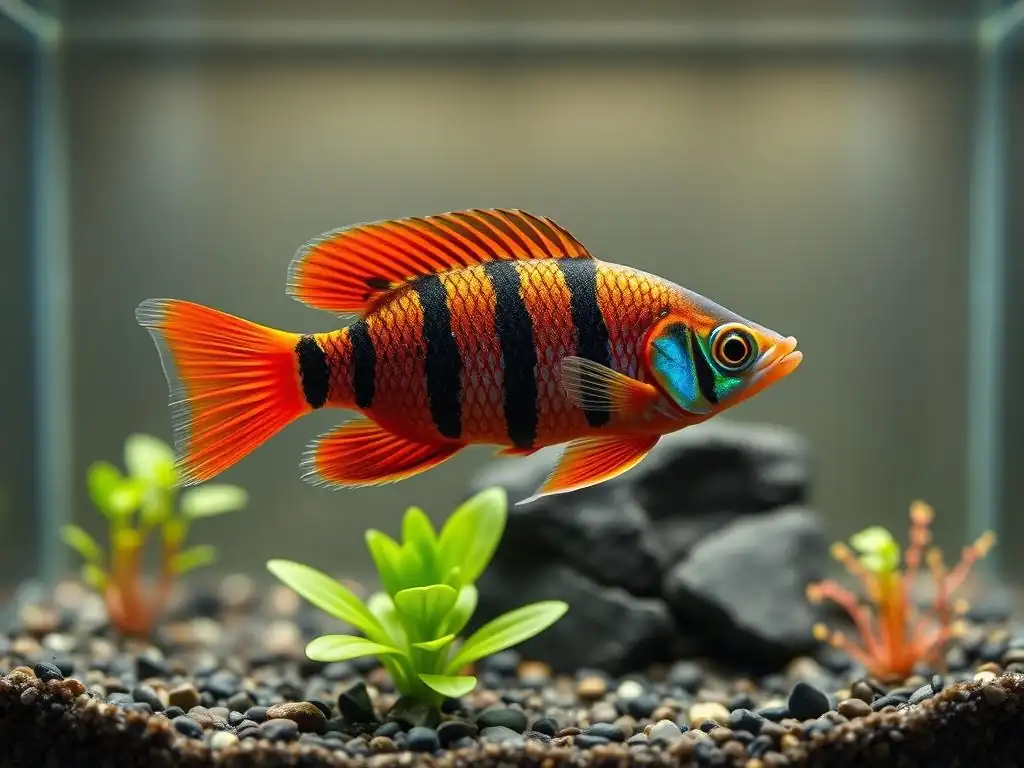
For successful Harlequin Rasbora breeding, a dedicated breeding tank is highly recommended to protect eggs and fry from predation by adult fish or other tank inhabitants. A small aquarium, typically 5 to 10 gallons (approximately 19 to 38 liters), is ideal for a single breeding pair or a trio (one female and two males). This size allows for easy monitoring and maintenance, while also reducing the volume of water that needs specific conditioning.
Essential equipment for this setup includes a reliable heater to maintain a stable temperature, a small air stone for gentle aeration without strong currents, and a gentle sponge filter. The sponge filter is crucial as it provides biological filtration without posing a risk of sucking up delicate eggs or newly hatched fry. A bare-bottom tank is preferred to make egg collection easier and to prevent eggs from getting lost or accumulating detritus.
Water Parameters: Achieving Ideal Conditions for Spawning
Achieving precise water parameters is paramount for triggering Harlequin Rasbora spawning. These fish require very soft, acidic water to breed successfully, mimicking their natural blackwater habitats. The ideal pH range for breeding is between 5.5 and 6.5, with many breeders finding optimal results around 6.0.
Water hardness should be very low, with General Hardness (GH) ranging from 1 to 5 dGH (17.8 to 89 ppm) and Carbonate Hardness (KH) between 0 and 2 dKH (0 to 35.6 ppm). The water temperature should be maintained consistently between 78-82°F (25.5-27.5°C). To achieve these conditions, many aquarists use reverse osmosis (RO) water remineralized to the desired parameters, often with the addition of peat filtration or blackwater extracts to further lower pH and add beneficial tannins.
Plants for Harlequin Rasbora Breeding: Selecting the Right Substrate
When setting up a Harlequin Rasbora breeding tank, the choice of plants is far more critical than any traditional substrate. Harlequin Rasboras are known for their unique spawning behavior, where the female inverts herself to attach adhesive eggs to the underside of broad-leafed plants. Therefore, providing suitable plant surfaces is essential for successful egg deposition.
While Cryptocoryne species are highly preferred, other broad-leafed plants like Anubias, Java Fern (Microsorum pteropus), or even artificial spawning mops made from fine yarn can be used. These plants should be well-established and healthy, providing ample surface area. A bare-bottom tank is generally recommended, as any gravel or sand substrate can trap eggs, making them difficult to locate, remove, or protect from potential fungal growth or predation by the parents.
Cryptocoryne species: The Preferred Plant for Harlequin Rasbora Spawning
Among the various plant options, Cryptocoryne species are overwhelmingly preferred by experienced breeders for Harlequin Rasbora spawning. Their robust, relatively broad leaves provide an ideal, sturdy surface for the fish to attach their adhesive eggs. Species like Cryptocoryne wendtii, Cryptocoryne undulata, or Cryptocoryne beckettii are excellent choices due to their leaf size and common availability.
To prepare Cryptocoryne for the breeding tank, ensure they are thoroughly cleaned and free of pests. They can be planted in small, inert pots (like clay pots) containing aquarium-safe substrate or simply anchored to the tank bottom with a lead weight or plant anchor. This ensures they remain stable during the spawning process. Positioning several plants throughout the tank offers the breeding pair multiple spawning sites, increasing the chances of a successful spawn.
Lighting and Filtration for a Harlequin Rasbora Breeding Setup
The lighting in a Harlequin Rasbora breeding setup should be subdued, mimicking the dim, shaded conditions of their natural habitat. Excessive bright light can stress the fish and inhibit spawning behavior. A low-wattage LED light set to a dim setting, or even just ambient room light, is often sufficient. A photoperiod of 10-12 hours is generally adequate, but maintaining a consistent light cycle is more important than intensity.
Filtration must be gentle to protect the delicate eggs and fry. A small, air-driven sponge filter is the ideal choice. It provides adequate biological filtration without creating strong currents that could dislodge eggs or harm fry. Additionally, the sponge itself offers a surface for beneficial bacteria to colonize and can serve as a grazing area for fry once infusoria are established. Avoid power filters or hang-on-back filters that can create strong suction or turbulence.
The Harlequin Rasbora Breeding Process: A Step-by-Step Guide
Conditioning Harlequin Rasboras for Breeding: Diet and Environment
Conditioning the parent Harlequin Rasboras for breeding is a crucial step that can significantly impact spawning success and egg viability. For several weeks prior to introducing them to the breeding tank, provide a high-quality, varied diet rich in protein. Live foods such as bloodworms, daphnia, mosquito larvae, and newly hatched brine shrimp are excellent choices, as they stimulate breeding readiness and provide essential nutrients. Frozen alternatives can also be used.
Alongside diet, ensuring a stable and optimal environment in their main display tank is important. Maintain excellent water quality, consistent temperature, and the specific soft, acidic parameters that these fish prefer. A slight increase in water temperature by 1-2°F (around 0.5-1°C) in the days leading up to moving them to the breeding tank can sometimes help, as can ensuring they have ample space and cover to reduce stress. These Harlequin Rasbora breeding tips focus on preparation.
Introducing the Breeding Pair: Observation and Monitoring
Once the breeding tank is set up with optimal water parameters and suitable plants, introduce a well-conditioned breeding pair or trio (one female and two males). Introducing them in the evening often allows them to acclimate overnight without immediate disturbance. Observe their behavior closely over the next few days. Males will typically begin to chase and display to the female, attempting to coax her towards the broad-leafed plants.
Spawning usually occurs in the early morning hours, often just after the lights come on or as natural light begins to filter into the room. If no spawning activity is observed after 2-3 days, consider a small, cool water change (about 10-20% with water 2-3°F cooler) to simulate rainfall, which can often trigger spawning. Patience is key, as some pairs may take longer to acclimate and begin the process.
Spawning Behavior: What to Expect When Harlequin Rasboras Lay Eggs
The spawning behavior of Harlequin Rasboras is unique and fascinating to observe. The male will relentlessly pursue the female, nudging her towards a suitable broad-leafed plant. When the female is ready, she will invert herself, pressing her belly against the underside of a chosen leaf. The male will then wrap his body around hers, often in a quivering motion, and fertilize the eggs as they are released.
Eggs are laid in small batches, typically 2-6 at a time, and are adhesive, sticking to the leaf. This process can last for several hours, with the pair repeating the ritual multiple times across different leaves. A single female can lay anywhere from 50 to 150 eggs in one spawning session. Once spawning is complete, it is crucial to immediately remove the adult fish from the breeding tank, as they will readily consume their own eggs.
Egg Care and Incubation: Protecting the Future Generation
After the parent fish have been removed, meticulous egg care is essential for a successful hatch. Harlequin Rasbora eggs are delicate and prone to fungal infections, especially unfertilized ones which often turn opaque within hours. To combat this, many breeders add a very mild antifungal solution, such as methylene blue, to the water. This helps prevent fungal growth on both fertilized and unfertilized eggs.
The eggs will typically hatch within 18 to 24 hours if the water temperature is maintained around 80°F (26.5°C). During this incubation period, keep the tank lighting very dim or off, and ensure water parameters remain stable. Gentle aeration from a sponge filter or air stone is sufficient to provide oxygen without disturbing the eggs. Observe the eggs daily; healthy eggs will remain clear or slightly amber, while infertile or fungused eggs will turn white and should be carefully siphoned out if possible.
Raising Harlequin Rasbora Fry: From Hatching to Juvenile
First Foods for Harlequin Rasbora Fry: Infusoria and Microorganisms
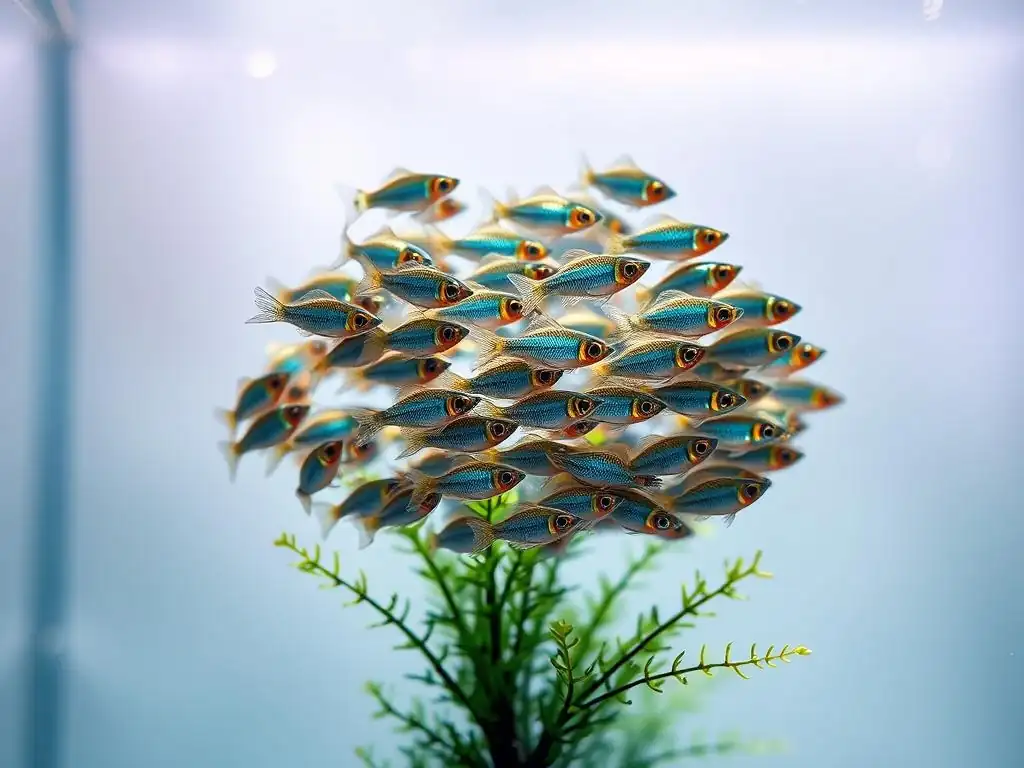
Harlequin Rasbora fry are incredibly tiny upon hatching, measuring only about 2-3 millimeters in length, and their mouths are too small to accept conventional fry foods. For their first 3-5 days, their sole food source must be infusoria or other microscopic organisms. Infusoria are single-celled organisms that can be cultured at home by placing decaying organic matter, such as dried banana peels, lettuce leaves, or even a few grains of rice, in a jar of aged aquarium water a few days prior to the expected hatch.
Feed the infusoria to the fry in small amounts several times a day (3-4 times is ideal). It's crucial not to overfeed, as excess infusoria can quickly foul the water. Observe the fry's bellies; if they appear rounded, they are eating. If they look thin, increase feeding frequency or quantity. Consistent availability of this initial food is a critical Harlequin Rasbora breeding tip for high survival rates.
Gradual Transition to Larger Foods: Brine Shrimp and Microworms
After the initial 3-5 days on infusoria, Harlequin Rasbora fry will have grown slightly and their mouths will be large enough to accept slightly bigger foods. This is the time to gradually transition them to newly hatched brine shrimp nauplii and microworms. Both are excellent sources of protein and essential nutrients that promote rapid growth and development.
Introduce these foods in small quantities, mixing them with infusoria for the first day or two to ensure the fry adapt. As they grow over the next week or two, you can gradually increase the proportion of brine shrimp and microworms and reduce the infusoria. Continue to feed multiple times a day (2-3 times) to ensure constant access to food. By 3-4 weeks, the fry should be large enough to accept finely crushed flake food or high-quality commercial fry diets.
Maintaining Water Quality for Healthy Fry Development
Maintaining pristine water quality is paramount for the healthy development and survival of Harlequin Rasbora fry. Due to their small size and sensitivity, they are highly susceptible to poor water conditions. Daily, small water changes are essential, typically 10-20% of the tank volume. Use aged, temperature-matched water with the same soft, acidic parameters as the breeding tank.
When performing water changes, use an air line tubing or a small siphon to carefully remove any uneaten food, detritus, and waste from the tank bottom without disturbing the fry. The gentle sponge filter should remain in operation to provide continuous biological filtration and aeration. Regular monitoring of water parameters (pH, GH, KH, ammonia, nitrite, nitrate) is crucial, as any spikes can be lethal to the delicate fry.
Preventing Diseases in Harlequin Rasbora Fry
Preventing diseases in Harlequin Rasbora fry primarily revolves around maintaining impeccable water quality and providing optimal nutrition. Fry are highly vulnerable to bacterial infections and parasitic infestations if their environment is compromised. The most effective strategy is consistent adherence to daily water changes, ensuring that no uneaten food or waste accumulates, as these can quickly lead to bacterial blooms and elevated ammonia levels.
Avoid sudden fluctuations in water temperature or parameters, as these can stress the fry and weaken their immune systems. Only introduce foods that are known to be clean and free of pathogens; live foods should ideally be cultured at home or sourced from reputable suppliers. If any fry show signs of illness, prompt isolation and treatment in a separate container are necessary, though prevention remains the best approach for these delicate young fish.
Troubleshooting Common Harlequin Rasbora Breeding Problems
Why Aren't My Harlequin Rasboras Spawning? Identifying Potential Issues
If your Harlequin Rasboras are not spawning despite being conditioned, several factors could be at play. The most common issue is incorrect water parameters; ensure the pH is acidic (5.5-6.5), GH is very soft (1-5 dGH), and temperature is stable between 78-82°F (25.5-27.5°C). Even slight deviations can inhibit spawning. Insufficient conditioning with high-quality live foods can also prevent them from reaching breeding readiness.
Stress is another significant factor. This could be due to overly bright lighting, lack of suitable spawning sites (broad-leafed plants), or disturbances from outside the tank. Sometimes, the fish themselves might not be a compatible pair, or they may simply need more time to acclimate. Try performing a larger, slightly cooler water change (e.g., 50% with water 2-3°F cooler) to simulate a rainy season, which often triggers spawning. Patience is paramount when troubleshooting Harlequin Rasbora breeding tips.
Egg Fungus: Prevention and Treatment Strategies
Egg fungus is a very common and frustrating problem when breeding Harlequin Rasboras, often leading to significant egg loss. Prevention is the best strategy. Ensure that the breeding tank is meticulously clean before spawning. After the parents are removed, a mild antifungal agent like methylene blue can be added to the water. This helps inhibit fungal growth on both fertilized and unfertilized eggs.
Good water circulation around the eggs is also beneficial; a very gentle air stone placed near the spawning plants can provide this without creating strong currents. Any unfertilized eggs, which typically turn opaque white within hours, should be carefully siphoned out as soon as they are observed. These decaying eggs are a prime source for fungal spores to spread to healthy, fertilized eggs.
Fry Mortality: Understanding and Addressing Common Causes
High fry mortality is a disheartening issue that many breeders encounter with Harlequin Rasboras. The primary causes are typically starvation, poor water quality, or sudden environmental shifts. Since Harlequin Rasbora fry are extremely small, they require microscopic food (infusoria) for their first few days. If this food source is not readily available or sufficient, fry will quickly starve. A delayed transition to larger foods like brine shrimp nauplii can also lead to starvation.
Poor water quality, characterized by elevated ammonia, nitrite, or nitrate levels, is highly toxic to delicate fry. This often results from overfeeding or infrequent water changes. Sudden changes in temperature or pH can also shock and kill fry. To mitigate these issues, ensure a consistent supply of appropriately sized food, perform daily small water changes with aged, temperature-matched water, and maintain stable water parameters.
Advanced Harlequin Rasbora Breeding Techniques
Implementing Water Changes to Trigger Spawning
For Harlequin Rasboras that are reluctant to spawn, implementing specific water change techniques can serve as a powerful trigger, mimicking the natural conditions of the rainy season in their native habitat. A substantial water change, typically 50% or more of the breeding tank's volume, performed with water that is 2-3°F (about 1-1.5°C) cooler than the tank temperature, can often induce spawning. This sudden influx of cooler, fresh water simulates the onset of tropical rains.
It is often most effective to perform this large, cool water change in the evening, after the fish have been fed. This allows the temperature drop and parameter shift to take effect overnight, with spawning often occurring the following morning. If no activity is observed, the process can be repeated after 24-48 hours. This precise environmental manipulation is a key Harlequin Rasbora breeding tip for encouraging hesitant pairs.
Selective Breeding for Enhanced Colors and Patterns
Selective breeding is an advanced technique used to enhance desirable traits, such as more vibrant colors, larger or more distinct harlequin patches, or improved body shapes, over successive generations. This involves carefully choosing parent fish that exhibit the most pronounced and attractive characteristics. For example, if a breeder desires a deeper coppery-red hue, they would select the most intensely colored males and females for their breeding stock.
The process requires meticulous record-keeping of parentage and offspring traits. While it can take multiple generations (often several years) to establish a truly distinct line, the results can be incredibly rewarding, leading to unique and highly sought-after strains of Harlequin Rasboras. This long-term commitment to genetic improvement is a hallmark of advanced Harlequin Rasbora breeding.
Maintaining Genetic Diversity in Your Harlequin Rasbora Colony
Maintaining genetic diversity is crucial for the long-term health and vigor of a Harlequin Rasbora breeding colony. Continuous inbreeding, where closely related individuals are bred over many generations, can lead to inbreeding depression. This manifests as reduced fertility, smaller clutch sizes, increased susceptibility to disease, physical deformities, and overall weakened fish.
To prevent inbreeding depression, it is advisable to periodically introduce new, unrelated bloodlines into your breeding program. This can be achieved by acquiring new fish from different sources or by exchanging breeding stock with other hobbyists. Aim to introduce new genetic material every few generations (e.g., every 3-5 generations) to ensure a robust and healthy population that maintains its desirable traits and natural resilience.
Conclusion: Mastering the Art of Harlequin Rasbora Breeding
Successfully breeding Harlequin Rasboras is a rewarding endeavor that tests an aquarist's dedication and attention to detail. While often considered challenging, the intricate dance of their spawning behavior and the delicate nature of their fry make the process all the more fascinating. From meticulously conditioning parent fish with high-protein diets to setting up a dedicated breeding tank with precise water parameters and the crucial Cryptocoryne plants, every step contributes to the ultimate success.
The journey continues with the diligent care of microscopic fry, transitioning them from infusoria to larger foods, and maintaining pristine water quality to ensure their survival. By understanding and applying these comprehensive Harlequin Rasbora breeding tips, aquarists can overcome common hurdles like non-spawning pairs or fry mortality. Mastering this art not only provides immense personal satisfaction but also contributes to the sustainable propagation of these beautiful fish within the aquarium hobby.
Frequently Asked Questions
How difficult is it to breed Harlequin Rasboras?
Breeding Harlequin Rasboras can be challenging compared to some other aquarium fish. It requires specific water parameters and a unique spawning behavior, making it a rewarding but not always straightforward endeavor.
What are the ideal water parameters for Harlequin Rasbora breeding?
Harlequin Rasboras prefer soft, acidic water for breeding. Aim for a pH of 5.5-6.5, a GH (general hardness) below 5 dGH, and a temperature around 78-82°F (25-28°C).
What is the unique spawning behavior of Harlequin Rasboras?
Unlike many fish, Harlequin Rasboras don't scatter eggs. Instead, they lay their eggs on the underside of broad-leafed plants, such as Cryptocoryne species, requiring these types of plants in the breeding tank.
How do I prepare a breeding tank for Harlequin Rasboras?
Set up a dedicated breeding tank with soft, acidic water and plenty of broad-leafed plants like Cryptocoryne. Use a sponge filter to minimize disturbance and maintain water quality.
How long does it take for Harlequin Rasbora eggs to hatch, and what do the fry eat?
Harlequin Rasbora eggs typically hatch within 24-48 hours. The fry are tiny and require infusoria or commercially available liquid fry food for the first few days, followed by baby brine shrimp.
Final Reflection: The Delicate Dance of Life
The journey of breeding Harlequin Rasboras, as we've explored, is more than just a technical exercise; it's a testament to the fragility and resilience of life within our miniature ecosystems. The meticulous care, the precise water parameters, and the patient observation all culminate in witnessing the miracle of new life, a reminder of the interconnectedness of all living things, even within the confines of a glass tank.
This endeavor has profoundly shaped our understanding of responsibility and the delicate balance required to nurture life. The act of creating a thriving environment for these tiny creatures resonates far beyond the aquarium, teaching us about empathy, dedication, and the profound satisfaction of fostering growth. In every drop of water, there is a story of life, a microcosm of the universe itself.
This quote encapsulates the essence of our journey, reminding us that even the smallest acts of care can have a significant impact.
Now, consider the lessons learned from this aquatic adventure. How can you apply the patience, dedication, and attention to detail required for Harlequin Rasbora breeding to other aspects of your life? Let the success you achieve in nurturing these delicate creatures inspire you to cultivate growth and harmony in your own environment, both within and beyond the aquarium. Embrace the challenge, and witness the extraordinary bloom from your efforts.
Ignite Your Harlequin Rasbora Breeding Success!
Thank you for diving into the world of Harlequin Rasbora breeding! We hope you've gained valuable insights and are feeling inspired to embark on this rewarding aquarium adventure. Now, let's put that knowledge into action!
Here's how you can take your Harlequin Rasbora breeding to the next level:
- Prioritize water quality! Regular, small water changes are the cornerstone of a healthy breeding environment.
- Join the Aquarium Mastery community forum and share your breeding experiences, questions, and triumphs! Collaboration is key to success.
- Experiment with different spawning surfaces, such as fine-leaved plants or spawning mops, to discover what your Rasboras prefer – you might be surprised by their preferences!
Ready to share your Harlequin Rasbora breeding journey with fellow aquarists?