
The Healthy Danio/Rasbora Checklist: Daily Observations for Early Disease Detection

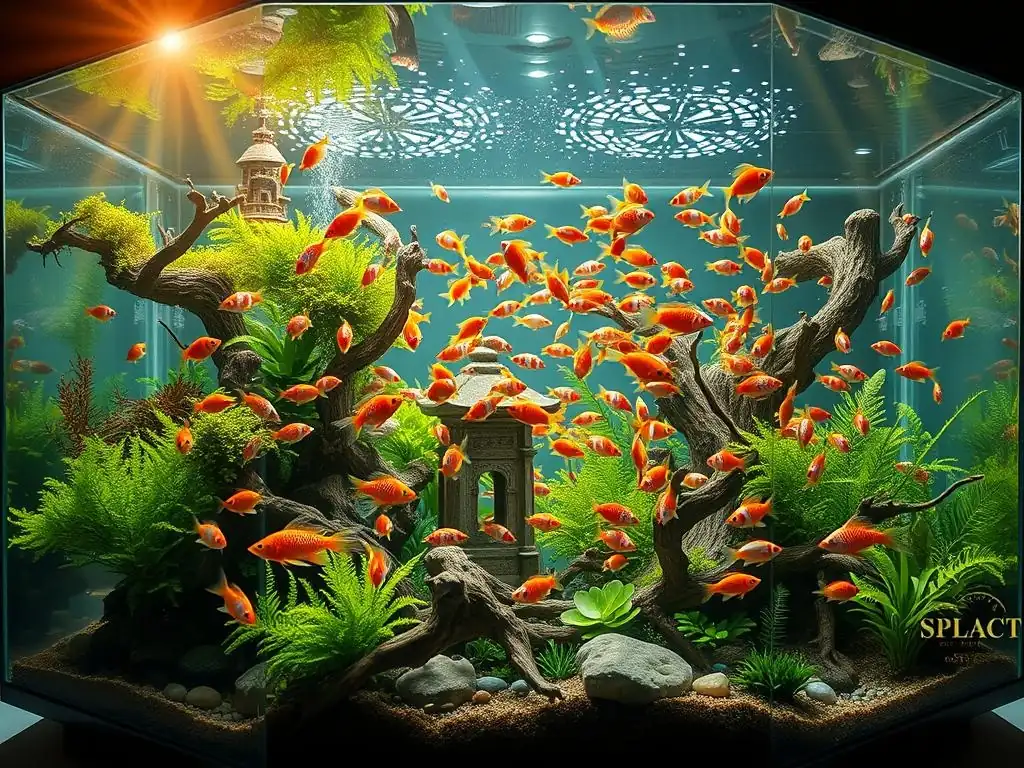
Welcome to Aquarium Mastery!
Ever wondered if your vibrant Danio or Rasbora is truly thriving? This article unveils a crucial Danio/Rasbora health checklist, your daily guide to spotting subtle changes that can prevent disaster. Dive in to learn how to become a master observer and ensure your fishy friends live long and healthy lives! What secrets are your fish trying to tell you?
- The Healthy Zebra Danio/Harlequin Rasbora Checklist: Daily Observations for Early Disease Detection
- Ensuring Zebra Danio and Harlequin Rasbora Health: A Daily Observation Guide
- Why a Daily Health Checklist is Crucial for Your Zebra Danios and Harlequin Rasboras
-
The Ultimate Zebra Danio Harlequin Rasbora Health Checklist: What to Observe
- 1. Observing Swimming Behavior: Spotting Abnormal Movement in Zebra Danios and Harlequin Rasboras
- 2. Checking Appetite and Feeding Habits: Ensuring Proper Nutrition for Your Cyprinids
- 3. Examining Body Condition: Identifying Signs of Weight Loss or Bloating
- 4. Inspecting Fins and Scales: Looking for Damage or Discoloration
- 5. Assessing Breathing and Gill Function: Detecting Respiratory Problems
- 6. Monitoring Social Interactions: Observing Schooling Behavior and Aggression
- Interpreting Your Observations: What to Do When You Spot an Issue
- Preventing Future Problems: Maintaining a Healthy Aquarium Environment
- Conclusion: Prioritizing Zebra Danio and Harlequin Rasbora Wellness Through Daily Observation
-
Frequently Asked Questions
- How often should I observe my Danio and Rasbora fish for signs of illness?
- What are some key physical signs of illness to look for in Danios and Rasboras?
- Besides physical appearance, what behavioral changes might indicate a health problem in my Danios and Rasboras?
- What should I do if I suspect my Danio or Rasbora is sick?
- How can I prevent illness in my Danio and Rasbora aquarium?
- Final Reflection: Nurturing Aquatic Harmony
- Unlock a Thriving Aquarium: Take the Next Step!
The Healthy Zebra Danio/Harlequin Rasbora Checklist: Daily Observations for Early Disease Detection
Ensuring Zebra Danio and Harlequin Rasbora Health: A Daily Observation Guide
Maintaining a thriving aquarium ecosystem hinges on the health of its inhabitants, and for popular schooling cyprinids like Zebra Danios ( Danio rerio) and Harlequin Rasboras ( Trigonostigma heteromorpha), daily observation is paramount. These small, active fish, known for their vibrant colors and engaging schooling behaviors, can quickly succumb to illness if issues are not identified and addressed promptly. A proactive approach, centered around a consistent health checklist, empowers aquarists to detect subtle changes that often precede full-blown disease outbreaks.
This comprehensive guide provides a structured framework for daily health assessments, focusing on specific indicators that signal potential problems in your Zebra Danios and Harlequin Rasboras. By integrating these simple yet critical observations into your routine, you not only safeguard the well-being of individual fish but also protect the delicate balance of your entire aquatic environment. A diligent Danio Rasbora health checklist becomes your first line of defense against common ailments, ensuring your schooling cyprinids remain vibrant and healthy.
Why a Daily Health Checklist is Crucial for Your Zebra Danios and Harlequin Rasboras
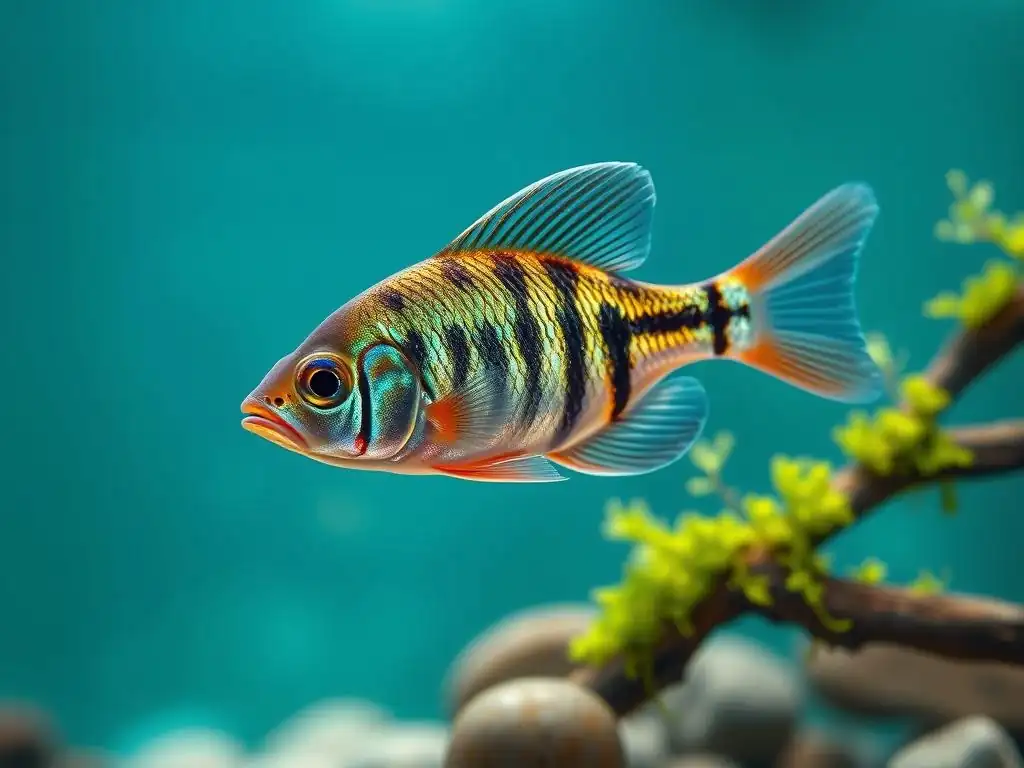
Preventing Disease Outbreaks in Your Schooling Cyprinids
Implementing a daily Danio Rasbora health checklist is a critical preventative measure against widespread disease. In a schooling species, an illness affecting one fish can rapidly spread throughout the entire group due to close proximity and shared water parameters. Many common fish diseases, particularly bacterial infections like Columnaris or parasitic infestations such as Ich, can progress quickly within 24 to 48 hours, turning a minor issue into a devastating outbreak that affects a significant portion of your school. Regular checks allow for immediate isolation and treatment, effectively containing potential pathogens before they compromise the entire population.
Beyond the immediate threat, preventing outbreaks minimizes stress on your entire aquarium ecosystem. A healthy tank environment, free from the constant presence of pathogens, allows your fish to thrive, exhibiting their natural behaviors and vibrant coloration.
The emotional and financial toll of losing multiple fish due to a preventable outbreak can be substantial; for instance, a single outbreak of velvet disease can decimate an entire school of twenty fish within days if not caught early. A proactive Danio Rasbora health checklist reduces the need for aggressive chemical treatments, which can stress even healthy fish and beneficial bacteria, leading to a more stable and enjoyable aquarium.
Early Disease Detection: Saving Your Zebra Danios and Harlequin Rasboras
The ability to detect disease early is often the difference between a successful recovery and a tragic loss for your Zebra Danios and Harlequin Rasboras. Small changes in behavior or appearance, easily overlooked without a structured observation routine, are frequently the first indicators of underlying health issues. For example, a slight lethargy or subtle fin clamping might signal the onset of a bacterial infection, which, if caught at this stage, can often be treated with simple water changes and mild medication, yielding a success rate of 80-90%.
Conversely, waiting until symptoms are advanced, such as severe body lesions or visible parasitic cysts, dramatically reduces the chances of successful intervention. By the time a fish exhibits advanced signs of diseases like Dropsy or Mycobacteriosis, the internal damage is often irreversible, and treatment success rates can drop to below 30%. A consistent Danio Rasbora health checklist empowers you to intervene when treatments are most effective and least invasive, preserving the lives of your beloved schooling cyprinids and maintaining the overall vitality of your aquarium.
The Ultimate Zebra Danio Harlequin Rasbora Health Checklist: What to Observe
1. Observing Swimming Behavior: Spotting Abnormal Movement in Zebra Danios and Harlequin Rasboras
Normal Swimming Patterns vs. Signs of Distress
Healthy Zebra Danios are renowned for their energetic, zipping movements, often darting quickly across the tank, while Harlequin Rasboras typically exhibit more graceful, coordinated schooling in the mid-water column. Both species should be active and alert, readily exploring their environment and interacting with their school members. You should observe them swimming freely, maintaining their position effortlessly, and demonstrating natural curiosity towards their surroundings. Their movements should appear fluid and controlled, without any visible struggle or disorientation.
Signs of distress or illness often manifest as deviations from these normal patterns. A fish might become lethargic, spending an unusual amount of time motionless at the bottom or top of the tank, or hiding excessively behind decor. Conversely, some illnesses can cause erratic or uncontrolled swimming, such as struggling to maintain buoyancy, swimming upside down, or repeatedly bumping into tank surfaces. Any sudden or sustained change in activity level or swimming posture warrants immediate attention as part of your Danio Rasbora health checklist.
Darting, Flashing, Shimmying, Spiraling
Specific abnormal swimming behaviors are strong indicators of underlying problems. Darting involves sudden, jerky bursts of speed, often followed by abrupt stops or collisions with tank objects. This, along with flashing—where a fish rapidly rubs or scrapes its body against substrate, plants, or decor—typically indicates external irritation from parasites (like Ich or velvet), elevated ammonia/nitrite levels, or skin flukes. These actions are the fish's attempt to dislodge irritants.
Shimmying is a peculiar side-to-side rocking motion, often seen when fish are stressed by poor water quality, incorrect temperature, or internal issues. It suggests discomfort and a struggle to maintain equilibrium. Even more severe is spiraling, where a fish swims erratically in circles or tumbles uncontrollably, often indicating a severe neurological problem, swim bladder disorder, or advanced internal bacterial infection. Observing any of these distinct behaviors should prompt a thorough investigation of your water parameters and a closer inspection of the affected fish.
2. Checking Appetite and Feeding Habits: Ensuring Proper Nutrition for Your Cyprinids
Healthy Feeding Responses in Zebra Danios and Harlequin Rasboras
When presented with food, healthy Zebra Danios and Harlequin Rasboras should exhibit an immediate and enthusiastic feeding response. They are typically eager eaters, quickly rising to the surface or darting into the mid-water to consume their food. You should observe them actively competing for flakes, pellets, or live/frozen treats, demonstrating strong foraging instincts. Their feeding should appear robust and consistent, with each fish consuming a proportional amount without hesitation.
A varied diet is crucial for their long-term health, contributing to their immune system and overall vitality. Ensuring they readily accept a mix of high-quality flakes, micro-pellets, and occasional treats like brine shrimp or daphnia is essential. A healthy feeding response is not just about eating, but about the vigor and efficiency with which they consume their meals, indicating optimal metabolic function and a lack of internal distress. This consistent eagerness is a key marker on your Danio Rasbora health checklist.
Signs of Loss of Appetite and Potential Underlying Issues
A significant red flag on your Danio Rasbora health checklist is a change in appetite or feeding habits. This can manifest as a complete refusal to eat, spitting out food after taking it in, or simply showing a lack of interest when food is offered. While a single missed meal might not be alarming, a sustained lack of appetite over 24-48 hours is a strong indicator of stress, illness, or poor water quality. This symptom often precedes more visible physical signs of disease.
Common underlying issues for appetite loss include internal parasites, bacterial infections, or systemic illnesses that reduce a fish's energy and desire to eat. Additionally, elevated levels of ammonia or nitrite in the water can cause immediate stress and loss of appetite, as these toxins directly impair a fish's ability to respire and function. Overfeeding leading to poor water quality, or simply inappropriate food size, can also contribute to a lack of interest in food, highlighting the interconnectedness of diet, water quality, and fish health.
3. Examining Body Condition: Identifying Signs of Weight Loss or Bloating
Healthy Body Shape and Proportions in Zebra Danios and Harlequin Rasboras
The ideal body condition for Zebra Danios and Harlequin Rasboras is streamlined, robust, and well-proportioned. Zebra Danios possess a slender, torpedo-like shape, while Harlequin Rasboras are more diamond-shaped, but both should appear plump without being distended. Their bellies should be gently rounded, indicating good internal organ health and adequate nutrition, without any visible signs of a sunken or concave appearance. The spine should not be prominently visible, nor should their heads appear disproportionately large compared to their bodies.
Observing their body condition daily allows you to identify subtle changes that might indicate a problem. Healthy fish should maintain a consistent, firm appearance, reflecting their metabolic efficiency and the absence of internal pathologies. Their scales should lie flat and smooth against their bodies, contributing to a sleek and healthy profile. This visual assessment of their overall form is a fundamental part of your Danio Rasbora health checklist, offering insights into their long-term well-being.
Recognizing Emaciation (Thinness) and Dropsy (Swelling)
Emaciation, or severe thinness, is characterized by a noticeably sunken belly, a prominent spine, and a head that appears too large for the body. This condition often develops gradually over weeks or months and can indicate chronic issues such as internal parasites (e.g., intestinal worms), persistent stress, or inadequate nutrition. While a single fish might exhibit this due to bullying, widespread emaciation in a school suggests a systemic problem within the tank, such as poor food absorption or a widespread internal infection like Mycobacteriosis (Fish TB).
Dropsy is a severe symptom, not a disease itself, characterized by extreme generalized swelling of the body, often accompanied by the scales protruding outwards, giving the fish a "pinecone" appearance. This is typically a sign of severe internal organ failure, most commonly kidney dysfunction, which leads to fluid retention. Dropsy is frequently caused by advanced bacterial infections, chronic stress, or prolonged exposure to poor water quality. Unfortunately, by the time the "pinecone effect" is visible, the prognosis is often grim, making early detection of any bloating crucial for the Danio Rasbora health checklist.
4. Inspecting Fins and Scales: Looking for Damage or Discoloration
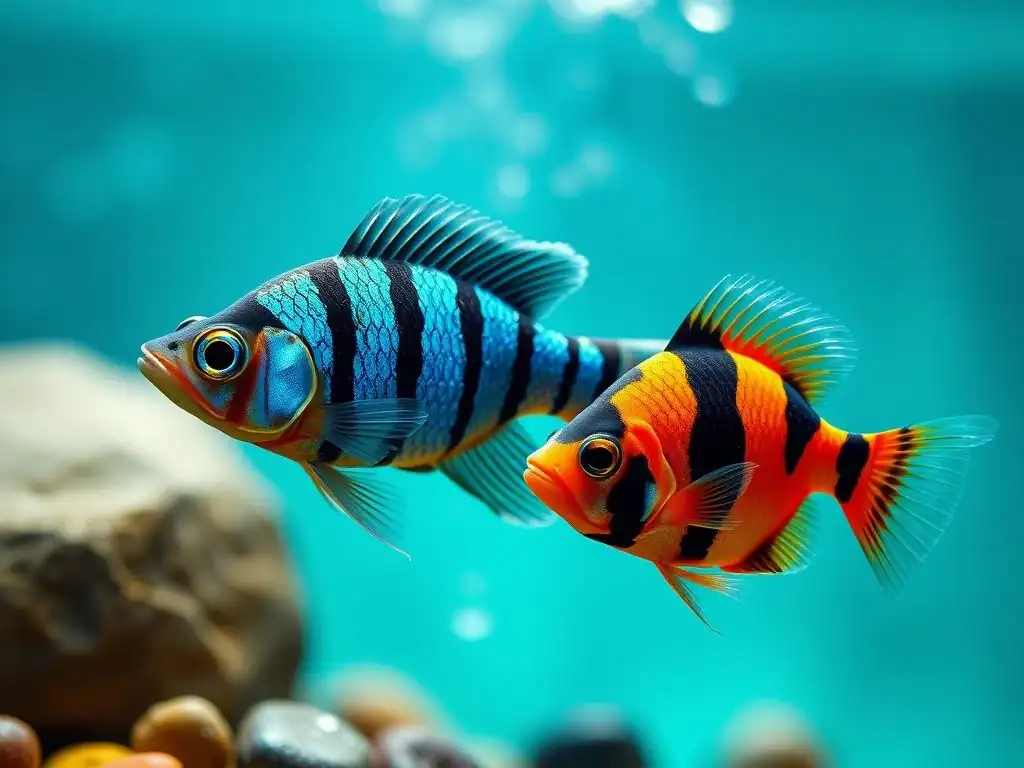
Identifying Fin Rot and Other Common Ailments
Healthy Zebra Danios and Harlequin Rasboras should possess clear, intact fins with smooth edges, free from any cloudiness, fraying, or discoloration. The fins should be held naturally and used effectively for swimming and maneuvering. Fin rot is a common bacterial infection characterized by the deterioration of the fin edges, which appear ragged, milky, or blood-streaked, often progressing inwards towards the body. It is frequently triggered by poor water quality, stress, or secondary to an injury.
Other fin issues include clamped fins, where the fins are held tightly against the body, indicating general stress, discomfort, or the onset of various illnesses. Torn fins can result from aggression from tank mates or injury from sharp decor. Fungal infections might appear as fuzzy, cotton-like growths on the fins or body, often starting on areas that are already damaged or stressed. Regular inspection of the fins as part of your Danio Rasbora health checklist can reveal these early signs of distress or infection.
Recognizing Scale Issues: Raised Scales and Ulcers
The scales of healthy Zebra Danios and Harlequin Rasboras should lie perfectly flat and smooth against their bodies, exhibiting their natural iridescence and coloration without any visible abnormalities. Any instance of raised scales beyond the generalized swelling of dropsy should be a cause for concern. Localized raised scales can indicate a bacterial infection, an internal cyst, or a parasitic infestation beneath the scale. Missing scales might result from physical injury during tank maintenance or aggression.
Ulcers are open sores or lesions on the fish's body, appearing as red, white, or discolored patches where skin and scales have eroded. These are typically severe bacterial infections that can penetrate deep into the muscle tissue, often stemming from an initial injury that became infected, or from systemic internal issues. Red streaks or blotches on the body, especially along the lateral line, can also indicate internal bleeding or severe bacterial septicemia. Prompt identification of any scale or skin anomalies is vital for early intervention.
5. Assessing Breathing and Gill Function: Detecting Respiratory Problems
Normal Gill Movement and Respiration Rate
Observing the gills is a crucial, yet often overlooked, part of the Danio Rasbora health checklist. In healthy Zebra Danios and Harlequin Rasboras, gill movement (the opening and closing of the operculum, or gill cover) should be rhythmic, steady, and not overly rapid. At rest, their respiration rate should appear calm and consistent, typically ranging from 60 to 100 beats per minute, depending on the water temperature and species. The gill tissue itself, visible through the operculum, should appear bright red and clean, free of any growths, discoloration, or excessive mucus.
Healthy fish should not be constantly gasping at the surface or congregating excessively near the filter outflow, as this indicates a struggle to obtain sufficient oxygen. While a slight increase in gill movement after vigorous activity or during feeding is normal, persistent rapid breathing without exertion is a clear sign of distress. A calm, consistent gill rate signifies optimal oxygen uptake and healthy gill function, which are fundamental to a fish's overall well-being.
Signs of Labored Breathing and Gill Disease
Labored breathing is a prominent warning sign. This is characterized by excessively rapid gill movement (e.g., over 150 beats per minute), often accompanied by the fish gasping at the water surface, hanging near the filter output, or exhibiting obvious signs of struggling to respire. This can indicate low dissolved oxygen levels in the water, gill damage, or the presence of gill parasites (like gill flukes) or bacterial gill disease, which impair the gills' ability to extract oxygen.
Visible abnormalities of the gills themselves also signal problems. Swollen gills, pale or dark gill tissue, frayed gill lamellae, or the presence of visible parasites or excessive mucus on the gills are all serious indicators. These can point to ammonia/nitrite poisoning, which burns the delicate gill tissue, or specific gill infections that can rapidly lead to suffocation if left untreated. Any deviation from normal gill appearance or function should prompt immediate investigation of water quality and fish health.
Healthy Schooling Dynamics in Zebra Danios and Harlequin Rasboras
Zebra Danios and Harlequin Rasboras are quintessential schooling fish, thriving in groups of six or more. In a healthy school, you should observe them moving together cohesively, exhibiting coordinated swimming patterns and a sense of security within the group. They should interact without overt aggression, occasionally engaging in playful chases, but largely maintaining a peaceful co-existence. A well-established school will explore the tank together, providing a visually dynamic and engaging display.
This strong schooling instinct is not just for show; it's a vital survival mechanism that reduces individual stress and boosts their overall confidence. Observing their collective behavior as part of your Danio Rasbora health checklist can reveal subtle shifts. A healthy school indicates that the fish feel secure in their environment, are not overcrowded, and are free from undue stress, which directly contributes to their immune system strength and disease resistance.
Identifying Isolated Fish or Aggressive Behavior
Any deviation from normal schooling dynamics can be a significant indicator of trouble. A fish that consistently isolates itself from the school, hiding in corners, staying motionless behind decor, or becoming withdrawn, is often a sick or stressed individual. This isolation can be due to illness, chronic stress from unsuitable tank conditions, or being bullied by more dominant tank mates. An isolated fish is more vulnerable to stress and disease, and its behavior warrants immediate investigation.
Conversely, an increase in aggressive behavior within the school, such as persistent fin nipping, relentless chasing, or territorial disputes beyond minor squabbles, also signals a problem. This could be due to overcrowding, an insufficient number of fish in the school (leading to increased hierarchy disputes), or simply a mismatch in temperament with other tank mates. Chronic aggression leads to stress, injuries, and a weakened immune system for the targeted fish, making them highly susceptible to secondary infections.
Interpreting Your Observations: What to Do When You Spot an Issue
Isolating Sick Fish: Quarantine Tank Setup and Procedures
Upon observing any concerning symptoms from your Danio Rasbora health checklist, the immediate and most crucial step is to isolate the affected fish in a dedicated quarantine tank (QT). A basic QT setup requires a 5-10 gallon tank, a reliable heater to maintain stable temperature, and a gentle sponge filter for biological filtration and aeration. It's best to avoid substrate or elaborate decor in a QT, as this simplifies cleaning and prevents medication absorption. The water for the QT should be taken from the main display tank or properly conditioned new water to minimize additional stress.
The procedure involves carefully netting the sick fish and gently transferring it to the prepared quarantine tank. This isolation serves multiple vital purposes: it prevents the potential spread of contagious diseases to other healthy fish in the main tank, allows for precise medication dosages without affecting the main tank's beneficial bacteria or other inhabitants, and reduces stress on the sick fish by removing it from the dynamics of the main school. Daily monitoring and targeted treatment can then commence in a controlled environment, significantly increasing the chances of recovery.
Common Diseases Affecting Zebra Danios and Harlequin Rasboras: Identification and Treatment
Ich, Columnaris, Mycobacteriosis
Among the most common ailments affecting Zebra Danios and Harlequin Rasboras, Ich (also known as White Spot Disease, caused by the parasite Ichthyophthirius multifiliis) is highly prevalent. Symptoms include small, white, salt-like spots scattered across the body and fins, often accompanied by flashing and labored breathing. Treatment typically involves slowly raising the water temperature to 82-86°F (28-30°C) over 24 hours, adding aquarium salt (1 tablespoon per 5 gallons), or using commercially available Ich medications. Complete treatment cycles, often lasting 10-14 days, are essential to eradicate the parasite's life cycle.
Columnaris (often called Cottonmouth or Saddleback Disease, caused by the bacterium Flavobacterium columnare) is a severe and rapidly progressing bacterial infection. It manifests as fuzzy white or grayish patches around the mouth or on the body, fin rot, pale gills, and rapid tissue erosion. This disease is often triggered by poor water quality or high stress. Treatment requires immediate action with broad-spectrum antibiotics such as Furan-2 or Kanaplex, often in a quarantine tank. Due to its aggressive nature, early detection from your Danio Rasbora health checklist is vital, as advanced cases can be fatal within days.
Mycobacteriosis (commonly referred to as Fish TB, caused by Mycobacterium marinum) is a chronic bacterial infection that presents with a wide range of symptoms, including severe emaciation despite eating, spinal deformities, skin lesions, dropsy, and lethargy. It is often difficult to treat effectively and can be zoonotic, meaning it can be transmitted to humans (causing skin lesions, so wear gloves when handling affected fish or tank water). While antibiotics like Kanamycin or Rifampicin can sometimes slow its progression, complete cure is rare, and affected fish often need to be humanely euthanized to prevent spread.
Water Quality and its Impact on Zebra Danio and Harlequin Rasbora Health
Regular Water Testing: Maintaining Optimal Parameters
The cornerstone of preventing disease in Zebra Danios and Harlequin Rasboras is pristine water quality. Regular water testing is non-negotiable and provides crucial insights into the health of your aquarium. Key parameters to monitor include ammonia (should always be 0 ppm), nitrite (should always be 0 ppm), and nitrate (ideally below 20 ppm). Additionally, pH (6.5-7.5 is generally suitable for these species) and temperature (72-78°F or 22-26°C) should be kept stable. Imbalances in any of these parameters cause significant stress to fish, compromising their immune systems and making them highly susceptible to disease.
It is recommended to test your water weekly or bi-weekly using a reliable liquid test kit, as test strips can often be inaccurate. Consistent monitoring allows you to identify trends and address minor fluctuations before they escalate into toxic conditions. For instance, a sudden spike in ammonia can lead to gill damage and rapid death, while prolonged exposure to high nitrates causes chronic stress and weakens fish over time. Proactive water quality management, guided by regular testing, is an indispensable part of any effective Danio Rasbora health checklist.
Water Changes: A Vital Component of Disease Prevention
Regular partial water changes are arguably the most effective and essential practice for maintaining a healthy aquarium and preventing disease. Their primary purpose is to remove accumulated nitrates, phosphates, and other dissolved organic pollutants that are not removed by filtration, while simultaneously replenishing essential minerals that are depleted over time. For a well-stocked Danio and Rasbora tank, a 25-30% water change weekly is a good general guideline, though heavily stocked tanks might benefit from more frequent or larger changes.
Clean, stable water directly reduces stress on fish, thereby bolstering their natural immune responses. Fish living in consistently clean water are far more resilient to pathogens and environmental stressors than those in neglected tanks. Water changes dilute potential toxins and pathogens, reduce the organic load that fuels bacterial growth, and maintain the chemical stability necessary for thriving aquatic life. This simple yet profound practice is a fundamental pillar of disease prevention and complements every observation made on your Danio Rasbora health checklist.
Preventing Future Problems: Maintaining a Healthy Aquarium Environment
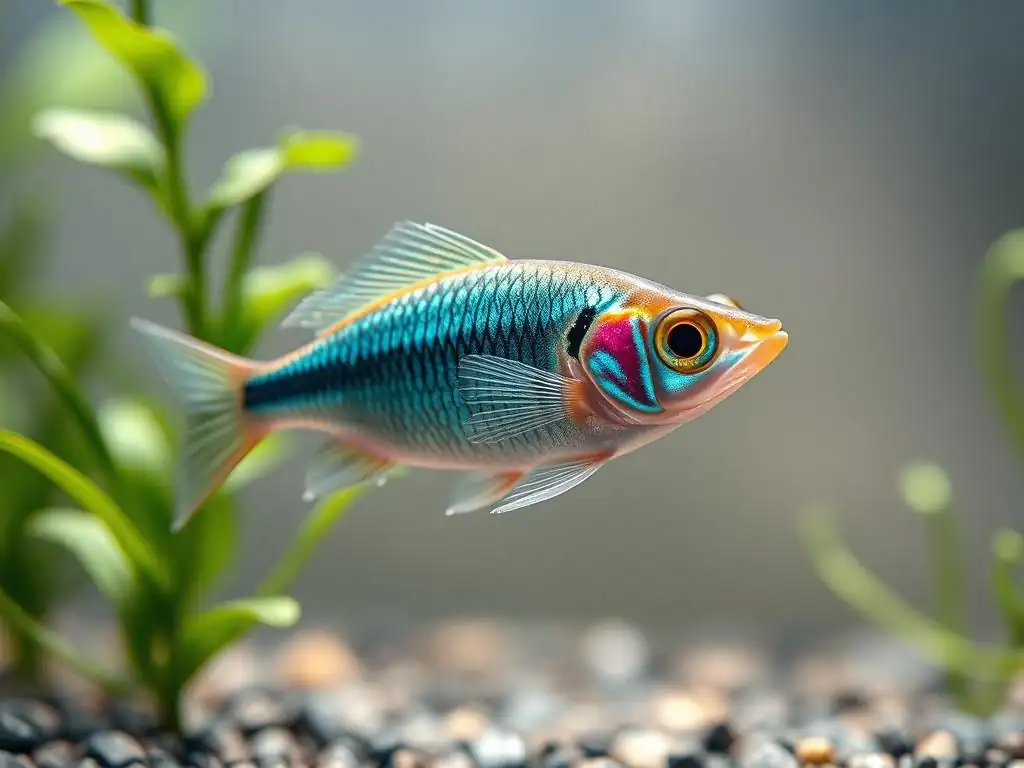
Choosing the Right Tank Size and Tank Mates for Zebra Danios and Harlequin Rasboras
Providing an appropriately sized aquarium is fundamental to the long-term health and well-being of Zebra Danios and Harlequin Rasboras. For a healthy school of 6-10 individuals, a minimum tank size of 20 gallons long is highly recommended. This tank dimension provides ample swimming space for these active, schooling fish, allowing them to exhibit their natural behaviors without feeling cramped or stressed. Overcrowding, on the other hand, leads to increased waste production, rapid deterioration of water quality, heightened aggression among tank mates, and chronic stress, all of which predispose fish to illness.
Equally important is the careful selection of compatible tank mates. Zebra Danios and Harlequin Rasboras are peaceful community fish, but their small size and active nature mean they can be easily intimidated or outcompeted for food by larger, more boisterous species.
Ideal tank mates include other peaceful, similarly sized community fish such as Corydoras catfish, small peaceful tetras (like Neon Tetras or Ember Tetras), and certain dwarf cichlids (e.g., German Blue Rams, if parameters match). Avoid fin-nippers, overly aggressive fish, or species that grow too large, as these can cause chronic stress and injury, undermining the effectiveness of your Danio Rasbora health checklist.
Providing Adequate Filtration and Aeration
Robust filtration is a non-negotiable component of a healthy aquarium environment for Zebra Danios and Harlequin Rasboras. A good filtration system provides mechanical filtration (removing particulate waste), chemical filtration (removing dissolved organic compounds and odors), and, most critically, biological filtration (converting toxic ammonia and nitrite into less harmful nitrate). For optimal water quality, it is often beneficial to select a filter rated for a tank size larger than your actual aquarium (e.g., a filter rated for 30 gallons on a 20-gallon tank) to ensure superior processing capacity and water stability.
Adequate aeration is equally vital, ensuring sufficient dissolved oxygen levels in the water. While filters often provide some surface agitation, additional aeration through air stones connected to an air pump can be highly beneficial, especially in warmer tanks or those with a high bioload. Active fish like Danios and Rasboras have higher oxygen demands, and low oxygen levels can cause significant stress, labored breathing, and increased susceptibility to disease. Proper filtration and aeration work synergistically to maintain a clean, oxygen-rich environment that supports robust fish health.
Maintaining Proper Water Temperature and pH
Maintaining stable and appropriate water temperature and pH is crucial for the metabolic health and immune function of Zebra Danios and Harlequin Rasboras. Both species thrive in a temperature range of 72-78°F (22-26°C). A reliable aquarium heater, appropriately sized for your tank, is essential to prevent temperature fluctuations, which are a major source of stress for fish. Sudden or significant drops or spikes in temperature can weaken their immune systems, making them vulnerable to common diseases like Ich.
Regarding pH, a stable range between 6.5 and 7.5 is generally suitable for these cyprinids. While hitting an exact pH number might seem important, consistency is far more critical than a precise reading. Wild swings in pH are highly detrimental and can cause osmotic shock, damaging gills and other internal organs.
Regular water testing, combined with appropriate water changes, helps maintain the buffering capacity of the water, preventing drastic pH shifts. A stable and suitable aquatic environment, characterized by consistent temperature and pH, is a primary defense against stress and illness, enhancing the efficacy of your Danio Rasbora health checklist.
Conclusion: Prioritizing Zebra Danio and Harlequin Rasbora Wellness Through Daily Observation
The Importance of Proactive Fishkeeping for a Thriving Aquarium.
The journey of fishkeeping, particularly with active and engaging species like Zebra Danios and Harlequin Rasboras, is immensely rewarding. However, this reward is directly proportional to the dedication invested in their care. Daily observation, guided by a structured Danio Rasbora health checklist, transforms fishkeeping from a reactive response to problems into a proactive pursuit of wellness. It's not merely a chore but an intimate connection with your aquatic inhabitants, allowing you to appreciate their natural vibrancy and detect the faintest whispers of distress before they become shouts of crisis.
Ultimately, a thriving aquarium is a testament to consistent effort and informed decision-making. By integrating daily health checks, maintaining impeccable water quality, providing an optimal environment, and understanding the nuances of their behavior, you empower your Zebra Danios and Harlequin Rasboras to live long, healthy, and vibrant lives. This holistic approach to fishkeeping ensures that your Danio Rasbora health checklist becomes the cornerstone of a balanced, beautiful, and resilient aquatic ecosystem, bringing enduring joy to any aquarist.
Frequently Asked Questions
How often should I observe my Danio and Rasbora fish for signs of illness?
You should observe your Danios and Rasboras daily. Early detection is crucial for successful treatment and preventing the spread of disease within your aquarium.
What are some key physical signs of illness to look for in Danios and Rasboras?
Look for changes in appearance, such as fin clamping, bloating, white spots, or ulcers. Also watch for cloudy eyes or abnormal growths.
Besides physical appearance, what behavioral changes might indicate a health problem in my Danios and Rasboras?
Pay attention to changes in swimming patterns like erratic movements, lethargy, or staying near the surface or bottom. Loss of appetite or difficulty breathing are also red flags.
What should I do if I suspect my Danio or Rasbora is sick?
Immediately quarantine the affected fish in a separate tank to prevent further contamination. Then, research the potential illness based on observed symptoms and begin appropriate treatment.
How can I prevent illness in my Danio and Rasbora aquarium?
Maintain excellent water quality through regular water changes and filtration. Provide a balanced diet and avoid overcrowding the tank to minimize stress and the risk of disease.
Final Reflection: Nurturing Aquatic Harmony
The journey of maintaining a thriving aquarium, as highlighted in this checklist, extends far beyond simply providing food and water. It's about cultivating an ecosystem, a miniature world where vigilant observation is paramount to ensuring the health and well-being of its inhabitants. The principles outlined here, focused on early disease detection in Danios and Rasboras, are not just best practices for fishkeeping; they are a testament to our responsibility as caretakers of these delicate creatures.
This dedication to detail, to the daily ritual of observing subtle changes in behavior and appearance, profoundly impacts the lives of these fish. It fosters a deeper connection, transforming the act of fishkeeping from a passive hobby into an active partnership in their well-being. The greatness of a nation and its moral progress can be judged by the way its animals are treated.
- Mahatma Gandhi. This quote, though often applied to larger animals, resonates deeply with the care we extend to even the smallest of our aquatic companions.
Now, armed with this checklist and a renewed sense of awareness, I encourage you to look anew at your own aquarium. Let this guide be more than just a list; let it be a catalyst for deeper engagement, a reminder that every observation, every small act of care, contributes to a healthier, happier, and more vibrant underwater world. Embrace the responsibility, and witness the rewards of nurturing aquatic harmony.
Unlock a Thriving Aquarium: Take the Next Step!
Thank you for diving into the world of healthy danios and rasboras! Now that you're equipped with the knowledge to spot early signs of illness, it's time to put your expertise into action and create a vibrant, thriving aquarium.
Here are a few ways to continue your journey:
- Implement your Daily Observation Checklist: Start today! Dedicate a few minutes each day to observe your fish, noting any deviations from their normal behavior. Consistency is key to early detection.
- Explore related articles on Aquarium Mastery: Expand your understanding of specific diseases and treatments, or learn about creating the perfect habitat for your fish.
- Share your observations and insights: Join the Aquarium Mastery community forum and discuss your findings, ask questions, and help other aquarists keep their fish healthy.
What's one new observation technique you're excited to try in your aquarium this week?