
Myriophyllum Mattogrossense: Delicate Feathers & Demanding Care Guide

Welcome to Aquarium Mastery!
Intrigued by the vibrant world of aquatic plants? You've landed in the right place. Myriophyllum Mattogrossense is a stunning, yet somewhat demanding, addition to any aquarium. Our comprehensive Myriophyllum Mattogrossense care guide dives deep into the secrets of keeping this delicate beauty thriving. Ready to unlock its potential and transform your tank? Let's explore!
- Introduction to Myriophyllum Mattogrossense
- Understanding Myriophyllum Mattogrossense Care Requirements
- Planting and Propagation of Myriophyllum Mattogrossense
- Maintaining a Healthy Myriophyllum Mattogrossense Display
- Myriophyllum Mattogrossense and Tank Mates
- Showcasing Myriophyllum Mattogrossense in Aquascaping
- Advanced Myriophyllum Mattogrossense Care Techniques
- Conclusion: Mastering Myriophyllum Mattogrossense Care
-
Frequently Asked Questions
- How difficult is it to care for Myriophyllum Mattogrossense?
- What are the ideal water parameters for Myriophyllum Mattogrossense?
- What type of lighting does Myriophyllum Mattogrossense need?
- How should I propagate Myriophyllum Mattogrossense?
- What are some common problems when growing Myriophyllum Mattogrossense?
- Final Reflection: Appreciating the Nuance of Aquatic Beauty
- Ignite Your Aquarium Passion: Cultivate the 'Matt' Magic!
Introduction to Myriophyllum Mattogrossense
What is Myriophyllum Mattogrossense? Origin and Appearance
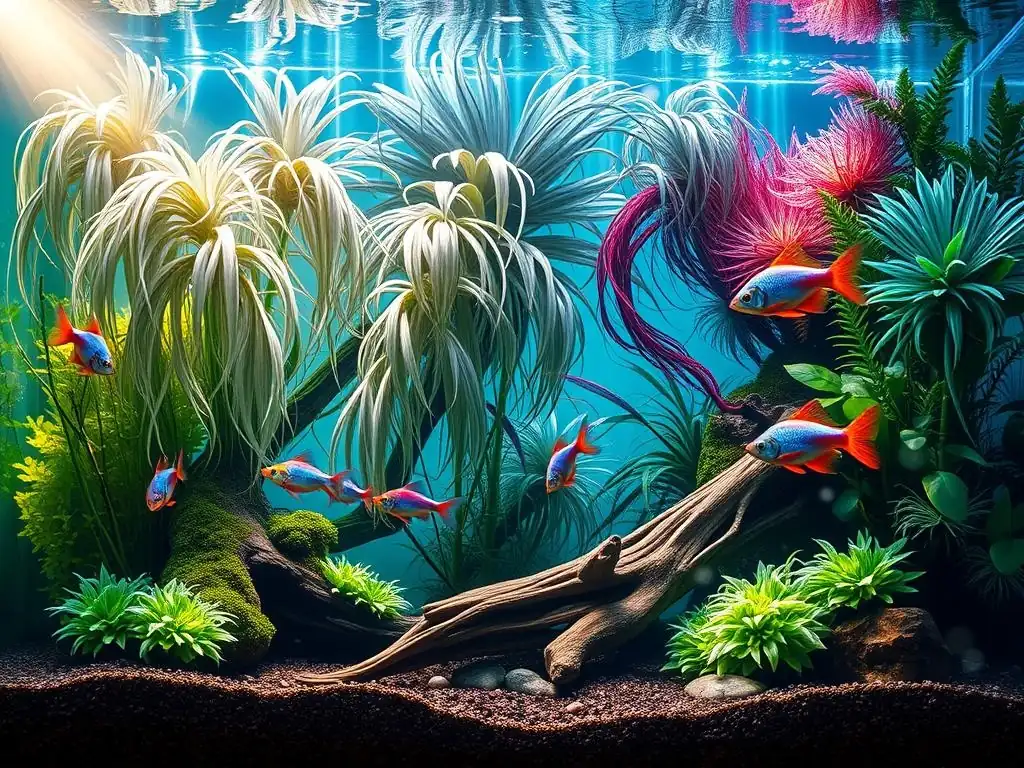
Myriophyllum mattogrossense, often simply referred to as Myriophyllum Mattogrossense or 'Red Myrio', is a captivating freshwater aquatic plant belonging to the family Haloragaceae. Native to the vast and biodiverse region of Mattogrosso in Brazil, specifically found in slow-moving rivers and floodplains, this stem plant is renowned for its delicate, feather-like leaves that branch out symmetrically from the central stem. Its vibrant green coloration can often transition to stunning reddish or bronze tips under optimal lighting and nutrient conditions, making it a highly sought-after species among aquascapers.
The plant's distinctive appearance features finely dissected leaves, typically arranged in whorls around the stem. These leaves are incredibly delicate, giving the plant a soft, bushy texture that sways gently with water currents, adding dynamic movement to an aquarium. Stems can grow quite tall, often reaching lengths of 30-60 cm (12-24 inches) or more, though regular trimming encourages bushier growth and helps maintain a desired height. Its intricate structure provides excellent cover for small fish and invertebrates, contributing to a more natural and thriving aquatic ecosystem.
Why Choose Myriophyllum Mattogrossense for Your Freshwater Aquarium?
Choosing Myriophyllum Mattogrossense for your freshwater aquarium offers numerous aesthetic and ecological benefits, making it a rewarding addition for dedicated aquarists. Visually, its unique feathery foliage provides a striking contrast to broad-leafed plants and hardscape elements, creating depth and texture in aquascapes. When cultivated successfully, especially with adequate iron and high light, the tips can display beautiful reddish hues, adding a touch of vibrant color to the green landscape of a planted tank. This plant is particularly effective as a background or midground accent, forming lush, dense bushes that enhance the natural appeal of the aquatic environment.
Beyond its undeniable beauty, Myriophyllum Mattogrossense contributes significantly to the overall health and stability of the aquarium ecosystem. Like many aquatic plants, it actively absorbs excess nitrates and other waste products from the water column, thereby helping to maintain pristine water quality and reduce the frequency of water changes. Its dense growth provides ample hiding spots and breeding grounds for small fish, shrimp, and fry, fostering a sense of security and promoting natural behaviors.
The oxygen released during photosynthesis also benefits tank inhabitants, particularly during the photoperiod, making it an excellent choice for a balanced and thriving planted aquarium. For those embarking on their Myriophyllum Mattogrossense care guide journey, understanding these benefits is the first step toward successful cultivation.
Understanding Myriophyllum Mattogrossense Care Requirements
Optimal Water Parameters for Myriophyllum Mattogrossense Growth
Achieving robust growth and vibrant coloration for Myriophyllum Mattogrossense hinges significantly on providing stable and appropriate water parameters. This plant thrives in clean, well-maintained water conditions that mimic its natural South American habitat. Consistency is key; sudden fluctuations in temperature, pH, or hardness can stress the plant, leading to stunted growth or melting. Regular water testing is crucial to monitor these parameters and make timely adjustments, ensuring the plant receives the ideal environment for its delicate structure.
Ideal Temperature Range for Healthy Growth
Myriophyllum Mattogrossense flourishes in tropical freshwater conditions, with an ideal temperature range typically between 20°C and 28°C (68°F and 82°F). Maintaining a stable temperature within this range is vital for optimal metabolic processes and nutrient uptake. Temperatures below 20°C can slow down growth considerably, making the plant more susceptible to algae growth due to reduced nutrient absorption. Conversely, temperatures consistently above 28°C, especially nearing 30°C, can stress the plant, potentially leading to melting or a decline in overall health, as oxygen solubility decreases and plant respiration rates increase, outstripping photosynthesis.
pH and Water Hardness Recommendations
For Myriophyllum Mattogrossense, a slightly acidic to neutral pH range of 6.0 to 7.5 is generally recommended. While it can tolerate a slightly wider range, keeping the pH stable within this bracket promotes healthy nutrient absorption, particularly for micronutrients like iron. In terms of water hardness, this plant prefers soft to moderately hard water, ideally with a General Hardness (GH) between 3-8 dGH and Carbonate Hardness (KH) between 3-6 dKH. Very hard water can sometimes inhibit nutrient uptake and may lead to slower growth or less vibrant coloration, although the plant is relatively adaptable if other conditions are met.
CO2 Injection: Is it Necessary for Myriophyllum Mattogrossense?
While some plants can survive without CO2 injection, for Myriophyllum Mattogrossense to truly thrive and display its full potential in terms of density, height, and vibrant reddish hues, CO2 injection is highly recommended, if not almost necessary. This plant is a fast grower under optimal conditions and, as such, has a high demand for carbon, which is a primary building block for plant tissue. Without supplemental CO2, growth will be significantly slower, stems may be thinner, and the plant will be more prone to algae accumulation on its delicate leaves due to weakened health.
Pressurized CO2 systems, delivering consistent levels of 20-30 ppm during the photoperiod, dramatically enhance photosynthesis, leading to explosive growth and robust health. For instance, many successful Myriophyllum Mattogrossense care guide setups report growth rates of several inches per week with consistent CO2 supplementation, compared to minimal growth in low-tech setups. This increased carbon availability allows the plant to outcompete algae for available nutrients, resulting in a cleaner, healthier display. While liquid carbon alternatives can provide some benefit, they are generally not a full substitute for a dedicated pressurized CO2 system for this demanding species.
Lighting Needs for Vibrant Color and Growth
Adequate lighting is a critical component of Myriophyllum Mattogrossense care, directly influencing its growth rate, stem thickness, and the intensity of its vibrant colors. As a plant that originates from relatively open, sunlit areas, it demands a significant amount of light to photosynthesize efficiently. Insufficient lighting will result in leggy, pale growth, and a tendency for the lower leaves to melt away, while excessive or improperly managed light can lead to severe algae outbreaks.
Light Intensity and Duration for Myriophyllum Mattogrossense
Myriophyllum Mattogrossense thrives under medium to high light intensity. For optimal, dense growth and the development of its characteristic reddish tips, a Photosynthetically Active Radiation (PAR) value of 30-50 PAR at the substrate level is generally recommended, with higher PAR values (e.g., 50-70 PAR) potentially enhancing red coloration if other nutrient conditions, particularly iron, are met. Light duration should be consistent, typically between 8 to 10 hours per day. Exceeding 10 hours can contribute to algae growth without necessarily benefiting the plant further, while less than 8 hours can lead to stunted growth and a pale appearance.
For example, an aquascaper aiming for a lush, vibrant display of Myriophyllum Mattogrossense might use a high-quality LED light fixture capable of delivering 40 PAR at the substrate, set on a timer for 9 hours daily. This consistent light cycle, combined with proper CO2 and fertilization, allows the plant to establish a strong photosynthetic rhythm, leading to rapid and healthy development. Monitoring the plant's response and adjusting light intensity or duration slightly can help fine-tune the setup, as conditions vary between individual tanks.
Choosing the Right Aquarium Lighting for Planted Tanks
Selecting the appropriate lighting system is fundamental to successful Myriophyllum Mattogrossense care. Modern LED fixtures are highly recommended due to their energy efficiency, longevity, and often programmable features, allowing for precise control over intensity and spectrum. When choosing an LED light, look for models designed for planted tanks, which typically offer a full spectrum of light, including reds and blues that are crucial for plant photosynthesis and color rendition.
The Color Rendering Index (CRI) should ideally be high (90+), and a color temperature around 6500 Kelvin is excellent for promoting plant growth and accurately displaying natural colors. While PAR meters provide the most accurate measurement of light intensity for plants, many reputable light manufacturers provide PAR maps or recommendations for their fixtures, which can guide your selection. For a 60cm (24-inch) tall tank, a light fixture rated for "medium-high" or "high" light is often suitable for Myriophyllum Mattogrossense, ensuring sufficient light penetrates to the lower portions of the stems, preventing lower leaf melt and promoting overall vigor.
Substrate and Fertilization for Myriophyllum Mattogrossense
Effective Myriophyllum Mattogrossense care extends beyond water parameters and lighting to encompass a comprehensive approach to substrate and nutrient management. While Myriophyllum Mattogrossense is primarily a stem plant that absorbs nutrients from the water column, a nutrient-rich substrate can significantly contribute to its overall health, especially for newly planted stems developing root systems. A balanced fertilization regime, incorporating both liquid fertilizers and potentially root tabs, is crucial for sustaining its rapid growth and vibrant appearance.
Best Substrate Options for Rooting Myriophyllum Mattogrossense
For optimal Myriophyllum Mattogrossense growth, a nutrient-rich active substrate, often referred to as "aqua soil" or "plant soil," is highly recommended. Brands like ADA Aqua Soil, Fluval Stratum, or CaribSea Eco-Complete provide essential macronutrients (Nitrogen, Phosphorus, Potassium) and micronutrients (Iron, Manganese, Boron) that are slowly released into the water column and made available to the plant's roots. These substrates also have a high Cation Exchange Capacity (CEC), meaning they can absorb nutrients from the water column and release them back to the plant as needed, acting as a nutrient buffer.
While Myriophyllum Mattogrossense can grow in inert substrates like sand or fine gravel, its growth will be significantly slower and it will be entirely dependent on water column fertilization. In such setups, the use of root tabs becomes almost mandatory to provide localized nutrition for the developing root system. For instance, a common practice is to layer a nutrient-rich substrate at least 5-7 cm (2-3 inches) deep to provide ample space for rooting and nutrient reserves, particularly beneficial during the initial establishment phase of the plant.
Liquid Fertilizers: A Comprehensive Guide for Optimal Nutrient Levels
Liquid fertilization is paramount for Myriophyllum Mattogrossense due to its strong ability to absorb nutrients directly from the water column through its leaves and stems. A comprehensive liquid fertilizer regime should include both macronutrients (Nitrates, Phosphates, Potassium) and a full spectrum of micronutrients, especially iron. Iron is particularly crucial for the development of the plant's reddish hues and overall green coloration; a deficiency often manifests as pale or yellowing new growth.
Many aquarists follow a dosing strategy known as the "Estimative Index" (EI) or a similar balanced approach, which involves dosing sufficient nutrients to ensure no deficiencies occur, followed by large weekly water changes to reset nutrient levels. For example, maintaining nitrate levels around 10-20 ppm, phosphate levels at 0.5-1.5 ppm, and potassium around 15-20 ppm, alongside a daily dose of trace elements including iron (e.g., 0.05-0.1 ppm Fe), can lead to exceptional Myriophyllum Mattogrossense growth.
Consistent dosing, whether daily or every other day, is often more effective than large weekly doses, as it provides a stable nutrient supply for this fast-growing plant.
Root Tabs: Providing Long-Term Nutrition
While Myriophyllum Mattogrossense primarily feeds from the water column, root tabs can provide an excellent supplementary source of long-term nutrition, especially in tanks with inert substrates or as a booster for plants in nutrient-depleted aqua soils. Root tabs are small capsules or pellets filled with concentrated nutrients, designed to be inserted directly into the substrate near the plant's roots. They slowly release these nutrients over several weeks or months, ensuring a consistent supply of essential elements.
For instance, if you're establishing a new Myriophyllum Mattogrossense care guide setup with an inert sand base, placing a root tab every 10-15 cm (4-6 inches) in the planting area can significantly aid the plant's initial establishment and long-term health. Even in tanks with active substrates, root tabs can be beneficial in areas of heavy planting or for older substrates where nutrient reserves may be dwindling. It's crucial to follow the manufacturer's instructions regarding placement and replacement frequency, typically every 2-4 months, to prevent nutrient spikes or deficiencies.
Planting and Propagation of Myriophyllum Mattogrossense
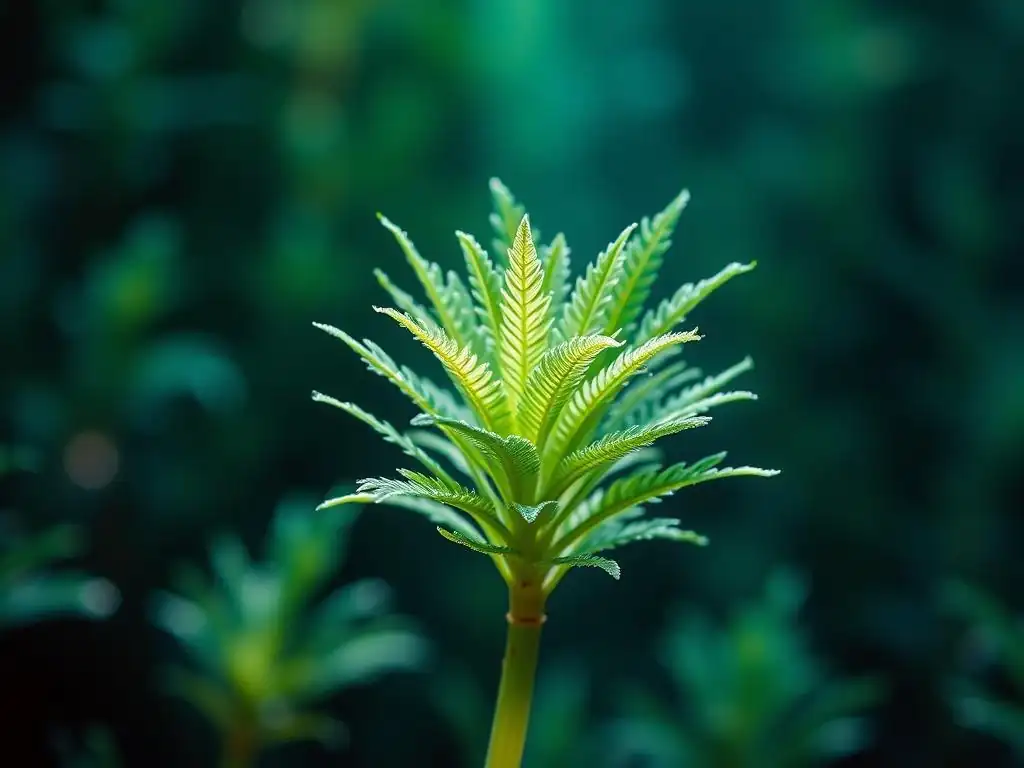
Successful planting and propagation are key aspects of Myriophyllum Mattogrossense care, ensuring a lush, dense display and allowing aquarists to expand their plant mass effortlessly. This stem plant is relatively straightforward to propagate, making it an excellent choice for those looking to fill their tank or share with other hobbyists. Proper technique during planting helps the stems establish quickly, while effective propagation methods ensure continuous healthy growth.
Planting Myriophyllum Mattogrossense Stems
When acquiring Myriophyllum Mattogrossense, whether from a local fish store or an online vendor, the plants often arrive as individual stems. Proper preparation and planting technique are crucial for their successful transition and establishment in your aquarium. Rushing this step can lead to initial melting or slow growth, impacting the overall aesthetic and health of your planted tank.
Preparing the Stems for Planting
Before planting, carefully inspect each Myriophyllum Mattogrossense stem. Remove any yellowed, damaged, or decaying leaves, particularly from the bottom 2-3 cm (about 1 inch) of the stem, as these will be buried in the substrate. If the stems are very long, you can trim them to a more manageable length, typically 10-15 cm (4-6 inches), using sharp aquascaping scissors to create a clean cut.
This trimming not only makes planting easier but also encourages the development of new roots from the nodes. A clean cut also helps prevent stem rot once buried in the substrate, crucial for maintaining a healthy Myriophyllum Mattogrossense display.
It's also beneficial to gently rinse the stems under cool, dechlorinated water to remove any debris or potential hitchhikers. If the plant was grown emersed (out of water), it might undergo a period of "melting" as it adapts to submerged conditions; removing these initial dying leaves will help the plant focus energy on new, submerged growth.
Proper Spacing for Healthy Growth
Proper spacing is vital for Myriophyllum Mattogrossense to ensure adequate light penetration and water circulation, both of which are essential for preventing lower leaf decay and promoting bushy growth. Plant individual stems into the substrate using aquascaping tweezers, burying the trimmed end about 2-3 cm (about 1 inch) deep. For a dense, lush appearance, plant stems approximately 2-3 cm (0.8-1.2 inches) apart. Planting them too close together will lead to shading, causing the lower leaves to yellow and fall off due to lack of light, and can restrict water flow, potentially leading to dead spots where debris accumulates.
To create a visually impactful bush, you can plant multiple stems in a cluster, ensuring each stem still has enough space around its base. For example, a 10 cm x 10 cm (4x4 inch) area might comfortably accommodate 9-12 individual stems, creating a compact yet airy Myriophyllum Mattogrossense bush. This spacing allows light to reach the lower portions of the stems, encouraging side shoots and contributing to a healthier, fuller plant from top to bottom.
Propagating Myriophyllum Mattogrossense: A Step-by-Step Guide
Propagating Myriophyllum Mattogrossense is a straightforward and rewarding process that allows aquarists to easily expand their plant collection and maintain the desired shape and density of their existing plants. This plant readily propagates from stem cuttings, making it an ideal choice for filling out a tank or sharing with fellow hobbyists. The process also serves as a form of pruning, encouraging the mother plant to become bushier.
Trimming and Replanting Stem Cuttings
The most common and effective method for propagating Myriophyllum Mattogrossense is through stem cuttings. When your plant reaches the water surface or becomes too tall for your aquascape, use sharp aquascaping scissors to trim the top section of the stem. Each cutting should be at least 10-15 cm (4-6 inches) long and have several nodes (points where leaves emerge). Remove the leaves from the bottom 2-3 cm of the cutting, preparing it for planting.
Once prepared, simply replant the trimmed cutting into the substrate, burying the bare stem end approximately 2-3 cm deep. Ensure the cutting is firmly anchored to prevent it from floating away. Within a week or two, new roots will begin to emerge from the buried nodes, and the cutting will start to grow as an independent plant. This method not only creates new plants but also stimulates the original "mother" plant to produce new side shoots from the cut point, leading to a denser, bushier appearance.
Maximizing Propagation Success
To maximize the success rate of Myriophyllum Mattogrossense propagation, several factors should be considered. Firstly, ensure the mother plant is healthy and robust before taking cuttings, as strong parent plants yield stronger propagules. Secondly, maintaining optimal water parameters, including consistent CO2 injection (20-30 ppm) and a balanced liquid fertilization regime, will significantly accelerate root development and new growth in the cuttings. For example, cuttings rooted in a tank with high light, CO2, and stable nutrients can show visible root growth within 3-5 days and new leaf development within a week.
Additionally, avoid disturbing newly planted cuttings too frequently, as this can dislodge them and hinder root establishment. Some aquarists also report success using a small amount of root hormone powder or liquid applied to the cut end, though this is often unnecessary for a vigorous grower like Myriophyllum Mattogrossense under good conditions. Consistent lighting (8-10 hours) and stable water flow around the planted cuttings will also contribute to their rapid establishment and growth, ensuring your Myriophyllum Mattogrossense care guide efforts are fruitful.
Maintaining a Healthy Myriophyllum Mattogrossense Display
Maintaining a healthy and vibrant Myriophyllum Mattogrossense display requires consistent attention to pruning, algae prevention, and prompt troubleshooting of common plant problems. Due to its rapid growth rate and delicate structure, regular intervention is necessary to prevent overcrowding, ensure adequate light penetration, and address any signs of stress or deficiency. A proactive approach to Myriophyllum Mattogrossense care will ensure your plant remains a stunning focal point in your aquarium.
Regular Pruning and Trimming Techniques
Regular pruning is essential for Myriophyllum Mattogrossense, not only to control its rapid growth and maintain an aesthetically pleasing shape but also to promote denser, bushier growth. Without consistent trimming, the plant can quickly reach the surface, shading out plants below and becoming leggy. This proactive maintenance helps ensure light and nutrients are distributed evenly throughout the plant.
Preventing Overcrowding and Promoting Bushy Growth
Myriophyllum Mattogrossense can grow quite quickly under optimal conditions, often reaching the water surface within a few weeks. When the stems become too tall or dense, they can shade out their lower leaves and neighboring plants, leading to melting or stunted growth in those areas. To prevent overcrowding and encourage a bushier appearance, regularly trim the top 10-15 cm (4-6 inches) of the stems using sharp aquascaping scissors. This "topping" technique forces the plant to send out new side shoots from the nodes below the cut, resulting in a fuller, more compact bush.
For instance, in a tank with strong lighting and CO2, you might find yourself trimming Myriophyllum Mattogrossense every 1-2 weeks. It's often beneficial to trim stems at varying heights to create a more natural, tiered look rather than a uniform "hedge." The trimmed tops can then be replanted to propagate new plants, further enhancing the density of your Myriophyllum Mattogrossense display.
Removing Dead or Damaged Leaves
Beyond regular trimming for shape and density, it's crucial to routinely inspect your Myriophyllum Mattogrossense for any dead, decaying, or severely damaged leaves. These leaves can be identified by their yellow, brown, or mushy appearance. Gently pluck or snip off these leaves close to the stem. Removing them not only improves the plant's aesthetic but also prevents them from decaying in the water, which can contribute to nutrient spikes and provide a substrate for algae growth.
Dead leaves can also harbor detritus and restrict water flow, creating anaerobic pockets. For example, if the lower leaves of your Myriophyllum Mattogrossense are consistently melting, it could indicate insufficient light penetration to the bottom of the plant, or a nutrient deficiency. Addressing the underlying cause while removing the affected leaves is part of a comprehensive Myriophyllum Mattogrossense care guide. Regularly clearing out such debris helps maintain overall water quality and plant health.
Preventing Algae Growth on Myriophyllum Mattogrossense
Myriophyllum Mattogrossense, with its delicate, feathery leaves, can be particularly susceptible to algae growth if tank conditions are not perfectly balanced. Algae can quickly smother the fine foliage, impeding photosynthesis and detracting from the plant's beauty. Proactive measures are essential to keep your Myriophyllum Mattogrossense free from unwanted algal invaders.
Common Algae Issues in Planted Aquariums
Several types of algae commonly plague planted aquariums, and Myriophyllum Mattogrossense can fall victim to them. Hair algae, a stringy green algae, often attaches to the fine leaves, particularly if there are nutrient imbalances (e.g., low nitrates, fluctuating CO2) or excessive light. Green Spot Algae (GSA) can appear as small, hard green spots on older, slower-growing leaves, typically indicating low phosphates or too much light. Black Beard Algae (BBA) is a more persistent issue, often linked to unstable CO2 levels or insufficient flow, appearing as dark, brush-like tufts on plant leaves and stems.
For instance, if your Myriophyllum Mattogrossense starts developing a fuzzy green coating on its leaves, it's likely hair algae, signaling a need to check your CO2 levels (aim for 20-30 ppm during the photoperiod) and ensure your nitrate and phosphate levels are within recommended ranges. Consistent monitoring of these parameters is crucial in preventing such outbreaks, as even minor fluctuations can trigger algae blooms on delicate plants.
Effective Algae Control Methods
Effective algae control for Myriophyllum Mattogrossense relies on maintaining a stable and balanced planted aquarium environment. The primary strategies include:
- Consistent CO2 levels: As mentioned, stable CO2 (20-30 ppm) is paramount. Fluctuations weaken plants and favor algae.
- Balanced Nutrients: Ensure adequate levels of macro and micronutrients. A common imbalance leading to algae is a lack of nitrates (target 10-20 ppm) or phosphates (target 0.5-1.5 ppm).
- Appropriate Lighting: Stick to 8-10 hours of consistent light. Too much intensity or duration can fuel algae.
- Good Water Circulation: Ensure water flow reaches all parts of the plant to deliver CO2 and nutrients and prevent dead spots where algae can thrive.
- Manual Removal: Gently remove any visible algae from the delicate leaves using a soft brush or by hand during maintenance. For example, if you spot small patches of BBA, carefully trim the affected leaves before it spreads.
- Algae Eaters: Introducing algae-eating tank mates like Amano shrimp (Caridina multidentata) or Otocinclus catfish (Otocinclus affinis) can provide biological control, though they are not a substitute for proper tank management. For a comprehensive Myriophyllum Mattogrossense care guide, integrating these methods provides the best defense against algae.
Common Problems and Solutions for Myriophyllum Mattogrossense Care
Even with diligent Myriophyllum Mattogrossense care, aquarists may encounter common problems such as nutrient deficiencies, melting, or stunted growth. Identifying the specific symptom and understanding its underlying cause is crucial for effective troubleshooting and restoring your plant to its vibrant health. Prompt action can prevent minor issues from escalating into significant plant loss.
Addressing Nutrient Deficiencies
Nutrient deficiencies in Myriophyllum Mattogrossense often manifest as specific visual symptoms:
- Yellowing or pale new growth: This frequently indicates an iron deficiency. Iron is vital for chlorophyll production. Dosing a chelated iron supplement at recommended levels (e.g., 0.05-0.1 ppm Fe) can quickly restore vibrant green coloration.
- Overall yellowing, especially older leaves: Often a sign of nitrogen deficiency. Increasing nitrate levels (target 10-20 ppm) through liquid fertilizers or potassium nitrate addition will usually resolve this.
- Stunted growth with dark green leaves: Can point to phosphate deficiency. Boosting phosphate levels (target 0.5-1.5 ppm) often encourages new growth.
- Holes in leaves or yellowing between veins: May indicate a potassium deficiency. Regular potassium supplementation (target 15-20 ppm) is important, especially since many tap waters are low in this macronutrient.
A comprehensive Myriophyllum Mattogrossense care guide emphasizes regular water testing for key nutrients to proactively prevent these issues.
Dealing with Melting or Stunted Growth
Melting: Myriophyllum Mattogrossense can "melt" (dissolve or decay) when subjected to sudden environmental changes, such as a drastic shift in water parameters (temperature, pH, hardness), or a sudden lack of CO2 after being accustomed to it. Plants grown emersed (out of water) will also melt back when first submerged as they adapt to aquatic form.
- Solution: Ensure stable water parameters. If it's a new plant, provide optimal conditions and allow it time to adapt; new submerged growth will typically emerge. Remove any decaying parts to prevent ammonia spikes.
Stunted Growth: This is a broad symptom often caused by a combination of factors:
- Insufficient Light: As detailed in the Myriophyllum Mattogrossense care guide, this plant needs medium to high light. If light is too low, growth will slow significantly.
- Lack of CO2: The most common reason for stunted growth in demanding plants. Ensure CO2 levels are consistently 20-30 ppm during the photoperiod.
- Nutrient Deficiencies: Refer to the previous point on specific nutrient issues.
- Poor Water Flow: Inadequate circulation can prevent CO2 and nutrients from reaching the plant's leaves.
For example, if your Myriophyllum Mattogrossense suddenly stops growing and appears compact with very small leaves, it's highly probable that your CO2 delivery is insufficient or inconsistent. Increasing the CO2 bubble count or checking your diffuser for blockages would be the first step.
Identifying and Treating Plant Diseases
True "plant diseases" in aquatic plants, caused by pathogens, are less common than issues stemming from environmental deficiencies or imbalances. However, severe nutrient deficiencies or persistent poor conditions can weaken plants, making them susceptible to secondary issues.
- General Fungal/Bacterial Issues: If parts of the plant turn mushy or develop unusual growths, it's usually a sign of severe decay due to underlying issues like nutrient starvation, lack of CO2, or extreme parameter fluctuations.
- Solution: The best "treatment" is to rectify the underlying environmental problem. For instance, if a section of Myriophyllum Mattogrossense has completely melted away, it's likely due to a prolonged lack of a critical resource. Removing the affected parts and then meticulously adjusting lighting, CO2, and fertilization will allow the healthy parts to recover and new growth to emerge. Maintaining excellent Myriophyllum Mattogrossense care through stable parameters and consistent nutrient dosing is the best defense against any form of plant "disease."
Myriophyllum Mattogrossense and Tank Mates
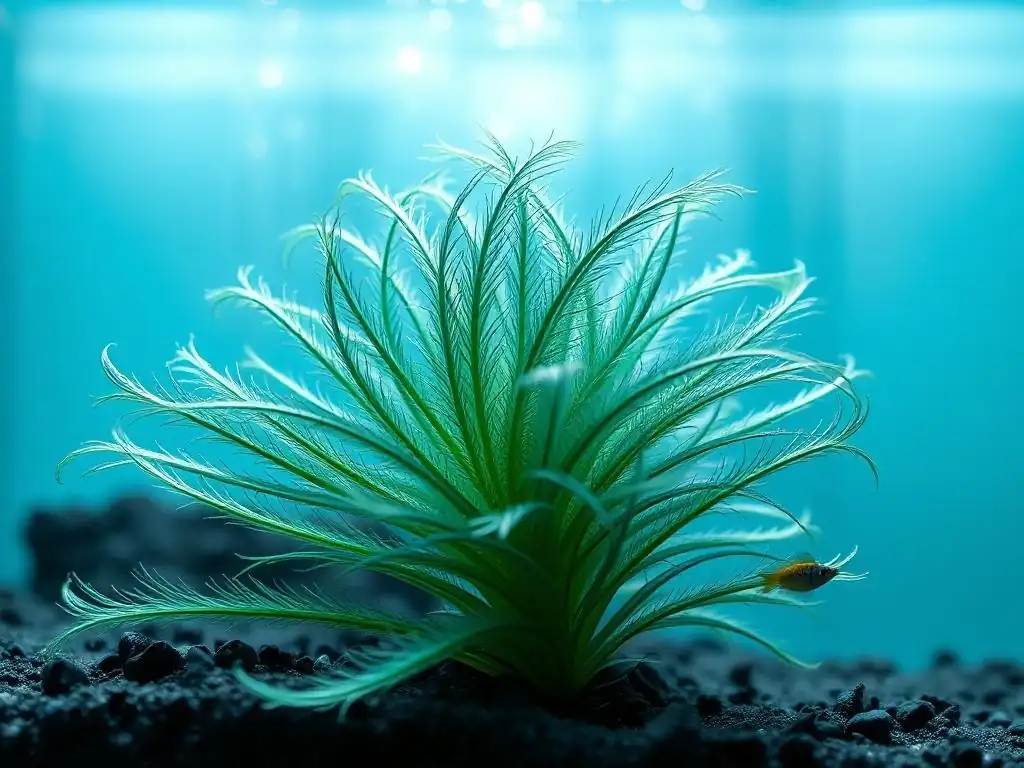
Integrating Myriophyllum Mattogrossense into a community aquarium requires careful consideration of compatible tank mates. While the plant itself is delicate and generally non-toxic, certain fish and invertebrate species can either be beneficial or detrimental to its health and appearance. Selecting tank mates that complement a planted environment is crucial for creating a thriving and balanced ecosystem where both flora and fauna can flourish.
Compatible Fish and Invertebrates for Planted Aquariums
Myriophyllum Mattogrossense thrives in peaceful community tanks alongside a variety of fish and invertebrates that do not actively graze on plant matter. Ideal tank mates are typically small to medium-sized, non-herbivorous fish that prefer tropical freshwater conditions. This approach ensures the delicate feathery leaves of the plant remain intact and vibrant, enhancing the overall aesthetic of your aquascape.
Avoiding Herbivorous Fish that May Damage the Plants
To ensure the longevity and beauty of your Myriophyllum Mattogrossense, it is crucial to avoid introducing fish species known for their herbivorous diets or their tendency to uproot plants. Large, boisterous fish or those with a strong inclination to graze on vegetation can quickly decimate the delicate foliage of Myriophyllum Mattogrossense. For instance, species like Silver Dollars (Metynnis argenteus) are notorious plant eaters and will quickly strip leaves from stem plants. Similarly, certain larger Plecostomus species (e.g., Hypostomus plecostomus) can damage delicate plants through their grazing habits and sheer size.
Even some snails, like large Apple Snails (Pomacea canaliculata), can consume live plant tissue. Therefore, when designing a tank with Myriophyllum Mattogrossense, it's best to stick to fish that are primarily carnivorous or omnivorous with a preference for flakes/pellets, rather than plant matter. This careful selection is a vital part of effective Myriophyllum Mattogrossense care, protecting your investment in lush aquatic greenery.
Selecting Tank Mates that Benefit Plant Health
Conversely, many tank mates can actively benefit the health of your Myriophyllum Mattogrossense and the overall aquarium ecosystem. Small, peaceful fish like Neon Tetras (Paracheirodon innesi), Cardinal Tetras (Paracheirodon axelrodi), Rasboras (e.g., Harlequin Rasboras, Trigonostigma heteromorpha), and various species of small schooling fish are excellent choices. They provide visual appeal without disturbing the plants.
Invertebrates are particularly beneficial. Amano Shrimp (Caridina multidentata) are highly valued for their exceptional algae-eating capabilities, helping to keep the delicate leaves of Myriophyllum Mattogrossense clean. Otocinclus catfish (Otocinclus affinis) are also fantastic for controlling diatom and green spot algae on plant surfaces.
Small, non-invasive snails like Ramshorn snails (Planorbella spp.) or Malaysian Trumpet Snails (Melanoides tuberculata) can help break down detritus in the substrate and consume decaying plant matter, further contributing to a clean environment. For example, a group of 10 Amano shrimp in a 75-liter tank can significantly reduce the need for manual algae scrubbing on Myriophyllum Mattogrossense leaves.
Creating a Balanced Ecosystem with Myriophyllum Mattogrossense
Myriophyllum Mattogrossense plays a vital role in creating a balanced and thriving aquarium ecosystem. Its rapid growth and efficient nutrient uptake contribute significantly to water quality by absorbing excess nitrates, phosphates, and other dissolved organic compounds that would otherwise fuel algae growth or stress fish. This natural filtration process helps maintain stable water parameters, reducing the burden on mechanical and biological filtration.
Furthermore, the dense, feathery foliage of Myriophyllum Mattogrossense provides essential shelter and security for tank inhabitants. Small fish, shrimp, and fry can retreat into its thickets, reducing stress and promoting natural behaviors. The plant's photosynthetic activity also releases oxygen into the water, benefiting fish and beneficial bacteria, especially during the day. By carefully selecting compatible tank mates and ensuring optimal Myriophyllum Mattogrossense care, you cultivate a self-sustaining miniature aquatic world where both plants and animals flourish in harmony.
Showcasing Myriophyllum Mattogrossense in Aquascaping
Myriophyllum Mattogrossense, with its unique delicate texture and vibrant coloration potential, is a versatile and highly valued plant in the art of aquascaping. Its ability to grow tall and bushy makes it ideal for creating lush backgrounds or intricate midground accents, adding depth and a natural, wild feel to any freshwater aquarium. Mastering its placement and combination with other elements is key to showcasing its full aesthetic potential.
Aquascaping Ideas and Inspiration
The fine, feathery structure of Myriophyllum Mattogrossense allows it to integrate seamlessly into various aquascaping styles, from dense Dutch-style planted tanks to more naturalistic Iwagumi or Nature Aquarium layouts. Its ability to grow densely and tall provides excellent structural elements, whether as a soft backdrop or a detailed focal point. The key is to leverage its delicate appearance to create contrast and visual interest.
Using Myriophyllum Mattogrossense as a Background Plant
Myriophyllum Mattogrossense excels as a background plant, where its height and bushy growth can effectively fill the upper and rear portions of the aquarium. When planted densely along the back glass, it creates a lush, green wall that provides a stunning backdrop for midground and foreground elements. Its feathery leaves soften the harsh lines of the tank and add a sense of depth and natural movement as they sway gently in the current.
For example, in a standard 60-gallon (approx. 225-liter) tank, planting 15-20 individual stems of Myriophyllum Mattogrossense in rows across the back, spaced 2-3 cm apart, can quickly form a dense, vibrant green curtain. Regular trimming of the tops will encourage it to grow even bushier, creating a solid mass of foliage that highlights the colors of foreground plants and fish. This strategic placement helps define the overall structure of the aquascape while providing ample hiding spaces for tank inhabitants.
Combining Myriophyllum Mattogrossense with Other Aquatic Plants
The delicate texture of Myriophyllum Mattogrossense makes it an excellent plant for creating textural contrast when combined with other aquatic plants. Pair it with broad-leafed plants like Anubias barteri or Cryptocoryne wendtii in the midground to highlight their different leaf shapes and sizes. The fine needles of Myriophyllum Mattogrossense also contrast beautifully with carpeting plants such as Hemianthus callitrichoides 'Cuba' (HC Cuba) or Glossostigma elatinoides, creating a sense of scale and visual interest.
Consider using it to frame hardscape elements like driftwood or rocks, softening their edges and integrating them more naturally into the plant layout. For instance, a cluster of reddish-tipped Myriophyllum Mattogrossense positioned behind a large, moss-covered piece of driftwood can draw the eye and create a stunning focal point. This thoughtful combination of textures and colors, guided by a comprehensive Myriophyllum Mattogrossense care guide, allows aquascapers to craft dynamic and visually captivating underwater landscapes.
Creating a Natural and Visually Appealing Aquarium
The successful integration of Myriophyllum Mattogrossense into an aquascape culminates in the creation of a natural and visually appealing aquarium. Its ability to grow into dense, cloud-like formations evokes images of lush underwater meadows or vibrant riverbanks, providing a habitat that feels authentic and inviting. The movement of its delicate leaves in the water current adds a dynamic element that enhances the feeling of a living, breathing ecosystem.
Beyond its aesthetic contribution, a healthy Myriophyllum Mattogrossense display signifies a well-maintained and balanced aquarium. Its vibrant colors and robust growth are indicators of optimal water parameters, sufficient lighting, and balanced nutrient levels, reflecting the aquarist's dedication to proper Myriophyllum Mattogrossense care. This commitment results in an aquarium that is not only beautiful to behold but also a thriving environment for its aquatic inhabitants, offering a truly immersive and rewarding experience for the viewer.
Advanced Myriophyllum Mattogrossense Care Techniques
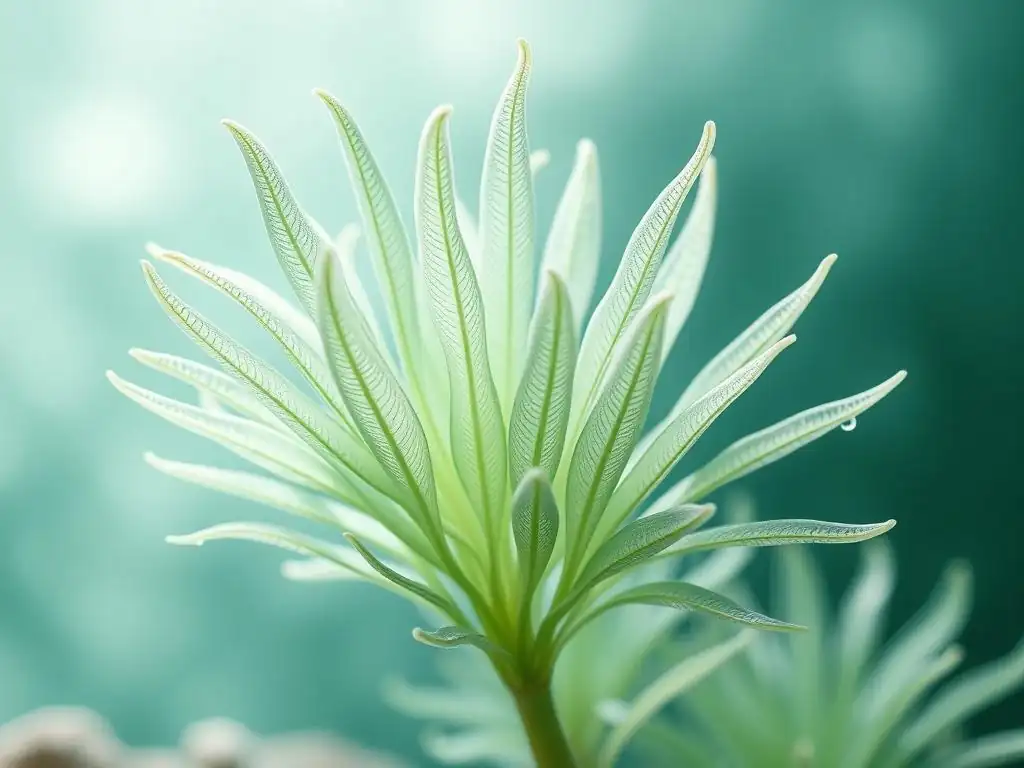
For aquarists seeking to push the boundaries of Myriophyllum Mattogrossense care and achieve truly spectacular growth and coloration, implementing advanced techniques can yield remarkable results. These methods often involve fine-tuning environmental factors beyond basic requirements, focusing on precise nutrient delivery, optimized carbon supplementation, and sophisticated lighting control. While demanding, the rewards are a denser, more vibrant, and resilient Myriophyllum Mattogrossense display.
Understanding the Role of CO2 Boosters and Liquid Carbon
While pressurized CO2 injection is the gold standard for Myriophyllum Mattogrossense, "CO2 boosters" or "liquid carbon" products (typically containing glutaraldehyde) offer an alternative or supplemental carbon source, particularly for smaller tanks or those where a pressurized system is impractical. These products work by providing a bio-available form of carbon that plants can utilize for photosynthesis, and some also possess algicidal properties.
However, it's crucial to understand their limitations. Liquid carbon products, while beneficial for modest growth enhancement and algae control, are not a full substitute for pressurized CO2 for a high-demand plant like Myriophyllum Mattogrossense. They generally provide a lower concentration of carbon compared to gas injection, and their effectiveness can vary.
For instance, a 50-liter (approx. 13-gallon) tank might see a noticeable improvement in Myriophyllum Mattogrossense growth by dosing 1-2 ml of liquid carbon daily, as per product instructions, helping to prevent stunted growth in the absence of pressurized CO2. For truly lush and vibrant growth, especially with the characteristic reddish tips, a dedicated pressurized CO2 system delivering 20-30 ppm is still the superior method.
Utilizing Specialized Substrates for Enhanced Growth
Beyond standard aqua soils, some advanced aquascapers utilize specialized substrate layering techniques or specific substrate additives to further enhance Myriophyllum Mattogrossense growth and root development. These methods aim to create an optimal root environment that provides sustained nutrient release and improved cation exchange capacity.
For example, a common advanced technique involves layering a base of inert, porous material like lava rock or pumice for improved aeration and root penetration, topped with a rich aqua soil. Some aquarists also incorporate nutrient powders or clay-based additives beneath the main substrate layer to provide a long-term reservoir of trace elements and minerals.
This creates an incredibly fertile substrate bed that continuously supplies essential nutrients to the developing Myriophyllum Mattogrossense root system, even as the water column nutrients fluctuate slightly. This approach minimizes the need for frequent root tab replacement and supports exceptionally dense and vigorous growth from the very base of the plant.
Implementing Advanced Lighting Systems
Advanced lighting systems offer unparalleled control over the light spectrum, intensity, and photoperiod, allowing aquarists to fine-tune conditions for peak Myriophyllum Mattogrossense performance. High-end programmable LED fixtures, for instance, often allow users to customize the exact color temperatures and intensities for different times of the day, simulating natural sunrise and sunset effects.
Beyond simple on/off timers, these systems enable sophisticated control over PAR output and spectrum manipulation. For instance, increasing the red and blue spectrums can promote more intense coloration in Myriophyllum Mattogrossense, while adjusting overall PAR can optimize growth rates.
Some aquarists use PAR meters to precisely map the light intensity at different depths and locations within their tank, ensuring that Myriophyllum Mattogrossense receives its ideal 30-50 PAR (or higher for red tips) at all points. This level of control allows for the creation of incredibly dynamic and stable lighting environments, maximizing the plant's photosynthetic efficiency and aesthetic appeal, and truly mastering Myriophyllum Mattogrossense care.
Conclusion: Mastering Myriophyllum Mattogrossense Care
The Beauty and Rewards of Growing Myriophyllum Mattogrossense
Cultivating Myriophyllum Mattogrossense is an incredibly rewarding endeavor for any dedicated aquarist. Its delicate, feathery foliage, capable of displaying vibrant green hues and striking reddish tips, adds unparalleled beauty and dynamic movement to a freshwater aquarium. When properly cared for, this plant transforms into a lush, cloud-like mass, creating a naturalistic and visually captivating underwater landscape that provides both aesthetic pleasure and essential ecological benefits to the tank inhabitants. The journey of mastering Myriophyllum Mattogrossense care is a testament to an aquarist's patience and attention to detail.
Beyond its stunning appearance, the successful growth of Myriophyllum Mattogrossense signifies a balanced and thriving aquatic ecosystem. Its robust health indicates optimal water parameters, consistent CO2 supplementation, and a well-managed nutrient regime. The satisfaction of seeing this plant flourish, providing oxygen and shelter while actively contributing to water quality, is a core joy of the planted tank hobby. Its rapid growth and ease of propagation further enhance the experience, allowing aquarists to easily expand their green aquascape.
Further Resources for Planted Aquarium Enthusiasts
Mastering Myriophyllum Mattogrossense care is an ongoing learning process, and the planted aquarium hobby offers a wealth of knowledge for enthusiasts. To continue your journey in aquascaping and plant cultivation, explore detailed guides on water chemistry, advanced CO2 injection techniques, and comprehensive nutrient dosing strategies. Engaging with online forums and communities dedicated to planted tanks can provide invaluable insights from experienced aquarists facing similar challenges or celebrating successes.
Consider delving into the specifics of different aquatic plant species to understand their unique needs and how they can complement Myriophyllum Mattogrossense in your aquascape designs. Learning about various aquascaping styles, from Iwagumi to Dutch, can also inspire new ways to showcase your plants. Continuous research and experimentation within your own aquarium will deepen your understanding and allow you to refine your Myriophyllum Mattogrossense care guide techniques, leading to even more spectacular and sustainable planted aquariums.
Frequently Asked Questions
How difficult is it to care for Myriophyllum Mattogrossense?
Myriophyllum Mattogrossense is considered a demanding aquarium plant. It requires high lighting and consistent nutrient levels to thrive. Beginners may find it challenging.
What are the ideal water parameters for Myriophyllum Mattogrossense?
This plant prefers slightly acidic water, with a pH between 6.0 and 7.0. The ideal temperature range is between 72°F and 82°F (22°C - 28°C). Maintaining stable water parameters is crucial.
What type of lighting does Myriophyllum Mattogrossense need?
Myriophyllum Mattogrossense needs high-intensity lighting to grow properly. Aim for at least 3-5 watts per gallon using T5 or LED fixtures. Insufficient lighting can lead to leggy growth and plant death.
How should I propagate Myriophyllum Mattogrossense?
You can propagate it by cutting healthy stems and replanting them into the substrate. Ensure the new cuttings receive sufficient light and nutrients. Rooting hormone can help, but isn't always necessary.
What are some common problems when growing Myriophyllum Mattogrossense?
Common issues include algae growth, nutrient deficiencies (especially iron and CO2), and melting. Addressing these problems promptly with appropriate water changes and fertilization is essential.
Final Reflection: Appreciating the Nuance of Aquatic Beauty
The journey into understanding Myriophyllum Mattogrossense reveals more than just the specifics of aquarium plant care; it highlights the delicate balance within any ecosystem, whether natural or artificial. The intricacies of light, nutrients, and water parameters, so crucial for this plant's survival, serve as a microcosm of the larger environmental challenges we face. Ignoring these subtle demands leads to decline, a potent reminder of the interconnectedness of all living things.
This exploration has not only deepened our understanding of Myriophyllum Mattogrossense, but also underscored the importance of patience and observation in all aspects of life. The subtle shifts in color, the delicate growth patterns – these are the cues that guide us, demanding a mindful approach. The best and most beautiful things in the world cannot be seen or even touched - they must be felt with the heart.
- Helen Keller. This quote resonates deeply, reminding us that true appreciation comes from a deeper connection, a willingness to truly see and understand the needs of something beyond ourselves.
Now, consider the lessons learned from nurturing this demanding yet rewarding plant. How can you apply this same level of dedication and attention to detail in your own life? Let the pursuit of a thriving Myriophyllum Mattogrossense inspire you to cultivate patience, practice mindful observation, and foster a deeper appreciation for the delicate balance that sustains us all. Strive to create your own thriving ecosystem, both within your aquarium and within your life.
Ignite Your Aquarium Passion: Cultivate the 'Matt' Magic!
Thanks for diving deep into the world of Myriophyllum mattogrossense! Now that you're armed with the knowledge to nurture this captivating plant, it's time to translate theory into action and truly elevate your aquascape.
- Commit to monitoring your aquarium's CO2 levels for the next week. Accurate CO2 is the key to success with M. mattogrossense.
- Share your experiences! Post a picture of your Myriophyllum mattogrossense (or your plan for growing it) on your favorite aquarium forum and help other hobbyists discover its beauty.
- Feeling adventurous? Try propagating your M. mattogrossense and gift the cuttings to fellow aquarium enthusiasts in your local community!
What small change can you implement today to create the perfect environment for your Myriophyllum mattogrossense to flourish?