
Wrasse Social Structures: Harems, Pairs, or Solitary Sentinels in Your Tank?

Welcome to Aquarium Mastery!
Ever wondered if your Wrasse is truly happy, or if its vibrant colors hide a secret longing for companionship (or blissful solitude)? Dive into the fascinating world of Wrasse social behavior in the aquarium, and discover whether a harem, a pair, or a solitary existence is the key to unlocking your Wrasse's full potential. Get ready to explore the nuances of their complex social structures and create the perfect underwater haven for these captivating creatures!
- Wrasse Social Structures: Harems, Pairs, or Solitary Existence in Reef Aquariums
- Understanding Wrasse Social Behavior in Aquariums
- Wrasse Social Systems: A Comparative Overview
- Harems: Establishing and Maintaining a Wrasse Harem in Your Aquarium
- Pair-Bonded Wrasses: Fostering Compatibility and Breeding
- Solitary Wrasses: Providing a Suitable Environment for Independent Species
- Wrasse Aggression: Identifying Causes and Mitigation Strategies
- Choosing the Right Wrasse Social Structure for Your Aquarium
- Real-World Examples: Wrasse Social Dynamics in Different Aquarium Setups
- Optimizing Water Parameters for Wrasse Social Harmony
- Feeding Strategies to Minimize Competition and Aggression in Wrasses
- Conclusion: Creating a Harmonious Wrasse Social Environment
-
Frequently Asked Questions
- How does wrasse social behavior impact their suitability for a home aquarium?
- What are the key differences between haremic, paired, and solitary wrasse species?
- What factors should I consider when choosing wrasse species based on their social needs?
- What are the potential consequences of incorrectly housing wrasses based on their social structure?
- Where can I learn more about specific wrasse species' social behaviors and aquarium compatibility?
- Final Reflection: The Vibrant Tapestry of Wrasse Life
- Dive Deeper: Transform Your Aquarium into a Wrasse Wonderland!
The social structure of wrasses within an aquarium environment is a critical factor directly impacting their overall health, stress levels, and longevity. Wrasses, a highly diverse family of marine fish, exhibit a wide spectrum of social behaviors in their natural habitats, ranging from solitary existence to complex haremic systems. Replicating or at least accommodating these innate social needs in a captive setting is paramount; failure to do so can lead to chronic stress, weakened immune systems, and heightened aggression, ultimately resulting in illness or premature death.
For instance, a wrasse species naturally inclined to live in a harem may become severely stressed if kept alone, while a solitary species might suffer from constant harassment if housed with too many tank mates. Understanding and respecting these inherent social needs is foundational to successful wrasse social behavior aquarium keeping.
Furthermore, proper social structures contribute significantly to the behavioral enrichment of wrasses. When wrasses are housed in conditions that align with their natural social patterns, they display a wider range of natural behaviors, including foraging, courtship displays, and territorial defense, all within acceptable limits. This not only makes them more engaging to observe but also indicates a thriving, well-adjusted fish.
Conversely, wrasses in an inappropriate social setting may exhibit lethargy, abnormal swimming patterns, or excessive hiding, signaling distress. For example, a male fairy wrasse ( Cirrhilabrus spp.) in a well-established harem will often display vibrant colors and elaborate courtship dances, behaviors rarely seen in a solitary male kept in isolation without the presence of females to stimulate such displays.
Key Considerations for Wrasse Compatibility in Your Saltwater Tank
When planning to introduce wrasses to your saltwater aquarium, several key considerations are essential to ensure compatibility and foster positive wrasse social behavior. Tank size is a primary factor; many wrasses, especially those forming harems or exhibiting territoriality, require ample space to establish territories and diffuse potential aggression. A general guideline suggests a minimum of 50-75 gallons for many smaller wrasse species, with larger species or multiple individuals necessitating tanks of 120 gallons or more. Overcrowding is a common cause of stress and aggression, particularly among wrasses.
Another crucial consideration is the specific temperament and adult size of the wrasse species in question. While some wrasses are generally peaceful, others can be highly territorial or aggressive, especially towards conspecifics or similar-looking fish. For example, the Six-line Wrasse ( Pseudocheilinus hexataenia) is known for its feisty nature and can be highly aggressive towards other small, peaceful fish if not given adequate space or appropriate tank mates.
Researching the maximum adult size is also vital, as a small juvenile wrasse can quickly outgrow a tank or become a threat to smaller tank mates. Finally, the existing fish community in your aquarium must be assessed; aggressive tank mates can stress even robust wrasses, while overly docile species might be bullied by certain wrasse types.
Harem-Based Wrasse Species: Pros and Cons for Aquarium Keeping
Many wrasse species, particularly the vibrant Fairy Wrasses ( Cirrhilabrus spp.) and Flasher Wrasses ( Paracheilinus spp. ), are naturally haremic, meaning a single dominant male presides over a group of females.
In the aquarium, establishing a harem can result in stunning displays of color and complex wrasse social behavior, as the male often "flashes" his brilliant hues to impress females, especially during feeding or when feeling secure. This setup can also help distribute aggression, as the male's attention is spread among multiple females rather than focusing on a single individual, potentially reducing stress for all involved. For instance, a male Cirrhilabrus exquisitus (Exquisite Wrasse) in a 100-gallon aquarium with three to five females will typically exhibit more stable and less aggressive behavior than if housed with just one or two, provided there's enough space for individual territories.
However, maintaining a harem-based wrasse social behavior aquarium also presents challenges. The most significant con is the potential for male aggression, particularly if the harem is too small, the tank is undersized, or if new females are introduced incorrectly. Males can become highly territorial and may relentlessly pursue or even injure females if they don't have sufficient space to escape or if the male-to-female ratio is imbalanced.
Furthermore, successful harem keeping often requires a larger aquarium (typically 75 gallons or more for smaller species, and significantly larger for bigger wrasses) to provide ample swimming space and individual territories for each fish, which may not be feasible for all aquarists. There's also the risk of losing females if the male decides to single out one for persistent harassment, a common issue when attempting to keep only a pair of a species that naturally forms larger harems.
Pair-Bonded Wrasses: Choosing Compatible Pairs for Your Reef Tank
While true, lifelong pair-bonding is less common among wrasses compared to species like clownfish, some wrasse species can be successfully kept as a compatible pair in a home aquarium, often exhibiting interesting wrasse social behavior. This setup can be appealing for aquarists with smaller tanks or those who prefer a more focused display of a particular species. Cleaner Wrasses ( Labroides spp.
), for example, are often found in pairs in the wild, establishing cleaning stations. In captivity, a pair of Labroides dimidiatus (Bluestreak Cleaner Wrasse) can form a stable, functional relationship, though their specialized diet and need for host fish make them challenging. For other species, like certain Halichoeres or Pseudocheilinus wrasses, "pairing" often refers more to finding two individuals that tolerate each other without excessive aggression, rather than a true reproductive bond.
The main challenge with pair-bonded wrasses is finding compatible individuals and minimizing aggression. Unlike harem species where the male's aggression is diffused among multiple females, in a pair, all aggression is directed at a single partner, which can quickly become fatal if not managed. Introducing a male and female simultaneously, or adding a smaller, submissive individual to an established territory, can increase the chances of success.
However, there's always a risk of one fish dominating the other, leading to stress, inhibited feeding, and even death. For instance, while a pair of Halichoeres chrysus (Yellow Coris Wrasse) might coexist peacefully in a spacious 90-gallon tank with ample rockwork, introducing two similarly sized Pseudocheilinus hexataenia (Six-line Wrasse) into a 50-gallon tank is highly likely to result in intense territorial disputes and aggression, often leading to the demise of the weaker individual.
Solitary Wrasses: Identifying Species That Thrive Alone in Aquariums
Many wrasse species are naturally solitary and prefer to live without the constant presence of conspecifics, or even other wrasses of different species. These wrasses typically establish their own territories and can become highly aggressive if another wrasse encroaches upon their space. Examples include many species of Leopard Wrasses ( Macropharyngodon spp. ), Hogfish ( Bodianus spp.
), and certain Tuskfish ( Choerodon spp.). For these species, the ideal wrasse social behavior aquarium setup involves housing them as the sole wrasse in the tank, allowing them to exhibit their natural behaviors without the stress of competition or territorial disputes. A solitary Macropharyngodon meleagris (Leopard Wrasse) in a 60-gallon tank with a deep sand bed, for example, will spend its days sifting sand and foraging, a behavior that might be inhibited or stressed by the presence of other benthic wrasses.
The primary advantage of keeping solitary wrasses is the avoidance of inter-wrasse aggression, simplifying tank mate selection for other fish families. However, it's crucial to select tank mates that are not overly aggressive or territorial themselves, as even a solitary wrasse can be stressed by constant harassment. Furthermore, solitary wrasses still require adequate tank size and proper aquascaping to feel secure.
They need plenty of hiding spots and open swimming areas. For instance, a Choerodon fasciatus (Harlequin Tuskfish), while solitary, can grow to over 10 inches and requires a tank of 180 gallons or more to thrive, along with robust tank mates that can withstand its boisterous nature. Attempting to house two solitary wrasse species in a tank that is too small, even if they are different species, can still lead to significant stress and aggression.
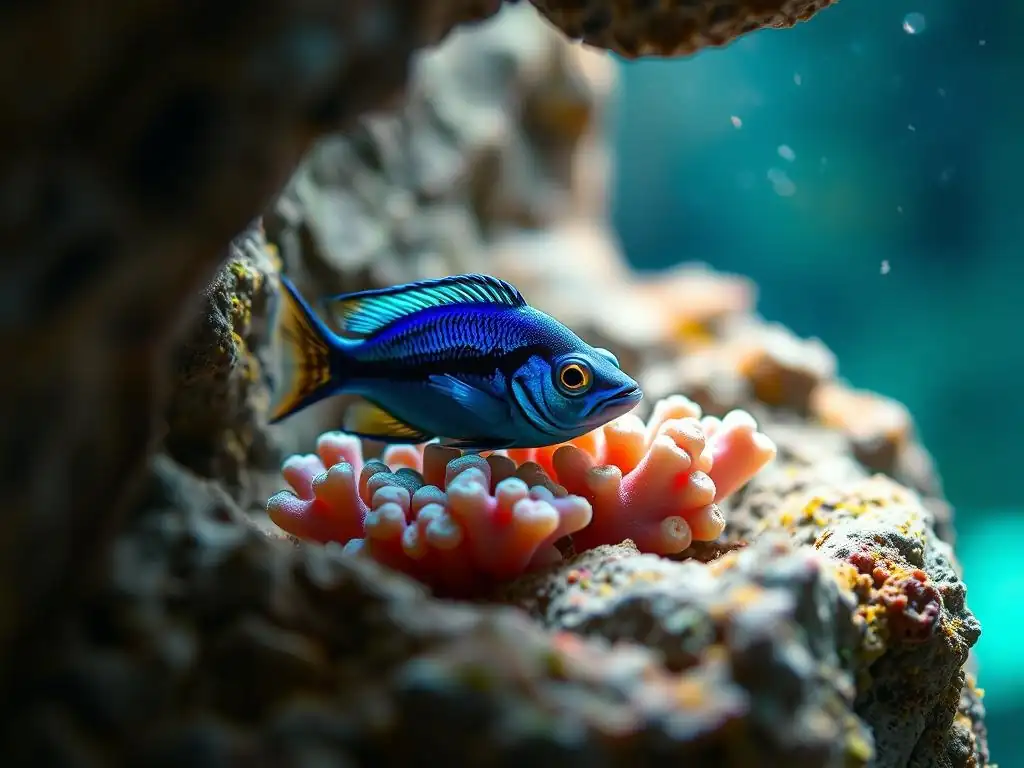
Harems: Establishing and Maintaining a Wrasse Harem in Your Aquarium
Selecting the Right Wrasse Species for a Harem Setup
Choosing the appropriate wrasse species is the foundational step for a successful harem. Not all wrasses are suitable for harem keeping; species known for their peaceful, social nature, and clear sexual dimorphism (making it easy to identify males and females) are ideal candidates. The most popular choices are the various species within the Cirrhilabrus (Fairy Wrasses) and Paracheilinus (Flasher Wrasses) genera.
These groups are renowned for their vibrant colors, relatively small adult sizes (typically 3-5 inches), and their propensity to form stable harems with a single dominant male and multiple females. For example, species like Cirrhilabrus lubbocki (Lubbock's Fairy Wrasse), Cirrhilabrus lineatus (Lined Fairy Wrasse), or Paracheilinus mccoskeri (McCosker's Flasher Wrasse) are excellent choices for a wrasse social behavior aquarium centered around a harem.
When selecting, it's crucial to ensure that all individuals are healthy, active, and free from visible signs of stress or disease. Avoid mixing species that might hybridize or those with vastly different temperaments, as this can lead to stress or inter-species aggression. For instance, while most Fairy Wrasses can be housed together, some larger, more boisterous species might intimidate smaller, shyer ones. It's also important to verify the specific social structure of the chosen species, as some wrasses, despite their appearance, are better kept as solitary individuals or in very specific pairs, rather than harems.
Determining the Ideal Male-to-Female Ratio for Your Wrasse Harem
Establishing the correct male-to-female ratio is paramount for a stable and harmonious wrasse harem. The general consensus among experienced aquarists for species like Fairy and Flasher Wrasses is to aim for one male to three to five females. This ratio helps to diffuse the male's natural territoriality and courtship aggression, as his attention is spread across multiple individuals rather than being concentrated on just one or two. In a smaller harem, such as one male and two females, the male may excessively harass one female, potentially leading to her stress, injury, or even death.
Introducing a larger group, for example, one male and five females, in a spacious tank (e.g., 75 gallons or more) provides the females with ample opportunity to avoid the male's advances when they are not receptive, and to establish their own micro-territories within the rockwork. It also allows for the natural pecking order to develop more smoothly.
It's generally recommended to introduce all females simultaneously, and then add the male a few weeks later, or introduce all fish at the same time if they are juveniles, ensuring they are roughly the same size to minimize initial aggression and help establish a balanced wrasse social behavior aquarium.
Introducing New Wrasses to an Existing Harem: Minimizing Aggression
Introducing new wrasses, particularly females, to an already established harem requires careful planning to minimize aggression and stress. The existing male, having established his territory and dominance, may view new additions as intruders. A common and effective strategy is to rearrange the aquarium's rockwork significantly before introducing new fish. This disrupts existing territories and forces all wrasses, including the established male, to re-establish their claims, thereby reducing the advantage of the resident fish.
Another crucial technique is to use an acclimation box or a clear plastic container with holes to house the new wrasse(s) within the main display tank for several days to a week. This allows the existing fish to see and get accustomed to the new additions without direct physical interaction, reducing the initial shock and aggression. During this period, observe the wrasse social behavior of the established male for signs of extreme aggression towards the new fish.
Once released, observe closely for the first few hours and days. Providing plenty of hiding spots and dimming the lights during the release can also help reduce stress and aggression.
Harem Management Tips: Feeding, Water Quality, and Observation
Effective management of a wrasse harem extends beyond initial setup to ongoing care, focusing on optimal feeding, pristine water quality, and diligent observation. Wrasses are active fish with high metabolisms, requiring multiple small feedings throughout the day (e.g., 2-3 times daily) of a varied diet including high-quality pellets, flakes, mysis shrimp, brine shrimp, and finely chopped seafood. This ensures all individuals receive adequate nutrition and helps to reduce competition over food, which can be a source of minor wrasse social behavior aggression. Providing multiple feeding spots can also help distribute the food and minimize squabbles.
Maintaining stable and pristine water quality is paramount for reducing stress in any aquarium, but especially for active, sensitive wrasses in a social setup. Consistent parameters (e.g., salinity 1.025-1.026, temperature 76-78°F, ammonia 0, nitrite 0, nitrate <10 ppm) are vital. Regular water changes (e.g., 10-20% bi-weekly) and robust filtration are essential to keep nutrient levels low.
Finally, constant observation of your wrasse social behavior aquarium is key. Look for signs of stress (e.g., faded colors, clamped fins, rapid breathing), aggression (e.g., torn fins, chasing, hiding), or illness. Early detection allows for prompt intervention, whether it's adjusting tank mates, improving water quality, or treating disease, ensuring the long-term health and harmony of your wrasse harem.
Pair-Bonded Wrasses: Fostering Compatibility and Breeding
Identifying Wrasse Species Known for Pair Bonding
While strict, monogamous pair-bonding for reproductive purposes is less common among the wrasse family compared to other fish groups, certain wrasse species can be successfully kept as compatible pairs in the home aquarium, often exhibiting interesting social dynamics. Cleaner Wrasses ( Labroides spp.)
are a prime example, frequently found in pairs in the wild operating cleaning stations, and can form stable pairs in captivity, though their dietary needs are specialized. Some species within the Halichoeres genus, while often solitary or haremic in larger groups, can sometimes form compatible pairs in a sufficiently large and well-structured aquarium, such as the Yellow Coris Wrasse ( Halichoeres chrysus), provided individuals are introduced carefully and are well-matched in size and temperament.
It is important to distinguish between true pair-bonding (where a male and female form a stable, often reproductive, partnership) and simply two individuals tolerating each other. For many wrasses, the latter is more often the case in an aquarium setting.
Researching specific species behaviors is crucial; for instance, while a pair of Pseudocheilinus hexataenia (Six-line Wrasse) is generally discouraged due to high aggression, a male and female of Paracheilinus cyaneus (Blue Flasher Wrasse) might coexist peacefully as a pair, although they are more typically kept in harems. The key is to select species known for at least some level of conspecific tolerance, even if not true monogamy.
Creating a Suitable Environment for Pair-Bonded Wrasses to Thrive
A suitable environment for a pair of wrasses requires careful consideration of tank size, aquascaping, and the presence of other tank mates to minimize stress and potential aggression. Even for species that can tolerate a partner, ample space is crucial; a minimum of 75 gallons is often recommended for most wrasse pairs to allow for individual territories and escape routes.
The aquascaping should include plenty of live rock with numerous caves, crevices, and overhangs, providing both secure hiding spots and visual barriers. These barriers can help break up lines of sight and reduce direct confrontation between the pair, allowing them to retreat if one becomes overly dominant or aggressive.
Furthermore, the substrate is important, especially for wrasses that bury themselves at night or when startled, such as many Halichoeres species. A deep sand bed (at least 2-3 inches) is essential for their well-being. The overall tank environment should be peaceful, avoiding overly aggressive or boisterous tank mates that could stress the wrasse pair. For example, a pair of Halichoeres chrysus would thrive in a 90-gallon reef tank with plenty of rockwork and a soft sand bed, alongside peaceful community fish like gobies and smaller tangs, rather than with larger, more dominant angelfish or triggers.
Observing Courtship Behaviors and Potential Breeding Signs
Observing courtship behaviors and potential breeding signs in pair-bonded wrasses can be a fascinating aspect of aquarium keeping, though successful breeding in home aquariums is relatively rare for most wrasse species. Courtship often involves the male displaying intensified colors, particularly around his fins and body, and performing elaborate swimming patterns, such as "flashing" or rapid bursts of movement around the female. He may also chase the female gently, nudging her towards a preferred spawning location, which for many wrasses is typically in the water column during an upward dash.
Spawning itself, when it occurs, is usually a rapid event where the male and female ascend towards the surface, releasing eggs and sperm simultaneously at the peak of their ascent. The eggs are typically pelagic, meaning they float in the water column. While seeing these behaviors is a clear sign of compatibility and comfort within your wrasse social behavior aquarium, rearing wrasse fry is extremely challenging due to their tiny size and specific feeding requirements (e.g., rotifers, copepods). Documenting these observations can contribute valuable knowledge to the broader aquarist community regarding wrasse reproduction.
Troubleshooting Compatibility Issues in Wrasse Pairs
Despite best efforts, compatibility issues can arise in wrasse pairs, manifesting as aggression, stress, or one fish dominating the other. Early identification of these problems is crucial to prevent serious harm. Signs of incompatibility include persistent chasing, nipping at fins, one fish constantly hiding or appearing stressed (e.g., faded colors, rapid breathing), or one fish refusing to eat. If these behaviors escalate beyond initial territorial squabbles, intervention is necessary.
Strategies for troubleshooting include rearranging the aquascape to create new territories and hiding spots, which can sometimes "reset" the dynamics. Increasing feeding frequency can also reduce competition. If aggression persists, temporary separation of the aggressor using a clear acclimation box for a few days can sometimes help, allowing the bullied fish to regain strength and confidence.
In severe cases, the only viable solution may be to remove one of the wrasses from the tank, as forcing an incompatible pair to coexist will ultimately lead to chronic stress and potential loss of one or both fish. Monitoring wrasse social behavior aquarium interactions closely is key to successful pair keeping.
Solitary Wrasses: Providing a Suitable Environment for Independent Species
Recognizing Wrasse Species That Prefer a Solitary Lifestyle
Identifying wrasse species that thrive alone is essential for their long-term well-being and to prevent aggression in a mixed-species aquarium. These wrasses are typically territorial and do not tolerate the presence of conspecifics (members of the same species) or sometimes even other wrasses, especially those with similar body shapes or feeding habits. Prominent examples include many species of Leopard Wrasses ( Macropharyngodon spp. ), such as the Macropharyngodon meleagris (Leopard Wrasse) or Macropharyngodon bipartitus (Divided Leopard Wrasse), which are known for their solitary, substrate-sifting nature.
Other solitary species include larger Tuskfish ( Choerodon spp. ), such as the Choerodon fasciatus (Harlequin Tuskfish), and many Hogfish ( Bodianus spp. ).
These species generally fare best when they are the only wrasse in the aquarium. Introducing a second wrasse, even of a different genus, can lead to intense territorial disputes, especially if the tank is not adequately sized or lacks sufficient hiding places. For example, a single Macropharyngodon kuiteri (Kuiter's Leopard Wrasse) will typically thrive and exhibit natural foraging behavior when housed alone, whereas adding another Macropharyngodon species to the same 75-gallon tank would likely result in constant stress for both individuals. Understanding these specific wrasse social behavior aquarium preferences is critical for success.
Tank Size and Aquascaping Considerations for Solitary Wrasses
Even solitary wrasses require substantial tank space to feel secure and to establish their own territory, even if they're the only wrasse present. The minimum tank size varies significantly by species; for smaller Leopard Wrasses (e.g., 4-5 inches), a 60-75 gallon aquarium is often recommended, whereas a large Tuskfish (e.g., 10-12 inches) would require a tank of 180 gallons or more. Ample swimming room is important, but equally crucial is the aquascaping.
Most solitary wrasses, particularly the Macropharyngodon species, are benthic, meaning they spend much of their time sifting through the substrate for food and burying themselves at night or when startled. Therefore, a deep sand bed of at least 2-4 inches is absolutely essential. The sand should be fine-grained (e.g., 0.5-2 mm) to prevent injury to their delicate mouths and gills.
Additionally, the aquascape should include plenty of live rock with caves, crevices, and overhangs, providing numerous hiding spots and visual breaks. This allows the wrasse to feel secure and retreat when necessary, which is vital for their overall health and reduces stress in a solitary wrasse social behavior aquarium.
Minimizing Stress and Competition for Solitary Wrasses
While solitary wrasses don't compete with other wrasses, they can still experience stress from other tank inhabitants or unsuitable environmental conditions. To minimize stress, carefully select tank mates that are peaceful and do not compete for the same food resources or living spaces. Avoid highly aggressive fish that might bully the wrasse, and also avoid overly timid fish that could be intimidated by the wrasse's active foraging. For example, a Macropharyngodon wrasse pairs well with peaceful tangs, gobies, and blennies, but not with aggressive triggers or large angelfish.
Ensuring a constant and varied food supply is also critical. Many solitary wrasses, especially Leopard Wrasses, are specialized feeders that constantly graze on small invertebrates found in the sand. Supplementing their diet with small, meaty foods like mysis shrimp, copepods, and finely chopped seafood, fed multiple times a day, is essential. Maintaining pristine water quality and stable parameters also contributes significantly to their well-being. By providing a species-appropriate environment and compatible tank mates, you can ensure your solitary wrasse thrives and exhibits its natural wrasse social behavior aquarium.
Wrasse Aggression: Identifying Causes and Mitigation Strategies
Understanding the Roots of Wrasse Aggression in the Aquarium
Wrasse aggression in the aquarium is a common challenge, rooted in their natural territorial instincts, hierarchical social structures, and often, insufficient environmental resources. In the wild, wrasses establish territories for foraging and mating, and these behaviors translate into aggression when space is limited in a captive environment.
For example, a male Fairy Wrasse in a harem will defend his territory and females from perceived threats, which in an aquarium can be other males of the same or similar species, or even other active fish. Insufficient tank size is perhaps the leading cause of aggression, as it prevents the establishment of adequate individual territories and escape routes, forcing fish into constant close proximity.
Another significant factor is the introduction order and existing pecking order. When new wrasses are introduced, especially after an existing wrasse has established dominance, aggression is highly likely. Furthermore, certain wrasse species are inherently more aggressive than others; for instance, a Six-line Wrasse ( Pseudocheilinus hexataenia) is notoriously feisty and often incompatible with other small, peaceful fish, whereas most Fairy Wrasses ( Cirrhilabrus spp.)
are generally more placid. Competition for food and hiding spots also contributes to aggression, particularly in overcrowded tanks or when feeding is infrequent. Understanding these underlying causes is the first step in addressing undesirable wrasse social behavior aquarium interactions.
Recognizing Warning Signs of Aggression Between Wrasses
Recognizing the early warning signs of aggression among wrasses is crucial for timely intervention and preventing serious harm. Subtle signs often precede overt fighting. These include increased chasing, where one wrasse persistently pursues another, often nipping at its fins or body. Observe for clamped fins, faded or muted coloration, and rapid breathing, which are all indicators of stress in the bullied fish. The stressed wrasse may also spend an unusual amount of time hiding, refusing to come out even during feeding, or may exhibit erratic swimming patterns, darting around the tank nervously.
More overt signs of aggression include actual fin nips, torn fins, body scrapes, or even missing scales. In severe cases, one wrasse may relentlessly corner another, preventing it from eating or resting, which can quickly lead to starvation or death from chronic stress. It's important to differentiate between typical wrasse social behavior aquarium displays, such as a male briefly flashing at a female, and sustained, harmful aggression. Any consistent behavior that causes one fish to be visibly stressed or physically harmed warrants immediate attention and intervention.
Strategies for Reducing Aggression: Tank Size, Aquascaping, and Tank Mates
Mitigating wrasse aggression involves a multi-faceted approach, primarily focusing on providing an optimal environment. The most effective strategy is to ensure adequate tank size. For example, a 75-gallon tank might support a small harem of Cirrhilabrus wrasses, but a 120-gallon or larger tank would be far more forgiving and reduce the likelihood of aggression. Providing ample space allows fish to establish territories and avoid constant confrontation.
Aquascaping plays a vital role; create plenty of visual barriers, caves, and hiding spots using live rock. This breaks up lines of sight and provides escape routes for bullied fish. For instance, a complex rock structure with multiple swim-throughs and crevices can significantly reduce aggression compared to a sparse, open aquascape. Introducing wrasses simultaneously or adding smaller, less dominant individuals first can also help.
Finally, carefully select tank mates. Avoid housing multiple wrasse species with similar body shapes or feeding habits in smaller tanks, as this can lead to inter-species aggression. Choose peaceful, non-territorial tank mates that won't compete directly with the wrasses, ensuring a harmonious wrasse social behavior aquarium.
Assessing Your Aquarium's Size and Capacity
The size and capacity of your aquarium are the most fundamental factors in determining the appropriate wrasse social structure. Attempting to house a harem of wrasses in a tank too small will almost inevitably lead to aggression, stress, and potential fatalities. For example, a single Macropharyngodon meleagris (Leopard Wrasse) can thrive in a 60-gallon tank with a deep sand bed.
However, a small harem of Cirrhilabrus lubbocki (Lubbock's Fairy Wrasse), typically 1 male and 3 females, would require a minimum of 75 gallons to provide sufficient space for territories and to diffuse male aggression. Larger wrasses, such as the Harlequin Tuskfish ( Choerodon fasciatus), which can grow to over 10 inches, demand tanks of 180 gallons or more if kept as a solitary specimen.
Consider not just the gallon capacity, but also the footprint of the tank. A longer, wider tank provides more horizontal swimming space and allows for better territorial separation than a tall, narrow tank of the same volume. Overstocking, even with compatible species, can lead to increased nutrient loads, poorer water quality, and heightened stress, all of which contribute to negative wrasse social behavior aquarium interactions. Be realistic about your tank's limitations before selecting wrasse species or attempting complex social setups.
Considering Your Existing Fish Community and Compatibility
The existing fish community in your aquarium plays a crucial role in the successful integration of wrasses and the chosen social structure. Compatibility extends beyond just wrasses to all tank inhabitants. Highly aggressive or territorial fish already present can stress new wrasses or dominate feeding opportunities. For instance, a large, established Picasso Triggerfish might constantly harass even a robust wrasse, regardless of its social structure. Conversely, introducing a boisterous wrasse species into a tank with very timid or slow-moving fish could lead to the wrasse outcompeting them for food or stressing them with its active swimming.
Consider the feeding habits and niches of your current fish. If you have numerous benthic (bottom-dwelling) fish, adding a sand-sifting wrasse like a Leopard Wrasse might lead to competition for food. Similarly, if you have several fast-moving, open-water swimmers, adding a shy, slow-moving wrasse might result in it being outcompeted. The goal is to create a balanced ecosystem where all fish have adequate space, food, and feel secure, contributing to overall positive wrasse social behavior aquarium dynamics. Researching the adult size, temperament, and specific needs of all potential tank mates is critical for a harmonious community.
Matching the desired wrasse social structure to your experience level as an aquarist is a vital, often overlooked, consideration. Simpler setups, such as keeping a single, solitary wrasse species known for its peaceful nature (e.g., a single Macropharyngodon spp. in a sufficiently large tank), are generally more forgiving for beginners. These setups require less active management of inter-fish dynamics.
More complex social structures, such as establishing and maintaining a wrasse harem or attempting to foster a pair, demand a higher level of experience, meticulous observation, and readiness to intervene. Harem keeping, for instance, requires careful species selection, precise male-to-female ratios, and a keen eye for subtle signs of aggression that could escalate. It also often necessitates larger tanks and more advanced aquascaping to provide adequate territory.
Attempting a complex wrasse social behavior aquarium setup without the requisite knowledge or commitment can lead to stress for both the fish and the aquarist. Start with simpler configurations and gradually progress to more intricate social structures as your experience and understanding grow.
Case Study 1: A Successful Harem of Cirrhilabrus lubbocki (Lubbock's Fairy Wrasse)
In a 75-gallon reef aquarium, an aquarist successfully established a harem of Cirrhilabrus lubbocki (Lubbock's Fairy Wrasse). The tank measured 48 inches long by 18 inches wide, providing ample horizontal swimming space. The aquascape featured extensive live rock arranged with numerous caves, overhangs, and swim-throughs, creating distinct territories and visual barriers.
The harem consisted of one male and three females, all introduced simultaneously as juveniles, which helped them establish a natural pecking order with minimal initial aggression. The male, vibrant with his characteristic yellow-orange and purple hues, would regularly "flash" his colors during feeding times, performing short, rapid bursts of swimming around the females, a stunning display of wrasse social behavior aquarium.
Over 18 months, the harem remained stable. The male exhibited occasional chasing during feeding or when a female ventured too close to his preferred resting spot, but this was always brief and never resulted in physical harm. The females, approximately 2.5 inches in length, maintained their vibrant colors and were active foragers throughout the day.
Water parameters were consistently maintained (salinity 1.025, temperature 77°F, nitrates <5 ppm) through weekly 15% water changes and robust protein skimming. The wrasses were fed three times daily with a varied diet of high-quality flakes, frozen mysis shrimp, and finely chopped clam, ensuring adequate nutrition for all members of the wrasse social behavior aquarium. This setup demonstrated that with proper planning and a suitable environment, a Fairy Wrasse harem can thrive and provide captivating displays.
Case Study 2: A Thriving Pair of Halichoeres chrysus (Yellow Coris Wrasse)
In a 90-gallon mixed reef aquarium, an aquarist successfully maintained a compatible pair of Halichoeres chrysus (Yellow Coris Wrasse). The tank was 48 inches long and featured a 3-inch deep bed of fine aragonite sand, essential for these wrasses which bury themselves at night. The aquascape included several large live rock structures with multiple open areas and smaller crevices.
The pair consisted of a slightly larger male (approximately 4 inches) and a female (approximately 3.5 inches), both introduced as juveniles from the same collection, fostering initial familiarity. They were the only wrasses in the tank, eliminating inter-wrasse aggression from other species.
The pair exhibited a strong bond, often swimming and foraging together, sifting through the sand for micro-invertebrates. While the male occasionally displayed dominance by briefly chasing the female away from a prime foraging spot, this never escalated into harmful aggression. Both wrasses maintained excellent coloration and body condition over two years.
They were fed twice daily with a mix of frozen mysis shrimp, cyclop-eeze, and high-quality pellets, ensuring their nutritional needs were met, especially given their active foraging. This setup highlighted that while Halichoeres are often solitary, compatible pairs can coexist in a spacious, well-structured environment, showcasing a different facet of wrasse social behavior aquarium life.
Case Study 3: A Well-Adjusted Solitary Macropharyngodon meleagris (Leopard Wrasse)
An aquarist housed a single Macropharyngodon meleagris (Leopard Wrasse), approximately 5 inches in length, in a 60-gallon reef aquarium. The tank had a footprint of 36 inches by 18 inches and featured a 4-inch deep bed of very fine aragonite sand, crucial for this species' burying and sifting behaviors. The aquascape was designed with several open sand patches interspersed with moderate live rock structures, providing both foraging grounds and secure hiding spots. The Leopard Wrasse was the sole wrasse in the tank, preventing any conspecific or inter-wrasse aggression.
This solitary wrasse thrived, displaying its characteristic "pecking" behavior as it sifted through the sand bed constantly throughout the day, searching for copepods and other micro-invertebrates. It was fed small amounts of frozen copepods, enriched brine shrimp, and finely chopped clam three times a day to supplement its natural foraging. The tank mates included peaceful fish like a Royal Gramma ( Gramma loreto) and a few small gobies, none of which competed directly with the wrasse for food or territory.
The wrasse exhibited no signs of stress, maintaining vibrant coloration and a healthy appetite for over a year. This case demonstrated that providing the specific environmental needs, especially the deep, fine sand bed, is paramount for the successful keeping of solitary wrasse species and observing their natural wrasse social behavior aquarium.
The Role of Water Quality in Reducing Stress and Aggression
Pristine and stable water quality is a foundational element in mitigating stress and aggression among wrasses in an aquarium. Poor water quality, characterized by elevated levels of ammonia, nitrite, or nitrate, or unstable pH and salinity, acts as a significant physiological stressor on all fish, including wrasses. Chronic stress weakens their immune systems, making them more susceptible to disease, and can also exacerbate aggressive behaviors.
A wrasse that is constantly battling poor water conditions is more likely to be irritable, territorial, and less tolerant of its tank mates. For instance, even a slight elevation in ammonia (e.g., 0.1 ppm) can cause gill irritation and lethargy, directly impacting a wrasse's ability to cope with social interactions.
Conversely, a stable and healthy aquatic environment promotes overall fish well-being, leading to more natural and harmonious wrasse social behavior aquarium interactions. When wrasses are not physiologically stressed by their environment, they are more likely to exhibit their species-specific social patterns, whether that's peaceful schooling, stable harem dynamics, or comfortable solitary existence. Consistent monitoring of water parameters (e.g., daily temperature checks, weekly salinity and nitrate tests) and prompt correction of any deviations are therefore not just about preventing illness, but also about fostering a peaceful social atmosphere.
Maintaining Stable Water Chemistry for Optimal Wrasse Health
Maintaining stable water chemistry parameters is crucial for the long-term health and vitality of wrasses, directly influencing their social behavior and resilience. Key parameters include salinity (typically 1.025-1.026 specific gravity), temperature (76-78°F or 24-25.5°C), pH (8.1-8.4), alkalinity (8-12 dKH), calcium (400-450 ppm), and magnesium (1250-1350 ppm). Sudden fluctuations in any of these parameters can cause significant stress. For example, a rapid drop in salinity by even 0.002 can induce osmotic shock, leading to erratic swimming or lethargy, which can in turn make a wrasse either more aggressive or more vulnerable to aggression from others.
Consistency is more important than hitting exact target numbers for some parameters, within acceptable ranges. Using high-quality salt mix, a reliable refractometer for salinity, and regularly calibrated thermometers are essential tools. For reef aquariums housing wrasses, maintaining stable alkalinity, calcium, and magnesium levels is also important not only for coral health but also for the overall stability of the water column, which benefits the fish. A stable environment reduces physiological demands on the wrasses, allowing them to focus their energy on natural behaviors rather than coping with environmental stressors, leading to improved wrasse social behavior aquarium.
Regular water changes and robust filtration are indispensable practices for maintaining the pristine water quality necessary for a healthy wrasse social environment. Water changes, typically 10-20% bi-weekly or 10% weekly depending on stocking density, dilute accumulated nitrates, phosphates, and other dissolved organic compounds that can degrade water quality and stress fish. For instance, a tank with a harem of wrasses will produce more waste than a solitary wrasse tank, necessitating more frequent or larger water changes to keep nitrates below 10-20 ppm.
Effective mechanical, biological, and chemical filtration further supports water quality. Mechanical filtration (e.g., filter socks, sponges) removes particulate matter before it breaks down, reducing the organic load. Biological filtration (e.g., live rock, bio-media) converts toxic ammonia and nitrite into less harmful nitrate. Chemical filtration (e.g., activated carbon, GFO) removes dissolved organics and phosphates, contributing to crystal clear water. A well-filtered system ensures that wrasses live in an environment free from irritants and toxins, promoting their natural behaviors and reducing the likelihood of stress-induced aggression, thereby optimizing wrasse social behavior aquarium.
Feeding Strategies to Minimize Competition and Aggression in Wrasses
Providing Adequate Food Resources for All Wrasses in the Tank
Ensuring that all wrasses in the tank receive adequate food resources is a fundamental strategy for minimizing competition and aggression, particularly in multi-wrasse setups like harems. Wrasses, being active and often fast-metabolizing fish, require frequent feedings—typically 2 to 3 times per day for most species. Underfeeding can lead to heightened competition, as wrasses will aggressively vie for limited food, leading to stress and potential starvation for less dominant individuals. For example, in a harem of Cirrhilabrus wrasses, if food is scarce, the dominant male may hoard access to food, preventing smaller females from getting enough.
Offer a variety of high-quality foods, including frozen mysis shrimp, brine shrimp (enriched), copepods, finely chopped seafood (e.g., clam, squid), and premium marine pellets or flakes. This caters to the diverse nutritional needs of different wrasse species and ensures a balanced diet. By providing a generous, yet not excessive, amount of food at each feeding, you can significantly reduce the internal competition, ensuring that all wrasses, regardless of their social standing, have sufficient opportunity to feed, thereby promoting harmonious wrasse social behavior aquarium.
Employing Targeted Feeding Techniques to Ensure All Wrasses Eat
While providing adequate overall food is important, employing targeted feeding techniques can further ensure that all wrasses, especially shy or less dominant individuals, receive their share without undue stress. In a harem or mixed-species wrasse tank, the more dominant fish often monopolize food. One effective technique is to distribute food across multiple areas of the tank simultaneously. For instance, instead of dropping all food in one spot, broadcast it across the surface or in different currents, forcing the more aggressive fish to chase it, allowing shyer wrasses to eat in less contested areas.
Another strategy is to use a feeding ring or clip for certain foods, while simultaneously offering other foods freely. For wrasses that are primarily sand-sifters, ensuring a healthy population of live copepods and other micro-fauna in the sand bed through refugiums or regular live food dosing can provide continuous foraging opportunities, reducing their reliance on direct feedings and competition with pelagic feeders. For instance, a Macropharyngodon wrasse benefits from a rich sand bed, while a Cirrhilabrus wrasse prefers food in the water column. Catering to these diverse feeding styles helps minimize conflict and fosters positive wrasse social behavior aquarium.
Supplementing Diets to Meet the Specific Nutritional Needs of Different Wrasse Species
Wrasses are a incredibly diverse group, and their specific nutritional needs vary significantly between species, impacting their health and social interactions. For example, many Fairy and Flasher wrasses ( Cirrhilabrus, Paracheilinus) are primarily planktivores, requiring frequent feedings of small, meaty frozen foods like mysis shrimp, enriched brine shrimp, and copepods. Leopard Wrasses ( Macropharyngodon spp. ), on the other hand, are benthic feeders that constantly sift sand for micro-invertebrates; while they accept frozen foods, a healthy, mature sand bed rich in live copepods is essential for their long-term health.
Ensuring these specific dietary requirements are met prevents nutritional deficiencies that can lead to stress, disease, and altered wrasse social behavior. Some wrasses, like Cleaner Wrasses ( Labroides spp. ), have highly specialized diets (parasites from other fish) that are difficult to replicate in a home aquarium, often leading to their decline. By researching the specific dietary needs of each wrasse species in your tank and supplementing their diets accordingly (e.g., vitamin-enriched foods, specialized pellets), you can promote their vitality, reduce stress, and minimize competitive aggression, leading to a more harmonious wrasse social behavior aquarium.
Creating a harmonious wrasse social environment in your aquarium hinges on a comprehensive understanding and application of several key principles. Foremost among these is selecting wrasse species whose natural social structures—be they solitary, pair-bonded, or haremic—align with your tank's size and capacity. Overcrowding or attempting to force an unnatural social dynamic is a primary cause of stress and aggression. Equally vital is meticulous aquascaping, which provides essential territories, hiding spots, and visual barriers, thereby minimizing direct confrontation and allowing wrasses to feel secure.
Furthermore, maintaining pristine and stable water quality, coupled with appropriate feeding strategies, significantly reduces physiological stress and competition, which are major contributors to undesirable wrasse social behavior. Regular observation of your wrasses' interactions is paramount for early detection of aggression or stress, allowing for timely intervention. By carefully considering these factors—species selection, tank size, aquascaping, water quality, feeding, and observation—aquarists can cultivate a thriving and peaceful wrasse community that showcases the fascinating social dynamics of these vibrant marine fish.
Achieving long-term success with wrasse social structures in an aquarium is an ongoing process that requires continuous monitoring and a willingness to make adjustments. The dynamics within a wrasse community can change over time as fish mature, grow, or as new tank mates are introduced.
A male wrasse in a harem, for example, might become more assertive as he ages, or a previously compatible pair might begin to show signs of discord. Therefore, vigilant observation of wrasse social behavior aquarium patterns is crucial; pay close attention to subtle shifts in behavior, such as increased chasing, hiding, or changes in coloration or appetite.
Be prepared to intervene if aggression becomes persistent or harmful. This might involve rearranging rockwork to disrupt territories, temporarily separating an aggressor, or, in severe cases, rehoming one of the wrasses. Maintaining detailed records of your wrasses' growth, feeding habits, and social interactions can provide valuable insights into their long-term well-being. By proactively monitoring and adjusting your wrasse social structure as needed, you can ensure the continued health, vibrancy, and harmony of your wrasse population, providing a rewarding experience for both the fish and the aquarist.
Frequently Asked Questions
Wrasse social dynamics significantly affect their aquarium compatibility. Some species thrive in harems or pairs, while others are solitary and may become aggressive towards tank mates if their social needs aren't met.
What are the key differences between haremic, paired, and solitary wrasse species?
Harem species consist of a dominant male and several females. Paired species form bonded pairs that defend territory. Solitary species prefer individual existence and can be territorial.
Consider your tank size, the temperament of existing fish, and your ability to provide a suitable social environment. Research thoroughly to match wrasse social requirements with your aquarium setup.
Incorrect housing can lead to stress, aggression, and even death. Overcrowding or incompatible pairings can cause territorial disputes and suppressed immune systems, making wrasses vulnerable to diseases.
AquariumMastery.com offers detailed species profiles with information on social requirements, tank size recommendations, and compatibility charts to help you make informed decisions.
Final Reflection: The Vibrant Tapestry of Wrasse Life
The exploration of wrasse social structures, as we've seen, is not merely an academic exercise; it's a vital consideration for any aquarist hoping to create a thriving and ethically sound environment. Understanding the nuances of their harem dynamics, pair bonds, or solitary tendencies is absolutely crucial for responsible reef keeping, ensuring these vibrant creatures can express their natural behaviors and flourish within the confines of our tanks.
This journey into the social lives of wrasses underscores the profound interconnectedness of all living things, even within the seemingly artificial world of an aquarium. It reminds us that our choices as caretakers have a direct and lasting impact on the well-being of these fascinating fish. As Jacques Cousteau so eloquently stated, The sea, once it casts its spell, holds one in its net of wonder forever.
This wonder extends to the smallest wrasse, urging us to act with knowledge and compassion.
Now, consider the lessons we've learned about wrasse social behavior. How can you apply this knowledge to your own aquarium practices, or even to your understanding of social dynamics in the broader world? Let us all strive to be more mindful stewards, creating environments that not only showcase the beauty of these creatures, but also honor their intricate and often overlooked social lives.
Dive Deeper: Transform Your Aquarium into a Wrasse Wonderland!
Thank you for exploring the fascinating social lives of wrasses with us. Now, it's time to translate that knowledge into action and create a thriving aquatic environment. Here's how you can bring the vibrant dynamics of these fish to your own tank:
- Boldly plan your next tank inhabitants to complement the wrasse, or consider rehoming if the current setup isn't conducive to a happy wrasse social structure.
- Explore local aquarium societies and online forums to share your wrasse observations and learn from fellow enthusiasts.
- Take a surprising step: Document and share your wrasse tank's daily life on social media to showcase your fish's unique social patterns.
Ready to reshape your aquarium and become a wrasse social dynamics expert? What's the first change you'll make to better suit your wrasse's (or future wrasse's) needs?