
Blue Angelfish (Holacanthus bermudensis) vs. Queen Angelfish: Spot the Difference

Welcome to Aquarium Mastery!
Ever wondered what sets a majestic Blue Angelfish apart from a stunning Queen Angelfish? Dive into our comprehensive guide, " Blue Angelfish (Holacanthus bermudensis) vs. Queen Angelfish: Spot the Difference," where we unravel the secrets of these saltwater beauties. Discover key differences, care requirements, and everything you need to know to choose the perfect angelfish for your saltwater aquarium. Ready to become an Angelfish aficionado? Let's explore!
- Introduction: Distinguishing Between Blue and Queen Angelfish for Your Saltwater Aquarium
- Overview of Blue Angelfish (Holacanthus bermudensis)
- Overview of Queen Angelfish (Holacanthus ciliaris)
- Blue Angelfish vs. Queen Angelfish: A Detailed Comparison
- Reef Safety: Are Blue or Queen Angelfish Reef Safe?
- Care and Maintenance: Blue vs. Queen Angelfish
- Choosing the Right Angelfish for Your Aquarium
- Conclusion: Making an Informed Decision on Blue vs. Queen Angelfish
-
Frequently Asked Questions
- What are the key differences between a Blue Angelfish and a Queen Angelfish?
- Which Angelfish, Blue or Queen, is generally considered more difficult to care for in a home aquarium?
- What is the typical adult size of both the Blue Angelfish and Queen Angelfish?
- What are the ideal water parameters for both Blue and Queen Angelfish in a saltwater aquarium?
- Where are Blue Angelfish and Queen Angelfish naturally found in the wild?
- Final Reflection: Appreciating the Nuances of the Reef
- Unlock Your Inner Angelfish Expert!
Introduction: Distinguishing Between Blue and Queen Angelfish for Your Saltwater Aquarium
Choosing the right large angelfish for a saltwater aquarium is a significant decision, often leading aquarists to consider the striking Blue Angelfish ( Holacanthus bermudensis) and the majestic Queen Angelfish ( Holacanthus ciliaris). While both species are celebrated for their vibrant colors and graceful presence, distinguishing between them, especially in their juvenile stages, can be challenging. Understanding their unique characteristics, care requirements, and compatibility is crucial for a thriving marine environment.
This article provides a comprehensive guide to help aquarists differentiate between the Blue Angelfish and Queen Angelfish, detailing their profiles, natural behaviors, dietary needs, and tank requirements. By exploring their key differences in appearance, temperament, and reef compatibility, you will gain the knowledge necessary to make an informed choice for your marine setup. The ultimate goal is to ensure the well-being of these magnificent creatures while enhancing the beauty of your saltwater aquarium.
Overview of Blue Angelfish (Holacanthus bermudensis)
Blue Angelfish Profile: Appearance, Size, and Lifespan
The Blue Angelfish, Holacanthus bermudensis, is a captivating marine species renowned for its brilliant coloration. Juveniles display a dark blue body adorned with five vertical, electric blue bands, a stark contrast to their adult appearance. As they mature, these bands gradually fade, giving way to a more uniform, deep blue body, often with a yellow tail and pectoral fins. Adult Blue Angelfish can reach an impressive size, typically growing up to 15 inches (38 cm) in length, making them a substantial presence in any large marine aquarium.
Their lifespan in a well-maintained captive environment can be quite extensive, often exceeding 10 to 15 years, with some individuals living even longer under optimal conditions. This longevity underscores the commitment required for their long-term care. The transformation in coloration from juvenile to adult is a fascinating process, offering aquarists a dynamic visual experience as the fish matures and develops its full, striking blue hue.
Natural Habitat and Behavior of the Blue Angelfish
Native to the Western Atlantic Ocean, the Blue Angelfish primarily inhabits coral reefs and rocky areas off the coast of Florida, the Gulf of Mexico, and the Caribbean. They are typically found at depths ranging from 3 to 100 feet (1 to 30 meters), preferring areas with abundant coral growth and crevices for shelter. In their natural environment, these angelfish are often observed singly or in pairs, exhibiting a generally solitary or semi-social behavior.
Their natural diet consists primarily of sponges, tunicates, algae, and other benthic invertebrates, which they graze upon throughout the day. Blue Angelfish are known for their territorial nature, especially males during breeding season, though this aggression is usually directed towards conspecifics or similarly shaped fish. Observing their natural behaviors, such as grazing and exploring reef structures, provides valuable insight into their needs in a captive setting.
Blue Angelfish Diet and Feeding Habits in Captivity
In captivity, replicating the diverse diet of the Blue Angelfish is crucial for their health and vibrant coloration. They are omnivores, and their diet should consist of a variety of high-quality marine-based foods. This includes spirulina flakes, marine pellets, and frozen preparations such as mysis shrimp, brine shrimp, and chopped seafood like squid or clam. Offering specialized angelfish formulas that contain sponge matter is highly beneficial, as sponges constitute a significant portion of their natural diet.
It is recommended to feed adult Blue Angelfish two to three times a day in smaller portions rather than one large meal. This approach mimics their natural grazing behavior and helps maintain water quality by reducing uneaten food. Supplementing their diet with vitamin-enriched foods can further boost their immune system and overall vitality, ensuring they receive all necessary nutrients for long-term health.
Blue Angelfish Tank Size and Water Parameters
Given their potential adult size of up to 15 inches, Blue Angelfish require a very spacious aquarium to thrive. A minimum tank size of 180 gallons (approximately 680 liters) is generally recommended for an adult specimen to allow ample swimming space and reduce stress. Larger tanks, upwards of 250 gallons, are even more ideal, especially if considering tank mates. The aquarium should be well-established with plenty of live rock for grazing, hiding spots, and territorial boundaries.
Maintaining stable and pristine water parameters is paramount for the health of Blue Angelfish. The ideal specific gravity should be between 1.020 and 1.025, with a temperature range of 74-80°F (23-27°C). pH levels should be kept between 8.1 and 8.4, and alkalinity maintained at 8-12 dKH. Regular water changes, effective protein skimming, and robust filtration are essential to keep nitrate and phosphate levels low, mimicking the clean conditions of their natural reef habitat.
Overview of Queen Angelfish (Holacanthus ciliaris)
Queen Angelfish Profile: Appearance, Size, and Lifespan
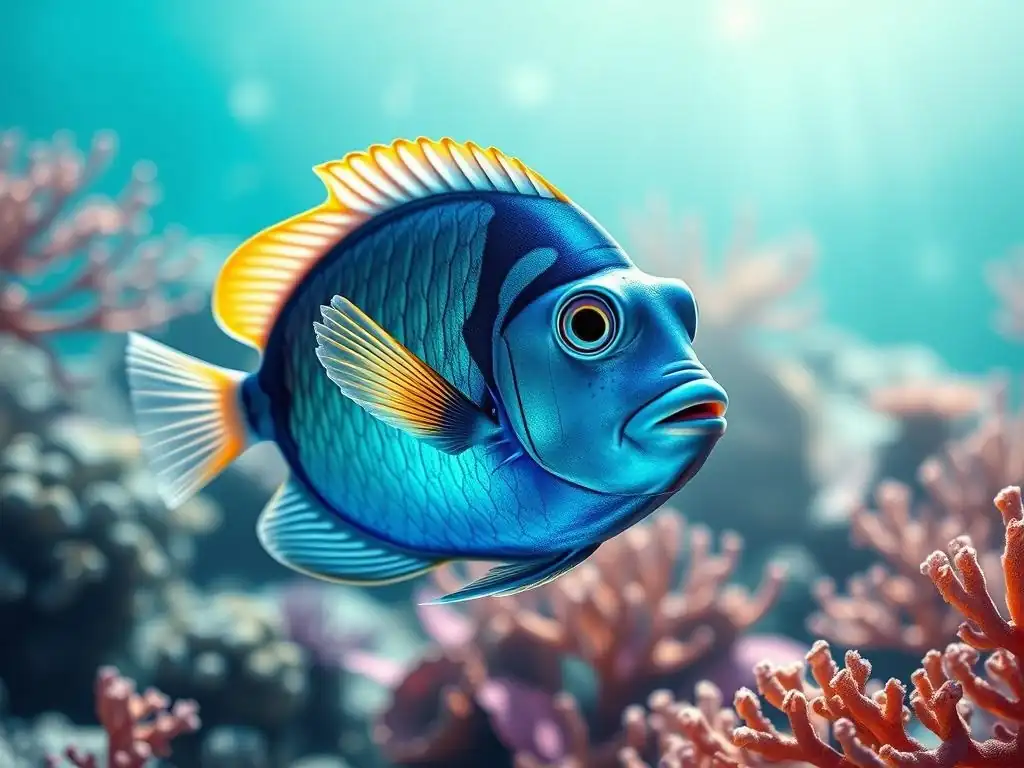
The Queen Angelfish, Holacanthus ciliaris, is arguably one of the most iconic and visually stunning marine fish. Its most distinguishing feature is the prominent "crown" or "halo" marking on its forehead – a dark blue ring with a bright blue edge, often likened to a royal diadem. Juveniles exhibit a similar pattern to Blue Angelfish juveniles, with dark blue bodies and vertical electric blue stripes, making early identification challenging without close examination of the developing crown. As adults, their bodies are a vibrant mix of blue, yellow, and orange, with iridescent scales.
Similar to the Blue Angelfish, Queen Angelfish are large fish, typically reaching lengths of 14 to 18 inches (35 to 45 cm) in the wild, though they often remain slightly smaller in captivity, around 12-15 inches. With proper care, Queen Angelfish can live for an impressive 15 to 20 years or even longer in a home aquarium, making them a long-term commitment for dedicated aquarists. Their longevity and remarkable coloration make them a prized specimen in large marine setups.
Natural Habitat and Behavior of the Queen Angelfish
The Queen Angelfish shares a similar geographic distribution with the Blue Angelfish, inhabiting the warmer waters of the Western Atlantic, including the coasts of Florida, the Caribbean, and Bermuda. They are typically found on coral reefs and rocky ledges at depths ranging from 5 to 230 feet (2 to 70 meters), though they are most commonly observed in shallower, well-lit reef environments. They prefer areas with ample live rock and coral formations that provide both shelter and grazing opportunities.
In their natural habitat, Queen Angelfish are generally observed singly or in stable pairs, especially during breeding periods. They are known for their inquisitive nature, often approaching divers. Like other large angelfish, they are primarily grazers, feeding on a diverse diet of sponges, tunicates, algae, and various small invertebrates. Their behavior is generally calm, but they can exhibit territoriality towards conspecifics or other large angelfish, especially in confined spaces.
Queen Angelfish Diet and Feeding Habits in Captivity
The dietary needs of the Queen Angelfish in captivity closely mirror those of the Blue Angelfish, emphasizing their omnivorous nature. A balanced diet is crucial for maintaining their vibrant coloration and overall health. Their staple diet should include high-quality marine flakes and pellets specifically designed for angelfish, often fortified with spirulina and other essential nutrients. Supplementing with frozen foods such as mysis shrimp, brine shrimp, finely chopped squid, clams, and other seafood is highly beneficial.
Given their natural diet heavy in sponges, offering sponge-based angelfish foods is particularly important. Feeding should occur two to three times daily in small amounts to prevent overfeeding and ensure all food is consumed, thereby minimizing waste. Varying the diet frequently helps prevent nutritional deficiencies and keeps the fish engaged, promoting active feeding behavior.
Queen Angelfish Tank Size and Water Parameters
Due to their substantial adult size, Queen Angelfish demand a very large aquarium to thrive and exhibit natural behaviors. A minimum tank size of 200 gallons (approximately 757 liters) is recommended for a single adult Queen Angelfish, with larger tanks (250-300+ gallons) being preferable, especially if housing them with other large fish. The tank should be aquascaped with ample live rock to create hiding places, territories, and grazing surfaces, mimicking their natural reef environment.
Maintaining stable and pristine water quality is critical for the long-term health of Queen Angelfish. Ideal water parameters include a specific gravity of 1.020-1.025, a temperature range of 74-80°F (23-27°C), and a pH between 8.1 and 8.4. Carbonate hardness (dKH) should be maintained between 8 and 12. Robust filtration, including a high-quality protein skimmer, regular partial water changes (e.g., 10-20% bi-weekly), and diligent monitoring of ammonia, nitrite, and nitrate levels are essential to prevent stress and disease.
Blue Angelfish vs. Queen Angelfish: A Detailed Comparison
Physical Appearance: Key Differences in Coloration and Markings
Distinguishing between Blue Angelfish and Queen Angelfish, especially as juveniles, can be challenging due to their similar blue-banded patterns. However, their adult forms present clear, defining characteristics. The primary difference lies in their head coloration and the presence of a unique marking on the Queen Angelfish.
- Queen Angelfish Crown: The most definitive feature of the Queen Angelfish is the distinctive "crown" or "halo" marking located on its forehead. This marking is a prominent, dark blue or black ring with a vibrant, iridescent blue edge, resembling a crown. This feature is present in adults and begins to develop as juveniles mature, making it the most reliable identifier when comparing Blue vs Queen Angelfish.
- Blue Angelfish Color Variations and Distinguishing Features: The Blue Angelfish, as its name suggests, exhibits a more uniform blue body as an adult. Unlike the Queen Angelfish, it lacks the prominent crown marking. Instead, adult Blue Angelfish typically feature a solid, deep blue body, often complemented by a bright yellow tail and yellow pectoral fins. Some individuals may display a subtle yellowish wash on their face or operculum, but never the distinct crown of the Queen. Juveniles of both species have vertical blue bands on a darker body, but careful observation will reveal the nascent crown in Queen Angelfish as they grow.
Size and Growth Rate: Comparing Adult Sizes
Both Blue Angelfish and Queen Angelfish are large angelfish species, demanding substantial tank space. While their maximum sizes are quite similar, there are slight variations often observed. The Queen Angelfish tends to grow marginally larger on average, with reported wild specimens reaching up to 18 inches (45 cm), though 14-16 inches is more common in captivity.
The Blue Angelfish typically reaches a maximum size of about 15 inches (38 cm). Both species exhibit a moderate growth rate, reaching adult size over several years. Their growth is significantly influenced by tank size, diet quality, and overall water parameters; inadequate conditions can stunt their development.
Temperament and Behavior: Aggression Levels and Compatibility
When considering Blue vs Queen Angelfish for a community tank, their temperament is a critical factor. Both species are generally considered semi-aggressive, particularly towards other large angelfish or similarly shaped fish. This territoriality is more pronounced in smaller tanks where space is limited.
- Blue Angelfish: Often described as slightly less aggressive than the Queen Angelfish, especially towards non-angelfish species. They can coexist with a variety of robust tank mates but may display aggression towards conspecifics or other angelfish if not introduced carefully or if the tank is too small.
- Queen Angelfish: Can be more assertive and territorial, particularly as they mature. They are known to dominate smaller or more placid fish and are generally not recommended for tanks with multiple large angelfish unless the aquarium is exceptionally spacious (500+ gallons) and introduced simultaneously. This heightened territoriality makes careful selection of tank mates essential.
Diet and Nutritional Needs: Similarities and Differences
The dietary requirements for both Blue Angelfish and Queen Angelfish are remarkably similar, reflecting their shared natural foraging habits on coral reefs. Both are omnivorous grazers, with a significant portion of their natural diet comprising sponges. This sponge-heavy diet is crucial for their long-term health and vibrant coloration, making it a key aspect of their care in captivity.
While both thrive on a varied diet of high-quality marine flakes, pellets, and frozen foods like mysis shrimp and spirulina, the emphasis on sponge-based foods is paramount for both. Specialized angelfish formulas designed to incorporate sponge matter are highly recommended. There are no significant differences in their nutritional needs; both require a rich, diverse diet to prevent deficiencies and maintain their immune systems.
Tank Requirements: Comparing Ideal Tank Size and Water Parameters
The tank requirements for both Blue Angelfish and Queen Angelfish are substantial, necessitating large aquariums due to their impressive adult sizes. A minimum tank size of 180 gallons is generally advised for a single Blue Angelfish, while a Queen Angelfish typically requires at least 200 gallons. These recommendations are based on providing adequate swimming space and reducing stress, which can lead to aggression or health issues.
Specific Gravity and Temperature Preferences
Both species thrive in similar tropical marine conditions. The ideal specific gravity range for both Blue vs Queen Angelfish is between 1.020 and 1.025. This salinity level closely mimics their natural reef environments. Similarly, a stable water temperature between 74-80°F (23-27°C) is crucial for their metabolic processes and overall well-being. Fluctuations outside this range can cause significant stress, leading to susceptibility to diseases.
Importance of Water Quality for Angelfish Health
Maintaining pristine water quality is non-negotiable for the health and longevity of both Blue and Queen Angelfish. They are sensitive to elevated levels of nitrates and phosphates, which can lead to fin erosion, lateral line disease, and other health complications. Regular partial water changes (e.g., 10-20% weekly or bi-weekly), robust filtration including a high-quality protein skimmer, and adequate biological filtration are essential. Monitoring parameters such as pH (8.1-8.4) and alkalinity (8-12 dKH) consistently helps prevent stress and supports a healthy immune system for both species.
Reef Safety: Are Blue or Queen Angelfish Reef Safe?
When considering Blue vs Queen Angelfish for a reef aquarium, their "reef safety" is a critical and often debated topic among aquarists. Generally, large angelfish species, including both Holacanthus bermudensis and Holacanthus ciliaris, are not considered reliably reef safe. Their natural diets, which heavily include sponges and tunicates, often lead them to nip at and consume various soft and stony corals, as well as clam mantles, in a captive reef environment.
Blue Angelfish Reef Compatibility: Potential for Coral Nipping
The Blue Angelfish, while sometimes considered slightly less problematic than its Queen counterpart, still poses a significant risk to a thriving reef tank. Their natural inclination to graze on sponges and other sessile invertebrates translates into a propensity to nip at a wide variety of corals, especially large polyp stony (LPS) corals like Euphyllia species, and soft corals such as zoanthids and mushrooms. They may also target clam mantles.
While some aquarists report success keeping a Blue Angelfish in a very large, mature reef tank with specific, less palatable coral species, this is the exception rather than the rule. The risk of significant coral damage or destruction remains high, making them a poor choice for dedicated SPS (small polyp stony) or mixed reef systems where coral preservation is a priority.
Queen Angelfish Reef Compatibility: Assessing the Risks
The Queen Angelfish is generally considered even less reef safe than the Blue Angelfish. Its larger size and often more assertive temperament, combined with a strong natural diet of sponges, make it a significant threat to most corals and invertebrates in a confined aquarium. Queen Angelfish are notorious for nipping at and consuming both soft and stony corals, including Acropora, Montipora, and various LPS corals. Clams are also highly vulnerable to their grazing habits.
Introducing a Queen Angelfish into a reef tank is almost always a gamble, with the odds heavily stacked against the long-term health of the corals. While individual fish may vary in their destructive tendencies, relying on this variability is risky for an expensive coral collection. Therefore, for most dedicated reef enthusiasts, the Queen Angelfish is best housed in a fish-only-with-live-rock (FOWLR) system.
Safe Reef Tank Mates for Angelfish
For aquarists determined to house either a Blue Angelfish or Queen Angelfish, selecting appropriate tank mates is crucial to minimize aggression and ensure compatibility. Since neither is truly reef safe, the focus shifts to fish-only-with-live-rock (FOWLR) setups. Good tank mates include other large, robust, and semi-aggressive fish that can hold their own.
- Compatible Fish Species:
- Tang Species: Many larger tangs, such as Yellow Tangs ( Zebrasoma flavescens), Naso Tangs ( Naso lituratus), and Powder Blue Tangs ( Acanthurus leucosternon), can coexist, provided the tank is sufficiently large (300+ gallons) to accommodate multiple large, active swimmers.
- Triggerfish: Certain less aggressive triggerfish, like the Humu Humu Triggerfish ( Rhinecanthus aculeatus), can be suitable, but caution is advised due to their predatory nature.
- Large Wrasses: Species like the Harlequin Tuskfish ( Choerodon fasciatus) or larger Hogfish can be good companions.
- Groupers: Smaller, non-predatory grouper species that will not outgrow the tank.
- Lionfish: Certain lionfish species can be compatible, but care must be taken regarding their venomous spines and predatory instincts towards smaller fish.
Avoid housing these angelfish with smaller, delicate, or shy fish, as they may become targets of aggression or be outcompeted for food. Also, avoid other large angelfish species unless the tank is exceptionally vast to reduce territorial disputes.
Care and Maintenance: Blue vs. Queen Angelfish
The care and maintenance requirements for both Blue Angelfish and Queen Angelfish are largely similar, focusing on pristine water quality, a rich and varied diet, and proactive disease management. Both species are relatively hardy once acclimated to a stable, mature aquarium, but their large size and specific needs demand consistent attention from the aquarist.
Water Quality Maintenance for Angelfish Health
Maintaining impeccable water quality is the single most important aspect of caring for both Blue and Queen Angelfish. These fish are highly susceptible to poor water conditions, which can quickly lead to stress, disease, and a decline in coloration. Regular, consistent water changes are paramount; performing 10-20% water changes weekly or bi-weekly helps to dilute nitrates and replenish essential trace elements.
Effective mechanical, biological, and chemical filtration is indispensable. A high-quality protein skimmer is crucial for removing organic waste before it breaks down into harmful nitrates. Biological filtration, typically provided by live rock and a robust bio-filter, processes ammonia and nitrites. Chemical filtration, such as activated carbon or specialized nitrate-removing media, can further polish the water. Consistent monitoring of parameters like specific gravity (1.020-1.025), temperature (74-80°F), pH (8.1-8.4), and alkalinity (8-12 dKH) is vital to ensure a stable and healthy environment.
Feeding Strategies for Optimal Angelfish Growth
Optimal growth and vibrant coloration in both Blue and Queen Angelfish are directly linked to their feeding strategies. As omnivorous grazers, they require a diverse diet to mimic their natural foraging behaviors. Feeding small amounts two to three times daily is more beneficial than one large meal, as it aids digestion and reduces the amount of uneaten food decaying in the tank.
A comprehensive diet should include:
- High-quality marine pellets and flakes: Fortified with spirulina and marine algae.
- Frozen foods: Mysis shrimp, brine shrimp (enriched), finely chopped squid, clams, and other seafood.
- Sponge-based angelfish formulas: Crucial for meeting their specific dietary needs, as sponges form a significant part of their natural diet.
- Seaweed/Nori: Clipped to a veggie clip, offering a continuous grazing opportunity.
Varying the food offered daily prevents nutritional deficiencies and encourages a strong feeding response. Overfeeding should be avoided, as it contributes to poor water quality and can lead to health issues like fatty liver disease.
Common Diseases and Treatments for Blue and Queen Angelfish
Despite their hardiness, both Blue and Queen Angelfish are susceptible to common marine aquarium diseases, particularly if water quality is poor or they are stressed. Proactive observation and swift action are key to successful treatment.
- Ich (White Spot Disease): Caused by the parasite Cryptocaryon irritans, appearing as small white spots on the body and fins. Treatment often involves hyposalinity (gradually lowering specific gravity to 1.008-1.009 for several weeks), copper-based medications in a quarantine tank, or the use of specific anti-parasitic medications.
- Marine Velvet (Amyloodinium ocellatum): A highly contagious and lethal parasitic infection, manifesting as a dusty, golden film on the fish. This progresses rapidly and requires immediate treatment, usually with copper or formalin-based medications in a quarantine tank, as it can be fatal within days.
- Lateral Line Erosion (LLE) / Head and Lateral Line Erosion (HLLE): Characterized by pitting and erosion along the lateral line and around the head. While the exact cause is debated, it is strongly linked to poor water quality (high nitrates/phosphates), nutritional deficiencies (especially Vitamin C and iodine), and lack of proper lighting. Improving water quality, providing a highly varied and vitamin-enriched diet, and adding iodine supplements can help.
- Fin Rot: Often a bacterial infection, causing fins to fray or rot away. Typically a secondary infection due to stress or poor water quality. Treatment involves improving water conditions and, if severe, using broad-spectrum antibiotics.
A quarantine tank is invaluable for new arrivals and treating sick fish, preventing the spread of disease to the main display tank. Always diagnose accurately and follow medication instructions carefully.
Choosing the Right Angelfish for Your Aquarium
Deciding between a Blue Angelfish vs Queen Angelfish for your marine aquarium involves careful consideration of several factors beyond just aesthetics. Their long lifespans, significant size, and specific care requirements mean this is a long-term commitment. Making the right choice ensures the well-being of the fish and the success of your entire aquatic ecosystem.
Assessing Your Aquarium's Suitability for Blue or Queen Angelfish
The most critical factor in choosing between a Blue Angelfish and a Queen Angelfish is the size and maturity of your aquarium. Both species require very large tanks, with a minimum of 180 gallons for a Blue Angelfish and 200 gallons for a Queen Angelfish, ideally larger. These tanks must be well-established and stable, with a robust filtration system capable of handling the bioload of a large fish.
Furthermore, consider the type of tank you operate. If you have a dedicated reef tank with delicate corals, neither species is a suitable choice due to their propensity to nip at corals. For fish-only-with-live-rock (FOWLR) setups, both can thrive, provided the tank is sufficiently large and offers ample hiding spots and swimming space. Ensure your filtration system can maintain pristine water parameters consistently over many years.
Considering Tank Mate Compatibility
Tank mate compatibility is another paramount consideration. Both Blue and Queen Angelfish can be semi-aggressive, particularly towards other large angelfish or similarly shaped fish. The Queen Angelfish tends to be slightly more assertive and territorial. If you plan to keep other large, robust fish, ensure the tank is exceptionally spacious (e.g., 300+ gallons) to diffuse aggression and provide adequate territories for all inhabitants.
Avoid housing them with smaller, docile, or shy fish that may be bullied or outcompeted for food. Research the specific temperament of any potential tank mates and consider the pecking order of your existing fish. Introducing the angelfish last or simultaneously with other large fish can sometimes help mitigate aggression. Ultimately, a successful community depends on careful planning and ample space.
Budget and Availability: Factors to Consider
The financial commitment for acquiring and maintaining a Blue Angelfish or Queen Angelfish extends beyond their initial purchase price. Both species are relatively expensive, with prices varying based on size, juvenile vs. adult stage, and supplier. Beyond the initial cost, consider the ongoing expenses associated with their large tank requirements, including:
- Large-scale equipment: High-capacity protein skimmers, powerful pumps, and robust lighting systems suitable for large tanks.
- Significant food consumption: Their size means they eat a lot, requiring a consistent supply of high-quality, varied marine foods.
- Medications and supplements: Potential costs for disease treatment or specialized supplements for long-term health.
Availability can also be a factor. While both species are generally available through reputable marine fish suppliers, their presence can fluctuate. Research local fish stores or online vendors known for healthy, well-acclimated specimens. Investing in a healthy fish from the start significantly reduces the risk of stress and disease, contributing to a more successful and rewarding experience.
Conclusion: Making an Informed Decision on Blue vs. Queen Angelfish
Choosing between a Blue Angelfish and a Queen Angelfish is a significant decision for any dedicated marine aquarist, requiring a thorough understanding of their unique characteristics and specific care requirements. While both are undeniably stunning additions to a large saltwater aquarium, their subtle differences in appearance, temperament, and long-term needs can greatly influence their suitability for your particular setup. Making an informed decision ensures the well-being of these magnificent creatures and the overall success of your marine environment.
Ultimately, the best choice depends on your aquarium's size, existing inhabitants, and your commitment to providing the specialized care these large, long-lived angelfish demand. Whether you opt for the uniform blue elegance of Holacanthus bermudensis or the regal crown of Holacanthus ciliaris, both offer a rewarding and captivating experience for the seasoned aquarist.
Key Takeaways: Differentiating Blue and Queen Angelfish
- Appearance: The most reliable distinguishing feature is the Queen Angelfish's distinct "crown" marking on its forehead (a dark ring with a bright blue edge), which the Blue Angelfish lacks. Blue Angelfish adults typically have a uniform blue body with a yellow tail and fins.
- Size: Both are large, but Queen Angelfish can slightly exceed Blue Angelfish in maximum length (up to 18 inches vs. 15 inches).
- Temperament: Both are semi-aggressive; Queen Angelfish are generally considered more assertive and territorial, especially towards other large angelfish.
- Reef Safety: Neither species is reliably reef safe due to their natural diet of sponges and propensity to nip at corals and clams. They are best suited for large FOWLR (Fish Only With Live Rock) systems.
- Tank Requirements: Both demand very large aquariums (minimum 180-200 gallons for a single adult) with pristine water quality, stable parameters (SG 1.020-1.025, Temp 74-80°F, pH 8.1-8.4), and a diverse, sponge-rich diet.
Frequently Asked Questions
What are the key differences between a Blue Angelfish and a Queen Angelfish?
The primary difference lies in their coloration and patterns. Blue Angelfish have more blue hues, while Queen Angelfish display a distinctive "crown" marking on their forehead. They also differ slightly in geographic distribution.
Which Angelfish, Blue or Queen, is generally considered more difficult to care for in a home aquarium?
Queen Angelfish are often considered slightly more challenging due to their specific dietary needs and potential for aggression towards other fish. Blue Angelfish can also be demanding, but generally adapt to aquarium life somewhat easier.
What is the typical adult size of both the Blue Angelfish and Queen Angelfish?
Both species can grow relatively large in captivity, reaching up to 12-18 inches in length. Therefore, both species need a large aquarium to thrive and exhibit natural behavior.
What are the ideal water parameters for both Blue and Queen Angelfish in a saltwater aquarium?
Both require stable saltwater conditions. Ideal parameters include a temperature of 72-78°F (22-26°C), a pH of 8.1-8.4, and a specific gravity of 1.020-1.025. Maintaining excellent water quality is crucial.
Where are Blue Angelfish and Queen Angelfish naturally found in the wild?
Blue Angelfish are primarily found in the western Atlantic Ocean, including the Caribbean and the coast of Florida. Queen Angelfish have a similar range, inhabiting the Caribbean Sea and the Gulf of Mexico.
Final Reflection: Appreciating the Nuances of the Reef
The subtle differences between the Blue and Queen Angelfish, as we've explored, are more than just points of identification; they represent the incredible biodiversity hidden within our coral reefs. Understanding these nuances is crucial, not just for aquarists and marine biologists, but for anyone who cares about the health and preservation of these vital ecosystems.
This journey into the world of Holacanthus has underscored the importance of observation and appreciation for the natural world. It's a reminder that even seemingly similar creatures can possess unique characteristics and play distinct roles in their environment. In the end, we will conserve only what we love; we will love only what we understand; and we will understand only what we are taught.
- Baba Dioum. This quote perfectly encapsulates the need to educate ourselves and others about the wonders of the ocean.
Now, as you leave this exploration of the Blue and Queen Angelfish, consider how you can apply this newfound knowledge. Reflect on the interconnectedness of life and the impact our actions have on fragile ecosystems. Let this article be a catalyst for deeper engagement with the natural world, inspiring you to learn more, advocate for conservation, and appreciate the beauty that surrounds us.
Unlock Your Inner Angelfish Expert!
Thank you for diving deep into the world of angelfish with us! We hope you’ve gained a clearer understanding of the subtle, yet significant, differences between the Blue and Queen Angelfish. Now, let's put that newfound knowledge into action!
- Immediately test your knowledge: Visit a local aquarium or reef tank display and try to correctly identify Blue and Queen Angelfish.
- Share this article with fellow aquarium enthusiasts to spark a friendly "Spot the Difference" challenge.
- Dive deeper! Research the specific care requirements for each species and consider if keeping one is right for you.
Ready to put your angelfish identification skills to the test? Let us know in the comments: What's the most surprising difference you learned today?