
Are You Starving Your Macroalgae? Understanding Nutrient Requirements for Chaeto, Caulerpa & Gracilaria

Welcome to Aquarium Mastery!
Ever wonder if your chaeto is truly thriving, or just surviving? Dive in and discover the secrets to unlocking vibrant growth for your macroalgae. This article explores the specific nutrient needs of chaeto, caulerpa, and gracilaria, revealing how to create the perfect environment for these fascinating aquatic plants. Ready to transform your aquarium into a thriving ecosystem? Let's get started!
- Introduction: Why Understanding Macroalgae Nutrient Needs is Crucial for Aquarium Health
- The Vital Role of Macroalgae in Saltwater Aquariums
- Understanding the Essential Nutrients for Optimal Macroalgae Growth
- Identifying Nutrient Deficiencies in Your Macroalgae
- Optimizing Nutrient Levels for Chaeto, Caulerpa & Gracilaria
- Practical Tips for Maintaining Healthy Macroalgae in Your Aquarium
- Common Mistakes to Avoid When Caring for Macroalgae
- Troubleshooting Common Macroalgae Problems
- Conclusion: Achieving a Thriving Saltwater Aquarium with Healthy Macroalgae
-
Frequently Asked Questions
- What are the key nutrients needed for healthy chaeto growth in my aquarium?
- How can I tell if my chaeto is nutrient deficient?
- What's the best way to dose nutrients for chaeto without harming my fish or corals?
- How often should I prune or harvest my chaeto to maintain optimal nutrient export?
- Is there a difference in nutrient needs between chaeto, caulerpa, and gracilaria?
- Final Reflection: The Verdant Promise of Balanced Ecosystems
- Fuel Your Algae Growth: Unleash the Potential of Your Refugium!
Introduction: Why Understanding Macroalgae Nutrient Needs is Crucial for Aquarium Health
A thriving saltwater aquarium is a delicate ecosystem, requiring careful balance and consistent attention to water parameters. Many aquarists turn to natural filtration methods, with macroalgae standing out as a highly effective solution for nutrient export. However, the common misconception is that these beneficial plants simply thrive on nuisance nutrients, often leading to their decline and, paradoxically, an increase in undesirable algae blooms.
Understanding the specific nutrient needs macroalgae chaeto, Caulerpa, and Gracilaria is not merely about helping them grow; it's fundamental to leveraging their full potential as biological filters. When macroalgae are deprived of essential elements, their growth slows, their ability to absorb nitrates and phosphates diminishes, and they can even begin to decay, releasing stored nutrients back into the water. This article will explore the intricate requirements of these vital organisms, equipping aquarists with the knowledge to cultivate robust macroalgae populations that actively contribute to a stable and pristine reef environment.
The Vital Role of Macroalgae in Saltwater Aquariums
Macroalgae as Natural Filters: Nutrient Export Explained
Macroalgae serve as a cornerstone of natural nutrient export in many successful saltwater aquariums, particularly reef tanks. Their primary mechanism for maintaining water quality is through photosynthesis, a process where they absorb dissolved inorganic nutrients, predominantly nitrates and phosphates, directly from the water column.
As these macroalgae grow, they assimilate these compounds into their biomass, effectively locking them away and preventing their accumulation, which would otherwise fuel undesirable nuisance algae or stress sensitive corals and fish. For instance, a healthy refugium packed with fast-growing Chaetomorpha linum (Chaeto) can process significant amounts of nutrients; some reports suggest that a dense culture can reduce nitrate levels from 20-30 ppm down to near undetectable levels (below 0.5 ppm) over a few days, depending on biomass and light availability, effectively competing with unwanted algae for these resources.
This continuous uptake is crucial because nitrates and phosphates are end-products of the nitrogen cycle and organic decomposition within the aquarium. High levels, often exceeding 10-20 ppm for nitrates and 0.1-0.2 ppm for phosphates, can inhibit coral calcification, leading to slower growth or even bleaching, and promote the proliferation of nuisance algae like hair algae or dinoflagellates.
By actively absorbing these compounds, macroalgae act as a living filter, transforming harmful dissolved nutrients into manageable plant matter that can be periodically harvested, physically removing the nutrients from the system. This method offers a sustainable alternative or supplement to chemical filtration media, reducing the need for frequent water changes solely for nutrient reduction.
Benefits of Chaeto, Caulerpa, and Gracilaria in Reef Tanks
Beyond their primary role in nutrient export, specific macroalgae species like Chaetomorpha linum (Chaeto), various Caulerpa species, and Gracilaria offer distinct advantages to the reef aquarium ecosystem. Chaeto, for instance, is highly favored for refugiums due to its non-invasive, non-attaching growth habit; it forms dense, spaghetti-like masses that provide excellent habitat and breeding grounds for beneficial microfauna such as copepods and amphipods.
These tiny crustaceans are a vital food source for many fish and corals, contributing to a robust food web within the display tank. A well-established Chaeto culture can significantly increase the natural biodiversity and resilience of the entire system, leading to healthier, more vibrant inhabitants.
Species within the Caulerpa genus, while requiring careful management due to their potential for "going sexual" and releasing nutrients, are renowned for their rapid growth rates and highly efficient nutrient uptake, making them powerful agents for quick water quality improvements. Caulerpa taxifolia or Caulerpa prolifera, for example, can quickly absorb nitrates and phosphates, visibly improving water clarity within days in systems with high nutrient loads.
Gracilaria species, often recognized by their vibrant red or purplish hues, not only perform nutrient export but also add an aesthetic dimension to refugiums or dedicated macroalgae displays. Some Gracilaria varieties, such as Gracilaria parvispora (Red Ogo), are even cultivated as a food source for herbivorous fish like tangs, offering a dual benefit of nutrient removal and natural grazing opportunities for tank inhabitants, further enriching the aquarium environment.
Understanding the Essential Nutrients for Optimal Macroalgae Growth
Nitrogen's Importance for Macroalgae: Nitrate and Ammonia Uptake
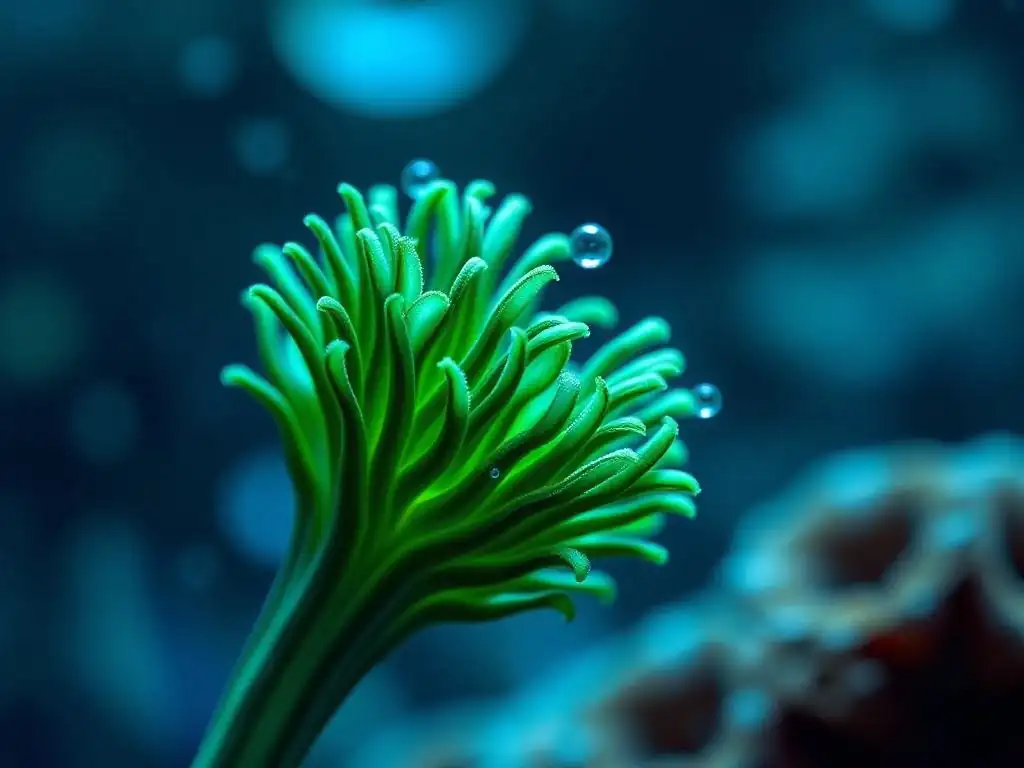
Nitrogen is an indispensable macronutrient for all plant life, including macroalgae, serving as a fundamental building block for proteins, nucleic acids (DNA and RNA), and chlorophyll – the pigment essential for photosynthesis. Without adequate nitrogen, macroalgae cannot synthesize these critical components, leading to stunted growth and reduced photosynthetic capacity. In a saltwater aquarium, macroalgae primarily absorb nitrogen in the form of nitrate (NO3-) and, to a lesser extent, ammonia (NH4+).
While ammonia is highly toxic to fish and corals, macroalgae can efficiently utilize it before it fully converts to nitrate, acting as a rapid detoxifier in early stages of the nitrogen cycle. However, nitrate is the more stable and prevalent form in mature systems, and macroalgae actively compete with nuisance algae for its uptake.
For optimal growth of species like Chaeto and Caulerpa, maintaining a detectable, yet controlled, nitrate level is often beneficial, typically ranging from 1 to 5 parts per million (ppm). Many aquarists mistakenly aim for zero nitrates, believing it eradicates all algae, but this can inadvertently starve beneficial macroalgae, hindering their nutrient export capabilities. Studies on Ulva lactuca (sea lettuce), for instance, have shown that optimal growth rates occur with nitrate concentrations around 2-5 ppm.
Below 0.5 ppm, significant growth inhibition can occur, leading to pale coloration and eventual die-off. Therefore, understanding that some level of nitrogen is not just tolerable but necessary for these vital organisms is crucial for effective nutrient needs macroalgae chaeto management and overall system health.
Phosphorus: The Key to Vibrant Green Macroalgae
Phosphorus is another critical macronutrient, playing a vital role in energy transfer within macroalgae cells, primarily as adenosine triphosphate (ATP), and as a component of cell membranes (phospholipids) and genetic material. Adequate phosphorus is essential for robust cell division and overall metabolic function, directly contributing to vibrant coloration and vigorous growth.
In the aquarium, phosphorus is predominantly present as phosphate (PO43-), originating from fish waste, uneaten food, decaying organic matter, and even some activated carbon products or impure salt mixes. While nuisance algae are notorious for thriving on high phosphate levels, beneficial macroalgae also require it for their growth, albeit within a balanced context.
Maintaining detectable, but low, phosphate levels is ideal for encouraging healthy macroalgae without triggering nuisance algae blooms. A target range of 0.01 to 0.05 ppm for phosphate is often recommended for reef tanks with macroalgae. Levels consistently below 0.005 ppm can lead to phosphorus deficiency, characterized by stunted growth and a dull, sometimes grayish, appearance in green macroalgae like Chaeto.
Conversely, levels exceeding 0.1 ppm can lead to phosphate limitation for corals and promote aggressive growth of undesirable algae. Achieving this delicate balance in the nutrient needs macroalgae chaeto and other species is key; it ensures that the macroalgae have enough resources to outcompete unwanted algae for this essential, yet often problematic, nutrient.
Trace Elements: Micronutrients Essential for Health and Color
While nitrogen and phosphorus are the primary macronutrients, a suite of trace elements, or micronutrients, are equally indispensable for the optimal health, coloration, and growth of macroalgae. These elements are required in much smaller quantities but act as crucial cofactors for enzymatic reactions, components of photosynthetic pigments, and structural elements within the plant cells.
Their deficiency, even in minute amounts, can lead to significant physiological impairments, manifesting as pale growth, reduced vitality, or susceptibility to disease. Unlike macronutrients, which are consumed in bulk, trace elements are often depleted slowly through uptake by organisms, protein skimming, and activated carbon use, necessitating careful supplementation to maintain their bioavailability.
The specific requirements for trace elements can vary slightly between different macroalgae species, reflecting their unique biochemical pathways. However, common elements like iron, iodine, manganese, molybdenum, and zinc are universally important. For instance, iron is vital for chlorophyll synthesis and electron transport during photosynthesis, while iodine plays a role in certain enzymatic processes and overall metabolic health, particularly in brown and red macroalgae. Understanding these subtle yet critical nutrient needs macroalgae chaeto and other beneficial species ensures that they can perform their nutrient export functions efficiently and contribute to a vibrant, balanced reef ecosystem.
Iron: Promoting Growth and Preventing Chlorosis in Macroalgae
Iron (Fe) is arguably one of the most critical trace elements for macroalgae, despite being required in very small concentrations. Its primary role lies in the synthesis of chlorophyll, the green pigment responsible for capturing light energy during photosynthesis. Iron is also a key component of various enzymes involved in electron transport chains, which are fundamental to the energy production within plant cells.
Without sufficient iron, macroalgae cannot produce adequate chlorophyll, leading to a condition known as chlorosis, where the plant tissue appears pale green or distinctly yellow, especially in newer growth. This visual cue is a strong indicator of iron deficiency, even if other macronutrients are present.
To prevent iron deficiency and promote vigorous growth, especially in dense macroalgae cultures like Chaeto, regular supplementation may be necessary. While precise iron levels in reef tanks are difficult to measure accurately with hobby-grade test kits, a target range often suggested by experienced aquarists is around 0.05 to 0.1 ppm. However, it's crucial to use chelated iron supplements designed for marine aquariums, as unchelated iron rapidly precipitates out of saltwater.
Overdosing iron can lead to issues, including promoting unwanted diatom blooms. Therefore, a cautious approach, starting with half the recommended dose and observing the macroalgae's response, is advisable to meet the specific nutrient needs macroalgae chaeto and maintain their lush, green appearance.
Iodine: Its Role in Ulva Health
Iodine (I) is another vital trace element for macroalgae, although its exact physiological roles are less comprehensively understood compared to iron or macronutrients. It is believed to be involved in certain metabolic processes, enzyme activities, and potentially in the synthesis of specific organic compounds within various macroalgae species.
While all macroalgae benefit from its presence, some species, particularly certain brown and red algae, as well as green algae like Ulva (sea lettuce), are thought to have a higher demand for iodine. Deficiency can manifest as reduced growth rates, a dull appearance, or a general decline in vitality, though these symptoms can be non-specific.
In a closed aquarium system, iodine is rapidly depleted through uptake by corals, invertebrates, and macroalgae, as well as by protein skimming and oxidation. Regular supplementation is therefore often recommended to maintain adequate levels, typically aiming for concentrations similar to natural seawater, around 0.06 ppm. However, hobbyist test kits for iodine can be unreliable, making precise dosing challenging.
It is generally safer to use a high-quality, broad-spectrum trace element supplement that includes iodine, or a dedicated iodine supplement designed for marine aquariums, following the manufacturer's instructions carefully. This ensures that the diverse nutrient needs macroalgae chaeto and other beneficial algae, including those with higher iodine demands like Ulva, are met without risking overdose, which can be detrimental to other tank inhabitants.
Identifying Nutrient Deficiencies in Your Macroalgae
Visual Cues: Recognizing Signs of Nutrient Starvation
Observing your macroalgae regularly is the first and often most immediate way to detect potential nutrient deficiencies. Unlike advanced chemical testing, visual cues provide a real-time, albeit qualitative, indication of your macroalgae's health and whether their essential nutrient needs macroalgae chaeto or other species are being met. These signs can manifest in changes to coloration, texture, and overall growth habit. Recognizing these subtle shifts early can prevent a more severe decline in your macroalgae population and, consequently, a reduction in their vital nutrient export capabilities, potentially leading to undesirable algae outbreaks in the main display tank.
It's important to remember that while specific symptoms often point towards particular deficiencies, multiple nutrient limitations can occur simultaneously, or symptoms might overlap. Therefore, visual assessment should ideally be coupled with regular water parameter testing for confirmation. Nevertheless, familiarizing oneself with common visual indicators such as pale or yellowing fronds, stunted or unusually slow growth, and brittle textures can guide initial troubleshooting efforts and prompt timely interventions to restore optimal conditions for your beneficial macroalgae.
Pale or Yellowing Macroalgae: A Sign of Nitrogen or Iron Deficiency?
One of the most common and easily identifiable signs of nutrient starvation in green macroalgae, such as Chaeto and various Caulerpa species, is a noticeable paling or yellowing of their fronds, a condition known as chlorosis. This symptom primarily indicates a deficiency in either nitrogen or iron, both of which are critical for chlorophyll production.
If the macroalgae appear generally pale across all fronds, it often points towards a systemic lack of nitrogen, as nitrogen is a major component of chlorophyll molecules. For example, a dense ball of Chaeto that once exhibited a vibrant, deep green color but now looks translucent or lime green is likely experiencing nitrogen limitation, especially if nitrate levels in the water are consistently below 0.5 ppm.
Conversely, yellowing that is more pronounced in newer growth or appears mottled, rather than uniform, can often suggest an iron deficiency. Iron is less mobile within the plant, meaning it cannot be easily redistributed from older to newer tissues, thus impacting the rapidly developing parts first.
While both deficiencies result in chlorosis, observing the pattern of yellowing can provide a clue; a general fading points to nitrogen, whereas localized or new-growth-specific yellowing might indicate iron. Addressing these nutrient needs macroalgae chaeto requires careful monitoring and targeted supplementation, ensuring these vital elements are available for healthy chlorophyll synthesis and robust growth.
Slow Growth Rate: Indicating a Lack of Essential Nutrients
Beyond changes in coloration, a significantly reduced or stalled growth rate is a strong general indicator that your macroalgae are not receiving adequate essential nutrients. Healthy macroalgae, particularly fast-growing species like Chaeto and Caulerpa prolifera, should exhibit consistent and noticeable growth over a period of days or weeks, often requiring regular harvesting to prevent overgrowth. If your macroalgae bed, which previously expanded rapidly, now shows minimal or no new growth, it suggests a limitation in one or more critical elements—be it nitrogen, phosphorus, or a crucial trace element.
For example, a Chaeto ball that normally doubles in size every 3-4 weeks under optimal conditions might show negligible growth over two months if starved of phosphorus or trace elements. This stagnation means the macroalgae are not effectively performing their nutrient export function, allowing nitrates and phosphates to accumulate in the water column and potentially fuel nuisance algae outbreaks in the main display.
Addressing this requires a comprehensive review of water parameters and potentially a re-evaluation of your feeding and dosing strategies to ensure all the nutrient needs macroalgae chaeto and other beneficial algae are consistently met for vigorous, continuous growth.
Testing Your Aquarium Water: Accurately Measuring Nutrient Levels
While visual cues provide valuable early warnings, accurate measurement of water parameters through regular testing is indispensable for definitively identifying nutrient deficiencies and optimizing the environment for macroalgae. High-quality test kits for nitrate (NO3-) and phosphate (PO43-) are paramount, as these are the primary macronutrients consumed by macroalgae. For instance, if your Chaeto is pale and your nitrate test consistently reads below 0.5 ppm, it strongly confirms nitrogen limitation.
Similarly, if growth is stunted and phosphate levels are undetectable (below 0.005 ppm), it points to a phosphorus deficiency. Regularly testing these parameters, perhaps weekly or bi-weekly depending on tank maturity and stock, provides empirical data to guide supplementation.
Beyond macronutrients, monitoring alkalinity (dKH), calcium (Ca), and magnesium (Mg) is also important, as these affect overall water chemistry and the stability of the reef environment, indirectly influencing macroalgae health. While trace elements like iron and iodine are harder to measure accurately with hobbyist kits, observing the response of your macroalgae to targeted supplementation can serve as a practical indicator. Utilizing reliable test kits, understanding their limitations, and maintaining a consistent testing schedule allows aquarists to move beyond guesswork, ensuring they precisely address the nutrient needs macroalgae chaeto, Caulerpa, and Gracilaria, fostering a stable and flourishing reef ecosystem.
Optimizing Nutrient Levels for Chaeto, Caulerpa & Gracilaria
Balancing Nitrate and Phosphate Levels: The Redfield Ratio and Macroalgae
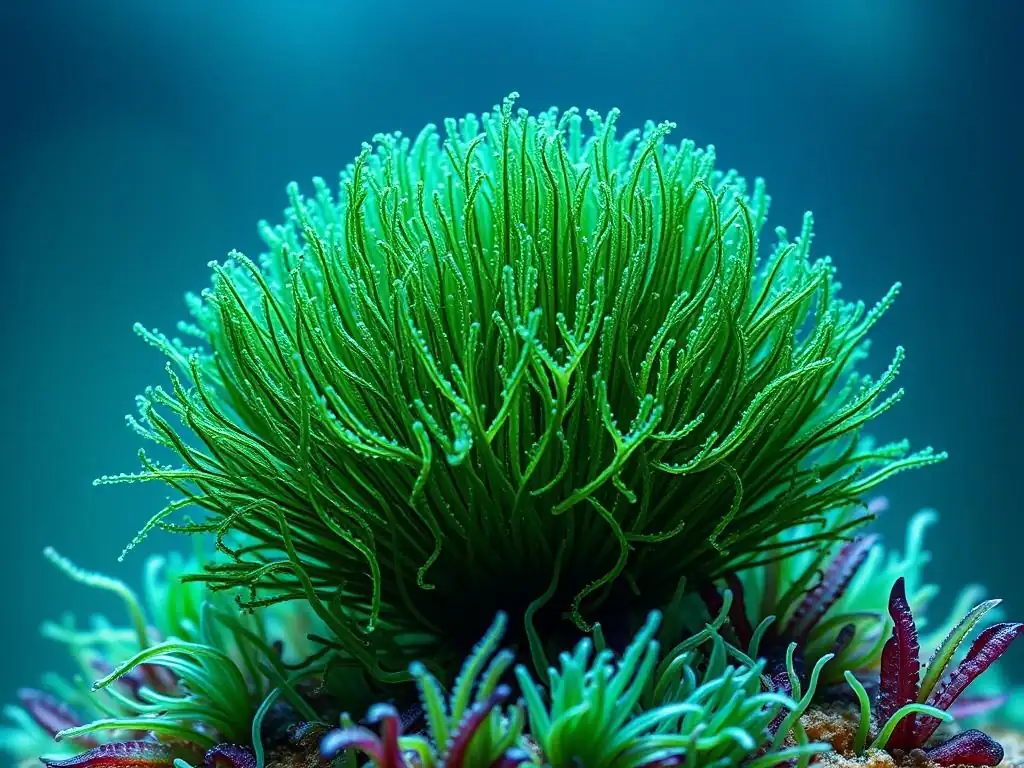
Achieving optimal growth for macroalgae, particularly for efficient nutrient export, often involves considering the Redfield Ratio. This ecological principle describes the typical atomic ratio of carbon, nitrogen, and phosphorus (C:N:P) found in marine phytoplankton and, by extension, many other marine primary producers, including macroalgae. The classic Redfield Ratio is 106:16:1.
While this ratio primarily applies to oceanic plankton, it serves as a valuable guideline for aquarists aiming to balance nitrogen (nitrate) and phosphorus (phosphate) levels to support robust macroalgae growth while limiting nuisance algae. For instance, if phosphate levels are 0.03 ppm, an ideal nitrate level would theoretically be around 0.48 ppm (16 times 0.03 ppm) to maintain this ratio.
In practical aquarium terms, maintaining an N:P ratio close to 16:1 (or even slightly higher in nitrogen, e.g., 20:1) can encourage preferential growth of beneficial macroalgae over nuisance algae, which often thrive on unbalanced nutrient profiles, particularly high phosphate with low nitrogen. Many aquarists find success by keeping nitrates between 1-5 ppm and phosphates between 0.01-0.05 ppm. While achieving an exact Redfield Ratio can be challenging and isn't always strictly necessary, understanding this concept helps in diagnosing imbalances.
For example, if you consistently have low nitrates but high phosphates, it indicates a nitrogen limitation for your macroalgae, hindering their ability to consume the excess phosphate. Adjusting the nutrient needs macroalgae chaeto by supplementing the limiting nutrient helps drive growth and re-establish a healthier balance.
Dosing Strategies: Supplementing Nutrients for Macroalgae Growth
Despite a common belief that macroalgae in aquariums thrive solely on fish waste and decaying organic matter, active nutrient export systems, especially those with dense, fast-growing macroalgae like Chaeto or Caulerpa, can rapidly deplete essential nutrients from the water column. When nitrates and phosphates consistently read near zero, or when visual signs of deficiency appear, targeted dosing of macronutrients and trace elements becomes crucial to sustain optimal macroalgae growth and, consequently, their filtering capacity. This proactive approach ensures that your beneficial algae are never starved, allowing them to continuously outcompete undesirable algae for available resources.
Effective dosing involves not just adding nutrients but understanding what to add, how much, and how often. Overdosing can lead to nuisance algae blooms, while underdosing defeats the purpose. Therefore, a systematic approach based on water testing and careful observation is essential. This section will delve into selecting appropriate fertilizers and calculating dosages to precisely meet the specific nutrient needs macroalgae chaeto and other species, transforming a passive refugium into an actively managed and highly efficient component of your reef tank's filtration system.
Choosing the Right Macroalgae Fertilizer: What to Look For
Selecting the appropriate macroalgae fertilizer is paramount to providing the correct balance of nutrients without introducing harmful substances to your reef system. The ideal fertilizer should contain a balanced blend of nitrogen (often as nitrate), phosphorus (as phosphate), and essential trace elements, particularly chelated iron.
Look for products specifically formulated for marine aquariums or dedicated macroalgae supplements, as these are designed to be reef-safe and typically avoid elements detrimental to corals and invertebrates, such as high levels of copper. Many commercially available products offer an 'all-in-one' solution, while others provide individual supplements for targeted dosing of specific elements like nitrate, phosphate, or iron.
When evaluating products, examine the ingredient list. Nitrogen is often present as potassium nitrate (KNO3) or sodium nitrate. Phosphorus typically comes from potassium phosphate (KH2PO4).
For trace elements, ensure iron is in a chelated form (e.g., EDTA, DTPA, HEDTA) to remain bioavailable in saltwater. Avoid fertilizers designed for freshwater plants, as their formulations are often unsuitable for marine environments and may contain high levels of substances like copper that are toxic to invertebrates at even low concentrations. For example, a popular marine macroalgae supplement might list its nitrogen at 0.05-0.1% and phosphorus at 0.005-0.01%, with iron and other trace elements in microgram per liter ranges, ensuring a safe and effective way to meet the diverse nutrient needs macroalgae chaeto and other species without compromising the main display tank.
Calculating Dosage: Ensuring Optimal Nutrient Delivery
Precise calculation of fertilizer dosage is essential to prevent both under-dosing, which leaves macroalgae starved, and over-dosing, which can lead to nuisance algae outbreaks or even harm sensitive tank inhabitants. The most effective dosing strategy begins with consistent water testing to determine the current levels of nitrates and phosphates.
Most liquid fertilizers provide instructions for how much product to add to raise a specific nutrient by a certain amount (e.g., "add 1 ml per 10 gallons to raise nitrate by 1 ppm"). You'll need to know your aquarium's net water volume, accounting for displacement by rock and sand, which is typically 80-90% of the tank's stated capacity.
A common approach is to dose daily or every other day to maintain stable, low but detectable levels of nutrients. For instance, if your system consistently depletes nitrate from 2 ppm to 0.5 ppm over 24 hours, you would calculate the daily dose needed to replenish that 1.5 ppm deficit. Always start with a conservative dose, perhaps 50-75% of the calculated amount, and observe your macroalgae's response and re-test water parameters after a few days.
Gradually increase the dosage until optimal growth and coloration are achieved without causing nuisance algae. This iterative process, guided by regular testing, is crucial for fine-tuning the nutrient delivery and ensuring the specific nutrient needs macroalgae chaeto, Caulerpa, and Gracilaria are met for peak performance as biological filters.
Practical Tips for Maintaining Healthy Macroalgae in Your Aquarium
Lighting: Providing Adequate Light for Photosynthesis
Adequate lighting is just as crucial as nutrient availability for the thriving of macroalgae, as light energy powers the photosynthesis process, converting nutrients into biomass. While macroalgae are generally less demanding than corals in terms of light intensity, they still require a suitable spectrum and duration to grow efficiently. For most macroalgae species commonly kept in refugiums, such as Chaeto and Caulerpa, a full-spectrum LED light with a color temperature ranging from 5,000K to 6,500K (daylight to cool white) is highly effective.
Many aquarists utilize dedicated refugium lights or even simple LED grow lights designed for terrestrial plants, provided they are marine-safe and produce sufficient intensity. For instance, a 20-gallon refugium might thrive with a 15-20 watt LED light specifically designed for macroalgae.
The photoperiod is another critical factor. Running the refugium light on a reverse daylight cycle (RDC), meaning the refugium light is on when the display tank light is off, offers several benefits. This strategy helps stabilize pH fluctuations by promoting photosynthesis and CO2 uptake during the night, when the display tank's pH typically drops.
A common photoperiod for refugiums is 10-14 hours per day. Ensuring the light penetrates evenly through the macroalgae mass, especially dense Chaeto balls, is also important; rotating or gently shaking the macroalgae can expose all sides to light, maximizing their photosynthetic activity and ensuring all nutrient needs macroalgae chaeto are met via efficient nutrient assimilation.
Water Flow: Ensuring Nutrient Circulation
Water flow, often overlooked in the context of macroalgae care, plays a vital role in ensuring that essential nutrients are consistently delivered to the macroalgae fronds and that waste products are efficiently removed. Stagnant water around macroalgae can lead to localized nutrient depletion, even if overall tank levels are adequate, effectively starving the plants. Moderate, turbulent flow helps to constantly bathe the macroalgae in nutrient-rich water, maximizing their uptake efficiency.
For instance, in a Chaeto refugium, a flow rate equivalent to 3-5 times the refugium's volume per hour is generally considered ideal. For a 20-gallon refugium, this would translate to a flow of 60-100 gallons per hour (GPH).
Additionally, proper water flow prevents the accumulation of detritus within the macroalgae bed, which can break down and release undesirable nutrients back into the water, counteracting the macroalgae's purpose. It also discourages the growth of nuisance cyanobacteria, which thrive in low-flow, high-detritus areas. Positioning the macroalgae where they receive consistent, but not overly forceful, water movement is key.
For species like Chaeto, a gentle tumbling motion is often beneficial, exposing all parts of the ball to light and flow. Ensuring adequate water circulation directly supports the efficient uptake of nutrient needs macroalgae chaeto and other species, leading to healthier, more productive growth.
Harvesting and Pruning: Maintaining Optimal Growth and Nutrient Export
Regular harvesting and pruning are indispensable practices for maintaining healthy, actively growing macroalgae and maximizing their nutrient export capabilities. As macroalgae grow, they absorb nitrates, phosphates, and other elements from the water, incorporating them into their biomass. Harvesting physically removes this nutrient-laden plant material from the system, preventing the eventual release of these stored nutrients back into the water if the macroalgae were to die off or 'go sexual' (as with some Caulerpa species). This process effectively completes the nutrient export cycle, ensuring a net reduction of undesirable compounds in the aquarium.
The frequency and volume of harvesting depend on the macroalgae's growth rate and the nutrient load of the system. For fast-growing species like Chaeto in a moderately stocked tank, harvesting 25-50% of the biomass every 2-4 weeks is a common practice. For example, if your Chaeto ball is roughly the size of a basketball, you might remove a quarter to half of it every month.
This practice stimulates new growth, ensuring the macroalgae remain in a vigorous, nutrient-hungry state. Neglecting harvesting can lead to overcrowding, shading of lower fronds, and eventually, the decay of older macroalgae, which would then re-release the very nutrients you aim to remove. Consistent harvesting is a critical component of satisfying the long-term nutrient needs macroalgae chaeto and maintaining a stable, low-nutrient reef environment.
Common Mistakes to Avoid When Caring for Macroalgae
Over-Stripping Nutrients: The Risks of Excessive Nutrient Removal
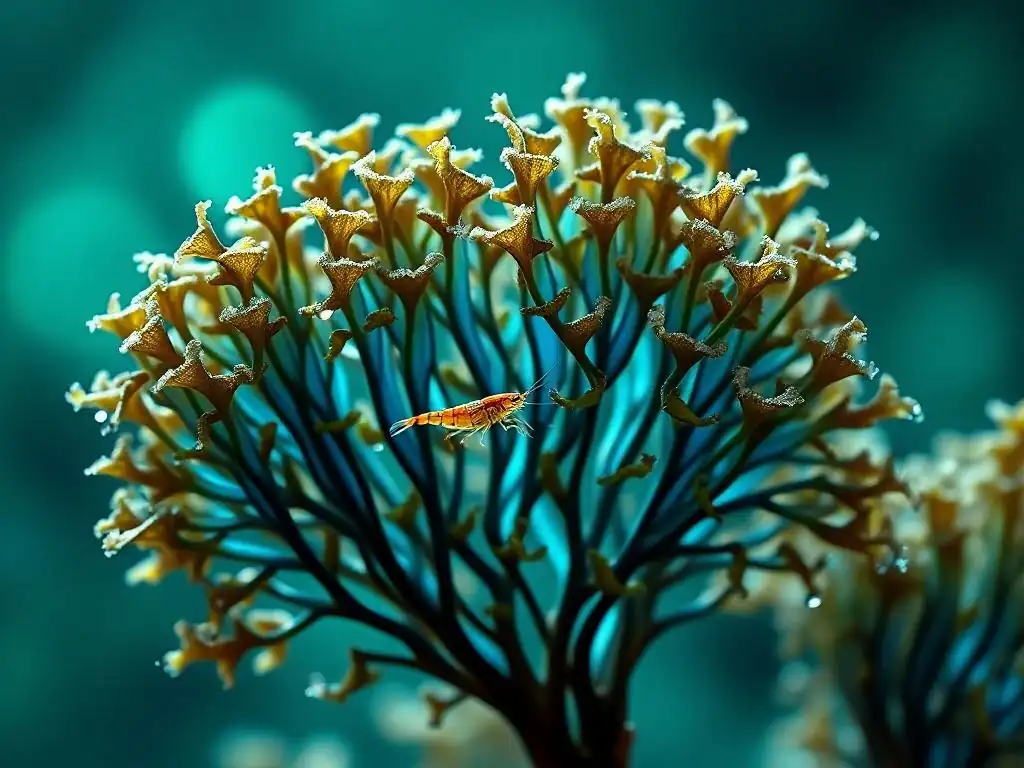
One of the most paradoxical yet common mistakes in reef-keeping is 'over-stripping' nutrients, meaning driving nitrates and phosphates to absolute zero or near-zero levels. While the goal is often to eliminate nuisance algae, this extreme cleanliness can inadvertently starve beneficial organisms, including macroalgae, corals, and even some fish.
When macroalgae like Chaeto are consistently deprived of nitrogen and phosphorus, their growth significantly slows, they become pale, and their ability to export nutrients diminishes. For instance, if nitrate levels remain consistently below 0.2 ppm and phosphate below 0.005 ppm for extended periods, even robust macroalgae strains will struggle, potentially leading to die-off and the release of their stored nutrients, counteracting the desired effect.
Furthermore, corals, particularly many SPS (Small Polyp Stony) corals, also require trace amounts of nitrates and phosphates for their metabolic processes and vibrant coloration. An ultra-low nutrient (ULNS) system can lead to pale corals, reduced growth rates, and a general lack of vitality. The key is balance: aiming for low but detectable levels, such as 1-5 ppm nitrate and 0.01-0.05 ppm phosphate. This ensures that the essential nutrient needs macroalgae chaeto and other beneficial organisms are met, allowing them to thrive and effectively keep undesirable algae in check through competition, rather than through complete starvation of the entire ecosystem.
Incompatible Tank Mates: Preventing Macroalgae Grazing
Introducing incompatible tank mates is a frequent oversight that can severely hinder the success of your macroalgae cultivation efforts. Many common reef inhabitants, particularly herbivorous fish and some invertebrates, view macroalgae as a primary food source.
Tangs (e.g., Yellow Tang, Sailfin Tang), certain angelfish species, and even some snails (e.g., Trochus snails if hungry enough) can decimate a macroalgae bed in a display tank within days, negating its nutrient export benefits. For example, a single adult Yellow Tang can consume several cubic inches of Caulerpa or Chaeto daily, making it impossible for the macroalgae to grow sufficiently to export nutrients.
To prevent this, the most effective strategy is to cultivate macroalgae in a dedicated refugium or sump, separated from the main display tank and its grazers. This provides a safe haven where the macroalgae can grow undisturbed and proliferate, fulfilling their role as biological filters and copepod factories. If macroalgae are desired in the display tank for aesthetic reasons or as a natural food source, careful species selection is crucial; some Gracilaria species are more palatable than others.
However, for consistent nutrient export, a protected environment is highly recommended. Understanding these interactions is vital to ensuring the nutrient needs macroalgae chaeto and other beneficial algae are met without them becoming a constant snack for hungry tank inhabitants.
Neglecting Water Changes: Maintaining a Stable Environment
While macroalgae are powerful nutrient exporters, they are not a substitute for regular water changes. Neglecting consistent water changes is a common mistake that can destabilize the aquarium environment, even with a robust macroalgae system. Water changes serve multiple critical functions: they replenish essential trace elements that macroalgae and corals consume or that are removed by skimming, and they dilute accumulated dissolved organic compounds that macroalgae might not fully process. For instance, a 10-20% bi-weekly water change can replenish depleted iodine or potassium and remove refractory organic compounds that contribute to yellowing water or nuisance issues.
Even with optimal nutrient needs macroalgae chaeto management and vigorous growth, macroalgae primarily target nitrates and phosphates. They do not fully address the buildup of all dissolved organic carbon (DOC) or the depletion of all minor and trace elements necessary for overall reef health. A system reliant solely on macroalgae for filtration might eventually suffer from trace element deficiencies or the accumulation of unknown inhibitory substances. Therefore, regular water changes, in conjunction with a healthy macroalgae bed, create a synergistic effect, providing the most stable, diverse, and pristine environment for all inhabitants, ensuring both macroalgae and corals thrive.
Troubleshooting Common Macroalgae Problems
Algae Blooms: Addressing Imbalances and Competition
The emergence of unwanted algae blooms in a reef aquarium, such as green hair algae, diatoms, or dinoflagellates, often signals an underlying nutrient imbalance or a decline in the effectiveness of your existing nutrient export mechanisms, including your macroalgae. Paradoxically, if your beneficial macroalgae are starving due to a lack of specific nutrients, they cannot effectively outcompete nuisance algae for the available resources. For example, if nitrates are consistently near zero but phosphates are elevated (e.g., 0.1 ppm), opportunistic nuisance algae that can thrive in such imbalanced conditions will proliferate, while your macroalgae struggle due to nitrogen limitation.
Addressing algae blooms requires a multi-pronged approach that often involves re-evaluating the nutrient needs macroalgae chaeto and other beneficial species. First, conduct comprehensive water testing for nitrates and phosphates to identify the specific imbalance. If your macroalgae are pale or stunted, consider targeted dosing of the limiting nutrient to boost their growth.
Increasing the biomass of healthy macroalgae in your refugium can also significantly enhance their competitive advantage against nuisance algae. For instance, doubling your Chaeto volume by purchasing more or allowing existing growth to mature will provide a larger biological filter capable of absorbing more nutrients, helping to shift the ecosystem balance back in favor of desirable organisms.
Hair Algae: Identifying and Eliminating Nutrient Sources
Hair algae, particularly filamentous green algae, is one of the most tenacious and frustrating nuisance algae encountered by aquarists. Its rampant growth is almost always a direct indicator of persistently elevated nutrient levels, predominantly phosphates and nitrates.
While macroalgae are your primary defense against these nutrients, if your macroalgae are not thriving due to unaddressed nutrient needs macroalgae chaeto or other species, they cannot effectively compete with or consume the excess nutrients that fuel hair algae. For instance, if your aquarium has a phosphate level of 0.1 ppm and a nitrate level of 10 ppm, these conditions are highly favorable for hair algae proliferation, especially if the macroalgae bed in the refugium is sparse or unhealthy.
Eliminating hair algae requires a concerted effort to identify and mitigate its nutrient sources. This includes reducing overfeeding, ensuring all uneaten food is removed, siphoning detritus from sumps and display tanks, and evaluating the purity of your RO/DI water (check for TDS creep). Simultaneously, focus on boosting your macroalgae's health: ensure adequate lighting, optimal flow, and consistent nutrient dosing if deficiencies are detected.
Increasing the biomass of healthy macroalgae and ensuring they are actively growing will significantly enhance their ability to outcompete hair algae for available nutrients, gradually starving it out. Manual removal of hair algae from the display tank, combined with these systemic changes, is essential for long-term control.
Macroalgae Turning White or Brown: Increasing Water Flow and Adjusting Light Intensity
When macroalgae, particularly green species like Chaeto, begin to turn white or brown, it's a clear sign of severe stress or impending die-off, indicating that fundamental environmental conditions are suboptimal. White coloration often points to excessive light intensity or a sudden shift in light, causing photoinhibition or bleaching.
For example, placing a refugium light too close to a dense Chaeto ball, or using a light that is disproportionately powerful for the macroalgae's needs, can lead to the top layers turning bleached white. Conversely, browning can indicate insufficient light, insufficient water flow leading to localized nutrient depletion, or a severe deficiency in critical nutrient needs macroalgae chaeto such as nitrogen or phosphorus.
To address these issues, first assess your water flow: ensure there's adequate, but not excessive, movement through the macroalgae bed to deliver nutrients and remove waste. A gentle tumbling motion is often ideal for Chaeto. Next, evaluate your lighting: adjust the light fixture's height or dim its intensity if bleaching is observed. If browning is prevalent, consider increasing light duration or intensity.
Finally, re-test your water parameters for nitrates, phosphates, and trace elements. A severe lack of these essential nutrients will also lead to tissue degradation. By systematically troubleshooting light, flow, and nutrient availability, you can often reverse the decline and restore your macroalgae to a healthy, vibrant state, ensuring their continued effectiveness as natural filters.
Conclusion: Achieving a Thriving Saltwater Aquarium with Healthy Macroalgae
Cultivating a healthy, thriving saltwater aquarium is a journey of understanding and balance, where every component plays a crucial role. Macroalgae, particularly Chaeto, Caulerpa, and Gracilaria, stand out as indispensable allies in this endeavor, offering unparalleled natural filtration through efficient nutrient export. However, their full potential can only be realized when their specific nutrient needs macroalgae chaeto and other beneficial species are fully understood and consistently met. From maintaining optimal levels of nitrogen and phosphorus to ensuring the availability of vital trace elements like iron and iodine, proactive management of these parameters is paramount.
By diligently monitoring water chemistry, providing appropriate lighting and water flow, and engaging in regular harvesting, aquarists can foster robust macroalgae populations that actively outcompete nuisance algae and stabilize the delicate reef environment. Avoiding common pitfalls such as over-stripping nutrients or introducing incompatible grazers further secures their success. Ultimately, a well-cared-for macroalgae bed transforms a reactive approach to water quality into a proactive, sustainable system, leading to a consistently pristine, vibrant, and stable saltwater aquarium where corals flourish and fish thrive, a testament to the power of natural biological filtration.
Frequently Asked Questions
What are the key nutrients needed for healthy chaeto growth in my aquarium?
Chaeto primarily needs nitrogen, phosphorus, and trace elements to thrive. These are often sourced from fish waste or can be supplemented with commercially available fertilizers.
How can I tell if my chaeto is nutrient deficient?
Signs of deficiency include slow or stunted growth, a pale or yellowing color, or even disintegration. Regular testing of your water parameters can also reveal low nutrient levels.
What's the best way to dose nutrients for chaeto without harming my fish or corals?
Start with small doses and monitor your aquarium's water parameters closely. Avoid overdosing, which can lead to algae blooms or harm sensitive inhabitants.
How often should I prune or harvest my chaeto to maintain optimal nutrient export?
Pruning frequency depends on the growth rate, but generally, aim to harvest about half of the chaeto every few weeks. This encourages new growth and prevents nutrient build-up.
Is there a difference in nutrient needs between chaeto, caulerpa, and gracilaria?
While all three macroalgae require similar nutrients, their uptake rates and specific needs can vary. Research each species individually for optimal care.
Final Reflection: The Verdant Promise of Balanced Ecosystems
The insights shared throughout this article highlight a crucial point: understanding the specific nutrient needs of macroalgae is paramount to fostering thriving aquatic ecosystems. From the vibrant greens of Chaeto to the delicate fronds of Gracilaria, each species presents a unique set of requirements that, when met, unlock their full potential as natural filters and vital components of a healthy reef environment. Ignoring these needs isn't just detrimental to the algae themselves; it jeopardizes the delicate balance of the entire system.
This exploration into macroalgae nutrition has profoundly influenced my own perspective on responsible reef keeping. It underscores the interconnectedness of all living things within an aquarium and the responsibility we bear to provide optimal conditions for their well-being. The Earth will not continue to offer its harvest, except with faithful stewardship. We cannot say we love the land and then take steps to destroy it for use by future generations.
- John Paul II. This quote, though speaking of the land, resonates deeply with the principles of reef keeping; we must be mindful stewards of these miniature ecosystems.
Now, I invite you to reflect on your own practices. Consider how you can better understand and cater to the specific nutrient needs of your macroalgae. By embracing a more informed and conscientious approach, you can unlock the verdant promise of balanced ecosystems, contributing to the health and beauty of your reef for years to come. Let's cultivate a future where thriving macroalgae are not just a possibility, but a vibrant reality in every reef tank.
Fuel Your Algae Growth: Unleash the Potential of Your Refugium!
Thank you for diving into the world of macroalgae! We hope you've gained a clearer understanding of how to nurture these underwater powerhouses. Now, it's time to put that knowledge into action and watch your refugium thrive.
Here's what you can do next:
- Immediately assess your refugium's nutrient levels. Conduct a thorough water test focusing on nitrates and phosphates to ensure your macroalgae are getting the fuel they need.
- Explore the option of adding a dedicated refugium light with a spectrum tailored for macroalgae growth. Experiment with different light cycles to optimize nutrient uptake.
- Share your experiences and insights with fellow reef keepers! Post a picture of your refugium setup on social media and tag us @AquariumMastery, detailing your macroalgae success (or struggles! ).
What unique strategy are you going to implement to optimize nutrient availability for your macroalgae?