
Breeding Wrasses in Captivity: Exploring the Challenges and Rare Triumphs

Welcome to Aquarium Mastery!
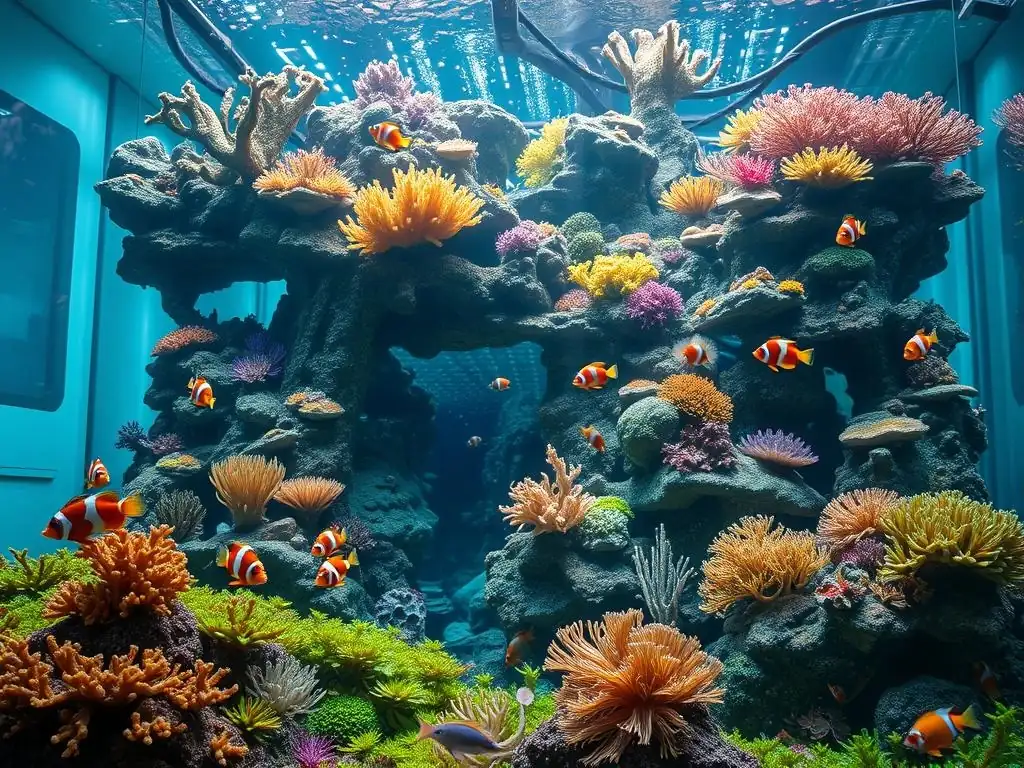
Ever dreamt of witnessing the vibrant dance of life as wrasses reproduce within the controlled environment of your home aquarium? Breeding wrasses in captivity presents unique challenges, demanding a deep understanding of their intricate needs. Dive into our comprehensive guide where we unravel the complexities and celebrate the rare triumphs of successfully breeding these captivating saltwater fish. Are you ready to explore the secrets?
- Introduction: The Allure and Difficulty of Wrasse Breeding in Aquariums
- Understanding Wrasse Biology for Successful Captive Breeding
-
The Major Challenges of Wrasse Breeding in Aquarium Environments
- Mimicking Natural Habitat Conditions for Wrasse Spawning
- Nutritional Requirements for Breeding Wrasses and Larval Development
- Maintaining Optimal Water Chemistry for Wrasse Reproduction
- Preventing Diseases and Parasites in Wrasse Breeding Tanks
- The Critical Importance of Live Food Cultures for Wrasse Fry
- Setting Up a Dedicated Wrasse Breeding Aquarium: A Step-by-Step Guide
- Inducing Spawning in Captive Wrasses: Techniques and Considerations
- Caring for Wrasse Eggs and Larvae: A Delicate Balancing Act
- Case Studies: Rare Success Stories of Wrasse Breeding in Captivity
- Future Directions in Wrasse Breeding Research and Conservation
- Conclusion: The Future of Wrasse Breeding and the Rewards of Perseverance
-
Frequently Asked Questions
- How difficult is it to breed Wrasses in captivity?
- What are the primary obstacles to overcome when trying to breed wrasses in an aquarium?
- What specific environmental conditions are crucial for wrasse breeding success?
- What type of food is necessary to successfully raise wrasse larvae?
- What are some of the ethical considerations when attempting to breed wrasses in captivity?
- Final Reflection: The Fragile Hope of Captive Wrasse Breeding
- Unleash Your Inner Reef Pioneer!
Introduction: The Allure and Difficulty of Wrasse Breeding in Aquariums
Wrasses, with their vibrant colors, diverse behaviors, and active swimming patterns, are among the most captivating inhabitants of saltwater aquariums. Their popularity stems from their reef-safe nature (for many species), their ability to control pests like flatworms, and their generally hardy constitution once acclimated. However, the allure of keeping these fascinating fish extends beyond mere observation; for many advanced aquarists, the ultimate challenge lies in successfully breeding them in captivity.
Despite their widespread presence in the aquarium trade, the captive breeding of most wrasse species remains an exceptionally difficult endeavor. Unlike some other marine ornamental fish, wrasses present a unique set of biological and environmental hurdles that have largely limited successful propagation to a handful of dedicated public aquariums and specialized research facilities. This article will delve into the intricate Wrasse breeding aquarium captivity challenges, exploring the biological complexities, the environmental demands, and the meticulous care required, while also highlighting the rare, yet inspiring, triumphs that illuminate the path forward for aspiring wrasse breeders.
Understanding Wrasse Biology for Successful Captive Breeding
Wrasse Life Cycle and Reproductive Strategies in the Wild
The life cycle of wrasses in their natural habitat typically involves pelagic spawning, where eggs are released into the water column and drift with currents. These eggs are usually small, ranging from 0.6 to 1.0 millimeters in diameter, and hatch relatively quickly, often within 18 to 48 hours, depending on water temperature. The resulting larvae are microscopic, planktonic, and highly vulnerable, relying on microscopic organisms for sustenance as they develop over several weeks or even months before settling into a benthic (bottom-dwelling) juvenile stage.
Wrasses exhibit diverse reproductive strategies, with many species displaying protogynous hermaphroditism, meaning they start as females and can later change sex to become males. This plasticity in sex determination often leads to complex social structures, such as harems where a single dominant male presides over multiple females. Spawning behaviors vary widely, from pair spawning, where a male and female ascend in the water column to release gametes, to group spawning, involving multiple individuals releasing eggs and sperm simultaneously.
For instance, the Lunar Wrasse ( Thalassoma lunare) is known for its group spawning aggregations over reefs, while many cleaner wrasses ( Labroides dimidiatus) engage in daily pair spawning events. Understanding these natural behaviors is critical for addressing the Wrasse breeding aquarium captivity challenges.
Identifying Sexes and Spawning Triggers in Wrasses
Identifying the sex of wrasses can be challenging, as many species exhibit sexual dimorphism that only becomes apparent as they mature or during breeding season. In protogynous species, initial phase (IP) individuals may be either male or female and often display similar coloration, while terminal phase (TP) males develop distinct, often more vibrant, coloration and elaborate finnage. For example, a male Christmas Wrasse ( Halichoeres claudia) will develop striking green and red patterns, contrasting with the more subdued coloration of females.
Size is also a common indicator, with dominant males typically being larger than females in many species. Behavioral cues, such as a male displaying to a female or defending a territory, also provide valuable insights into readiness for spawning.
Spawning in wrasses is often triggered by a combination of environmental and social cues. Environmental factors include lunar cycles, with many species spawning around new or full moons, as well as subtle changes in water temperature, photoperiod (day length), and water flow. Increased food availability, signaling abundant resources, can also play a significant role in conditioning broodstock.
Social cues, such as the presence of a healthy, mature breeding pair or a stable harem structure, are equally vital. Replicating these intricate environmental and social signals in a confined aquarium environment is one of the primary Wrasse breeding aquarium captivity challenges, demanding precise control over tank parameters and careful observation of fish behavior.
The Major Challenges of Wrasse Breeding in Aquarium Environments
Mimicking Natural Habitat Conditions for Wrasse Spawning
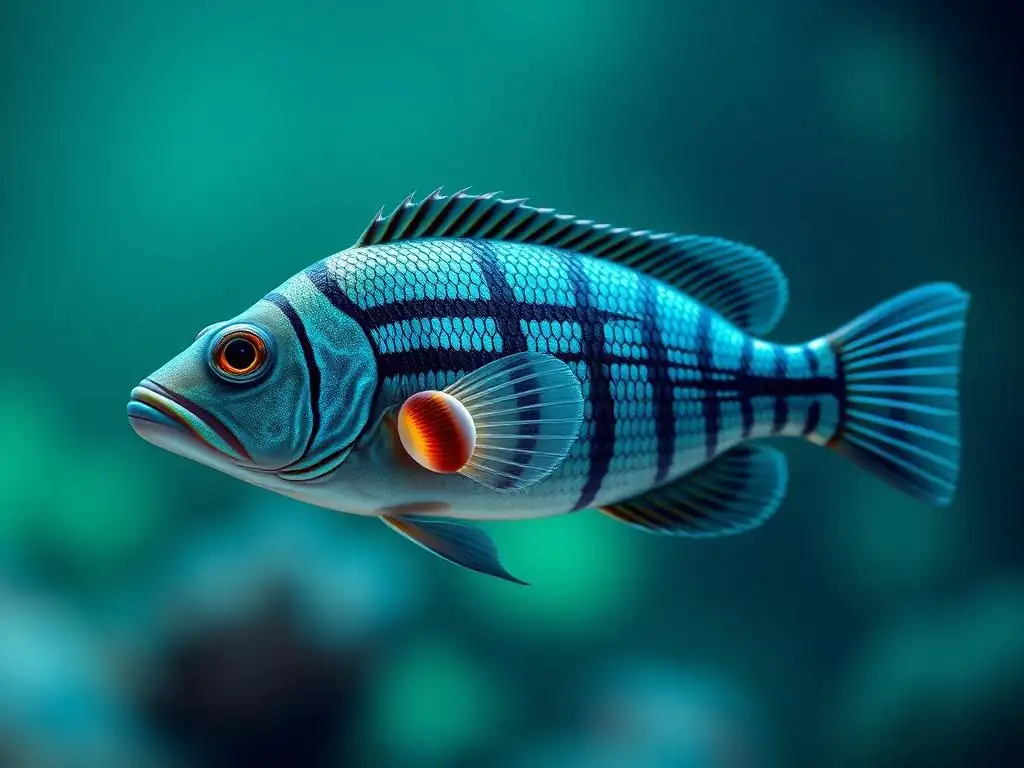
Replicating the vast, dynamic conditions of the ocean within a closed aquarium system presents a monumental challenge for wrasse breeding. Many wrasse species inhabit complex reef environments characterized by strong currents, specific lighting profiles, and extensive open swimming space. For instance, species like the Six-Line Wrasse ( Pseudocheilinus hexataenia) thrive in areas with moderate to strong flow and ample rockwork for hiding and territorial defense, which can be difficult to consistently replicate in a home aquarium setting without creating dead spots or excessive turbulence.
Beyond water movement, the sheer volume and stability of the ocean are impossible to replicate, leading to magnified effects of waste products and fluctuations in water chemistry in a confined tank. Providing sufficient space for natural spawning rushes, especially for pelagic spawners, requires very large tanks, often exceeding 100-150 gallons for even medium-sized wrasses. Furthermore, replicating the natural light intensity and spectrum, including UV components, and mimicking lunar cycles, is crucial for stimulating reproductive cycles, adding another layer of complexity to the Wrasse breeding aquarium captivity challenges.
Nutritional Requirements for Breeding Wrasses and Larval Development
Optimal nutrition is paramount for successful wrasse breeding, both for the adult broodstock and the delicate larvae. Broodstock conditioning requires a high-quality, varied diet rich in proteins, fatty acids, and essential vitamins to ensure the production of viable eggs and healthy sperm. This typically involves feeding a combination of enriched frozen foods like mysis shrimp, enriched brine shrimp, copepods, and high-quality pellets, often several times a day. Poor nutrition in broodstock can lead to infertile eggs, reduced spawning frequency, or unhealthy larvae.
The nutritional requirements for wrasse larvae are even more demanding and represent a significant hurdle. Wrasse larvae hatch at an incredibly small size, often less than 2 millimeters, with tiny mouthgapes. This necessitates a continuous supply of live, microscopic food organisms, such as rotifers ( Brachionus plicatilis or Brachionus rotundiformis) for initial feeding, followed by various species of copepod nauplii (e.g., Tisbe or Tigriopus californicus) as the larvae grow. Maintaining continuous, dense, and nutritionally enhanced live food cultures at the required scale is a labor-intensive and often expensive aspect of Wrasse breeding aquarium captivity challenges.
Maintaining Optimal Water Chemistry for Wrasse Reproduction
Pristine and stable water chemistry is non-negotiable for successful wrasse reproduction and larval survival. Adults require typical reef parameters: stable salinity (e.g., 1.025-1.026 specific gravity), tropical temperatures (generally 76-80°F), pH between 8.1-8.4, and appropriate levels of alkalinity (8-12 dKH), calcium (400-450 ppm), and magnesium (1200-1350 ppm). However, the eggs and particularly the larvae are far more sensitive to fluctuations and pollutants.
Even minute levels of ammonia, nitrite, or elevated nitrates can be lethal to wrasse eggs and fry. Larval rearing tanks, due to the high density of microscopic organisms and rapid metabolism of the growing fry, accumulate waste quickly. This often necessitates daily, sometimes multiple daily, large-volume water changes (e.g., 25-50% or more) using meticulously prepared, aged saltwater. Balancing the introduction of live food and the removal of waste without stressing or siphoning out the tiny larvae is a delicate act, highlighting a major aspect of Wrasse breeding aquarium captivity challenges.
Preventing Diseases and Parasites in Wrasse Breeding Tanks
The stress of breeding, coupled with the often higher stocking densities required for group spawning or larval rearing, significantly increases the susceptibility of wrasses to diseases and parasites. Broodstock, when undergoing the rigors of reproduction, can have compromised immune systems, making them more vulnerable to common marine ailments like marine ich ( Cryptocaryon irritans) or velvet ( Amyloodinium ocellatum). Introducing new broodstock without proper quarantine protocols is a common way for pathogens to enter a breeding system, potentially decimating an entire population.
In larval rearing tanks, the risk of bacterial infections is particularly high due to the presence of live food cultures, high organic loads, and the delicate nature of the fry. Bacterial blooms can rapidly consume oxygen and produce toxins, leading to mass mortalities. Maintaining strict biosecurity, impeccable hygiene, and sterile equipment is crucial. While prophylactic treatments are sometimes employed in research settings, their use in home aquariums is often impractical and can be detrimental to the sensitive larval stages, making disease prevention a primary focus among the Wrasse breeding aquarium captivity challenges.
The Critical Importance of Live Food Cultures for Wrasse Fry
As previously mentioned, the minuscule mouthgapes and specific nutritional needs of newly hatched wrasse larvae make live food cultures absolutely indispensable. Unlike some hardier marine fish larvae that can transition to inert foods relatively quickly, wrasse fry typically require a sustained supply of appropriately sized and nutritionally enriched live organisms for several weeks. The initial days often demand rotifers, which are then gradually replaced by various species of copepods as the larvae grow.
Culturing these live foods effectively and consistently is a major undertaking. It requires dedicated space, specific equipment (e.g., culture vessels, air pumps, lighting), and a deep understanding of algal cultures (e.g., Nannochloropsis, Tetraselmis) to feed the rotifers and copepods. Maintaining diverse, healthy, and contaminant-free live food cultures at the densities required to sustain hundreds or thousands of wrasse larvae is a continuous, labor-intensive process. For example, rotifer densities of 10-15 individuals per milliliter are often required for initial feeding, necessitating large-volume, continuous cultures, which is a significant component of the Wrasse breeding aquarium captivity challenges.
Setting Up a Dedicated Wrasse Breeding Aquarium: A Step-by-Step Guide
Tank Size and Design Considerations for Wrasse Breeding
A dedicated wrasse breeding aquarium must be significantly larger than a typical display tank to provide ample space for natural behaviors, including courtship rituals and spawning rushes. For medium-sized wrasses like many Halichoeres or Pseudocheilinus species, a minimum tank size of 75 to 120 gallons is often recommended for a pair or small group. Larger species or those known for extensive swimming during spawning may require 180 gallons or more. The tank design should prioritize open swimming areas, especially towards the surface, where many wrasses perform their spawning ascent.
Consideration should also be given to egg collection. Since most wrasses produce pelagic eggs, a surface skimmer with a fine-mesh screen or an overflow box leading to a collection sump is essential. The skimmer should be designed to gently draw surface water, where the buoyant eggs accumulate, into a separate chamber without harming the delicate eggs. Some breeders use dark backgrounds to increase the visibility of transparent eggs, aiding in their collection and monitoring, which is a key step in overcoming Wrasse breeding aquarium captivity challenges.
Filtration and Water Circulation for Larval Survival
Filtration in a wrasse breeding tank, particularly the larval rearing component, must be extremely gentle yet effective. Traditional power filters or protein skimmers that create strong currents or microbubbles can be detrimental to delicate wrasse eggs and larvae. Sponge filters, air-driven systems, or very low-flow internal filters are often preferred for larval tanks, as they provide biological filtration and gentle aeration without posing a physical threat.
Water circulation within the larval rearing tank is crucial for keeping eggs and larvae suspended in the water column and ensuring even distribution of live food. However, the flow must be carefully managed to avoid direct impingement on the larvae. Gentle air stone aeration or a very weak powerhead directed away from the larvae can provide adequate circulation.
Typical flow rates might be as low as 0.5 to 1.0 tank volumes per hour, with the emphasis on broad, laminar flow rather than turbulent jets. This precise control over water movement is vital in navigating the Wrasse breeding aquarium captivity challenges.
Lighting and Temperature Control for Optimal Wrasse Spawning
Lighting plays a critical role in regulating the reproductive cycles of many marine fish, including wrasses. A consistent photoperiod, mimicking natural daylight hours (e.g., 12-14 hours on, 10-12 hours off), is essential. Full-spectrum lighting that approximates natural sunlight is generally recommended, as specific wavelengths can influence hormonal production. Some breeders also experiment with simulating lunar cycles by incorporating a low-intensity blue light during the night period, which can sometimes trigger spawning events.
Temperature control must be precise and stable. For tropical wrasses, maintaining a consistent temperature range of 78-80°F (25.5-26.7°C) is typically ideal. Small, gradual fluctuations, mimicking seasonal changes in the wild (e.g., a 1-2°F increase over a few days), can sometimes act as a spawning trigger. Reliable heaters with accurate thermostats are indispensable. Extremes or rapid temperature swings can stress the broodstock, inhibit spawning, and negatively impact egg and larval viability, adding to the complexity of Wrasse breeding aquarium captivity challenges.
Substrate and Aquascaping for Wrasse Comfort and Breeding
The choice of substrate and the overall aquascaping are important for providing wrasses with a sense of security and facilitating natural behaviors. For species that bury themselves at night or when startled, such as many Halichoeres or Macropharyngodon wrasses, a deep sand bed of fine grain (e.g., 2-4 inches of sugar-fine aragonite sand) is absolutely essential. This allows them to burrow comfortably and reduces stress. Without it, these species may not thrive or reproduce.
Live rock or PVC structures should be strategically placed to provide hiding spots, visual barriers, and territorial boundaries, especially for pair-spawning species where the male might defend a specific area. However, the aquascaping should not be so dense as to impede swimming space or egg collection. For species that spawn in the water column, an open area above the rockwork is crucial. The goal is to create an environment that minimizes stress, encourages natural social interactions, and provides suitable conditions for successful spawning, a critical aspect when tackling Wrasse breeding aquarium captivity challenges.
Inducing Spawning in Captive Wrasses: Techniques and Considerations
Environmental Manipulation: Light Cycles, Temperature Changes, and Water Flow
Environmental manipulation is often the first and most accessible approach to inducing spawning in captive wrasses. Adjusting the photoperiod to mimic the longer daylight hours of spring or summer (e.g., gradually increasing from 10 to 14 hours over several weeks) can signal to the fish that breeding season is approaching. Similarly, subtle, gradual changes in water temperature, such as a 1-2°F increase or decrease within their optimal range, can act as a trigger, simulating natural seasonal shifts.
Increased water flow or turbulence, particularly at the surface, can also stimulate spawning in species that are accustomed to spawning in areas with strong currents or tidal surges. This can be achieved by temporarily increasing the output of powerheads or adjusting return pump flow. Combining these environmental cues with a robust feeding regimen, providing highly nutritious foods multiple times a day, helps to condition the broodstock and ensure they have the energy reserves for reproduction, addressing some Wrasse breeding aquarium captivity challenges.
Hormonal Induction: Ethical Considerations and Practical Application
Hormonal induction involves the administration of synthetic hormones, most commonly Gonadotropin-releasing hormone (GnRH) or its analogs, to stimulate gonadal development and induce spawning. This technique has seen success in breeding various difficult-to-spawn marine fish in aquaculture facilities, but its application in home aquariums is rare and comes with significant ethical and practical considerations.
Ethically, the use of hormones can cause stress to the fish and requires a deep understanding of fish physiology to avoid adverse effects. Practically, it requires precise dosing, sterile injection techniques, and often veterinary oversight, making it largely inaccessible to the average aquarist. While hormonal induction can bypass some of the environmental complexities of Wrasse breeding aquarium captivity challenges, it is typically reserved for research or commercial aquaculture operations where natural spawning has proven consistently elusive and the benefits outweigh the risks.
For many wrasse species, particularly those that exhibit group spawning or haremic social structures, replicating natural spawning aggregations is crucial for inducing reproduction. Simply having a male and female may not be enough; some species require the presence of multiple individuals to stimulate spawning. This means maintaining a small group, often with one dominant male and several females, in a sufficiently large aquarium to allow for the establishment of a natural social hierarchy without excessive aggression.
Providing ample space and appropriate aquascaping that allows for both open swimming and defined territories can encourage natural social dynamics. Observing the fish for signs of courtship, such as color changes, fin displays, or chasing behaviors, can indicate readiness to spawn. For example, maintaining a small group of Six-Line Wrasses ( Pseudocheilinus hexataenia) in a spacious tank may encourage the formation of a harem and subsequent spawning, as they are known to exhibit this behavior in the wild. This approach directly tackles the social dimension of Wrasse breeding aquarium captivity challenges.
Caring for Wrasse Eggs and Larvae: A Delicate Balancing Act
Egg Collection and Incubation Techniques
Wrasses typically release pelagic eggs that are buoyant and float to the surface. Effective egg collection is critical to prevent predation by adult fish and to allow for controlled incubation. The most common method involves using a surface skimmer or overflow box fitted with a fine mesh screen (e.g., 200-300 micron) that gently funnels the eggs into a separate collection container or sump. This container should be designed to minimize turbulence and provide gentle aeration to keep the eggs suspended.
Once collected, the eggs are transferred to a dedicated incubation vessel, often a small, darkened container with gentle aeration from an air stone. Maintaining stable temperature (e.g., 78-80°F) and pristine water quality is paramount during the incubation period, which typically lasts 18-48 hours. Darkness is often preferred as light can sometimes inhibit development or promote algal growth on the egg surface. Monitoring the eggs for signs of development, such as the appearance of an embryo and eye spots, is essential for predicting hatch times.
First Feeding Strategies for Wrasse Larvae: Copepods, Rotifers, and Beyond
The newly hatched wrasse larvae are incredibly small, often less than 2 millimeters in length, and possess tiny, underdeveloped mouths. This necessitates a precise first feeding strategy, which is one of the most significant Wrasse breeding aquarium captivity challenges. For the initial days, the primary food source is typically enriched rotifers ( Brachionus plicatilis or the smaller Brachionus rotundiformis), cultured to be rich in essential fatty acids (e.g., DHA, EPA) using enrichment products or phytoplankton. Rotifer densities of 10-15 individuals per milliliter are often required.
As the larvae grow, usually around 3-7 days post-hatch, they transition to larger live foods, primarily copepod nauplii. Species like Tisbe, Tigriopus californicus, or Parvocalanus crassirostris are commonly used, as their jerky swimming motion and nutritional profile are ideal for developing wrasse fry. Eventually, as the larvae undergo metamorphosis and grow larger, they can be introduced to enriched Artemia nauplii and, finally, finely ground dry foods or frozen preparations. This multi-stage feeding regimen requires continuous, healthy cultures of various live foods.
Maintaining Water Quality During Larval Development
Maintaining impeccable water quality during the larval development phase is perhaps the most critical and demanding aspect of wrasse breeding. The high metabolic rate of rapidly growing larvae and the continuous introduction of live food contribute to a rapid decline in water quality, with ammonia and nitrite levels quickly becoming lethal. Ammonia should be kept undetectable (<0.05 ppm), and nitrite should be zero. Nitrates, while less immediately toxic, should also be kept very low, ideally below 5 ppm.
To achieve this, daily or even twice-daily water changes are often necessary, ranging from 25% to 50% of the tank volume. These water changes must be performed very carefully to avoid siphoning out the tiny larvae or causing undue stress. Gentle aeration and minimal flow are maintained to ensure oxygenation without harming the delicate fry. Strict monitoring of pH, salinity, and temperature is also essential, as even minor fluctuations can be detrimental to the sensitive larval stages, making this a central focus of Wrasse breeding aquarium captivity challenges.
Preventing Cannibalism and Predation in Larval Rearing Tanks
Cannibalism and predation are significant threats in larval rearing tanks, especially as wrasse larvae grow and develop at slightly different rates. Larger, more developed larvae can easily prey upon smaller or weaker siblings, leading to significant attrition. To mitigate this, size grading is a common practice, where larvae are periodically siphoned out and separated into different rearing tanks based on their size. This ensures that similarly sized individuals are housed together, reducing the risk of predation.
Adequate and consistent food availability is also crucial. Well-fed larvae are less likely to resort to cannibalism. If food density drops, even for a short period, the stronger larvae may begin to consume their weaker tankmates. Furthermore, maintaining an appropriate stocking density is important; overcrowding increases stress and aggression, making cannibalism more likely. Careful observation and proactive management of the larval population are essential to maximize survival rates and overcome these inherent Wrasse breeding aquarium captivity challenges.
Case Studies: Rare Success Stories of Wrasse Breeding in Captivity
Case Study 1: Breeding the Melanurus Wrasse ( Halichoeres melanurus) - Techniques and Lessons Learned
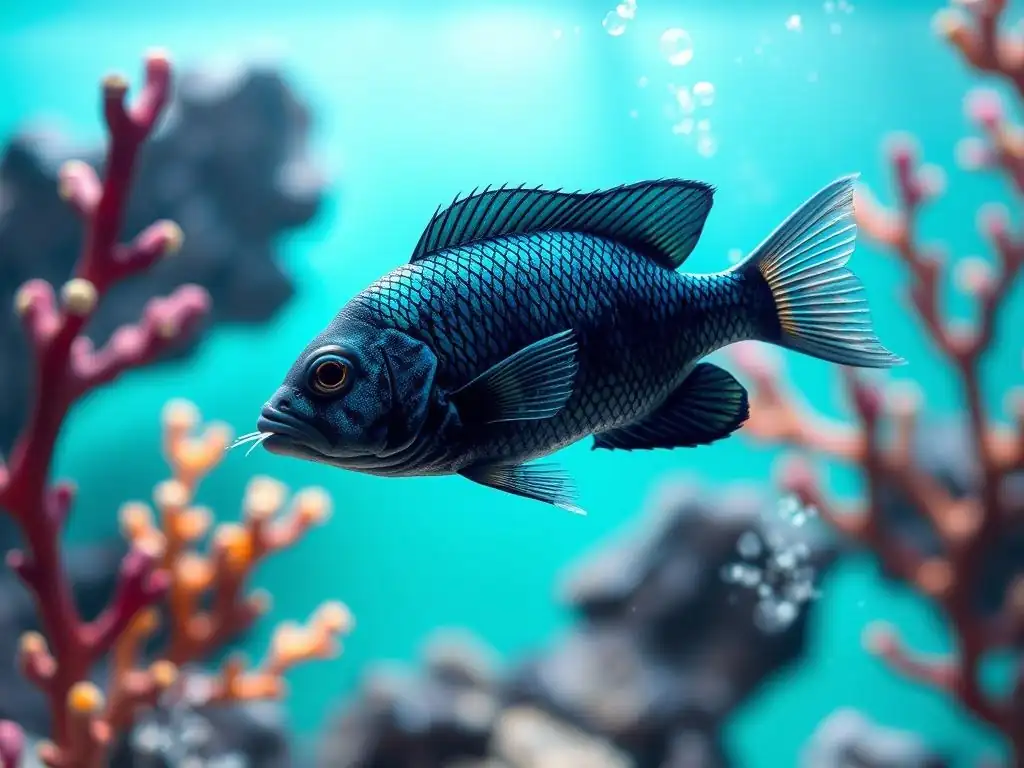
One notable success in overcoming Wrasse breeding aquarium captivity challenges involved a dedicated effort to breed the Melanurus Wrasse ( Halichoeres melanurus) in a specialized aquaculture facility. Researchers meticulously maintained a 180-gallon breeding tank, providing a deep sand bed (approximately 4 inches) for the wrasses to bury at night and a varied diet of enriched mysis shrimp, live blackworms, and cultured copepods fed multiple times daily. Spawning was observed regularly after a slight increase in water temperature to 79°F and a consistent 14-hour photoperiod. The pair exhibited classic pelagic spawning rushes towards the surface.
The pelagic eggs, measuring approximately 0.7 mm, were collected via a custom-designed overflow screen that gently channeled them into a darkened collection cone. The larval stage, which proved particularly challenging, lasted approximately 40-45 days. Newly hatched larvae, measuring around 1.8 mm, initially required a continuous supply of enriched Brachionus rotundiformis rotifers, transitioning to Tisbe copepod nauplii after 5-7 days. Daily 30% water changes were critical to maintain water quality, with ammonia kept at undetectable levels. The primary lesson learned was the immense dedication required for live food production and the delicate balance of larval water parameters.
Case Study 2: Successfully Raising Yellow Coris Wrasse ( Halichoeres chrysus) Larvae - A Detailed Account
A breakthrough in raising Yellow Coris Wrasse ( Halichoeres chrysus) larvae highlighted the extreme precision needed for species with very small fry. A private aquarist, collaborating with marine biology experts, achieved success in a 75-gallon breeding tank set up specifically for a pair of conditioned Yellow Coris Wrasses. The broodstock were fed a high-protein diet including live copepods, enriched frozen foods, and small krill. Spawning occurred consistently under stable parameters of 77°F and a 13-hour light cycle, with eggs being collected via a modified surface skimmer.
The primary hurdle, and a quintessential Wrasse breeding aquarium captivity challenge, was the microscopic size of the newly hatched larvae, estimated at less than 1.5 mm. This necessitated the use of Parvocalanus crassirostris copepod nauplii as a first food, a species known for its exceptionally small nauplii, for the initial 10 days. This was followed by a transition to Tisbe copepods and eventually enriched Artemia nauplii.
The larval period extended for over 50 days, demanding constant vigilance over water quality and food density. Daily 30-40% water changes, along with the addition of beneficial bacteria cultures, were critical to manage the bioload and prevent bacterial outbreaks, leading to a small but significant number of successful metamorphosed juveniles.
Analyzing the Common Threads of Successful Wrasse Breeding Attempts
Despite the immense Wrasse breeding aquarium captivity challenges, the rare success stories share several common threads. Firstly, meticulous attention to water quality, characterized by pristine conditions and minimal fluctuations, is paramount for both broodstock and larvae. Secondly, the consistent and high-quality production of diverse live food cultures, specifically tailored to the wrasse larvae's tiny mouthgapes and nutritional needs, is non-negotiable. This often includes multiple species of rotifers and copepods.
Thirdly, a deep understanding of the specific wrasse species' natural biology, including their social structures, spawning behaviors, and habitat preferences, allows breeders to create an environment that truly encourages reproduction. Finally, persistence, patience, and a willingness to adapt and experiment with techniques are vital. These triumphs, though few, provide invaluable data and inspiration, slowly chipping away at the mystique surrounding wrasse propagation and guiding future efforts in overcoming these significant hurdles.
Future Directions in Wrasse Breeding Research and Conservation
Advancements in Larval Rearing Techniques
The future of wrasse breeding in captivity hinges significantly on advancements in larval rearing techniques. Current research focuses on developing more nutritionally complete and palatable artificial diets for larvae, which could reduce the labor-intensive reliance on live food cultures. This includes microencapsulated diets and specialized flakes designed for marine larvae, aiming for higher survival rates and faster growth.
Furthermore, innovations in filtration technology for larval tanks, such as improved bioreactors and specialized skimmers that are gentle enough for delicate fry, are continuously being explored. Automation in monitoring water parameters, feeding, and even water changes could also revolutionize the process, making it more efficient and less prone to human error. These technological advancements aim to simplify the most demanding aspects of Wrasse breeding aquarium captivity challenges.
Genetic Studies to Improve Breeding Success
Genetic studies hold immense promise for improving wrasse breeding success. By identifying genetic markers associated with reproductive fitness, growth rates, and disease resistance, breeders could select broodstock more effectively, leading to healthier and more prolific offspring. Understanding the genetic diversity within captive wrasse populations is also crucial to prevent inbreeding depression, which can reduce fertility, increase susceptibility to disease, and lead to deformities.
Research into the genetic mechanisms of sex change in protogynous wrasses could also provide valuable insights, potentially allowing for more predictable sex ratios in breeding populations. This scientific approach can help overcome some of the inherent biological Wrasse breeding aquarium captivity challenges by providing a deeper understanding of the fish at a molecular level, guiding more effective breeding strategies.
The Role of Captive Breeding in Wrasse Conservation Efforts
While many wrasse species are not currently considered endangered, the long-term sustainability of the aquarium trade and the health of wild reef populations are growing concerns. Captive breeding programs can play a vital role in conservation by reducing the pressure on wild populations, especially for popular or difficult-to-collect species. By providing a sustainable source of aquarium fish, captive breeding can help mitigate the impact of wild collection.
Furthermore, advancements in wrasse breeding could potentially contribute to future reintroduction programs for critically endangered species, though this is a complex and resource-intensive endeavor currently rare for wrasses. The knowledge gained from overcoming Wrasse breeding aquarium captivity challenges also contributes to a broader understanding of marine fish biology and aquaculture, which can benefit wider conservation efforts for reef ecosystems globally.
Conclusion: The Future of Wrasse Breeding and the Rewards of Perseverance
Breeding wrasses in captivity stands as one of the most formidable Wrasse breeding aquarium captivity challenges in the marine aquarium hobby. It demands an unparalleled level of dedication, a deep understanding of marine fish biology, meticulous attention to environmental parameters, and the continuous cultivation of live food. From mimicking complex natural spawning behaviors to navigating the microscopic and fragile world of wrasse larvae, every step presents a significant hurdle.
Yet, the rare triumphs, exemplified by the successful propagation of species like the Melanurus Wrasse and Yellow Coris Wrasse, serve as powerful testaments to the perseverance and ingenuity of aquarists and researchers. These successes not only contribute valuable scientific data but also offer immense personal satisfaction and a profound connection to the marine world. As research continues to advance larval rearing techniques and genetic understanding, the future of wrasse breeding in captivity holds increasing promise, slowly transforming these formidable challenges into achievable milestones and ensuring a more sustainable future for these magnificent reef inhabitants.
Frequently Asked Questions
How difficult is it to breed Wrasses in captivity?
Breeding wrasses in captivity is extremely challenging. Most species have complex life cycles, and replicating their natural spawning conditions is difficult, leading to low success rates.
What are the primary obstacles to overcome when trying to breed wrasses in an aquarium?
The main obstacles include replicating the complex water parameters of their natural environment, providing the correct nutritional requirements for larvae, and managing aggression between adults.
What specific environmental conditions are crucial for wrasse breeding success?
Maintaining stable and pristine water quality with specific temperature and salinity levels is critical. Also, providing a suitable spawning substrate and a stress-free environment are essential.
What type of food is necessary to successfully raise wrasse larvae?
Wrasse larvae often require live food such as rotifers and copepods. Meeting their specific dietary needs and providing appropriate sizes of food at different growth stages is essential.
What are some of the ethical considerations when attempting to breed wrasses in captivity?
It's important to consider the well-being of the parent fish and the potential for high mortality rates among the larvae. Sustainable practices and responsible sourcing are crucial.
Final Reflection: The Fragile Hope of Captive Wrasse Breeding
The journey into successfully breeding wrasses in aquarium captivity remains a complex tapestry woven with challenges and punctuated by rare, shining triumphs. The information presented underscores not only the technical hurdles involved – from replicating specific environmental cues to navigating larval development – but also the profound dedication required to push the boundaries of what's possible in marine aquaculture. This pursuit is more relevant than ever, as wild populations face increasing pressure from habitat loss and unsustainable fishing practices.
This endeavor has profoundly influenced our understanding of marine ecosystems and the delicate balance within them. The ability to successfully breed wrasses in captivity represents a significant step towards conservation and sustainable practices, offering a potential alternative to relying solely on wild-caught specimens. In the end, we will conserve only what we love; we will love only what we understand; and we will understand only what we are taught.
- Baba Dioum. This quote encapsulates the essence of our work: by understanding and replicating their life cycle, we foster a deeper appreciation and a stronger commitment to their preservation.
As we conclude this exploration, let us not only marvel at the scientific achievements but also reflect on the ethical responsibility we bear towards the marine world. Consider how you can contribute, whether through supporting sustainable aquaculture initiatives, educating others about the importance of marine conservation, or simply making informed choices as a consumer. The future of these vibrant and ecologically important fish depends on our collective commitment to understanding and protecting their fragile existence.
Unleash Your Inner Reef Pioneer!
Thank you for diving deep into the world of wrasse breeding! We hope you've gained valuable insights into the complexities and rewards of this fascinating endeavor. Now it's time to translate that knowledge into action.
Here are a few steps you can take to further your exploration:
- Start small: Begin by thoroughly researching the specific wrasse species that has been successfully bred in captivity, focusing on their unique needs and breeding triggers.: Consider species-specific forums or breeder groups.
- Join the conversation:Share your thoughts and experiences with fellow reef enthusiasts on the Aquarium Mastery forums. Help build a stronger knowledge base for future breeders.
- Think outside the box: Research the potential of using copepods and other live food cultures, usually destined for fish food, as a breeding food source in larval rearing. Could this be the key to unlocking new breakthroughs?
What's one innovative approach you're inspired to try after learning about the challenges of wrasse breeding?