
Can You Grow Aquarium Plants in Plain Gravel? The Surprising Truth

Welcome to Aquarium Mastery!
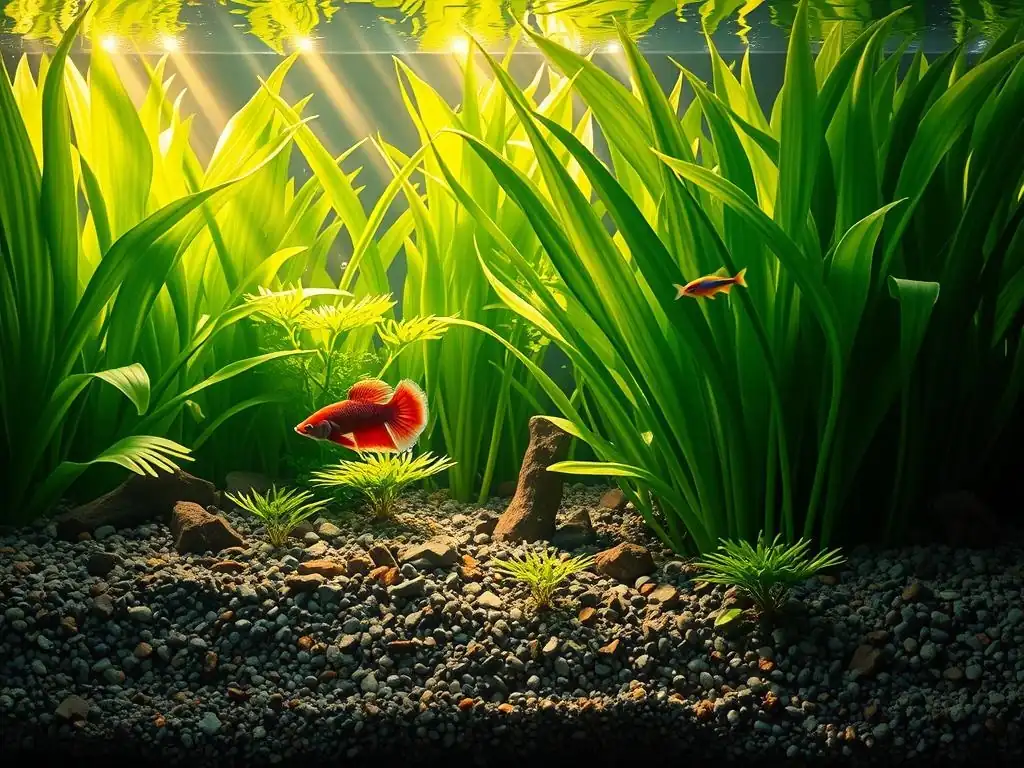
Ever wondered if you can really grow lush aquarium plants in just plain gravel? You might be surprised! Dive into our latest article, "Can You Grow Aquarium Plants in Plain Gravel? The Surprising Truth," where we tackle common aquarium plants gravel problems and reveal the secrets to a thriving underwater garden. Curious to learn more? Let's explore the possibilities (and the potential pitfalls!) together...
- Understanding Aquarium Plants and Substrates
- Aquarium Plants in Gravel: Challenges and Possibilities
- Success with Aquarium Plants in Gravel: Plant Selection and Optimization
- Enhancing Plain Gravel for Aquarium Plants: Fertilization Strategies
- Comparing Gravel to Other Aquarium Substrates
- Case Studies: Successful Gravel Planted Aquariums
- Troubleshooting Common Issues with Aquarium Plants in Gravel
- The Verdict: Aquarium Plants and Plain Gravel - What You Need to Know
-
Frequently Asked Questions
- Can aquarium plants grow successfully in plain gravel?
- What are the main problems associated with growing aquarium plants in plain gravel?
- Do all aquarium plants require nutrient-rich substrates?
- What alternatives are there to plain gravel for planting aquarium plants?
- How can I improve plant growth in an aquarium already using plain gravel?
- Final Reflection: Cultivating Growth Beyond the Substrate
- Unleash Your Inner Aquascaper!
Understanding Aquarium Plants and Substrates
The Importance of Substrate for Aquatic Plants
The substrate in an aquarium serves as the foundation for a healthy planted tank, playing a crucial role in the overall well-being and growth of aquatic plants. Primarily, it provides physical anchorage, allowing plants to root firmly and establish themselves against water currents or the activity of fish. Beyond mere stability, a good substrate acts as a nutrient reservoir, storing essential macro and micronutrients that plant roots can absorb over time. This is especially vital for heavy root feeders, which derive a significant portion of their nutritional needs directly from the substrate.
Furthermore, the substrate contributes to the biological filtration of the aquarium. Its porous surface offers a vast area for beneficial nitrifying bacteria to colonize, converting harmful ammonia and nitrites into less toxic nitrates. A well-chosen substrate can also influence water chemistry, with some specialized types buffering pH or releasing minerals beneficial to specific plant species. Understanding these multifaceted roles is key to appreciating why substrate choice is so critical for avoiding common aquarium plants gravel problems.
Plain Gravel: What It Is and Its Limitations
Plain gravel, often found in pet stores, typically consists of inert, non-porous rock fragments, such as quartz or silica. It comes in various sizes, from fine grains resembling coarse sand to larger pebbles, and is generally chosen for its aesthetic appeal, ease of cleaning, and affordability. Unlike specialized plant substrates, plain gravel offers no inherent nutritional value to plants. It does not contain the organic matter, clay, or specific mineral compounds that provide a sustained release of nutrients to plant roots.
The primary limitation of plain gravel for aquatic plants stems from its inert nature. While it provides a stable base for plants to root, it does not contribute to their nutritional requirements. This means that plants grown exclusively in plain gravel must derive all their nutrients from the water column, or through supplemental fertilization.
Additionally, the smooth, often rounded surfaces of plain gravel can sometimes make it difficult for delicate roots to firmly anchor, and larger grain sizes can lead to poor compaction, potentially creating anaerobic pockets or making it harder for fine roots to spread efficiently. Addressing these limitations is central to overcoming aquarium plants gravel problems.
Essential Nutrients for Healthy Aquarium Plant Growth
For healthy and vibrant growth, aquarium plants require a balanced supply of essential macro and micronutrients. Macronutrients, needed in larger quantities, include Nitrogen (N), Phosphorus (P), and Potassium (K). Nitrogen is vital for leaf and stem growth, with deficiencies often manifesting as yellowing or stunted growth. Phosphorus is crucial for root development and flowering, while Potassium plays a key role in photosynthesis and nutrient transport, with deficiencies leading to pinholes or melting leaves.
Micronutrients, though required in smaller amounts, are equally critical. These include Iron (Fe), Manganese (Mn), Zinc (Zn), Boron (B), Copper (Cu), Molybdenum (Mo), and Chlorine (Cl). Iron, for instance, is indispensable for chlorophyll production, and its deficiency typically results in pale or yellow new growth (chlorosis). Many of these trace elements are often scarce in plain gravel setups, leading to common aquarium plants gravel problems if not supplemented. Understanding these nutrient roles is fundamental to diagnosing and rectifying plant health issues.
Aquarium Plants in Gravel: Challenges and Possibilities
The Challenge of Rooting in Plain Gravel
One of the primary challenges encountered when attempting to grow rooted aquarium plants in plain gravel is the difficulty in establishing a strong root system. Unlike specialized planted tank substrates which often have a finer, more cohesive texture or contain binding agents, plain gravel typically consists of individual, often smooth, non-porous particles.
This lack of fine material or binding properties can prevent delicate root hairs from effectively gripping the substrate, making it harder for plants to anchor themselves firmly. For plants with extensive root systems, such as Amazon Swords ( Echinodorus amazonicus) or Cryptocorynes, this can be a significant hurdle, as they require a robust anchor to support their growth and absorb nutrients efficiently.
Furthermore, the void spaces between larger gravel particles can be substantial, leading to poor compaction. This can result in roots struggling to penetrate deeply and spread out, or even cause plants to become dislodged easily, especially during routine tank maintenance or due to the activity of bottom-dwelling fish. This poor root establishment directly contributes to aquarium plants gravel problems, as it not only affects stability but also limits the plant's ability to access any nutrients that might be introduced into the substrate via root tabs.
Nutrient Deficiency Symptoms in Aquarium Plants Grown in Gravel
Growing aquarium plants in plain gravel often leads to visible nutrient deficiency symptoms if supplemental fertilization is not consistently provided. Since plain gravel is inert and contains no inherent nutrients, plants are entirely reliant on what is available in the water column or what is directly added. A common issue is iron deficiency, which manifests as new leaves turning pale yellow or white (chlorosis) while the veins remain green. This symptom is particularly noticeable in plants like red-leaved species or those with high iron demands.
Another prevalent deficiency in gravel setups is a lack of macronutrients, specifically Nitrogen, Phosphorus, and Potassium. Nitrogen deficiency typically causes older leaves to yellow and melt, with the plant exhibiting overall stunted growth. Phosphorus deficiency might lead to dark green or purplish leaves, often with stunted growth and poor root development. Potassium deficiency often presents as yellowing or pinholes in older leaves, sometimes followed by melting. These visible signs are clear indicators of aquarium plants gravel problems stemming from an impoverished substrate and highlight the critical need for a comprehensive fertilization regimen.
The Impact of Gravel Size and Composition on Plant Growth
The physical characteristics of plain gravel, specifically its size and composition, significantly impact its suitability for plant growth. Gravel that is too large (e.g., pebbles exceeding 5-7 mm in diameter) can create excessive gaps between particles. While this allows for excellent water circulation and prevents anaerobic pockets, it makes it incredibly difficult for plants, particularly those with fine root systems, to anchor themselves securely.
The roots struggle to intertwine and penetrate the large spaces, often leading to plants floating or being easily uprooted. This also reduces the surface area available for beneficial bacteria to colonize effectively within the substrate itself.
Conversely, very fine gravel or coarse sand (less than 1-2 mm) can compact too tightly, especially over time, potentially restricting root growth and nutrient exchange. This dense compaction can also create anaerobic zones deep within the substrate, where harmful gases like hydrogen sulfide can accumulate, posing a risk to both plant roots and fish health.
Furthermore, the inert composition of most plain gravels, such as quartz or silica, means they do not possess a Cation Exchange Capacity (CEC), which is the ability to temporarily hold and release nutrients. This lack of CEC is a fundamental difference from specialized plant substrates and is a key contributor to aquarium plants gravel problems related to nutrient retention and availability.
Success with Aquarium Plants in Gravel: Plant Selection and Optimization
Selecting the Right Aquarium Plants for Gravel Substrates
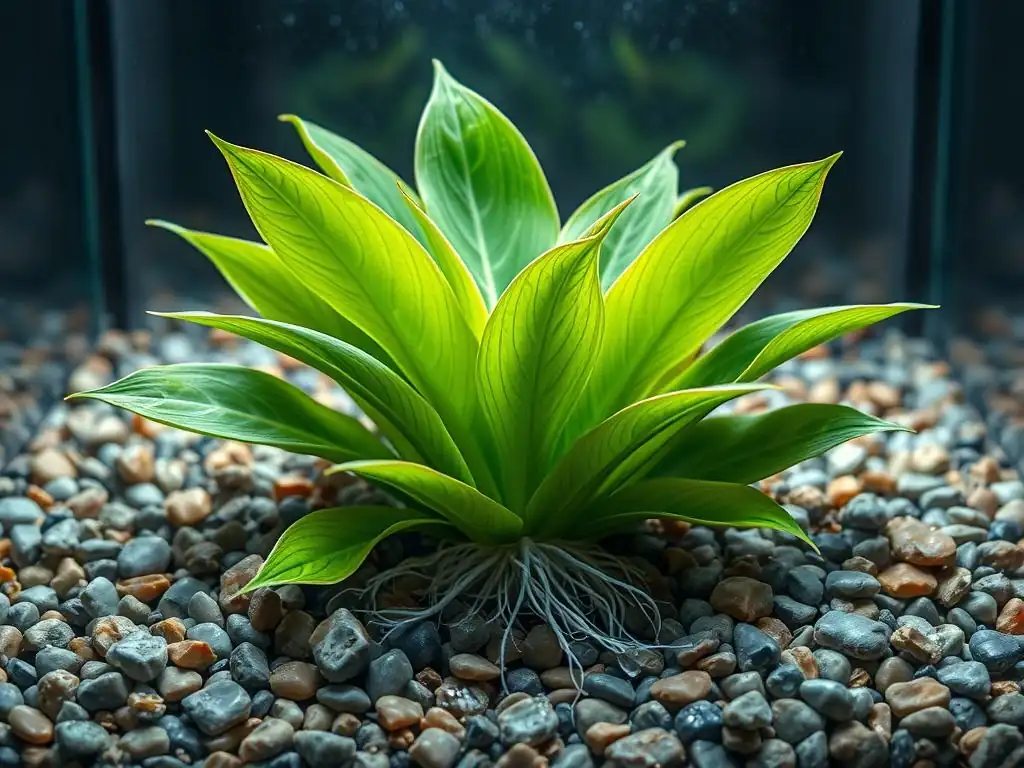
The most crucial step in achieving success with aquarium plants gravel problems is choosing species that are less demanding of a nutrient-rich substrate. Many aquatic plants are primarily water column feeders, meaning they absorb most of their nutrients directly from the surrounding water through their leaves and stems, rather than relying heavily on their root systems for nutrient uptake. These plants are ideal candidates for gravel-only tanks because their nutritional needs can be met through liquid fertilizers.
Additionally, plants that attach to hardscapes (like driftwood or rocks) rather than rooting deeply in the substrate are excellent choices. These epiphytic plants derive all their nutrients from the water column and simply need a surface to cling to, making the inert nature of plain gravel irrelevant to their nutritional needs. Focusing on these types of plants significantly reduces the challenges associated with growing plants in nutrient-poor substrates, paving the way for a lush, low-maintenance planted aquarium.
Beginner-Friendly Plants That Thrive in Gravel
For aquarists new to planted tanks or those committed to using plain gravel, several beginner-friendly plants offer excellent chances of success. Anubias barteri varieties (e.g., Anubias nana, Anubias coffeefolia) are top choices. These plants are epiphytes and should not have their rhizome buried in the gravel; instead, they can be tied or glued to rocks or driftwood, or simply placed on top of the gravel. They are incredibly hardy, tolerate a wide range of water parameters, and primarily absorb nutrients from the water column, making them impervious to aquarium plants gravel problems related to substrate fertility.
Another excellent option is Java Fern ( Microsorum pteropus), which, like Anubias, is an epiphyte. It thrives when attached to decor and requires minimal light and nutrients. Cryptocoryne species, while traditionally considered root feeders, can adapt surprisingly well to plain gravel, especially if supplemented with root tabs. They are slow growers but can create dense foreground or midground carpets. Finally, various mosses like Java Moss ( Taxiphyllum barbieri) can be simply laid on the gravel or attached to decor, flourishing with minimal intervention and absorbing nutrients from the water column.
Low-Light Plants Suitable for Gravel Tanks
Many plants that tolerate plain gravel also happen to be low-light demanding, making them perfect for setups without high-intensity lighting systems. Anubias barteri and Java Fern, mentioned previously, fall squarely into this category. They are well-known for their ability to thrive under standard aquarium hood lighting or even indirect ambient light, reducing the risk of algae blooms often associated with high light and nutrient imbalances in gravel tanks. Their slow growth rate also means they require less frequent pruning and are less demanding of constant nutrient availability.
Another group of suitable low-light plants for gravel tanks are certain stem plants, provided they are regularly dosed with liquid fertilizers. Species like Hornwort ( Ceratophyllum demersum) and Guppy Grass ( Najas guadalupensis) can be floated or loosely anchored in gravel. They are fast-growing and absorb nutrients directly from the water column. While they might not root deeply, their rapid nutrient uptake can help prevent aquarium plants gravel problems such as algae by outcompeting it for available nutrients. These plants are highly adaptable and forgiving, making them excellent choices for gravel-based, low-tech setups.
Optimizing Water Parameters for Gravel-Based Planted Aquariums
Even with the right plant selection, optimizing water parameters is crucial for success when growing aquarium plants in plain gravel. Since the gravel itself provides no buffering capacity or nutrient contribution, the water column becomes the sole source of sustenance and stability for your plants. Maintaining consistent and appropriate water chemistry ensures that nutrients, whether naturally present or added via liquid fertilizers, are bioavailable to the plants. This proactive approach significantly mitigates potential aquarium plants gravel problems related to nutrient uptake and overall plant health.
Regular water testing for parameters like pH, GH (General Hardness), and KH (Carbonate Hardness) is essential. Fluctuations can stress plants and inhibit nutrient absorption. Beyond basic parameters, ensuring adequate water circulation and temperature stability further supports plant metabolism and nutrient distribution. A stable environment reduces stress on plants, allowing them to allocate more energy to growth rather than adapting to changing conditions, which is especially important in a substrate-limited system.
Maintaining Proper pH and Water Hardness
Maintaining proper pH and water hardness is vital for nutrient availability in any planted aquarium, but especially so in gravel-based tanks where the substrate offers no buffering. Most freshwater aquarium plants thrive in a slightly acidic to neutral pH range, typically between 6.5 and 7.5. Outside this range, certain essential nutrients can become locked up and unavailable to plants, even if present in the water.
For instance, iron is more readily absorbed by plants in slightly acidic conditions. Extreme pH values, either too high or too low, can also directly stress plant tissues, leading to stunted growth or melting leaves, exacerbating aquarium plants gravel problems.
Water hardness (GH and KH) also plays a significant role. General Hardness (GH) indicates the concentration of dissolved minerals like calcium and magnesium, which are crucial macronutrients for plants. Many plants prefer moderate GH levels, typically between 3-8 dGH. Carbonate Hardness (KH), or alkalinity, acts as a buffer against pH swings. Stable KH levels help prevent drastic pH fluctuations, which can be detrimental to plant health and nutrient uptake. Regular water changes with dechlorinated tap water (if suitable) or remineralized RO water are often necessary to maintain these parameters consistently in a gravel-only setup.
The Role of Water Circulation in Nutrient Distribution
Effective water circulation is a frequently underestimated factor in the success of gravel-based planted aquariums. In setups where plants rely primarily on water column nutrients, good flow ensures that these essential elements are evenly distributed throughout the tank and constantly reach the leaves and stems of all plants. Stagnant areas can lead to localized nutrient depletion, even if the overall tank has sufficient fertilizer levels. This can result in some plants exhibiting deficiencies while others appear healthy, contributing to uneven aquarium plants gravel problems.
Proper water movement also helps to prevent the buildup of detritus and organic waste on plant leaves and within the gravel itself, which can otherwise lead to algae growth or create anaerobic conditions. A gentle but consistent flow helps to deliver CO2 (if supplemented) to plant surfaces for photosynthesis and transports oxygen to areas where beneficial bacteria reside. Strategically placed filters or powerheads can create the necessary circulation, ensuring that every plant, regardless of its position, has access to the vital nutrients it needs to thrive in a gravel substrate.
Enhancing Plain Gravel for Aquarium Plants: Fertilization Strategies
Adding Root Tabs for Essential Nutrients
One of the most effective strategies for overcoming the inherent nutrient deficiency of plain gravel is the targeted application of root tabs. Root tabs are small, nutrient-rich capsules or tablets designed to be buried directly into the substrate beneath the roots of heavy root-feeding plants. These tabs slowly release essential macro and micronutrients, such as iron, potassium, nitrogen, and phosphorus, directly into the gravel, creating localized pockets of fertility where plant roots can access them. This method directly addresses the aquarium plants gravel problems associated with a lack of substrate-bound nutrients.
For plants like Amazon Swords, Cryptocorynes, and certain stem plants that develop extensive root systems, root tabs are indispensable. They provide a sustained supply of nutrients that might not be readily available in sufficient quantities from the water column alone. Depending on the brand and formulation, root tabs typically last between 3 to 6 months before needing replacement. For optimal results, they should be placed a few inches away from the plant's base, allowing the nutrients to diffuse into the surrounding gravel and be absorbed by the spreading root system.
Liquid Fertilizers: A Supplement for Gravel-Grown Plants
While root tabs cater to root-feeding plants, liquid fertilizers are crucial for providing nutrients to plants that primarily absorb them through their leaves and stems, or to supplement overall water column nutrient levels in a gravel-based tank. These fertilizers are dosed directly into the aquarium water, making nutrients immediately available to all plants. Liquid fertilizers typically contain a balanced blend of macro and micronutrients, including nitrates, phosphates, potassium, and trace elements like iron and manganese, which are often depleted rapidly in a planted setup.
For plants like Anubias, Java Fern, and various stem plants that are less reliant on substrate nutrients, liquid fertilizers become their main food source. Consistent dosing, usually on a daily or weekly schedule depending on the product and plant density, is key to preventing nutrient deficiencies and maintaining robust growth.
Without adequate liquid fertilization, even hardy water-column feeding plants will eventually show signs of nutrient deficiency, highlighting a common aquarium plants gravel problem where the inert substrate cannot provide any sustenance. Combining liquid fertilizers with root tabs offers a comprehensive fertilization strategy for a diverse range of plants in a gravel tank.
The Benefits of CO2 Supplementation in Gravel Planted Tanks
Carbon dioxide (CO2) supplementation, while not a nutrient in the traditional sense, is arguably the most important factor for achieving lush, vibrant plant growth in any planted aquarium, including those with plain gravel. CO2 is a primary raw material for photosynthesis, the process by which plants convert light energy into chemical energy for growth. In an enclosed aquarium environment, CO2 is often the most limiting factor for plant growth, as atmospheric CO2 dissolves slowly into the water, and fish respiration alone typically cannot meet the demands of a heavily planted tank.
Adding CO2, whether through pressurized systems, DIY yeast reactors, or liquid carbon supplements, significantly boosts plant metabolism and growth rates. This increased photosynthetic activity allows plants to more efficiently utilize available light and nutrients, even in a nutrient-poor gravel substrate. Faster-growing plants become more competitive against algae for available nutrients, helping to mitigate aquarium plants gravel problems like algae blooms. While not strictly necessary for all plants in gravel, CO2 supplementation transforms a basic gravel tank into a thriving planted ecosystem, enabling the growth of a wider variety of demanding species.
Comparing Gravel to Other Aquarium Substrates
Gravel vs. Soil: A Detailed Comparison
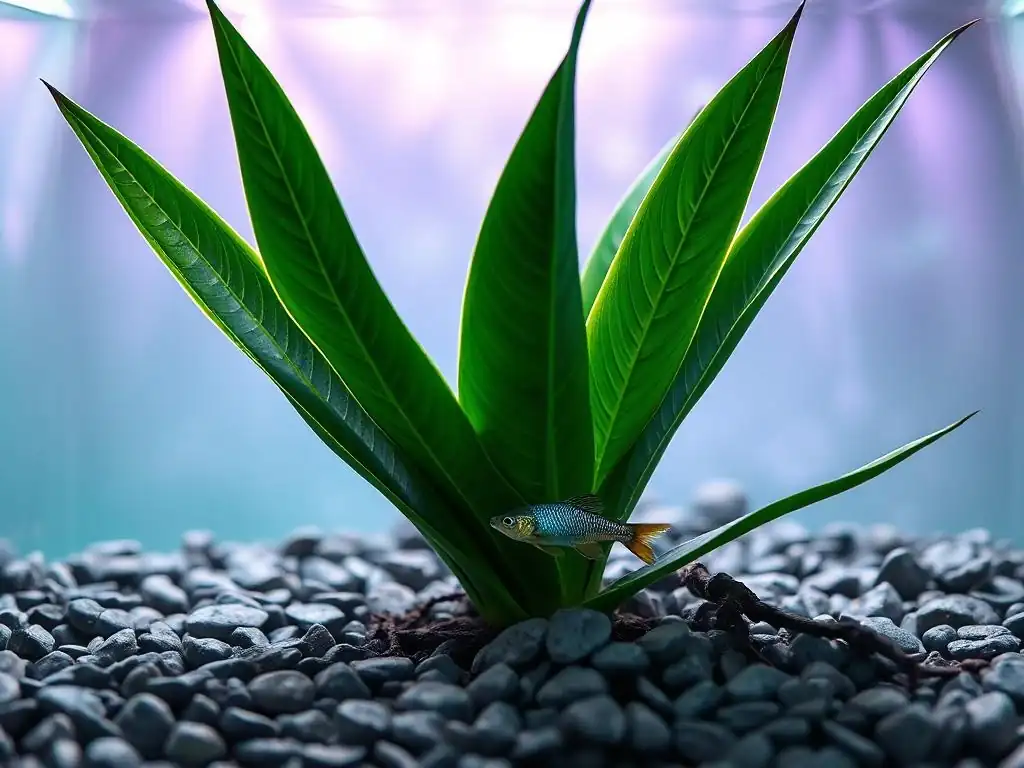
When considering substrates for planted aquariums, the contrast between plain gravel and specialized aquarium soil (often referred to as aqua soil or plant substrate) is stark. Plain gravel is inert, meaning it does not contain or release nutrients. Its primary functions are to provide anchorage and serve as a base for beneficial bacteria.
It requires consistent supplementation of both root tabs and liquid fertilizers to support plant growth, addressing the fundamental aquarium plants gravel problems of nutrient deficiency. Gravel is generally affordable and easy to clean, but its lack of inherent nutrients limits the range of plants that can thrive without significant intervention.
Aquarium soil, on the other hand, is designed specifically for planted tanks. It is typically composed of nutrient-rich, baked clay or volcanic ash, offering a high Cation Exchange Capacity (CEC). This means it can absorb and store nutrients from the water column, then release them slowly to plant roots over time, acting as a dynamic nutrient reservoir.
Soil often buffers pH to a slightly acidic level, which is ideal for many aquatic plants and can soften water. While more expensive and potentially messier during setup, soil greatly simplifies plant nutrition, making it easier to grow heavy root feeders and achieve dense, high-tech planted aquascapes without the constant worry of aquarium plants gravel problems related to nutrient availability.
Gravel vs. Sand: Which is Better for Plant Growth?
The choice between plain gravel and sand for a planted aquarium also depends heavily on the specific needs of the plants and the aquarist's goals. Plain gravel, with its larger particle size (typically 2-5 mm), allows for excellent water flow through the substrate. This prevents the formation of anaerobic pockets, which can be detrimental to root health and lead to the release of harmful gases like hydrogen sulfide.
However, the larger gaps can make it harder for delicate roots to get a firm grip, and plants may be easily uprooted. As an inert substrate, it offers no inherent nutrients, leading to common aquarium plants gravel problems.
Sand, typically with particle sizes less than 1 mm, provides a much denser substrate. This fine texture offers superior anchoring for plants, allowing roots to spread easily and firmly. It also creates a more aesthetically pleasing, natural look for many aquascapes.
However, sand's density can lead to compaction and reduced water flow within the substrate, increasing the risk of anaerobic zones, especially in deeper layers or if not regularly disturbed. While also largely inert, sand can sometimes trap nutrients from the water column more effectively than gravel due to its smaller particle size and higher surface area for colonization by beneficial bacteria. Both require external fertilization, but sand generally offers better physical support for roots, though with greater risk of anaerobic conditions if not managed carefully.
Exploring Specialized Plant Substrates and Their Advantages
Beyond plain gravel and sand, a category of specialized plant substrates has revolutionized planted aquariums. Brands like ADA Aquasoil, Fluval Stratum, and Seachem Flourite are popular examples. These substrates are engineered to provide optimal conditions for plant growth, directly addressing the limitations and aquarium plants gravel problems of inert materials.
Their primary advantage lies in their nutrient content and high Cation Exchange Capacity (CEC). They are pre-loaded with essential macro and micronutrients, providing a sustained release to plant roots for many months, sometimes even years. This significantly reduces the need for constant root tab application, especially during the initial setup phase.
Furthermore, many specialized plant substrates are designed to buffer the aquarium water to a slightly acidic pH (typically 6.0-6.8), which is ideal for the absorption of nutrients like iron and for the healthy growth of a wide range of aquatic plants. Their porous structure also offers an immense surface area for beneficial bacteria, contributing to excellent biological filtration.
While these substrates are significantly more expensive than plain gravel, their benefits in terms of robust plant growth, nutrient management, and overall ease of maintenance for a high-tech or densely planted tank often justify the investment, allowing aquarists to avoid many common aquarium plants gravel problems.
Case Studies: Successful Gravel Planted Aquariums
Example 1: Growing Anubias barteri in Gravel with Root Tabs
A classic example of successful plant growth in plain gravel involves Anubias barteri. Consider a 20-gallon long aquarium with 2 inches of standard inert gravel. The aquarist selected several Anubias barteri 'Nana' plants, known for their resilience and epiphytic nature.
Instead of burying the rhizomes in the gravel, which would cause them to rot, the aquarist gently wedged the plants between small decorative rocks on top of the gravel, allowing their rhizomes to remain exposed to the water column. While Anubias primarily absorbs nutrients from the water through its leaves, placing a small root tab (e.g., Seachem Flourish Tabs) approximately 2-3 inches away from the base of each plant, buried shallowly in the gravel, provided a localized boost of micronutrients like iron and potassium.
The tank was lit with a moderate intensity LED light (around 20-30 PAR at the substrate) for 8 hours daily. A comprehensive liquid fertilizer (e.g., Seachem Flourish Comprehensive) was dosed weekly according to the manufacturer's recommendations. After three months, the Anubias plants showed robust growth, with new, dark green leaves emerging consistently. The root tabs, though not strictly necessary for Anubias, seemed to enhance overall vigor, demonstrating how targeted substrate fertilization can effectively address potential aquarium plants gravel problems even for water column feeders, providing a nutrient buffer.
Example 2: Achieving Lush Growth in a Low-Tech Gravel Tank with Java Fern
Another compelling example of thriving plants in plain gravel comes from a 10-gallon low-tech setup featuring Java Fern ( Microsorum pteropus). This tank utilized a basic incandescent hood light (approximately 10-15 PAR) on a 7-hour timer. The substrate was standard plain aquarium gravel, about 1.5 inches deep. The Java Ferns were purchased already attached to small pieces of driftwood, which were then simply placed on the gravel. No root tabs were used, as Java Fern is a strict water-column feeder and does not benefit from substrate fertilization.
The aquarist performed a 25% water change weekly using dechlorinated tap water and dosed a simple all-in-one liquid fertilizer (e.g., API Leaf Zone) once a week. Within four months, the Java Ferns had spread significantly, producing numerous new leaves and even developing small plantlets on older leaves.
The low light and consistent water column fertilization prevented any aquarium plants gravel problems related to nutrient deficiencies or algae blooms. This case illustrates that with the right plant selection and a consistent, albeit simple, fertilization routine, lush growth is entirely achievable in a gravel-only setup, proving that specialized substrates are not always a prerequisite for success.
Lessons Learned: Tips for Success from Experienced Aquarists
From these and countless other successful gravel-based planted tanks, several key lessons emerge for aquarists looking to avoid aquarium plants gravel problems. Firstly, plant selection is paramount. Prioritizing epiphytic plants (Anubias, Java Fern, Bucephalandra) and resilient water-column feeders (e.g., Hornwort, Guppy Grass) significantly reduces dependence on a nutrient-rich substrate. Secondly, consistent and targeted fertilization is non-negotiable. For plants that do root, root tabs are essential; for all plants, a regular liquid fertilizer regimen is crucial. Ignoring this will inevitably lead to nutrient deficiencies and stunted growth.
Thirdly, lighting must be appropriate. Low to moderate light levels are often best for gravel tanks, as they align with the needs of the more suitable plant species and help mitigate algae outbreaks, which are common aquarium plants gravel problems in nutrient-poor setups with excessive light. Finally, stable water parameters and good water circulation are vital. Regular water changes replenish trace elements, and proper flow ensures nutrients reach all plant surfaces. Experienced aquarists emphasize that success in gravel is about smart management and consistent care rather than relying on the substrate to do the heavy lifting.
Troubleshooting Common Issues with Aquarium Plants in Gravel
Algae Blooms in Gravel Planted Tanks: Causes and Solutions
Algae blooms are a common and frustrating aquarium plants gravel problem, particularly in tanks with inert substrates. The primary cause is often an imbalance in the nutrient-to-light ratio. In plain gravel tanks, plants struggle to access nutrients from the substrate, making them less efficient at utilizing available light and nutrients from the water column.
If there's too much light and insufficient plant mass to absorb excess nutrients (like nitrates and phosphates from fish waste or uneaten food), algae will capitalize on this imbalance and proliferate rapidly. Common types include green spot algae on glass, hair algae on plants, or even green water.
Solutions involve a multi-pronged approach. Reduce lighting intensity or duration (e.g., from 10 hours to 6-8 hours daily). Increase plant mass, focusing on fast-growing stem plants that can absorb excess nutrients quickly, even if they don't root deeply. Ensure consistent dosing of liquid fertilizers to provide plants with the nutrients they need to outcompete algae. Perform more frequent water changes (e.g., 30-50% weekly) to remove excess nitrates and phosphates. Manual removal of algae and ensuring good water circulation to prevent stagnant areas also contribute to long-term control.
Slow Growth and Stunted Development in Gravel
Slow growth and stunted development are classic indicators of aquarium plants gravel problems related to nutrient deficiency. When plants are rooted in plain gravel, they lack access to the continuous supply of macro and micronutrients that a specialized plant substrate would provide. Even water column feeders can suffer if liquid fertilizers are not dosed consistently or in sufficient quantities. Symptoms often include smaller than usual leaves, a lack of new growth, or an overall sickly appearance despite seemingly healthy water parameters for fish.
To address this, first, ensure a comprehensive liquid fertilizer is being dosed regularly, covering all essential macro (N, P, K) and micro (Fe, Mn, etc.) nutrients. For root-feeding plants like Swords or Crypts, immediate action should be to insert root tabs directly into the gravel near their base; these will provide a concentrated, slow-release nutrient source. Review lighting parameters to ensure adequate, but not excessive, light is provided. Finally, consider CO2 supplementation, as carbon is often the most limiting nutrient for plant growth, and boosting its availability can significantly accelerate growth, even in a gravel substrate.
Identifying and Addressing Nutrient Deficiencies
Accurately identifying specific nutrient deficiencies is crucial for effectively addressing aquarium plants gravel problems in a gravel-based tank. Different deficiencies manifest in distinct ways:
- Nitrogen (N) deficiency: Older leaves turn uniformly yellow and may melt.
- Phosphorus (P) deficiency: Leaves become dark green or purplish, growth is stunted, and roots may be underdeveloped.
- Potassium (K) deficiency: Older leaves develop yellow edges, pinholes, or browning, often followed by melting.
- Iron (Fe) deficiency: New growth (younger leaves) turns pale yellow or white (chlorosis) while veins remain green.
- Magnesium (Mg) deficiency: Older leaves show yellowing between veins (interveinal chlorosis).
Once a deficiency is identified, the solution involves targeted supplementation. For root-bound plants, ensure root tabs are fresh and adequately placed. For all plants, adjust liquid fertilizer dosing, focusing on products that provide the missing nutrient. For instance, if iron deficiency is suspected, use an iron-specific supplement. Regular water testing can confirm overall nutrient levels, but observing plant symptoms remains the most direct way to diagnose and correct these common aquarium plants gravel problems. Consistency in dosing and monitoring is key to long-term plant health.
The Verdict: Aquarium Plants and Plain Gravel - What You Need to Know
Key Takeaways: Growing Healthy Plants in Gravel
The surprising truth is that, yes, you can absolutely grow aquarium plants in plain gravel, but it comes with a crucial caveat: success hinges entirely on diligent management and consistent supplementation. Plain gravel itself is inert and offers no nutritional value, which is the root cause of many aquarium plants gravel problems. Therefore, the responsibility for providing all essential macro and micronutrients shifts from the substrate to the aquarist. This necessitates a robust fertilization strategy, typically involving both liquid fertilizers for water column feeders and root tabs for plants that absorb nutrients through their roots.
Furthermore, selecting the right plant species is paramount. Hardy, less demanding plants that are primarily water column feeders (e.g., Anubias, Java Fern, various mosses) or those that can adapt well with targeted root tabs (e.g., Cryptocorynes, some Swords) are the best candidates. Optimizing lighting to suit these plants and ensuring stable water parameters with good circulation are also critical factors. In essence, growing healthy plants in gravel is about understanding its limitations and proactively compensating for them through thoughtful plant selection and a disciplined care routine.
Is Upgrading Your Substrate Necessary? - A Guide to Making the Right Choice
Deciding whether to upgrade from plain gravel to a specialized plant substrate depends largely on your long-term aquascaping goals and the types of plants you wish to cultivate. If your ambition is to maintain a low-tech, low-maintenance tank with hardy, water-column feeding plants like Anubias, Java Fern, or mosses, then plain gravel can be perfectly adequate with consistent liquid fertilization and occasional root tabs. In this scenario, upgrading your substrate is likely unnecessary and would represent an added expense without a significant benefit.
However, if you aspire to grow a wider variety of more demanding plants—especially heavy root feeders such as dense carpets of Dwarf Hairgrass, challenging stem plants like Rotala macrandra, or large Amazon Swords—or if you plan to run a high-tech setup with CO2 injection and intense lighting, then upgrading to a nutrient-rich aquarium soil is highly recommended. These specialized substrates provide a stable, long-term nutrient source and often buffer pH, significantly simplifying nutrient management and reducing the likelihood of severe aquarium plants gravel problems.
The initial investment in a quality substrate can save considerable effort and expense in fertilizers over time, making it a worthwhile upgrade for serious planted tank enthusiasts.
Future Considerations: Long-Term Plant Care in Gravel Tanks
Maintaining a thriving planted aquarium in plain gravel is an ongoing commitment that requires consistent monitoring and adaptation. Over the long term, even with diligent fertilization, challenges can arise. Root tabs, for instance, need regular replacement, typically every 3-6 months, and their effectiveness can diminish over time as the nutrients are depleted. Liquid fertilizers must be dosed consistently, and the exact dosage may need to be adjusted as plants grow and their nutrient demands change. Failing to keep up with these routines will inevitably lead to the re-emergence of aquarium plants gravel problems like nutrient deficiencies and stunted growth.
Aquarists should regularly observe their plants for signs of stress or deficiency, such as yellowing leaves, slow growth, or algae buildup, and be prepared to adjust their fertilization regimen accordingly. Periodic water testing for nitrates, phosphates, and trace elements can also provide valuable insights into nutrient availability. While plain gravel offers a cost-effective starting point, successful long-term plant care in such a substrate demands a proactive and attentive approach, making it a rewarding challenge for dedicated aquarists.
Frequently Asked Questions
Can aquarium plants grow successfully in plain gravel?
While possible, it's not ideal. Plain gravel lacks the necessary nutrients that most aquarium plants require for healthy growth. You might see some survival, but robust growth is unlikely.
What are the main problems associated with growing aquarium plants in plain gravel?
The primary issue is the lack of nutrients. Gravel offers no inherent food source for plant roots, leading to stunted growth and nutrient deficiencies. This can also lead to algae blooms as the plants are too weak to compete.
Do all aquarium plants require nutrient-rich substrates?
No, some epiphytic plants, such as Java Fern and Anubias, can thrive attached to rocks or driftwood and don't need substrate. However, most root-feeding plants benefit greatly from a nutrient-rich substrate.
What alternatives are there to plain gravel for planting aquarium plants?
Consider using aquarium-specific substrates like those containing clay, laterite, or other nutrient-rich materials. These substrates provide the essential nutrients for healthy root development.
How can I improve plant growth in an aquarium already using plain gravel?
You can supplement with liquid fertilizers or root tabs to provide the necessary nutrients directly to the plants. However, this is often a less effective solution than using a nutrient-rich substrate from the start.
Final Reflection: Cultivating Growth Beyond the Substrate
The journey we've taken, exploring the surprising truth about growing aquarium plants in plain gravel, highlights a fundamental principle: adaptability and resilience are key to thriving, even in seemingly barren environments. While specialized substrates offer undeniable advantages, the possibility of success with plain gravel underscores the power of understanding basic plant needs and creatively addressing limitations. This exploration is especially relevant today, as aquarists increasingly seek cost-effective and sustainable solutions for their aquatic ecosystems.
This topic has profoundly influenced my perspective on aquarium keeping, revealing that success isn't always about having the "best" equipment, but about understanding and working with what you have. It reminds us that even in the face of perceived limitations, ingenuity and dedication can yield remarkable results. As the renowned aquarist Diana Walstad eloquently stated: The key to a healthy aquarium is not expensive equipment, but understanding the biological processes that occur within it.
This sentiment resonates deeply, urging us to look beyond the surface and appreciate the intricate balance within our aquatic worlds.
Now, as you consider the possibilities within your own aquarium, I encourage you to embrace a spirit of experimentation and observation. Don't be discouraged by perceived limitations; instead, view them as opportunities to learn and innovate. Whether you're a seasoned aquarist or just beginning your journey, remember that the most rewarding experiences often come from pushing boundaries and discovering the surprising potential that lies within the seemingly ordinary. Cultivate your own aquatic garden, and let the lessons learned here inspire you to nurture growth, not just in your aquarium, but in all aspects of your life.
Unleash Your Inner Aquascaper!
Thank you for diving deep into the world of aquarium substrates! We hope this article has shed some light on the possibilities and limitations of using plain gravel for your aquatic plants. Now it's time to put that knowledge into action!
Here are some exciting steps you can take next:
- Experiment with nutrient supplements! See how your gravel-planted aquarium responds to targeted fertilization and unlock lush growth.
- Share your aquarium substrate setup with other aquascapers on social media and inspire them with your creative choices.
- Explore the local fish stores for unique gravel types and plant varieties to enhance your aquarium's beauty.
What's the most unexpected plant growth you've achieved in a gravel-based aquarium, and what was your secret?