
Soft Corals vs. LPS vs. SPS: Which Are Safest With Angelfish?

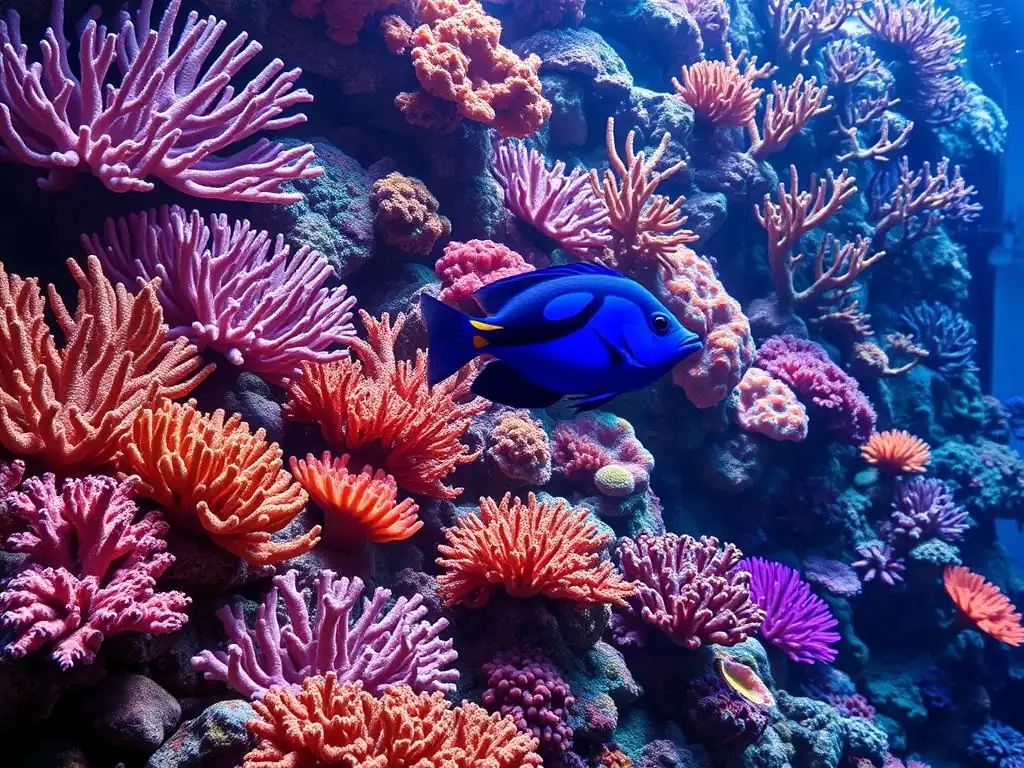
Welcome to Aquarium Mastery! Ever wondered if those graceful Angelfish can really coexist peacefully with the vibrant world of corals? Dive into our latest article, " Soft Corals vs. LPS vs. SPS: Which Are Safest With Angelfish?" and unlock the secrets to a thriving reef tank where beauty and harmony reign supreme. Discover which coral types are most likely to avoid becoming a tasty (and expensive!) snack, and start building your dream saltwater paradise today!
- Understanding Angelfish Coral Compatibility for Reef Aquariums
- Exploring Soft Coral Interactions with Angelfish
- LPS Corals and Angelfish: A Risky Combination?
- SPS Corals and Angelfish: The Most Fragile Choice
- Strategies for Minimizing Angelfish Coral Damage
- Alternative Reef Tank Inhabitants for Angelfish Enthusiasts
- Conclusion: Making Informed Decisions About Angelfish and Coral Compatibility
- Frequently Asked Questions
- Final Reflection: Navigating the Reef's Delicate Balance
- Dive Deeper: Cultivate Your Dream Reef Today!
Understanding Angelfish Coral Compatibility for Reef Aquariums
The Angelfish Nipping Predicament: Why Coral Reef Safety Matters
Angelfish, particularly many species within the Pomacanthidae family, are renowned for their vibrant colors and graceful movements, making them highly desirable inhabitants in saltwater aquariums. However, their natural diet, which often includes sponges, tunicates, and various invertebrates found on coral reefs, can translate into an unfortunate habit of nipping at corals in a captive environment. This "nipping predicament" is not merely an aesthetic concern but a significant threat to the health and survival of corals. When an angelfish repeatedly nips at coral polyps, it causes tissue damage, stress, and opens the door to secondary bacterial infections or parasitic infestations.
The primary reason angelfish nip at corals in an aquarium setting is often related to their dietary instincts and curiosity. In the wild, they graze constantly, and the fleshy polyps of corals can resemble natural food sources. Even well-fed angelfish may exhibit this behavior out of boredom or territoriality, especially if the tank lacks sufficient alternative grazing opportunities. This constant harassment can lead to tissue recession, bleaching (loss of symbiotic algae), and ultimately, the death of the coral colony, making careful consideration of Angelfish safe coral types paramount for a successful reef tank.
Defining Reef Safe: What Does It Mean When Keeping Angelfish?
The term "reef safe" is frequently used in the aquarium hobby, but its definition, especially concerning angelfish, is often nuanced and conditional. When a fish is labeled "reef safe," it generally implies that it has a low propensity to harm or consume corals and other invertebrates in a typical reef tank setup. However, for angelfish, this term is almost always accompanied by the caveat "with caution" or "with extreme caution," reflecting their unpredictable individual behavior. A species considered "reef safe" by one aquarist might be a notorious coral nipper for another.
For angelfish, "reef safe" typically means that while the species might occasionally nip at corals, it is unlikely to cause significant, widespread damage to established, healthy colonies, particularly if the fish is well-fed and provided with ample alternative food sources. It does not imply a 0% risk. Instead, it suggests that certain angelfish species are more compatible with corals than others, reducing the probability of devastating losses. Understanding these probabilities is key to selecting Angelfish safe coral types and managing expectations for a mixed-reef aquarium.
Exploring Soft Coral Interactions with Angelfish
Soft Corals: An Introduction to Their Structure and Care
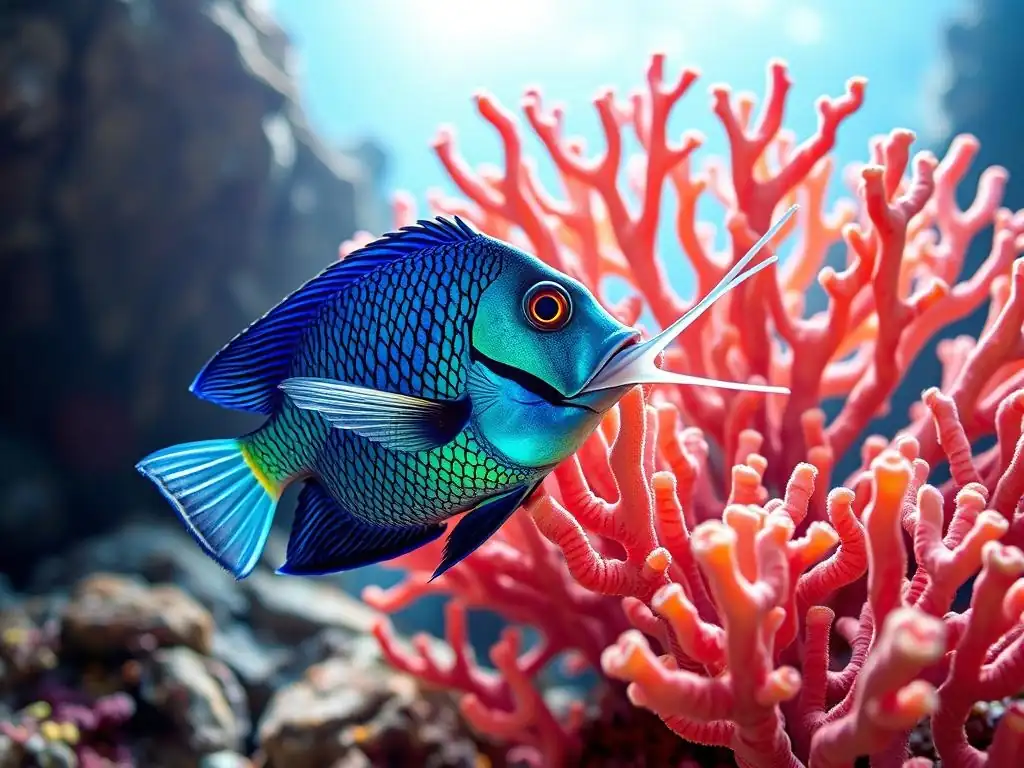
Soft corals, belonging to the subclass Octocorallia, are a diverse group of corals that lack a rigid, stony skeleton, instead possessing internal spicules for support. This structural difference makes them generally more flexible and resilient compared to their stony counterparts. Common examples include Sarcophyton (Leather Corals), Sinularia (Toadstool Corals), Xenia, Pulsing Xenia, and various types of Discosoma and Rhodactis mushrooms. Their care requirements are often considered less demanding than LPS or SPS corals, typically thriving under moderate lighting and flow, and tolerating a wider range of water parameters.
Soft corals derive much of their energy from symbiotic zooxanthellae, but many species also actively filter feed, capturing small particles from the water column. Their fleshy polyps, while appealing to some fish, often contain chemical deterrents (terpenoids) that make them less palatable or even toxic to potential predators. This chemical defense mechanism, coupled with their often rapid growth rates and ability to regenerate tissue, contributes to their reputation as potentially more resilient choices when considering Angelfish safe coral types.
Are Soft Corals Angelfish-Proof? Assessing the Risk
While soft corals are generally considered more resilient to angelfish nipping compared to LPS or SPS corals, they are by no means "angelfish-proof." The risk varies significantly depending on the angelfish species, individual temperament, and the specific soft coral in question. For instance, some larger angelfish species, like the Emperor Angelfish ( Pomacanthus imperator) or Queen Angelfish ( Holacanthus ciliaris), are known to indiscriminately nip at various soft corals, sometimes consuming entire polyps or causing extensive tissue damage. Their larger mouths and more aggressive feeding habits increase the likelihood of harm.
However, many dwarf angelfish species ( Centropyge genus), such as the Flame Angelfish ( Centropyge loriculus) or Coral Beauty Angelfish ( Centropyge bispinosa), are often observed to be "reef safe with caution" with soft corals. While they may still occasionally nip, the damage is often less severe due to their smaller size and mouthparts. The chemical defenses present in many soft corals can also deter persistent nipping. For example, Sarcophyton (Leather Corals) release toxins when stressed, which can discourage fish. Despite these defenses, consistent nipping can still lead to stress, retraction, and eventual decline of the soft coral colony.
Best Soft Coral Choices for Tanks with Angelfish: Xenia, Leather Corals, Toadstool Corals
When aiming for Angelfish safe coral types among soft corals, certain species offer a higher probability of success due to their resilience, rapid growth, or less appealing texture/taste. These include:
- Xenia and Pulsing Xenia (Xenia elongata, Xenia umbellata): These corals are known for their incredibly fast growth rate, often outgrowing any minor nipping damage. Their pulsating action can also be mesmerizing. While some angelfish might nip at them, their rapid proliferation usually ensures they recover quickly, making them a relatively low-risk option.
- Leather Corals (Sarcophyton species): These include Toadstool Leather Corals and Green Star Polyps ( Pachyclavularia violacea). Leather corals are robust and often release a waxy coating that can deter fish. They are generally less palatable to angelfish. Green Star Polyps, while technically a mat-forming soft coral, are very resilient and grow quickly, often recovering from minor nipping with ease.
- Mushroom Corals (Discosoma and Rhodactis species): These are extremely hardy and come in a vast array of colors and patterns. Their thick, fleshy bodies and ability to reproduce rapidly via budding make them quite resistant to angelfish nipping. Even if a portion is nipped, the rest of the colony often remains unaffected and continues to thrive.
While these soft corals offer better chances, individual angelfish temperament remains the ultimate determinant. Close observation is always recommended.
LPS Corals and Angelfish: A Risky Combination?
LPS Corals: Understanding Their Vulnerability
LPS (Large Polyp Stony) corals are characterized by their large, fleshy polyps and a hard, calcium carbonate skeleton. Popular examples include Euphyllia (Hammer, Frogspawn, Torch corals), Acanthastrea, Favia, Trachyphyllia (Open Brain corals), and Blastomussa. While they possess a stony skeleton, their vulnerability to angelfish lies primarily in their exposed, often succulent polyps. These polyps are rich in nutrients and can be highly attractive to angelfish seeking a food source.
Unlike soft corals, LPS corals have a slower growth rate and less regenerative capacity for significant tissue damage. When an angelfish nips at an LPS coral, it can tear the delicate polyp tissue, exposing the underlying skeleton. This damage can lead to tissue recession, bacterial infections, and ultimately, the complete loss of the coral colony. Their reliance on healthy polyps for photosynthesis and feeding makes them particularly susceptible to sustained physical trauma, rendering them less suitable as Angelfish safe coral types.
Angelfish and LPS: Documented Interactions and Potential Damage
Documented interactions between angelfish and LPS corals frequently highlight the significant risks involved. Many aquarists report that even species often considered "more reef safe," like the Coral Beauty Angelfish ( Centropyge bispinosa), can develop a taste for LPS polyps. The damage typically manifests as torn polyps, visible bite marks, and areas of retracted tissue. For instance, a common target is the extended tentacles of Euphyllia corals. A single angelfish might systematically nip at these tentacles, causing them to retract permanently or leading to secondary infections.
In severe cases, the angelfish might consume so much tissue that the coral's skeleton becomes exposed, leading to bleaching and necrosis. This is particularly devastating for slow-growing LPS corals, as recovery can take months, if it occurs at all. The financial investment in LPS corals, which can range from $50 to several hundred dollars for a single frag, makes this a high-stakes gamble. Therefore, for those prioritizing a thriving LPS collection, integrating angelfish, especially larger species, is generally advised against.
Safer LPS Options (If Any) for Angelfish Tanks: Open Brain Coral, Bubble Coral (with caution)
Identifying truly Angelfish safe coral types among LPS corals is exceptionally challenging, and the term "safer" should be interpreted with extreme caution and a full understanding of the inherent risks. However, if an aquarist is determined to attempt LPS with angelfish, some species might present a slightly lower risk due to their specific characteristics:
- Open Brain Coral (Trachyphyllia geoffroyi): These corals have large, robust, and often firm polyps that are less easily torn than the delicate tentacles of Euphyllia. Their polyps are also typically retracted into a more compact shape during the day, potentially offering less surface area for persistent nipping. However, during feeding or at night when polyps are extended, they are still vulnerable.
- Bubble Coral (Physogyra lichtensteini): The large, fluid-filled vesicles of Bubble Corals can be less appealing to some angelfish, perhaps due to their texture or the difficulty in getting a solid bite. While their "bubbles" are attractive, they are still soft tissue and can be damaged.
It is crucial to understand that these are not guarantees. Even with these "safer" options, the risk of damage remains high, and constant vigilance is required. Many aquarists find that the risk-reward ratio for keeping LPS corals with angelfish is simply too high, opting instead for dedicated LPS-only tanks or FOWLR (Fish-Only-With-Live-Rock) systems if angelfish are a must-have.
SPS Corals and Angelfish: The Most Fragile Choice
SPS Corals: Why They Are Highly Susceptible to Angelfish Nipping
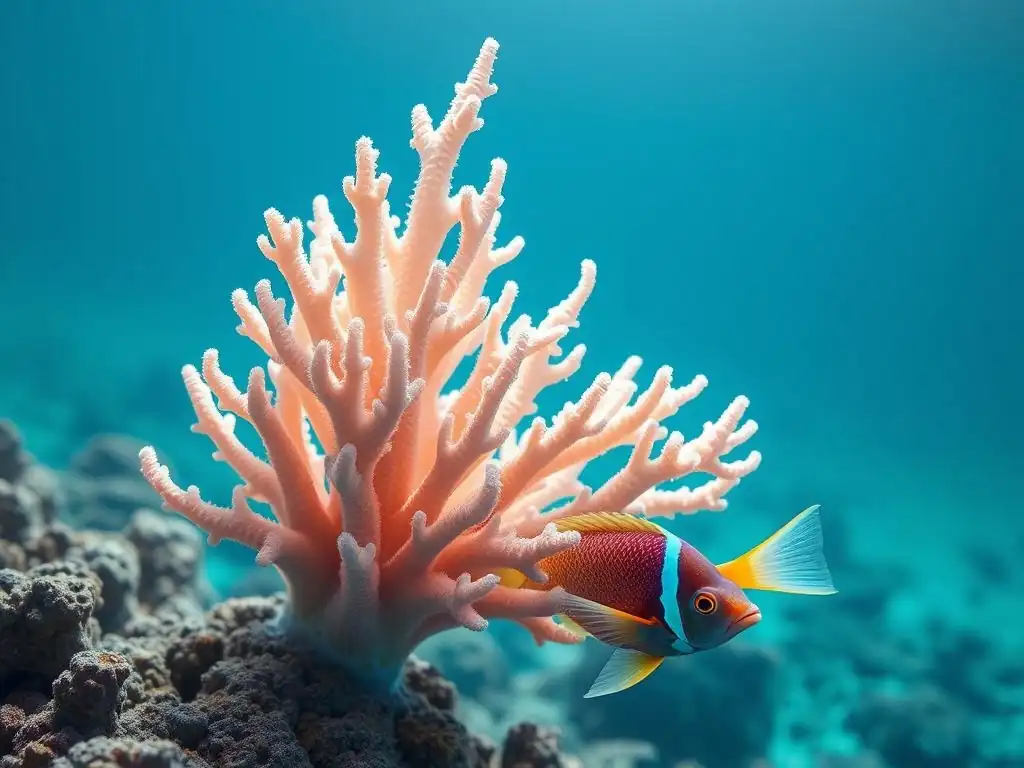
SPS (Small Polyp Stony) corals, such as Acropora, Montipora, Seriatopora, and Stylophora, are widely considered the most challenging corals to keep in a reef aquarium due to their stringent water quality requirements and high lighting/flow needs. Their vulnerability to angelfish nipping stems from several key factors:
- Tiny Polyps: SPS corals have very small, delicate polyps that offer minimal tissue for an angelfish to graze on. However, this also means that even a small nip can cause significant damage to the entire polyp, exposing the underlying skeleton.
- Slow Growth and Regeneration: Compared to many soft corals, SPS corals grow at a much slower rate. Damage to their polyps or tissue takes a considerable amount of time to heal, if it heals at all. Persistent nipping can quickly lead to tissue recession and irreversible damage.
- Stress and Bleaching: SPS corals are highly sensitive to stress. Physical trauma from nipping can induce stress, leading to the expulsion of zooxanthellae (symbiotic algae), a process known as bleaching. Bleached corals are severely weakened and often die if the stressor is not removed.
These factors combine to make SPS corals an extremely poor choice for any tank housing angelfish, regardless of the angelfish species. They are certainly not considered Angelfish safe coral types.
Angelfish and SPS: A Recipe for Coral Stress and Bleaching
The combination of angelfish and SPS corals is almost universally discouraged in the reef keeping hobby. Even angelfish species generally considered "more reef safe," like the Flame Angelfish, have been known to develop a taste for SPS polyps, particularly those of Montipora or Acropora. The outcome is almost always detrimental to the corals.
When an angelfish consistently nips at SPS corals, the damage is often subtle at first—small areas of retracted polyps or slight discoloration. Over time, these small nips accumulate, leading to widespread tissue recession, particularly around the base of the coral or the tips of branches. This persistent irritation causes chronic stress for the coral.
As the stress continues, the coral's immune system weakens, making it susceptible to disease, and eventually, it expels its zooxanthellae, resulting in bleaching. Once an SPS coral bleaches significantly, its chances of recovery are slim, and the entire colony can perish within weeks or months. The investment in SPS corals, which can easily reach hundreds of dollars for a single colony, makes this a high-risk and often financially painful endeavor.
Avoiding SPS Corals in Angelfish Aquariums
Given the extreme fragility of SPS corals and the inherent nipping tendencies of angelfish, the unequivocal recommendation is to avoid keeping SPS corals in any aquarium housing angelfish. Attempting to mix these two can lead to significant frustration, financial loss, and the unnecessary demise of beautiful corals. There are virtually no Angelfish safe coral types within the SPS category.
If an aquarist's primary goal is to maintain a vibrant SPS dominant reef tank, then angelfish should be excluded from the stocking plan entirely. Conversely, if angelfish are a must-have, then the focus should shift towards soft corals or a Fish-Only-With-Live-Rock (FOWLR) setup. Compromising on this compatibility often results in a perpetually stressed and unhealthy reef environment for the corals.
Strategies for Minimizing Angelfish Coral Damage
Overfeeding Angelfish: A Distraction Technique
One common strategy employed by aquarists to reduce angelfish nipping is consistent and varied feeding. The theory behind "overfeeding" (within reason, to avoid water quality issues) is to keep the angelfish's stomach full, thereby reducing its motivation to graze on corals out of hunger. This involves feeding small amounts multiple times a day, rather than one large meal.
A varied diet is crucial, including high-quality pellet foods, flakes, and a variety of frozen foods such as mysis shrimp, brine shrimp, and spirulina-enriched formulas. For instance, feeding 3-4 small meals throughout the day with a mix of meaty and vegetable-based frozen foods can significantly reduce the likelihood of angelfish seeking alternative food sources from your corals. While this method doesn't guarantee a complete cessation of nipping, it often mitigates the severity and frequency of coral damage, making it a viable tactic for those seeking Angelfish safe coral types in practice.
Providing Ample Grazing Opportunities: Algae Sheets, Live Rock, Frozen Food
Beyond simply filling their bellies, providing alternative and appealing grazing opportunities can redirect an angelfish's natural foraging instincts away from corals. This mimics their natural behavior of constantly picking at surfaces in the wild.
Effective methods include:
- Algae Sheets: Clipping dried nori or other marine algae sheets to an algae clip in the tank provides a continuous, readily available food source that angelfish often relish. Changing the sheet daily ensures freshness and encourages grazing.
- High-Quality Live Rock: Live rock covered in beneficial microalgae and small invertebrates can offer natural grazing opportunities. As the angelfish picks at the rock, it may find small crustaceans or film algae to consume.
- Frozen Food Blocks: Freezing foods like spirulina-enriched brine shrimp or mysis shrimp into blocks and allowing them to slowly thaw and release food into the water can provide prolonged feeding opportunities, keeping the angelfish occupied for longer periods.
- Vegetable-Based Frozen Foods: Incorporating frozen formulas rich in spirulina or other plant matter can satisfy their herbivorous tendencies. For example, a small block of Ocean Nutrition Formula Two is often readily accepted.
These diverse food sources and grazing options can significantly reduce the temptation for angelfish to nip at your Angelfish safe coral types or those you are trying to protect.
Choosing Angelfish Species Carefully: Flame Angelfish, Coral Beauty Angelfish
The choice of angelfish species is perhaps the most critical factor in determining coral compatibility. While no angelfish is 100% reef safe, some species have a much better track record than others, particularly among the dwarf angelfish ( Centropyge genus).
- Flame Angelfish (Centropyge loriculus): Often considered one of the safest angelfish for reef tanks. While individual specimens can nip, many aquarists report success with Flame Angelfish coexisting peacefully with various soft and even some hardy LPS corals.
- Coral Beauty Angelfish (Centropyge bispinosa): Similar to the Flame Angelfish, the Coral Beauty is a popular choice due to its vibrant colors and relatively smaller size. It is also frequently cited as "reef safe with caution," meaning it generally leaves most corals alone, though occasional nipping can occur.
- Lemonpeel Angelfish (Centropyge flavissima): While beautiful, this species has a slightly higher reputation for nipping than the Flame or Coral Beauty, particularly at LPS corals. Success with Lemonpeels in a reef tank is more varied.
Larger angelfish species, such as the Emperor Angelfish ( Pomacanthus imperator), Queen Angelfish ( Holacanthus ciliaris), or Blueface Angelfish ( Pomacanthus xanthometopon), are generally considered non-reef safe due to their larger size, more aggressive feeding habits, and higher propensity to consume coral polyps. Therefore, for those aiming for Angelfish safe coral types, focusing solely on dwarf angelfish species is the most prudent approach.
Introducing Angelfish Last: Establishing Coral Dominance
The order in which fish and corals are introduced into an aquarium can subtly influence their interactions. A common strategy to minimize angelfish nipping is to introduce the angelfish last, after the corals have been well-established in the tank for several months.
When corals are introduced first and given time to acclimate and grow, they become robust and resilient. They can establish their chemical defenses and growth patterns without the immediate stress of a potential nipper. By the time the angelfish is introduced, the corals are already "at home" and thriving, potentially making them less appealing or more resistant to casual nipping.
Furthermore, a new fish might be more focused on exploring its new environment and finding primary food sources rather than immediately targeting established corals. This allows the fish to integrate into the tank's ecosystem before it develops any specific preferences for coral polyps, increasing the chances of successful integration with Angelfish safe coral types.
Alternative Reef Tank Inhabitants for Angelfish Enthusiasts
Focusing on Fish-Only-With-Live-Rock (FOWLR) Aquariums
For aquarists who are passionate about keeping angelfish, especially the larger, more magnificent species like the Emperor Angelfish or Blueface Angelfish, but still desire a natural-looking environment, a Fish-Only-With-Live-Rock (FOWLR) aquarium is an excellent compromise. This setup allows for the display of these stunning fish without the inherent risks and frustrations associated with keeping them alongside delicate corals.
In a FOWLR system, the primary focus is on the fish themselves, with live rock providing biological filtration, hiding places, and a natural aesthetic. The absence of corals means there's no concern about angelfish nipping, allowing the aquarist to choose from a much wider array of angelfish species and sizes without fear of coral destruction. This approach eliminates the need to constantly search for Angelfish safe coral types, freeing up the aquarist to enjoy the full beauty and personality of their chosen angelfish.
Exploring Hardy Invertebrates: Turbo Snails, Emerald Crabs, Cleaner Shrimp
Even in a FOWLR setup or a mixed reef where only the hardiest soft corals are present, angelfish enthusiasts can still enjoy a diverse and active tank by incorporating certain hardy invertebrates. These creatures are generally less appealing to angelfish as food sources or are robust enough to withstand occasional curiosity.
Examples of hardy invertebrates that often coexist well with angelfish include:
- Turbo Snails (Turbo fluctuosa, Turbania species): Excellent algae eaters, their hard shells protect them from most fish predation.
- Emerald Crabs (Mithraculus sculptus): Known for their algae-eating prowess, including bubble algae, they are quite hardy and typically ignored by angelfish.
- Cleaner Shrimp (Lysmata amboinensis, Lysmata wurdemanni): While some angelfish might occasionally bother them, many cleaner shrimp species can coexist, often even forming symbiotic relationships where they clean parasites off the angelfish. Their quick movements and ability to hide often protect them.
- Serpent Starfish (Ophioderma species): These detritivores stay mostly hidden in the rockwork and are generally safe from angelfish.
While no invertebrate is 100% safe, these options provide movement and utility in the tank without the high risk associated with keeping sensitive corals, offering a fulfilling alternative for angelfish lovers.
Conclusion: Making Informed Decisions About Angelfish and Coral Compatibility
Balancing the Beauty of Angelfish with the Health of Your Reef
The decision to house angelfish in a reef aquarium alongside corals is a delicate balancing act that requires careful consideration and a realistic understanding of the risks involved. While the vibrant colors and graceful movements of angelfish are undeniably appealing, their natural foraging behaviors can pose a significant threat to the health and longevity of corals. Aquarists must weigh the desire to keep these magnificent fish against the commitment to maintaining a thriving coral ecosystem.
Success in a mixed angelfish-and-coral tank is possible, but it often hinges on selecting the right angelfish species, implementing proactive management strategies, and accepting that some level of risk and potential coral loss is inherent. It is a journey of continuous observation and adaptation, where the beauty of both fish and coral can be appreciated when their compatibility is thoughtfully managed.
Angelfish Safe Coral Types: A Recap and Final Thoughts
When considering Angelfish safe coral types, a clear hierarchy of compatibility emerges:
- Soft Corals: Generally the safest option. Species like Xenia, Leather Corals ( Sarcophyton, Sinularia), and Mushroom Corals ( Discosoma, Rhodactis) are most likely to tolerate angelfish presence due to their resilience, rapid growth, and potential chemical defenses. Even then, individual angelfish temperament can lead to exceptions.
- LPS Corals: A risky combination. Their fleshy polyps are highly vulnerable to nipping. "Safer" options like Open Brain Corals ( Trachyphyllia) or Bubble Corals ( Physogyra) still carry significant risk and require extreme caution and constant vigilance.
- SPS Corals: Highly discouraged. SPS corals are the most susceptible to angelfish nipping due to their small polyps, slow growth, and high sensitivity to stress. They are almost never considered suitable for tanks with angelfish.
Ultimately, the most reliable way to ensure coral safety is to either choose a FOWLR setup for angelfish or to opt for only the hardiest soft corals, while strictly avoiding LPS and SPS corals. Careful species selection within the Centropyge dwarf angelfish genus, combined with consistent feeding and providing ample alternative grazing opportunities, significantly increases the chances of a harmonious tank. However, no guarantee can be made, as the individual personality of an angelfish can always defy expectations.
Frequently Asked Questions
How likely are Angelfish to nip at corals?
Angelfish are known to nip at corals. The likelihood varies by species and individual, but many Angelfish species will sample corals, especially certain types.
Which type of coral is generally considered the least attractive to Angelfish?
Soft corals are generally considered the least tempting target for Angelfish. They often have a bitter taste or texture that Angelfish dislike.
Are LPS corals a safe bet with Angelfish?
LPS (Large Polyp Stony) corals are often more susceptible to nipping than soft corals. Their fleshy polyps can be enticing to Angelfish.
What about SPS corals – are they safe with Angelfish?
SPS (Small Polyp Stony) corals are generally less targeted than LPS, but some Angelfish may still pick at them. It's a riskier choice than soft corals.
What factors besides coral type influence whether an Angelfish will nip?
Besides coral type, factors like the Angelfish species, the individual fish's temperament, and the availability of other food sources in the tank play a significant role.
The information presented throughout this article highlights the complex interplay between angelfish and coral compatibility in the reef aquarium. It's clear that successfully maintaining a thriving reef with these captivating fish requires careful consideration and a deep understanding of their individual behaviors and preferences. The safety of our coral inhabitants hinges on informed decisions and a commitment to creating a balanced ecosystem.
This topic has profoundly influenced the way reef aquarists approach stocking their tanks, moving away from impulsive purchases towards a more thoughtful and sustainable practice. Understanding the nuances of coral types and angelfish personalities is crucial for responsible reef keeping, ensuring the well-being of all inhabitants. In the end, we will conserve only what we love; we will love only what we understand; and we will understand only what we are taught.
- Baba Dioum. This quote perfectly encapsulates the importance of continuous learning and observation in this fascinating hobby.
Now, I invite you to reflect on your own approach to reef keeping. Consider the delicate balance within your aquarium and the impact of your choices on the lives of the creatures you care for. Let this knowledge empower you to create a thriving, harmonious reef environment where both angelfish and corals can flourish, contributing to the beauty and biodiversity of our planet's underwater ecosystems.
Dive Deeper: Cultivate Your Dream Reef Today!
Thank you for exploring the fascinating world of reef compatibility! Now that you're armed with the knowledge of angelfish and coral interactions, let's turn that knowledge into action and build the reef you've always imagined.
Here's how to get started:
- Prioritize the Placement: Strategically position your hardy soft corals higher in the tank and away from the more sensitive angelfish to minimize any potential interaction.
- Explore unconventional pairings. Consider adding a Leather Coral that provides a sturdy focal point, knowing that they're generally unpalatable to most angelfish.
- Share your reefing journey! Post a picture of your setup on a reefing forum with #AquariumMastery and share your successes (and challenges) with the community.
What unique coral and fish pairings are you most excited to experiment with in your own aquarium?