
Spotting Red Flags: What to Avoid When Buying an Angelfish

Welcome to Aquarium Mastery!
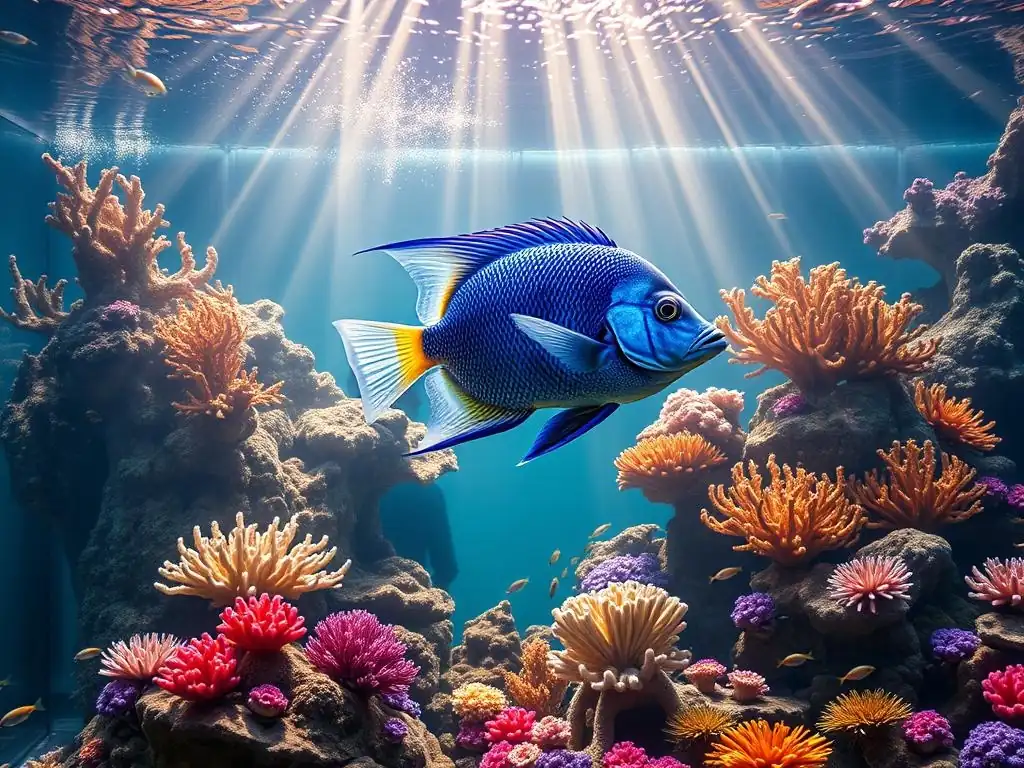
Thinking of adding a majestic Angelfish to your saltwater aquarium? Before you take the plunge, understanding the potential pitfalls is crucial. Are you equipped to spot the red flags that could save you from heartbreak and costly mistakes? Dive in to learn what to watch out for when choosing your new Angelfish and ensure a healthy, thriving addition to your aquatic family! Let's get started!
- Introduction: Ensuring a Healthy Angelfish Purchase
- Angelfish Buying Red Flags: Physical Appearance
- Angelfish Buying Red Flags: Behavior and Activity
- Angelfish Buying Red Flags: Tank Conditions and Environment
- Angelfish Buying Red Flags: Questions to Ask the Seller
- Angelfish Buying Red Flags: Reputable vs. Unreputable Sellers
- Post-Purchase Quarantine: Protecting Your Existing Aquarium
- Conclusion: Making Informed Angelfish Purchase Decisions
-
Frequently Asked Questions
- What are some general red flags to watch out for when buying an Angelfish?
- How important is it to know the Angelfish's source (e.g., wild-caught vs. captive-bred)?
- What should I look for in terms of the Angelfish's physical appearance?
- Why is observing the Angelfish's behavior in the store tank so important?
- What questions should I ask the aquarium store employee before buying an Angelfish?
- Final Reflection: Navigating the Waters of Angelfish Acquisition
- Ignite Your Angelfish Adventure!
Introduction: Ensuring a Healthy Angelfish Purchase
Recognizing Signs of a Healthy Angelfish
A healthy angelfish exhibits a vibrant and consistent coloration, appropriate for its species, without faded patches or unnatural spots. Its fins should be fully extended, erect, and free of tears, fraying, or clamping, moving gracefully and symmetrically as the fish swims. The eyes should be clear, bright, and alert, without any cloudiness or haziness, while the scales should lie flat against the body, appearing smooth and intact without any raised areas or missing patches.
Furthermore, a healthy angelfish will display active yet calm swimming patterns, exploring its environment with curiosity, rather than darting erratically or remaining motionless in a corner. It should show a consistent and eager appetite, readily accepting appropriate foods when offered. When observing potential angelfish buying red flags, remember that a fish displaying these positive indicators is a much safer investment for your aquarium.
Common Angelfish Diseases and Ailments
Angelfish are susceptible to various diseases, many of which can be identified by careful observation and indicate significant angelfish buying red flags. One of the most common is Ich (Ichthyophthirius multifiliis), presenting as tiny white spots resembling salt grains scattered across the body and fins, often appearing within 24-48 hours of stress. Fin Rot, another prevalent issue, manifests as frayed, tattered, or decaying fins, often with a white or red edge, typically caused by bacterial infections exacerbated by poor water quality.
Other common ailments include Velvet (Oodinium), which gives the fish a dusty, gold- or rust-colored film, and various bacterial infections leading to ulcers, red streaks, or fuzzy growths on the skin. Internal parasites, while less visible externally, can cause emaciation despite a good appetite, or unusual swelling. Recognizing these symptoms is crucial when looking for angelfish buying red flags, as purchasing an infected fish can quickly spread disease to your entire aquarium.
Angelfish Buying Red Flags: Physical Appearance
Avoiding Angelfish with Damaged Fins
Damaged fins are one of the most prominent angelfish buying red flags, indicating either poor water quality, bacterial infections like fin rot, or stress from aggression within the tank. Look closely at the dorsal, anal, caudal (tail), and pectoral fins. They should be fully formed, smooth, and free of any tears, nicks, or ragged edges. Clamped fins, where the fins are held tightly against the body instead of being fanned out, also suggest stress or illness, such as Ich or internal parasites.
Even minor damage can escalate quickly once the fish is introduced to a new environment, especially if the underlying cause (like bacterial exposure or stress) persists. A healthy angelfish's fins should be vibrant and symmetrical, allowing for graceful movement. Any angelfish displaying significantly torn or clamped fins should be considered a serious angelfish buying red flag and ideally avoided.
Identifying Angelfish with Cloudy Eyes
Cloudy eyes, appearing as a milky, opaque film covering one or both of an angelfish's eyes, are a clear indication of distress or illness and represent a significant angelfish buying red flag. This condition is frequently a symptom of poor water quality, particularly high levels of ammonia or nitrite, which irritate the fish's delicate tissues. It can also point to bacterial infections, internal parasites, or even physical injury.
Healthy angelfish eyes should be perfectly clear, bright, and alert, allowing the fish to observe its surroundings without obstruction. A fish with cloudy eyes is likely experiencing discomfort and has a compromised immune system, making it more susceptible to further health complications. Purchasing an angelfish with this symptom is a gamble that often results in the need for extensive medical treatment.
Inspecting Angelfish for Skin Ulcers and Lesions
The presence of skin ulcers or lesions on an angelfish is a critical angelfish buying red flag that should never be overlooked. These manifest as open sores, red patches, raw areas, or missing scales on the body, often appearing as distinct circular or irregular marks. They are typically severe signs of bacterial infections, which can be highly contagious and difficult to treat, particularly in a new environment.
Such conditions are frequently exacerbated by stress, poor water parameters, or physical injury, and can quickly lead to secondary infections if left untreated. An angelfish with any visible skin damage indicates a compromised immune system and a high likelihood of carrying pathogens that could endanger your entire aquarium. Always opt for angelfish with smooth, unblemished skin to avoid these serious angelfish buying red flags.
Recognizing Bloated or Emaciated Angelfish
Observing an angelfish's body condition is essential in identifying angelfish buying red flags. A bloated angelfish will have a noticeably swollen or distended abdomen, which can indicate serious internal issues such as dropsy (often a symptom of organ failure), severe constipation, or internal bacterial infections. This condition often presents with scales protruding from the body, resembling a pinecone.
Conversely, an emaciated angelfish appears excessively thin, with a sunken abdomen and a noticeable concavity behind the head and along the spine. This is a strong indicator of chronic starvation or, more commonly, a heavy burden of internal parasites preventing nutrient absorption despite the fish eating. Both extreme conditions are dire angelfish buying red flags, suggesting a fish that is either gravely ill or severely undernourished and unlikely to thrive.
Angelfish Buying Red Flags: Behavior and Activity
Avoiding Angelfish Exhibiting Erratic Swimming
Erratic swimming patterns are a significant angelfish buying red flag, signaling distress, disease, or neurological issues. Healthy angelfish typically glide gracefully through the water with steady, deliberate movements. In contrast, an angelfish exhibiting erratic behavior might dart frantically around the tank, twitch uncontrollably, swim in circles or spirals, or repeatedly rub its body against tank decorations or substrate.
These behaviors can be indicative of external parasites like Ich or flukes, which cause intense itching and irritation, prompting the fish to "flash" against surfaces. They can also suggest severe stress, poor water quality, or more serious internal infections affecting the swim bladder or nervous system. Any deviation from calm, controlled movement should be considered a serious angelfish buying red flag.
Spotting Angelfish with Labored Breathing
Labored breathing is a critical angelfish buying red flag that demands immediate attention. This symptom is characterized by rapid gill movements, where the gill covers open and close much faster than normal, or the angelfish gasping for air at the water's surface. Healthy angelfish gills should move steadily and smoothly, usually at a moderate pace.
Rapid or difficult breathing often points to severe issues such as dangerously high levels of ammonia or nitrite in the water, which irritate the gills and impair oxygen uptake. It can also indicate low dissolved oxygen levels, gill parasites, or internal infections that affect the fish's respiratory system. An angelfish struggling to breathe is under immense stress and its health is severely compromised, making it a definite angelfish buying red flag.
Identifying Angelfish That Is Isolating Itself
While some fish species are naturally shy, an angelfish that is consistently isolating itself from other tank inhabitants, hiding excessively, or remaining lethargic in a corner is displaying a behavioral angelfish buying red flag. Healthy angelfish, especially when kept in appropriate groups, typically exhibit curiosity, explore their environment, and engage in normal social interactions.
Prolonged isolation can indicate a variety of problems, including illness, severe stress from an unsuitable environment, or being bullied by more aggressive tank mates. A fish that is constantly withdrawn is likely feeling unwell or unsafe, and its immune system may be compromised. Observing an angelfish that consistently shies away from food or interaction for more than a few minutes is a clear angelfish buying red flag.
Recognizing Angelfish Refusing to Eat
A healthy angelfish should possess a robust appetite and readily accept food when offered. Therefore, an angelfish that consistently refuses to eat, spits out food, or shows no interest in feeding is exhibiting one of the most concerning angelfish buying red flags. A lack of appetite for more than 24-48 hours is a serious indicator of underlying health issues.
This behavior often points to internal parasites, bacterial infections, severe stress, or unsuitable water conditions. A fish that isn't eating is rapidly losing energy and becoming emaciated, which further weakens its immune system and makes it more susceptible to other diseases. Purchasing an angelfish that is not actively feeding is a significant risk, as it suggests a fish already struggling to survive.
Angelfish Buying Red Flags: Tank Conditions and Environment
Evaluating Water Quality in the Angelfish Tank
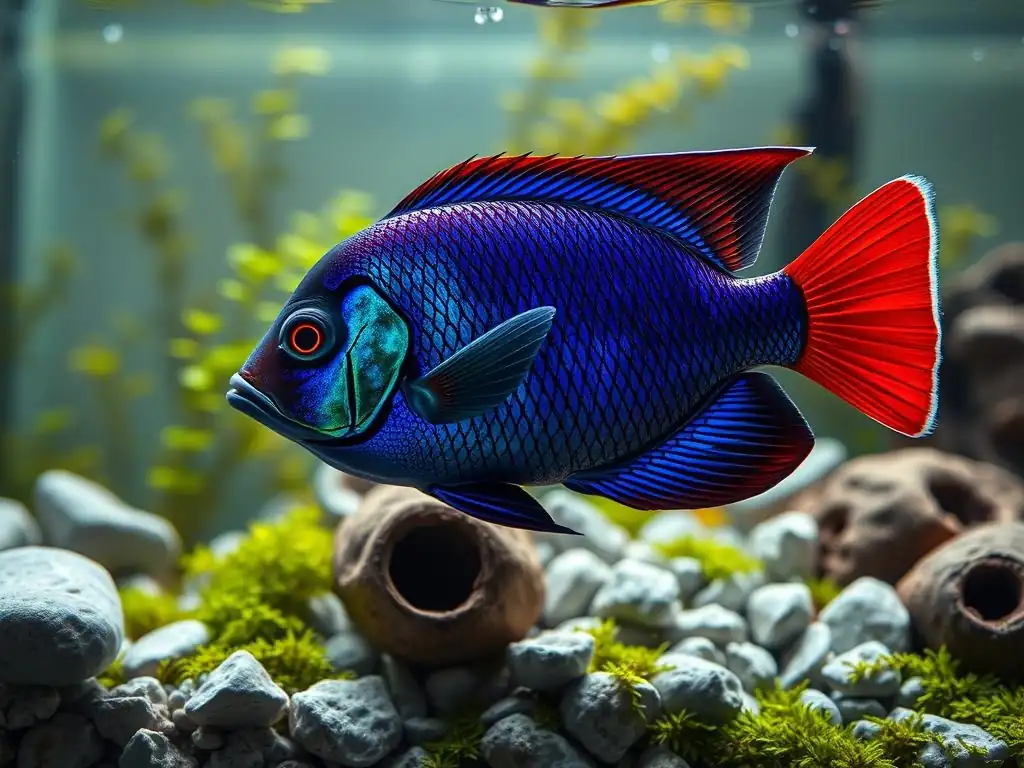
The condition of the tank water where the angelfish resides is a direct reflection of its health and a critical area to spot angelfish buying red flags. Visually inspect the water for clarity; it should be crystal clear, not cloudy, murky, or greenish with excessive algae. Pay attention to any strong, unpleasant odors, which can indicate poor filtration or high levels of decaying organic matter.
Even if the water appears clear, high levels of invisible toxins like ammonia, nitrite, or nitrate can be present, severely stressing the fish. While you can't test the water yourself, look for signs of fish reacting to poor water, such as gasping at the surface or rapid gill movements. A tank with visibly poor water quality or a suspicious smell is a major angelfish buying red flag, as the fish within it are already under immense stress.
Checking for Overcrowding and Aggression
Overcrowding in a display tank is a significant angelfish buying red flag, as it leads to increased stress, heightened aggression, and rapid deterioration of water quality. Observe the number of angelfish and other species present relative to the tank size. A tank that looks too full means each fish has less personal space, leading to territorial disputes and a higher risk of disease transmission.
Look for signs of aggression, such as one fish constantly chasing or nipping others, or multiple fish with torn fins, which indicate frequent skirmishes. Overcrowded conditions stress the angelfish, weakening their immune systems and making them more susceptible to illness. A tank where angelfish are constantly battling or show signs of chronic stress from too many tank mates is a clear angelfish buying red flag.
Inspecting for Visible Parasites in the Angelfish Tank
A thorough inspection of the entire angelfish tank, not just the specific fish you are interested in, is crucial for identifying angelfish buying red flags. Look carefully for any visible signs of external parasites or disease on any fish in the system. This includes the tell-tale white spots of Ich, fuzzy white or grey patches indicative of fungal infections, or small, worm-like parasites attached to the fish's body.
Even if the individual angelfish you plan to purchase appears healthy, the presence of sick or diseased fish in the same tank means there's a high probability that the pathogens are present in the water and the seemingly healthy fish is already infected or will soon become so. Purchasing from a tank where any fish shows signs of disease is a major angelfish buying red flag, as it significantly increases the risk of introducing illness to your home aquarium.
Angelfish Buying Red Flags: Questions to Ask the Seller
Inquiring About the Angelfish's Origin and History
Asking about the angelfish's origin and history is a critical step in identifying angelfish buying red flags. Inquire whether the angelfish is wild-caught or tank-bred. Tank-bred angelfish are generally hardier, more accustomed to aquarium life, and less likely to carry parasites compared to wild-caught specimens, which often undergo significant stress during capture and transport.
Furthermore, ask how long the angelfish has been in the store's care. A reputable seller should have had the fish for at least a few days, ideally a week or more, allowing it to recover from shipping stress and for any immediate signs of illness to manifest. Vague answers, evasiveness, or claims that the fish just arrived are significant angelfish buying red flags, as the fish may not have been properly acclimated or observed for health issues.
Asking About the Angelfish's Diet and Feeding Habits
Understanding the angelfish's current diet and feeding habits is crucial for a smooth transition to your home aquarium and can reveal potential angelfish buying red flags. Inquire about the specific types of food the fish has been eating (e.g., flakes, pellets, frozen brine shrimp, mysis shrimp, spirulina). This allows you to replicate its diet initially, reducing stress and encouraging it to eat in its new environment.
Also, ask how often and how much the angelfish is fed. A reputable seller should be able to provide detailed information, demonstrating proper care. A lack of specific answers, or a response like "it eats anything," can be an angelfish buying red flag, suggesting that the fish's dietary needs might not have been adequately met or observed. This information is vital for preventing post-purchase feeding issues.
Determining If the Angelfish Has Been Quarantined
A key question to ask any seller is whether the angelfish has undergone a quarantine period. Reputable fish stores often quarantine new arrivals for a minimum of one to two weeks, and sometimes up to four weeks, in separate tanks before placing them on the main sales floor. This allows them to observe the fish for any signs of disease, treat any ailments, and ensure the fish is eating well and acclimating.
If a seller states they do not quarantine, or if the fish has only been in their facility for a very short period (e.g., less than 48 hours), this is a significant angelfish buying red flag. It indicates a higher risk that the angelfish could be carrying dormant or active pathogens, potentially introducing disease to your established aquarium. Prioritize sellers who practice responsible quarantine procedures.
Requesting Information About Water Parameters
Requesting information about the current water parameters of the angelfish's tank is an excellent way to gauge the seller's husbandry practices and identify angelfish buying red flags. Ask for the pH, ammonia, nitrite, nitrate, and salinity (for saltwater angelfish) levels. This not only helps you ensure your tank's parameters are suitable for acclimation but also reveals if the fish is coming from a stable and healthy environment.
A knowledgeable and responsible seller should be able to provide this information readily, or even perform a test for you upon request. If the seller is unable or unwilling to provide these details, or if the parameters are wildly outside the ideal range for angelfish (e.g., ammonia or nitrite above 0 ppm, nitrate above 20 ppm, or inappropriate pH/salinity), it is a major angelfish buying red flag.
Angelfish Buying Red Flags: Reputable vs. Unreputable Sellers
Identifying Reputable Angelfish Breeders and Stores
Identifying reputable angelfish breeders and stores is paramount to avoiding angelfish buying red flags. A reputable establishment will maintain clean, well-organized tanks with clear water and appropriate filtration, showing no signs of overcrowding or sick fish. Their staff should be knowledgeable, willing to answer all your questions thoroughly, and genuinely interested in the well-being of their fish.
Furthermore, reputable sellers often specialize in certain types of fish, demonstrate proper feeding practices, and will have a clear, fair return policy for sick or deceased fish. They prioritize animal welfare over quick sales, sometimes even advising against a purchase if your setup isn't suitable. Look for positive online reviews specifically mentioning healthy fish and excellent customer service; these are strong indicators of a trustworthy source.
Recognizing Warning Signs of Unethical Angelfish Sales Practices
Recognizing warning signs of unethical angelfish sales practices is crucial for avoiding costly angelfish buying red flags. Be wary of stores with consistently dirty tanks, numerous dead or dying fish in other displays, or a pervasive unpleasant odor. Staff who are unknowledgeable, dismissive of your questions, or appear to be hiding something are major red flags.
High-pressure sales tactics, a refusal to let you observe the fish for an extended period, or a non-existent or overly restrictive return policy should also raise alarms. Sellers who rush you, refuse to show you the fish eating, or claim their fish are "bulletproof" without proper care are likely more interested in profit than the health of the animal. Such practices are definitive angelfish buying red flags, signaling a high risk of purchasing an unhealthy or stressed fish.
Post-Purchase Quarantine: Protecting Your Existing Aquarium
Why Quarantine Is Essential for New Angelfish
Implementing a post-purchase quarantine period is an absolutely essential step, regardless of how thoroughly you've avoided angelfish buying red flags at the store. Even a seemingly healthy angelfish can carry dormant pathogens, parasites, or bacteria that might only manifest under the stress of a new environment. Introducing such a fish directly into your main display tank risks exposing your entire existing fish population to disease.
A quarantine period, typically 2-4 weeks, allows you to observe the new angelfish for any signs of illness, treat potential diseases in isolation, and acclimate it gradually to your specific water parameters. This critical step acts as a protective barrier, safeguarding the health and stability of your established aquarium and its inhabitants from unforeseen health issues.
Quarantine Tank Setup for Angelfish
Setting up an appropriate quarantine tank for your new angelfish is straightforward and doesn't require elaborate equipment. A bare-bottom tank, typically 10 to 20 gallons for a single angelfish or a small group of juveniles, is ideal as it simplifies cleaning and observation. Include a reliable heater to maintain a stable temperature, and a simple sponge filter or hang-on-back filter that has been seeded with beneficial bacteria from your main tank to ensure biological filtration.
Provide a few simple hiding spots, such as PVC pipes or inert plastic plants, to reduce stress, but avoid substrate or complex decorations that can harbor parasites or make observation difficult. Ensure the water parameters in the quarantine tank closely match those of your main display tank to minimize acclimation shock when the angelfish is eventually moved.
Monitoring the Angelfish During Quarantine
During the quarantine period, diligent monitoring of your new angelfish is paramount. Observe the fish multiple times daily for any changes in appetite, activity level, coloration, or the appearance of any spots, lesions, frayed fins, or unusual growths. Keep a log of your observations, noting any symptoms and their onset.
Perform daily water tests for ammonia, nitrite, and nitrate, and conduct small, regular water changes as needed to maintain pristine water quality. If any symptoms of illness appear, research and initiate appropriate treatment directly within the quarantine tank, preventing the need to medicate your entire display aquarium. Only once the angelfish has been symptom-free for at least one week after any treatment should it be considered safe for transfer to your main tank.
Conclusion: Making Informed Angelfish Purchase Decisions
Frequently Asked Questions
What are some general red flags to watch out for when buying an Angelfish?
Look for obvious signs of illness like ragged fins, cloudy eyes, or unusual swimming behavior. Also, observe if the fish is actively eating in the store.
How important is it to know the Angelfish's source (e.g., wild-caught vs. captive-bred)?
Knowing the source is crucial. Wild-caught Angelfish can be more prone to disease and harder to acclimate. Captive-bred Angelfish are generally more adaptable and healthier.
What should I look for in terms of the Angelfish's physical appearance?
Avoid Angelfish with sunken bellies, which can indicate starvation or internal parasites. Also, inspect for any visible parasites or skin lesions.
Why is observing the Angelfish's behavior in the store tank so important?
Observing behavior can reveal hidden issues. A lethargic or isolated Angelfish may be sick. A bullying Angelfish might cause problems in your community tank.
What questions should I ask the aquarium store employee before buying an Angelfish?
Ask about the Angelfish's feeding habits, quarantine history, and water parameters it's currently kept in. This information will help you ensure a smooth transition to your home aquarium.
The journey of acquiring an angelfish should be filled with excitement, not regret. By highlighting these Angelfish buying red flags, we've aimed to empower aquarists with the knowledge to make informed decisions, ensuring the health and well-being of these magnificent creatures. The current prevalence of misinformation and unethical breeding practices makes this knowledge more crucial than ever.
The impact of responsible angelfish acquisition extends far beyond the individual aquarium. It's about fostering a culture of ethical pet ownership and supporting sustainable practices within the aquatic trade. This commitment not only benefits the angelfish themselves but also contributes to the overall health of the aquatic ecosystem. The greatness of a nation and its moral progress can be judged by the way its animals are treated.
- Mahatma Gandhi. This quote resonates deeply, reminding us that our choices as consumers have profound ethical implications.
Now, armed with this knowledge, consider how you can contribute to a more responsible and sustainable future for angelfish keeping. Let's move forward with a renewed commitment to ethical sourcing, careful observation, and a deep respect for these beautiful creatures. By choosing wisely, you not only enrich your own aquarium but also play a vital role in safeguarding the future of angelfish for generations to come.
Ignite Your Angelfish Adventure!
Thanks for diving into the world of angelfish! We hope you've gained valuable insights to help you avoid common pitfalls when bringing these beauties into your aquarium. Ready to take the next step?
Here are some actions you can take right now:
- Immediately revisit local aquarium stores and apply what you've learned to assess angelfish health and tank conditions.
- Share this article with fellow aquarium enthusiasts to help them avoid making the same mistakes.
- Consider researching compatible tank mates for angelfish to create a thriving community aquarium.
What's one 'red flag' you've personally encountered (or avoided!) when buying an angelfish? Share your experience in the comments below!