
Lionfish Tank Mates: A Risky Business or Possible Harmony?

Welcome to Aquarium Mastery!
Ever wondered if you could create a truly unique freshwater aquarium, even one that could potentially house... a Lionfish? It sounds like a wild idea, doesn't it? Dive into our latest article, " Lionfish Tank Mates: A Risky Business or Possible Harmony?" to uncover the secrets and challenges of selecting compatible freshwater tank fish. Prepare to be amazed as we explore the possibilities and pitfalls of this fascinating endeavor! Let's explore together.
- Understanding Lionfish Compatibility in a Saltwater Aquarium
- Risky Business: Why Lionfish Tank Mates Can Be Problematic
- Possible Harmony: Selecting Suitable Lionfish Tank Mates
- Setting Up a Lionfish Tank for Success: Minimizing Risks
- Monitoring and Observation: Key to Long-Term Success
- The Myth of Lionfish Compatible Freshwater Tank Fish
- Conclusion: Achieving a Balanced and Thriving Lionfish Aquarium
-
Frequently Asked Questions
- Can I keep Lionfish in a freshwater aquarium?
- What freshwater fish can live with Lionfish?
- What are the biggest risks of keeping Lionfish with other fish, even in a saltwater setup?
- What kind of saltwater fish are more compatible with Lionfish, and why?
- Where can I find more information on creating a successful saltwater aquarium setup for predatory fish?
- Final Reflection: Navigating the Delicate Balance of Ecosystems
- Unleash Your Aquarium's Potential!
Understanding Lionfish Compatibility in a Saltwater Aquarium
The Allure and Challenges of Lionfish in Home Aquariums
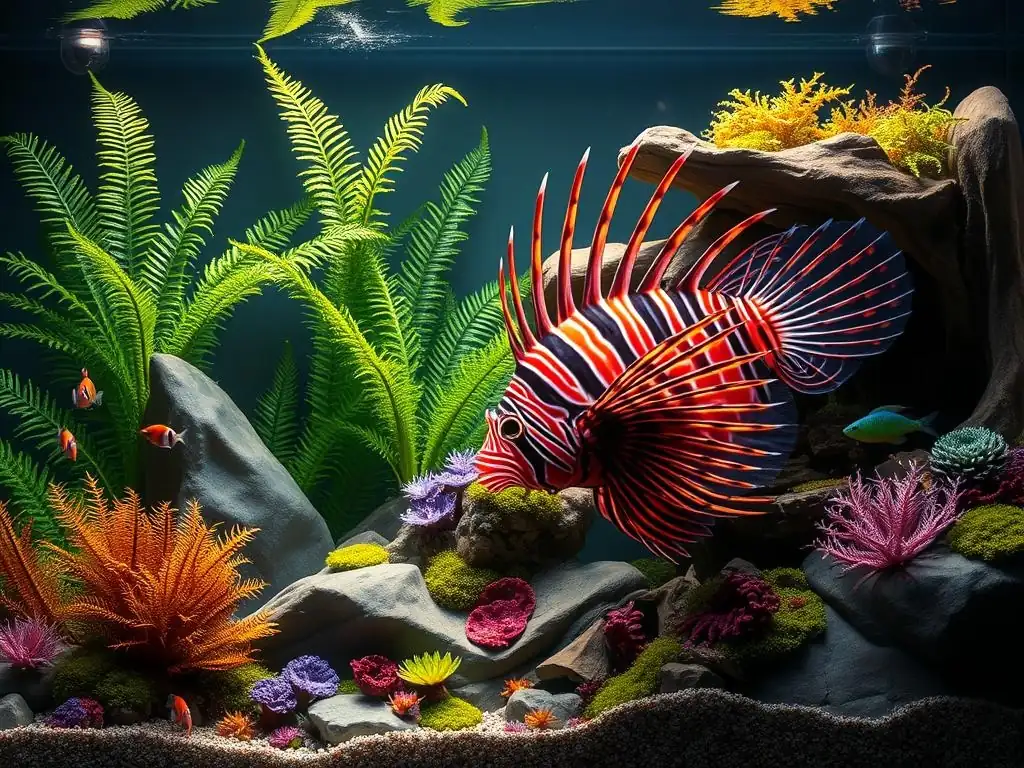
Lionfish, with their striking appearance and flowing fins, are undeniably captivating inhabitants for a saltwater aquarium. Species like the Volitan Lionfish (Pterois volitans) or the Dwarf Lionfish (Dendrochirus zebra) are popular choices due to their majestic presence. Their unique hunting behaviors, where they use their pectoral fins to herd prey, offer a fascinating spectacle for aquarists. However, beneath their beauty lies a formidable predator, and understanding their inherent nature is crucial before considering any lionfish tank mates.
The primary challenge in keeping lionfish stems from their predatory instincts and venomous spines. While their venom is rarely fatal to humans, it can cause excruciating pain, swelling, and other systemic reactions. This necessitates careful handling and a thorough understanding of their care requirements. Furthermore, their rapid growth rate, especially for species like the Volitan Lionfish which can reach up to 15-18 inches in length, demands a substantial tank size, typically 75 gallons for a single adult and significantly more for multiple individuals or tank mates.
Key Considerations Before Introducing Lionfish Tank Mates
Before even contemplating potential lionfish tank mates, aquarists must thoroughly assess several critical factors to ensure the well-being of all inhabitants. The "mouth size rule" is paramount: if a fish can fit into a lionfish's mouth, it will eventually become a meal. This often means avoiding smaller, docile species that might otherwise seem peaceful. Compatibility extends beyond just avoiding predation, encompassing shared environmental needs, aggression levels, and competition for resources.
Another vital consideration is the lionfish's diet and feeding habits. They are carnivorous predators that primarily consume live fish and crustaceans in the wild. In captivity, they can be trained to accept frozen foods, but their strong predatory drive remains. Any tank mate must be robust enough to withstand the lionfish's presence and not be outcompeted for food, especially during feeding times. Careful observation of their interactions and feeding behaviors is essential to prevent stress, injury, or starvation among tank inhabitants.
Risky Business: Why Lionfish Tank Mates Can Be Problematic
The Predatory Nature of Lionfish: An Apex Predator's Instincts
Lionfish are classic ambush predators, relying on their camouflage and slow, deliberate movements to corner unsuspecting prey. Their large, expandable mouths allow them to swallow surprisingly large fish whole. This predatory instinct is hardwired and will manifest regardless of how well-fed they are or how long they have been in captivity. For instance, a common Volitan Lionfish can easily consume a fish up to half its own body length, making many popular aquarium species unsuitable companions.
This inherent predatory behavior means that any smaller, more timid, or slower-moving fish will inevitably be viewed as potential prey. Even if a tank mate is initially too large to be swallowed, continuous harassment or accidental nipping from the lionfish's venomous spines during hunting attempts can lead to stress, injury, or secondary infections. Aquarists often report instances where seemingly compatible tank mates disappear overnight, a clear indication of the lionfish's successful hunt.
Size Matters: Avoiding Lionfish Prey
The most critical factor in selecting lionfish tank mates is size. As a general rule, any fish that is less than two-thirds the size of the lionfish should be considered at risk. For a 10-inch Volitan Lionfish, this means avoiding any fish smaller than approximately 6-7 inches. This rule applies not just to the initial introduction but also to the future growth of both the lionfish and its potential companions. A small clownfish that might be safe when the lionfish is juvenile will quickly become prey as the lionfish matures.
Furthermore, the body shape of the potential tank mate also plays a role. Slender or elongated fish, even if they appear to be of a reasonable length, might still be narrow enough for a lionfish to swallow. Conversely, broad-bodied fish of similar length might be too wide to be ingested. Careful assessment of both length and girth is necessary to minimize the risk of predation, emphasizing that a meticulous approach to size matching is paramount for successful lionfish tank mates.
Lionfish Aggression: Territoriality and Competition for Resources
While lionfish are primarily predatory, they can also exhibit territorial aggression, particularly towards other lionfish or fish with similar body shapes. They are not typically aggressive towards non-prey tank mates in the same way some other predatory fish might be, but competition for prime hiding spots or food can lead to stress. In a smaller tank, even a generally peaceful lionfish might become more assertive if it feels its territory is being encroached upon.
Competition for food is another significant factor. Lionfish can be slow eaters, taking their time to stalk and consume their meals. If housed with faster, more aggressive feeders, the lionfish might not get enough food, leading to malnutrition and weakened immunity. Conversely, if the lionfish is a robust feeder, it might outcompete shyer tank mates. Therefore, a strategic feeding plan and careful observation are necessary to ensure all inhabitants receive adequate nutrition and to mitigate any potential aggression or competition over resources.
Possible Harmony: Selecting Suitable Lionfish Tank Mates
Choosing the Right Size and Temperament
Achieving harmony in a lionfish aquarium is possible, but it requires meticulous selection of tank mates based on their size, temperament, and feeding habits. The primary guideline remains that any companion fish must be significantly larger than the lionfish's mouth and possess a robust, non-skittish temperament. Fish that are too timid or slow will likely become stressed or, worse, prey, regardless of their initial size. Ideal candidates are often semi-aggressive to aggressive species that can hold their own without being overly dominant.
Beyond size, consider the activity level and swimming patterns. Fast-moving, open-water swimmers are less likely to be targeted by a slow-moving ambush predator like a lionfish. Conversely, bottom-dwellers or very slow-moving fish that hover in the water column might be at higher risk. The goal is to select species that either ignore the lionfish or are large and imposing enough to deter predatory attempts, ensuring a peaceful coexistence where neither fish feels threatened or outcompeted.
Compatible Saltwater Fish for a Lionfish Tank: A Detailed Look
Larger Angelfish (e.g., Emperor Angelfish)
Large angelfish species, such as the Emperor Angelfish (Pomacanthus imperator) or Queen Angelfish (Holacanthus ciliaris), can be suitable lionfish tank mates due to their substantial adult size, often reaching 10-15 inches. Their deep, disc-like bodies make them difficult for a lionfish to swallow, even if they were inclined to try. These angelfish are generally hardy and can hold their own, often displaying a confident demeanor that discourages predatory interest from the lionfish.
However, caution is advised as some angelfish can be territorial, especially in smaller tanks, and may nip at the lionfish's flowing fins. It is crucial to introduce them into a sufficiently large aquarium, ideally 125 gallons or more, to provide ample space and reduce potential territorial disputes. Ensuring the angelfish is already established and of a good size before introducing the lionfish, or vice-versa with careful monitoring, can help foster a more peaceful cohabitation.
Triggerfish (e.g., Niger Triggerfish)
Certain triggerfish species, particularly the Niger Triggerfish (Odonus niger) or Blue Jaw Triggerfish (Xanthichthys auromarginatus), can be excellent lionfish tank mates. They are known for their robust nature, impressive size (often 8-12 inches), and bold personalities, which typically deter lionfish. Their strong jaws and active swimming habits mean they are unlikely to become prey and can often outcompete the lionfish for food without being overly aggressive towards it.
However, not all triggerfish are suitable. Highly aggressive species like the Clown Triggerfish are generally too boisterous and territorial to be housed with the relatively docile lionfish. The key is to select triggerfish known for their more moderate temperament, and always ensure the tank is spacious enough, at least 150 gallons, to accommodate their active swimming and provide retreats. Regular feeding is also critical to keep triggerfish well-behaved and less prone to nipping.
Certain Damsels (e.g., Domino Damsel)
While most damsels are too small to be considered safe lionfish tank mates, a few larger, more robust species like the Domino Damsel (Dascyllus trimaculatus) or the Three-Spot Damsel can sometimes coexist. These damsels can grow to 4-5 inches and are exceptionally hardy and territorial, often standing their ground against much larger fish. Their aggressive nature, surprisingly, can be a deterrent to the lionfish, as they are not easily intimidated.
Despite their hardiness, the risk of predation for these damsels remains higher than for larger fish, especially if the lionfish is significantly bigger. They should only be considered in very large tanks where the lionfish has ample space and is well-fed, reducing its predatory drive. Furthermore, their inherent aggression can be a double-edged sword, as they might harass other, more peaceful tank mates, making them a less common but occasionally successful choice for experienced aquarists.
Other Potential Tank Mates
Other potential lionfish tank mates include large groupers (e.g., Panther Grouper), which are similarly predatory but generally too large and robust to be targeted by a lionfish, and large moray eels (e.g., Snowflake Eel), which occupy different niches and are not typically bothered by lionfish. Large tangs, such as the Naso Tang or Sailfin Tang, can also work due to their size and active swimming, though their herbivorous diet means separate feeding strategies are required.
It is crucial to research each potential species thoroughly, considering their adult size, temperament, and specific care requirements. For instance, a Panther Grouper requires an exceptionally large tank, often 200 gallons or more, due to its potential adult size of over 2 feet. The success of these pairings heavily relies on adequate tank size, proper aquascaping to provide territory and hiding spots, and diligent observation to address any signs of incompatibility promptly.
Invertebrates and Lionfish: A Cautious Approach
Introducing invertebrates as lionfish tank mates is a particularly risky endeavor, as many are considered natural prey. Cleaner shrimp, ornamental shrimp, and smaller crabs will almost certainly be viewed as a food source and quickly devoured. Even larger crustaceans like decorator crabs or hermit crabs are at significant risk, especially during molting periods when their shells are soft and they are most vulnerable.
Some aquarists report limited success with very large, venomous invertebrates like certain anemones (though this poses its own risks to fish) or large, robust snails that are too big for the lionfish to consume. However, the general consensus is that most common aquarium invertebrates are not suitable lionfish tank mates. The safest approach is to assume that any invertebrate small enough to fit into the lionfish's mouth will eventually become a meal, leading to a significant loss for the aquarist.
Setting Up a Lionfish Tank for Success: Minimizing Risks
Tank Size and Aquascaping: Creating a Balanced Environment
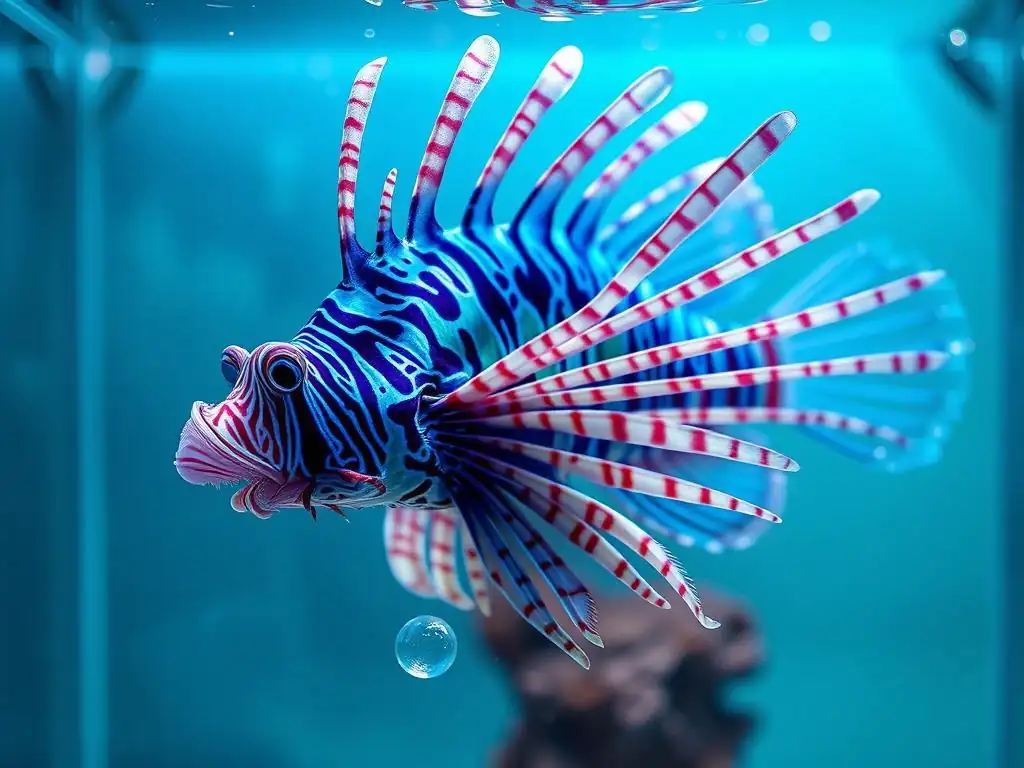
The cornerstone of a successful lionfish aquarium, especially one with tank mates, is adequate tank size. For a single adult Volitan Lionfish, a minimum of 75-100 gallons is recommended. If considering lionfish tank mates, a 125-180 gallon tank or larger is often necessary to provide sufficient swimming space and territory for all inhabitants. Overcrowding is a major stressor and can exacerbate aggression and competition for resources.
Aquascaping should prioritize both the lionfish's need for hiding spots and the tank mates' need for escape routes and individual territories. Incorporate plenty of live rock formations with caves, overhangs, and crevices. These structures provide visual barriers, reducing direct line of sight and helping to minimize territorial disputes. Ensure the aquascape is stable and allows for strong water flow, which is beneficial for the overall health of a saltwater system.
Water Parameters: Maintaining Optimal Conditions for All Inhabitants
Maintaining stable and optimal water parameters is crucial for the health of lionfish and their tank mates. As saltwater fish, they thrive in specific conditions:
- Salinity: 1.023-1.025 specific gravity (SG)
- Temperature: 75-80°F (24-27°C)
- pH: 8.1-8.4
- Ammonia, Nitrite: 0 ppm
- Nitrate: below 20 ppm (ideally below 10 ppm)
Regular water testing and consistent partial water changes (e.g., 10-20% bi-weekly) are essential to keep these parameters stable and prevent the buildup of harmful nitrates. A robust filtration system, including mechanical, biological, and chemical filtration, is vital, especially in tanks with large, predatory fish that produce a significant bioload. Stable water quality reduces stress, enhances immunity, and contributes to the long-term well-being of all lionfish tank mates.
Feeding Strategies: Ensuring All Fish Get Enough Food
Effective feeding strategies are paramount in a tank with lionfish and their companions. Lionfish are generally slow and deliberate eaters, often waiting for food to come to them or using their fins to herd it. This means faster, more aggressive tank mates can easily outcompete them for food. To prevent this, consider target feeding the lionfish using a feeding stick or tongs to ensure it gets enough food, perhaps offering frozen silversides, shrimp, or squid.
Simultaneously, ensure that the other lionfish tank mates also receive adequate nutrition. This might involve feeding them first with a different type of food or offering food in multiple locations to minimize competition. Observing feeding behaviors closely is key. If a lionfish appears thin or its tank mates are showing signs of malnourishment, adjust the feeding regimen accordingly. Overfeeding should also be avoided to maintain water quality and prevent obesity.
Quarantine Procedures: Preventing Disease Introduction
A strict quarantine procedure for all new lionfish tank mates is non-negotiable. Even seemingly healthy fish can carry parasites (like marine ich or velvet) or bacterial infections that can devastate an established display tank. A separate quarantine tank, ideally 10-20 gallons, allows new arrivals to be observed, de-stressed, and treated if necessary before being introduced to the main aquarium.
The quarantine period should last a minimum of 4-6 weeks, during which the fish is observed for any signs of disease, fed well, and gradually acclimated to the main tank's water parameters. This practice significantly reduces the risk of introducing pathogens that could harm your lionfish or its existing companions. It's a small investment of time and effort that can save considerable heartache and expense in the long run, ensuring the health of all lionfish compatible tank fish.
Monitoring and Observation: Key to Long-Term Success
Recognizing Signs of Stress or Aggression
Continuous monitoring and observation are crucial for the long-term success of a lionfish aquarium with tank mates. Aquarists should regularly observe all fish for signs of stress, disease, or aggression. Signs of stress in lionfish can include clamped fins, faded coloration, rapid breathing, or hiding excessively. In tank mates, look for fin nipping, torn fins, constant hiding, refusal to eat, or excessive flashing against rocks or substrate.
Aggression can manifest as chasing, fin nipping, or outright attacks. While some minor territorial disputes are normal, persistent harassment can lead to chronic stress, weakened immune systems, and ultimately, the demise of the harassed fish. Early detection of these signs allows for timely intervention, whether it's adjusting tank conditions, modifying feeding routines, or, in severe cases, rehoming a problematic fish to ensure the well-being of all lionfish tank mates.
Adjusting Your Approach: Fine-Tuning the Tank Environment
A successful aquarium is a dynamic ecosystem that requires ongoing fine-tuning. Based on your observations, be prepared to adjust your approach. If a lionfish is constantly attempting to eat a specific tank mate, despite its size, it might be a sign that the pairing is not working, and the tank mate should be removed. Conversely, if a tank mate is harassing the lionfish, steps might be needed to provide more hiding spots or re-evaluate the tank mate's suitability.
This adaptive management includes reviewing feeding schedules, water flow, aquascaping, and even the overall stocking density. For instance, if nitrates are consistently high, more frequent water changes or an upgrade to filtration might be necessary. The goal is to maintain a balanced environment where all lionfish compatible tank fish can thrive, minimizing stress and maximizing their health and longevity. Your ability to observe and respond to the subtle cues from your fish is paramount.
The Myth of Lionfish Compatible Freshwater Tank Fish
Why Lionfish Cannot Live in Freshwater Tanks
A common misconception among novice aquarists, often fueled by their striking appearance, is the idea of finding lionfish compatible freshwater tank fish. It is crucial to definitively state that lionfish are exclusively saltwater fish and cannot survive in freshwater environments. Their physiological makeup, particularly their osmoregulation systems, is specifically adapted to the high salinity of marine water. Introducing a lionfish to freshwater would be akin to placing a freshwater fish in pure saltwater – it would lead to immediate and severe osmotic shock.
In freshwater, a lionfish's cells would rapidly absorb water, causing them to swell and burst, leading to organ failure and death, typically within hours. Their gills are designed to excrete excess salt, not to absorb it from a dilute environment. Therefore, any search for "lionfish compatible freshwater tank fish" is fundamentally misguided, as the lionfish itself cannot exist in that habitat. This distinction is vital for anyone considering these beautiful predators for their home aquarium.
Exploring Alternative Predatory Freshwater Fish
While the concept of lionfish compatible freshwater tank fish is a myth, aquarists interested in the predatory aesthetic and behavior can explore various fascinating freshwater alternatives. Species like the Peacock Bass (Cichla ocellaris), known for their aggressive hunting and large size, offer a similar apex predator appeal, though they require very large tanks (300+ gallons). Other options include various species of Snakeheads (Channa spp. ), which are ambush predators with unique appearances and behaviors, though some species are highly invasive and regulated.
Additionally, predatory catfish like the Redtail Catfish (Phractocephalus hemioliopterus) or the Tiger Shovelnose Catfish (Pseudoplatystoma fasciatum) can grow to immense sizes and exhibit impressive predatory capabilities, requiring tanks often exceeding 500 gallons. For smaller setups, African Butterfly Fish (Pantodon buchholzi) offer a unique top-water predatory display. These freshwater alternatives provide a diverse range of options for those seeking a "predator tank" experience without the specific challenges of marine lionfish care, clearly distinguishing them from any notion of "lionfish compatible freshwater tank fish."
Conclusion: Achieving a Balanced and Thriving Lionfish Aquarium
Weighing the Risks and Rewards of Lionfish Tank Mates
The journey of keeping lionfish and their tank mates is a delicate balance of managing inherent risks against the rewarding experience of observing these magnificent predators. While the predatory nature of lionfish makes compatibility challenging, careful planning, species selection, and diligent observation can lead to a harmonious and captivating display. The primary risks involve predation, aggression, and competition for resources, all of which necessitate a proactive and informed approach from the aquarist.
The rewards, however, are significant. A well-maintained lionfish aquarium with carefully chosen companions offers a unique glimpse into a complex marine ecosystem. Witnessing the majestic movements of a lionfish alongside robust, equally impressive tank mates can be an incredibly fulfilling experience for any dedicated aquarist. The key lies in understanding the lionfish's needs and limitations, especially recognizing that the idea of lionfish compatible freshwater tank fish is a biological impossibility.
Prioritizing the Well-being of All Aquarium Inhabitants
Ultimately, the paramount consideration in any aquarium setup, especially one involving a predatory species like the lionfish, must be the well-being of all inhabitants. This means providing an adequately sized tank, maintaining pristine water quality, offering appropriate and sufficient food, and selecting lionfish tank mates that can truly thrive in their presence. It requires continuous learning, observation, and a willingness to adapt your approach as your fish grow and interact.
By adhering to best practices, conducting thorough research, and approaching the task with patience and dedication, aquarists can create a stable, healthy, and visually stunning lionfish aquarium. The goal is not merely to house these creatures but to foster an environment where they can exhibit their natural behaviors, grow to their full potential, and coexist peacefully, creating a truly masterful display for years to come.
Frequently Asked Questions
Can I keep Lionfish in a freshwater aquarium?
No, Lionfish are strictly marine fish and require saltwater environments to survive. Attempting to keep them in freshwater will be fatal. AquariumMastery.com focuses on both freshwater and saltwater, but Lionfish only belong in the latter.
What freshwater fish can live with Lionfish?
This is a trick question! Lionfish cannot live in a freshwater tank. The question is referring to fish that have similar temperaments and care requirements, if Lionfish were to be kept in a saltwater environment.
What are the biggest risks of keeping Lionfish with other fish, even in a saltwater setup?
The primary risk is that Lionfish are predatory and will eat smaller fish. Careful consideration must be given to the size and temperament of any potential tank mates. This creates a risky environment for smaller or slower tank mates.
What kind of saltwater fish are more compatible with Lionfish, and why?
Larger, non-aggressive saltwater fish that cannot be easily swallowed by the Lionfish are generally more compatible. Examples include some larger species of Tang and Triggerfish, though careful research is always necessary.
Where can I find more information on creating a successful saltwater aquarium setup for predatory fish?
AquariumMastery.com offers detailed guides on saltwater aquarium setup, water chemistry, and species profiles. Explore the website's sections on maintenance schedules and troubleshooting for more in-depth knowledge.
The exploration of lionfish compatibility within freshwater tanks, as we've seen, is far more than just a technical exercise in aquarium keeping; it's a microcosm reflecting the broader challenges of introducing non-native species and managing ecological balance. The potential for harmony, while alluring, is constantly overshadowed by the inherent risks, reminding us that even within the controlled environment of a tank, the ripple effects of our choices can be significant.
This delicate dance between predator and prey, between native and invasive, has profoundly shaped and continues to shape our understanding of ecological responsibility. My own fascination with this topic stems from a deep-seated belief that responsible stewardship of our planet begins with understanding the interconnectedness of all living things. In nature, nothing exists alone.
- Rachel Carson. This quote encapsulates the core message: every action, even seemingly small ones within a fish tank, has consequences that extend far beyond its glass walls.
As we conclude this exploration, I invite you to consider your own role in preserving ecological balance. Whether you're an experienced aquarist or simply someone who cares about the environment, remember that knowledge is power. Let the lessons learned from the complexities of lionfish tank mates inspire you to make informed, responsible choices in all aspects of your life, contributing to a future where harmony, not disruption, defines our relationship with the natural world.
Unleash Your Aquarium's Potential!
Thanks for diving into the fascinating world of lionfish compatibility! We hope this article has given you a clearer understanding of the risks and rewards involved in choosing tank mates. Now, let's turn that knowledge into action!
Here are a few ways you can take your aquarium keeping to the next level:
- Plan Your Dream Lionfish Setup: Carefully research and design your aquarium, prioritizing a safe and enriching environment.
- Share Your Experience:Comment below and tell us about your biggest aquarium challenge and how you overcame it – help others learn!
- Dive Deeper: Explore Aquarium Mastery's other articles on predator fish care and responsible aquarium ownership.
What's the most surprising thing you learned about lionfish tank mates, and how will it change your approach to stocking your aquarium?