
Aquarium Mastery: The Proven Role of Probiotics in Enhancing Larval Survival Rates


Welcome to Aquarium Mastery!
Ever wondered how to give your delicate saltwater larvae the best possible start in life? Dive into our in-depth exploration of the probiotic benefits that dramatically enhance larval fish survival. Discover the secrets to creating a thriving ecosystem that nurtures even the most vulnerable inhabitants of your saltwater aquarium. Read on to unlock the key to raising healthier, more resilient fish!
- Enhancing Larval Fish Survival: The Role of Probiotics in Saltwater Aquariums
- Introduction: Optimizing Larval Fish Survival in Saltwater Aquariums
- Probiotics: Definition and Benefits for Marine Larvae
- Scientific Evidence: Probiotic Benefits for Larval Fish Survival
- Selecting Probiotics for Saltwater Larval Rearing
- Implementing Probiotics in Larval Rearing: A Step-by-Step Guide
- Avoiding Potential Pitfalls of Probiotic Use
- Probiotics vs. Other Larval Rearing Techniques
- Case Studies: Probiotic Success in Saltwater Fish Breeding
- Future Directions: The Evolving Role of Probiotics in Aquaculture
- Conclusion: Probiotics for Enhanced Larval Fish Survival
-
Frequently Asked Questions
- How do probiotics enhance larval fish survival rates in aquariums?
- What types of probiotics are most effective for larval fish in aquarium settings?
- How often should probiotics be administered to larval fish tanks?
- Can over-supplementation of probiotics harm larval fish?
- Where can I find reliable sources of probiotics specifically designed for aquarium use?
- Final Reflection: Cultivating Life's Potential
- Unveil Your Aquarium's Full Potential!
Enhancing Larval Fish Survival: The Role of Probiotics in Saltwater Aquariums
Introduction: Optimizing Larval Fish Survival in Saltwater Aquariums
Challenges in Raising Saltwater Fish Larvae
Raising saltwater fish larvae presents a formidable challenge for aquarists and commercial breeders alike, primarily due to their high susceptibility to disease and environmental stressors during early developmental stages. Mortality rates in the larval phase can frequently exceed 80-90% for many marine species, even under carefully controlled hatchery conditions. These losses are often attributed to a combination of factors, including underdeveloped immune systems, reliance on specific live feeds, and extreme sensitivity to fluctuations in water quality parameters such as ammonia, nitrite, and dissolved oxygen.
Furthermore, the diminutive size of many marine fish larvae, coupled with their small mouth gapes, necessitates very specific and often difficult-to-culture live feeds like rotifers and copepods. These live feeds can sometimes act as vectors for pathogenic bacteria, particularly Vibrio species, which can rapidly decimate a larval cohort. The cumulative effect of these challenges underscores the critical need for advanced strategies to improve early life stage survival, making the exploration of probiotic benefits larval fish survival a key area of focus.
Probiotics as a Solution for Improved Larval Rearing
Probiotics, defined as live microorganisms that, when administered in adequate amounts, confer a health benefit on the host, have emerged as a promising solution to mitigate many of the inherent challenges in saltwater fish larval rearing. By introducing beneficial bacteria into the larval environment, aquarists can proactively influence the microbial community within the tank and the developing larval gut. This proactive approach aims to create a more stable and resilient ecosystem, reducing the prevalence of harmful pathogens.
The strategic application of probiotics can lead to several significant improvements, directly contributing to enhanced larval survival rates. These microorganisms can bolster the larvae's nascent immune systems, improve their ability to digest and absorb nutrients from their feed, and directly compete with pathogenic bacteria for resources and attachment sites. Understanding these multifaceted probiotic benefits larval fish survival is crucial for anyone looking to optimize their marine breeding efforts.
Probiotics: Definition and Benefits for Marine Larvae
Probiotics in Aquarium Ecosystems: A Definition
In the context of aquaculture and aquarium ecosystems, probiotics are specific strains of beneficial microorganisms, primarily bacteria, that are intentionally introduced to improve the health and performance of aquatic organisms. Unlike general bacterial populations, probiotics are selected for their proven ability to confer a positive effect when present in sufficient quantities. Common probiotic genera used in marine larval rearing include Bacillus (e.g., Bacillus subtilis, Bacillus licheniformis), Lactobacillus, and certain yeast species like Saccharomyces cerevisiae.
These microorganisms work by colonizing the larval gut and the rearing water, establishing a stable and healthy microbial balance. Their efficacy is dependent on their viability and the specific health benefits they provide, which must be demonstrated through scientific study. The targeted application of these proven strains ensures that the probiotic benefits larval fish survival are maximized, moving beyond general bacterial presence to a deliberate therapeutic intervention.
Mechanisms of Action: How Probiotics Improve Larval Health
Direct Pathogen Competition
One of the primary ways probiotics improve larval health is through direct pathogen competition, often referred to as competitive exclusion. Beneficial probiotic strains, when introduced into the larval gut or rearing water, rapidly colonize available attachment sites on the intestinal lining and surfaces within the tank. This physical occupation prevents pathogenic bacteria, such as virulent Vibrio species, from adhering and establishing themselves, thereby reducing their ability to cause disease.
Beyond physical exclusion, many probiotic strains produce a range of antimicrobial compounds that directly inhibit the growth of harmful bacteria. For instance, certain Bacillus strains are known to produce bacteriocins, organic acids (like lactic acid), and enzymes that can disrupt the cell walls or metabolic processes of pathogens. This biochemical warfare effectively reduces the overall pathogenic load in the larval environment, significantly contributing to probiotic benefits larval fish survival.
Enhanced Larval Fish Immunity
Probiotics play a crucial role in stimulating and modulating the underdeveloped immune systems of marine fish larvae. By interacting with the gut-associated lymphoid tissue (GALT), probiotics can enhance both innate and adaptive immune responses. Studies have shown that larvae treated with probiotics exhibit increased activity of immune enzymes such such as lysozyme and myeloperoxidase, which are vital components of the innate immune defense against bacterial infections.
Furthermore, probiotics can upregulate the expression of various immune-related genes and cytokines, such as TNF-α and IL-10, which are involved in inflammatory responses and immune regulation. For example, in studies on Lates calcarifer (Barramundi) larvae, probiotic supplementation led to a measurable increase in the number of phagocytic cells and enhanced their engulfment capacity against pathogens. This strengthened immune response directly translates into improved disease resistance and is a significant probiotic benefit for larval fish survival.
Improved Digestion and Nutrient Uptake
The digestive systems of marine fish larvae are often immature at hatching, making efficient nutrient assimilation a challenge, especially when relying on live feeds with variable nutritional profiles. Probiotics can significantly enhance digestion and nutrient uptake by producing exogenous enzymes like proteases, amylases, and lipases. These enzymes help break down complex macromolecules in live feeds or microdiets into simpler, more absorbable forms, such as amino acids, simple sugars, and fatty acids.
Beyond enzyme production, certain probiotic strains can improve the integrity and morphology of the larval gut. This can include increasing the height of intestinal villi and the number of microvilli, which expands the surface area available for nutrient absorption. Enhanced nutrient utilization leads to faster growth rates, better feed conversion ratios, and overall healthier larvae, directly contributing to the probiotic benefits larval fish survival by ensuring they receive optimal nutrition for development.
Scientific Evidence: Probiotic Benefits for Larval Fish Survival
Studies Demonstrating Increased Survival Rates
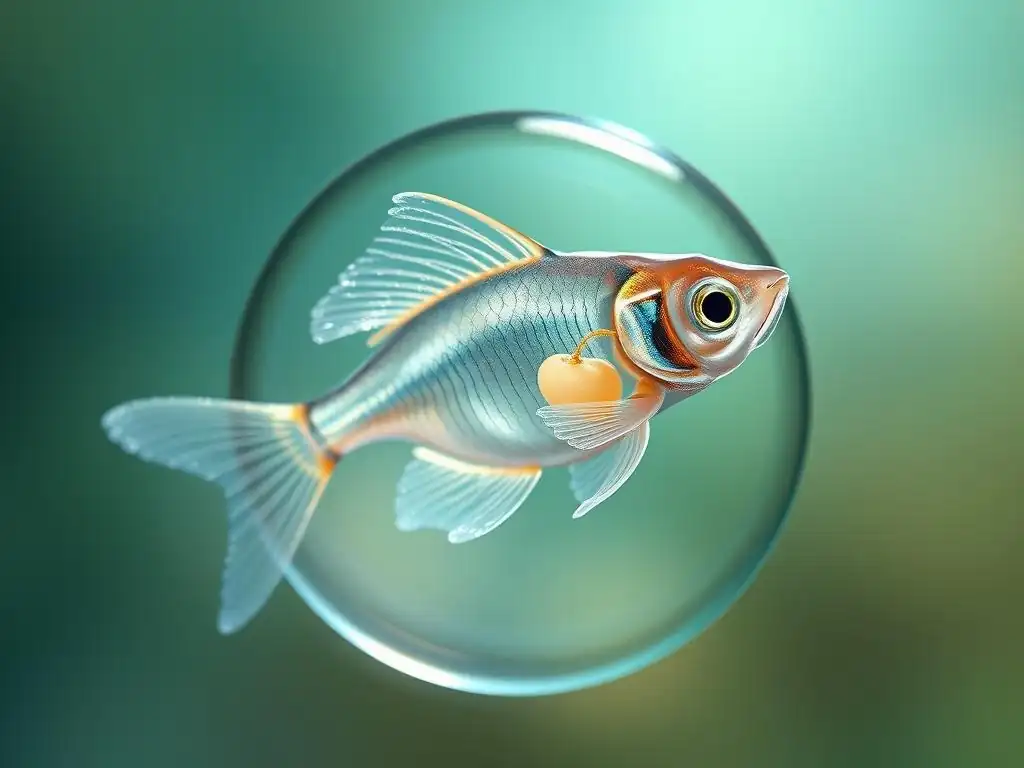
Numerous scientific studies across various marine aquaculture species have consistently demonstrated the positive impact of probiotics on larval survival rates. For instance, research conducted on Sparus aurata (gilthead seabream) larvae has reported a significant increase in survival, often ranging from 15% to 30% higher in probiotic-treated groups compared to control groups, particularly during the critical first few weeks post-hatch.
Similar improvements have been observed in other commercially important species like Lates calcarifer (barramundi) and Dicentrarchus labrax (European seabass), where daily applications of Bacillus species or multi-strain probiotic blends have reduced early mortality by up to 25%. These findings underscore the tangible probiotic benefits larval fish survival across diverse species.
These enhanced survival rates are often attributed to the cumulative effects of probiotics in mitigating pathogen loads, improving water quality, and bolstering larval immunity. For example, in shrimp larval culture ( Litopenaeus vannamei), the use of Bacillus probiotics has been shown to reduce the prevalence of Vibrio infections, leading to survival rates of 60-70% in treated tanks compared to 30-40% in untreated controls. This robust evidence reinforces the utility of probiotics as a vital tool in marine larval rearing.
Probiotic Impact on Larval Growth and Development
Beyond survival, probiotics also exert a profound influence on the growth and developmental trajectory of marine fish larvae. Larvae exposed to beneficial bacteria often exhibit accelerated growth rates, characterized by increased length and weight gain within the same rearing period.
For example, studies on Pagrus major (red seabream) larvae have shown that probiotic supplementation can lead to a 10-15% increase in standard length and a 20-25% increase in wet weight by the end of the larval stage compared to controls. This improved growth is a direct result of enhanced nutrient absorption and reduced energy expenditure on fighting off sub-clinical infections.
Furthermore, probiotics can contribute to more uniform development and a reduction in developmental abnormalities. Healthier gut microbiomes promote better assimilation of essential nutrients, including vitamins and fatty acids, which are crucial for proper organogenesis and skeletal formation. This leads to a higher proportion of well-formed, robust juveniles, emphasizing the comprehensive probiotic benefits larval fish survival by ensuring not just more survivors, but higher quality ones.
Paralichthys dentatus (Summer Flounder): Probiotic Supplementation Enhances Growth and Reduces Deformities
The rearing of Paralichthys dentatus (Summer Flounder) larvae is known for its challenges, particularly regarding growth rates and the incidence of skeletal deformities. However, targeted probiotic supplementation has shown remarkable success in addressing these issues.
Studies involving the incorporation of specific Bacillus strains, such as Bacillus subtilis or Bacillus licheniformis, into the larval rearing environment have demonstrated significant improvements in growth parameters. For instance, larvae consistently exposed to these probiotics, either through water column application (e.g., 10^6 CFU/mL daily) or live feed enrichment, have shown an impressive 12-18% increase in total length and a 20-25% increase in wet weight by 30 days post-hatch compared to control groups.
Crucially, probiotic intervention has also been highly effective in reducing the occurrence of debilitating skeletal deformities, such as jaw abnormalities, spinal curvatures, and opercular defects, which can severely impact marketability and survival beyond the larval stage. In untreated groups, the incidence of these deformities can range from 30-50%; however, with consistent probiotic application, this rate has been reported to drop dramatically to under 10-15%. This significant reduction in deformities highlights how probiotic benefits larval fish survival not just quantitatively, but also qualitatively, by producing healthier, more viable juvenile fish.
Selecting Probiotics for Saltwater Larval Rearing
Identifying Effective Probiotic Strains
The effectiveness of probiotics is highly strain-specific; not all beneficial bacteria offer the same advantages across all species or rearing conditions. For saltwater larval rearing, it is crucial to identify and select probiotic strains that have been scientifically validated for marine environments and the specific target species. Bacillus species, such as Bacillus subtilis, Bacillus licheniformis, and Bacillus pumilus, are among the most commonly used and effective strains due to their spore-forming ability, which ensures high viability and stability, and their broad-spectrum benefits, including pathogen inhibition and enzyme production.
Ideally, multi-strain probiotic formulations are preferred, as a consortium of different beneficial bacteria can offer synergistic effects, providing broader protection and more comprehensive health benefits than a single strain. When selecting a product, look for clear labeling of the specific strains included, their concentrations (typically in Colony Forming Units per gram, CFU/g, or per milliliter, CFU/mL), and evidence of their efficacy in marine aquaculture. This careful selection is paramount to maximizing probiotic benefits larval fish survival.
Probiotic Forms: Liquid, Powder, and Encapsulated
Probiotics for marine larval rearing are available in several forms, each with distinct advantages and application methods. Liquid formulations offer convenience for direct dosing into the water column and often contain live, active cultures, though their shelf life may be shorter. Powdered forms, frequently containing bacterial spores, are highly stable and have a longer shelf life, but require proper dispersion in water before application. They can also be easily incorporated into microdiets or used for live feed enrichment.
Encapsulated probiotics provide an outer protective layer, enhancing the viability of the microorganisms, especially when incorporated into feeds or exposed to challenging environmental conditions. This form can ensure more targeted delivery to the larval gut. The choice of form often depends on the specific rearing system, the larval stage, and the desired application method, all of which influence the ultimate delivery and efficacy of the probiotic benefits larval fish survival.
Probiotic Viability and Storage Considerations
For probiotics to be effective, the microorganisms must remain viable and active when administered to the larvae. Probiotic products contain live organisms, and their efficacy is directly related to the number of viable cells (CFU) at the time of application. Therefore, it is critical to pay close attention to the product's expiry date and recommended storage conditions. Many probiotic formulations, particularly liquid ones, require refrigeration or storage in a cool, dark place to maintain their potency.
Exposure to high temperatures, direct sunlight, or harsh chemicals (like disinfectants or antibiotics) can significantly reduce probiotic viability, rendering them ineffective. Always follow the manufacturer's storage instructions meticulously. Ensuring the viability of the probiotic culture guarantees that the intended dose of beneficial microorganisms reaches the larvae, thereby maximizing the probiotic benefits larval fish survival and ensuring a return on investment.
Implementing Probiotics in Larval Rearing: A Step-by-Step Guide
Larval Rearing Tank Preparation
Proper preparation of the larval rearing tank is the foundational step for successful probiotic implementation. Begin with thoroughly cleaned and sterilized tanks to minimize any existing pathogenic bacterial loads. Use a suitable disinfectant (e.g., bleach, hydrogen peroxide) followed by complete rinsing and drying. Fill the tanks with high-quality, filtered, and ideally UV-sterilized seawater to prevent the introduction of unwanted microorganisms.
Before introducing larvae or probiotics, ensure all environmental parameters—temperature, salinity, aeration, and light cycle—are stable and optimized for the specific species being reared. A stable and pristine starting environment creates the ideal conditions for the beneficial probiotic strains to establish themselves and proliferate, thereby setting the stage for the maximum probiotic benefits larval fish survival.
Probiotic Dosage and Application Methods
The correct dosage and consistent application are crucial for achieving the desired probiotic benefits larval fish survival. Dosage rates vary widely depending on the specific probiotic product, its concentration (CFU/g or CFU/mL), and the larval density in the tank. A common starting point for water column application is typically between 10^5 to 10^7 CFU/mL of tank water, applied daily or every other day. For live feed enrichment, concentrations often range from 10^8 to 10^9 CFU/g of feed.
Probiotics can be applied directly to the rearing water, where they help condition the environment and can be consumed by the larvae. Alternatively, they can be used to enrich live feeds (e.g., rotifers, Artemia) by soaking them in a probiotic solution for a specified period (e.g., 1-2 hours) before feeding. This method ensures direct delivery of beneficial bacteria to the larval gut. For later larval stages, probiotics can also be incorporated into microdiets. A combination of water and feed application often yields the best results.
Monitoring Water Quality and Adjusting Levels
While probiotics significantly contribute to a healthier rearing environment, they do not eliminate the need for diligent water quality monitoring. Regular testing of key parameters such as ammonia, nitrite, nitrate, pH, and dissolved oxygen is essential. Probiotics can help stabilize these parameters by enhancing nutrient cycling and reducing organic load, but drastic fluctuations can still stress larvae and diminish probiotic efficacy.
Observe the larval behavior and overall tank conditions daily. If signs of stress or disease emerge, or if water quality parameters deviate significantly, adjust probiotic dosing accordingly. In cases of bacterial blooms or excessive turbidity, a temporary reduction in probiotic addition or a partial water change might be necessary. This adaptive approach ensures that probiotic use remains optimized, maximizing probiotic benefits larval fish survival without inadvertently causing imbalances.
Probiotic Dosing Schedule for Amphiprion ocellaris (Ocellaris Clownfish)
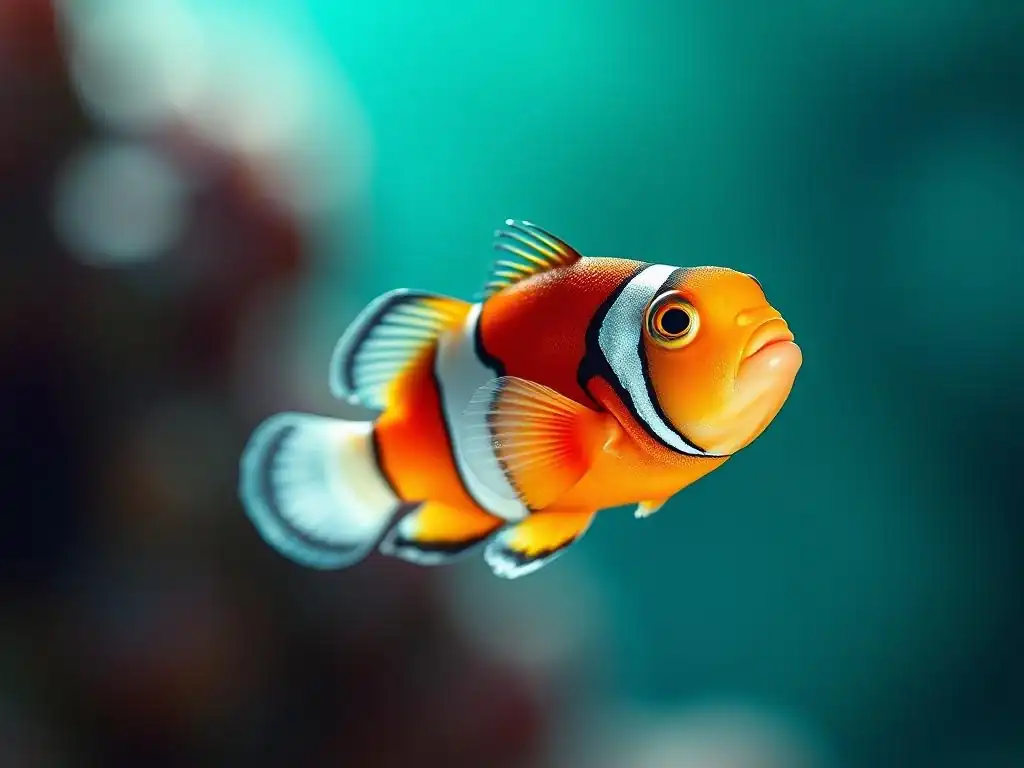
For Amphiprion ocellaris (Ocellaris Clownfish) larvae, a practical probiotic dosing schedule can significantly enhance their survival and development. From the day of hatch (Day 0), a daily application of a reputable Bacillus species blend (e.g., Bacillus subtilis, Bacillus licheniformis) is recommended. A common dosage is 10^6 CFU/mL of tank water, added directly to the rearing tank each morning after any necessary water changes (typically 10-20%). This consistent water column dosing helps establish a beneficial microbial community in the rearing environment, reducing the competitive advantage of opportunistic pathogens.
As larvae progress and begin feeding on live rotifers (typically from Day 3-5 post-hatch), the live feed itself can be enriched with probiotics. Rotifers can be soaked in a solution containing 10^8 CFU/mL of the probiotic blend for approximately two hours prior to feeding. This ensures that the larvae ingest a high concentration of beneficial bacteria directly into their developing gut.
When Artemia nauplii are introduced (around Day 8-12), they too can be enriched similarly. This dual approach of water and feed application provides continuous probiotic benefits larval fish survival throughout their critical early developmental stages, leading to more robust and resilient clownfish juveniles.
Avoiding Potential Pitfalls of Probiotic Use
Risks of Probiotic Overdosing
While generally safe and beneficial, probiotic use is not without potential pitfalls, and overdosing is a primary concern. Introducing an excessively high concentration of probiotics can sometimes lead to an imbalance in the microbial community, potentially causing adverse effects. An overabundance of any single type of microorganism, even beneficial ones, can lead to increased oxygen consumption due to microbial respiration, potentially depleting dissolved oxygen levels in the rearing water, especially in systems with limited aeration.
Furthermore, excessive probiotic biomass can contribute to increased turbidity and organic load, which might necessitate more frequent water changes and could even create conditions favorable for the proliferation of certain opportunistic bacteria if the system is not well-managed. Adhering strictly to recommended dosages and observing the larval environment closely for signs of imbalance (e.g., persistent cloudiness, reduced feeding) is crucial to ensure that the probiotic benefits larval fish survival are realized without unintended consequences.
Identifying and Addressing Potential Side Effects
Although rare, it is important to be aware that certain probiotic strains might not be universally compatible with all marine species or rearing systems, potentially leading to unexpected side effects. These could manifest as slight reductions in feeding activity, lethargy, or, in very rare cases, an unexplained increase in mortality if a specific strain proves unsuitable or if an underlying issue exacerbates a minor imbalance. It is always advisable to conduct small-scale trials when introducing a new probiotic product, especially for highly sensitive or novel species.
If any negative effects are observed that correlate with probiotic application, the first step is to immediately cease dosing the product. Perform large water changes (e.g., 50-70%) to dilute the existing microbial load and thoroughly assess all other environmental factors, such as water quality, temperature, and feeding regimen, to rule out alternative causes. This proactive approach ensures that any adverse reactions are swiftly mitigated, preserving the overall probiotic benefits larval fish survival in the long run.
Maintaining Microbiome Balance
The ultimate goal of probiotic use in larval rearing is not to create a monoculture of beneficial bacteria, but rather to foster a diverse and balanced microbial community in both the larval gut and the rearing water. An over-reliance on a single probiotic strain or continuous, excessive dosing without proper monitoring can inadvertently suppress the natural development of a healthy, diverse microbiome. A balanced microbiome is more resilient to environmental fluctuations and better equipped to resist colonization by a wider range of potential pathogens.
To maintain this delicate balance, consider rotating different probiotic blends or using multi-strain products that offer a broader spectrum of beneficial bacteria. Regularly assess the system's overall health, including water clarity, larval vitality, and feed consumption. Integrating probiotics as part of a holistic management strategy that includes excellent water quality management, appropriate nutrition, and stringent hygiene protocols will ensure a robust and stable microbial environment, maximizing the long-term probiotic benefits larval fish survival.
Probiotics vs. Other Larval Rearing Techniques
Probiotics vs. Antibiotics
The distinction between probiotics and antibiotics in larval rearing is fundamental. Antibiotics are broad-spectrum antimicrobial agents designed to kill or inhibit the growth of bacteria, often without discrimination between beneficial and harmful strains. While effective for treating acute bacterial outbreaks, their widespread or prophylactic use in aquaculture has led to significant concerns regarding antibiotic resistance development in pathogens and the disruption of the delicate larval gut microbiome, potentially causing long-term health issues.
In contrast, probiotics are live beneficial microorganisms that work by promoting a healthy microbial balance, enhancing natural immunity, and competitively excluding pathogens. They represent a preventative and sustainable approach, focusing on disease prevention rather than reactive treatment. The probiotic benefits larval fish survival are rooted in fostering natural resilience, whereas antibiotics, while sometimes necessary, carry the risk of collateral damage to the host's microbial ecosystem and contribute to global antibiotic resistance.
Probiotics and Live Feed Enrichment
Probiotics are often used synergistically with live feed enrichment techniques, rather than as an alternative. Live feeds such as rotifers and Artemia are indispensable in the early stages of marine fish larval rearing due to their size, digestibility, and swimming behavior. However, their nutritional quality can be variable, necessitating enrichment with essential fatty acids (e.g., DHA, EPA), vitamins, and amino acids to meet the larvae's demanding nutritional requirements.
When live feeds are enriched with probiotics, they serve as effective delivery vehicles for the beneficial bacteria directly into the larval gut. This dual approach ensures that larvae receive both critical nutrients for growth and development, and a continuous supply of beneficial microorganisms for gut health and pathogen defense. This combined strategy significantly amplifies the overall probiotic benefits larval fish survival by addressing both nutritional and immunological needs simultaneously.
Comparison of Larval Rearing Methods: Benefits and Drawbacks
| Method | Benefits | Drawbacks |
|---|---|---|
| Traditional/Basic | Simple setup, low initial cost. | Extremely low survival rates (often <10%), high susceptibility to disease, inconsistent results. |
| Antibiotic Use | Rapidly controls acute bacterial outbreaks, can save a cohort in crisis. | Leads to antibiotic resistance, disrupts beneficial gut flora, no long-term preventative benefits, potential for residues in fish. |
| Live Feed Enrichment | Improves nutritional profile of larvae, supports growth and development, crucial for early stages. | Does not directly address pathogen load in water or gut, requires culturing live feeds, can be a vector for pathogens if not managed properly. |
| Probiotic Use | Enhances immunity, competitive exclusion of pathogens, improves digestion, promotes stable water quality. | Requires consistent application, efficacy is strain-specific, potential for imbalance with overdosing, does not replace good husbandry or proper nutrition. |
| Integrated Approach | Highest survival rates, robust larval health, sustainable disease prevention, optimized growth. | More complex management, requires understanding of multiple techniques, higher initial investment in knowledge and resources. |
The table above illustrates that while each method has its place, an integrated approach that leverages the probiotic benefits larval fish survival in conjunction with optimal nutrition and stringent biosecurity measures yields the most successful outcomes in saltwater fish breeding. Probiotics serve as a cornerstone of this modern, preventative strategy, moving beyond reactive solutions to proactive health management.
Case Studies: Probiotic Success in Saltwater Fish Breeding
Hippocampus barbouri (Barbour's Seahorse): Probiotic Use for Enhanced Survival and Reduced Disease
Rearing Barbour's Seahorse ( Hippocampus barbouri) larvae is notoriously challenging due to their delicate nature and high susceptibility to bacterial infections, particularly "snout rot" and other systemic diseases that lead to rapid mortality. However, the strategic implementation of specific Bacillus strains, such as Bacillus subtilis or Bacillus licheniformis, in the rearing water has dramatically improved outcomes.
When applied daily at concentrations ranging from 10^5 to 10^6 CFU/mL, these probiotics have been shown to significantly reduce the incidence of bacterial diseases, which were historically responsible for decimating larval cohorts. Survival rates, which often hovered around a mere 10-20% for early larval stages in traditional setups, have reportedly increased to a remarkable 30-40%, and even higher in well-managed systems consistently utilizing beneficial bacteria.
This profound probiotic benefit for larval fish survival in Hippocampus barbouri is also attributed to enhanced feeding responses and overall gut health. The reduction in pathogen pressure allows the delicate seahorse larvae to allocate more energy towards growth and development rather than mounting an immune response. This leads to more robust and active larvae that are better equipped to assimilate nutrients from their Artemia and copepod diets, ultimately resulting in a higher yield of healthy, metamorphosed juveniles.
Pseudanthias squamipinnis (Lyretail Anthias): Probiotics Improve Larval Quality and Metamorphosis
The Lyretail Anthias ( Pseudanthias squamipinnis) is a popular aquarium fish, but its commercial breeding has been hindered by the extended and often precarious larval stage. Incorporating commercial probiotic blends, typically containing a mix of Bacillus and Lactobacillus species, into the larval rearing protocols has significantly advanced the successful propagation of this species. Daily dosages of 5x10^5 CFU/mL in the rearing water, often alongside probiotic-enriched live feeds, have demonstrated measurable improvements in larval quality. Larvae reared in probiotic-treated tanks have shown a consistent 15-20% increase in mean standard length at metamorphosis compared to their untreated counterparts.
More critically, the time required for successful metamorphosis, a highly vulnerable period for Anthias larvae, has often been reduced by 2-3 days. Furthermore, the percentage of larvae successfully completing metamorphosis has seen an increase of 10-15%, indicating a higher proportion of viable juveniles. This demonstrates how probiotic benefits larval fish survival not only by increasing numbers but also by supporting more robust development and reducing stress during critical developmental bottlenecks, ultimately leading to higher quality and more marketable juvenile fish.
Future Directions: The Evolving Role of Probiotics in Aquaculture
Research on Novel Probiotic Strains
The field of probiotics in aquaculture is continuously evolving, with significant research efforts focused on identifying novel and more effective probiotic strains. Scientists are increasingly looking beyond traditional Bacillus and Lactobacillus species, exploring microbial communities from the gut microbiota of healthy wild fish or specific marine environments. Metagenomic approaches, which analyze the entire genetic material of microbial communities, are being employed to discover new beneficial functions and identify previously unculturable strains with unique probiotic properties.
Furthermore, research is delving into the potential of genetically engineered probiotics, which could be designed to produce specific enzymes, antimicrobial compounds, or immune-stimulatory molecules with enhanced efficacy. While still in experimental stages, these advancements hold promise for developing highly targeted and potent probiotic solutions that could revolutionize disease prevention and growth promotion in marine larval rearing, further expanding the scope of probiotic benefits larval fish survival.
Integrating Probiotics with Advanced Technologies
The future of probiotic application in aquaculture lies in its integration with advanced rearing technologies. In Recirculating Aquaculture Systems (RAS) and Biofloc Technology (BFT), probiotics can play a crucial role in enhancing water quality stability, improving nutrient cycling, and reducing the accumulation of harmful compounds, thereby creating a more stable and resilient environment for larvae. Probiotics contribute to the nitrification process and can help break down organic waste, reducing the reliance on frequent water changes.
The development of smart dosing systems, coupled with real-time monitoring of microbial communities using techniques like quantitative PCR (qPCR) or next-generation sequencing, will allow for more precise and optimized probiotic application. These technologies will enable aquaculturists to tailor probiotic regimens based on the exact needs of the larvae and the dynamic microbial landscape of the rearing system, ensuring maximum probiotic benefits larval fish survival through data-driven decisions.
Conclusion: Probiotics for Enhanced Larval Fish Survival
Recap of Key Benefits
Probiotics have unequivocally established their proven role in significantly enhancing larval survival rates in saltwater aquariums and commercial aquaculture. Their multifaceted benefits include bolstering the larval immune system, directly competing with and inhibiting pathogenic bacteria, and improving the efficiency of digestion and nutrient uptake. These combined actions lead to stronger, healthier larvae, capable of withstanding environmental stressors and disease challenges that typically decimate early life stages. The strategic application of beneficial microorganisms represents a paradigm shift from reactive disease treatment to proactive health management, fostering robust development and resilience.
Ultimately, the consistent and informed use of probiotics contributes to higher yields of healthy, high-quality juvenile fish, making marine fish breeding more sustainable and economically viable. The compelling scientific evidence and successful case studies underscore that the comprehensive probiotic benefits larval fish survival are a cornerstone of modern, responsible marine aquaculture practices.
Promoting Responsible Probiotic Use
To fully realize the probiotic benefits larval fish survival, it is imperative to promote responsible and informed probiotic use. This involves selecting reputable products with clearly identified strains and concentrations, adhering strictly to recommended dosages, and understanding that probiotics are a vital component of a holistic management strategy, not a standalone solution. Regular monitoring of water quality, keen observation of larval health, and proper hygiene protocols remain indispensable.
Aquarists and breeders are encouraged to continuously educate themselves on the latest research and best practices in probiotic application. By integrating probiotics thoughtfully and adaptively into comprehensive larval rearing protocols, we can continue to advance the success rates of saltwater fish breeding, ensuring a healthier future for marine aquaculture and the hobby alike.
Frequently Asked Questions
How do probiotics enhance larval fish survival rates in aquariums?
Probiotics improve larval survival by outcompeting harmful bacteria in the gut and water column. This leads to better nutrient absorption and a stronger immune response in the larvae.
What types of probiotics are most effective for larval fish in aquarium settings?
Beneficial bacteria like Bacillus and Lactobacillus are commonly used. They aid digestion and produce antimicrobial compounds which create a healthier environment for the larvae.
How often should probiotics be administered to larval fish tanks?
The frequency depends on the specific product and species. However, regular application (e.g., daily or every other day) in the early larval stages is typically recommended for optimal results.
Can over-supplementation of probiotics harm larval fish?
Yes, excessive probiotic use can disrupt the balance of the microbiome and potentially lead to issues. It's important to follow the manufacturer's instructions and monitor the tank's water parameters.
Where can I find reliable sources of probiotics specifically designed for aquarium use?
Look for reputable aquarium supply stores or online retailers that offer probiotic supplements formulated for aquatic animals. Always check for product reviews and scientific backing of the brand.
Final Reflection: Cultivating Life's Potential
The insights shared throughout this exploration of probiotics in larval fish rearing underscore a powerful truth: even the smallest interventions can yield transformative results in nurturing life. The evidence presented clearly demonstrates the profound impact of probiotics on larval survival rates, moving beyond theoretical possibilities to tangible improvements in aquaculture practices and ecosystem health. This is not merely about raising more fish; it's about fostering resilience and sustainability in a world increasingly reliant on responsible resource management.
This journey into the microscopic world of beneficial bacteria has profoundly impacted our understanding of interconnectedness within aquatic ecosystems. It's a reminder that even unseen forces play a crucial role in the delicate balance of life, and that by understanding and harnessing these forces, we can unlock unprecedented potential. The greatest threat to our planet is the belief that someone else will save it.
This quote resonates deeply, urging us to embrace our individual responsibility in fostering a healthier future for our oceans and the life they sustain.
Now, consider the implications of these findings beyond the aquarium. How can we apply the principles of nurturing and balance, learned from the study of probiotics, to other aspects of our lives? Let us all strive to cultivate environments, both internal and external, that foster growth, resilience, and the flourishing of potential. Embrace the power of small, positive actions, and contribute to a world where life, in all its forms, can thrive.
Unveil Your Aquarium's Full Potential!
Thank you for diving deep into the world of larval survival and probiotic benefits. You've unlocked valuable knowledge to elevate your aquarium hobby! Now, it's time to put that knowledge into action and see the amazing results firsthand.
Here's how you can take your aquarium game to the next level:
- Immediately begin researching and selecting a probiotic supplement specifically formulated for larval fish, ensuring it matches the dietary needs of your species.
- Share this article with fellow aquarium enthusiasts and spark a conversation about the benefits of probiotics.
- Experiment with a small-scale test group of larvae to meticulously observe the impact of probiotics on their growth and survival rates.
What innovative probiotic application will you pioneer in your aquarium?